REVIEW · CUSCO
Cusco: Full-Day Sacred Valley History Tour
Book on GetYourGuide →Operated by PVTravel · Bookable on GetYourGuide
Sacred Valley moves fast, in the best way. I love how this tour packs major Inca stops into one smooth route, and I also love the bilingual guiding that makes big ideas actually make sense. One thing to plan around: the day can start a little behind schedule if they’re collecting everyone, and lunch timing can feel slow once you’re hungry.
After pickup in central Cusco around 7:30AM, you’ll wind north into the Andes, stop at an overlook, then keep moving through the market, ruins, and craft towns. Expect a full 11-hour day with several changes of scenery and enough time at each stop to enjoy it without turning it into a marathon.
In This Review
- Key highlights worth waking up for
- Sacred Valley in One Long Day: How the Route Works
- El Mirador Lookout: Getting Oriented Before the Ruins
- Pisac Market and Ruins: Color, Stonework, and Real-World Craft
- Urubamba River Drive and Lunch at the Midday Break
- Ollantaytambo Ruins: Inca Architecture With Wiracocha in Focus
- Chinchero Textile Traditions: Natural Dyes and Quechua Daily Life
- Price and What You Actually Get for $45
- Best For First-Timers, Culture Seekers, and People Who Hate Logistical Headaches
- Should You Book This Sacred Valley Full-Day History Tour?
- FAQ
- What time does pickup happen in Cusco?
- How long is the tour?
- What places are included during the day?
- Is lunch included?
- Are entrance fees included?
- What’s included in the price?
- Is this tour a small group?
- Is the tour wheelchair accessible?
- What should I bring?
Key highlights worth waking up for
- El Mirador: a quick, clear introduction to Inca irrigation and terracing
- Písac market time: color, stonework, and craft culture in one stop
- Ollantaytambo ruins: Incan construction with special attention to Wiracocha symbolism
- Chinchero textile traditions: natural dyeing and knitting methods connected to daily life
- Small group of up to 15: easier conversation with the guide than the big-bus days
- Urubamba buffet lunch: included, but plan your hunger around the schedule
Sacred Valley in One Long Day: How the Route Works
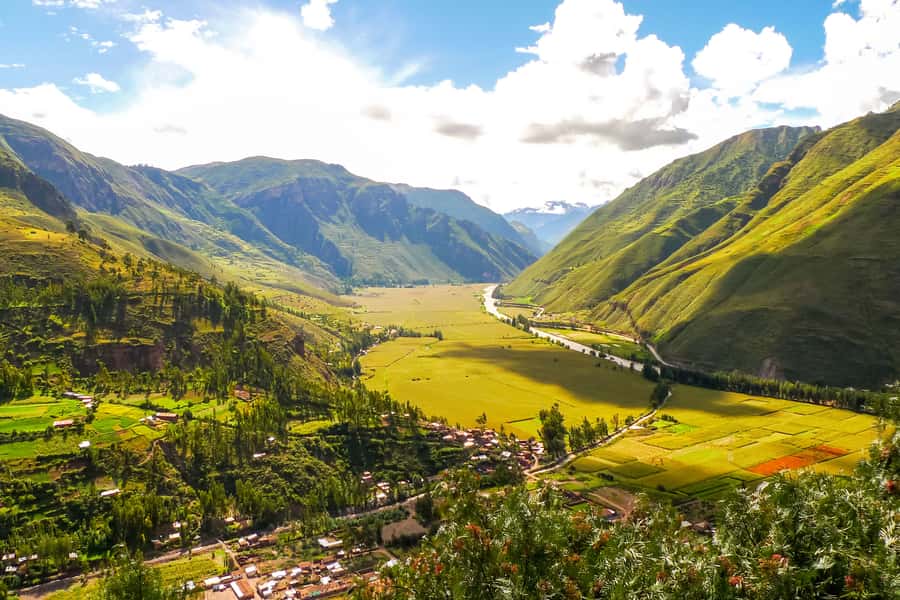
This is the classic Sacred Valley “greatest hits” layout, built for people who want context, not just photo ops. You start with pickup in the historic center and then head out of Cusco early—think mountain road views first, then market and ruins, then crafts, then a long but satisfying return to Cusco around 7:00PM.
The small-group size (up to 15 people) is a real benefit. It means you’re usually not fighting for space at viewpoints or trying to hear the guide over a crowd. It also helps if you have questions, because a guide can actually respond instead of just moving the herd forward.
One practical note: your language experience depends on your specific group day. The tour guide is bilingual (English/Spanish), and during stops you’ll hear explanations in both languages, but the group itself may lean Spanish depending on who’s booked. If you want the English side to be dominant, you can still get it—just don’t expect every conversation in the van to be English.
You can also read our reviews of more historical tours in Cusco
El Mirador Lookout: Getting Oriented Before the Ruins
The first “wow” moment often comes early at El Mirador (Lookout Point). This isn’t just a pretty stop. It’s your chance to understand what you’re seeing later: why the Sacred Valley mattered so much to the Incas, and how they shaped the land to feed people.
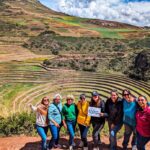
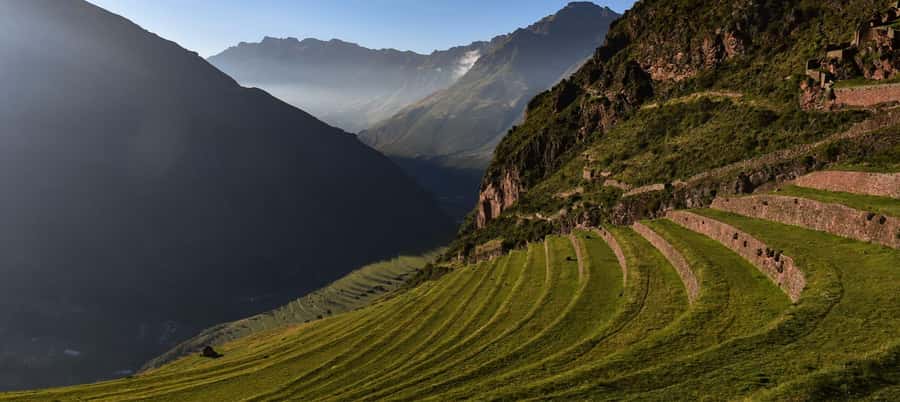
From the viewpoint, you get a clear sense of the valley stretching out below you. Then the guide connects the dots—fertile plains in a high-altitude Andes region, plus the leftover pattern of terracing and irrigation channels. That context matters, because when you later stand near stone agricultural work, you’ll understand it as a living system, not random ruins placed on a hillside.
Bring comfortable shoes here too, even if this is a short pause. Viewpoints can involve uneven ground and quick walking while everyone streams out of the van.
Pisac Market and Ruins: Color, Stonework, and Real-World Craft
After the lookout, you head toward Pisac. This part of the day is about mixing two things: the archaeological side and the everyday culture you can feel in the market area.
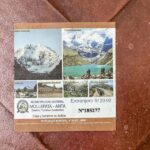
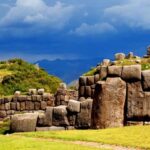
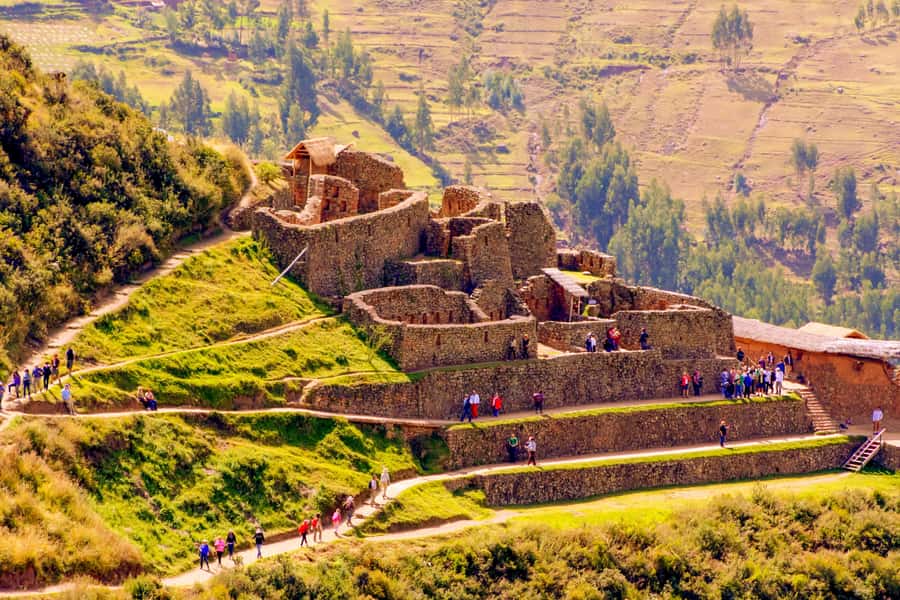
At Pisac ruins, you’ll see Inca stonework and agricultural terraces that follow the land. It’s the kind of place where a guide’s explanations turn “I see walls” into “I see a plan.” You start to notice how the Incas built to manage water and farming on steep terrain—very different from the way we think about gardens today.
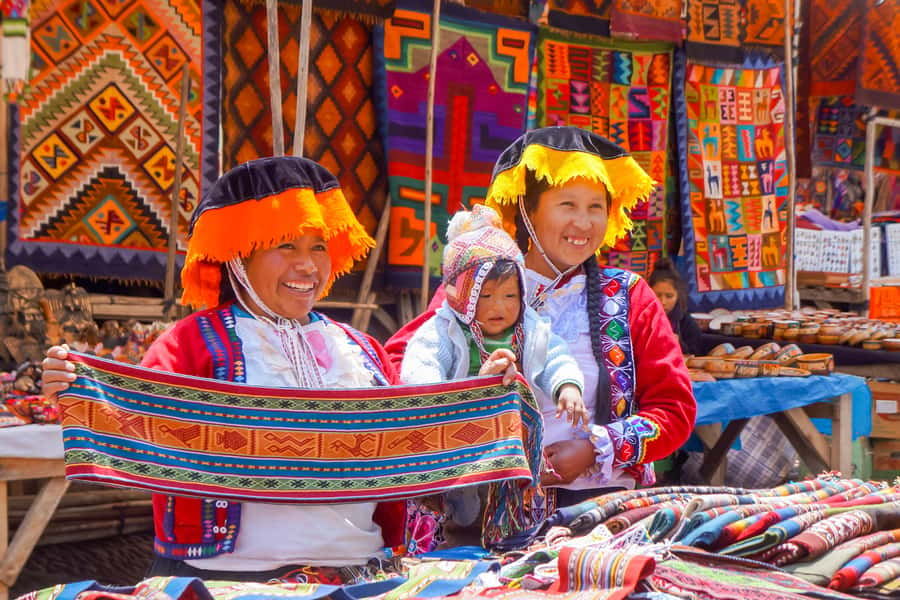
Then comes the Písac market, the part that makes people smile without trying. It’s colorful, lively, and full of craft goods. You’re not just passing through; you’re getting time to look, ask questions, and enjoy the scene. One review also mentioned a quick stop at a jewelry-making place in the area, where you could learn about Inca-style jewelry production. That isn’t guaranteed in every minute of every departure, but it fits with the kind of craft-focused stops this route is set up for.
If you like browsing, this is the stop to slow down a little (but still stay within the group’s timing). If you’re the type who hates markets, you might feel impatient here. Still, even a quick scan of textiles, food stalls, and handmade goods gives you a better sense of what “culture” looks like outside the ruin signs.
Urubamba River Drive and Lunch at the Midday Break
Once you’ve made it through Pisac, the tour shifts into travel mode for a while—driving toward Urubamba and then continuing alongside the Urubamba River later in the day. The river drive is useful. It breaks up the archaeological heaviness and gives you breathing room to absorb the valley’s scale.
Lunch is a buffet in Urubamba, included in the price. In one firsthand account, the buffet was at T’ika Wasi Restaurant and the setting was quite pretty. The big practical takeaway: lunch time can feel late, and the buffet can run longer than you personally want if you’re hungry and ready to move on. Plan to be patient, and bring a little snack energy mindset, even if you don’t technically need it.
The upside is that lunch gives you a chance to sit down properly. You’ll likely have enough time to eat without rushing, and that matters on a long day at altitude. If you’re the sort of person who gets tired when you’re standing around, use the lunch break to reset.
Ollantaytambo Ruins: Inca Architecture With Wiracocha in Focus
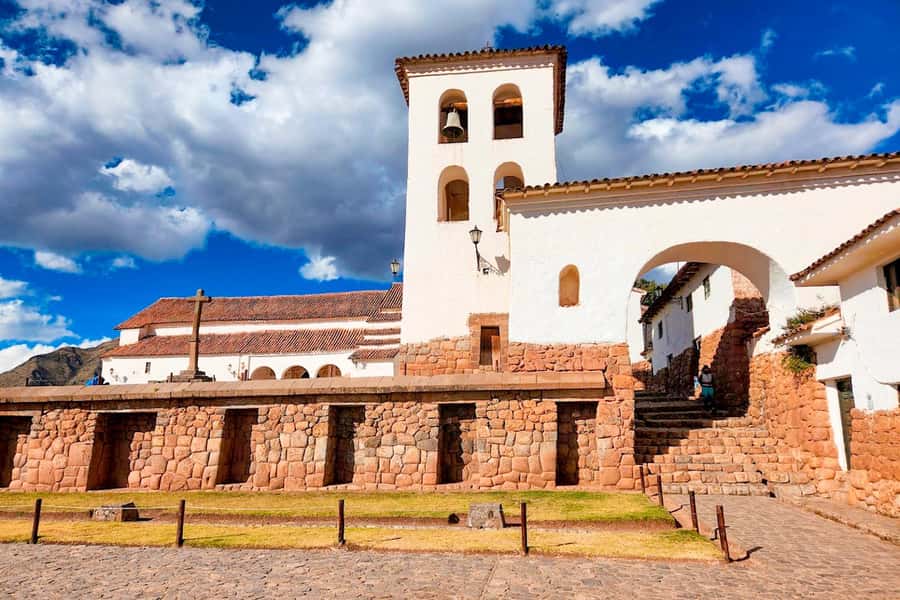
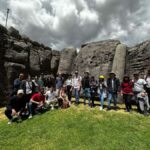
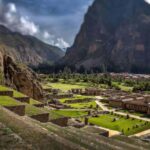
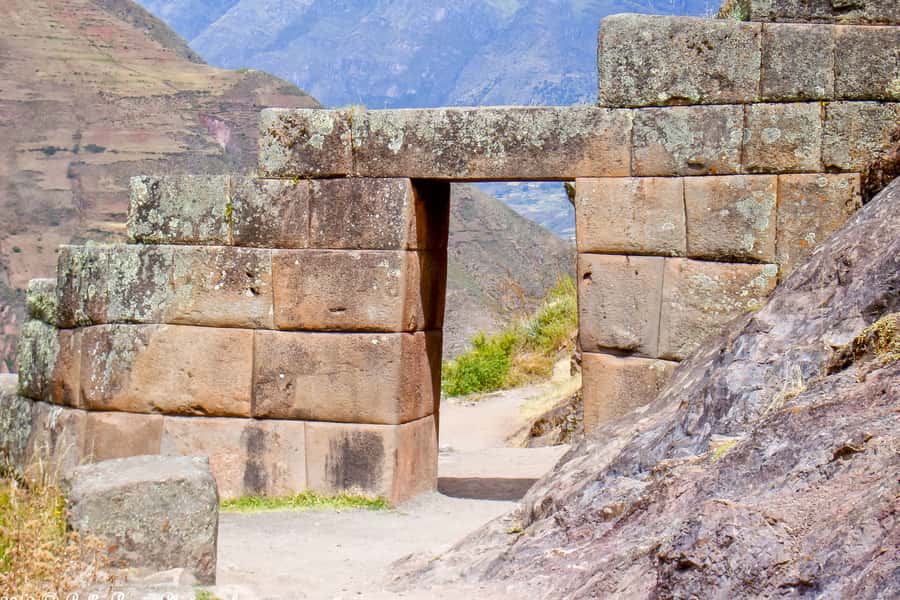
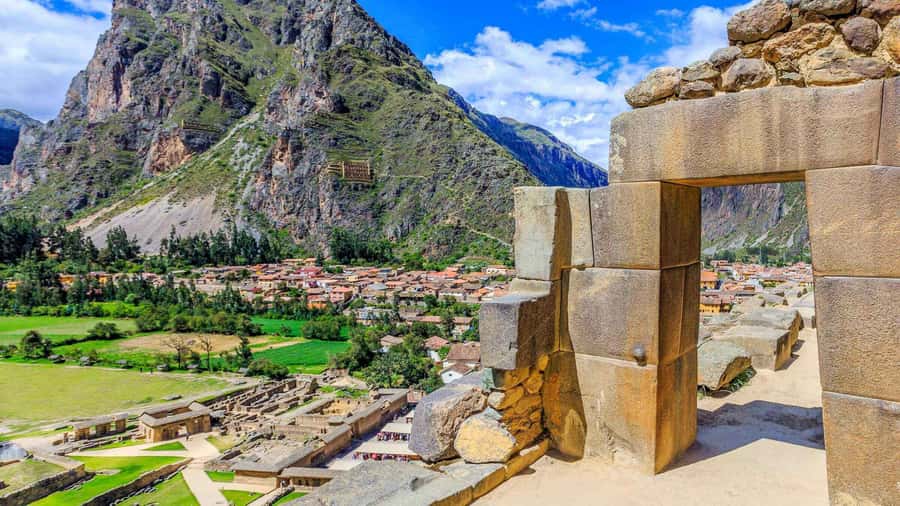
Next up: Ollantaytambo. This is one of the most satisfying sites on the tour because it feels built to be lived in, not just admired from a distance. The focus here is Incan construction, and you’ll spend time walking among the ruins while the guide explains how the site functioned during the Inca heyday.
One detail that really stands out is the mention of rock formations tied to Wiracocha—the Inca creator god. That kind of symbolism tends to fly over people’s heads when they’re just reading generic plaque text. Having a guide point out what to look for helps you connect the stones to the beliefs behind them.
Be ready for some uneven ground. Ruins are ruins: you’re walking on rock surfaces and stepping across natural terrain. Comfortable shoes are not optional advice; they’re the difference between enjoying the site and counting minutes until you can sit down.
You can also read our reviews of more tours and experiences in Cusco



Chinchero Textile Traditions: Natural Dyes and Quechua Daily Life
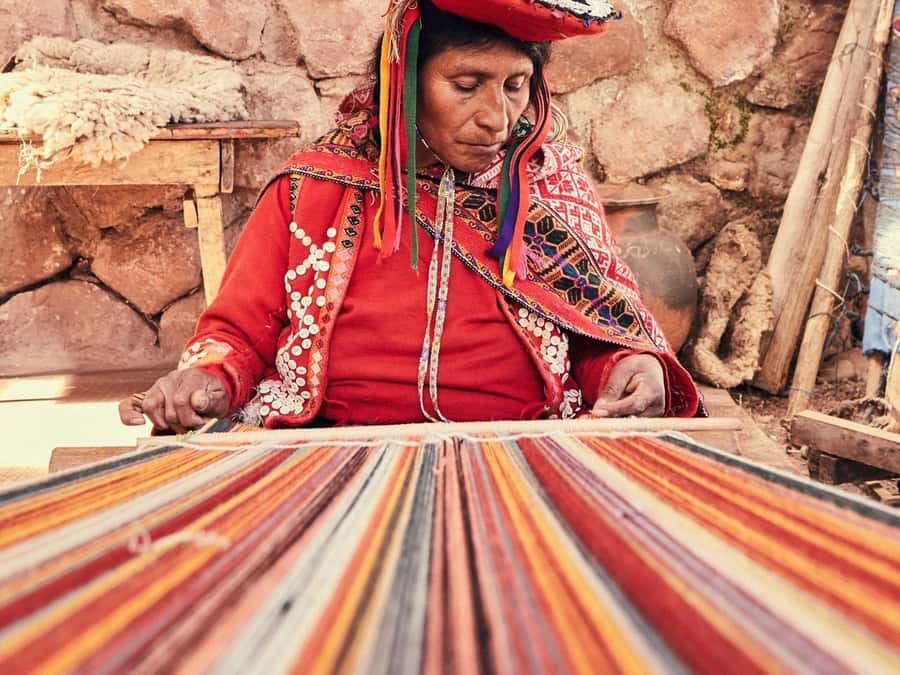
After Ollantaytambo, you’ll continue to Chinchero, where the tour shifts from big archaeological stones to something more hands-on: textile dyeing and knitting techniques.
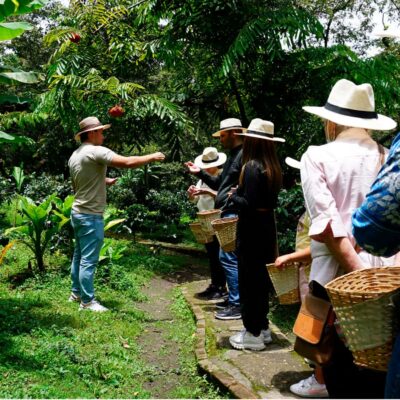
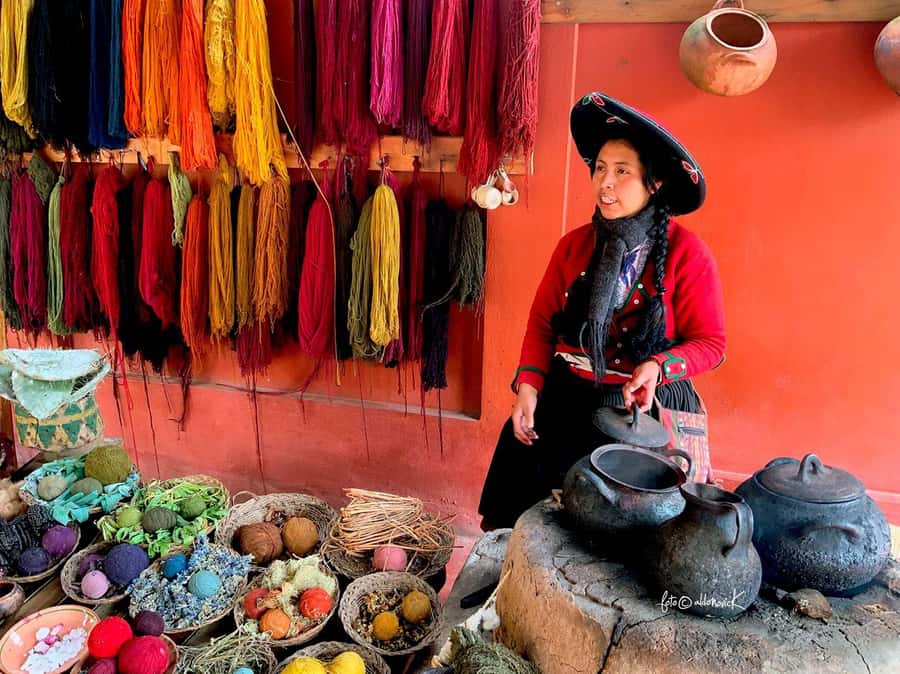
Chinchero is especially memorable because it’s not just a performance of tradition. You’re seeing how people make natural dyes and how textiles get woven and processed as part of everyday life. The tour’s description also highlights that residents live in dwellings similar to their ancestors and that many speak Quechua and dress in multicolored clothing.
In real terms, that means you’re often looking at patterns, materials, and steps that make sense when you can see the whole workflow. You’ll also get a better feel for why alpaca and sheep wool matter here—fiber isn’t an abstract concept. It becomes part of clothing, identity, and local economy.
A practical tip from one experience: if you want to buy alpaca goods, bring cash. Some sellers may prefer it, and it’s a smart move if you want to make a purchase without scrambling at the last second.
Price and What You Actually Get for $45
At $45 per person, this tour sits in the “good value if you want structure” category. Why? Because you’re getting:
- pickup and drop-off around central Cusco,
- transportation for a long day across multiple sites,
- a bilingual guide (English/Spanish),
- a buffet lunch in Urubamba,
- and entrance fees to ruins only if that option is selected.
There’s also a separate cost to plan for: a touristic ticket (S/70.00 per person) is not included. So the true total cost can be a bit more depending on what your booking includes.
Still, the math usually works out well for first-timers. The Sacred Valley is spread out, and moving between places efficiently takes time and planning. This route saves you from figuring out buses, timing, and where to go first. If you have limited time in Cusco and want the main highlights, this is a solid way to buy convenience without sacrificing the important stops.
Best For First-Timers, Culture Seekers, and People Who Hate Logistical Headaches
This tour fits you if:
- you want an organized day that touches the market + ruins + textiles mix,
- you like learning explanations while you’re seeing the sights (the guide quality is a real strength),
- you prefer a small group over a huge crowd.
It can also work for people who are visiting Cusco for the first time and want orientation. The morning lookout helps you frame the landscape, and then the later ruins and irrigation details click more easily.
You might think twice if:
- you dislike early starts and can’t handle minor timing delays for pickup,
- you want long, slow stays at just one site instead of a packed loop,
- you have mobility limits. This tour isn’t suitable for wheelchair users, and ruins/market areas involve uneven walking.
Should You Book This Sacred Valley Full-Day History Tour?
Book it if you want one day that gives you a working sense of why the Sacred Valley mattered and what the Incas built there—terraces, water systems, architecture, and textile traditions. The combination of Ollantaytambo plus Chinchero is especially strong because it connects stone engineering to daily craft life.
Skip it if you’re the type who needs perfect, on-the-dot timing or you want more freedom to linger. This route is efficient by design, and the day can feel a bit rushed when pickup runs late or lunch arrives on a slower timeline.
If you do book, do yourself a favor: wear real walking shoes, bring some cash for textile purchases in Chinchero, and mentally prepare for a full day in motion. It’s a long one, but it’s the kind of long day that actually teaches you something along the way.
FAQ
What time does pickup happen in Cusco?
Pickup is scheduled from your accommodation in the historic center around 7:30AM (check your specific starting time when you confirm availability).
How long is the tour?
The tour runs for about 11 hours total, with return to Cusco around 7:00PM.
What places are included during the day?
The route includes stops at El Mirador, Pisac (market and ruins), Urubamba (lunch area), Ollantaytambo (ruins), and Chinchero (dyeing and knitting traditions).
Is lunch included?
Yes. A buffet lunch in Urubamba is included.
Are entrance fees included?
Entrance fees to ruins are included only if that option is selected. A touristic ticket costing S/70.00 per person is not included.
What’s included in the price?
Included items are pickup from historic-center hotels, transportation, a bilingual guide (English/Spanish), buffet lunch in Urubamba, and drop-off at Plaza Regocijo.
Is this tour a small group?
Yes. It’s limited to 15 participants.
Is the tour wheelchair accessible?
No. It’s listed as not suitable for wheelchair users.
What should I bring?
Wear comfortable shoes. You’ll be doing walking at market and ruin stops, plus some uneven terrain.