REVIEW · CUSCO
Cusco: Pisac, Sacsayhuaman, Q’enqo, and Tambomachay Tour
Book on GetYourGuide →Operated by XPLORA AMERICA · Bookable on GetYourGuide
One day, five Inca stops, zero guesswork. This tight route pulls you from the Pisac market into major Cusco-area ruins, with viewpoints like Taray that make the Sacred Valley’s scale click fast. I especially like the way the tour pairs street-level life in Pisac with stonework and ritual sites you can actually picture in context, and I love that the guide work is front-and-center, not an afterthought.
The main thing to plan for: the big archaeological-site entrance fees are not included (S/ 70 for foreigners per person), and you’ll do real walking on uneven ground. If your back is touchy, or you need wheelchair access, this isn’t a great fit.
In This Review
- Key highlights you’ll feel during the day
- Pisac market and archaeological park: where the Sacred Valley feels real
- Taray Viewpoint: reading the Sacred Valley by terrace lines
- Sacsayhuamán: the ceremonial fortress that makes stone feel loud
- Q’enqo and the idea of ritual space: more than a photo stop
- Tambomachay: water worship and the logic of temple design
- Puka-Pukará: the panoramic ending that ties to Inca roads
- Guide quality makes or breaks this Cusco loop
- Price and entrance fees: what $77 buys you (and what it doesn’t)
- Practical tips for your 6-hour route (and the stuff to bring)
- Should you book the Cusco: Pisac, Sacsayhuamán, Q’enqo, Tambomachay tour?
- FAQ
- What is the duration of the tour?
- How much does the tour cost?
- What is included in the price?
- Are entrance tickets included for the ruins?
- How much are the entrance tickets for foreigners?
- Do Peruvians pay a different entrance fee?
- Where does pickup happen in Cusco?
- What languages does the guide speak?
- What should I bring, and what is not allowed?
- Who should avoid this tour?
Key highlights you’ll feel during the day
- Pisac market time with a guided route so you don’t just shop blind
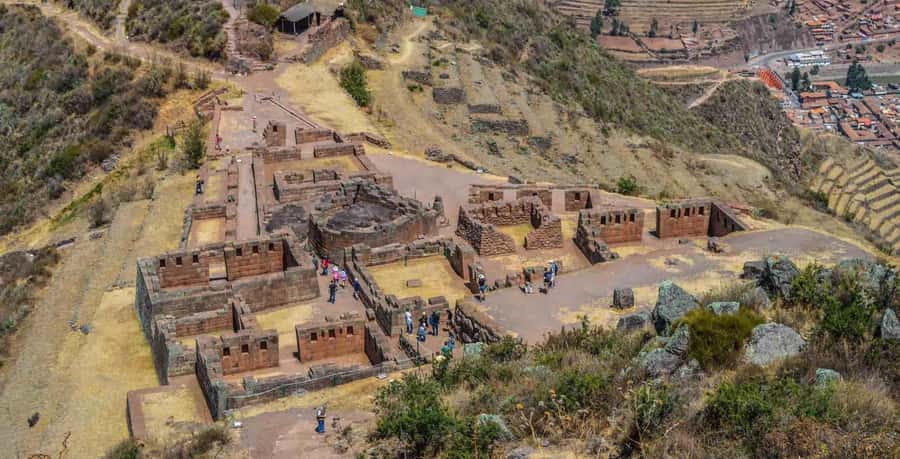
- A proper walk through Pisac’s archaeological park with explanations tied to what you see
- Taray Viewpoint stop for dramatic Sacred Valley terrace views on the return trip
- Sacsayhuamán, Q’enqo, and Tambomachay in one circuit so the Inca story flows instead of feeling chopped up
- Puka-Pukará viewpoint for a look at an ancient tambo/guard post along Inca roads
Pisac market and archaeological park: where the Sacred Valley feels real
Pisac is the kind of place that makes Cusco visitors slow down without meaning to. You start with a hotel pickup in Cusco’s historic center area, then head out toward the Sacred Valley with your guide leading the rhythm. The day feels efficient, but not rushed in a chaotic way—more like a guided walkthrough that keeps you moving and looking at the right things.
Once you arrive, you get time to walk through Písac’s streets and see artisan stalls. This isn’t just for scenery. Market streets tell you how people live now, and that makes the nearby Inca ruins easier to read. You can look at what’s being sold and ask questions about materials and traditions, then turn that same curiosity toward how the Incas used the valley over centuries.
Next comes the famous market. The payoff here is guidance. A guide helps you navigate the market’s different sections and keeps you focused on what matters, whether you’re there for photos, textiles, or simply the energy of the place. It’s also a good moment to pick up small souvenirs—though do it with your feet in mind. You’re on your feet for a while.
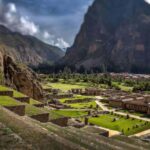
Then, before leaving Pisac, the tour includes a guided visit to the Písac archaeological park. This is where the experience shifts from daily life to the Inca world. Instead of treating the park like a pile of stones, your guide connects features to purpose—how terraces and work areas tied into agriculture, and how the site fits into the Sacred Valley’s bigger system. It’s the kind of context that turns a quick photo stop into something you remember.
Practical note: you’ll want comfortable shoes. Uneven ground plus stairs (and you’ll know there are stairs the moment you start climbing) is not a time for flimsy footwear.
You can also read our reviews of more tours and experiences in Cusco.

Taray Viewpoint: reading the Sacred Valley by terrace lines
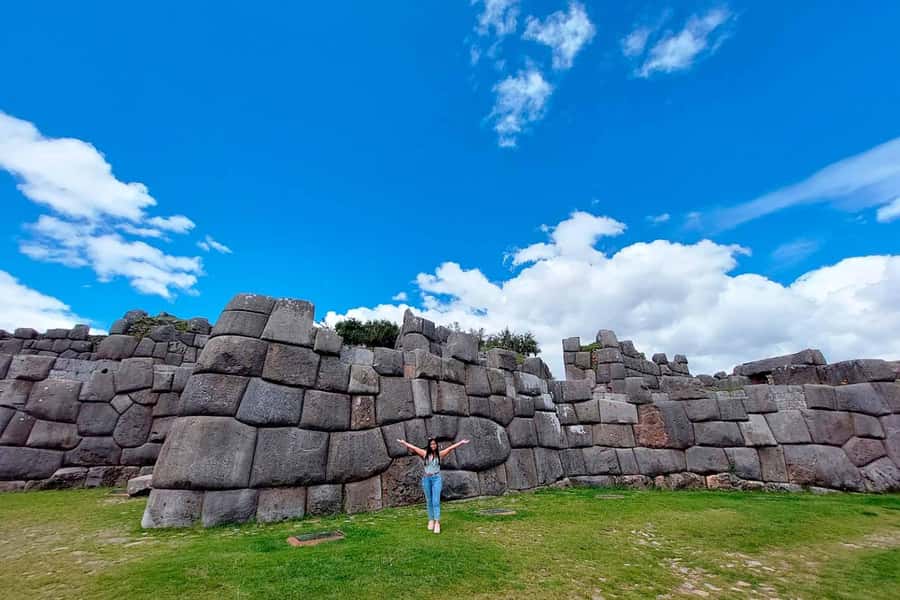
On the way back toward Cusco, you stop at the Taray Viewpoint. This is one of those stops that can feel like a quick photo moment—but when you look longer, it becomes a lesson in how the valley worked.
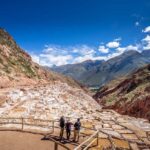
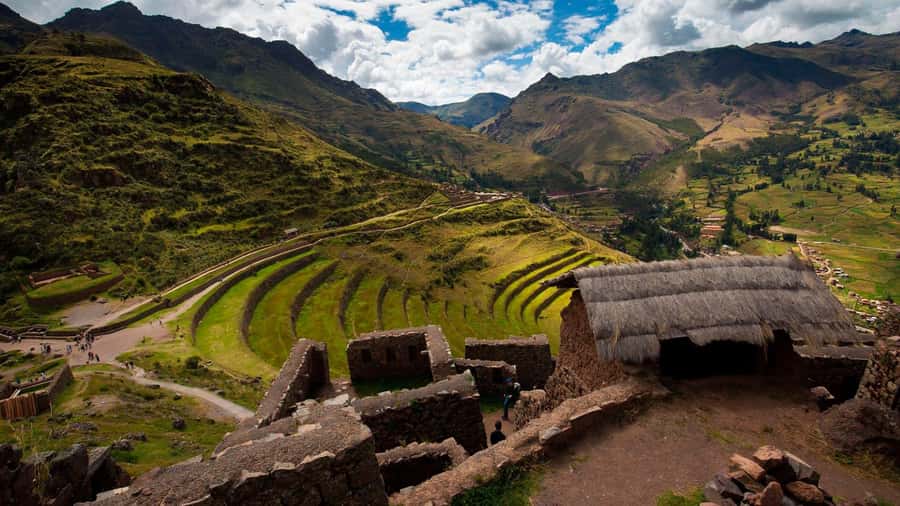
From this viewpoint, you can admire the Sacred Valley’s terrace system. The terraces aren’t just pretty. They signal engineering choices: carving land into workable steps, managing water and growing conditions, and shaping the hillsides into something productive. Even if you’re not a history nerd, you’ll start to see how the Incas turned geography into infrastructure.
Your guide’s explanations help you connect what you see at the viewpoint to what you visited earlier in Pisac. In other words, Taray helps you zoom out. After hours of looking at specific sites, you finally get a sense of the pattern tying them together.
This stop is also a relief point in a day that otherwise stays active. The schedule is tight, but viewpoints give you a chance to stand, breathe, and reset before the Cusco ruins portion begins.
Sacsayhuamán: the ceremonial fortress that makes stone feel loud
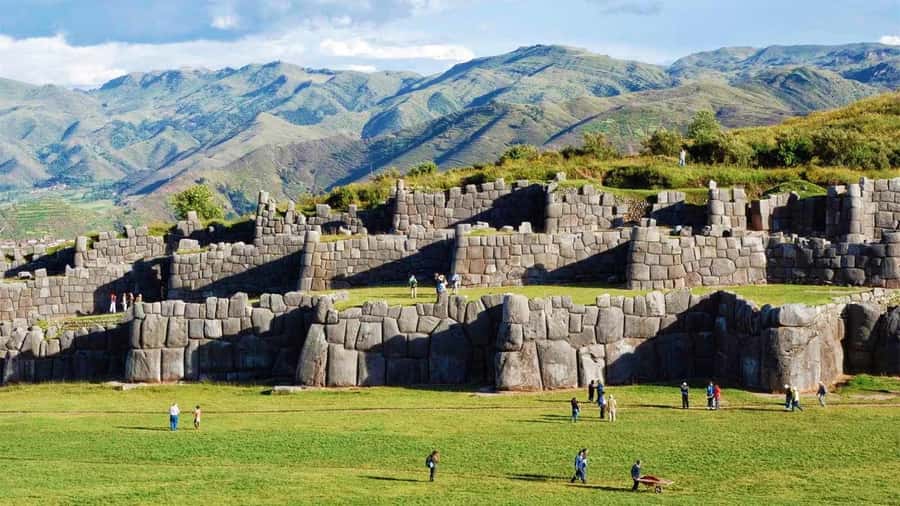
After Pisac and Taray, the tour pivots back toward Cusco for three major ruins: Sacsayhuamán, Q’enqo, and Tambomachay.
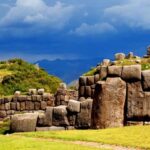
First up is Sacsayhuamán, described and taught as a ceremonial fort of stone monuments. If you’ve seen Inca walls before, you know they can look almost abstract—big blocks arranged with a precision that feels too clean. Sacsayhuamán is where the scale and attitude of Inca construction really hit. Standing there, you get a sense of why this mattered: not just as a structure, but as a place designed for public meaning.
This is also where the guide portion becomes extra valuable. Your tour includes history lessons about both the Incas and the Spanish conquest, and Sacsayhuamán is a natural anchor for that story. Even if your knowledge starts at zero, the guide can point out what changed and what persisted.
One small reality check: ruins visits involve walking across uneven stone and open areas. Bring patience with you. This isn’t museum-floor pacing.
Q’enqo and the idea of ritual space: more than a photo stop
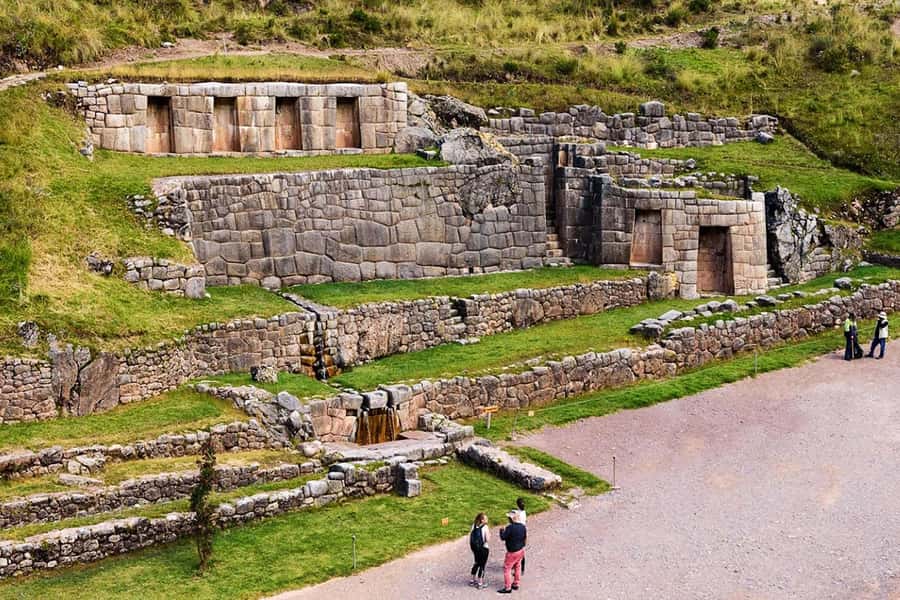
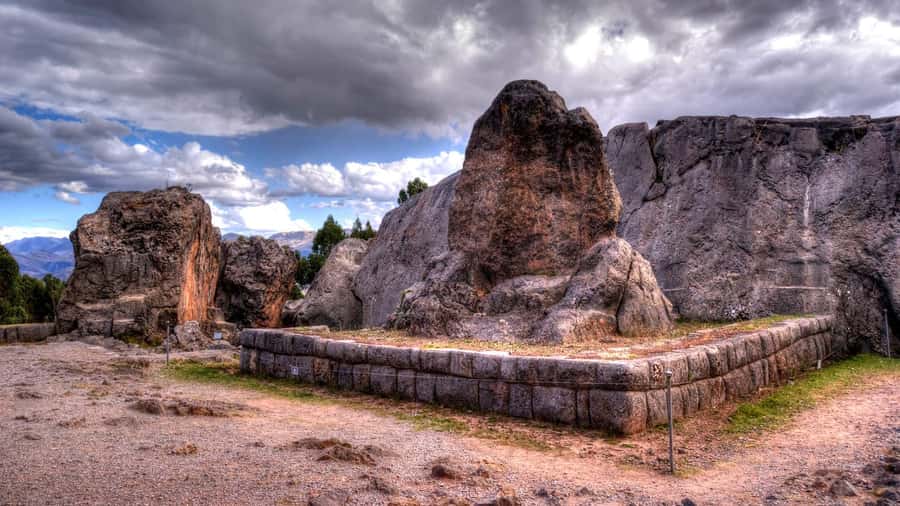
Next you’ll visit Q’enqo, a ritual site where sacrifices once took place. That framing matters. Without it, Q’enqo can feel like another set of stone shapes. With it, you notice how the space is arranged and why people would have gathered there for ceremonies.
As you walk, you’ll likely catch yourself asking questions like: why here, why this shape, why this layout? A good guide turns those questions into answers you can actually visualize. The tour is built to help you understand the site as a place designed for ritual behavior, not just a historical landmark.
If you’re the type who likes evidence and explanations you can test against what you see, pay attention to how your guide talks through features. In one standout experience on this route, the guide Juan Carlos—described as a trained archaeologist—used clear, precise explanations backed by a logical, evidence-based approach. That kind of method makes Q’enqo’s details feel less mysterious and more meaningful.
Tambomachay: water worship and the logic of temple design
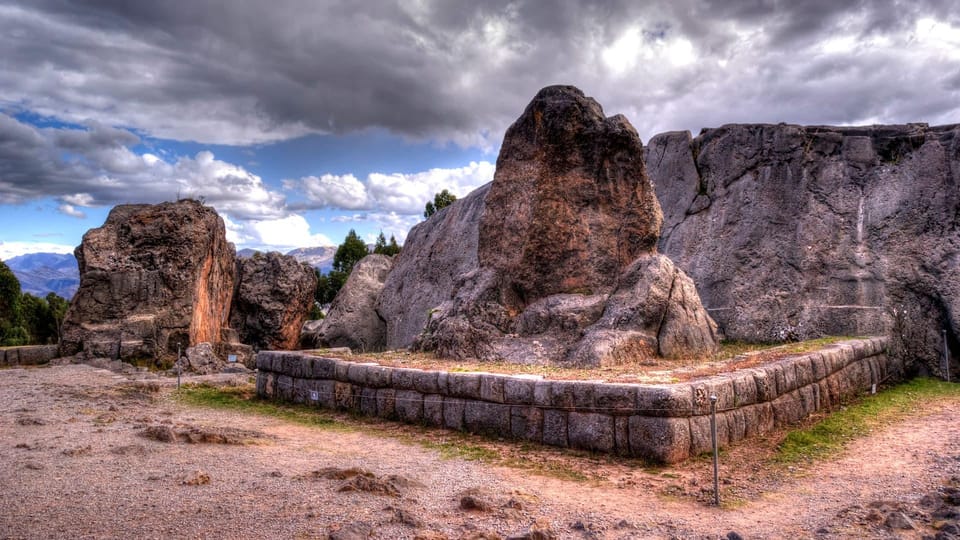
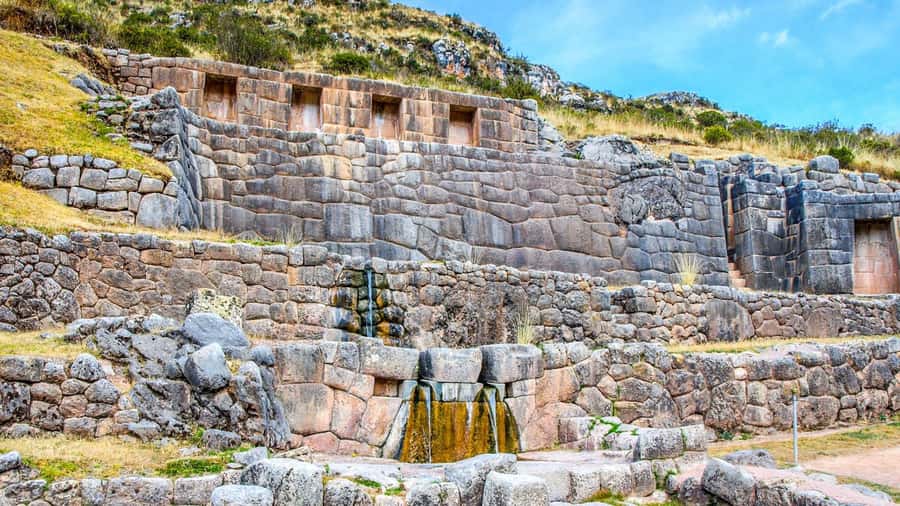
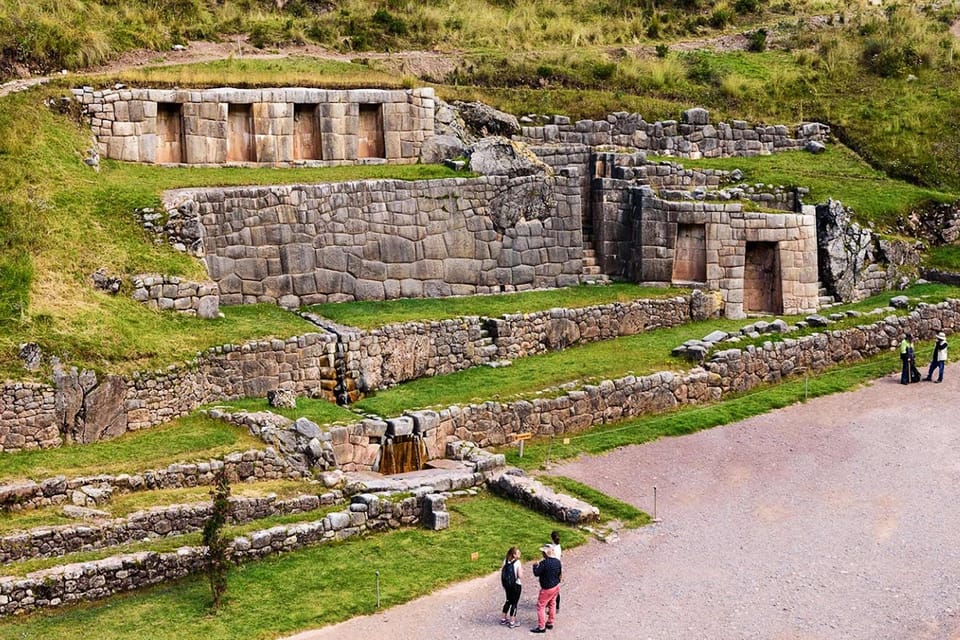
Tambomachay rounds out the Inca circuit. This site is described as a temple dedicated to worshipping the God of Water.
Again, the value here isn’t just the label. It’s the connection between function and design. When you understand that the site’s purpose was tied to water and worship, you start noticing how the area is arranged and why it might have mattered to people living in the valley. Water wasn’t a background detail in Inca life—it was part of survival and agriculture, and it had spiritual weight too.
Your guide’s job is to make those connections plain. The best guided tours don’t just list facts. They help you connect cause and effect: what the Incas needed, how they shaped sites to meet those needs, and what ritual looked like in physical space.
Even if you’re not chasing every historical detail, you’ll leave with clearer mental pictures. That alone is worth more than one extra photo.
Puka-Pukará: the panoramic ending that ties to Inca roads
To finish, the tour includes a panoramic view of Puka-Pukará, described as an ancient tambo or guard post along Inca roads. This is a quieter finish than the earlier ruins, but it gives you a fresh angle on the Inca system.
A tambo and guard post are about movement—routes, travelers, and control. Seeing it from a viewpoint helps you understand why location mattered so much. When the day ends with Puka-Pukará, you feel like the route isn’t only about monuments; it’s also about networks.
It’s a nice capstone. You start with a modern market scene, pass through archaeological parks, crest at viewpoints, then finish with the idea of roads and logistics in Inca life.
Guide quality makes or breaks this Cusco loop
This tour lives and dies by the guide. The route is packed, and you need someone who can translate stone and terraces into a story you can hold.
One especially praised guide on this circuit is Juan Carlos, who was described as a trained archaeologist. His explanations were said to be clear and precise, with answers to questions that other tours didn’t cover. That’s exactly the kind of guide you want in Cusco, where ruins can feel overwhelming unless someone sorts the key ideas for you.
Another guide mentioned in feedback is Jessica, who was described as great both as a driver and guide. That matters because transport comfort is part of the day’s quality. In that same experience, there was a mix-up about whether the tour was set up for 2 people or 4 adults, and the vehicle was not comfortable for everyone. It didn’t ruin the day thanks to the guide’s problem-solving, but it’s a useful reminder: when you book a private group, double-check that the number of passengers in your confirmation matches your actual group.
Bottom line: if your guide is strong, this tour turns into a focused overview. If your guide is average, you may end the day with photos but not much connection. Choose wisely, and ask questions early.
Price and entrance fees: what $77 buys you (and what it doesn’t)
The listed price is $77 per person for a 6-hour guided loop with hotel pickup/drop-off and transport by car or minibus, plus an English-speaking guide. For Cusco, that combination is usually where the value sits: you’re paying for someone to handle the route, the narration, and the logistics of reaching multiple sites without stress.
However, the archaeological entrance fees are not included. For foreigners, it’s S/ 70 (US$ 18.70) per person. Those fees apply per person, so they add up quickly if you’re traveling as a group.
Here’s how I suggest you think about it: the $77 covers the “how” (transport + guide + timing), while the ticket fees cover the “access” to the ruins. If you want the full experience at Sacsayhuamán, Q’enqo, Tambomachay, and Pisac’s archaeological park, budget for both. If you’re already paying separate entry fees for multiple sites, the tour’s main value is that you’re not figuring out the transport and sequencing on your own.
Also note: the tour is private group. That tends to improve the experience because your guide can keep the pace aligned with your group, instead of coordinating many separate interests.
Practical tips for your 6-hour route (and the stuff to bring)
This is a short schedule, but it’s not a sit-and-smile tour. You’ll walk through markets, move through archaeological areas, and spend time outdoors between stops. Plan to treat it like a workout that happens to include major history.
Bring:
- Comfortable shoes
- Hat
- Sunscreen
- Camera
- Water
That isn’t just a generic list. In Cusco, sun can matter, and ruins aren’t shaded. You also want your camera ready because the Taray Viewpoint and the Puka-Pukará panoramic spot are exactly the kind of places where the best photos come after you adjust for angles.
Weather can vary, so wear clothing that can handle changing conditions. And since smoking isn’t allowed on the tour, keep that in mind if anyone in your group has a habit.
If you have back problems, take the not-suitable warning seriously. This route is built around walking and uneven ground.
Should you book the Cusco: Pisac, Sacsayhuamán, Q’enqo, Tambomachay tour?
Book this tour if you want a single, well-structured overview of the Sacred Valley and the Cusco-area ruins in one go. It’s especially worth it if you like having a guide translate what you’re seeing, because the sites here are easier when someone explains what was ritual, what was practical, and what was ceremonial.
Skip it if you need step-free access or you know your body doesn’t do well with walking on uneven surfaces. Also, if entrance fees feel like a dealbreaker, run the numbers first. Once you add site tickets, the final per-person total is higher than the base price.
One more thing: if you can get a guide like Juan Carlos, the day gets noticeably better. The tour can be “good” with a decent guide, but with a strong one it becomes a coherent story you can carry with you afterward.
FAQ
What is the duration of the tour?
It lasts 6 hours total.
How much does the tour cost?
The price is $77 per person.
What is included in the price?
Hotel pickup and drop-off, transport by car or minibus, and an English-speaking guide.
Are entrance tickets included for the ruins?
No. Archaeological site admission tickets are not included.
How much are the entrance tickets for foreigners?
The ticket price listed is S/ 70 (US$ 18.70) per person for foreigners.
Do Peruvians pay a different entrance fee?
Yes. The ticket price listed is S/ 40 (US$ 10.70) per person for Peruvians.
Where does pickup happen in Cusco?
Pickup starts at your hotel, but hotels must be within the historic center of Cusco. If your hotel is far away, a meeting point will be coordinated in advance.
What languages does the guide speak?
The live guide is available in Spanish and English.
What should I bring, and what is not allowed?
Bring comfortable shoes, a hat, a camera, sunscreen, and water. Smoking is not allowed.
Who should avoid this tour?
It is not suitable for people with back problems or wheelchair users.