REVIEW · CUSCO
From Cusco: Sacred Valley & Maras Salt Mines with Lunch
Book on GetYourGuide →Operated by Inka Trekillary E.I.R.L. · Bookable on GetYourGuide
This route strings together some of the Andes’ best-known Inca sights. You get Chinchero weavers, Moray’s Inca agricultural terraces, and the Maras salt mines, plus a proper lunch stop in Urubamba and the classic ruins at Ollantaytambo and Pisac.
I also like that you’re not doing the logistics solo. The morning hotel pickup and shared transport make it realistic for a 1-day visit, and the English/Spanish guide tends to keep things lively (Rudy is specifically praised for fun energy and clear explanations). One thing to plan for: the day includes high altitudes and site entry fees that aren’t included, so you’ll want to budget for tickets and take it easy early on.
In This Review
- Key highlights you’ll actually feel
- Why the Cusco-to–Sacred Valley loop makes sense
- Getting started: pickup, transfers, and pacing
- Chinchero weavers: culture you can watch, not just read about
- Watch-outs at Chinchero
- Moray’s “Inca Agricultural Laboratory” and why it’s more than a photo stop
- What you’ll get from the guide here
- Maras Salt Mines: the ticket cost and the walking reality
- What makes Maras worth it
- Urubamba lunch: where you refuel before the big ruins
- What I’d expect from this meal
- Ollantaytambo: terraces, Temple of the Sun, and the Princess Baths
- Why this part feels different
- Pisac ruins and the craft market: mixing stone and shopping
- What you should know about the market
- The best use of your time
- Altitude and comfort: what to plan for (without panicking)
- Price and value: what $30 covers, and what you still pay
- Who this tour suits best
- Final take: should you book this Sacred Valley + Maras day?
- FAQ
- How does pickup from Cusco work?
- What time does the tour end?
- What’s the duration of the tour?
- What are the main places you visit?
- Is lunch included?
- Are entrance tickets included?
- What languages is the tour guide available in?
- Is transportation included?
- Can I cancel for a full refund?
Key highlights you’ll actually feel
- Full Sacred Valley sweep: Chinchero, Moray, Maras, Ollantaytambo, and Pisac in one shot
- Guide energy matters: the guide experience is a standout, including lively, engaging explanations
- Urubamba buffet lunch: a sit-down meal with Cusquenian/Peruvian options to reset your energy
- Salt mines add a walk: brief stops and guided time, but you’ll still want comfy shoes
- Altitude is real: some stops sit around 3,762 meters, so pace yourself
Why the Cusco-to–Sacred Valley loop makes sense
If you’re short on time in Cusco, this type of loop is practical. You’re based in one place (Cusco) and travel north through the Sacred Valley corridor, hitting major archaeological sites and a very hands-on local stop at the same time.
What makes it work is the variety of each location. Chinchero gives you living culture through weaving. Moray shows Inca innovation in agriculture. Maras lets you see an unusual landscape made by salt extraction over generations. Then Ollantaytambo and Pisac bring you back to big stone-and-terrace Inca architecture. It’s not one long museum day—it’s a sequence of different kinds of places, spaced out with transfers and a lunch break.
And yes, the tour is marketed as a VIP-style Sacred Valley experience. Even if you ignore the branding, the core idea is still the same: hit the big names with a guide so you understand what you’re seeing and don’t waste time guessing.
You can also read our reviews of more tours and experiences in Cusco
Getting started: pickup, transfers, and pacing
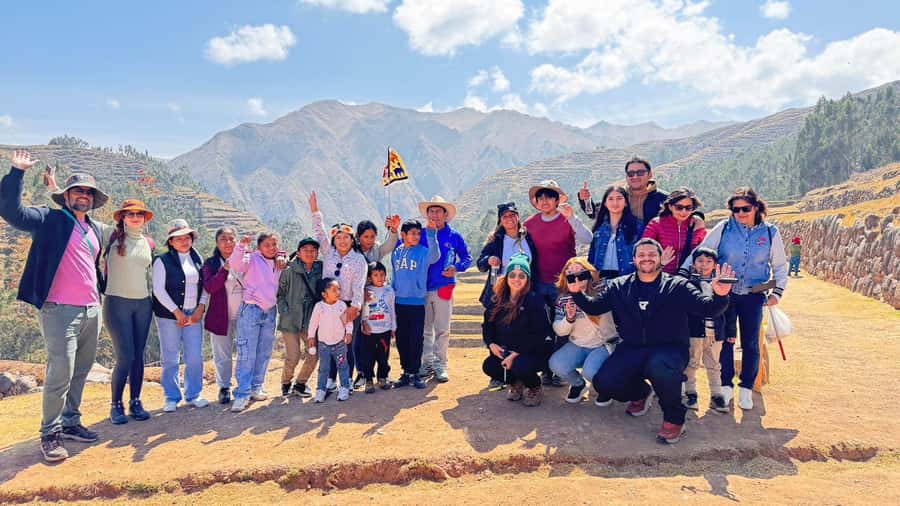
The day begins with pickup from your hotel in downtown Cusco in the morning. If you’re staying outside the immediate downtown area, you’ll be given a nearby meeting point, and the guide/transfer may take about 10–15 minutes to meet you.
From there, the pacing is built around short to medium drives between stops. Expect the day to feel like a steady “drive, explore, photo stop, drive again” rhythm. The itinerary you’ll be following moves from Chinchero to Moray, then passes through Maras and onward to Urubamba for lunch, and finally ends with Ollantaytambo and Pisac before returning to town in the late afternoon (around 18:30–19:00 near Plaza de San Francisco / Plaza Regocijo, depending on routing).
A key practical note: because transport is shared, you should plan for a bit of waiting at pickup and coordination with other hotels. It’s not a problem—just factor it into your morning expectations so you don’t feel rushed.
Chinchero weavers: culture you can watch, not just read about
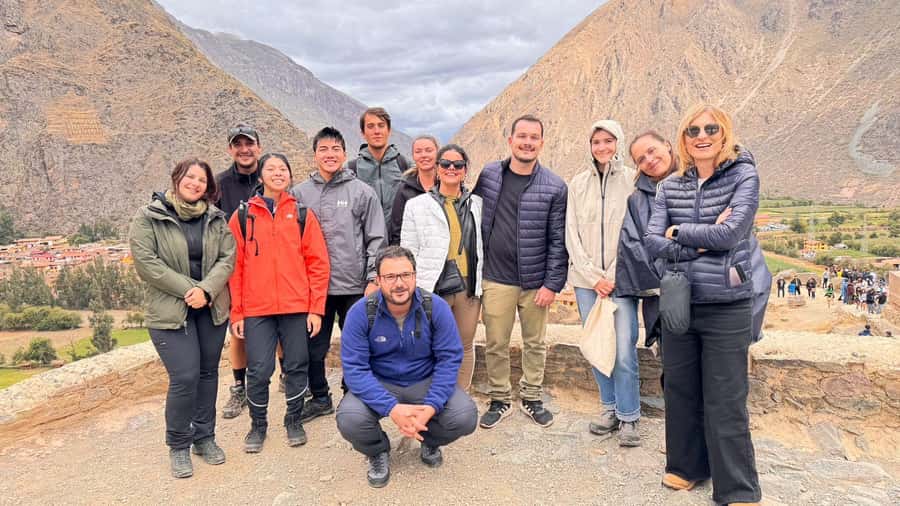
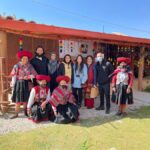
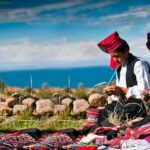
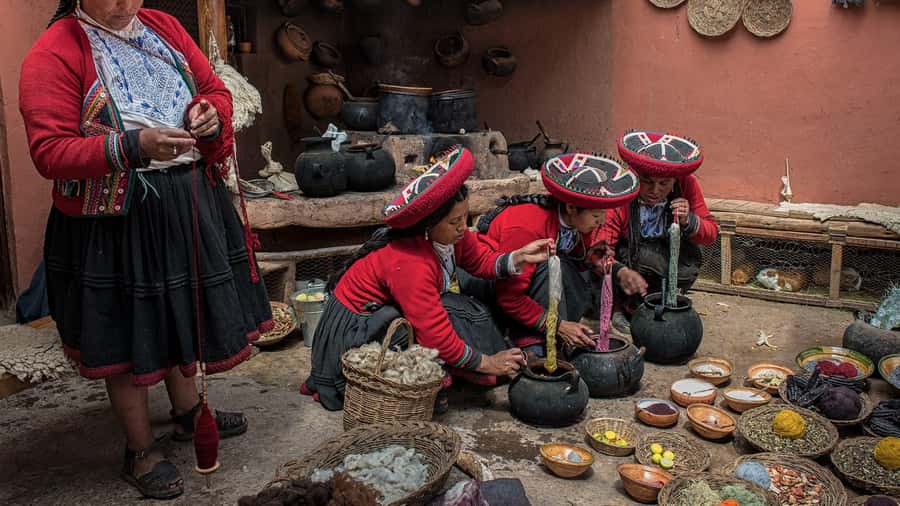
Chinchero is one of the best first stops in the Sacred Valley circuit because it sets the tone. You’ll visit the Textile Interpretation Center in the Chinchero district and see how local weaving traditions connect to Andean life.
This stop is also at high altitude—Chinchero is listed around 3,762 meters (12,342 feet)—so I’d treat it as your “easy on the lungs” moment. You’ll have time for a guided visit and sightseeing, but it’s not the kind of stop where you’re forced into long, intense climbs.
What you’ll like here is the way weaving becomes a lens for everything else. Even before you reach the ruins, you start noticing patterns and the importance of craftsmanship in the region. If you like hands-on learning, this is one of the more satisfying segments of the day.
Watch-outs at Chinchero
- Wear layers. This elevation can feel sharp, especially early.
- Don’t assume the market energy matches the quieter center time. Go with the flow.
Moray’s “Inca Agricultural Laboratory” and why it’s more than a photo stop
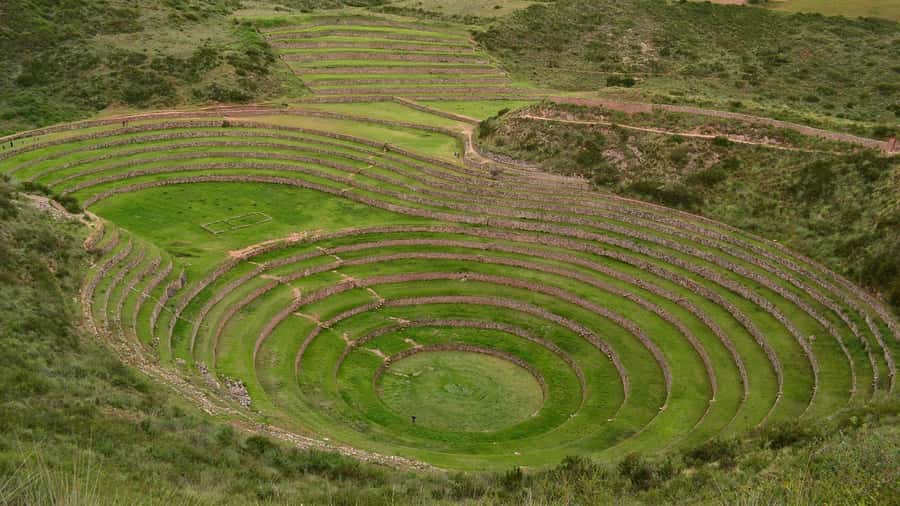
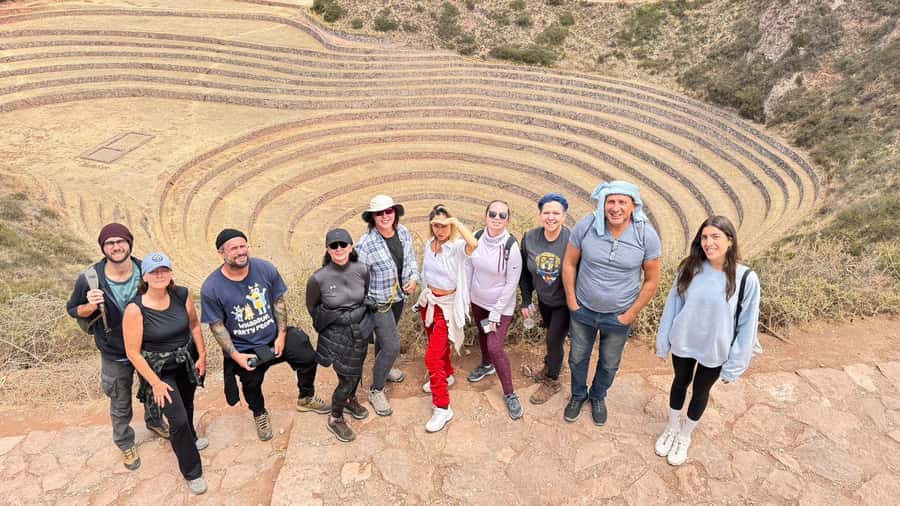
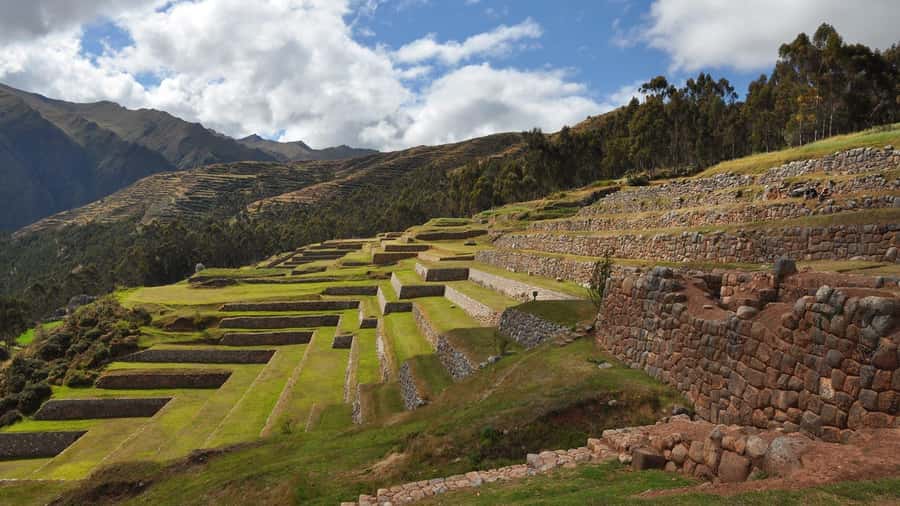
Moray is the Inca site that surprises you if you expect only temples and fortresses. The guided visit focuses on Moray’s terraces, often described as an Inca agricultural laboratory. In other words, it’s not just scenic stonework—it’s built to experiment.
You’ll typically have time for a brief stop and guided exploration. Moray is listed around 3,762 meters again, so you’ll likely feel the altitude more than at Cusco itself (Cusco is listed at 3,350 meters / 10,990 feet). Still, the route gives you time to walk around and then move on, so it’s manageable.

What you’ll get from the guide here
A good guide helps you see the site’s logic. Without explanation, Moray can look like a set of impressive bowls. With explanation, you start to understand how the Inca used microclimates—differences in temperature and conditions created by the terraces—to test growing conditions.
It’s one of those stops where the value is in the story you’re told while you’re standing in front of the stones.
Maras Salt Mines: the ticket cost and the walking reality
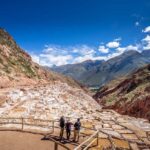
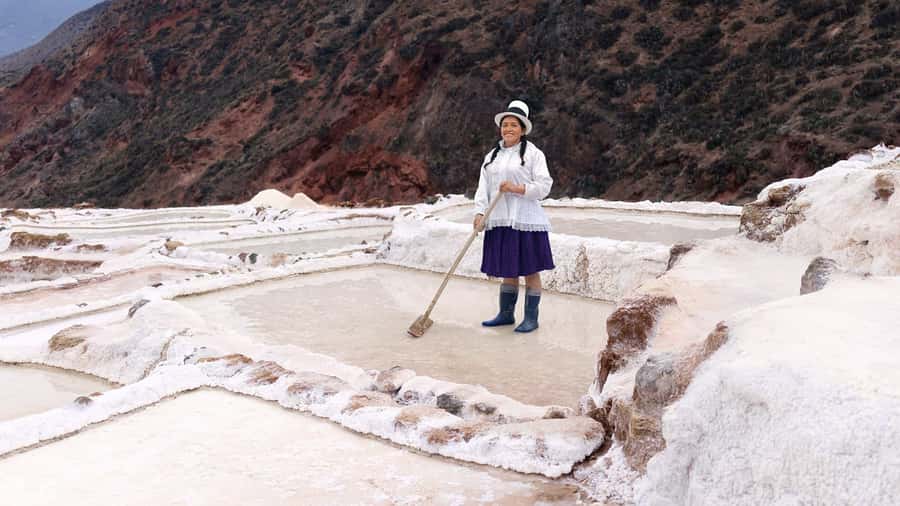
After Moray, the tour passes through the town of Maras and includes a visit to the Salt Mines (Salineras de Maras). You’ll have guided time plus photo opportunities.
This is where ticket planning matters. The tour does not include the salt mines entry ticket (20 soles). You may also need the general tourist entry ticket (70 soles) for sites along the route. I’d plan for both costs ahead of time so you don’t get stuck juggling cash at the wrong moment.
Maras is listed around 3,762 meters as well. That means you’ll likely be dealing with cooler air and thinner breathing again—so bring the same altitude mindset you had at Chinchero and Moray. The visit itself includes time for photos and guided exploration, but the mines are an active working area, so comfy shoes are smart even if the walk isn’t described as extreme.
What makes Maras worth it
Salt mines aren’t just a novelty. They show human use of a naturally occurring resource in a place the Inca and later communities found valuable. It also gives you a very different kind of scenery compared to the terraces and temples—more geometry, more texture, and more “work in progress.”
Urubamba lunch: where you refuel before the big ruins
You’ll head to Urubamba for lunch, and this is a real break. The tour includes a buffet lunch of Peruvian cuisine, described as Cusquenian in style, and it’s typically scheduled for around 1 hour.
Urubamba is listed at about 2,780 meters (9,120 feet)—lower than the 3,700+ meter sites. That drop matters. After Chinchero and Moray, your body will appreciate the altitude relief while you sit and eat.
What I’d expect from this meal
A buffet can be hit-or-miss on group tours, but here you’re getting a full lunch stop in a town designed for travelers. You’re not just snacking—you’re resetting your energy so you can handle the afternoon archaeological visits without feeling totally spent.
If you’re altitude-sensitive, use lunch for pacing: drink water, eat something easy on the stomach, and avoid going too heavy on alcohol.
Ollantaytambo: terraces, Temple of the Sun, and the Princess Baths
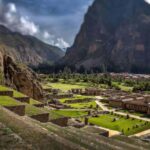
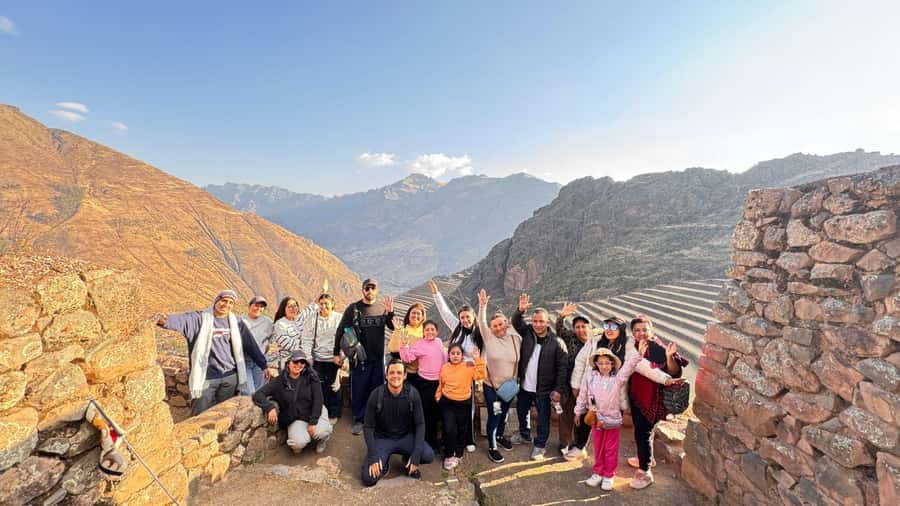
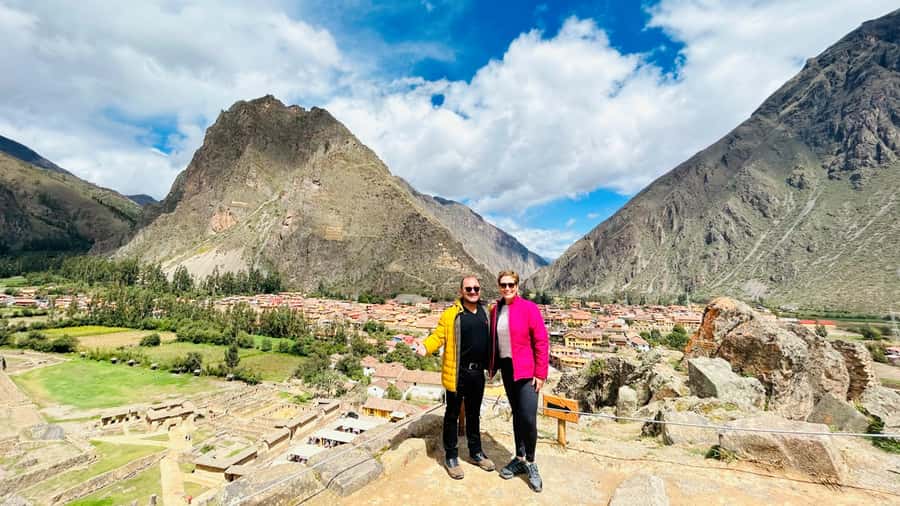
Ollantaytambo is a major Sacred Valley stop, and the time here is focused. You’ll have guided sightseeing and time to explore key stone structures, including great stone terraces, the Temple of the Sun, and the fountain of the Princess Baths.
Ollantaytambo is listed around 2,790 meters (9,153 feet), so again, it’s a bit more comfortable than the higher sites earlier in the day. The tour also frames Ollantaytambo as a tambo (resting place) in Inca times, and it’s noted as the starting point to reach the Sanctuary of Machu Picchu. Even if you’re not going to Machu Picchu right away, this context helps you understand why the town and fortress matter.
Why this part feels different
Chinchero and Moray can feel “conceptual” if you’re learning about culture and agriculture. Ollantaytambo is more about scale and stonework you can physically feel. Terraces, water features, and temple areas show the Inca were building for both worship and daily function.
If you like photos, this is one of your best angles of the day. If you like understanding, this is where the guide’s explanations do a lot of work.
Pisac ruins and the craft market: mixing stone and shopping
In the late part of the tour, you’ll head toward Pisac. You’ll visit the archaeological site of Pisac, which sits higher on the mountain—listed at about 3,300 meters (10,826 feet)—and you’ll also have time for the handicraft market in Pisac Pueblo.
Pisac Pueblo is listed around 2,972 meters (9,750 feet), which matters because you’re probably calmer here than at the morning high points. Still, you’ll want layers. The mountain air can shift quickly.
What you should know about the market
The market is described as a place where local people are experts working with minerals. That means shopping here can be more focused than generic souvenirs, especially if you like stones and crafted items related to mineral work.
This isn’t guaranteed to be a quiet browse-and-breathe stop. Market time can feel lively, so if you want shopping, have a simple plan: what you’re looking for, your price range, and how much time you want to spend before returning to the ruins.
The best use of your time
At Pisac, don’t just rush toward the views. Listen while you’re walking. Pisac’s value is partly in how the site is set against the mountain terrain and how the Inca used the area.
Altitude and comfort: what to plan for (without panicking)
Cusco is listed at 3,350 meters, and several stops jump to 3,762 meters. That’s enough altitude change to affect many people, especially on a day packed with driving and short walks.
Here’s how I’d handle it realistically:
- Start slow at the first high-altitude stop (Chinchero).
- Drink water and take small breaks when needed.
- Eat lunch before you feel wrecked—the Urubamba buffet timing is there for a reason.
- Bring layers for cool air, even if the sun looks strong.
If you’re prone to altitude sickness, this itinerary may still be doable, but you’ll want to be honest with yourself about your limits. The tour keeps moving, so there’s less flexibility than a DIY day with unlimited rest time.
Price and value: what $30 covers, and what you still pay
The price is listed at about $30 per person for the 1-day tour, and that includes:
- hotel pickup in Cusco
- shared mobility/transport
- buffet lunch in Urubamba
- an English/Spanish professional tour guide
What’s not included:
- tourist entry ticket: 70 soles
- salt mines entry ticket: 20 soles
So the real cost is $30 plus site fees. If you’re comparing options, this matters. The question isn’t just what the tour costs—it’s how much you’re paying for guided time, transport, and a meal versus going it alone.
In practical terms, you’re buying:
- less headache (pickup and routing handled)
- a guide to explain sites like Moray and Ollantaytambo
- a lunch break that keeps the day humane
If you already plan to pay entry fees anyway and you want the convenience of not coordinating transport, the value makes sense. If you hate guided groups and prefer maximum freedom, you might find a DIY route better. But for one day, this is a solid structure.
Who this tour suits best
This experience is a good match if you:
- have limited time in Cusco and want Sacred Valley highlights
- want a guide-led day without doing all the planning
- enjoy a mix of culture (Chinchero textiles) and archaeology (Moray, Ollantaytambo, Pisac)
- appreciate a real lunch stop in the middle of the day
It may be less ideal if you:
- need a lot of downtime and hate having a schedule
- are extremely sensitive to altitude and want more frequent, longer rests
- strongly prefer unguided wandering (because the day is guided and structured)
Final take: should you book this Sacred Valley + Maras day?
If your goal is to see the big Sacred Valley names in one day with a guide who keeps things upbeat—especially if you get someone like Rudy—this tour is an efficient choice. The combination of Chinchero, Moray, Maras, Urubamba lunch, Ollantaytambo, and Pisac hits a lot of variety, and the lunch timing helps you handle the altitude.
I’d book it if you want convenience plus context, not just sightseeing. I’d think twice if you’re altitude-vulnerable or if the extra site fees will feel annoying. Either way, bring layers, good walking shoes, and your patience for shared transport mornings.
FAQ
How does pickup from Cusco work?
The tour includes pickup from your hotel or accommodation in downtown Cusco in the morning. If you’re staying at a private accommodation, you’ll be given a nearby meeting point, and the guide/transfer may take 10–15 minutes to meet you.
What time does the tour end?
The tour finishes in the late afternoon, approximately 18:30 to 19:00, near Plaza de San Francisco / Plaza Regocijo.
What’s the duration of the tour?
It’s a 1-day experience.
What are the main places you visit?
You’ll visit Chinchero, Moray, Maras Salt Mines, Urubamba for lunch, Ollantaytambo, and Pisac (including both the archaeological site and the handicraft market).
Is lunch included?
Yes. A buffet lunch is included in Urubamba, with Peruvian/Cusquenian cuisine.
Are entrance tickets included?
No. A tourist entry ticket (70 soles) is not included, and there is also a separate salt mines ticket (20 soles).
What languages is the tour guide available in?
The tour guide is available in English and Spanish.
Is transportation included?
Yes. The tour includes tourist mobility (shared service) between stops.
Can I cancel for a full refund?
Yes. Free cancellation is available up to 24 hours in advance for a full refund.