REVIEW · CUSCO
Cusco: Archeological Sites Tour and Forest Photo Experience
Book on GetYourGuide →Operated by Peru Andes Top · Bookable on GetYourGuide
Cusco feels like a living museum, and this route is timed well. You’ll hit four Inca sites inside Cusco and top it off at Coricancha, then cool off with a Qenqo forest photo session that’s built for real memories, not quick snapshots. One thing to keep in mind: the tour is tight on time, so if you’re even a little late to pick-up, you could miss part of the loop.
I especially like how the stops aren’t just “pretty rocks.” You get practical context for why each place mattered, from ceremonial spaces to Inca water rituals. I also like that the itinerary is designed around photo opportunities in the Qenqo forest, with an expert photography guide helping you produce shots you’ll actually want.
The main drawback is logistics. There’s at least one strongly negative report tied to organization and photo expectations, so I’d go in with clear expectations: arrive early, and double-check how the digital photo gets delivered.
In This Review
- Key points worth knowing before you go
- Four Inca Ruins on a Half-Day Loop
- Price and what $17 actually buys you
- Pickup timing: how to avoid the most common headache
- Qenqo: the ceremonial rock and why people gathered there
- Puca Pucara: military ruins, guard posts, and city structure
- Sacsayhuaman: solar sanctuary logic and huge limestone blocks
- Tambomachay: Inca baths and the water/culture connection
- Qenqo forest photo session: how to get the most from it
- Coricancha: Temple of the Sun back in the center
- What’s included vs. what to budget (so you don’t get stuck)
- Who this tour fits best (and who should think twice)
- The main takeaways: why this tour can be worth it
- Should you book the Cusco Archeological Sites Tour and Forest Photo Experience?
- FAQ
- FAQ
- How long is the Cusco Archeological Sites Tour and Forest Photo Experience?
- What sites are included in the tour?
- Is pickup from my hotel included?
- What languages is the live guide available in?
- What is included with the photo session?
- Do I need to buy a tourist ticket?
- Is Coricancha entrance included?
- Does the tour include food or drinks?
- What should I bring with me?
- What happens if the itinerary changes on the day?
Key points worth knowing before you go
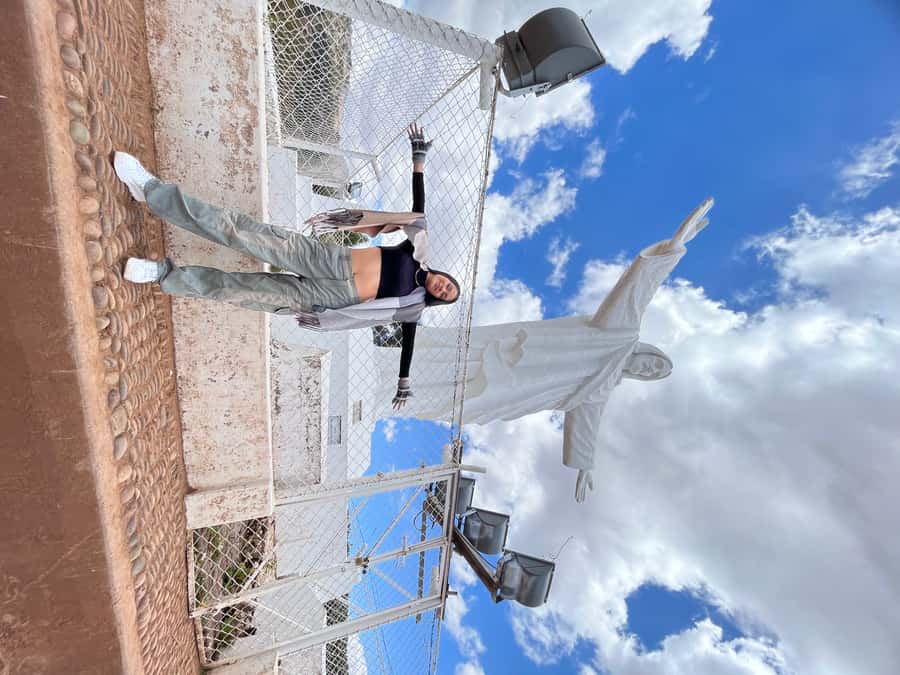
- Four Inca ruins in Cusco city in a single half-day loop, so you don’t need to plan a full day just to see the basics.
- Coricancha Temple of the Sun included at the end, when you can see the architecture with fresh context.
- Qenqo forest photo session with an expert guide, plus a souvenir photograph in digital format.
- Inca water theme at Tambomachay, linked to purification and water use in the Inca world.
- Tickets are split: you’ll bring cash for the tourist ticket and Coricancha entrance, while Qenqo forest access is included.
Four Inca Ruins on a Half-Day Loop
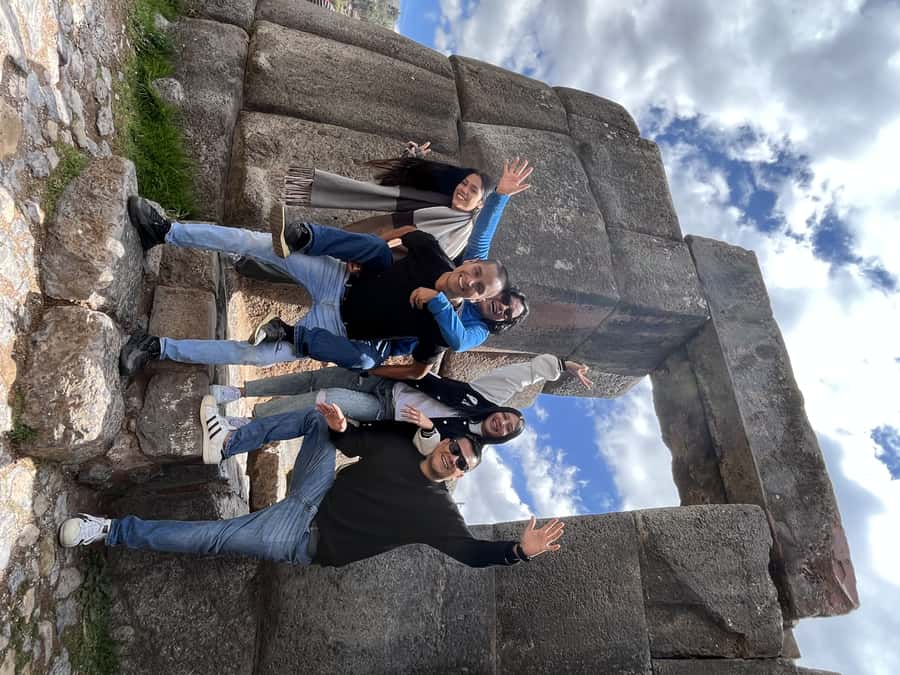
This is a 5-hour Cusco tour that concentrates on the sites you can reach without long travel days. The route is straightforward: hotel pick-up, four Inca temples/ruins around the Cusco area, a photo session in the Qenqo forest, and then Coricancha back in the city.
For me, the value is in the pacing. You’re not rushing between far-flung locations. Instead, you’re learning Cusco’s Inca story in chunks you can remember: Qenqo’s ceremonial role, Puca Pucara’s military function, Sacsayhuaman’s defense and solar sanctuary connection, and Tambomachay’s water ritual vibe.
If you’re short on time but want the “core hits,” this works. If you want lots of free time for lingering, you may find it moves quickly. Still, the structure is helpful: you’ll always know where you’re going next and why that site matters.
You can also read our reviews of more tours and experiences in Cusco.
Price and what $17 actually buys you
At $17 per person, the headline price sounds like a steal for a guided half-day with multiple major stops. The catch is that entry fees are separate, and you should plan for cash.
What you’re paying for here is more than transportation. You’re getting:
- Pick-up and return to your hotel
- A guided tour covering the four ruins plus Coricancha
- A souvenir photograph delivered as a digital file
- Entrance to the Qenqo forest for the photo session
Not included are:
- The tourist ticket (70 soles)
- Coricancha entrance (15 soles)
- Food and drink
So the smartest way to think about it is this: the base price covers the guided experience and the photo component, and you add the official site costs on top. If you already know you’ll pay for entrances anyway, this is a good way to bundle the logistics and guidance into a low-friction morning or afternoon.
Pickup timing: how to avoid the most common headache
Pick-up is included, and you’ll be told to wait in the hotel lobby about 10 minutes before your scheduled time. The driver will hold a sign with their last name.
Here’s the practical advice: be ready early. In one complaint, the guest said they arrived too late and couldn’t do the last ruin. That matches how tight these half-day routes can be. Even if you’re only a few minutes late, the schedule can squeeze.
Also note the driver won’t wait more than 5 minutes after the scheduled pick-up time. That’s normal for tour buses, but it’s worth respecting. Plan on leaving your room a bit earlier than you think you need for a Cusco departure—getting organized in altitude can take longer than expected.
Qenqo: the ceremonial rock and why people gathered there
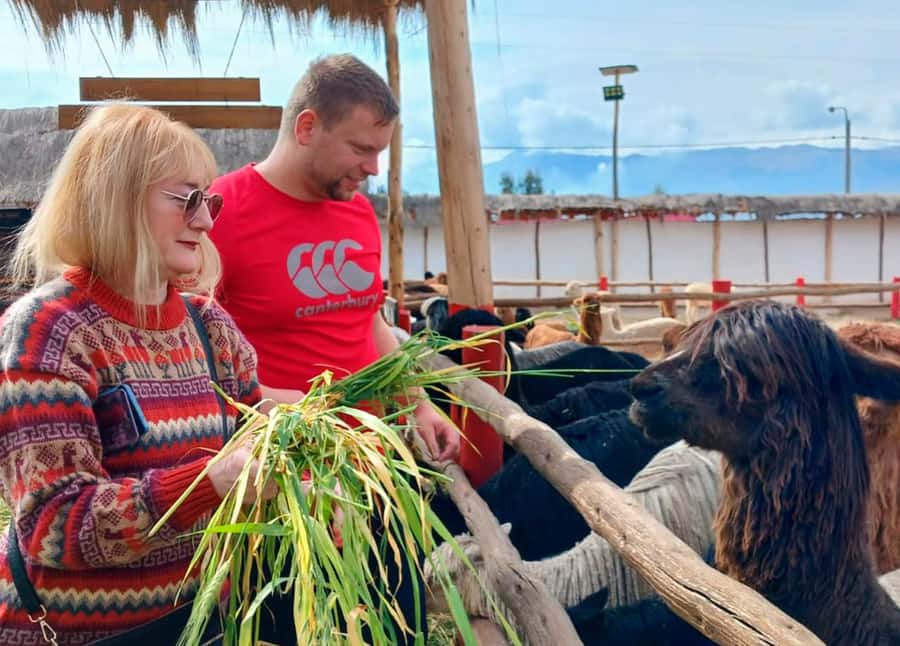
The first stop is the Temple of Qenqo. This is a natural rock formation that became a ceremonial center. That “natural but used” aspect is what I like most: you’re looking at a landscape feature that was shaped into a place for gathering and ritual.
Even if you’re not an archaeology expert, your guide’s job here is to connect the dots: why Inca builders would choose a certain rock formation and convert it into a space for ceremonies. On a short tour, the guide’s explanations matter because you don’t have hours to read every plaque.
What to watch for during your visit:
- The ways the site uses the rock’s shape
- Any marks that suggest intentional ceremonial design
- How the space feels physically—because that’s part of why people used it
One more thing: Qenqo is also where the later photo experience begins nearby. When you understand the place first, the forest photo session feels less random.
Puca Pucara: military ruins, guard posts, and city structure
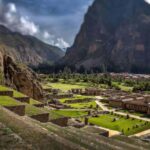
Next comes Puca Pucara, described as a military ruins site with the remains of Inca guard posts. You’ll see the idea of stairs, streets, houses, and patios—so it’s not just a single monument. It gives you a sense of how an organized outpost could function.
This stop is valuable because it adds balance. If your brain only expects temples and sun worship, Puca Pucara shows the other side: practical defense and control.
As you walk the area, keep your eyes on:
- How pathways and elevation changes might support movement and surveillance
- The layout that suggests daily use, not just one-time ceremonies
Possible drawback: because this is a ruins stop, some details may feel subtle if you’re expecting dramatic reconstruction. A good guide helps a lot here, translating what you see into what it likely meant.
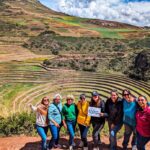
Sacsayhuaman: solar sanctuary logic and huge limestone blocks
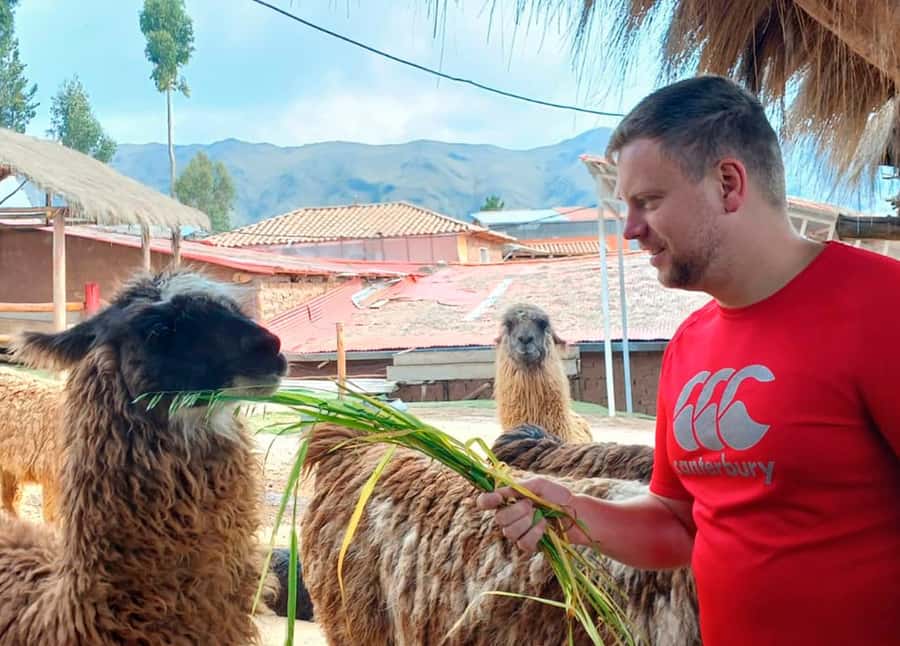
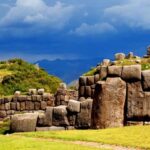
Then you head to Sacsayhuaman, a site tied to solar sanctuary ideas built by the last dynasties of the Incas. The description you get on this tour includes the defensive purpose too: large limestone blocks designed to protect the city from attacks by invaders.
This is the stop where many people finally go quiet, even if they weren’t expecting to. The scale is the point. You’re looking at engineering choices that were meant to last and to matter.
What I suggest you do here is focus on two things:
- How the construction helps the site resist pressure and impact
- How the solar sanctuary concept fits the layout and atmosphere
You don’t need to memorize facts. You just need to notice how massive blocks relate to both protection and meaning. That combination is very Inca: the sacred and the strategic weren’t separate jobs.
Tambomachay: Inca baths and the water/culture connection
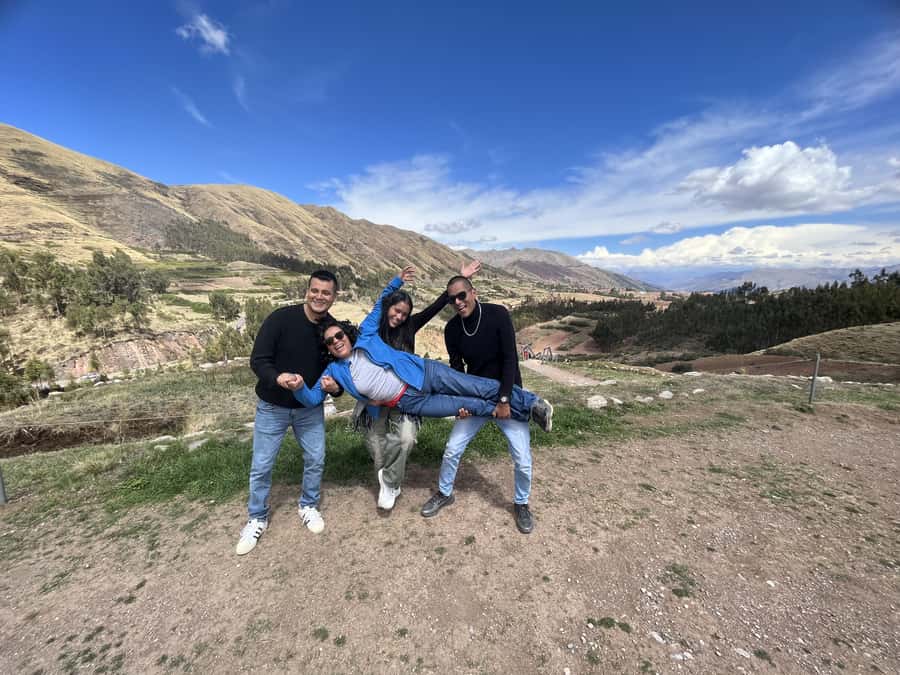
Your route continues with Tambomachay, about 9 kilometers from the city. It’s often called the baths of the Incas because of the shape of its fountain of water.
Your guide also frames it as possibly tied to a cult of water and purification. Even if you take that as a theory rather than a single proven fact, the theme is still useful for understanding how the Incas thought about water—as something that could connect health, ritual, and the environment.
If you’re the kind of traveler who likes symbolic patterns, Tambomachay is a good moment to shift gear. After stone walls and military outposts, this is more about flow and treatment.
Practical note: because it’s a bit farther from the center than the other sites, wear comfortable shoes. This is still ruins walking, just with a longer approach.
Qenqo forest photo session: how to get the most from it
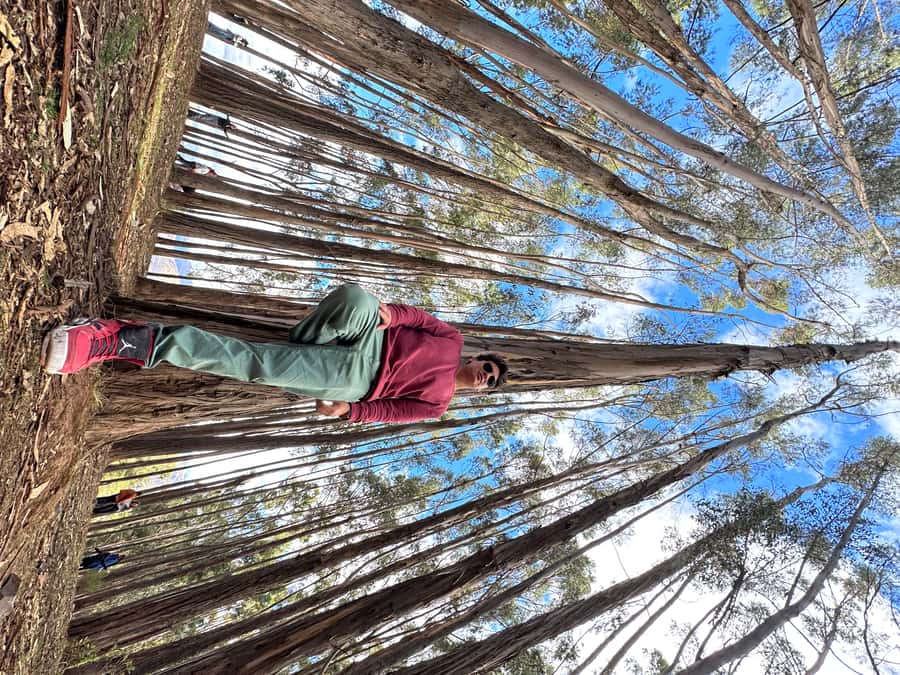
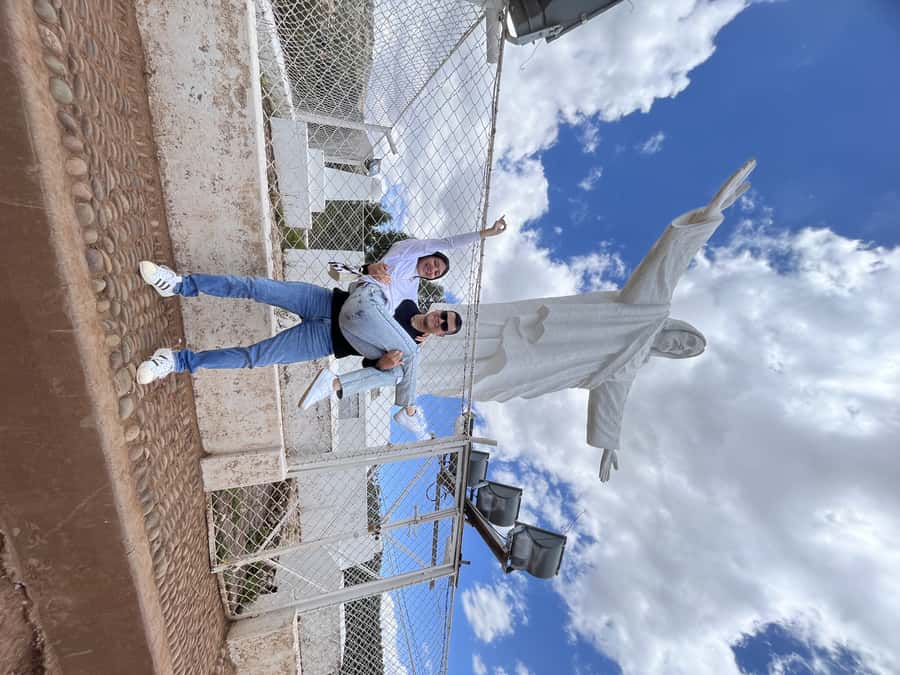
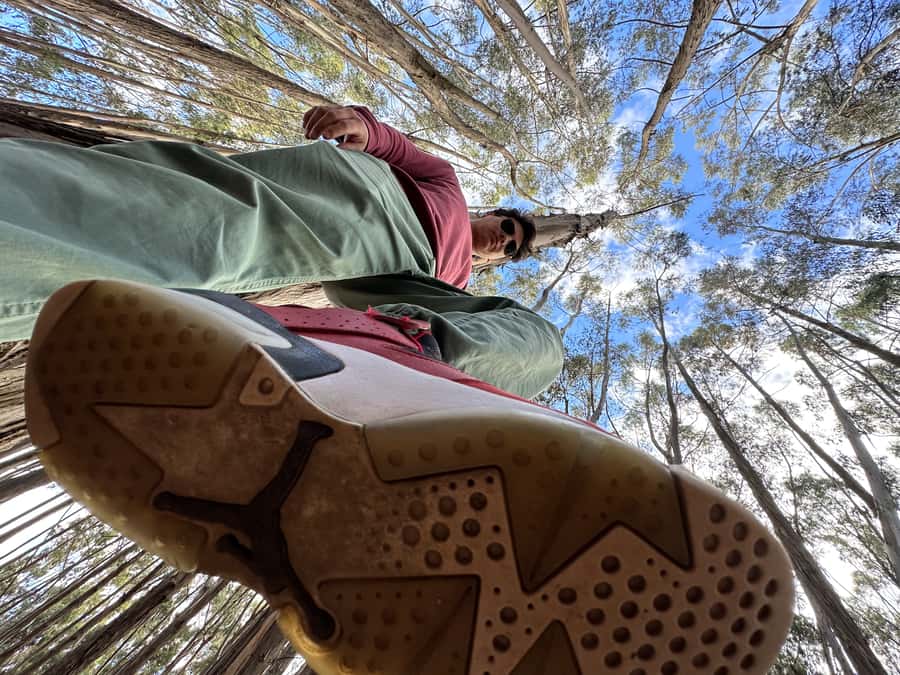
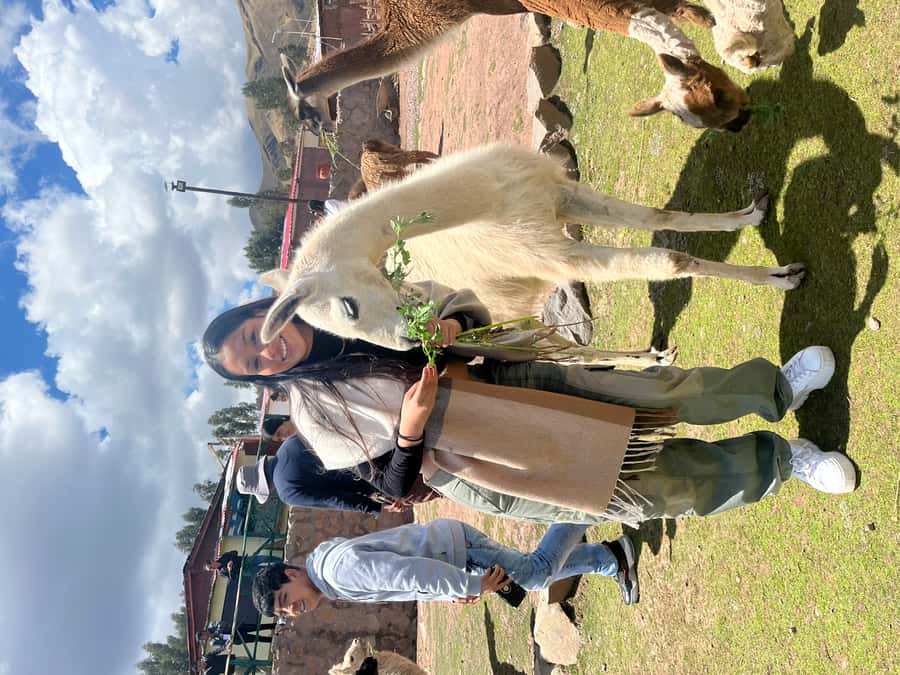
After the ruins, you enter the Qenqo forest for a photo session. This is the “magic moment” part of the tour, and it’s not just scenery—there’s an expert photography guide involved.
I love photo experiences that come with instruction. In places like Cusco, it’s easy to get a few decent shots, then realize they’re all from the same angle. Here, you’re meant to get better composition and more intentional moments in fantastic settings.
How to make it work for you:
- Wear comfortable clothes and shoes you can move in. Forest light can be uneven.
- Bring a sun hat and biodegradable sunscreen. Even with shade, Cusco sun can catch you off guard.
- If you’re also carrying a rain jacket, keep it accessible. Forest conditions can change.
One important expectation-setting point: the tour includes a souvenir photograph in a digital file. That’s great value if it’s delivered smoothly. But there’s at least one reported complaint about photo expectations, so I’d do two simple things:
1) Ask how and when you’ll receive the digital file (right then, not at some vague future time).
2) Keep your eyes open for the handed-off process so there’s no confusion at the end of the day.
Coricancha: Temple of the Sun back in the center
You finish with a visit to Coricancha, the Temple of the Sun. This is where Cusco’s Inca prestige becomes obvious in architecture: perfect construction, stone work, and the sense that this was the empire’s top-level temple.
The experience here is about context. After seeing ceremonial and strategic sites, Coricancha can make more sense. It’s not just another stop. It’s like the tour’s “thesis statement,” tied together by the guide’s explanations.
When you arrive, slow down. Coricancha is easy to treat like a quick photo stop. Try to do the opposite: listen, then look. The geometry and stone construction details reward attention, especially if you now understand that Inca building often mixed practical strength with spiritual intent.
After the visit, the tour returns you to the center of Cusco, which is exactly what you want after a 5-hour run of walking and light explanation breaks.
What’s included vs. what to budget (so you don’t get stuck)
To avoid surprises, budget for the entrance fees in advance and keep cash on hand, since you’re specifically told to bring it.
Included in the tour price:
- Hotel pick-up and return
- Guided tour of four ruins and Coricancha
- Souvenir photograph as a digital file
- Entrance to Qenqo Forest
Not included:
- Tourist ticket: 70 soles
- Coricancha entrance: 15 soles
- Food and drink
If you’re trying to keep costs predictable, plan for meals separately. Also plan time to pick up snacks or water before you start, because the tour doesn’t include food or drink.
Who this tour fits best (and who should think twice)
This experience is best for:
- First-timers in Cusco who want the main Inca sites without a full-day commitment
- Travelers who like guided explanations, not just self-guided wander time
- People who enjoy photos and want a guided session in a dramatic setting like Qenqo forest
You might think twice if:
- You’re the type who gets upset with tight schedules. This is a half-day structure, and the loop can be time-sensitive.
- You’re expecting extra perks like tastings or additional activities not listed as included. One negative report cited a situation involving a tea tasting and photo delivery, which tells me you should stick to the stated inclusions and confirm how things work.
The main takeaways: why this tour can be worth it
If you want a compact Cusco Inca package, this tour makes sense. You’ll cover Qenqo, Puca Pucara, Sacsayhuaman, Tambomachay, and then Coricancha, with a photo session that’s meant to be the highlight you carry home.
For value, the key is simple: the $17 price is a base that includes guidance, transportation, and the forest photo component. Your true cost comes down to whether you budget for the tourist ticket and Coricancha entrance in soles.
Should you book the Cusco Archeological Sites Tour and Forest Photo Experience?
I’d book it if you want a guided, efficient Cusco overview with a real photo moment in the Qenqo forest. The inclusion of a digital souvenir photo is a plus, and the mix of ceremonial sites, military ruins, solar sanctuary design, and water/purification themes gives your half-day more meaning than a simple “see stones” walk.
I’d be cautious if you know you’re often late, or if photo delivery matters a lot to you. Do two quick things before you go: plan to arrive early for pick-up, and confirm exactly how the digital photo is provided at the end of the tour.
FAQ
FAQ
How long is the Cusco Archeological Sites Tour and Forest Photo Experience?
The tour lasts about 5 hours.
What sites are included in the tour?
You’ll visit four Inca ruins located within the city of Cusco, plus Coricancha. You also have access to the Qenqo Forest for the photo session.
Is pickup from my hotel included?
Yes. The tour includes pickup and return to your hotel in Cusco. You should wait in the lobby about 10 minutes before scheduled pickup time.
What languages is the live guide available in?
The live guide is available in Spanish and English.
What is included with the photo session?
The tour includes a souvenir photograph in a digital file, plus an expert photography guide during the Qenqo Forest photo session.
Do I need to buy a tourist ticket?
Yes. The tourist ticket is not included, and it costs 70 soles.
Is Coricancha entrance included?
No. Coricancha entrance is not included and costs 15 soles.
Does the tour include food or drinks?
No. Food and drink are not included.
What should I bring with me?
Bring comfortable shoes, a sun hat, biodegradable sunscreen, a jacket, rain gear, comfortable clothes, and cash.
What happens if the itinerary changes on the day?
The itinerary can be modified depending on operations, but all the mentioned sites will still be visited.