REVIEW · CUSCO
Cusco: Half-Day Historic City Tour
Book on GetYourGuide →Operated by MPTC GETS · Bookable on GetYourGuide
Cusco in one afternoon is a sprint. I love the combo of Cathedral of Cusco art inside and the smooth ride to the big Inca sites like Sacsayhuaman outside town, all with a real guide. The only catch is that the pacing can feel tight, and depending on the day, the guide’s style may run long and repetitive, plus there can be a bit of onboard selling.
You’re set up for an efficient overview in a small-group format (listed as limited to 12 people) with a live English guide. The day is structured so you get context at each stop, then move on before Cusco traffic and crowding slow you down.
Plan for extra costs too: the main museum and ruin tickets are not included, so you’ll want cash ready for the Cathedral, Qoricancha Museum, and the tourist ticket. Bring sturdy shoes and sunscreen, since the tour runs rain or shine.
In This Review
- Key things to know before you go
- Price and logistics: what you’re really paying for
- The schedule: what 1:00 PM to 7:30 PM feels like
- Entering Cusco’s spiritual heart: Cathedral of Cusco
- Qoricancha Museum: the Sun-temple story after the Cathedral
- Sacsayhuaman by coach: why those massive stones still matter
- Qenqo and the Sacred Labyrinth feeling
- Puca Pucara: halls, aqueducts, and food-storage clues
- Tambomachay and the fresh water spring
- The craft center stop: textiles, vicuña, and avoiding the fake
- Group size, guide style, and language expectations
- What to bring (and what to wear) so the day doesn’t feel harder
- Should you book this Cusco half-day historic tour?
- FAQ
- What time does the Cusco Historic City Tour start and end?
- Which stops are included in the itinerary?
- Are the Cathedral and Qoricancha entrance tickets included?
- Do I need to buy a tourist ticket?
- What language is the tour guide?
- What is the group size?
- How does pickup work if I stay outside the city center?
- Is transportation included, and is it air-conditioned?
- Is the tour rain or shine, and what should I wear?
- Is the tour suitable for wheelchair users?
Key things to know before you go
- Big sights, practical timing: pick-up at 1:00 PM and return around 7:30 PM for an efficient evening loop
- Cathedral + Qoricancha in one flow: UNESCO church art first, then the Sun-temple story at Qoricancha
- Inca ruins by coach, not by hiking miles: Sacsayhuaman, Qenqo, Puca Pucara, and Tambomachay come with short guided stops
- Textile stop with real-world clues: you’ll learn how to identify traditional vicuña wool items (and spot fakes) at a craft center
- Bring cash for entry: Cathedral, Qoricancha, and the tourist ticket are extra and paid in soles
Price and logistics: what you’re really paying for
At $18 per person, this feels like good value for a Cusco highlights tour. But the real math is the entry fees you’ll add on your own. The Cathedral entrance (25 soles) and Qoricancha Museum (15 soles) are separate. On top of that, you’ll need the tourist ticket (70 soles). So budget cash for at least 110 soles in added admissions before you even step into the sites.
That’s still often worth it if you want a guided route that hits the major landmarks without you having to figure out buses, tickets, or timing. It’s also built for efficiency: the itinerary covers the historic center plus four Inca sites beyond the city, with an air-conditioned coach doing the driving.
One more logistics point that matters in Cusco: pickup happens from your hotel in the city center. If your hotel is outside that zone, you’ll be directed to meet at the inka ahy statue in the main square area. If you’re staying a bit uphill or farther out, confirm this before the day so you’re not scrambling at 1:00 PM.
You can also read our reviews of more city tours in Cusco
The schedule: what 1:00 PM to 7:30 PM feels like
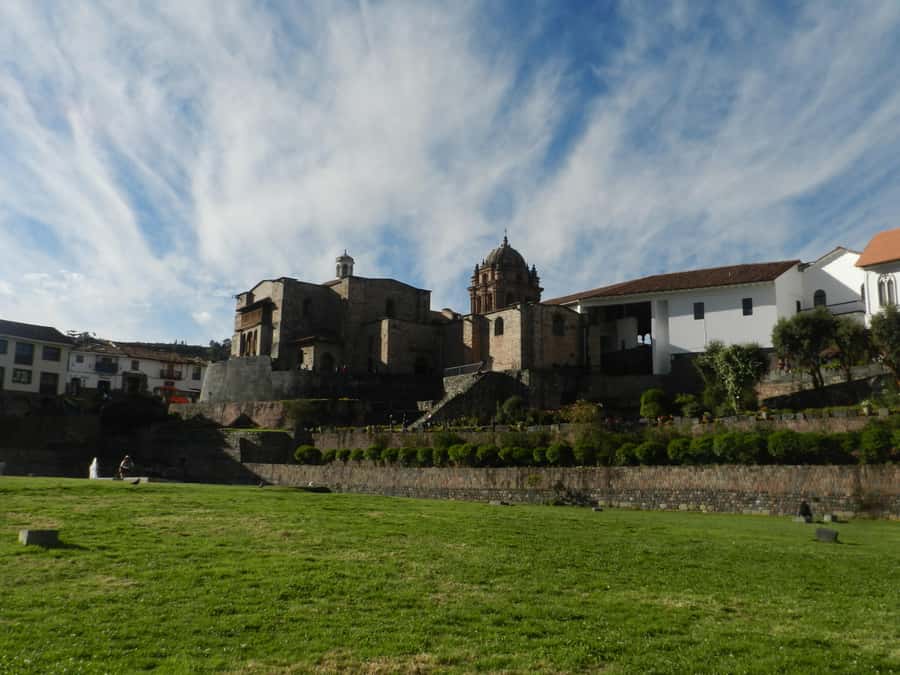
This tour is afternoon-first, which is great if you’re doing other morning plans in Cusco. Pick-up starts at 1:00 PM from central hotels. You’ll spend time in Cusco’s core, then ride out to the ruins, then return near Santa Catalina Street close to the main square around 7:30 PM.
Seven hours sounds long on paper, but in practice it’s paced like a sampler. Most stops are guided and structured, and you get just enough time to understand what you’re seeing before moving on. That keeps the day moving, but it can also feel rushed if you like lingering.
If you’re the type who hates being timed, consider that tradeoff up front. If you love checking off multiple major sites and collecting the stories along the way, the rhythm works.
Entering Cusco’s spiritual heart: Cathedral of Cusco
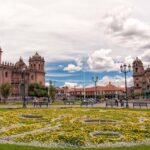
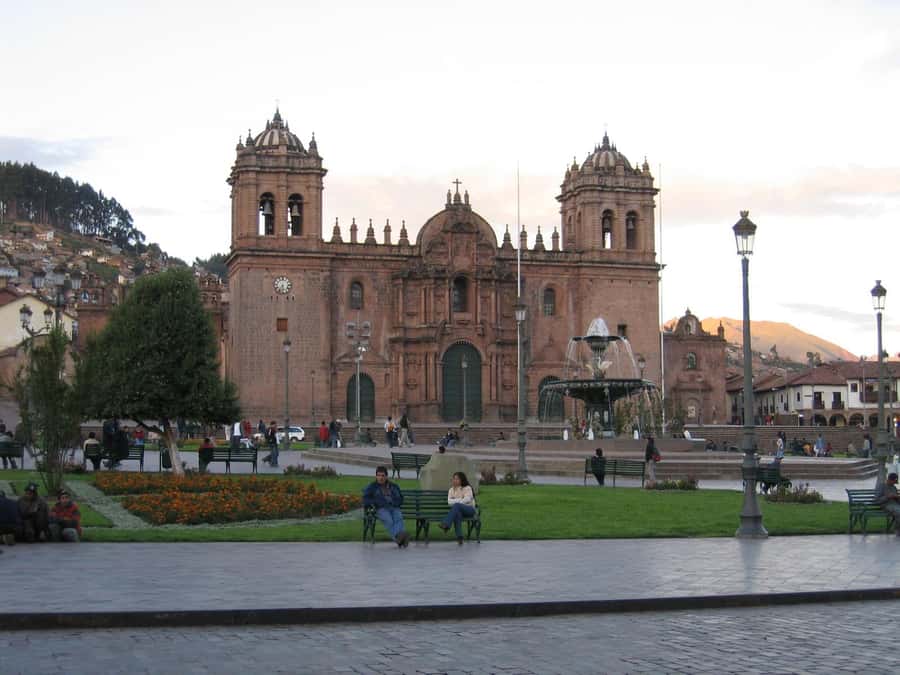
The day begins with the Cathedral of Cusco, a UNESCO World Heritage Site. Expect an interior visit focused on art and craftsmanship: paintings, carvings, and sculptures are part of the guided experience. This is a classic Cusco “layers of power” stop, where colonial religious architecture sits on top of a city already shaped by earlier empires.
The value here is not just seeing the building. It’s getting help noticing details you might otherwise miss. A good guide will point out how the artwork and architectural choices communicate status and belief. On this kind of tour, the time inside is limited, so the guidance really matters.
If you know you’ll want extra time for photos or quiet viewing, this is one of the stops where you may feel the clock watching you.
Qoricancha Museum: the Sun-temple story after the Cathedral
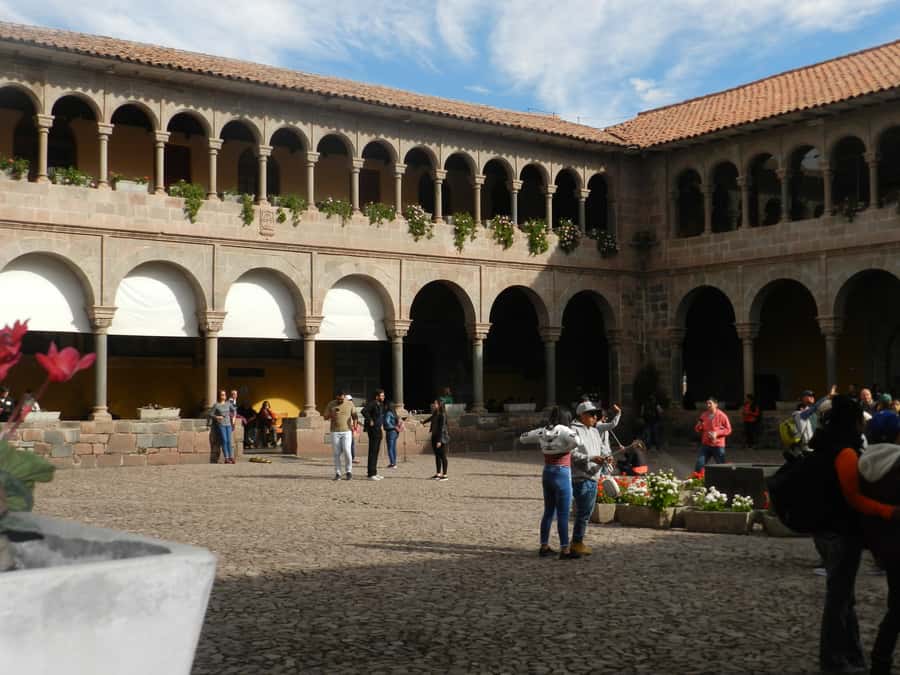
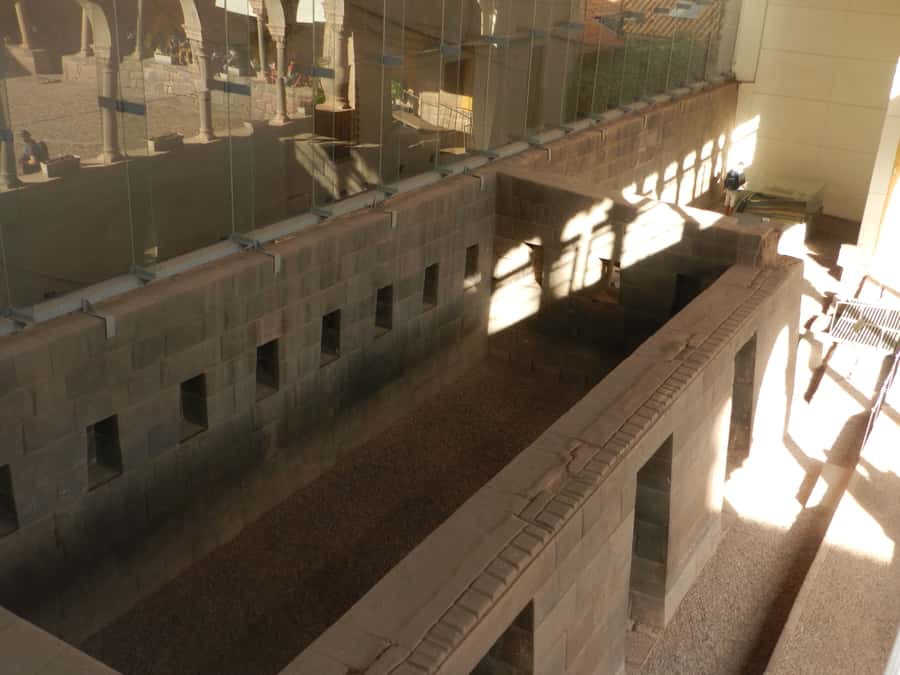
After the Cathedral, you move to the Qoricancha Museum. The key idea to understand is that this was originally an Inca-era temple built to worship the Sun. In other words, you’re not just going to a museum. You’re walking through a site with a past that’s older than Cusco’s current colonial look.
The guide-led explanation helps connect the dots: why this place mattered, and how the Inca idea of sacred space affected what was built there. From a traveler’s point of view, this stop is a smart bridge between the colonial storyline you just heard in the Cathedral and the Inca storyline you’ll tackle outside the city.
One practical tip: because Qoricancha entrance is not included, you’ll want cash ready before you get there. If you arrive short, it can throw off the flow of the day.
Sacsayhuaman by coach: why those massive stones still matter
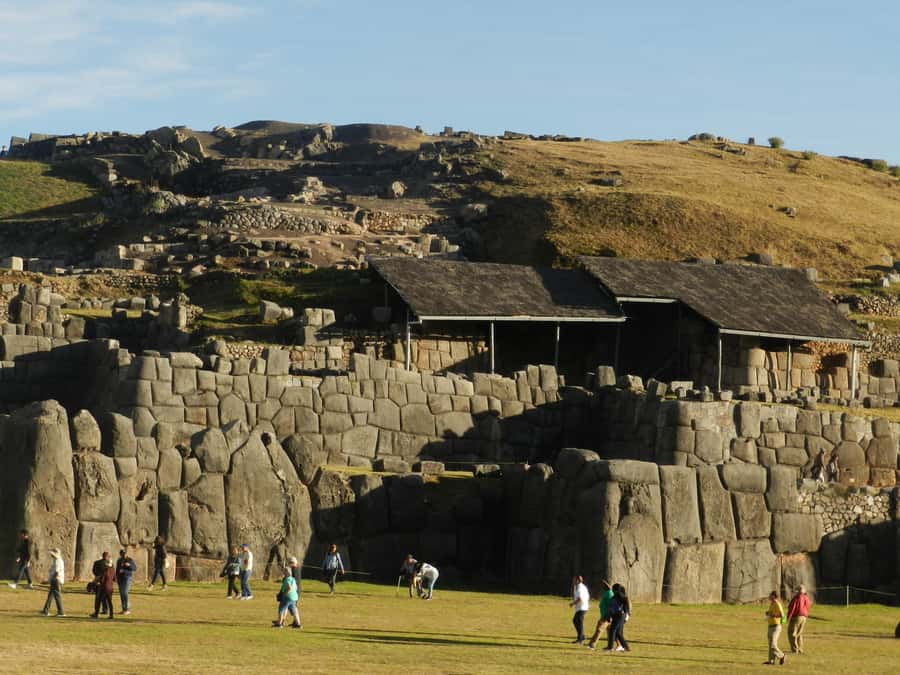
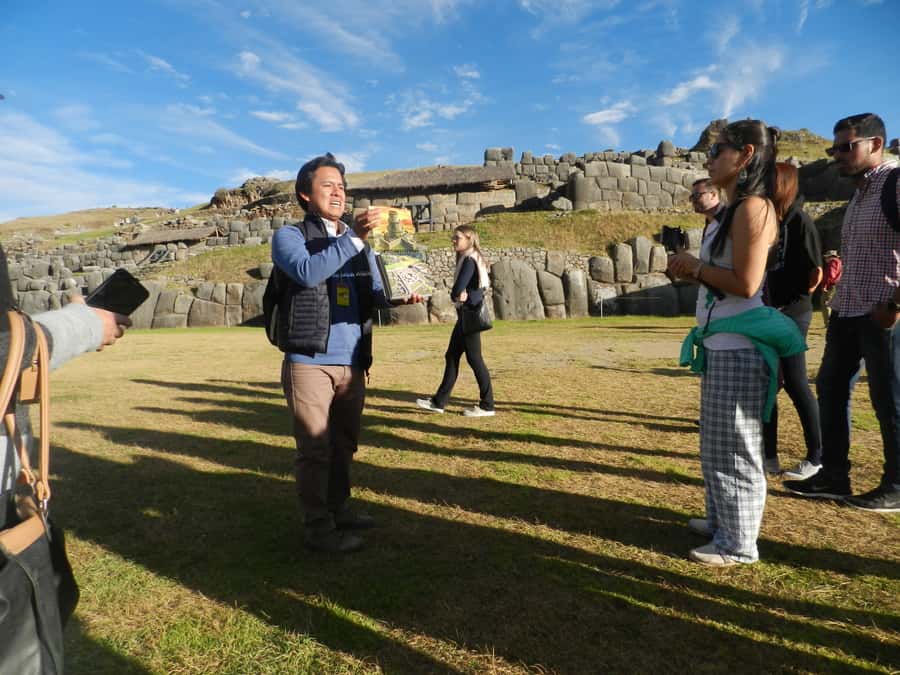
Next comes the ride out to Sacsayhuaman, a vast complex made up of 33 archaeological sites and believed to have been built for military purposes. Even if you’ve seen photos, Sacsayhuaman has a way of grounding the scale in your body.
You’ll travel about 2 km from the city center by air-conditioned coach. Then it’s time for the guided overview. The learning payoff here is the interpretation: the site isn’t explained as random ruins. You’ll hear it framed in terms of function—how a powerful empire organized space for defense, movement, and ceremony.
This is also one of the easiest places to connect history to geography. Standing there, you can see how a hilltop location gives control over approaches into Cusco.
If you’re coming in expecting a long hike, don’t. The coach-and-stops format is built for seeing, not trekking all day.
You can also read our reviews of more historical tours in Cusco

Qenqo and the Sacred Labyrinth feeling
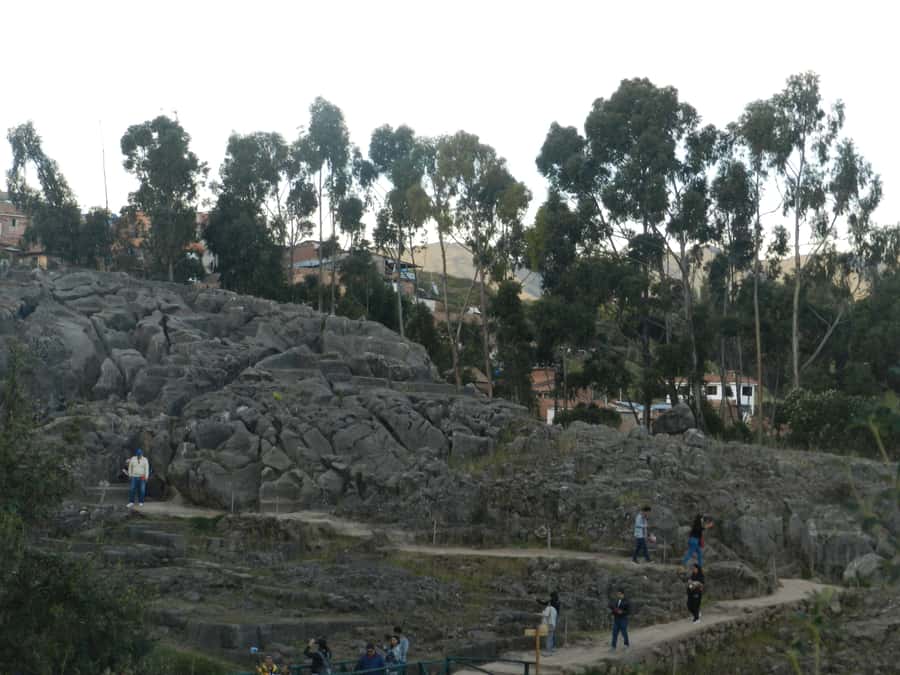
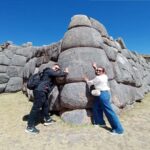
From Sacsayhuaman you’ll move to Qenqo, which means labyrinth. This site is considered sacred and associated with ceremonies in honor of the Sun, the Moon, and the stars.
That framing matters, because it changes how you interpret shapes and rock formations. Instead of asking only how it was built, you start asking what it was for. On a tour like this, where time on each site is limited, a guide’s ability to give a clear storyline is what makes Qenqo land.
The day continues with another short ride. You’ll be seeing multiple sites in a row, so Qenqo helps you shift from military-site thinking into cosmology—how the Inca connected the built world with the sky.
Puca Pucara: halls, aqueducts, and food-storage clues
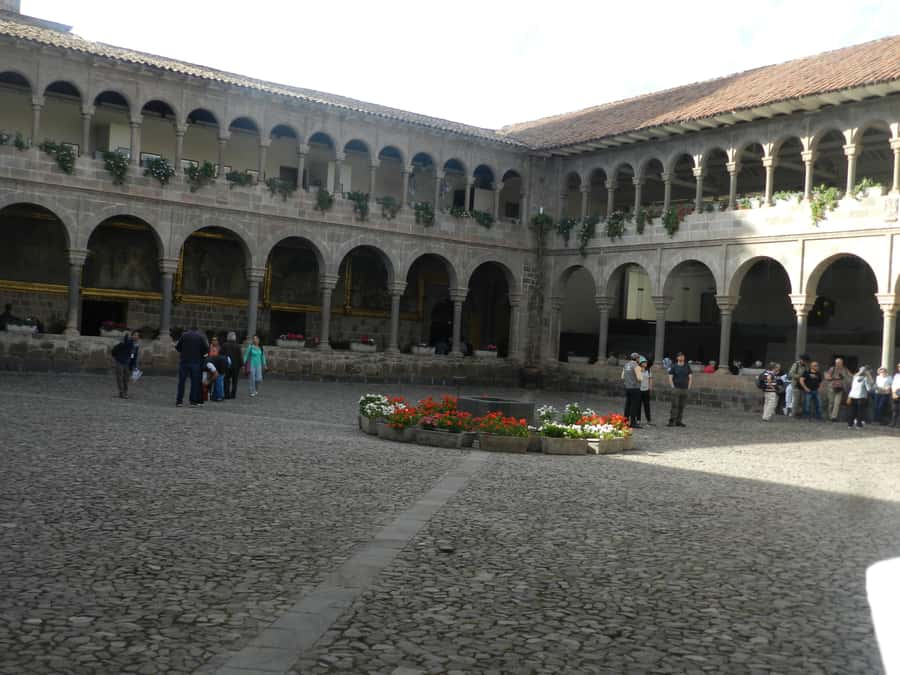
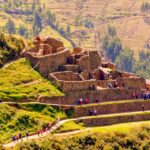
About 7 km from the city center, you’ll stop at Puca Pucara. The name and the setting are intriguing, but the real draw is what the tour explains about its layout: halls, inner plazas, aqueducts, watchtowers, and paths.
This complex is believed to have been a military site and also a place for food storage. That combination is a big deal. It means the site wasn’t only about guarding people. It was also about keeping supplies moving and available when needed.
Even if your Spanish is minimal, the structure of the stop usually helps: you’ll be shown the key features, then guided through what they likely meant. If you love understanding how cities and empires planned for real-life survival, this is one of the better stops on the loop.
Tambomachay and the fresh water spring
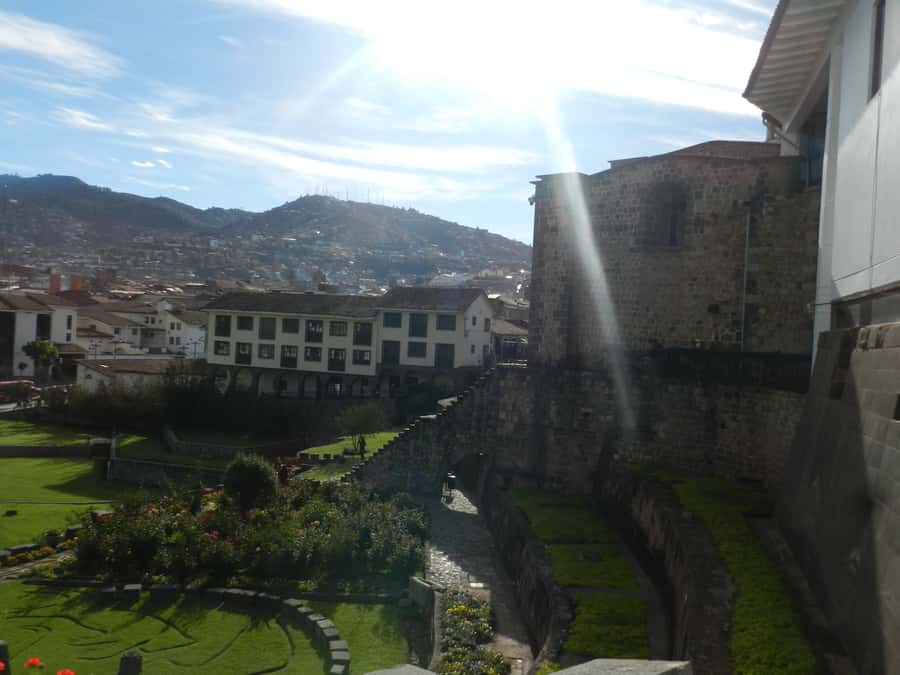
Tambomachay is where the tour slows a touch in mood, even if the schedule stays tight. You’ll visit the site and its fresh water spring.
Fresh water changes everything in the Andes. You’ll get a sense that engineering wasn’t just a detail—it shaped daily life and ceremony. The guide explanation connects the spring and water management to the broader Inca relationship with place and resources.
If you’re tired from the constant moving, Tambomachay can feel like a breather because it offers a more tangible, physical element: water.
The craft center stop: textiles, vicuña, and avoiding the fake
The day ends with a stop at a craft center. This is where the tour adds a more modern angle to your history tour: a local guide shares the story of ancient Inca crafts and how to identify traditional garments made from vicuña wool.
Textile knowledge is one of the most useful takeaways you can bring home. It helps you shop with confidence. One detail worth paying attention to is that the craft-center portion often includes practical checks for authenticity, including spotting real versus fake alpaca garments.
Do you need to buy anything? No. But if you’re curious, go with an open mind. This is also the part of the day where you should expect the most sales energy. A structured demo is the purpose here; just don’t let it rush your sightseeing brain.
If you’re hoping for a strictly archaeology-only day, you might find the craft stop less exciting. If you’re the type who loves understanding traditional materials, it’s a strong finish.
Group size, guide style, and language expectations
This tour is described as English with a live local guide, and it’s meant to run as a small group. The listing limit is 12 participants, which is the sweet spot for hearing explanations without competing for attention.
That said, one thing to keep in mind: if your departure ends up with a mixed group composition, the language experience can shift. If English is your only working language, don’t assume every moment will be fully translated. I’d plan to enjoy the visuals even if a few minutes get less clarity than you expect.
Also, pay attention to pacing. Some days feel brisk and efficient. Other days can feel a bit repetitive, especially if the guide spends extra time on a concept you already understand. If you know you’re picky about tour-style storytelling, keep it in mind: the stops are worth it, but you may not love the delivery.
What to bring (and what to wear) so the day doesn’t feel harder
Cusco days can switch weather fast. The tour runs rain or shine, so don’t count on perfect conditions.
Bring:
- Passport or ID card
- Sun hat
- Hiking shoes
- Sunscreen
- Cash (for tickets)
- Weather-appropriate clothing
Wear:
- Comfortable layers (especially if you’re sensitive to chill)
- Shoes with grip for uneven ground around ruins and entrances
This isn’t a wheelchair-friendly route. The tour is not suitable for people with mobility impairments or wheelchair users, so choose based on your movement comfort.
Should you book this Cusco half-day historic tour?
Book it if you want:
- A single guided afternoon/evening loop that covers Cathedral + Qoricancha + multiple Inca sites
- A coach ride between ruins so you spend your effort on understanding, not navigating
- A small-group feel with a live guide and time-efficient sightseeing
Skip it (or choose a different format) if:
- You hate a tight schedule and want long, quiet time at each site
- You strongly dislike any sales-oriented stops during a tour
- You need full support for mobility limitations
My take: this is a solid value if you go in prepared for extra ticket costs and the reality of a timed itinerary. It’s one of those Cusco tours that helps you get your bearings fast—then you can decide what to return to when you want more time.
FAQ
What time does the Cusco Historic City Tour start and end?
The tour starts with hotel pick-up at 1:00 PM and returns to Santa Catalina Street close to the main square at approximately 7:30 PM.
Which stops are included in the itinerary?
You’ll visit the Cathedral of Cusco, Qoricancha Museum, Sacsayhuaman, Qenqo, Puca Pucara, Tambomachay, and a craft center.
Are the Cathedral and Qoricancha entrance tickets included?
No. The Cathedral entrance costs 25 soles and Qoricancha Museum costs 15 soles, paid in local currency.
Do I need to buy a tourist ticket?
Yes. A tourist ticket for 70 soles is not included and is paid in local currency.
What language is the tour guide?
The tour includes a live English guide.
What is the group size?
This is a small group format limited to 12 participants.
How does pickup work if I stay outside the city center?
If your hotel is outside the city center, pickup is arranged from the inka ahy statue in the main square. You should confirm your hotel name and address when booking.
Is transportation included, and is it air-conditioned?
Yes. Transportation is included, and the tour uses an air-conditioned coach for travel to the archaeological sites.
Is the tour rain or shine, and what should I wear?
The tour runs rain or shine. Bring a sun hat and sunscreen, wear hiking shoes, and pack weather-appropriate clothing.
Is the tour suitable for wheelchair users?
No. It is not suitable for wheelchair users or people with mobility impairments.