REVIEW · CUSCO
Cusco:Chinchero,Moray & Salt Mines drop-off in Ollantaytambo
Book on GetYourGuide →Operated by Apu Ausangate Trek EIRL · Bookable on GetYourGuide
One day across the Inca food chain. This guided run connects Chinchero textiles, the Moray terraces and Maras salt mines, then finishes at Ollantaytambo where you climb up for the fortress views. I love how the day mixes crafts and agriculture instead of treating everything like a checkbox. I also like that lunch in Urubamba is built in, so you’re not hunting food between sites. The main drawback: you’ll spend a lot of the day in transit, and you should plan around extra tickets, cash, and a steep stair climb at the end.
If you’re heading onward by train, this tour is extra practical because it drops you in Ollantaytambo around mid-afternoon (group tours end about 15:30). I’ve seen this work especially well for people combining Sacred Valley first, then Machu Picchu the next day. Just be ready for a full schedule: sunglasses, water, and a sun hat matter on these high-altitude stops.
In This Review
- Key highlights worth caring about
- Why This Sacred Valley Route Feels Efficient (and not rushed)
- Cusco Pickup and The Right Mindset for a Full Day
- Chinchero Textiles: Inca-Style Weaving and What to Look For
- Moray Terraces: How the Incas Tuned Agriculture on Hillsides
- Maras Salt Mines: The 5000 Ponds Story You’ll Remember
- Urubamba Buffet Lunch: A Real Refuel Before Ollantaytambo
- Ollantaytambo Fortress and the 200 Steps to the Terraces
- Price and Logistics: What You Pay, What You Still Need to Budget
- Timing The Day for Machu Picchu Train Connections
- Who This Tour Suits Best
- Should You Book This Sacred Valley Day Trip?
- FAQ
- What sites does this tour cover?
- How long is the tour?
- What’s included in the price?
- What tickets or extra costs are not included?
- Where does the tour end, and what time does it finish?
- Can I take a drone on the tour?
Key highlights worth caring about
- Chinchero textile experience: Learn how traditional weaving works, with time to browse and shop.
- Moray terraces explained simply: See how the Incas turned steep hillsides into farms.
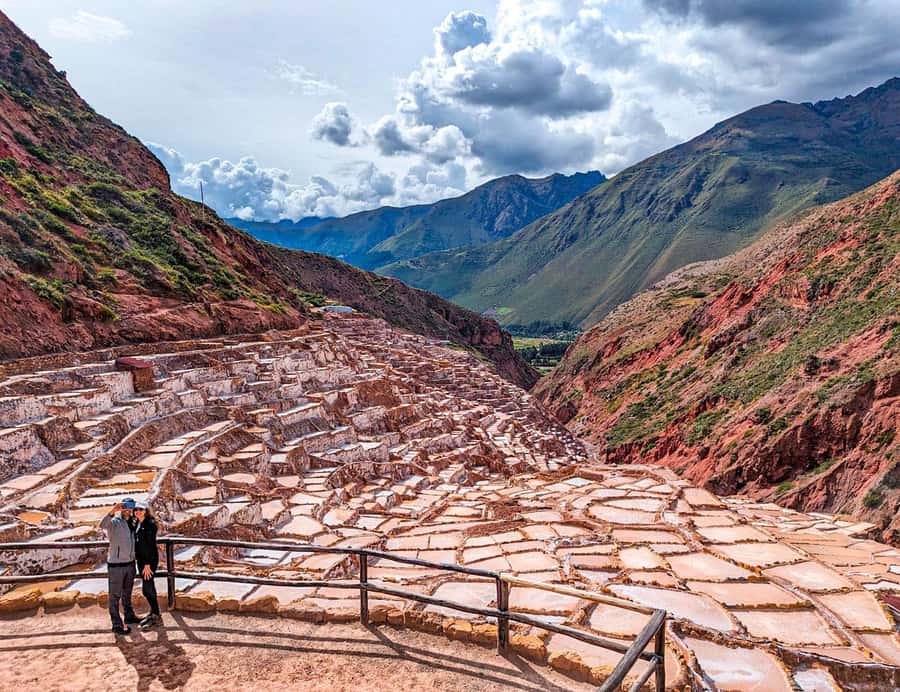
- Maras salt mines at human pace: Over 5,000 salt ponds, plus the story of long-term food preservation.
- Urubamba buffet lunch: Included stop to refuel without derailing your timing.
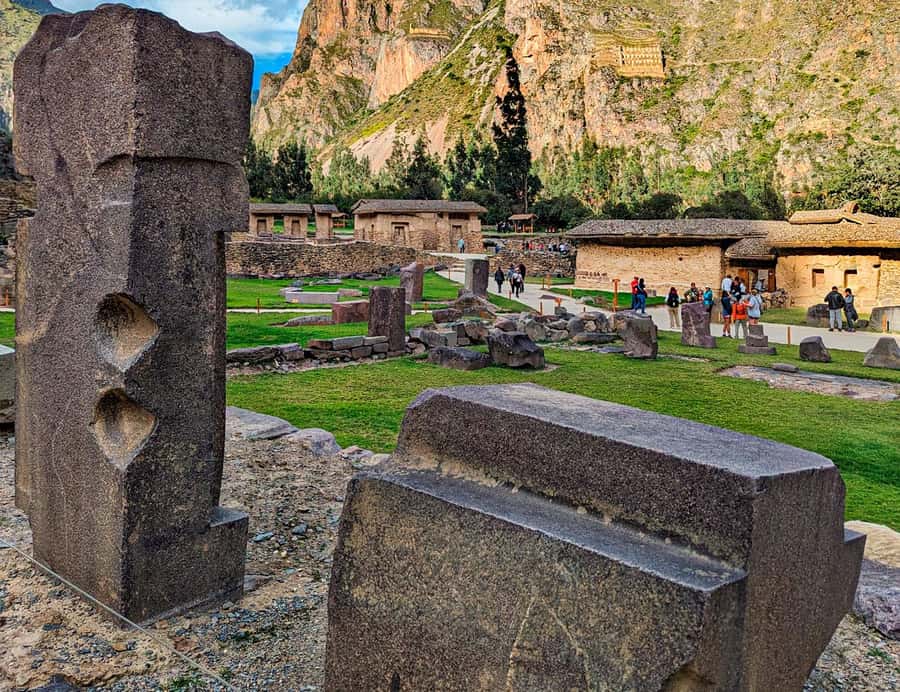
- Ollantaytambo fortress viewpoints: A serious stair climb up to megalithic Inca stonework.
- Ollantaytambo drop-off convenience: Often timed for later trains to Aguas Calientes.
Why This Sacred Valley Route Feels Efficient (and not rushed)
This is the kind of day trip that saves you from the usual Sacred Valley problem: too many towns, too little time, and you end up commuting more than exploring. Here, the sequence makes sense. You start with cultural roots in Chinchero, then move into how the Incas engineered food production (Moray and the salt mines), and you finish at one of the Sacred Valley’s most important Inca strongholds.
The overall vibe is practical and guided. You’ll have a bilingual guide (Spanish and English), plus scheduled time at each site for photos, walking, and the main explanation. In the best moments, you’re not just looking at ruins—you’re learning why these places mattered.
That said, this is not a slow, linger-all-day tour. If you hate being on the move, choose a longer, more spread-out itinerary. But if you want the highlights and a clean way to reach Ollantaytambo, this is a strong format.
You can also read our reviews of more tours and experiences in Cusco.

Cusco Pickup and The Right Mindset for a Full Day
You’ll be picked up from your Cusco hotel and start by van. The first transfer into the valley is typically about an hour. Expect a day where the van is part of the experience, not just “getting there.”
One detail I appreciate: the tour ends with a drop-off in Ollantaytambo—either at the main square or the train station. That turns a sightseeing day into a logistics win. It also means you should plan how you’ll handle the rest of your day in Ollantaytambo.
Pack like it’s an outdoor day. You’ll be in the sun, and even with stops and guided walks, you’ll want water plus sun protection. Cash helps too, because not everything is included.
Also, a quick note on timing for train connections: the group service typically wraps around 15:30. If you’re catching a train, the tour guidance recommends booking after 16:00.
Chinchero Textiles: Inca-Style Weaving and What to Look For
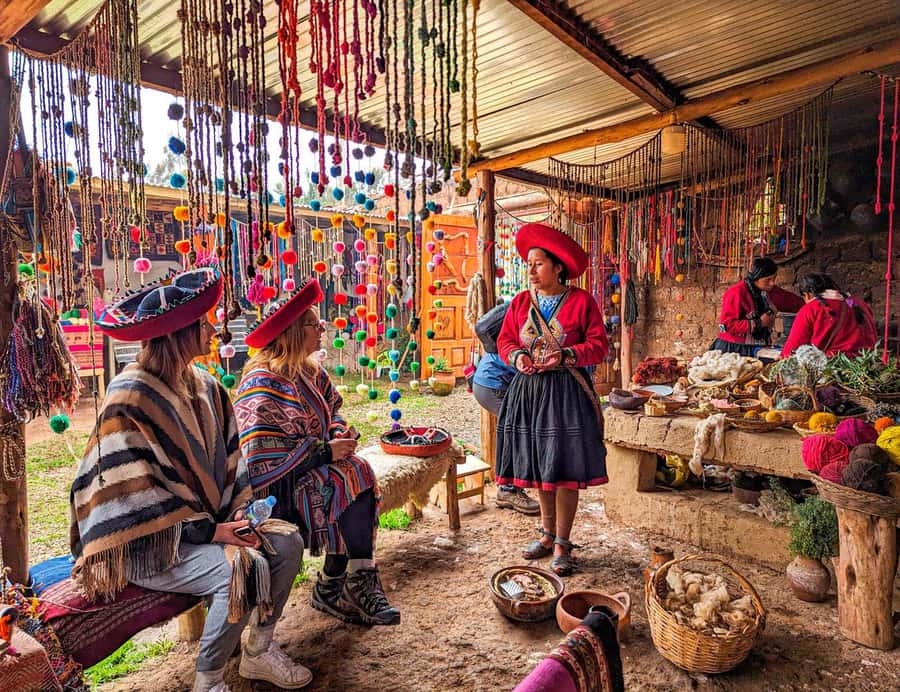
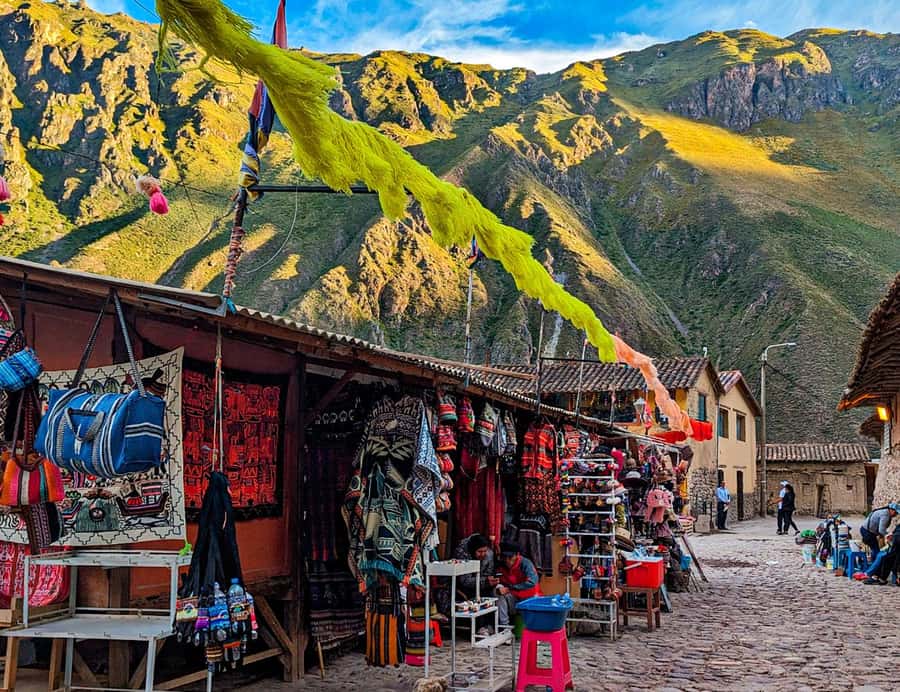
Chinchero is one of those towns where the craft is the point. You’ll arrive for a photo stop and a guided visit focused on textiles woven with traditional Incan techniques. Then you’ll get time to walk around, shop, and ask questions.
What I like about this stop is that it’s not just a showroom moment. The guided weaving explanation gives you a lens for what you’re seeing: fiber choices, patterns, and the cultural meaning of what ends up as cloth. If you’re the type who buys one thing and keeps it forever, this is a good place to do it.
If you’re sensitive to shopping pressure, you’ll be glad there’s real time to look. You can browse at your own speed during the free shopping window, while the guide handles the background during the tour portion.
You might also see alpaca-related moments depending on the guide and timing, and some guides bring in cultural elements like traditional coca-leaf references as part of the story. The point is simple: you’re learning the “why” behind the craft, not only the price tag.
Shopping tip: bring cash and keep purchases small at first. If you spot a scarf you love, buy it. If you’re unsure, remember you’ll likely see more fiber items throughout Peru—so you can return only when you’re sure.
Moray Terraces: How the Incas Tuned Agriculture on Hillsides
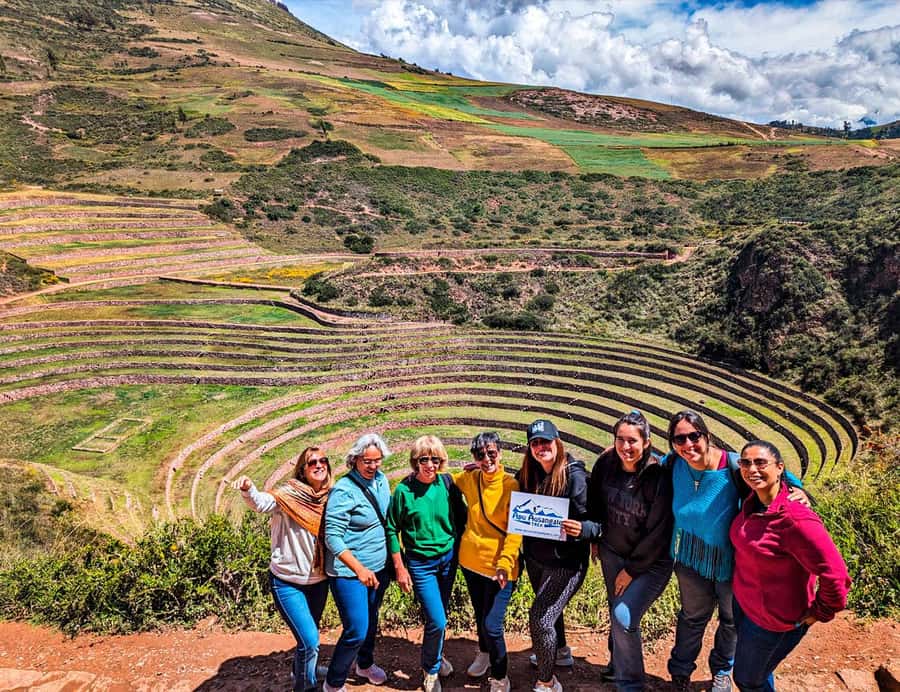
Moray is where the Sacred Valley shifts gears from culture to engineering. You’ll stop at the Moray agricultural terraces and learn how they were built into the hillsides to grow crops on tougher mountain terrain.
The terraces look like a natural amphitheater from above, but the key idea is human control: adjusting conditions so crops can thrive where the landscape is less forgiving. That makes Moray more than a pretty photo spot. It’s a lesson in problem-solving.
You’ll typically get a short walk and a guided visit here, with time to photograph the terrace patterns. It’s a good stop to take your time mentally. If you’ve spent your last day around Cusco’s colonial streets, Moray feels like a different kind of history—one built for daily survival.
Wear good footwear. Even short walks on uneven ground can feel extra slow in altitude. And if it’s sunny, don’t underestimate the heat reflecting off the stone.
Maras Salt Mines: The 5000 Ponds Story You’ll Remember
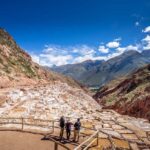
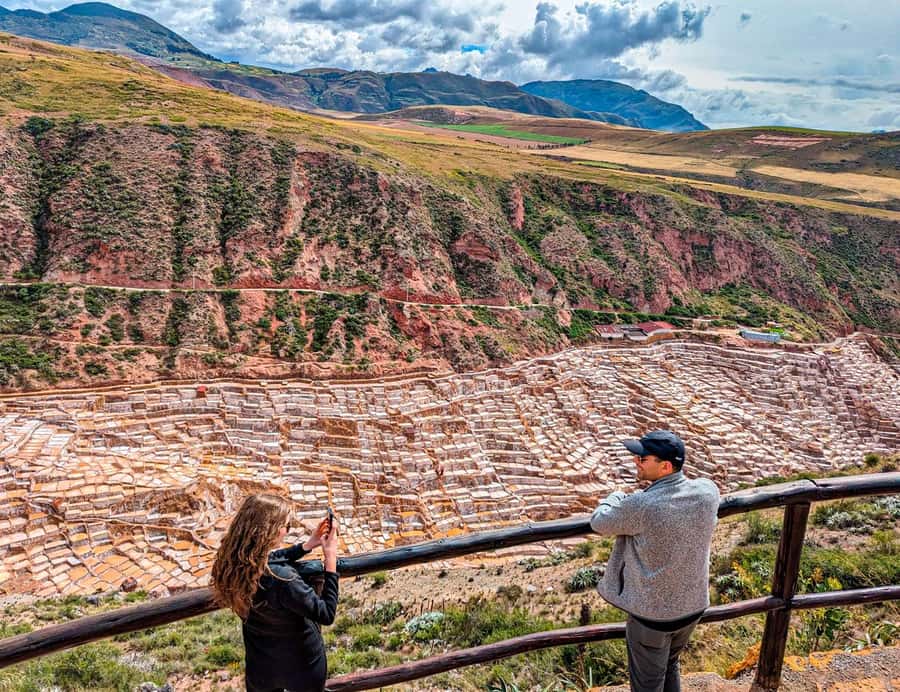
After Moray comes Maras, the salt mines area known for over 5,000 salt ponds. You’ll have a photo stop, guided visit, and time to walk around. The guide will explain how salt was harvested and, importantly, how it helped preserve food for long periods.
That preservation story is what sticks with me. Salt mines aren’t just a scenery stop; they connect directly to how people lived, traded, and planned around scarcity and seasons.
One practical thing: the salt mine entrance ticket is not included. You’ll buy it on site for 20 PEN. That’s an easy cost, but it’s the kind of detail that can surprise you if you arrive with only card payments.
Bring cash for the salt ticket and keep an eye on the time your group is meeting back at the van. These sites move at a steady pace, and you don’t want to feel rushed while you’re trying to take in the pond patterns.

Urubamba Buffet Lunch: A Real Refuel Before Ollantaytambo
Lunch in Urubamba is included, and it’s a buffet. You’ll have about 45 minutes, which is enough to eat without losing the flow of the day.
I like this stop for one simple reason: it prevents the Sacred Valley from becoming a series of snack stops. The buffet setup helps if your group has different tastes, and there tend to be vegetarian options based on what people note about the lunch experience.
The location also gives you a breather before the final push to Ollantaytambo. After Moray and Maras, your body will thank you for a proper meal.
Hydrate too. Even if you feel fine, altitude and sun can sneak up on you. A full bottle of water plus a relaxed lunch makes the stairs at the end feel more doable.
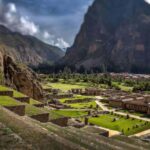
Ollantaytambo Fortress and the 200 Steps to the Terraces
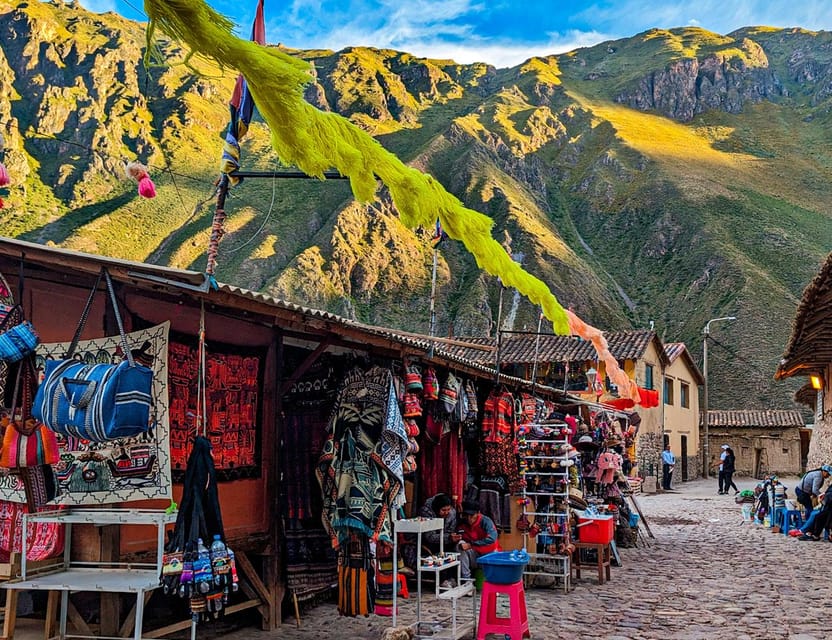
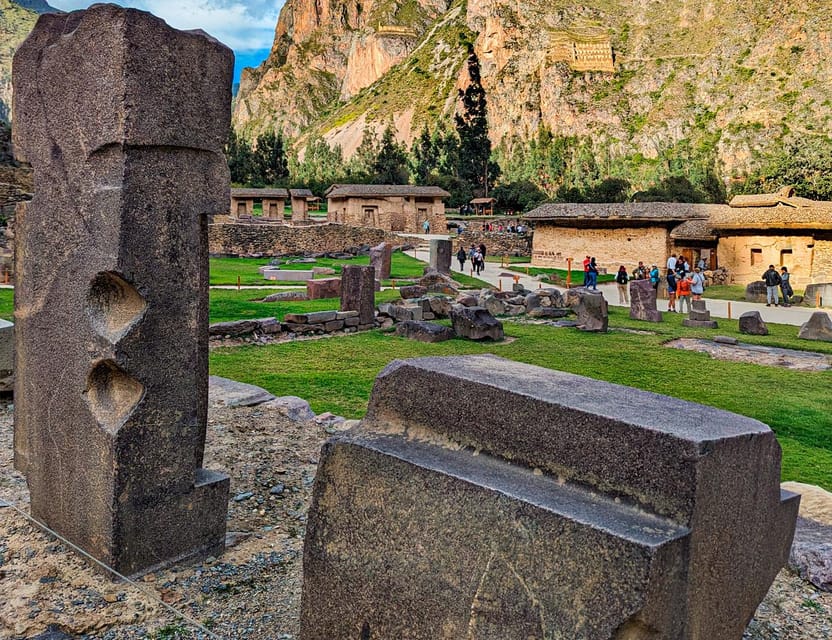
Ollantaytambo is the grand finale—and it delivers. You’ll arrive for photo stops and a guided visit with time to explore the historical town and its key Inca structures.
Here’s the big physical moment: the tour includes a climb of over 200 steps to reach the top of the ancient terraced fortress overlooking Ollantaytambo. This was a defensive location during Incan times, and standing at the top helps you understand how the town’s layout mattered.
This is also where guides often do their best work. The tour explanations tend to bring the stonework to life—how the terraces and megalithic buildings fit into defense and settlement planning. I’ve seen many guides handle Spanish and English smoothly (names that come up often include Julio, Felipe, Nora, Manuel, and John), and that language flexibility matters when you want to ask questions without losing context.
If you’re traveling with kids or anyone who moves slowly, the stairs are the part to plan for. Go at a steady pace. Take breaks if you need them. The views are worth the effort.
Price and Logistics: What You Pay, What You Still Need to Budget
The headline price is $27 per person, with pickup from Cusco, transportation, a bilingual guide, a buffet lunch in Urubamba, and drop-off in Ollantaytambo.
That’s strong value for a one-day sweep of four major stops plus lunch. You’re paying for the guide time and the van driving between distant sites, and it’s usually a lot cheaper than arranging each part alone.
That said, you should budget for what isn’t included:
- A partial tourist ticket for Chinchero, Moray & Ollantaytambo, sold on site for 70 PEN
- Salt mine entrance at Maras for 20 PEN (purchased on site)
- Drinks (not included)
- Return transportation to Cusco (not included)
This is the tradeoff. A low base price works best if you come prepared with cash for tickets and you’re already planning your next transport from Ollantaytambo.
Also, you’ll want to know the rules: drones aren’t allowed, and alcohol/drugs aren’t permitted.
Timing The Day for Machu Picchu Train Connections
If you’re using this tour as your bridge into Machu Picchu, the timing is a big deal.
For group tours, plan around an end time near 15:30 in Ollantaytambo (main square or train station). The guidance is to book trains after 16:00, which gives you a buffer for walking, settling in, and getting to the right platform.
Private service tends to be more flexible. If you have a specific train time, you’ll usually want that private format so the day can end closer to your schedule.
Either way, I recommend you do the math before you go: check your train time, then plan how long it realistically takes you to get from the drop-off point to wherever you need to be.
Who This Tour Suits Best
This tour fits best if you want a single-day overview of the Sacred Valley without adding extra hotel transfers and without missing the main “Inca systems” stops.
It’s especially good for:
- First-timers who want Chinchero + Moray + Maras + Ollantaytambo in one go
- People using Ollantaytambo as a staging point for Machu Picchu by train
- Small groups or private-tour lovers who want a guide to keep things moving at a human pace
It’s less ideal if:
- You want a slow day with lots of free wandering time
- Stairs and uphill walks are difficult for your group
- You dislike scheduled set pieces and prefer to manage everything independently
Should You Book This Sacred Valley Day Trip?
If your goal is a smart, efficient Sacred Valley day—culture first in Chinchero, then the Inca logic of farming and food preservation at Moray and Maras, and finally the dramatic stonework at Ollantaytambo—this is a very good bet. The included buffet lunch and the one-way drop-off in Ollantaytambo make it easier to build the rest of your Machu Picchu plans.
I’d book it if:
- You’re comfortable with a full day
- You have cash for the tickets you’ll buy on site
- You’re planning onward from Ollantaytambo and want the logistics handled
I’d skip or switch to a gentler itinerary if:
- You’re not into climbs and you want more rest time
- You’d rather explore fewer sites with more freedom
FAQ
What sites does this tour cover?
It covers Chinchero, Moray, Maras Salt Mines, Urubamba for lunch, and Ollantaytambo, ending with a drop-off in Ollantaytambo (train station or main square).
How long is the tour?
The duration is listed as 8 to 9 hours.
What’s included in the price?
Included are pickup from your Cusco hotel, a bilingual guide, transportation, a buffet lunch in Urubamba, and drop-off in Ollantaytambo.
What tickets or extra costs are not included?
You’ll need to buy a partial tourist ticket for Chinchero, Moray & Ollantaytambo for 70 PEN, plus the salt mine entrance ticket at Maras for 20 PEN. Drinks are also not included.
Where does the tour end, and what time does it finish?
It ends in Ollantaytambo, at the main square or train station. For group service, it ends around 15:30. The guidance is to book trains after 16:00.
Can I take a drone on the tour?
No. Drones are not allowed. Alcohol and drugs are also not allowed.