REVIEW · CUSCO
Cusco: Historic Walking Tour with Pisco Sour and Music Show
Book on GetYourGuide →Operated by Real Cusco Walking tour · Bookable on GetYourGuide
Cusco history feels close when you walk it. This 2-hour Cusco stroll strings together the big sights and the smaller stories, ending with Qoricancha sights and a Pisco Sour toast. You’ll cover real neighborhoods on foot and learn why each corner matters in the Inca and colonial layers of the city.
I love that it stays small (up to 10 people), so you can actually ask questions and hear details—especially with guides like Erick, who can keep the energy up without rushing. One thing to consider: the Andean music portion can depend on what’s operating that day, so if your evening schedule is tight, keep it flexible.
In This Review
- Quick hits before you go
- Walking Cusco in 2 Hours: the Best Way to Get Your Bearings
- Starting at Plaza de Armas: Inca Fountain, Cathedral Views, and Jesuit Presence
- Qoricancha and the Sun Temple: Why the Stone Feels Personal
- The 12 and 13 Angled Stones and the Andean Trilogy
- San Blas Streets: Lived-In Charm and Street-Level Details
- Luthier Workshop and Andean Instruments: What You’ll Hear After You Learn
- The Andean Music Show and 7 Borreguitos Street at Golden Time
- Temple of Manco Capac: Ending with a First-Inca Story
- Drinks at the Finish: Choosing Pisco Sour or Chicha Morada
- Value, Group Size, and Why the Guide Makes (or Breaks) It
- Who Should Book This Cusco Walking Tour
- Should You Book It?
- FAQ
- Where is the meeting point?
- How long is the tour?
- How big is the group?
- What languages are offered?
- What’s included in the price?
- Do I need to pay for museum entry?
- What drink do I get at the end?
- Is there an Andean music show?
- What’s the cancellation policy?
- Is the tour suitable for wheelchair users or people with mobility issues?
Quick hits before you go
- Inca-to-colonial highlights in one loop from Plaza de Armas to Qoricancha and back through town
- San Blas walking streets plus a stop for one of Cusco’s most photogenic views on 7 Borreguitos Street
- Luthier workshop visit so you understand how Andean instruments are made, not just heard
- Andean music show included after the workshop, tied to what you just learned
- Pisco Sour or Chicha Morada included so you finish with a proper Cusco taste
- English or Spanish guided with a live guide and a group capped at 10
Walking Cusco in 2 Hours: the Best Way to Get Your Bearings
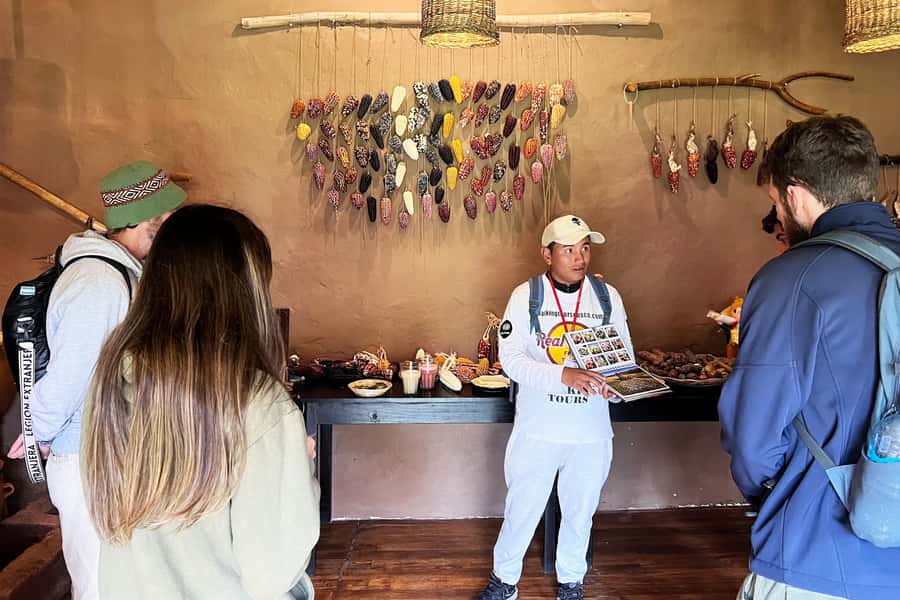
Cusco can feel like a maze at first—stone walls, steep lanes, and viewpoints popping up where you didn’t expect them. This tour is built for that exact moment when you want to orient fast without committing to a full day. You’re moving at a human pace, and most of the action is in the central areas, which makes it a smart first or second-day plan.
The other reason I like it: it connects stories across different time periods. You’re not only ticking off famous names. You’re learning what the places meant, what the Inca builders prioritized, and how Spanish-era power reshaped the same city spaces.
And yes, the finish matters. The included drink isn’t just a perk—it’s your cue that the walk is done and you can relax, hydrate, and digest what you just saw.
You can also read our reviews of more walking tours in Cusco
Starting at Plaza de Armas: Inca Fountain, Cathedral Views, and Jesuit Presence
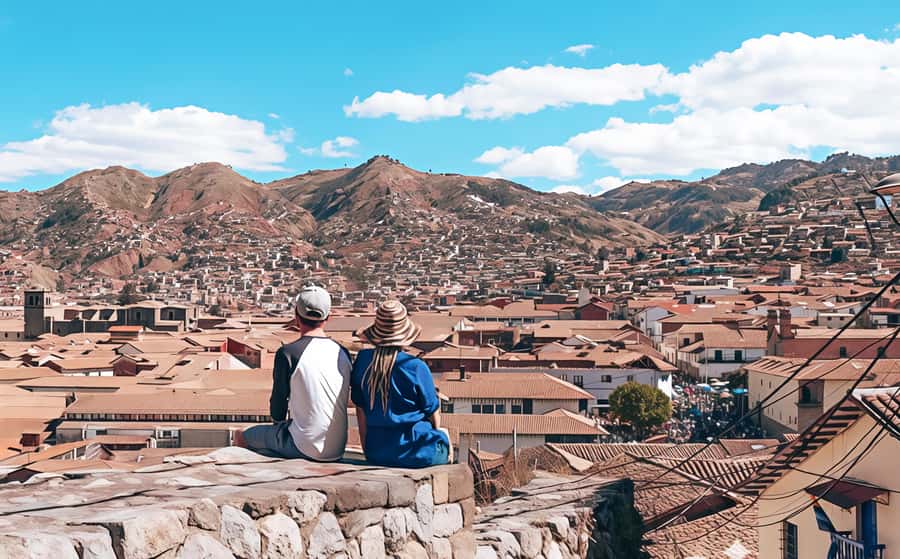
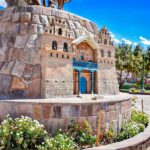
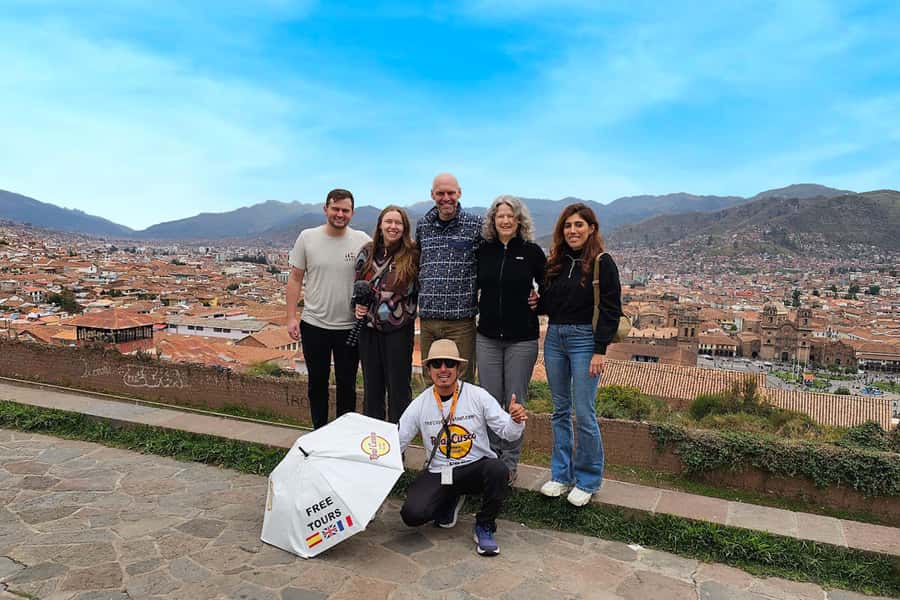
You meet next to the Inca Fountain in Plaza de Armas, at the center of Cusco’s everyday life. Your guide will be holding a white umbrella, which is helpful in a square full of meeting spots and people.
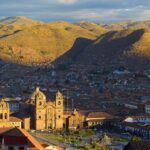
From there, you’ll walk the short loop around the cathedral area and take in the big-picture feel of the city’s main plaza. This is where Cusco’s timeline becomes obvious: Inca stone and Spanish-era architecture share space, and your guide helps you see why that mix wasn’t accidental.
One of the early stops is the Company of Jesus area, where the colonial presence is strong. It’s a good “context reset” after Cusco’s Inca fame—because the city’s identity today is shaped by both eras.
Practical note: this part is best if you can keep your eyes up as well as looking ahead. Cusco hides details above street level—balconies, carvings, and the angle of stonework. The tour trains you to look that way.
Qoricancha and the Sun Temple: Why the Stone Feels Personal
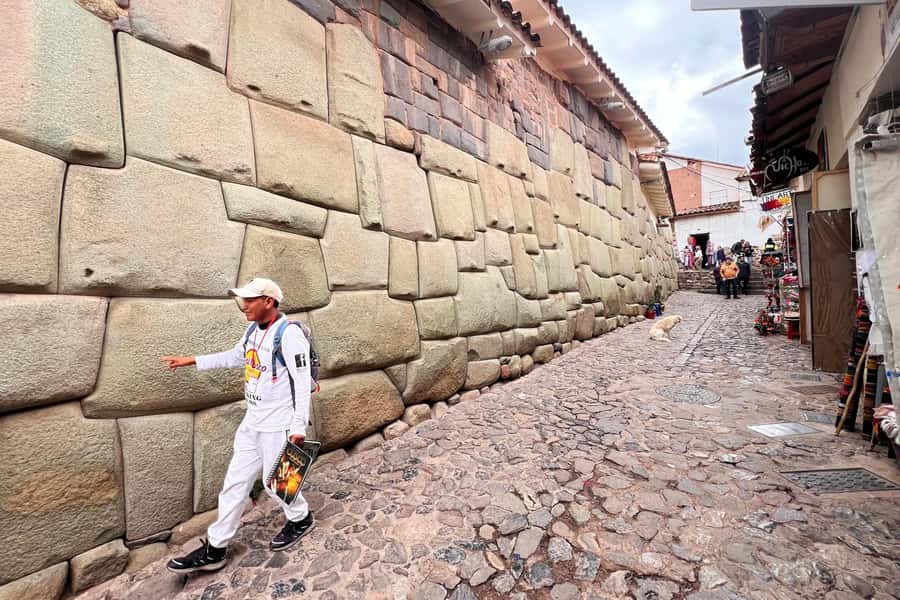
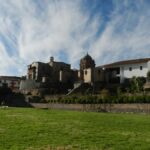
Qoricancha (the Sun Temple) is the moment a lot of people remember. Even if you’ve seen photos before, standing nearby is different. The walls and layout make it clear why this site mattered so much to the Inca world.
What makes this stop valuable is the storytelling. Your guide connects the physical place to the idea of power and worship—what an Inca temple represented, and why later builders had incentives to repurpose or reshape what was already there.
This is also where you’ll learn to spot the “layers” in Cusco. In many cities, history is separated into museums. Here, it’s in the street fabric. That’s why a guided walk works better than wandering alone: you get the interpretive thread that makes the stones make sense.
The 12 and 13 Angled Stones and the Andean Trilogy
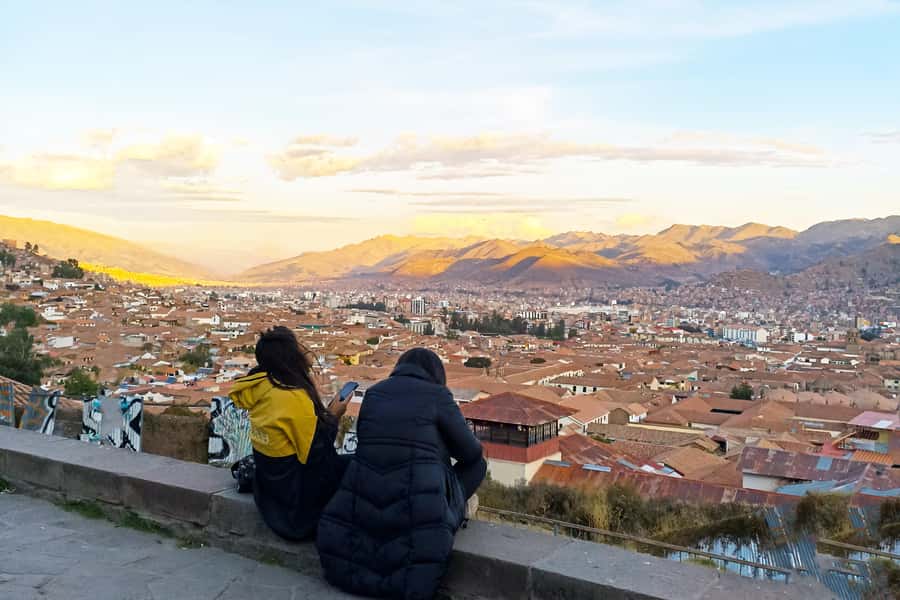
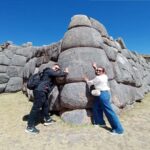
Cusco has its famous photo corners, but this tour treats them as learning stops, not just checkpoints. You’ll look up and around at the city’s most recognizable balcony area, then continue to the legendary 12 and 13 angled stones.
These stones are worth your attention because they teach you something practical about Inca thinking: precision, alignment, and design choices that weren’t random. Your guide connects those details to how the Inca built spaces meant to last and perform.
Then comes a more symbolic stop: the Andean Trilogy, tied to silhouettes of the Condor, Puma, and Snake carved into an Inca wall. This is one of those details you could walk past a hundred times and miss entirely if you weren’t told what to look for.
The real value here is mental. By the time you reach the San Blas area, you’ll start noticing patterns—how the city communicates ideas through design, not only through plaques.
San Blas Streets: Lived-In Charm and Street-Level Details
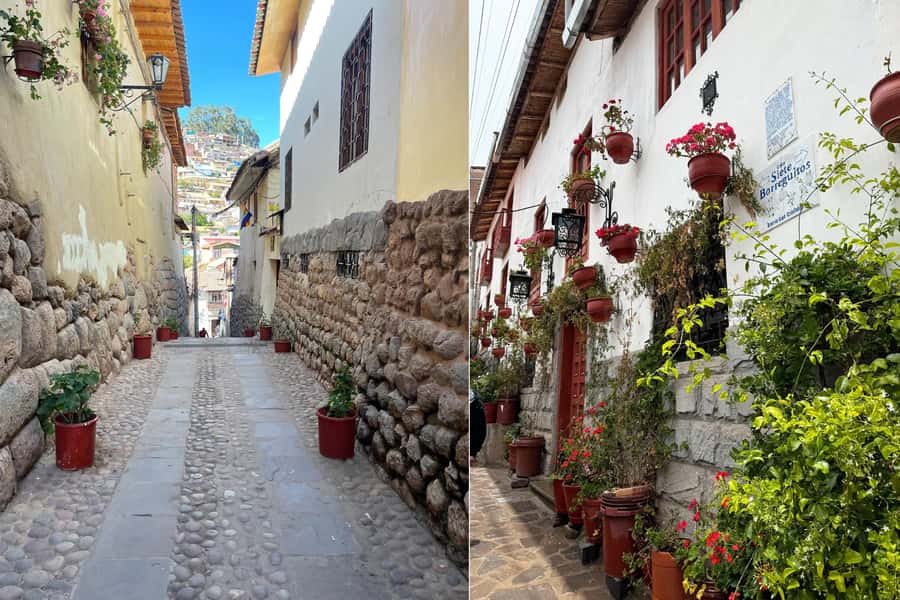
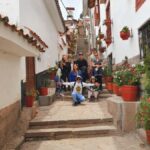
San Blas is the neighborhood where Cusco slows down a little. The lanes feel human: shops, workshops, and that “artists’ quarter” vibe that’s more about craft and daily life than tourist spectacle.
You’ll stroll through the picturesque streets and get a feel for why locals love the area. More importantly, this walk phase is where your guide’s commentary starts connecting the earlier stones and temples to something you can see right now: instruments, workmanship, and community spaces.
This is also where the tour becomes especially good for first-timers. If you’re new to Cusco, San Blas helps you move from monuments to lived culture without the jump feeling overwhelming.
You can also read our reviews of more historical tours in Cusco
Luthier Workshop and Andean Instruments: What You’ll Hear After You Learn
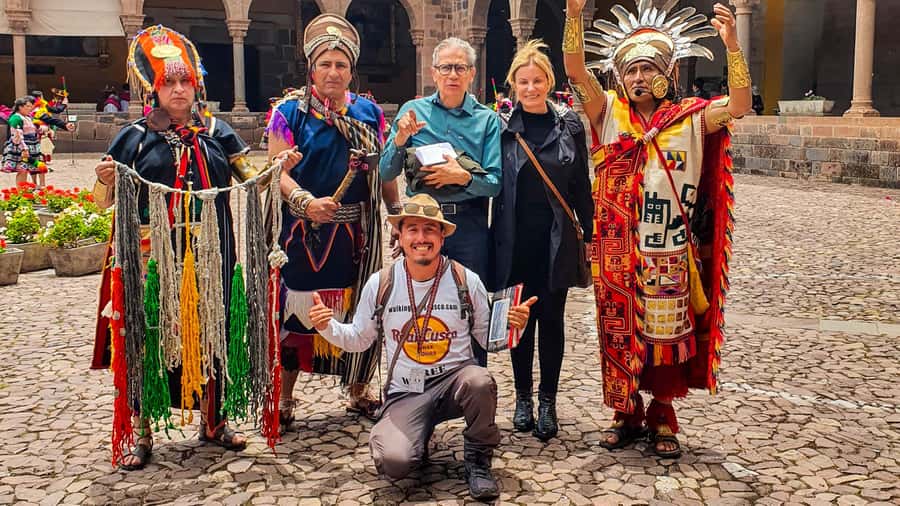
One of the best parts of this tour is the stop at a skilled luthier’s workshop—an instrument maker. This is a rare inclusion in Cusco walking tours that focus only on temples and plazas. Here, you get a small craft lesson in how Andean music takes shape before it reaches you as a performance.
Expect to see the maker’s work and learn enough context to make the next music show feel earned. Even if you don’t read musical notation, you’ll understand the instruments as tools with purpose, not just props.
This workshop also changes how you listen. When the music starts, you’ll recognize what you just saw, and the show turns into more than background sound.
The Andean Music Show and 7 Borreguitos Street at Golden Time
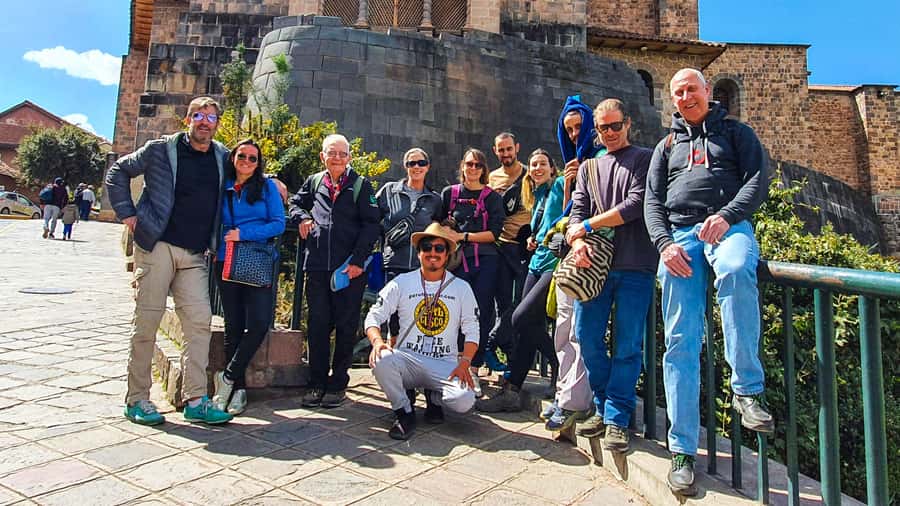
After the workshop, the tour includes an Andean music show. The goal isn’t just to watch for 20 minutes—it’s to tie the sounds to the craft and to the cultural story you just heard. Your guide helps frame what you’re seeing so it doesn’t feel like random entertainment.
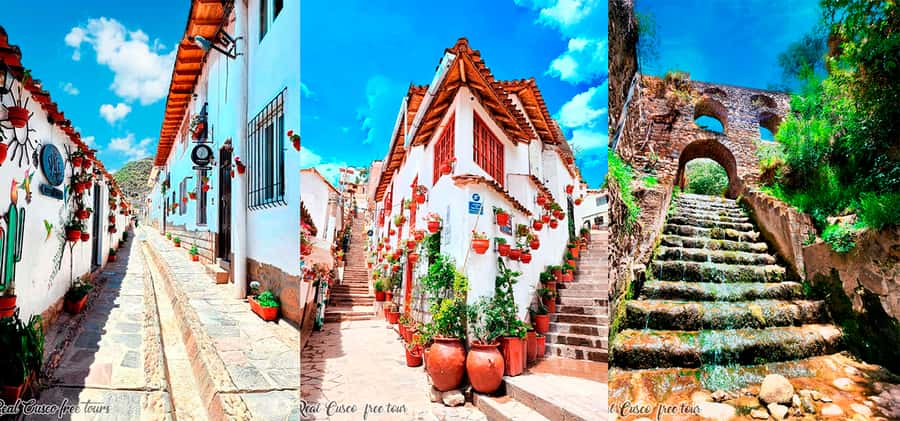
Then you’ll head toward 7 Borreguitos Street, known as one of Cusco’s most picturesque streets. It’s the kind of narrow lane where light, angles, and stonework combine into an instant “how is this real?” scene.
Timing helps here. If you’re lucky with daylight, this is a great place to pause, look at the façades, and take photos that don’t feel overly staged. It’s also a good reset moment after the performance, so you don’t feel like you’re constantly moving.
One consideration: there’s at least one example of the planned music show vendor being closed, with the guide recommending a different local dance option afterward. If you have a strict schedule, keep your expectations flexible and treat this as part of your Cusco day, not a guaranteed evening “ticket event.”
Temple of Manco Capac: Ending with a First-Inca Story
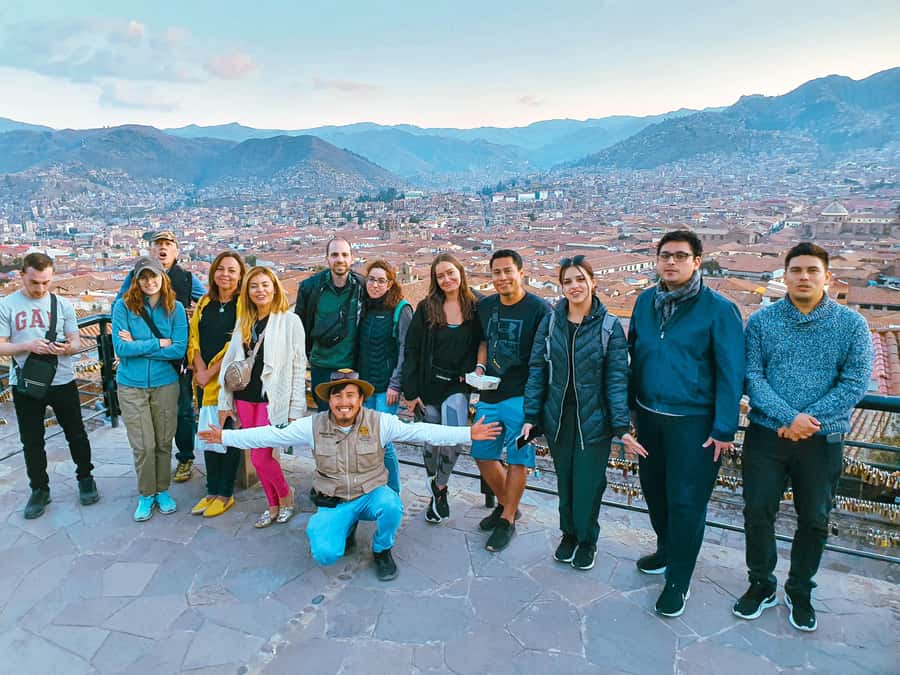
After the music and street photos, the tour shifts back into Inca narrative with a visit to the Temple of the First Inca ruler, Manco Capac.
This stop is a nice payoff. By then, you’ve already seen the city’s big Inca landmarks and the symbolism built into the streets. Manco Capac’s temple gives you a “who started it” thread, tying your earlier stops to origins and leadership in the Inca worldview.
What you’ll take away is perspective. Cusco isn’t only a collection of impressive ruins—it’s a place where identity, authority, and belief were organized into spaces you can still walk through.
Drinks at the Finish: Choosing Pisco Sour or Chicha Morada
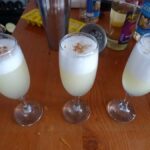
Your tour ends with a tasting choice: Pisco Sour or Chicha Morada. One is Peru’s famous national spirit; the other is a beloved non-alcoholic purple corn drink.
If you want a classic Cusco souvenir, the Pisco Sour is the obvious pick. If you’d rather keep it gentle (or skip alcohol altogether), Chicha Morada is a satisfying end to a walk without turning the night chaotic.
In both cases, this finish makes sense. Two hours is long enough to feel you did something real, but short enough that your body (and your mood) can handle a drink afterward instead of needing a nap immediately.
Value, Group Size, and Why the Guide Makes (or Breaks) It
At $10 per person for a 2-hour guided walk, you’re paying for more than movement through the city. You’re paying for interpretation—someone to connect Qoricancha, San Blas, symbolism stops like the Condor-Puma-Snake carving, and the craft visit to the luthier.
The group size matters here. With a cap of 10, it’s easier for the guide to keep track of questions and pace. In at least a couple of cases, small group size made the experience feel close to private—useful if you like asking follow-ups.
The guide quality is a standout theme from past tours. Names you might hear include Erick (often praised for entertaining, high-energy guiding) and Nilo/Niki (praised for being extremely informative and friendly). One guide was described as a professional anthropologist, which tells you the commentary can go beyond basic facts into how the city’s meaning gets constructed.
Price-wise, here’s the honest framing: if you’re expecting a strictly free “tip at the end” style tour, you may feel surprised by a set payment. One review noted that it can function like a pre-paid expected tip. For most people, $10 still reads as fair value because you get the guided loop plus the drink and workshop visit—but it depends on what you consider a “good deal.”
Who Should Book This Cusco Walking Tour
This is a great match if:
- You want a guided introduction to Cusco’s central sights in only two hours
- You care about context, not only landmarks
- You like music and want more than a passive show (luthier workshop included)
- You prefer small groups over big bus tours (max 10)
It’s not a great match if:
- You use a wheelchair or need mobility accommodations (this is described as not suitable for mobility impairments)
- You’re hearing-impaired (not suitable per the activity rules)
- You’re traveling with very young babies (under 1 year not suitable)
- You’re 95+ (not suitable per the activity rules)
If you’re on the fence because you’re worried about walking distance, keep in mind that the tour’s pacing is designed for a compact loop. Still, Cusco’s streets are steep and uneven, so bring a mindset of slow, steady steps.
Should You Book It?
I think it’s worth booking if you want a tight, high-signal Cusco day: Plaza de Armas to Qoricancha, symbolism stops, San Blas streets, a luthier workshop, an Andean music show, then a photogenic street and a final Inca story—ending with a drink.
Book it if you enjoy guides who explain what you’re looking at, and if you want a low-cost way to get oriented without missing the “must-see” cluster. If you’re the type who hates any chance of schedule variation, accept that the music portion may not always play exactly as expected on the day you go.
If your goal is the sweet spot of Cusco culture—stone, craft, music, and a proper taste at the end—this one fits.
FAQ
Where is the meeting point?
You meet next to the Inca Fountain in the Plaza de Armas. The guide will be holding a white umbrella (coordinates: -13.516772, -71.9787231).
How long is the tour?
The walking tour lasts about 2 hours.
How big is the group?
It’s a small group limited to 10 participants.
What languages are offered?
The tour is available in English and Spanish (live guided). A French guided tour is also mentioned, with a minimum number of customers required.
What’s included in the price?
Included are a bilingual tour guide, a visit to a luthier’s workshop, and a pisco sour or a non-alcoholic drink.
Do I need to pay for museum entry?
No. Museum entry is not included. The tour notes museums as optional.
What drink do I get at the end?
You can choose between a Pisco Sour or a Chicha Morada (non-alcoholic).
Is there an Andean music show?
Yes. The tour includes an Andean music show as part of the experience.
What’s the cancellation policy?
You can cancel up to 24 hours in advance for a full refund.
Is the tour suitable for wheelchair users or people with mobility issues?
No. It’s not suitable for wheelchair users or people with mobility impairments, and it also lists hearing-impaired people as not suitable.