REVIEW · CUSCO
City Tour Cusco Qoricancha Sacsayhuaman y Tambomachay
Book on GetYourGuide →Operated by World Explorer Peru · Bookable on GetYourGuide
Cusco can feel like a blur at first. This tour gives you a smart route through the city’s Inca landmarks, plus the Spanish-layer details that still shape the streets today. I like how fast it gets you oriented, and I also really like the stop-by-stop way the guide ties together ceremony, power, and everyday life in the Inca world.
The main drawback is timing and expectations: you’re moving for hours, with a mix of walking and bus rides, and the tour is set up in both English and Spanish (so on some departures you may feel the language balance leans one way). If you’re sensitive to altitude or you want total quiet, plan for that reality.
In This Review
- Key Highlights You’ll Actually Care About
- Why This Cusco Primer Works in About Five Hours
- Meeting at Plaza de Armas: The Easy Start (and the Altitude Reality)
- Qorikancha and the Temple of the Sun: Where Two Eras Share the Same Stones
- Sacsayhuamán Fortress: Massive Stones, Strategic Meaning, and Views That Answer Questions
- Qenqo and Puka Pukara: Ceremonial Altars and Inca Control Points
- Tambomachay Inca Baths: The Worship of Water Still Running
- The Cost Math: $13 Base Price Plus What You Must Plan For
- Guide Energy in Real Life: Names You Might Hear, Styles You’ll Feel
- What to Bring (and What to Leave Behind)
- Should You Book This Cusco City Tour?
- FAQ
- Where is the meeting point for the tour?
- How long is the tour, and when does it run?
- Which sites are included on the route?
- Is the Qorikancha entrance ticket included?
- Is the Cusco Tourist Ticket included?
- What languages are available during the tour?
- What should I bring and have ready?
Key Highlights You’ll Actually Care About
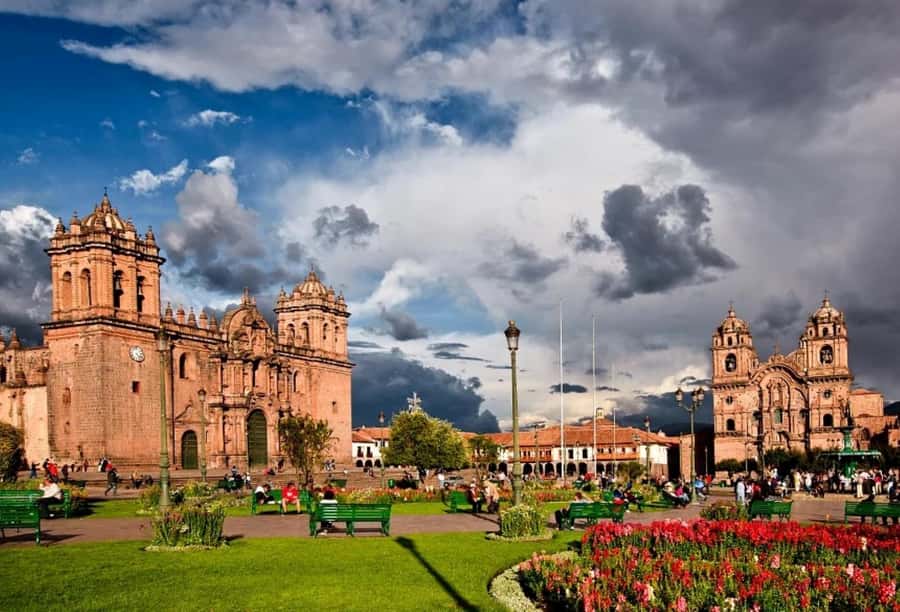
- Plaza de Armas start point near the main fountain and Inca monument, so it’s easy to locate.
- Qorikancha + Santo Domingo contrast, where Inca stone foundations meet colonial architecture.
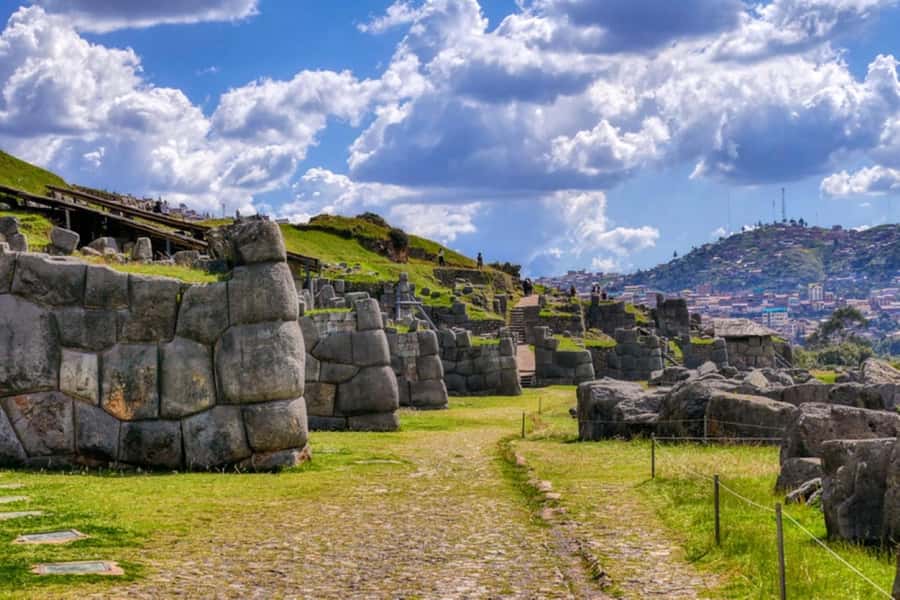
- Sacsayhuamán panoramic viewpoints plus fortress stories built around massive stonework.
- Qenqo, Puka Pukara, Tambomachay in one efficient loop, so you connect multiple styles of Inca sites.
- Professional local guides who often use photos and stories to make the ruins click faster.
- A tour length that’s friendly if you’re short on time, with a planned wrap-up back in Cusco’s historic center.
Why This Cusco Primer Works in About Five Hours
Cusco’s ruins are not “off to the side.” They’re part of how the city looks, walks, and thinks. This tour hits the classic Inca landmarks around town in a single arc, so you come away knowing what you’re looking at before you start picking day trips like a menu.
At about 5 hours, it’s also a good altitude strategy. Instead of trying to figure out transport and opening times on your own, you get one guided plan with built-in pacing and breaks at the major overlooks.
The “value” here isn’t just the $13 base price. It’s the structure: meeting point, shared transport, a live guide, and multiple sites that would otherwise take more effort to line up.
You can also read our reviews of more city tours in Cusco
Meeting at Plaza de Armas: The Easy Start (and the Altitude Reality)
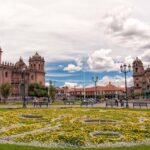
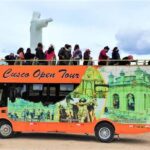
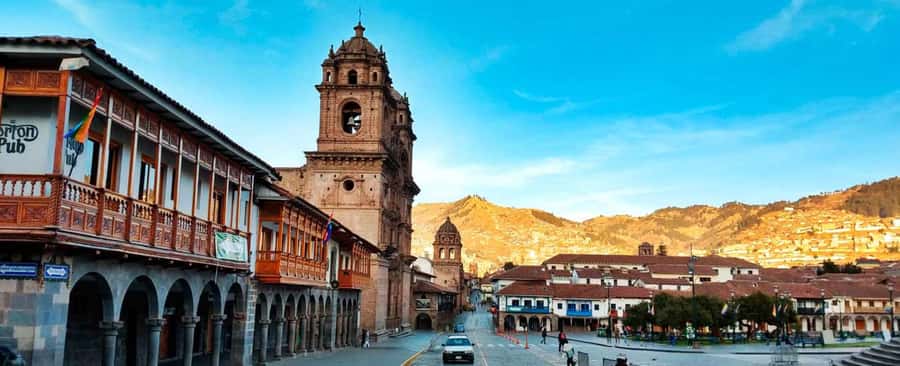
You meet at Cusco’s Main Square, Plaza de Armas, right next to the central fountain (the tour lists a specific spot by coordinates too). You’ll want to arrive about 10 minutes early, because the intro and group organization happen right there.
From that first moment, the tour’s tone is practical. The guide starts with context so later stops make sense: what Inca Cusco was designed to do, how sacred space worked, and why certain forts and ritual centers were placed where they are.
One small but important note: this tour includes walking and scenic viewpoints. Cusco altitude isn’t predictable, so if you feel it, slow your pace, sip water, and don’t treat the itinerary like a hike.
Qorikancha and the Temple of the Sun: Where Two Eras Share the Same Stones
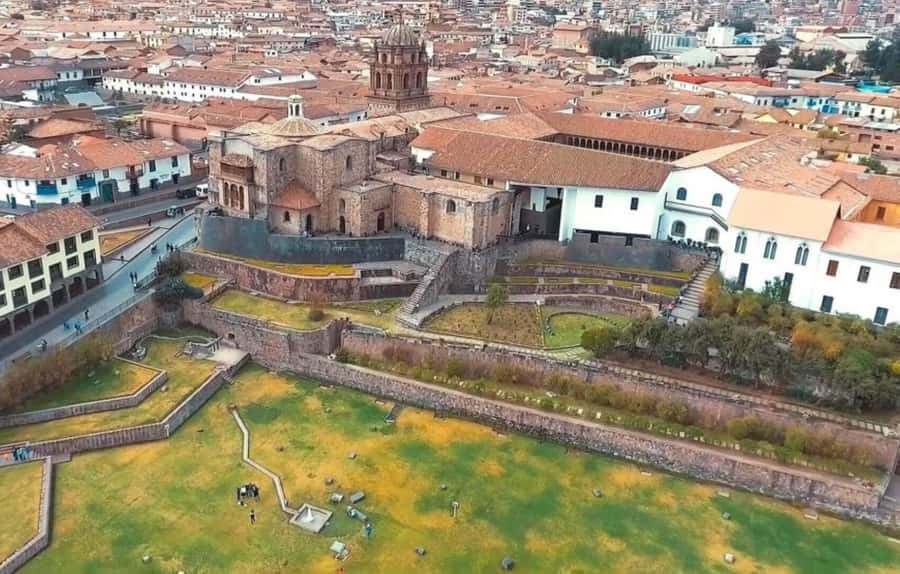
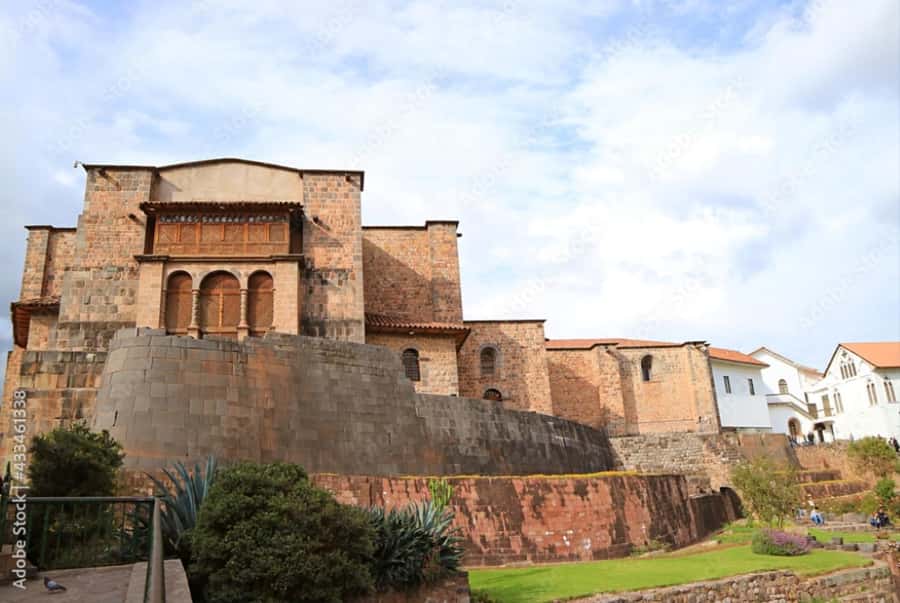
The first major stop is Qorikancha, the Inca Empire’s most important religious site tied to the Temple of the Sun. The big idea you’ll get here is ceremonial purpose—this wasn’t just a pretty place. It was built for ritual life and state meaning.
What I like about this stop is the physical story you can read in front of you. The tour explains the fine Inca stone walls, and then you see how the Santo Domingo Convent was built on those foundations. So you get the “before” and “after” in the same glance.
Practical detail: the Temple of the Sun entrance is not included. Plan extra cash for the ticket listed at S/ 20 soles. If you’re budgeting tightly, this is the one cost you should account for on day one.
Sacsayhuamán Fortress: Massive Stones, Strategic Meaning, and Views That Answer Questions
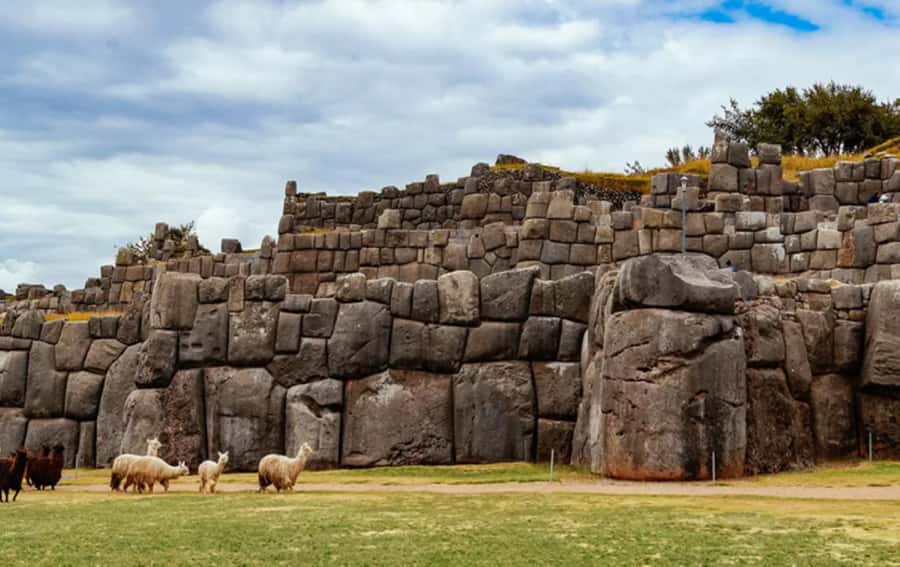
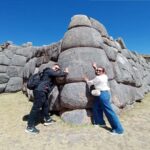
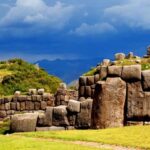
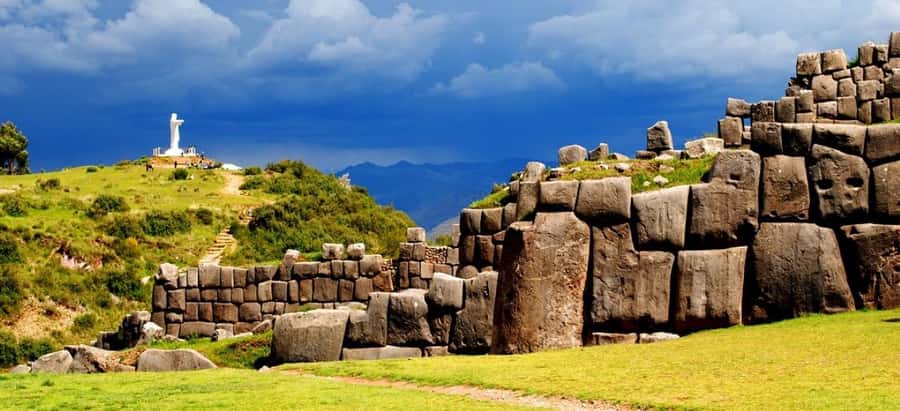
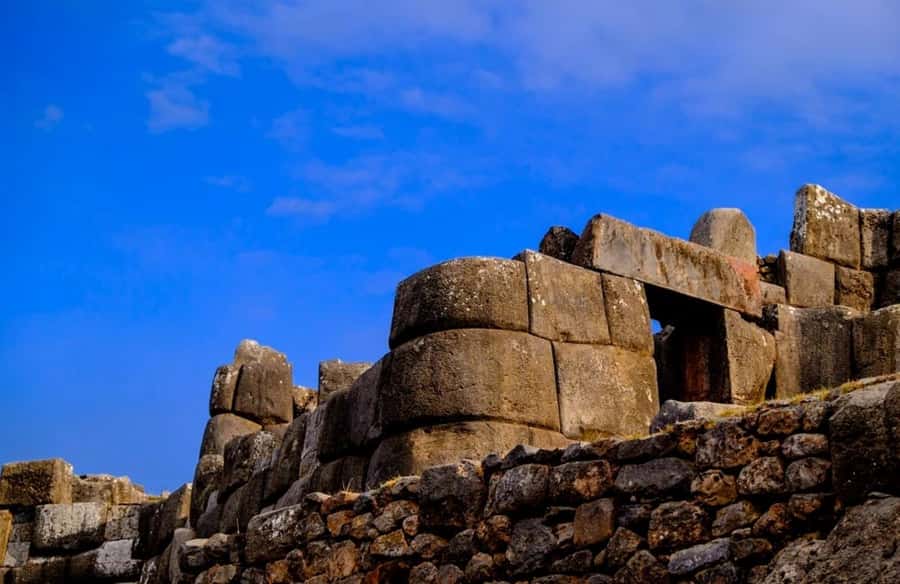
Next comes Sacsayhuamán, one of those places where scale does the explaining. The tour focuses on why the fortress mattered—its massive stone blocks, its strategic placement, and its ceremonial and political role.
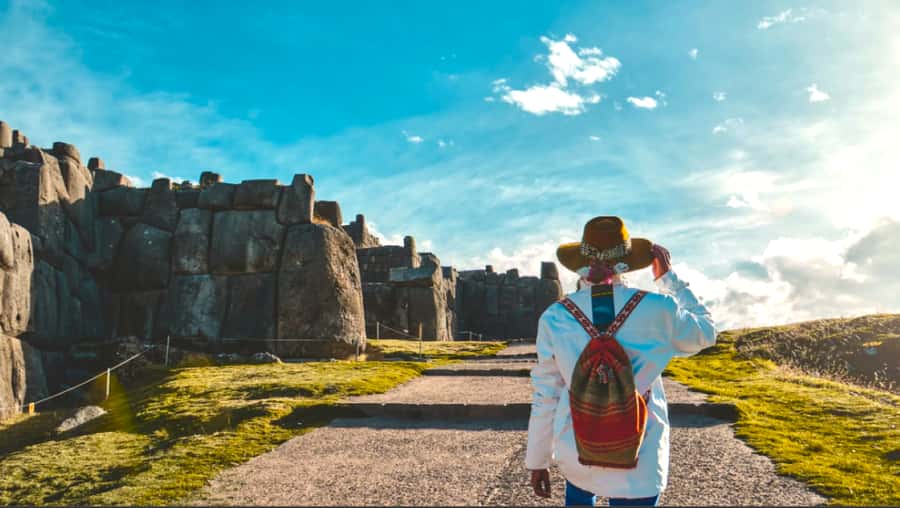
You also get the best kind of break: photo time plus free time in the area. That matters because once you’re on the ridge and looking out over Cusco, you start to connect the city layout with what the Inca designed around power and movement.
Here’s the drawback to plan around: the site can be physically tiring, and the sun can be intense. Bring sunglasses and sunscreen (and use them early). Don’t wait until you feel burned—Cusco sun hits fast.
Qenqo and Puka Pukara: Ceremonial Altars and Inca Control Points
After the fortress, the route continues to Qenqo, described as a ceremonial center with altars, underground passages, and rock formations used for religious rituals. This stop is where you’ll feel the tour’s storytelling style most clearly—ceremony is harder to understand than a building with obvious rooms. The guide’s job is to translate stone into meaning.
You’ll then head to Puka Pukara (also shown as Pucapucara), which the tour describes as an ancient military and control post, but also a resting place for Inca travelers. Terraces and defensive structures are part of what you’ll notice, and the lesson is simple: the Inca system wasn’t only spiritual. It was logistics, too.
What’s useful for you here is how the tour compares functions. Ceremonial spaces and control points can look similar at first glance (stone + symbolism), but the guide helps you separate them by purpose.
If you’re short on time and you want one takeaway from this section, make it this: Inca sites are often doing two jobs—ritual and real-world function.
Tambomachay Inca Baths: The Worship of Water Still Running
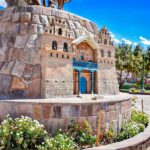
Finally, you reach Tambomachay, commonly described as the Inca Baths. The core theme on this stop is worship of water. The tour points out channels and fountains that still flow today, which is why this place feels so different from “ruins you look at and move on.”
Tambomachay also acts like a decompression stop. After the fortress and the ritual/control sites, the water theme gives your brain something calmer to process. You’ll still be in sightseeing mode, but it’s less intense than the ridge experience.
Expect some walking and scenic viewing on the way. If you pack light and you keep your camera ready, this is one of those parts where your photos come out better because you’re not rushing through everything.
The Cost Math: $13 Base Price Plus What You Must Plan For
The tour price is listed at $13 per person, and it includes the live professional local guide, shared transportation, and visits to the major attractions on the loop. For Cusco, that’s strong value because you’re not paying separately for guide time and logistics.
But don’t get surprised by the extra fees. The Temple of the Sun entrance is listed as S/ 20 soles and the Cusco Tourist Ticket is listed as S/ 70 soles, not included.
Here’s how I’d think about it if you’re budgeting:
- If you only want the Temple of the Sun entrance on this day, make sure you’ve got the S/20 cash.
- If you’re planning multiple paid sites during your Cusco stay, look at the Cusco Tourist Ticket price (S/70) and compare it to what you actually plan to enter.
- Either way, the guide-guided route usually saves you time and hassle, which is part of what you’re paying for.
Guide Energy in Real Life: Names You Might Hear, Styles You’ll Feel
The biggest difference between a good ruins day and a great one is the guide’s delivery. This tour is built around a live guide (English and Spanish) plus audio support (also English and Spanish).
In the field, I’ve seen guides with names like Luis, Nilo, Sergio, Condor, Ernesto, Manuel, and Erick connected to these kinds of Cusco city tours. The common thread in their style is making the stones understandable fast. Some guides also use a photo book to show related images, which helps you connect a rock formation to a story instead of just guessing.
Language mix matters. One person may feel the day runs more Spanish than English; another may feel the opposite. If you want a specific language balance, consider booking a departure where you’re comfortable with bilingual delivery.
And yes, a lot of these tours tend to end with a final treat. Several guides are reported to finish the day with a pisco sour in a restaurant setting that looks out over town. That’s not listed in the core inclusions, but it’s a common kind of ending in this style of Cusco city tour.
What to Bring (and What to Leave Behind)
This tour’s gear list is the practical kind:
- Passport or ID card
- Sunglasses, sun hat
- Camera
- Sunscreen
- Cash
- Comfortable clothes and a daypack
The restrictions are also pretty clear:
- No drones
- No weapons or sharp objects
- No alcohol or drugs
- Follow rules on noise and littering
Also, remember you’ll be in the Cusco sun at higher elevation. Comfortable footwear matters more than you think, especially if your energy dips.
One extra altitude tip: do this early in your Cusco time if you can. It’s a good way to start adjusting and to learn the city layout while you’re still fresh.
Should You Book This Cusco City Tour?
Book it if you:
- Want a time-efficient introduction to Cusco’s biggest Inca sites
- Prefer a guided route over sorting transport and entry points yourself
- Like ruins with clear explanations of purpose—religion, power, and water—rather than just stone spotting
Skip or think twice if you:
- Need a fully quiet, slow pace with minimal walking
- Are unsure about wheelchair compatibility, since the info given is mixed (one line says wheelchair accessible, another says not suitable for wheelchair users). Confirm before booking.
- Want only the most famous sites and nothing else; this tour intentionally covers several different complexes, so it’s more about breadth than one single highlight
If your goal is to understand Cusco quickly and set yourself up for the rest of your trip, this is a solid, good-value way to do it.
FAQ
Where is the meeting point for the tour?
You meet at Cusco’s Main Square (Plaza de Armas), next to the central fountain.
How long is the tour, and when does it run?
The duration is listed as 5 hours. There are two shifts: morning from 9:00 AM to about 2:00 PM, and afternoon from 1:00 PM to about 6:30 PM.
Which sites are included on the route?
The tour includes Qorikancha, Sacsayhuamán, Qenqo, Puka Pukara (also listed as Pucapucara), and Tambomachay.
Is the Qorikancha entrance ticket included?
No. The Temple of the Sun entrance ticket is listed as S/ 20.00 soles.
Is the Cusco Tourist Ticket included?
No. The Cusco Tourist Ticket is listed as S/ 70.00 soles and is not included.
What languages are available during the tour?
The live guide is available in English and Spanish, and an audio guide is also included in English and Spanish.
What should I bring and have ready?
Bring your passport or ID card, sunglasses, sun hat, camera, sunscreen, cash, comfortable clothes, and a daypack.