REVIEW · CUSCO
Cusco: Sacred Valley, Pisac, Ollantaytambo, Salt Mines Moray
Book on GetYourGuide →Operated by Tour Valle Sagrado Vip · Bookable on GetYourGuide
One day, five Sacred Valley icons. This VIP-style sweep packs the valley’s top stops into a timed itinerary, so you get the big picture fast. I love the Moray terraces (Inca science with microclimates), and I love the Urubamba buffet lunch with a real break from touring. The main drawback is simple: it’s a long day with limited time at each site, so you won’t get to wander slowly.
You’ll also benefit from a bilingual guide (English or Spanish) who keeps the day organized, including photo moments and practical pacing. Expect early starts, shared transportation, and enough walking—especially at Ollantaytambo—that you should plan your energy before you arrive.
In This Review
- Key highlights worth planning for
- A one-day Sacred Valley map you can actually finish
- Getting going: pickup, timing, and the reality of a long day
- Chinchero textile center: where craft becomes culture
- Moray: Inca agriculture as an experiment
- Maras salt mines: thousands of active ponds
- Urubamba lunch stop: refuel before more walking
- Ollantaytambo: living town, steep steps, big views
- Pisac: hillside ruins and a market finish
- Transport and tour style: how the schedule affects the experience
- Price and value: why $28 can work out (and where costs add up)
- What to bring so the day feels easier
- Who should book this Sacred Valley day trip
- Should you book the one-day Sacred Valley sweep?
- FAQ
- What is the duration of the Sacred Valley tour?
- Where is the tour located?
- How much does the tour cost?
- What time does the tour start?
- What sites are included in the day?
- Is lunch included?
- Are entrance tickets included in the price?
- What languages is the guide available in?
- Can the tour end early for Machu Picchu?
- What should I bring and what is not allowed?
Key highlights worth planning for
- Chinchero textile center visit focused on natural fibers and dyes from local plants/minerals
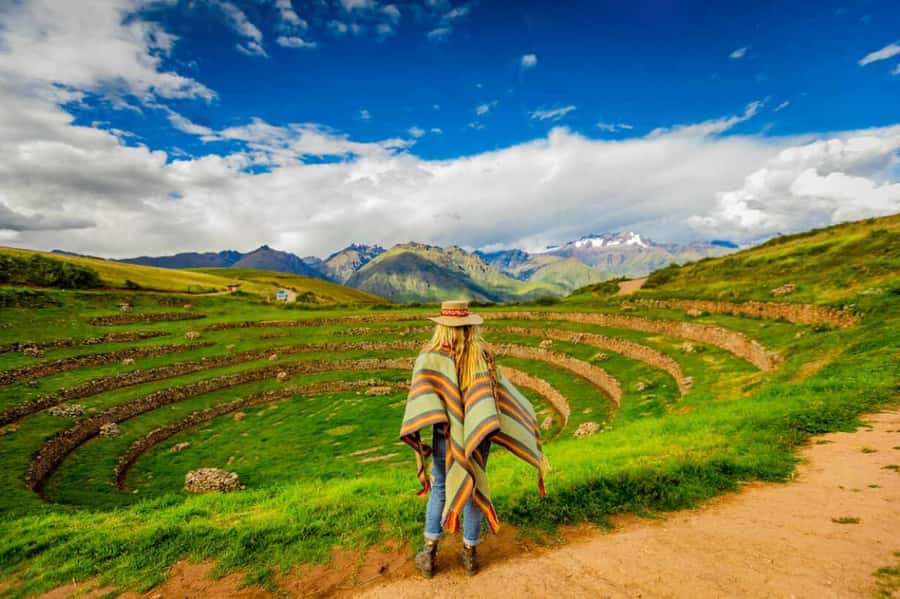
- Moray’s circular terraces shown as an Inca agricultural experiment in microclimates
- Maras salt mines with thousands of still-active salt pools fed by an underground spring
- Urubamba lunch included in a set stop, with time to stretch and refuel
- Ollantaytambo as a living Inca town with stone temples and cobblestone streets
- Optional Machu Picchu train timing: tour can end at Ollantaytambo at 3:00 p.m.
A one-day Sacred Valley map you can actually finish
If your Cusco days are tight, this is the kind of tour that makes sense. The Sacred Valley is spread out, and doing it “on your own” often turns into hours of coordinating buses, guides, and ticket lines. Here, you trade freedom for order: a set route that hits the core sites in one 12-hour block.
This experience is built around the idea of overview plus key moments. You get an early start, several guided stops, and just enough free time to take photos and browse a little. You also get the valley’s storyline: agriculture (Moray), salt trade (Maras), daily life and crafts (Chinchero), and major Inca urban power (Ollantaytambo and Pisac).
The trade-off is that you won’t treat any single site like your only destination. If your travel style is slow, detailed, and you love reading every sign, consider more time in the valley. If you want the highlights and a strong sense of how everything connects, this is a solid match.
You can also read our reviews of more tours and experiences in Cusco.

Getting going: pickup, timing, and the reality of a long day
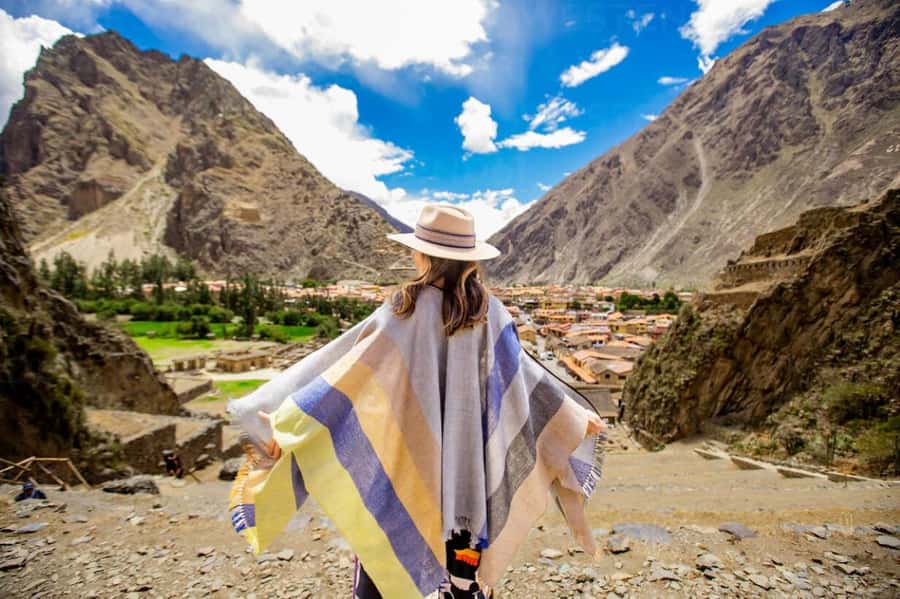
Tours like this succeed or fail based on time management, and this one leans into it. You’ll start early—pickup from your hotel is scheduled between 6:00 a.m. and 6:30 a.m. depending on option—so you’re not wasting the morning. If you’re not doing hotel pickup, the meeting point is the Plaza de Armas of Cusco at 7:20 a.m.
Once you’re in motion, the day runs on a schedule with short transport segments and tight viewing windows at each stop. The itinerary shows multiple guided blocks that usually run under an hour per location, plus photo stops and short shopping/free-time periods.
Two practical notes from real-world day-trip experience:
- The shared coach can feel tight on long stretches, so try to pack light and keep water handy.
- In older Cusco streets, the bus may not reach every doorstep. If you’re asked to walk a short distance to a pickup spot, it’s worth not fighting it.
Bring a good attitude about timing. When you treat the day like a “greatest hits” tour (not a slow museum visit), everything feels more satisfying.
Chinchero textile center: where craft becomes culture
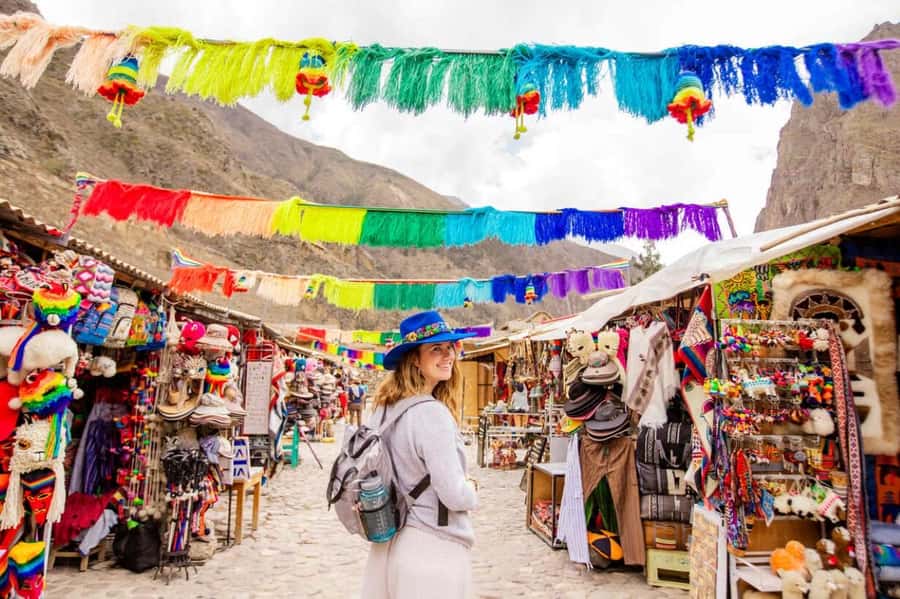
Chinchero is the first stop for a reason. It isn’t just ruins and photo angles—it’s about how people still make things in the Inca-descended tradition.
You’ll get a guided visit to a textile center, with time for photos and shopping. The focus is on ancient Andean weaving techniques, including how natural fibers and natural dyes come from local plants and minerals. Even if you’ve seen weaving demonstrations elsewhere, this one works because it ties the craft to the valley’s materials and land-based knowledge, not just a sales pitch.
A common value of the Chinchero stop is perspective. It helps you see that the Sacred Valley isn’t only stone architecture—it’s also agriculture, fiber, and everyday labor. When you later look at terraces and salt production, it’s easier to understand the bigger system the Incas built.
What to consider: you’ll likely have limited time to browse. If textiles are a must, decide early what you want to look for so you’re not guessing when the clock starts moving.
Moray: Inca agriculture as an experiment
Moray is where this tour shifts from culture to science, in the most Inca way possible.
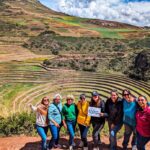
You’ll visit the circular terraces of Moray, an agricultural laboratory where the Incas created different microclimates. In plain terms, it’s a design that helps control temperature and conditions so crops can be tested and compared.
This stop is short enough to keep the day moving, but long enough to understand why it matters. It’s not random beauty. The terraces are a tool, and once you grasp that, the place clicks into focus.
Photos help here, but don’t skip the guided part. The guide’s explanation is the difference between seeing circles and understanding purpose. If you’re the type who loves architecture that “does work,” Moray is a highlight.
Maras salt mines: thousands of active ponds
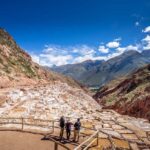
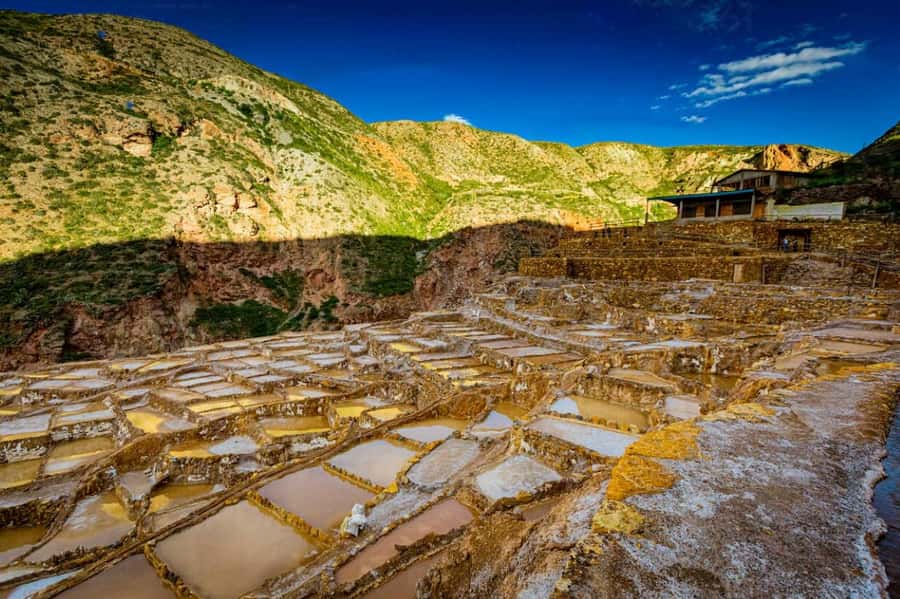
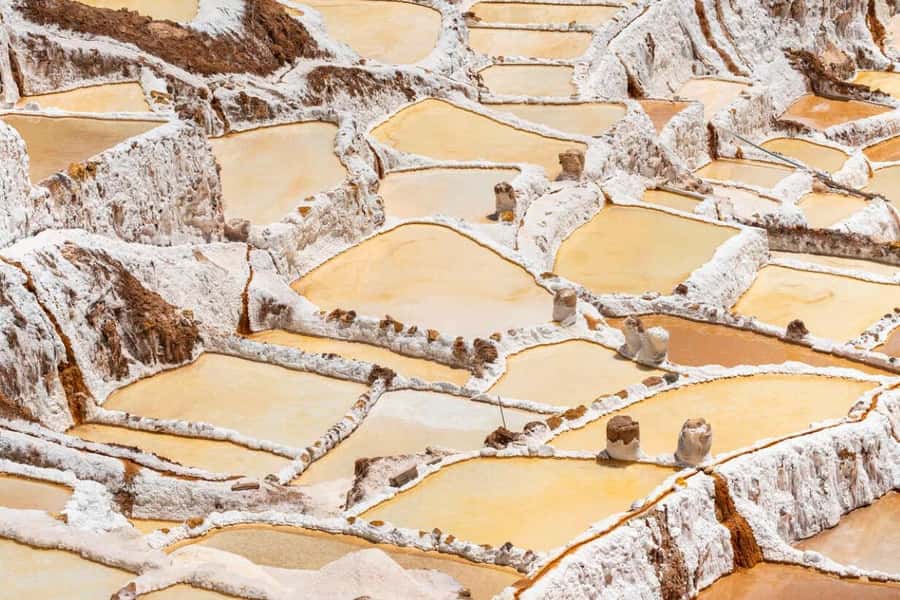
From Moray, the day heads into Maras, home to the famous salt ponds. The key idea: there are thousands of small salt pools, all fed by an underground spring. You’re not just looking at a historical site—you’re watching a living production system that’s still in use.
You’ll have time for a guided visit and some shopping, plus a short photo stop. The salt mines can feel visually dramatic in motion: the grid of pools, the sun, the texture of the ground. It’s one of those places where you can’t fully appreciate it from a bus window—you need to be there.
One caution if you like souvenirs: don’t feel forced to buy in the first workshop area you see. A practical money tip that comes up often is to compare prices in town markets later—San Pedro and San Blas markets can offer better value for items like salt and chocolate than some workshop displays. If saving cash matters to you, plan that comparison.

Urubamba lunch stop: refuel before more walking
Urubamba is your lunch break and it matters more than you might think. This tour includes a buffet lunch in Urubamba, with set time to eat and reset.
You’ll also be positioned to understand the valley as a real place, not a day-trip route. Urubamba is described as the heart of the Sacred Valley, and the time around lunch often includes local market atmosphere and regional products.
What I like about this lunch structure:
- It’s included, so you’re not scrambling for food with limited time.
- It gives you a mental reset before Ollantaytambo and Pisac, which involve more stairs and movement.
What to consider: drinks aren’t included. Keep some cash for beverages, and if you tend to get chilled, consider a light layer—valley weather can shift.
Ollantaytambo: living town, steep steps, big views
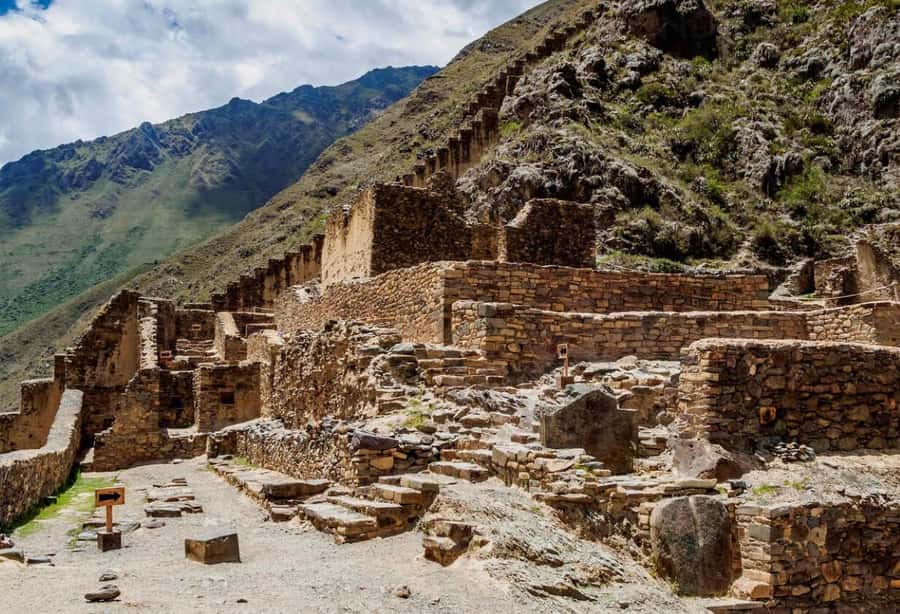
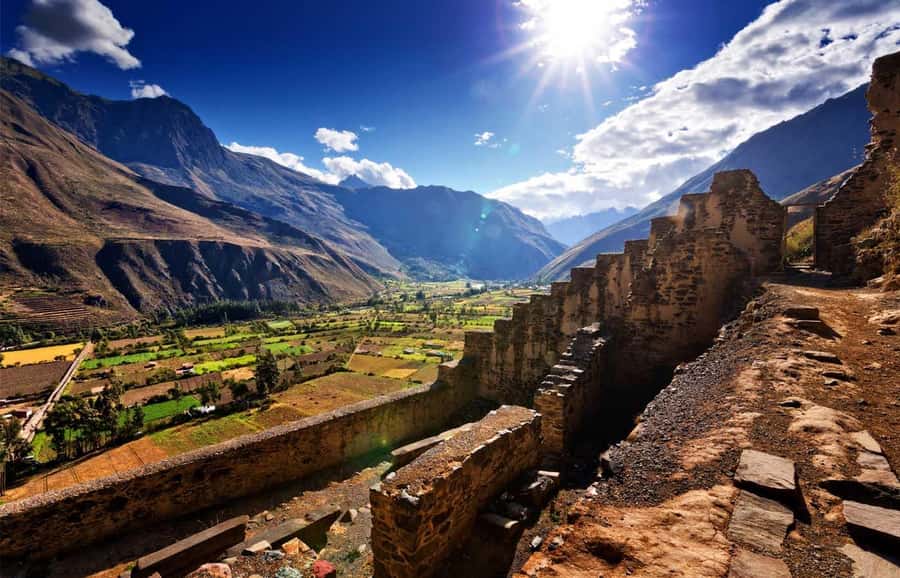
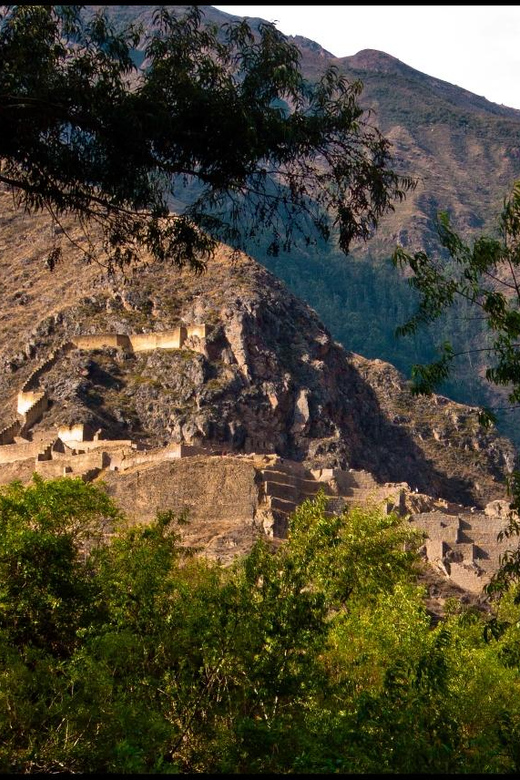
Ollantaytambo is the first major “Inca city” stop of the day, and it’s a standout because it’s still a living town. You’ll visit the fortress area and also get guided time walking through key parts of the site.
Expect stone temples and cobblestone streets. This is where the Sacred Valley feels most like a direct connection to the Inca era. You’re not looking at a single isolated monument; you’re seeing an urban layout that helped shape how the Incas organized power, movement, and daily life.
Two practical considerations:
- There are steep steps, and the pace can feel quick because the tour needs to keep the schedule.
- If you have breathing issues or you simply like a slower climb, go steady. Don’t pretend you’re in a race.
There’s also an important option for people continuing on to Machu Picchu. If you choose the special arrangement, the tour can end in Ollantaytambo at 3:00 p.m., so you can board the train to Aguas Calientes. That’s a big deal if your train timing is tight and you want fewer headaches.
Pisac: hillside ruins and a market finish
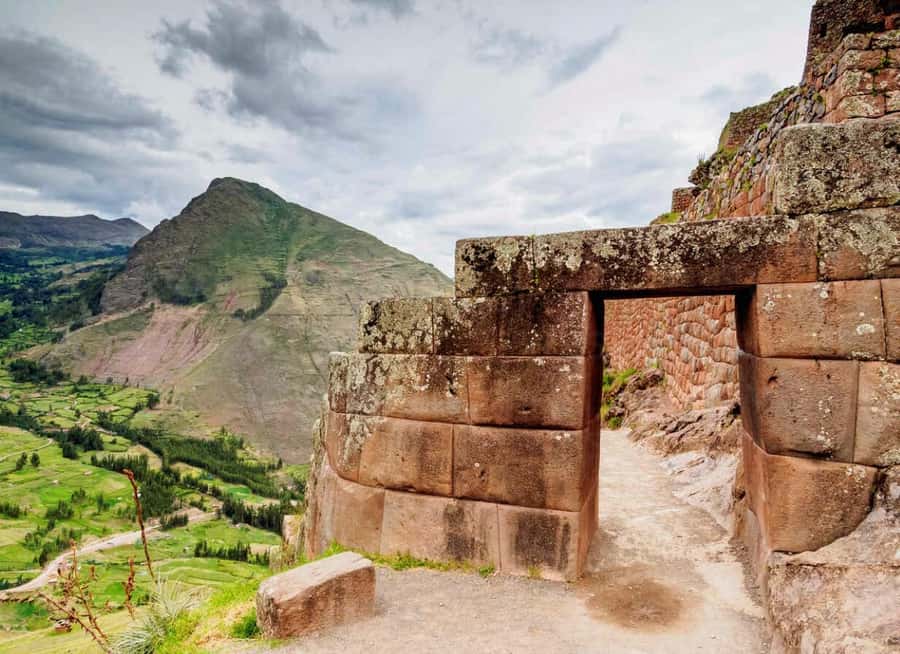
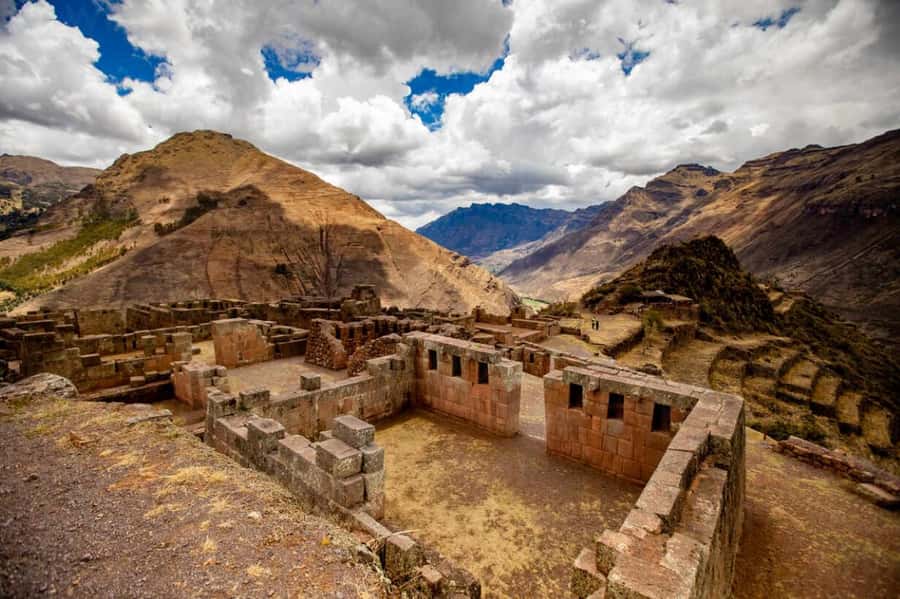
The final major stop is Pisac, and the structure of the area makes it a great “end of day” visit. You’ll see Inca ruins on the hillside and then the colonial-town feel below.
Pisac is especially known for its artisan market. Depending on timing, you’ll get guided time at the site and then a chance to wander the market scene to pick up small items or just enjoy the local rhythm.
This stop works well after Ollantaytambo because it changes the tone. You go from fortress energy to a mix of ruins and everyday trading. The day ends with less “fortress climbing” and more visual variety—plus enough time to grab gifts without turning it into your only mission.
If you’re sensitive to cold, Pisac can feel windy at higher elevations. Bring a layer even if Cusco already feels warm when you start.
Transport and tour style: how the schedule affects the experience
This is a shared-transport day, built to cover five major interest points. That has consequences:
- You’ll spend real time on the road between stops, though the itinerary keeps it structured.
- You’ll get limited free time at each location.
- Your best experience comes from going in with the right mindset: you’re here for highlights, not full immersion.
The good news is that many groups describe the guide as the factor that makes the day feel smooth and informative. Names that come up often include Victor, Luis, Edith, Rudy, Samuel, Joel, Christian, and Willian. Drivers named in standout accounts include Juan, Enrique, and Saul. When guides are strong, they help you find good photo angles and keep the group moving efficiently.
What you might notice in shared tours:
- Seat space can be tight.
- You might be asked to walk briefly in Cusco narrow streets if the coach can’t pull right up.
Don’t let that scare you off. It’s normal for Sacred Valley day travel. Just plan accordingly so the day feels tiring in a good way, not stressful.
Price and value: why $28 can work out (and where costs add up)
On paper, $28 per person for a full-day Sacred Valley tour looks like a bargain. But the true value depends on what’s included and what you still need to pay.
Included:
- Hotel pickup in Cusco (depending on option)
- Tourist mobility (shared service)
- Buffet lunch in Urubamba
- Professional guide in English/Spanish
- Textile center visit in Chinchero
Not included:
- Tourist entrance ticket (listed at 70 soles)
- Salt mines entrance (listed at 20 soles)
- Drinks
So how do you judge the value? Think of it like this: you’re paying for transportation, guide time across multiple sites, and lunch. The biggest variable is entrances. If you already plan to visit multiple Inca sites in Cusco region, buying the right tourist ticket can reduce friction and cost.
If you’re doing only one or two major sites beyond city walking, entrances will feel more expensive in proportion. In that case, you’ll want to confirm your ticket plan before you go.
My practical advice: budget both entrance fees and the snack/drink moments. With that in mind, you’ll feel like the day is worth it, especially because you cover multiple “big name” locations in a single 12-hour window.
What to bring so the day feels easier
The tour’s essentials list is short, and it’s worth following:
- Passport
- Sunscreen
- Cash (for tickets you need to purchase and for drinks)
- Biodegradable insect repellent
Add your own non-negotiables:
- Comfortable walking shoes (stairs at Ollantaytambo are real)
- A light jacket or layer for windier hillside stops
- Water when you can
Also note the rules: weapons or sharp objects aren’t allowed, and drones aren’t allowed. Alcohol and drugs aren’t allowed either.
Who should book this Sacred Valley day trip
This tour is a great fit if:
- You have limited time in Cusco and want one powerful snapshot of the Sacred Valley.
- You like guided context that connects sites (agriculture, salt trade, craft, and Inca urban layout).
- You want an included lunch and organized pacing so you’re not juggling plans all day.
It’s less ideal if:
- You hate a tight schedule and want long, quiet time at ruins.
- You need slow, detailed exploration at each stop.
- You have limited stamina for stairs and fast movement through multiple areas.
Should you book the one-day Sacred Valley sweep?
I’d book it if you’re the kind of traveler who wants the valley highlights without turning your trip into a logistics project. The big win is coverage: Chinchero, Moray, Maras, Urubamba, Ollantaytambo, and Pisac in one organized day, with a guide and lunch included.
I’d hesitate if you’re looking for deep, slow study of one site at a time. In that case, you’d likely enjoy splitting the valley into two or more days so you can linger.
If you decide to go, plan your budget for entrances and bring a layer for wind. Then just settle into the rhythm: short visits, great explanations, and a day that shows you why this region mattered to the Incas.
FAQ
What is the duration of the Sacred Valley tour?
The tour lasts 12 hours.
Where is the tour located?
It’s in the Cusco Region, Peru, focused on the Sacred Valley.
How much does the tour cost?
The price is listed as $28 per person.
What time does the tour start?
Pickup is scheduled between 6:00 a.m. and 6:30 a.m. depending on the option, and the meeting point is Plaza de Armas of Cusco at 7:20 a.m. for those meeting there.
What sites are included in the day?
The tour includes Chinchero, Moray, Maras Salt Mines, Urubamba (lunch), Ollantaytambo, and Pisac.
Is lunch included?
Yes. A buffet lunch is included in Urubamba.
Are entrance tickets included in the price?
No. You’ll need a tourist entrance ticket (listed as 70 soles) and you’ll also pay for Salt Mines entrance (listed as 20 soles).
What languages is the guide available in?
The guide is available in English and Spanish.
Can the tour end early for Machu Picchu?
Yes. There is a special option where the tour can end in Ollantaytambo at 3:00 p.m. so you can board the train to Aguas Calientes.
What should I bring and what is not allowed?
Bring your passport, sunscreen, cash, and biodegradable insect repellent. Drones and weapons or sharp objects aren’t allowed, and alcohol and drugs are not allowed.