REVIEW · CUSCO
Cusco: Historical Guided City Tour with 4 Inca Ruins
Book on GetYourGuide →Operated by MACHUPICCHU TC · Bookable on GetYourGuide
Inca Cusco is best when you move smart. This guided 6-hour loop hits major Inca sites without wasting time and pairs them with English or Spanish explanations that actually help you see what you’re looking at. I like that it feels built for real schedules, not just for people who can wander all day.
The other big plus is how smoothly the tour runs once you’re on the bus. In real experiences, guides like Luis and Alfredo have handled bilingual storytelling well, with clear context and time for questions and photos. One possible drawback is simple planning: you’ll need the Cusco Tourist Card in person, plus separate entrance fees for some stops.
In This Review
- Key Points You’ll Care About
- A Six-Hour Cusco Power Tour That Makes Altitude Feel Manageable
- Getting Started: Pickup, Meeting Points, and Where You End Up
- Qoricancha: The Temple of the Sun and the Big Idea Behind It
- Sacsayhuamán: Puma-Head Fortress and Those Massive Stone Blocks
- Qenqo: Ritual Ceremonies, Mummification Clues, and a Photo Stop in the Eucalyptus Forest
- Puka Pukara: The Red Fortress With a View Worth the Climb
- Tambomachay: The Temple of Water and Its Fountain-Fed Mystery
- Optional Stops: Cathedral Art and Cristo Blanco Viewpoint
- Price and Value: What $23 Really Buys You (and What Doesn’t)
- What the Best Guides Do for You Here
- What to Bring (So the Tour Feels Easy Instead of Squeezed)
- Who Should Book This Tour (and Who Should Skip It)
- Should You Book This Cusco Historical Guided City Tour?
- FAQ
- Do I need the Cusco Tourist Card for this tour?
- What entrance fees are not included?
- How long is the tour?
- Are there hotel pickups?
- What time does the tour end?
- What languages are available?
- Where do I get dropped off?
Key Points You’ll Care About
- Packed timing (about 6 hours) with multiple Inca sites in one stretch
- Temple of the Sun at Qoricancha plus the main Inca fortress site of Sacsayhuamán
- Qenqo and its eucalyptus-forest photo moment tied to ritual stories
- Puka Pukara’s red rock tones and big Andean viewpoints
- Tambomachay’s water fountains with a feel of something still unexplained
- Cathedral stop on select options and a Cristo Blanco viewpoint add-on on select tours
A Six-Hour Cusco Power Tour That Makes Altitude Feel Manageable
Cusco’s Inca sites can be spread out, and that can be annoying when you’re short on time or still adjusting to altitude. This tour is designed around a practical truth: you can see a lot more, with less stress, when someone else handles the driving and the site-by-site interpretation.
I especially like that it links the sacred and the strategic. You start with Qoricancha, the religious heart connected to the Sun. Then you move to Sacsayhuamán, a military fortress feel, and onward to ceremonial and surveillance-style sites. The story arc helps the ruins stop being random rocks.
Where it might not fit: if you expect a super-relaxed, no-walking afternoon, plan for some uneven ground and short climbs at each archaeological area. Also, the cathedral option depends on availability, so it’s not always a guaranteed add-on.
You can also read our reviews of more guided tours in Cusco

Getting Started: Pickup, Meeting Points, and Where You End Up
Most versions of this tour start in the morning, with pickup from hotels close to the center. One common start window is roughly 8:35–9:00 am pickup, and then the tour flow takes you to the first main stop. Another version starts later, around the late morning before noon, so you can still do Cusco sights after.
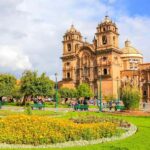
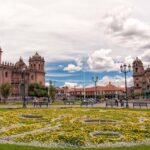
You’ll end near Plaza de Armas, with drop-off around Calle Plateros in some options. That matters. You finish close to where you’ll want lunch, coffee, or a quick museum browse without a long transit shuffle.
It’s also bilingual. You can expect English and Spanish guidance depending on the group and guide, and in past experiences guides have handled switching languages smoothly (including Luis and Alfredo). If you’re comfortable asking questions, this format tends to work well.
Qoricancha: The Temple of the Sun and the Big Idea Behind It
Qoricancha (also written as Koricancha) is where you get the Inca worldview in one physical location. It was the most important Inca religious construction, linked to the Sun and treated as a high-status sacred space.
In practical terms, what you’ll enjoy most is the contrast. Cusco was a place where different cultures and beliefs layered over time, but Qoricancha starts you with the Inca plan and meaning. Even if you’ve seen photos before, being there helps your brain connect the dots between Inca engineering and religious intent.
Entrance for Qoricancha is listed separately, and the tour includes guided time at the site. If you’re trying to budget, remember that Qoricancha tickets are not included with the base price, and you also need the Cusco Tourist Card for access to Inca sites.
Sacsayhuamán: Puma-Head Fortress and Those Massive Stone Blocks
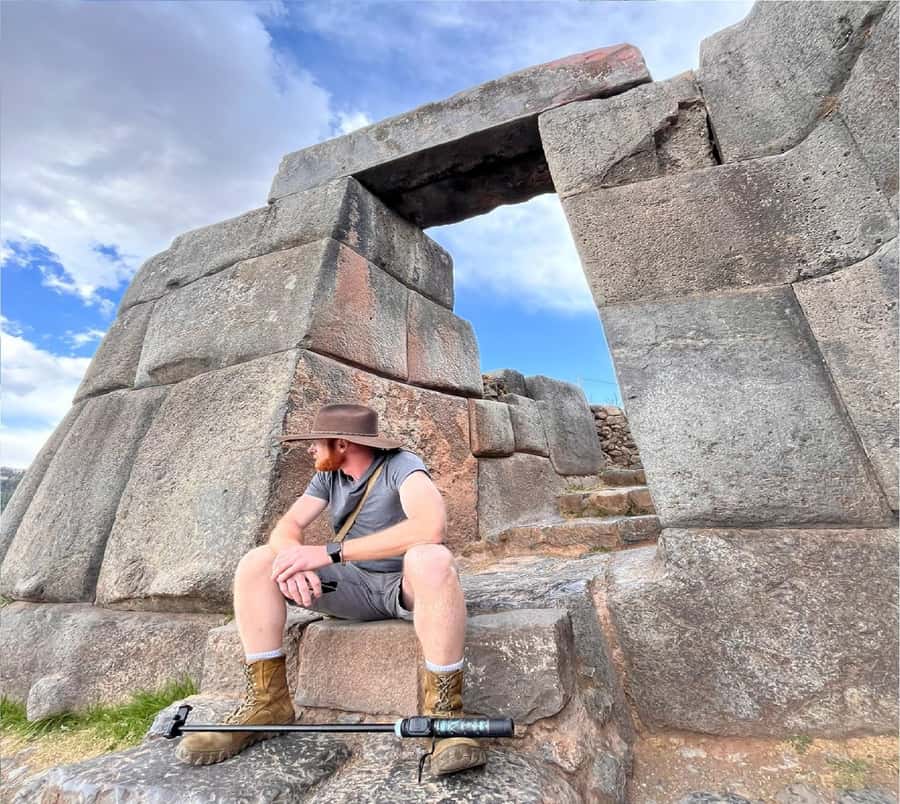
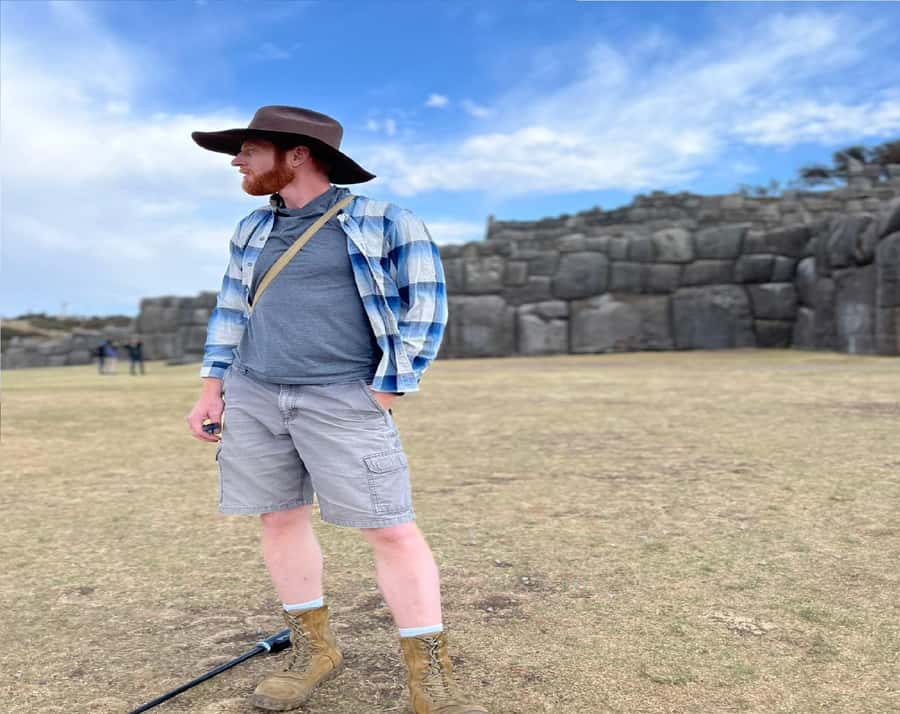
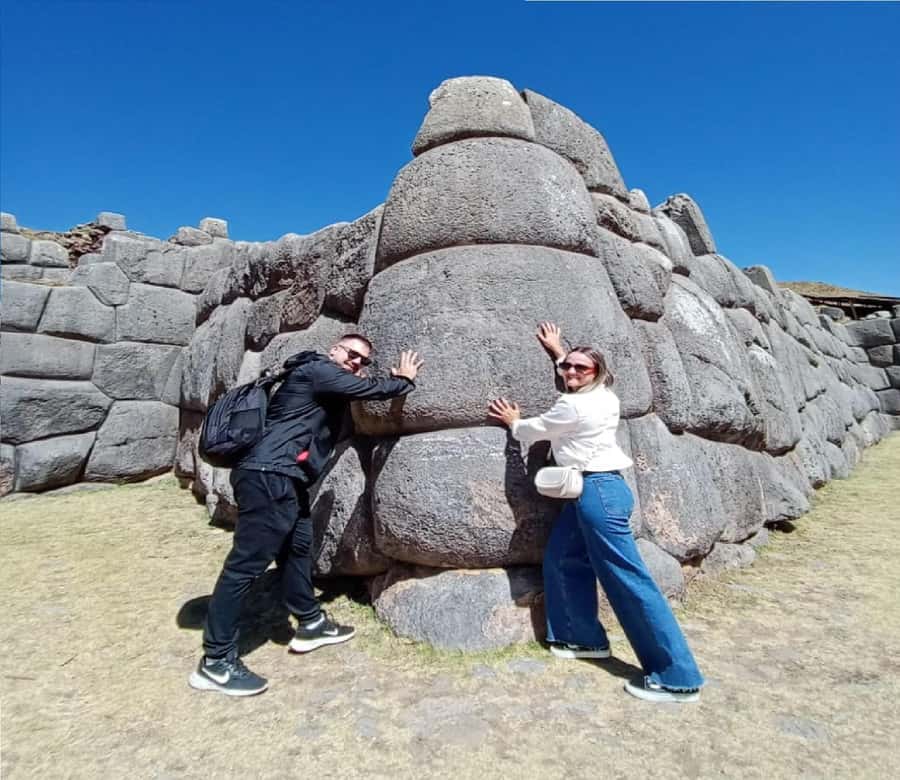
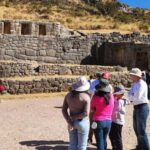
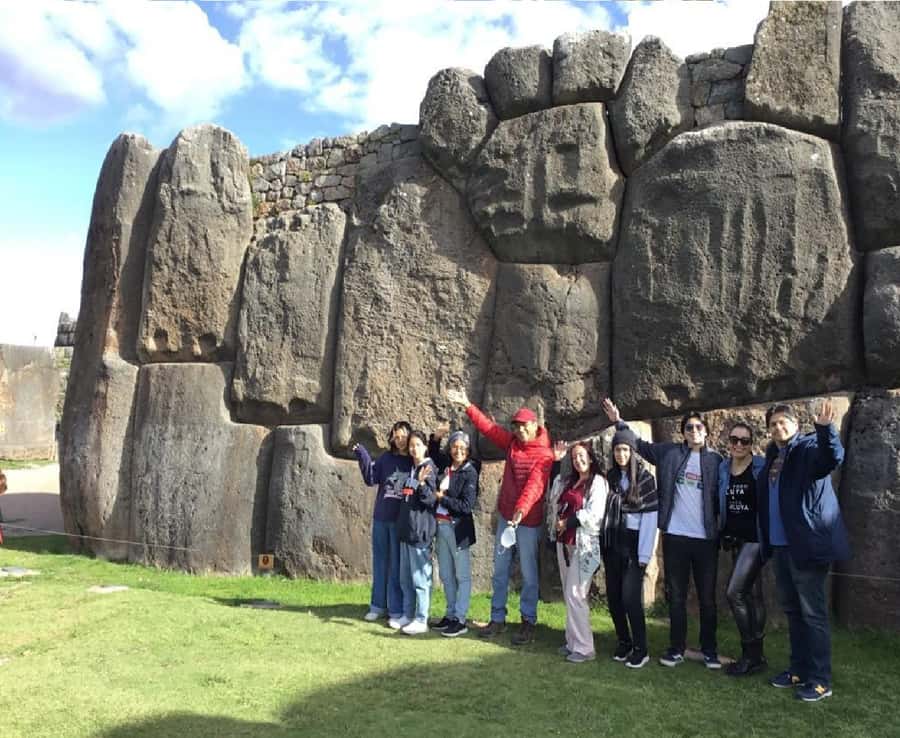
Then you head to Sacsayhuamán, whose Spanish name translates to puma head. This is the biggest archaeological site in Cusco itself, and the stonework is the star of the show.
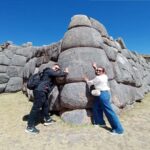
Here’s what to look for. The Inca built walls and structures using gigantic blocks—some reported as weighing more than 100 tons. That detail isn’t just trivia. It changes how you think about labor, planning, and power. You’re not seeing a few decorative ruins; you’re seeing a fortified statement.
This stop is guided, typically around an hour and a half. The guide helps you read the site: where the fortress function likely mattered, how the structure fits the hill, and why the Inca chose this location for a stronghold.
A consideration: Sacsayhuamán is a site where you’ll want solid shoes. Even on a short visit, you’ll likely walk on uneven ground. Bring water, too, because the sun and altitude can team up.
Qenqo: Ritual Ceremonies, Mummification Clues, and a Photo Stop in the Eucalyptus Forest
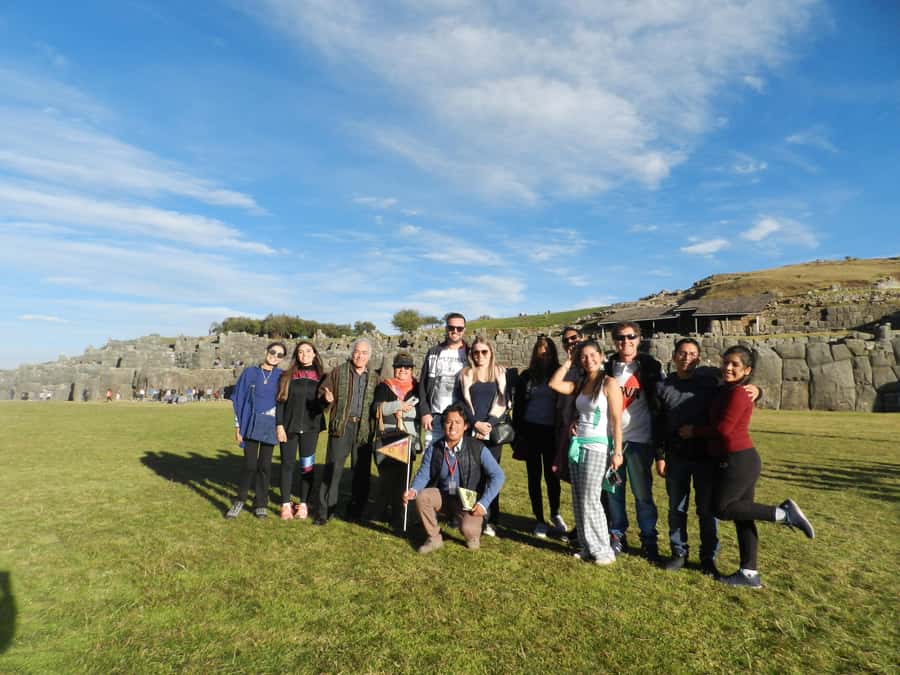
Next comes Qenqo, an Inca ceremonial center. Qenqo is tied to stories around sacrifices to the Sun God, and it’s also described as an ancient mummification site. The site can feel oddly atmospheric, because of the way the rock features shape the space.
What helps you enjoy Qenqo more is having the ritual context before you arrive. Instead of just scanning carvings, you start noticing how people might have used the area during ceremonies.
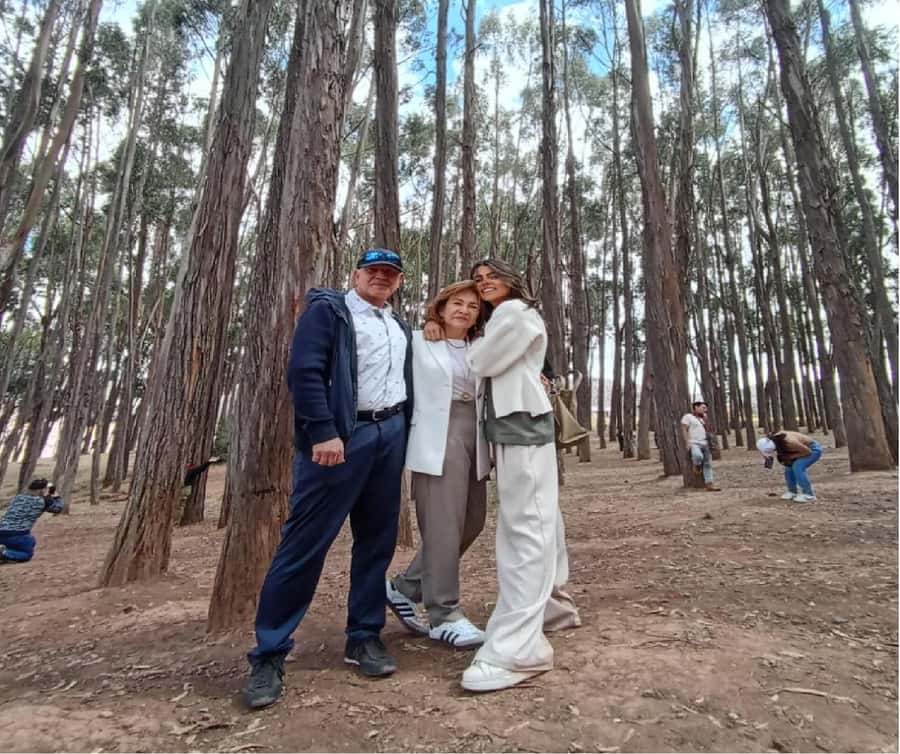
Then there’s the Qenqo eucalyptus forest photo moment. It’s not a random detour. It gives you a chance to catch the light, frame the ruins, and get a break from pure archaeology scanning. If you like taking photos but also want a guide pointing out the right angles, this add-on is worth it.
You can also read our reviews of more city tours in Cusco
Puka Pukara: The Red Fortress With a View Worth the Climb
Puka Pukara is often called the Red Fortress because of the pigmentation of the rocks used to build it. That name isn’t a marketing line—it’s a visual reality when you’re standing there.
This site is described as a surveillance center built on the upper part of Cusco to control access to the Inca city. So you’re not only seeing a fortress shape; you’re seeing the logic of sightlines.
The best part is the view. You get a spectacular look over the Andean surroundings, and it helps you understand why the Inca used hills and elevated areas. When you can see the terrain, you get a clearer sense of how monitoring and movement could work in that environment.
A small reality check: viewpoints can be windy. Bring your rain gear even if the sky looks okay, because Cusco weather likes plot twists.
Tambomachay: The Temple of Water and Its Fountain-Fed Mystery
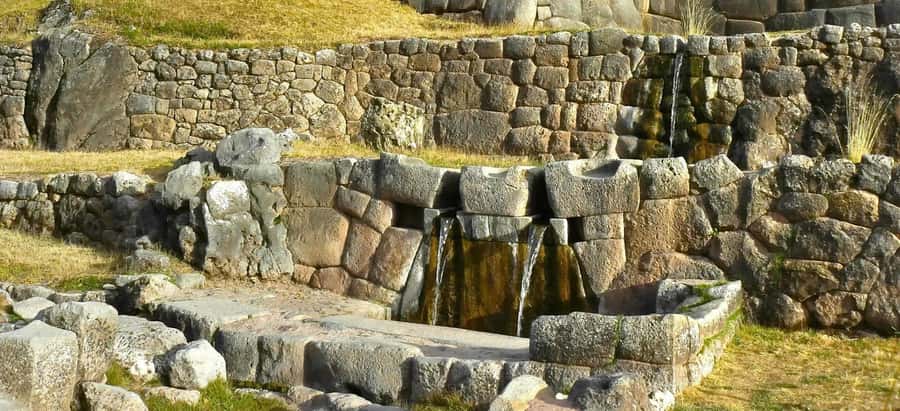
Tambomachay is popularly called the Temple of Water. The big draw is the water fountains distributed through the area.
This stop can feel mysterious because it sits in that sweet spot between engineering and sacred meaning. You’re seeing water management tied to ritual importance. Even if you don’t know the full backstory, the presence of water features makes the place feel like more than a scenic stop.
The tour includes guided time here, so the guide will help you connect what you’re seeing to what it may have meant to the Inca. That’s the difference between taking pictures and actually understanding the site layout.
Again: wear shoes you trust. Water-themed sites can mean slick patches near the fountains, and you don’t want to spend half your time adjusting your footing instead of paying attention.
Optional Stops: Cathedral Art and Cristo Blanco Viewpoint
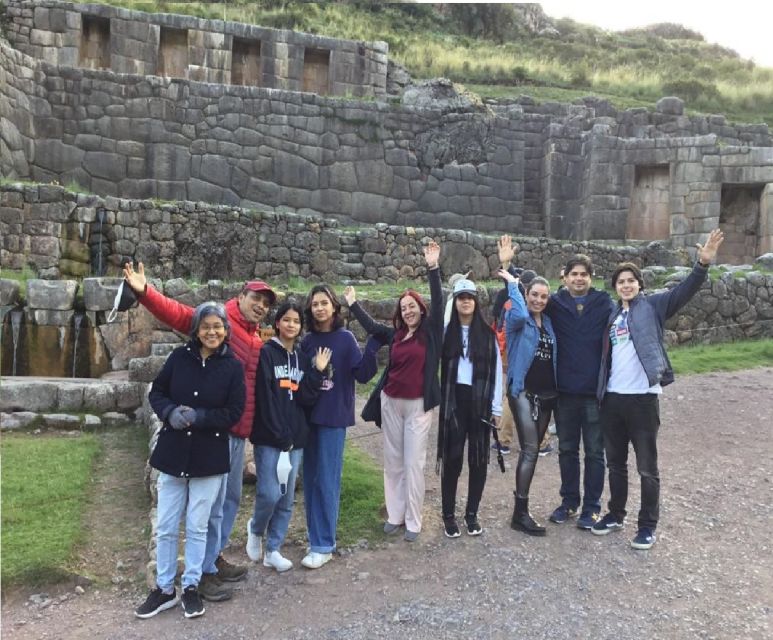
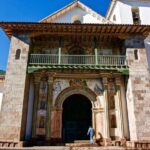
Depending on the tour option, you might include the Cathedral of Cusco and its paintings (often associated with the Cusco school). The cathedral entrance fee is listed separately, and availability matters, so it’s wise to be flexible if it isn’t possible on your day.
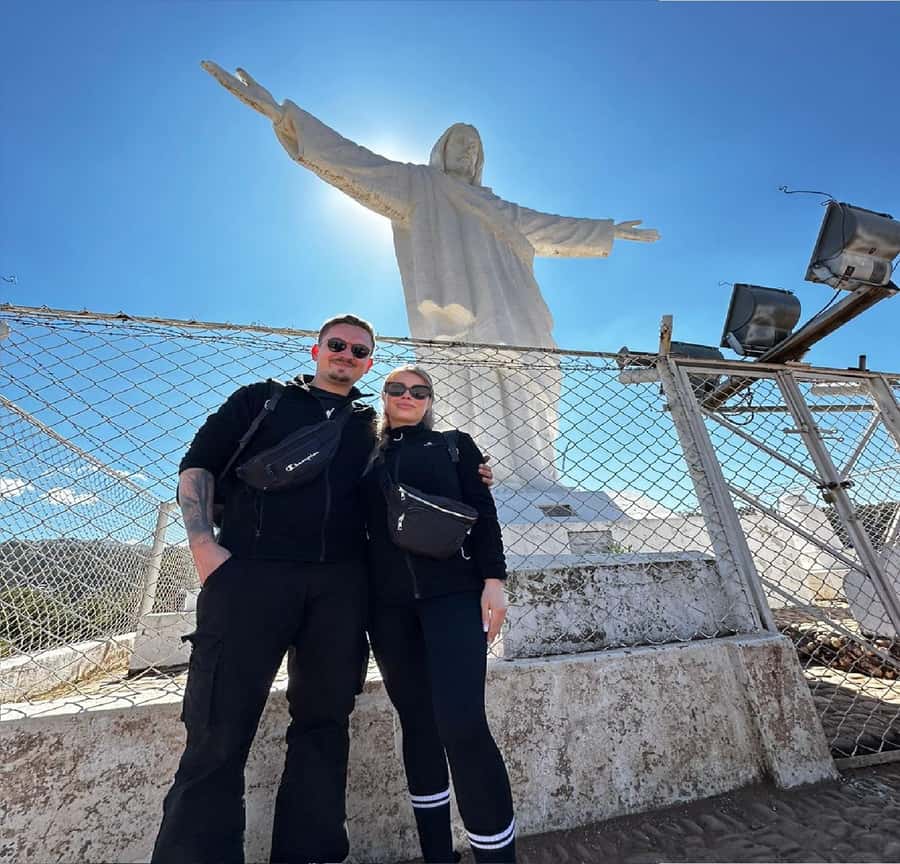
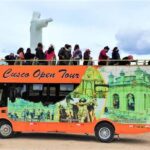
There’s also an option connected to the Cristo Blanco Mirador del Cusco viewpoint. If you want a higher vantage for photos, this can be a nice contrast to the stone ruins—less ancient mystery, more skyline perspective.
If your goal is pure Inca architecture, you can treat these as add-ons rather than the main event. They can still be fun, especially if you’re balancing sacred Inca sites with colonial-era Cusco.
Price and Value: What $23 Really Buys You (and What Doesn’t)
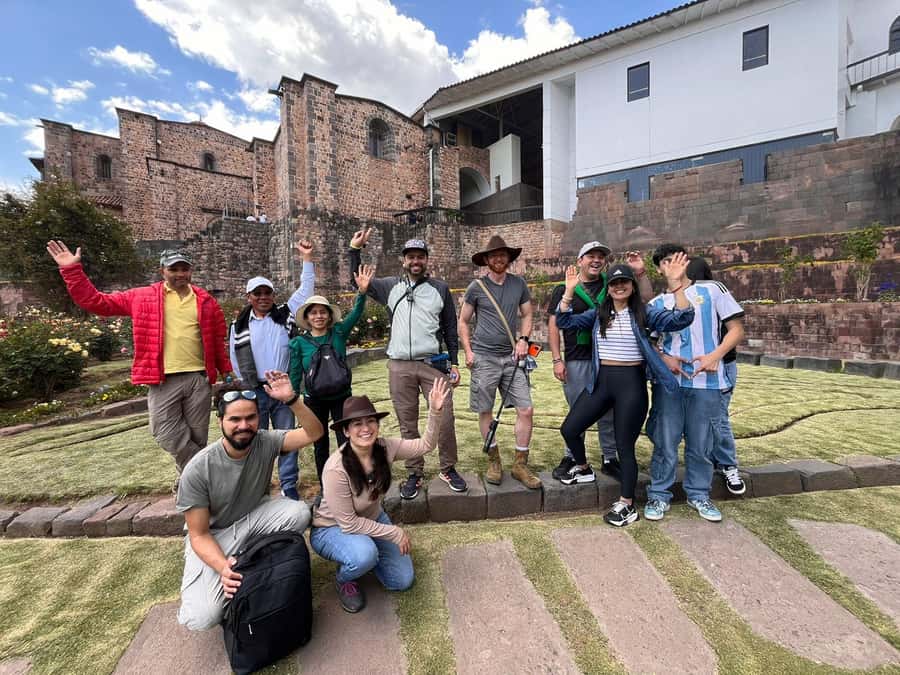
At about $23 per person for a ~6-hour guided tour, the value is mostly in two things: guided interpretation and efficient transport between multiple major sites. You’re paying to save time and to get a guide who can explain what the stones and spaces were for.
What’s not included matters for your total budget:
- Cusco Tourist Card is required for access to Inca sites and is purchased in person with a passport
- Entrance fees listed separately include Qoricancha (15 soles) and archaeological zones (70 soles), plus Cathedral of Cusco (50 soles) if you add that stop
So your final cost is the base price plus the site access fees you choose (and which stops your exact option includes). The tour price itself is a bargain if you’re going to visit these ruins anyway. It gets less impressive if you plan to skip several paid sites.
In short: I’d call this a good deal for first-timers. It’s not magic, though. You still need to budget for ticket access.
What the Best Guides Do for You Here
This is one of those tours where the guide can make or break the experience. In past experiences with guides like Luis, Alfredo, Romulo, and Hyame, the common pattern is clear: strong English or smooth bilingual delivery, explanations that connect myths to real features, and time for questions and photos.
A practical tip for you: ask one specific question at each site. For example, ask what the function likely was at Sacsayhuamán or how Tambomachay’s water features would have worked in daily life. Guides tend to respond better when you anchor the question to what you’re physically seeing.
Also, if you want better photos, choose the option that includes a photography element. Even without fancy gear, timing and angle suggestions help a lot, especially around Qenqo and the viewpoint stops.
What to Bring (So the Tour Feels Easy Instead of Squeezed)
For this kind of half-day, your comfort matters more than usual. Bring:
- Comfortable shoes with grip
- Water (altitude + sun adds up)
- Sunscreen
- Rain gear, just in case
- Cash for tickets and extras you didn’t pre-plan
A quick note on expectations: the tour can include walking around rocky archaeological areas. You don’t need hiking boots, but you do need footwear that won’t betray you on slopes.
And please don’t show up empty-handed if you need the Tourist Card. Since it must be purchased in person, arriving without a passport can mess up the start of your day.
Who Should Book This Tour (and Who Should Skip It)
You should book if:
- You want a smart half-day to see multiple Inca sites close to Cusco
- You value a guide who can explain meanings and not just point at stones
- You’re short on time but still want the major highlights like Qoricancha and Sacsayhuamán
You might skip if:
- You don’t want to pay separate entrance fees on top of the base tour price
- You want a fully self-paced day with zero organization
- You need a very low-walking option (this tour is short, but each site still has some movement)
One more note: it’s listed as not suitable for people over 95 years.
Should You Book This Cusco Historical Guided City Tour?
If your goal is to leave Cusco with more than screenshots, I’d book it. The tour’s biggest strength is how it links sites with meaning while keeping the schedule realistic. You hit the religious center at Qoricancha, then the fortress at Sacsayhuamán, then the ceremonial and water-linked spots that make Inca Cusco feel like a system, not a list.
Just go in with clear expectations on costs and access. Plan for the Cusco Tourist Card, and budget the separate entrances (Qoricancha, archaeological zones, and possibly the cathedral). If you do that, this tour is a solid way to see Cusco’s Inca brilliance without burning your whole day.
FAQ
Do I need the Cusco Tourist Card for this tour?
Yes. Access to Inca sites requires the Cusco Tourist Card, which is purchased in person and requires showing your passport.
What entrance fees are not included?
Entrance tickets not included are listed as Cathedral of Cusco (50 soles), Temple of the Sun / Qoricancha (15 soles), and archaeological zones (70 soles). You can buy the archaeological zone ticket at Sacsayhuamán.
How long is the tour?
The duration is listed as 6 hours.
Are there hotel pickups?
Yes. Pickup options are available, including from hotels close to the main square area, with pickup times described for the morning option.
What time does the tour end?
For the morning option, the tour ends around 2:30 pm. The afternoon option ends between 6 pm and 6.30 pm.
What languages are available?
The live tour guide is available in English and Spanish.
Where do I get dropped off?
You’ll be dropped off near Plaza de Armas Cusco and also at Calle Plateros depending on the option.