REVIEW · CUSCO
Cusco: Full-Day Sacred Valley and Maras Tour
Book on GetYourGuide →Operated by PVTravel · Bookable on GetYourGuide
Seeing the Sacred Valley in one day is a test. This tour strings together Chinchero, Moray, Maras/Salineras, Ollantaytambo, and Pisac with a guide, hotel pickup, and a real lunch stop, so you get a lot of Cusco-area culture without the hassle. I especially like the hands-on rhythm of the day: market time at Chinchero and Pisac, plus walking around Incan stone sites like Ollantaytambo. The salt mines at Salineras are another highlight, with 3,000+ salt pools you can actually look into and understand. One thing to consider: it’s a 12-hour day, so you’ll be on the move from morning pickup to the drop-off back in central Cusco, and you should plan for crowds and long stretches in transit.
This is the kind of route that makes sense if you have limited time and want a guided overview you can build on later. It’s also good if you like structure: the tour covers archaeological parks, a textile stop, a lunch in Urubamba, and a craft market finish—so you’re not stuck figuring out the order yourself.
In This Review
- Key Things That Make This Tour Worth Your Time
- First Glance: What This Full-Day Sacred Valley Day Really Delivers
- Morning Pickup and Chinchero: Textiles, Archaeology, and Market Timing
- Moray’s Terraced Basins: A Strange Agricultural Design You Can Appreciate
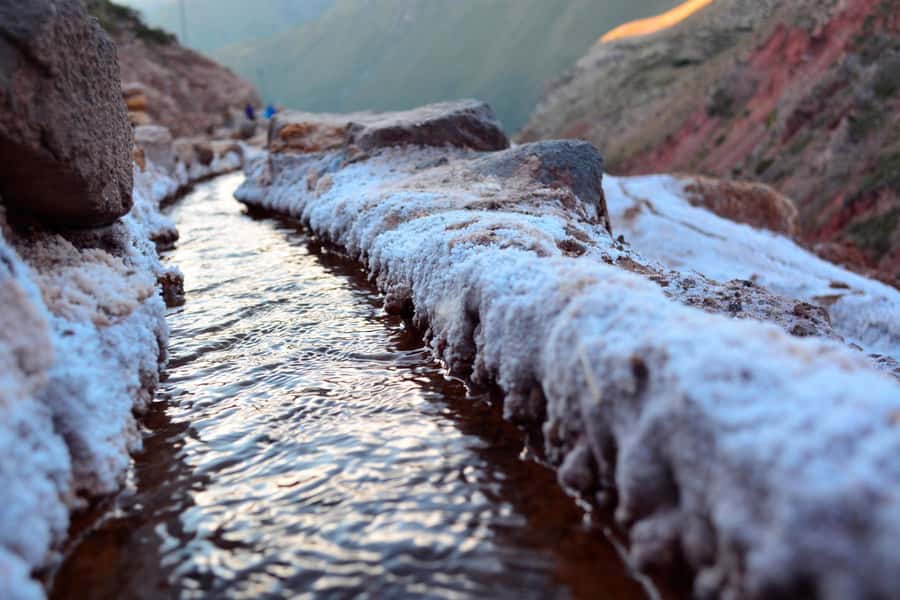
- Maras and Salineras Salt Mines: 3,000+ Pools and That Surprising Texture
- Urubamba Lunch Stop: A Real Break in the Middle of a Long Day
- Ollantaytambo’s Incan Architecture: Stone That Helps You Understand the Valley
- Pisac Ruins and the Craft Market Finish: Shop With Context, Not Impulse
- Price and Ticket Reality Check: The $33 Tour Plus Site Fees
- Group Pace, Timing, and What to Bring for a 12-Hour Day
- Who This Tour Fits Best (and Who Might Want Something Else)
- Quick FAQ for Planning Your Sacred Valley Day
- FAQ
- How long is the tour?
- Where does pickup and drop-off happen?
- What’s included in the price?
- What tickets or entrance fees might I still pay?
- What languages is the guide available in?
- What should I bring?
- Should You Book This Sacred Valley Tour?
Key Things That Make This Tour Worth Your Time
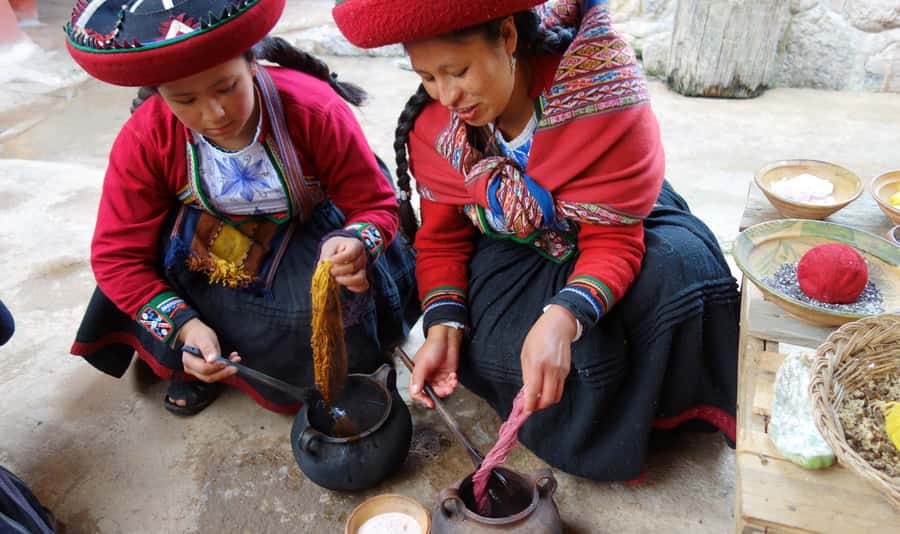
- Chinchero textile stop + early Cusco-area market vibe before the bus gets too busy
- Moray’s stepped terraces that feel strange in the best way
- Salineras salt mine salt pools (3,000+) with photo angles in every direction
- Ollantaytambo’s Incan architecture where you can walk and orient yourself
- Pisac ruins plus craft-market shopping while you’re already in the right mood
- Buffet lunch in Urubamba so the middle of the day doesn’t fall apart
First Glance: What This Full-Day Sacred Valley Day Really Delivers
This is a long but sensible day in Peru’s Sacred Valley. You’re not just seeing one “big ruin” and heading home—you’re getting multiple stops that each teach you something different: textiles, agriculture engineering at Moray, industrial-style salt production at Salineras, and the stone-planning genius of Incan towns like Ollantaytambo and Pisac.
The value part is simple: transportation, guide, pickup, lunch, and admissions (if you chose the option) are built in. For many people visiting Cusco, that matters more than squeezing in one more site, because it reduces decision fatigue and keeps you from losing time to ticket lines and route confusion.
You can also read our reviews of more tours and experiences in Cusco


Morning Pickup and Chinchero: Textiles, Archaeology, and Market Timing
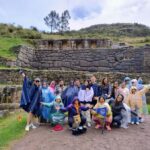
Your day starts with pickup from your accommodation around central Cusco (and if you’re outside that area, your meeting point is set). Once you’re on the road, the first major stop is Chinchero, where you’ll visit an archaeological zone and a textile center.
This is a smart start because it sets the theme of the whole route. Sacred Valley sites aren’t just stone—they’re places where people lived, worked, traded, and made goods. A textile center early on also helps you understand what you’ll see later in markets, because you’ll have context for why some weaving patterns and techniques matter.
If you’re the type who likes browsing but doesn’t want to wander aimlessly, the timing here is useful. Chinchero is the kind of place where you can look, ask questions through the guide, and get your bearings before the day gets heavier.
Moray’s Terraced Basins: A Strange Agricultural Design You Can Appreciate
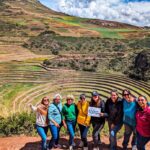
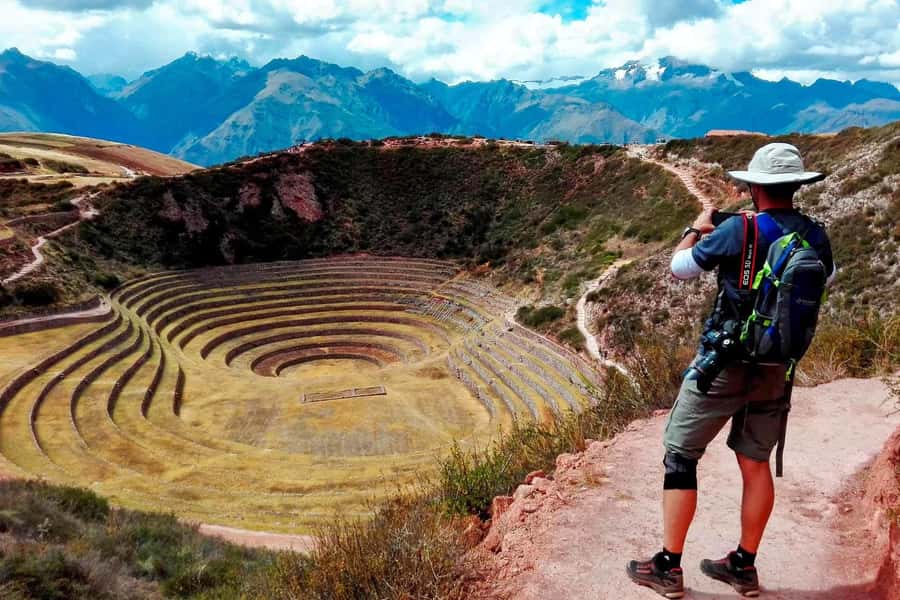
After Chinchero, you pass through Moray, stopping at the archaeological park. Moray is known for its stepped, bowl-like terraces, and even if you don’t have a deep background in Inca agriculture, it’s the sort of place that pulls you in fast. The structure makes you think: why build it like this?
With a guide, you’ll get the story that turns a pile of terraces into a system. You’re basically looking at engineering that uses the way temperatures and conditions change from top to bottom—so the terraces aren’t random. They feel almost like a natural lab, and that makes Moray a great mid-morning stop when you still have energy to walk.
Practical note: terraces mean uneven ground. I’d wear your most reliable walking shoes, not your “cute” ones.
Maras and Salineras Salt Mines: 3,000+ Pools and That Surprising Texture
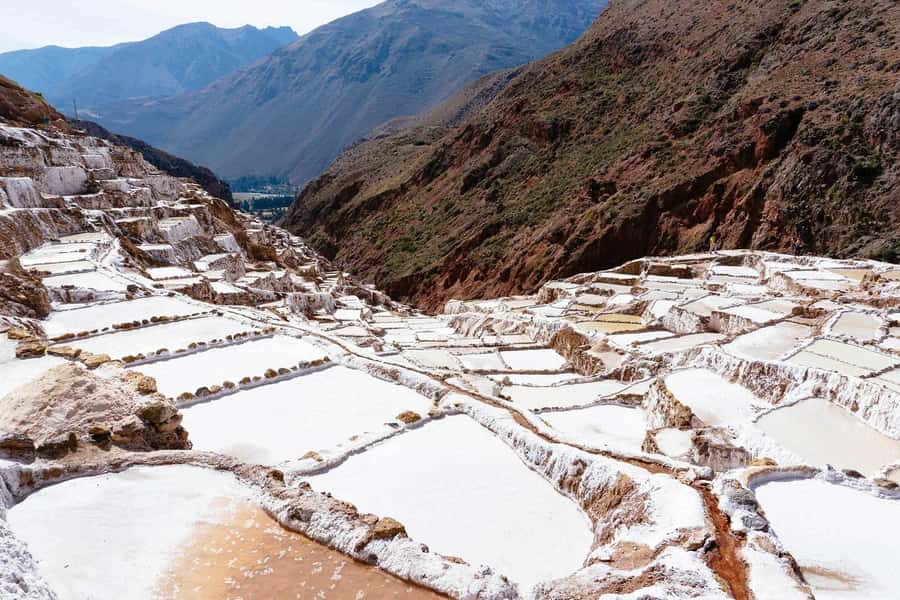
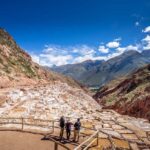
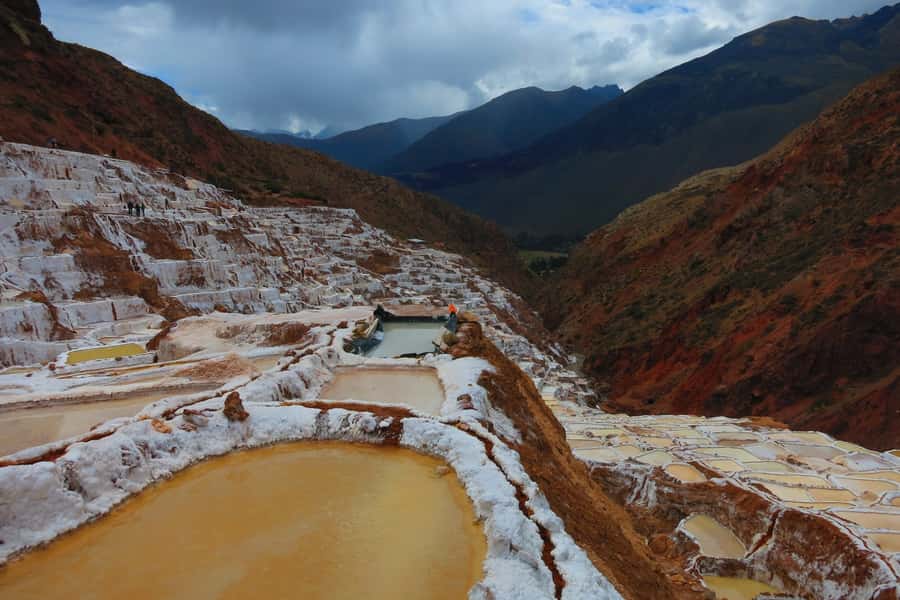
Next comes Maras and the Salineras salt mines. This is one of the most distinctive stops on the route because it’s not an “ancient city” vibe. You’re looking at a working landscape—over 3,000 salt pools—where the geometry of the operation becomes the visual.
The tour focuses on exploration here, not just a quick photo stop. The pool layouts create lots of angles, and the sightline changes as you move. If you like seeing how people extract and use resources, this section can be oddly satisfying—industrial in form, old in technique.
You should also keep ticket details in mind. Entrance to Maras and ruins can be included only if you select the option, but the tour data lists Maras entrances at 10 soles per person and a 70-soles tourist ticket per person for the sites. Translation: depending on what you choose when booking, you may still pay extra on the ground.
Urubamba Lunch Stop: A Real Break in the Middle of a Long Day
Lunch happens in Urubamba. You get a buffet lunch, which is exactly what you want on a day like this. When your itinerary stacks multiple archaeological parks and markets, you need predictable food without running around town hunting for a place that matches your schedule.
Buffet style isn’t always everyone’s favorite, but in this context it’s practical. You’ll eat, regroup, and get moving again without wasting time. If you’re traveling with an empty stomach, a lunch stop you can count on is part of the value—even if you’re picky.


Ollantaytambo’s Incan Architecture: Stone That Helps You Understand the Valley
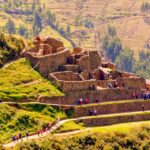
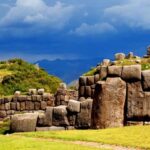
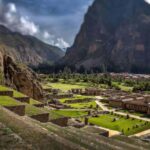
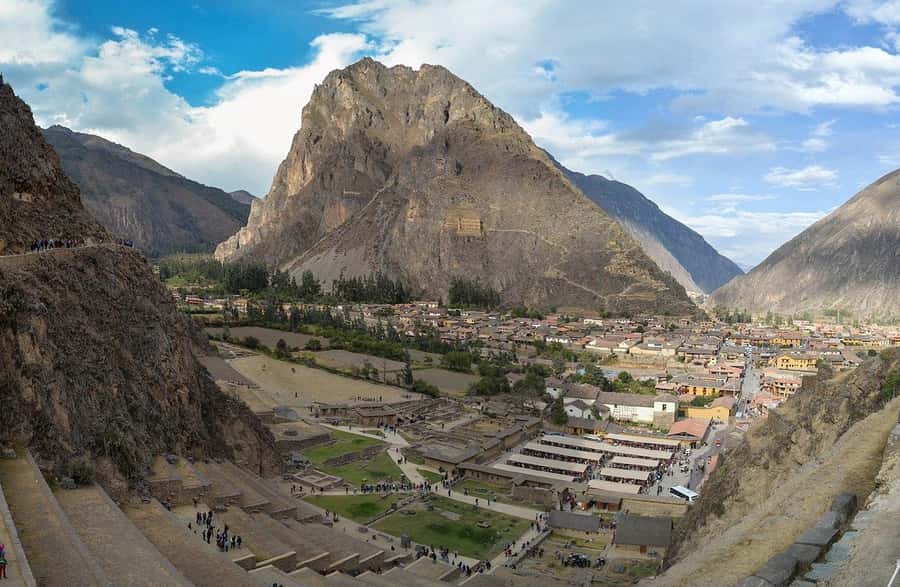
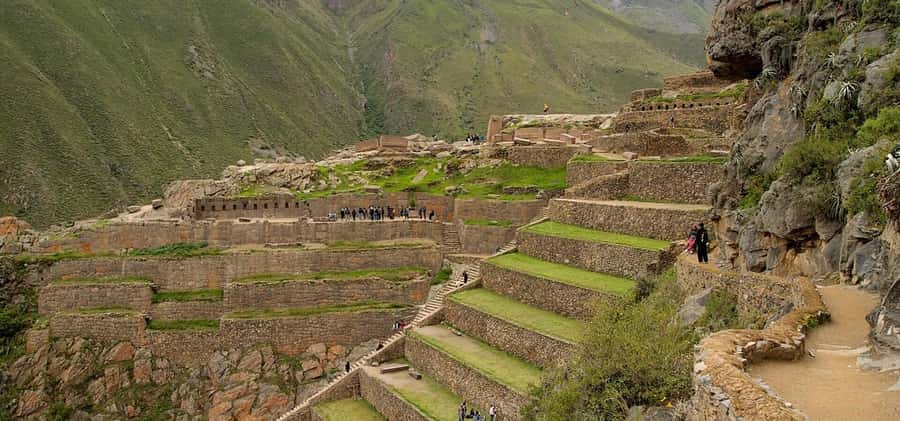
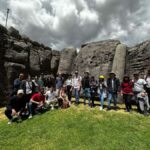
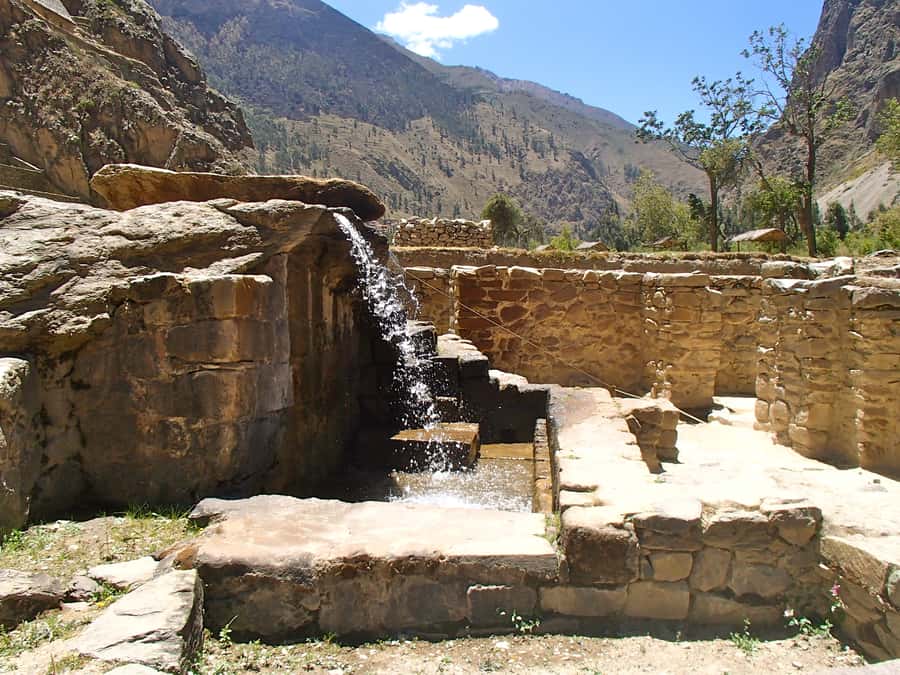
After lunch, the route heads to Ollantaytambo. This is where you see Incan architecture in a way that feels grounded. Ollantaytambo isn’t only about one viewpoint; it’s about stone placement and town layout, and it helps you picture how people actually moved through the area.
I like this stop because it gives you a shift from the earlier sites. Chinchero and Moray lean more toward specialized themes. Ollantaytambo feels like a living town—stonework you can connect to daily life and travel routes. The guide support matters here too, because it’s easy to stare at the stones without understanding what makes the design work.
If you enjoy ruins but also want something that feels readable, Ollantaytambo is a good payoff.
Pisac Ruins and the Craft Market Finish: Shop With Context, Not Impulse

At the end of the day, you visit Pisac: first the archaeological park, then the nearby town for a craft market. Pisac is listed as a colorful market, and that’s the right description if you like browsing. You’re not shopping before you’re tired—you’re shopping after you’ve already seen the culture the items connect to.
This is also a better way to shop than random souvenir stops. Because you’ve already had context from Chinchero’s textile focus, you’ll likely notice patterns, materials, and techniques more thoughtfully. Even if you don’t buy much, the market walk can feel like part of the experience instead of a distraction.
If you do plan to purchase, keep an eye on the weight. Your day pack will still need to carry everything back to Cusco.
Price and Ticket Reality Check: The $33 Tour Plus Site Fees
The tour price is listed at $33 per person, which sounds like a steal for a full-day route with pickup, drop-off, a professional English/Spanish guide, transportation, and lunch. The catch is that touristic tickets and certain entrances are not always included.
Here’s the key breakdown from the provided info:
- Touristic tickets: 70 soles per person
- Maras entrance: 10 soles per person
- Entrances to Maras and ruins: included only if you select that option
So your true all-in cost can vary depending on what you choose. The good news is that even with additional site fees, the structure of the day still has strong value: you’re buying a planned route and logistics so you can focus on the sites, not on juggling buses and tickets.
If you’re trying to keep costs down, double-check what your booking includes for entries. If you want convenience, choose the option that covers entrances where available.
Group Pace, Timing, and What to Bring for a 12-Hour Day

This is a 12-hour tour, which means you’ll feel the schedule even if everything runs smoothly. You’ll be out from morning pickup in Cusco to a drop-off back in central Cusco at the end of the day.
That long duration also makes preparation worth your time. The tour data specifically suggests:
- Comfortable shoes
- Sunglasses
- Sun hat
- Water
I’d follow that exactly. The sites involve walking on uneven or natural terrain, and the sun can be part of the experience whether you’re at ruins, terraces, or the salt pools.
Also consider your phone battery. You’ll want photos, and you’ll be moving between places for hours.
Who This Tour Fits Best (and Who Might Want Something Else)
This Sacred Valley day is best for:
- First-time visitors to Cusco who want a guided overview fast
- People who prefer structure (pickup, route, guide, lunch handled)
- Travelers interested in both ruins and “how people made things,” like textiles and salt production
- Anyone who doesn’t want to coordinate separate trips for Chinchero, Moray, Maras, Ollantaytambo, and Pisac
It may not fit as well if:
- You hate long days and constant movement
- You want lots of free time at each stop (this route is packed)
- You’re hoping for only one or two places with deep, slow exploration
If you’re a “one big highlight per day” person, you might feel rushed. But if you’re the “show me the variety” type, this delivers.
Quick FAQ for Planning Your Sacred Valley Day
FAQ
How long is the tour?
The tour is listed as 12 hours.
Where does pickup and drop-off happen?
Pickup is included and happens from accommodations around Cusco City center. Drop-off is in downtown Cusco, and if your hotel is outside the pickup area, a meeting point is set.
What’s included in the price?
Included are hotel pickup, central Cusco drop-off, transportation, a professional English/Spanish-speaking tour guide, a buffet lunch in Urubamba, and entrances to Maras and/or ruins if you selected the option.
What tickets or entrance fees might I still pay?
The tour data lists touristic tickets (70 soles per person) as not included. It also lists Maras entrances (10 soles per person) and notes that entrance fees may depend on the selected option.
What languages is the guide available in?
The guide is available in English and Spanish.
What should I bring?
Bring comfortable shoes, sunglasses, a sun hat, and water.
Should You Book This Sacred Valley Tour?
Yes, if you want a well-paced first look at the Sacred Valley with markets, agriculture engineering (Moray), salt production (Salineras), and major Incan architecture (Ollantaytambo and Pisac), all tied together by transport and a guide. The value is strongest when you factor in the guide + logistics + buffet lunch and not just the headline price.
My only hesitation is time. If you’re likely to feel drained by 12 hours on the move, you might get more enjoyment from a shorter, fewer-stops itinerary. But if you want to make Cusco count in a single day, this route is a practical win.