REVIEW · CUSCO
Cusco: Sacsayhuaman, Qenqo, Puca Pucara & Tambomachay Tour
Book on GetYourGuide →Operated by DonPeruTours · Bookable on GetYourGuide
Cusco’s stone walls hit fast. In about 270 minutes, this DonPeruTours tour links four major Inca sites around the city, and on some start times adds the Temple of the Sun Qoricancha too, so you can build a clear picture of Cusco’s past without juggling plans. I especially like the chance to stand near Sacsayhuaman’s massive stone walls and understand what their scale was meant to communicate.
The second thing I like is the overall flow. You’re not stuck arranging rides between distant ruins because the tour includes pick up and round-trip transport, plus a drop-off in central Cusco at the end. In the same afternoon or morning block, you get the maze-like ceremonial setting of Qenqo, the military purpose you can read at Puca Pucara, and the water-focused design of Tambomachay.
One consideration: entry/admission fees are not included for Sacsayhuaman, Q’enqo, Tambomachay, Puca Pucara, or Qoricancha. Also, this tour isn’t recommended for children under 5 or people over 75, so think about your comfort with a multi-stop route.
In This Review
- Key things to know before you go
- Cusco’s 270-Minute Loop: How the Tour Stays Focused
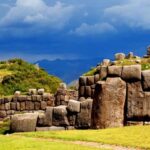
- Sacsayhuaman’s Massive Stone Walls and the Defensive Story
- Qenqo’s Maze-Like Passages and Ceremonial Altars
- Puca Pucara and the Military Reading Game
- Tambomachay’s Water Worship, Aqueducts, and Fountains
- Qoricancha (Temple of the Sun) on 9:00 AM or 1:00 PM Starts
- Price and Value: What $21 Really Buys You
- Transportation and Timing: Why the Drop-Off Matters
- Who This Tour Fits Best (and When to Rethink It)
- What I’d Do to Make This Tour Feel Smooth
- Should You Book This Cusco Sacsayhuaman–Qenqo–Puca Pucara–Tambomachay Tour?
- FAQ
- What’s the duration of the Cusco Sacsayhuaman, Qenqo, Puca Pucara & Tambomachay Tour?
- What’s included in the tour price?
- Are entry fees included for Sacsayhuaman, Q’enqo, Tambomachay, and Puca Pucara?
- Do I get Qoricancha included with every schedule?
- Does the tour end with a drop-off in Cusco?
- What language is the live guide?
- What is the cancellation policy?
- What’s the price per person?
- Who is this tour not suitable for?
Key things to know before you go
- 270 minutes with multiple archaeological stops in one loop
- Pick up + round-trip transportation, then drop-off in central Cusco
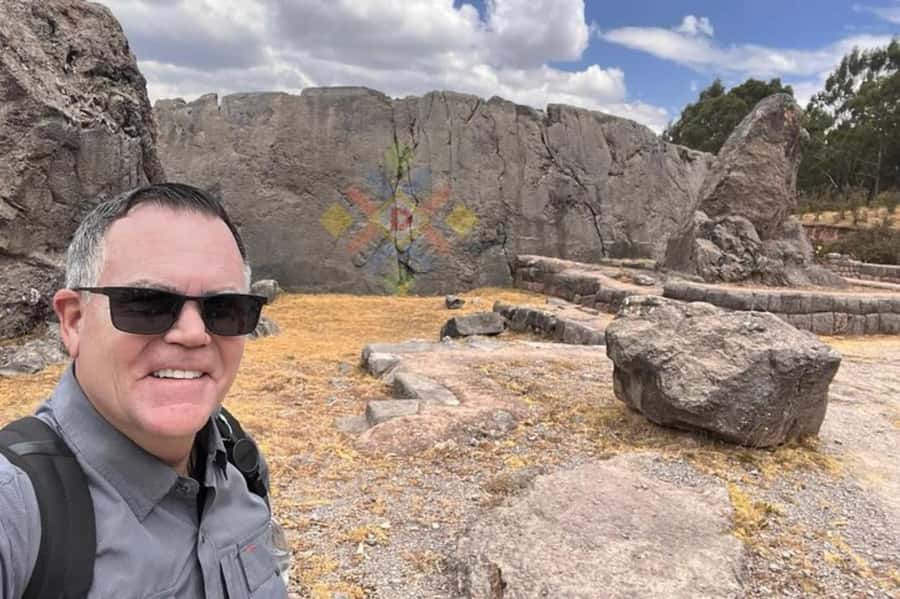
- Sacsayhuaman for fortress-scale stonework and Inca defensive context
- Qenqo for maze-like passages and ceremonial altars
- Puca Pucara for a clear military-construction story
- Tambomachay for water worship, aqueducts, and fountains
Cusco’s 270-Minute Loop: How the Tour Stays Focused
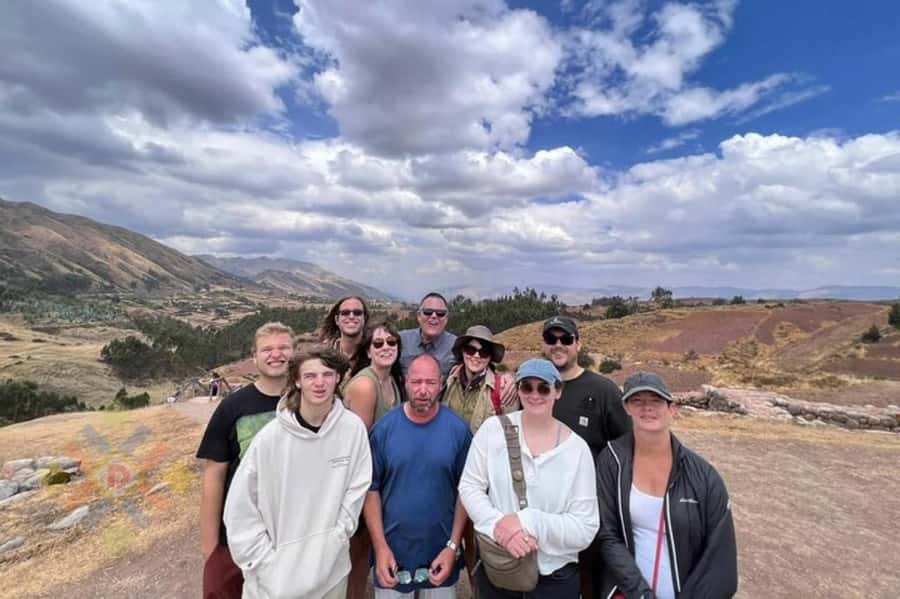
This is the kind of tour that works when you want real context, not just photo stops. The schedule is built around one main idea: you move through Cusco’s key surrounding archaeological sites in a single block of time, then you’re returned to the city center.
At 270 minutes, you’ll have enough time to actually look at details. That matters at these sites, because the “wow” is not only about big ruins. It’s also about layout, construction choices, and what the Incas were doing—defense at Sacsayhuaman, ceremony at Qenqo, strategy at Puca Pucara, and water worship at Tambomachay.
You also get a bilingual guide and live interpretation (Spanish is listed). That’s important because the sites can feel abstract if you’re left on your own. With a guide, you’re reading the stone and design instead of just walking past it.
You can also read our reviews of more tours and experiences in Cusco.

Sacsayhuaman’s Massive Stone Walls and the Defensive Story

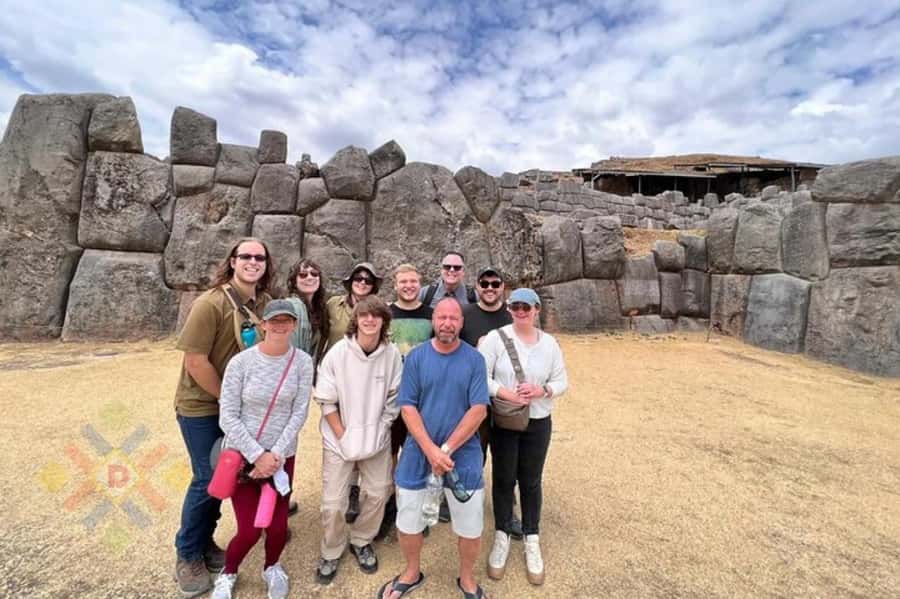
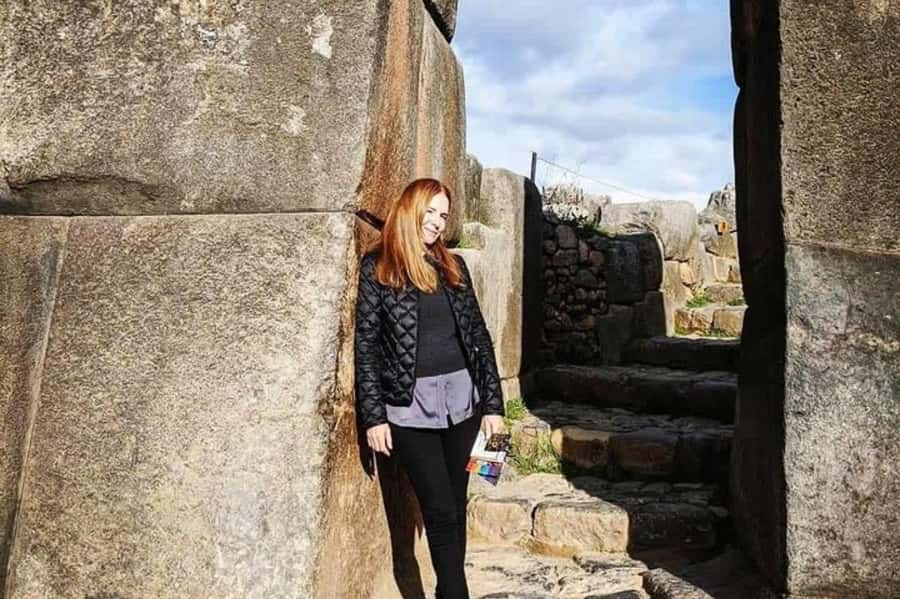
Sacsayhuaman is the first stop for a reason. It’s the loudest site right away—big stones, dramatic walls, and a clear sense of purpose. Even without deep technical language, you can feel how this place was designed to function as a fortress.
Here’s what makes it worth your time: scale and structure. The massive stone walls aren’t just impressive for pictures. They’re tied to the site’s significance in Incan history, and the guide helps you connect the engineering to the political reality of the era.
This is also where you start building a mental map. Once you’ve seen the defensive layout at Sacsayhuaman, Qenqo, Puca Pucara, and Tambomachay start to make more sense as different roles in the same broader world—religion, governance, and survival.
Practical note: entry/admission for Sacsayhuaman isn’t included, so plan for that additional cost if you want full access at the site.
Qenqo’s Maze-Like Passages and Ceremonial Altars
After Sacsayhuaman’s fortress feel, Qenqo changes the mood. Instead of walls built for defense, you’re in a more ritual-oriented space. Qenqo is known for its maze-like passages and ceremonial altars, and that’s exactly how it plays when you’re standing there.
What I like about this stop is how it rewards attention. You’re not only looking at ruins; you’re learning how the place might have been used. The labyrinthine feel helps you understand that movement, space, and placement likely mattered during ceremonies.
If you’ve ever visited a ruin and thought, I don’t really know what happened here, Qenqo is the fix. It’s a site where the design itself suggests an experience—turns, transitions, and specific areas linked to altars.
As with the other major sites, entry/admission for Q’enqo is not included, so you’ll want to have a plan for that before you go.
Puca Pucara and the Military Reading Game
Puca Pucara is where the tour makes its case that ruins can be practical, not just beautiful. This site is described as a military construction, and the way you look at it changes once you treat it like a defensive system.
Even if you’re not a military historian, you can often spot defensive logic: positioning, sightlines, and how a structure might support control during conflict. That’s the core value here. The guide helps you understand the defensive role it played in protecting the city.
I like this stop because it adds balance. Sacsayhuaman gives you the fortress impression, but Puca Pucara makes the story more specific—how and why a location might function strategically. It turns “old rocks” into a legible site.
Entry/admission for Puca Pucara is also not included, so factor that into your budget if you plan to enter fully.
Tambomachay’s Water Worship, Aqueducts, and Fountains
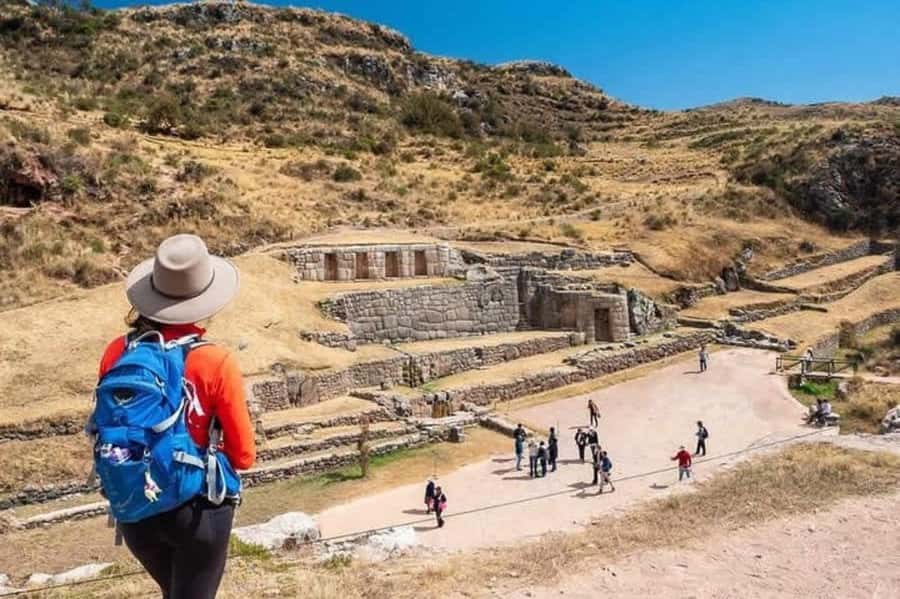
Then you get the shift to water. Tambomachay is dedicated to the worship of water, and the focus is easy to see on-site: aqueducts and fountains. This is one of those places where engineering and belief overlap in a very physical way.
I find water-worship sites satisfying because the design has a job to do. The guide’s explanation helps you connect the structures to the idea of water as sacred, not just practical. And because the tour includes this stop after the more fortress-and-war themed locations, it rounds out the picture of Incan life around Cusco.
What to expect at Tambomachay is less about a single massive wall and more about systems—how channels and features work together. If you like “how it was built” details, this is the part that tends to stick in your memory.
Just like the others, entry/admission for Tambomachay is not included, so check your estimate before you assume everything is covered.

Qoricancha (Temple of the Sun) on 9:00 AM or 1:00 PM Starts
If you book the 9:00 AM or 1:00 PM schedule, the tour includes an extra visit to the Temple of the Sun Qoricancha. This is the gold-era anchor of the route: Qoricancha was once sacred and associated with glittering gold.
Even if you’re short on time, this optional add-on can be a big deal. It gives you a direct connection to Incan sacred architecture in the city itself, so your surrounding-ruins tour isn’t only “outside the city.” It becomes a full-circle Cusco story.
The main practical catch is still money: entry/admission for Qoricancha is not included. So for the best value, you’ll want to compare total admission costs for whichever sites you’re entering.
Price and Value: What $21 Really Buys You
At $21 per person, this tour is priced like a focused intro to Cusco’s best-known nearby archaeology. That low number is possible because some of the big-ticket items aren’t included—specifically the entry/admission fees for each site.
Here’s how I think about value in a case like this:
- You are paying for guide interpretation, transportation, and a structured loop across several sites.
- You’re not paying for museum-style admissions at every stop.
So if you’re the type who prefers to understand what you’re seeing, the price makes sense. If you’re planning to skip entrances at some sites (which you might not want to do), then the guide and transportation value becomes even more obvious.
Also, the tour duration is a helpful part of the equation. At 270 minutes, you’re not giving up an entire day to get four major stops and an optional fifth. That matters in Cusco, where time can feel expensive.
Transportation and Timing: Why the Drop-Off Matters
The tour includes round-trip transportation and pick up, then ends with drop-off in the center of Cusco. That end detail is bigger than it sounds. Being put back in central Cusco helps you keep the rest of your day easy—dinner plans, markets, and other sights don’t require re-coordinating transport.
For many visitors, the hardest part of ruin touring is not the ruins. It’s the logistics: waiting for rides, paying for multiple transfers, or trying to piece together timing on your own. This tour avoids most of that friction.
The tour is also described as starting at set times (availability determines the exact start). If you’re picky about morning vs afternoon light for photos, choose the 9:00 AM or 1:00 PM option if you want Qoricancha added.
Who This Tour Fits Best (and When to Rethink It)
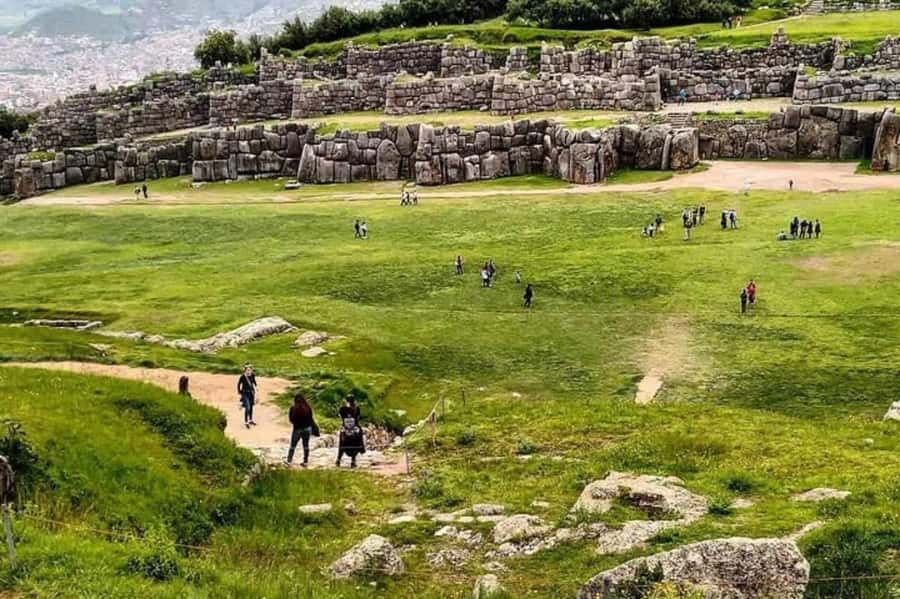
This is a great match if you want a short, high-impact Cusco route with a guide who helps you connect the dots between sites. It’s especially suitable for people who like structure—four major archaeological stops in one loop, with clear thematic roles: defense (Sacsayhuaman), ceremony (Qenqo), strategy (Puca Pucara), and water worship (Tambomachay).
It may be less ideal if you want a slow, linger-all-day pace. With multiple sites in one 270-minute window, the flow is active. Also, the tour is not listed as suitable for children under 5 or people over 75, so if mobility or stamina is a concern, you’ll want to choose a slower option.
What I’d Do to Make This Tour Feel Smooth
Because admissions are not included for the main sites, I’d go in with a realistic budget for entry fees at Sacsayhuaman, Q’enqo, Puca Pucara, Tambomachay, and possibly Qoricancha (depending on your start time).
I’d also use the guide time well. Ask quick questions at each stop: what the construction suggests, what the layout was used for, and how one site connects to the next. That’s where you get the “story” instead of only seeing stone.
Finally, I’d choose footwear you trust. These are archaeological sites, which usually means uneven ground and some walking. Comfortable shoes keep the day focused on the sites instead of on your feet.
Should You Book This Cusco Sacsayhuaman–Qenqo–Puca Pucara–Tambomachay Tour?
Book it if you want an efficient Cusco archaeology overview with pick up, round-trip transport, and a live guide in Spanish (plus bilingual support is listed). The itinerary is built around the most important nearby Inca-era sites, with a logical progression from fortress to ceremony to strategy to water worship. At $21, you’re paying for the structure and interpretation, not for every entrance fee.
Pass or reconsider if you want a fully self-paced day, or if you’re not comfortable with the active multi-stop format. Since admission fees are not included, also check your total cost expectations before you commit.
If you’re looking for an easy way to understand Cusco’s surrounding ruins without turning the day into a logistics project, this tour is a strong choice.
FAQ
What’s the duration of the Cusco Sacsayhuaman, Qenqo, Puca Pucara & Tambomachay Tour?
The tour duration is 270 minutes.
What’s included in the tour price?
The tour includes pick up, round trip transportation, and a bilingual guide.
Are entry fees included for Sacsayhuaman, Q’enqo, Tambomachay, and Puca Pucara?
No. Entry/admission is not included for Sacsayhuaman, Q’enqo, Tambomachay, or Puca Pucara.
Do I get Qoricancha included with every schedule?
No. Qoricancha (Temple of the Sun) is included only for the 9:00 AM or 1:00 PM schedules.
Does the tour end with a drop-off in Cusco?
Yes. The tour concludes with a convenient drop-off in the center of Cusco.
What language is the live guide?
The live tour guide is Spanish.
What is the cancellation policy?
Free cancellation is available up to 3 days in advance for a full refund.
What’s the price per person?
The price is $21 per person.
Who is this tour not suitable for?
It’s not suitable for children under 5 years, and it’s not recommended for people over 75 years.