REVIEW · BUENOS AIRES
Buenos Aires: Walking City Tour with Colón Theater & Museums
Book on GetYourGuide →Operated by Tangol · Bookable on GetYourGuide
Buenos Aires hits differently when your day is built around art. This walking tour pairs Teatro Colón with MALBA, so you’re not just sightseeing streets—you’re seeing how Argentina turns creativity into atmosphere. I love the mix of classic landmarks and modern cultural stops, but the main consideration is that it’s a long, mostly on-foot outing with no lunch included.
You’ll cover a smart route across the city’s key districts in about 5–6 hours, riding public transport only when it makes sense. This is designed as a small group experience with a bilingual guide, which helps a lot when you’re moving fast between neighborhoods and want clear context. If you’re the type who needs breaks to refuel, plan your own snack strategy early.
In This Review
- Key highlights to look forward to
- A 5–6 hour loop through Buenos Aires’ old and new
- San Telmo streets: antiques, tango culture, and 19th-century detail
- Puerto Madero’s modern line: the Puente de la Mujer Tango moment
- Plaza de Mayo landmarks: Cathedral, Cabildo, and Casa Rosada
- Obelisco on Avenida 9 de Julio: the center-of-it-all marker
- Teatro Colón: from the front façade to a guided inside tour
- MALBA in Palermo: contemporary Latin American art at your own pace
- How the guide makes the day click (and stays human)
- Price and value: what $58 buys you in real time
- Transportation and group size: why this feels manageable
- Who should book this Buenos Aires walking tour (and who might not)
- Should you book this Buenos Aires Colón Theater and MALBA tour?
- FAQ
- How long is the Buenos Aires walking city tour?
- Does the price include transportation and tickets?
- Is lunch included?
- Can I choose between Teatro Colón and MALBA, or do both?
- What languages are the guides?
- What if Teatro Colón has an event or rehearsal?
Key highlights to look forward to
- San Telmo to Puerto Madero: old meets new in a single route
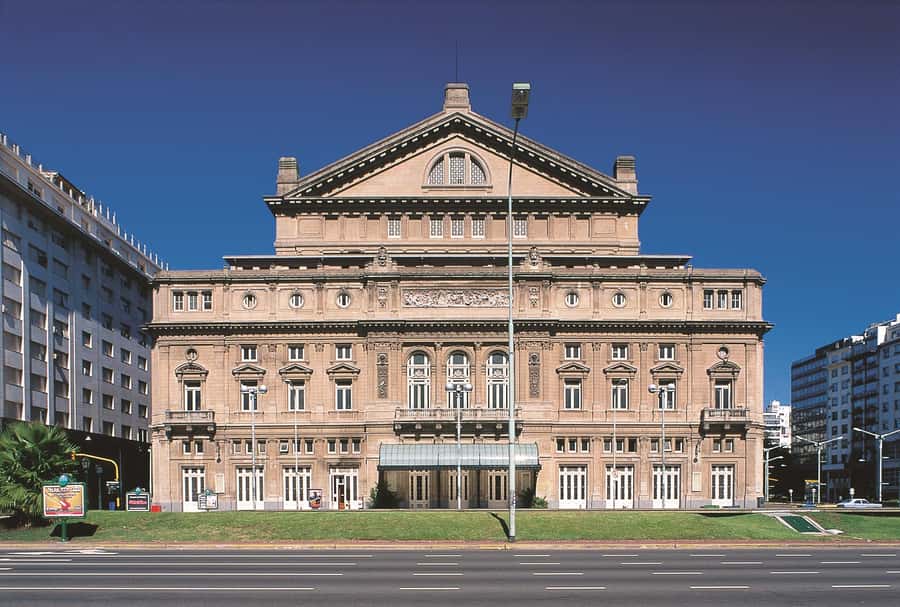
- Teatro Colón option with a guided inside look (about 50 minutes)
- Plaza de Mayo landmarks: Metropolitan Cathedral, Cabildo, and Casa Rosada
- Puente de la Mujer and its Tango pose near Puerto Madero
- MALBA in Palermo with around 400 works at your own pace
- Bilingual guidance plus public transport support when needed
A 5–6 hour loop through Buenos Aires’ old and new
This tour is built for momentum. You start with character-heavy streets in San Telmo, transition to the polished waterfront vibe in Puerto Madero, then move into the big-city center around Plaza de Mayo and Avenida 9 de Julio. The finish is timed around Teatro Colón, one of Buenos Aires’ most famous cultural landmarks.
The schedule is flexible in the way real city touring needs to be. Teatro Colón can affect timing due to events, rehearsals, refurbishments, or other activities, so the plan may change without reimbursement. That’s the trade-off for visiting iconic places live, not through a static slideshow.
You can also read our reviews of more walking tours in Buenos Aires
San Telmo streets: antiques, tango culture, and 19th-century detail
San Telmo is one of the city’s oldest neighborhoods, and the tour uses it well. You’ll walk through areas known for tango culture and the arts scene, plus the kind of 19th-century decoration you don’t get in newer districts.
What I like about this stop is that it gives you more than a “pretty photos” route. San Telmo helps you understand how Buenos Aires developed its personality—craft, music, and trade all tangled together over time. If you’re the kind of traveler who reads a neighborhood like a story, this is where the setting starts to make sense.
Practical tip: wear shoes that can handle uneven sidewalks. This is a walking day, and the charm often comes from older streets that aren’t perfectly smooth.
Puerto Madero’s modern line: the Puente de la Mujer Tango moment
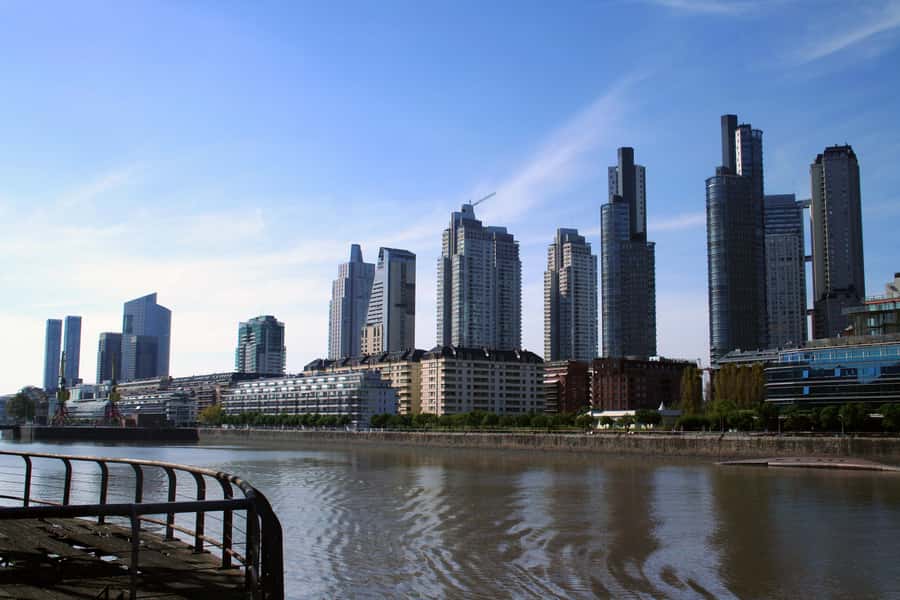
After San Telmo, the city pivots. Puerto Madero feels like the modern counterweight: clean lines, newer design, and the kind of waterfront geometry that makes Buenos Aires look like it’s posing for a postcard.
One standout is the Puente de la Mujer, the revolving bridge designed to represent a couple dancing the Tango. It’s the perfect “aha” stop—because it turns a cultural idea (Tango) into a piece of city infrastructure. Even if you’re not a Tango expert, you’ll immediately get why this bridge is such a recognizable symbol.
If you like skyline views and street photography, Puerto Madero is a satisfying break from the older streets—without fully losing the city’s cultural thread.
Plaza de Mayo landmarks: Cathedral, Cabildo, and Casa Rosada
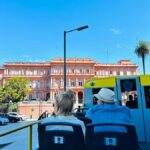
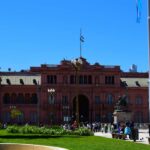
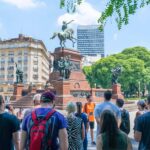
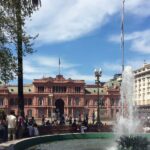
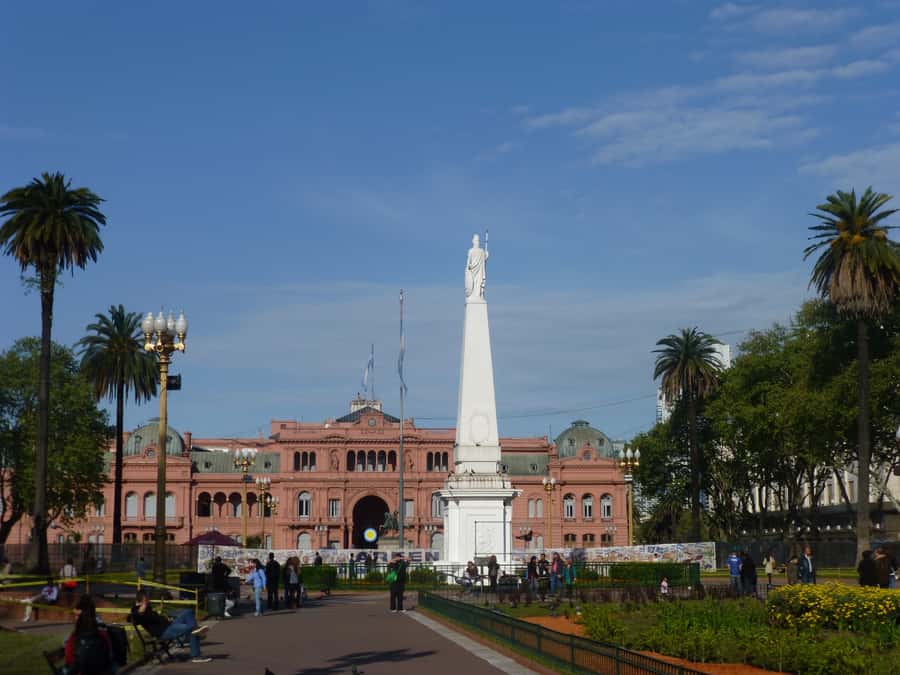
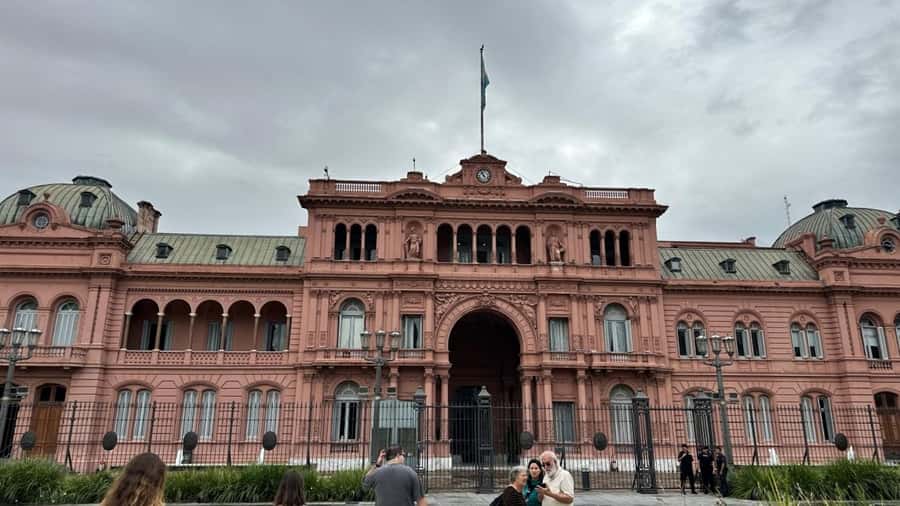
Next comes the beating heart of central Buenos Aires. At Plaza de Mayo, you’ll see the Metropolitan Cathedral, the historic Cabildo building, and the Casa Rosada, the official presidential residence.
This is where the tour gets more “big picture.” These aren’t just pretty facades. They anchor how power and civic life have been displayed in Argentina over time—cathedral authority on one side, the colonial-era town hall presence via the Cabildo, and the Casa Rosada as the political center you can’t miss.
You’ll also appreciate the pacing here. The tour doesn’t throw everything at you at once; it layers stops so you’re not just collecting monuments—you’re getting a sense of how the city organizes itself.
Obelisco on Avenida 9 de Julio: the center-of-it-all marker
From Plaza de Mayo you walk toward Avenida 9 de Julio and the Obelisco de Buenos Aires. The Obelisco was erected to commemorate 400 years of the city, and it’s become a kind of reference point for meeting, moving, and orienting yourself.
Why this matters on a walking tour: it helps you visually connect the dots. After older neighborhoods and government landmarks, the Obelisco gives you scale. It makes Buenos Aires feel larger, more central, and more “metropolitan” in one view.
If you plan to do your own exploring after the tour, this stop is useful. You’ll leave with a clearer mental map of where major streets intersect.
You can also read our reviews of more city tours in Buenos Aires


Teatro Colón: from the front façade to a guided inside tour
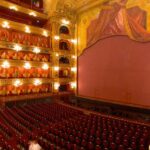
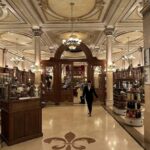
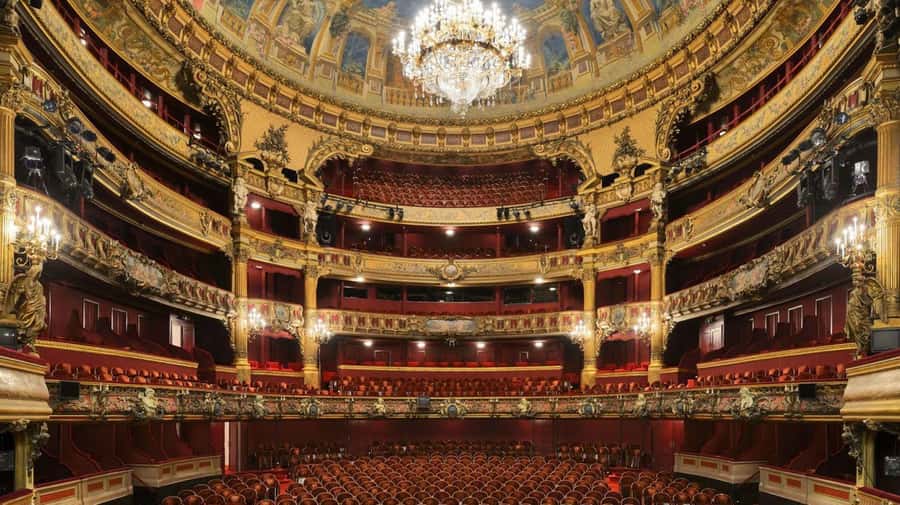
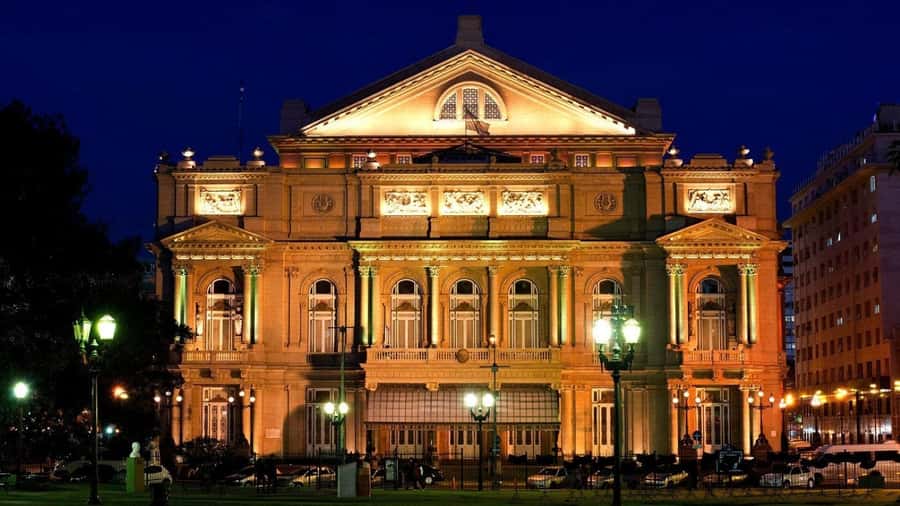
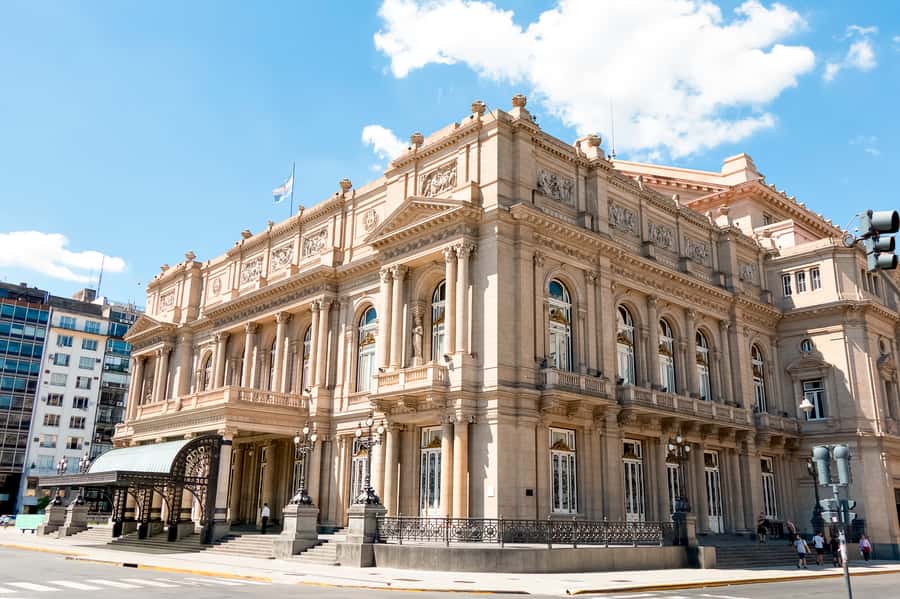
You end the main walk in front of Teatro Colón. Even from outside, it’s easy to see why it’s famous. Teatro Colón is widely considered one of the top opera houses in the world, with special attention paid to its size, acoustics, and how the space directs sound and audience experience.
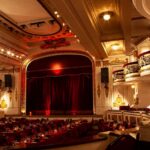
The tour gives you an optional add-on: a guided visit of about 50 minutes inside Teatro Colón. If you choose it, you get to admire key interior areas like the auditorium, main foyer, Gallery of Busts, and the Golden Hall. You’ll also see standout details that are hard to appreciate from street level—stair design, sculptures, ceilings, stained glass, and more.
Here’s how I’d think about the value of doing the guided inside portion: it’s not just access. It’s interpretation. Teatro Colón is the kind of building where the “what you’re looking at” matters as much as the “wow” factor. A guide helps you notice design choices that affect viewing and sound. That makes it feel less like you’re touring rooms and more like you’re learning how the building works.
Timing note: the tour plan can be altered if Teatro Colón has events, rehearsals, or refurbishments. If the inside visit is affected, you’ll still have the chance to see the theater as part of the route. Just be flexible with the idea that theater schedules are living schedules.
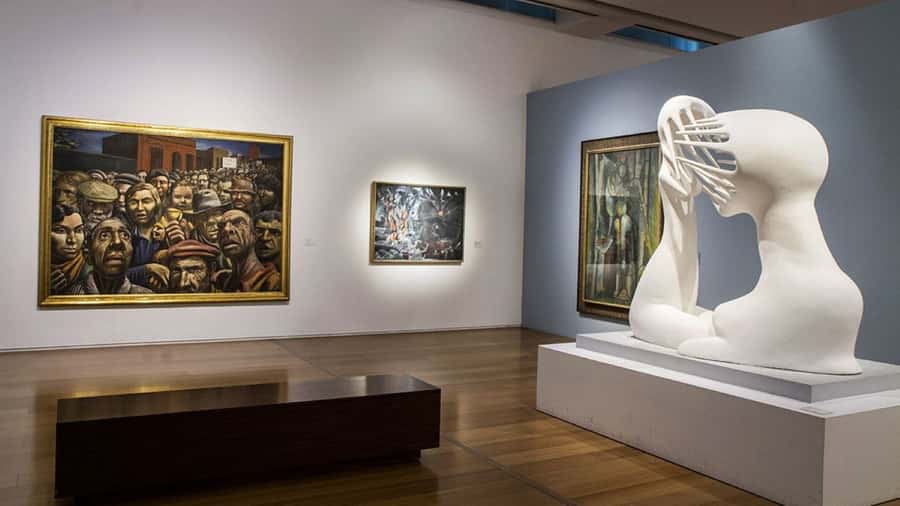
MALBA in Palermo: contemporary Latin American art at your own pace
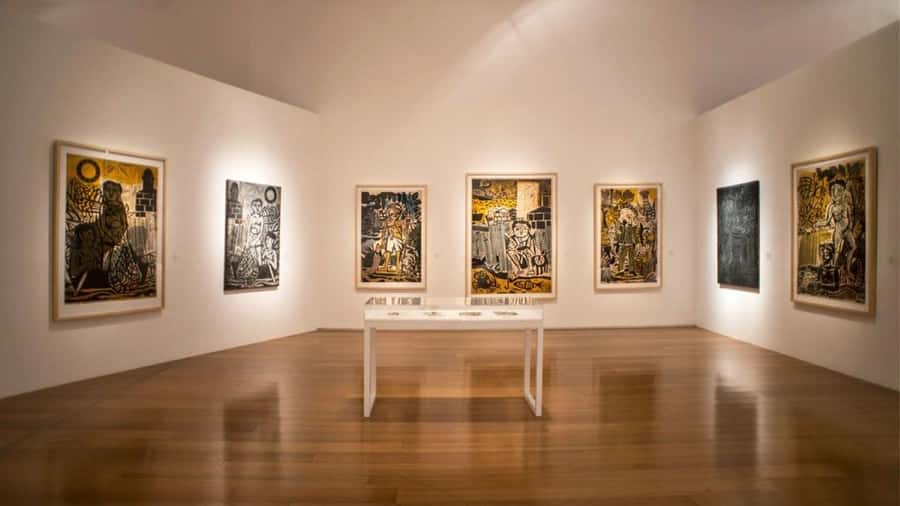
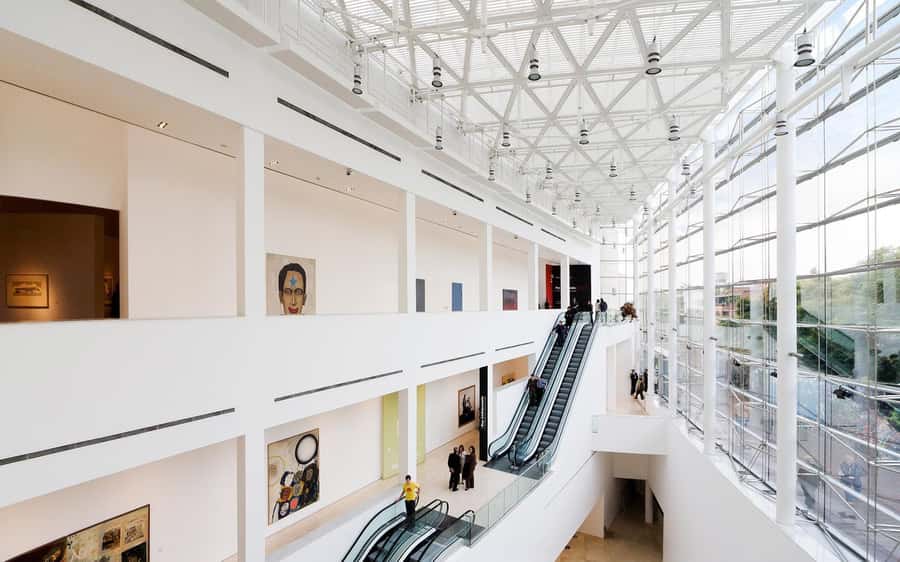
If you pick the MALBA option, you’ll head to Palermo by public bus to enter the museum. MALBA is built around contemporary Latin American art across multiple mediums, and it’s designed for slower looking compared with the walking parts of the tour.
You can see approximately 400 works of art, and the museum time is mostly self-paced. That’s a big deal. It means you control your tempo—spend longer with pieces that pull you in, skip what doesn’t, and don’t feel rushed through rooms just because the street schedule is moving on.
What makes MALBA pair so well with Teatro Colón: both are about performance and presence, just in different languages. Opera is the stage; MALBA is the room. After the theater, you’ll likely find yourself noticing how design and storytelling show up across media—color, scale, material, and intention.
Quick practical note: you’ll want museum-friendly walking shoes here too. Even at a museum, you’re still moving room to room.
How the guide makes the day click (and stays human)
This is a day where a good guide changes everything. The included bilingual guide helps connect the dots between districts—San Telmo’s tango and antiques, Puerto Madero’s modern waterfront symbolism, and the civic landmarks around Plaza de Mayo. Without that thread, it can start to feel like a checklist.
A name you might hear in the experience is Rueben, who was specifically praised for being professional, personable, and flexible enough to adjust plans. That flexibility matters on a walking tour with big landmarks. If something shifts, a guide who stays calm and practical helps you still end up with a satisfying flow.
You’ll also get clarity on what you’re seeing—exactly the kind of explanation that makes Teatro Colón and MALBA land better than a quick, self-guided wander.
Price and value: what $58 buys you in real time
At $58 per person for about 5–6 hours, you’re paying for three main things: guided context, public transport support, and museum/theater entry tied to the option you choose. The value is strongest if you actually use the included tickets—especially if you want Teatro Colón’s guided interior and/or MALBA entry.
If you were to try to piece this together yourself, you’d spend time figuring out routing, buying tickets, and managing timing between neighborhoods. Here, the guide handles the sequencing so you don’t lose half a day to logistics.
One small trade-off: there’s no lunch included. That doesn’t kill the value, but it does mean you should plan a snack or a drink stop on your own. One review-style note you should take seriously is that a planned coffee stop would be welcome on a longer walk—so build in your own break instead of waiting to feel hungry.
Transportation and group size: why this feels manageable
This tour uses public transportation when it makes sense, rather than forcing everything to be walking-only. That helps keep the total experience in the 5–6 hour range without turning it into endurance training.
Group size is small, which generally keeps your pace realistic and your questions answerable. Also, since the meeting point can vary depending on the option booked, you’ll want to double-check the exact start location so you don’t waste energy guessing.
Language support is English and Spanish, so you can follow the day without constantly translating in your head. It’s a subtle quality-of-life feature that pays off on days with many stops.
Who should book this Buenos Aires walking tour (and who might not)
This tour fits you if you want a structured, high-impact city day. It’s ideal when you like the idea of mixing neighborhoods (San Telmo and Puerto Madero) with national-icons sightseeing (Plaza de Mayo and the Obelisco) and finishing with culture you can’t fake (Teatro Colón and/or MALBA).
It’s also a great match if you enjoy guided interpretation. The best parts aren’t just the landmarks—they’re what a guide helps you notice inside spaces like Teatro Colón and what you choose to linger on inside MALBA.
You might want a different plan if you dislike walking or need frequent long breaks. No lunch is included, and the day can run close to the longer end of the time window. If you’re traveling with kids, or you’re recovering from a tough travel day, consider whether you’ll enjoy managing your own food and energy.
Should you book this Buenos Aires Colón Theater and MALBA tour?
I’d book it if you want one organized day that touches both the iconic and the artistic. Teatro Colón gives you a serious cultural anchor, and MALBA adds a modern layer that keeps the experience from feeling only ceremonial.
Choose your option based on your interests. If you care most about architecture and performance history, go for the Teatro Colón guided inside tour. If you want more freedom to look at your own pace, the MALBA portion is the strong pull. Many people get the best of both worlds by choosing the combination, since the day is designed to connect those two worlds.
Just go in with the right expectations: this is active, it’s not a sit-down tour, and you’ll want to plan your own food break. If you’re okay with that, this is a very efficient way to see Buenos Aires in contrast—old streets and modern symbols, civic power and contemporary art, all in one day.
FAQ
How long is the Buenos Aires walking city tour?
The tour runs about 5 to 6 hours. Starting times depend on availability.
Does the price include transportation and tickets?
Yes. The price includes a bilingual guide, public transportation, and a ticket to the Teatro Colón or MALBA museum (or both, depending on the option you book).
Is lunch included?
No. Lunch is not included, so you’ll want to plan your own snack or meal.
Can I choose between Teatro Colón and MALBA, or do both?
You can choose an option that includes the Teatro Colón ticket and/or MALBA. The tour description also notes the guided theater visit can be added, and the guide will wait for you before escorting you to MALBA if you choose both.
What languages are the guides?
The live tour guide is available in Spanish and English.
What if Teatro Colón has an event or rehearsal?
The itinerary may be subject to alterations due to Teatro Colón events, performances, rehearsals, refurbishments, or other activities, with no provision for reimbursement.