REVIEW · CUSCO
Cusco: 6-Day Andean Jewels Experience
Book on GetYourGuide →Operated by Inkayni Peru Tours · Bookable on GetYourGuide
Altitude hits fast—then the trip gets good. This Cusco-based 6-day route is built around the classic Inca circuit, but with enough hiking to earn its photos. I especially like the way it pairs high-altitude acclimation with guided time at the big sites, including an in-depth Machu Picchu walkthrough led by a professional guide. One consideration: you’ll be at serious elevations (including 5,020 m on Rainbow Mountain), and the pace is active, so it’s not the gentlest option.
What I like most is that the itinerary keeps moving, yet you’re not left to figure things out. You get pickup/transfer coverage through Inkayni (they’ll meet you at the airport or bus terminal with your name), plus audio support in English and Spanish, and a small group capped at about 10 people. The trade-off is that this kind of schedule leaves limited wiggle room for last-minute changes—so if you’re prone to altitude headaches or you want long unplanned stops, you may feel a bit rushed.
In This Review
- Key Highlights That Make This Trip Worth It
- Cusco Altitude Reality Check: Day 1 Sets the Tempo
- Sacred Valley Route: Chinchero Textiles, Moray Terraces, Maras Salt
- Chinchero: Inca walls plus living crafts
- Moray: The terraces that taught agriculture
- Maras: Salt mines with ancestral methods
- Ending in Ollantaytambo
- Ollantaytambo to Aguas Calientes: Train Day Without the Guesswork
- Machu Picchu Inca Citadel With a Guide: What Actually Clicks
- Optional add-on: Huayna Picchu or Machu Picchu Mountain
- Back down to Aguas Calientes, then Cusco
- Humantay Lagoon Hike at 4,200 m: Turquoise and the Smart Start
- What this hike is really testing
- Rainbow Mountain at 5,020 m: Color Requires Cold-Weather Breathing
- Reality check on 5,020 m
- Logistics That Matter: What’s Included, What It Costs, and Why It’s Reasonable
- What you’re getting for the money
- What’s not included (plan around it)
- Group size and pacing
- Hotels used as part of the rhythm
- Who This 6-Day Cusco Experience Fits Best
- Should You Book This Cusco Andean Jewels Tour?
- FAQ
- How many days is the Cusco: 6-Day Andean Jewels Experience?
- What’s the main base city for the trip?
- Is Machu Picchu entrance included?
- Are Huayna Picchu or Machu Picchu Mountain included?
- What’s included for meals?
- How does the tour get to Machu Picchu?
- What are the key destinations on the Sacred Valley day?
- How high does the Humantay Lake hike go?
- How high does Rainbow Mountain go?
- What’s the group size?
- What language are the guides and audio guides in?
Key Highlights That Make This Trip Worth It
- Small group touring (up to ~10) means more real guide attention on tough days
- Guided Machu Picchu focuses on temples, ceremonial areas, terraces, and storage structures—not just walking the route
- Sacred Valley classics in one run: Chinchero, Moray, and Maras without extra decision-making
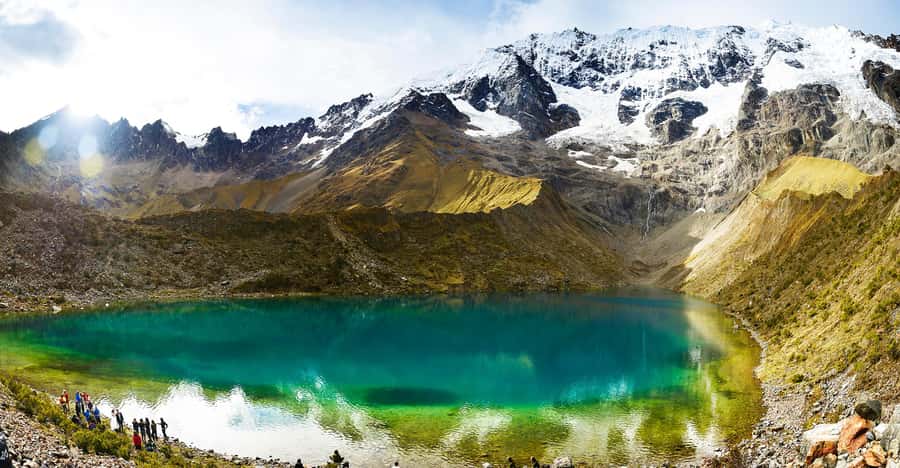
- Humantay Lagoon hike to 4,200 m with an early start and time to soak in the turquoise water
- Rainbow Mountain at 5,020 m for mineral color and high-Andes animal sightings
- Inkayni pickup with name-sign meet helps reduce first-day stress in Cusco
Cusco Altitude Reality Check: Day 1 Sets the Tempo
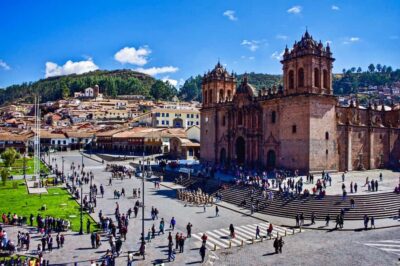
Your first day is all about getting your body to cooperate. Cusco sits at 11,152 ft / 3,399 m, and the plan reflects that. After arrival, you’ll transfer to your hotel, then you’re on your own for acclimatization: wander the historic streets, grab something simple to eat, and keep moving lightly.
This matters more than people think. In Cusco, your comfort level can change hour to hour. If you try to “tour hard” on day one, you’re more likely to pay for it later on the hike days. Use the free time to take it slow, learn the route from your hotel to places you’ll need (breakfast spot, main square area, or a pharmacy), and remind yourself that walking uphill feels like a full workout here.
Ayni Cusco Hotel (or similar) is part of your included stay. There’s no forced program—just a gentle start so you can show up on day two with enough energy to handle altitudes that climb again fast.
You can also read our reviews of more tours and experiences in Cusco.
Sacred Valley Route: Chinchero Textiles, Moray Terraces, Maras Salt
Day 2 is a high-value day because it stacks three different “Sacred Valley” experiences into one logical loop. You start after breakfast heading to Chinchero (12,342 ft / 3,762 m), then Moray (11,500 ft / 3,500 m), and finally drop to Maras (10,827 ft / 3,300 m) before reaching Ollantaytambo for your train onward.
Chinchero: Inca walls plus living crafts
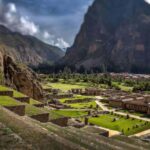
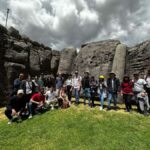
Chinchero isn’t only about ruins. You’ll get the Inca walls, a colonial church, and the textile traditions that are still part of daily life. The practical takeaway: if you’ve ever wondered how Inca-era weaving knowledge connects to what you see today, this stop helps you connect the dots. Look for color and technique differences, and pay attention to how local craft is explained by your guide in plain terms.
Also, being at 3,762 m makes this a “steady pace” stop. You’ll appreciate that the day is structured so you’re not walking forever at the highest elevations.
Moray: The terraces that taught agriculture
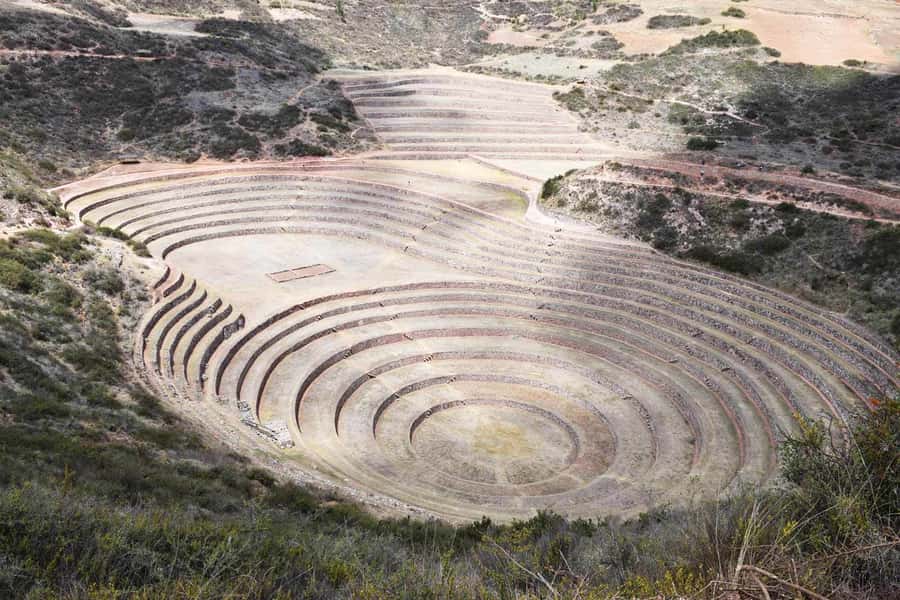
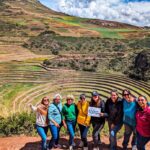
Moray feels like a set of outdoor classroom diagrams. Massive circular terraces show how the Inca engineered farming using microclimates. Even if you don’t memorize details, the idea lands quickly: ancient people used elevation and layout to control growing conditions. That’s the kind of “how did they think of that?” moment that sticks.
At 3,500 m, you may feel windier and colder than you expect. Wear layers you can adjust.
Maras: Salt mines with ancestral methods
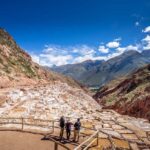
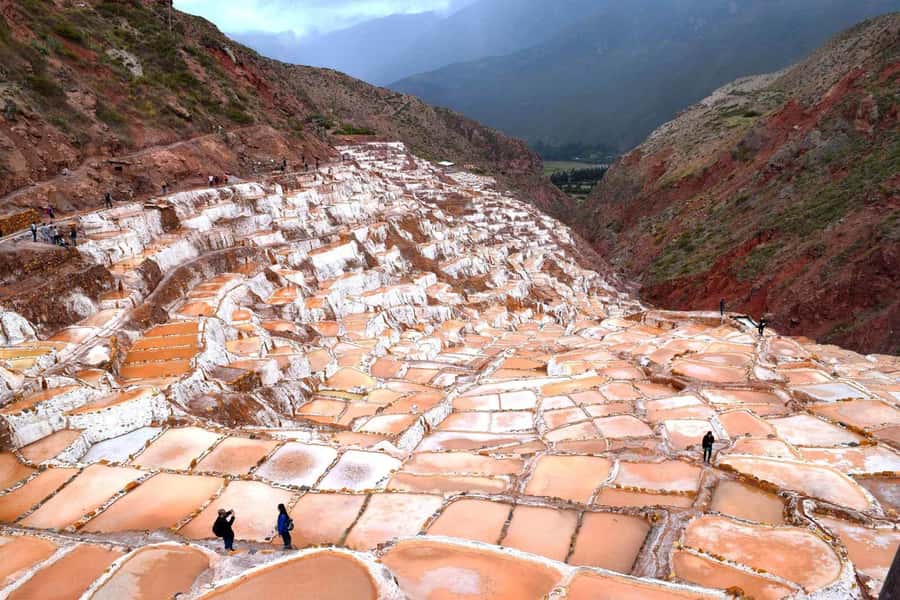
Then you descend to Maras for the salt mines, where over 3,000 pools are still harvested using ancestral methods. This part is visually unforgettable: rows of small pools across a hillside, with a working, lived-in feel rather than a dead museum vibe.
This stop is also a reminder that the Andes are not only about ancient monuments. They’re about ongoing work, local knowledge, and daily routines built on the same geography you’re admiring.

Ending in Ollantaytambo
By afternoon you arrive at Ollantaytambo, then board your train to Aguas Calientes for an overnight stay (Golden Sunrise Hotel or similar). This sets you up for an early start on Machu Picchu day without you trying to squeeze too much into one day.
Ollantaytambo to Aguas Calientes: Train Day Without the Guesswork
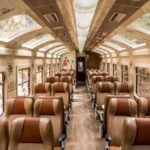
The train segment is included as round-trip by Inca Rail (Voyager) or Peru Rail (expedition). You’re also getting a professional guide for all tours, so you’re not left to interpret schedule chaos. That matters because Machu Picchu logistics can be stressful: timing is everything, and missing the right rhythm can cost you the best hours.
The overnight in Aguas Calientes is a strategic choice. It reduces friction on Machu Picchu morning by letting you wake up already close to the site. If you’ve ever tried to do this as a day trip from Cusco, you know why staying nearer is smarter.
Machu Picchu Inca Citadel With a Guide: What Actually Clicks
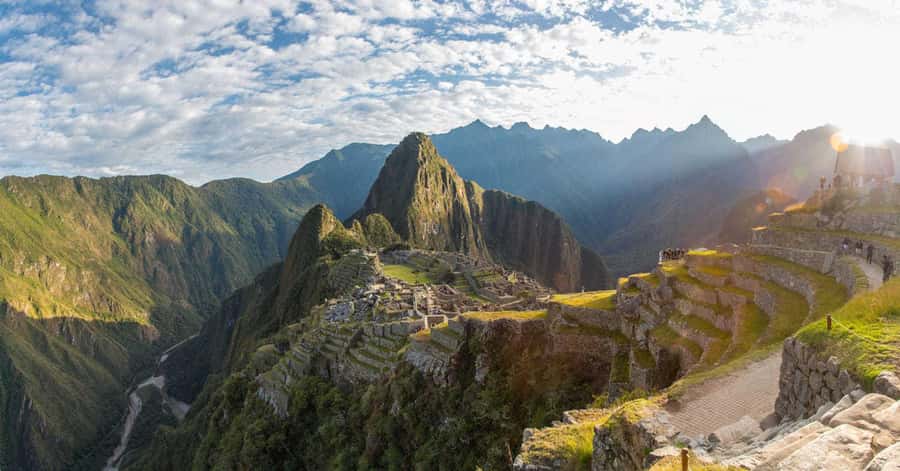
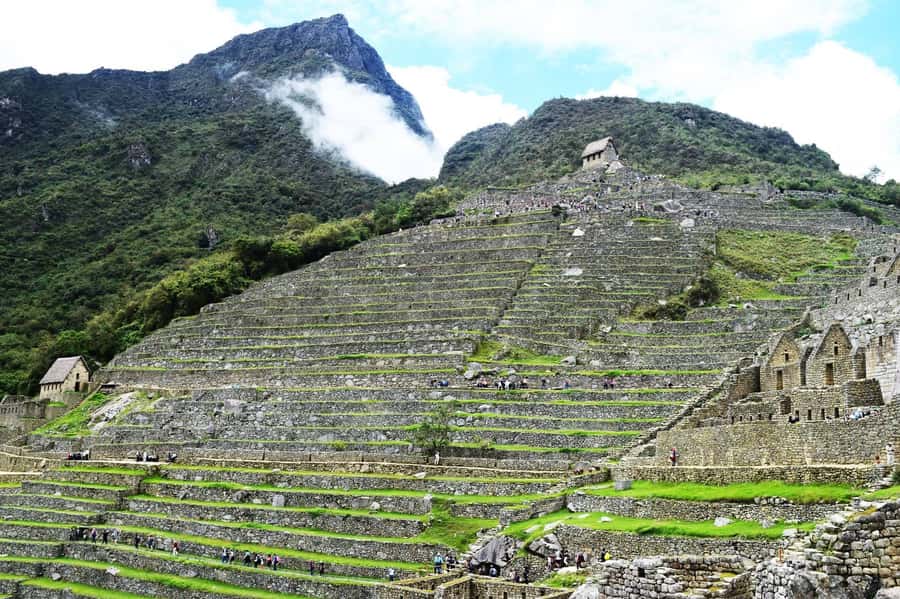
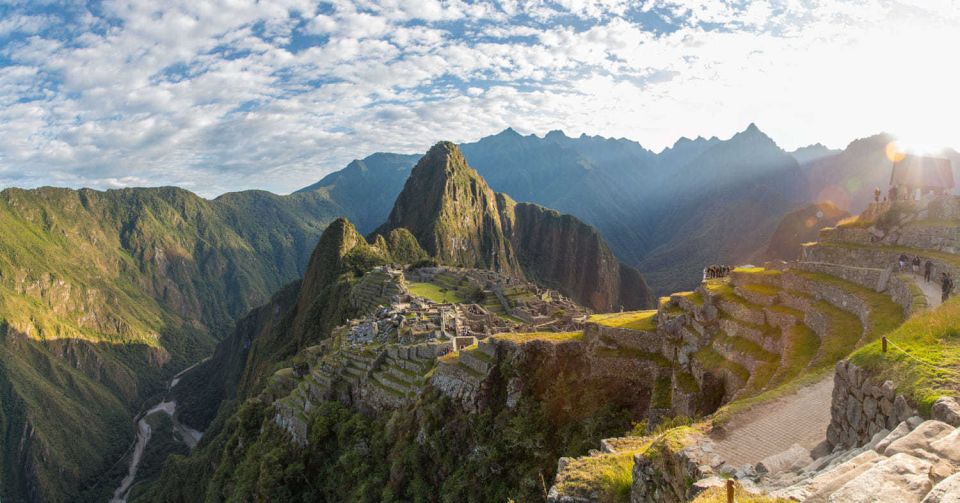
Day 3 is Machu Picchu, and the plan is straightforward. You’ll have an early breakfast, then take one of the morning buses up to the citadel, entering at the first-best light window most tours aim for.
The key difference here is the guide format: you get an in-depth tour that explains temples, ceremonial areas, terraces, and storage structures. That’s not just a walk-and-point approach. It helps you understand why different spaces exist and how the city functioned.
This is where guide skill shows. I’ve seen the company’s guides praised for staying patient and making sure you don’t rush past the best views. Names like Ronald show up in real experiences for helping people see Machu Picchu in the way it was intended—slow enough to notice details, with timing that helps you catch the day’s mood.
Optional add-on: Huayna Picchu or Machu Picchu Mountain
You can add an extra ticket ahead of time to explore Huayna Picchu or Machu Picchu Mountain (not included in the package). Both offer high, dramatic viewpoints over the sanctuary. The practical note: if you’re not sure about your fitness on steep routes, plan carefully. This part is optional for a reason.
Back down to Aguas Calientes, then Cusco
After your guided portion, you return to Aguas Calientes for a rest and lunch. In the afternoon, you take the train back to Ollantaytambo, then a private van takes you to Cusco, arriving in the evening and dropping you off back at Ayni Cusco Hotel (or similar).
Humantay Lagoon Hike at 4,200 m: Turquoise and the Smart Start
Day 4 is Humantay Lake (Humantay Lagoon), and the day is built around energy management. You depart early for Mollepata (9,515 ft / 2,900 m), where breakfast is included, then continue to Soraypampa (12,795 ft / 3,900 m), the trail starting point.
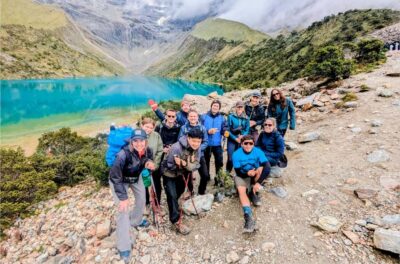
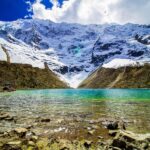
From there, you hike upward through Andean scenery with opportunities to spot native birds and high-altitude flora. When you reach Humantay Lagoon (13,780 ft / 4,200 m), the reward is the reason people sign up: the water’s intense turquoise against the snowy peaks.
You’ll get time to explore, then you descend and return to Cusco for the included night.
What this hike is really testing
This isn’t a casual stroll. It’s not described as a marathon, but the altitude makes every step count. If you’re someone who can handle steep, slow climbs, you’ll enjoy it. If you’re sensitive to altitude, bring your calm brain. Start slower than you think you need to, and let your breathing set the pace.
Also, plan for weather changes. You’re high up. Even if the hike looks sunny at the base, conditions can shift.
Rainbow Mountain at 5,020 m: Color Requires Cold-Weather Breathing
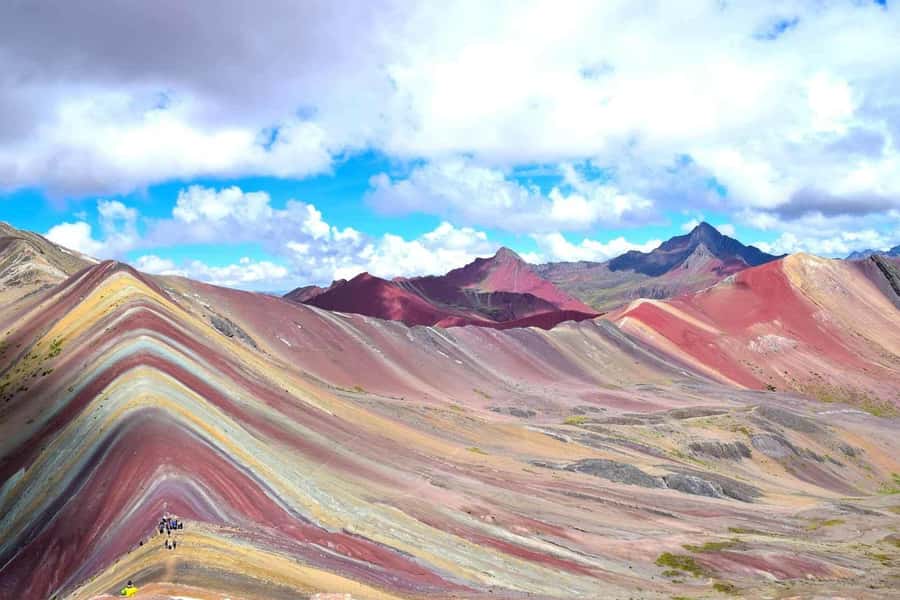
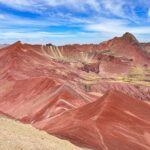
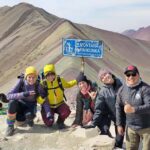
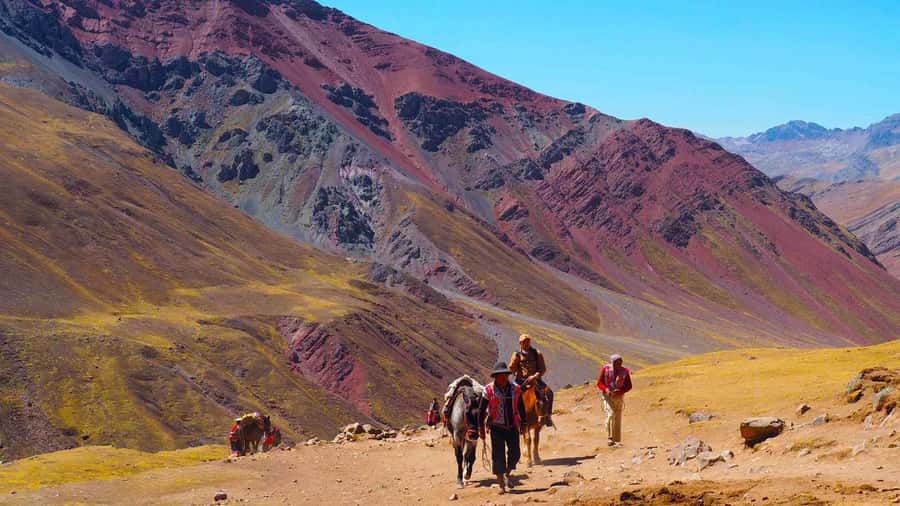
Day 5 is the big altitude flex: Rainbow Mountain at 16,466 ft / 5,020 m. The tour uses another smart early-start setup. You’re picked up early for Cusipata (10,499 ft / 3,200 m) for breakfast, then driven toward the trailhead.
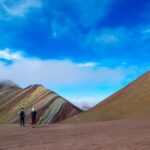
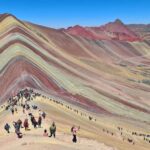
The trek includes panoramic mountain views and sightings of alpacas, llamas, and vicuñas—the kind of detail that makes this more than a single viewpoint photo. When you reach Rainbow Mountain, you’ll see the mineral color bands stretching across the area. After exploring, you return to Cusipata for lunch, then head back to Cusco.
Reality check on 5,020 m
At this height, some people feel great, and some people feel lousy. That’s normal. The itinerary’s value comes from doing it with a guide and a team structure—so you’re not stuck guessing how long it takes, where to stop, or how to handle the cold and thin air.
This is also where the small group size helps. You can keep your rhythm and you’re less likely to get swallowed in a crowd moving at a random pace.
Logistics That Matter: What’s Included, What It Costs, and Why It’s Reasonable
Let’s talk price and value, since $1,318 per person can sound like a lot until you map what’s actually covered.
What you’re getting for the money
The package includes:
- 5 nights in 3-star hotels (double room occupancy)
- 5 breakfasts (hotel breakfasts)
- 3 lunches
- Airport or bus terminal pickup/transfer
- Guided tours for Chinchero, Moray, and Moray/Maras, plus Rainbow Mountain and Humantay Lake
- All entries
- Round-trip train to Machu Picchu area (Inca Rail Voyager or Peru Rail expedition)
- Machu Picchu entrance plus bus to Machu Picchu
- Professional guide for all tours
- Audio guide in English and Spanish
For the Andes, transport is often where budgets quietly disappear. Here, train + Machu Picchu access + buses are already handled. That’s part of the value equation.
What’s not included (plan around it)
Not included:
- Travel insurance
- Flights
- Huayna Picchu ticket
- Extra meals beyond the included lunches and breakfasts
If you want Huayna Picchu, you’ll need to secure that extra ticket yourself in advance.
Group size and pacing
It’s a small group, limited to about 10 participants, and it can run between 2 and 12. That’s a sweet spot for people who want help and context but don’t want to spend every minute in a giant bus crowd.
Hotels used as part of the rhythm
You’ll stay at Ayni Cusco Hotel or similar on the Cusco nights and Golden Sunrise Hotel or similar in Aguas Calientes. The names matter less than the function: each stop is designed to reduce travel friction on the next day’s early start.
Who This 6-Day Cusco Experience Fits Best
This tour fits best if you want:
- A classic Cusco-to-Machu Picchu sequence with strong guidance
- Active days that include two major hikes: Humantay and Rainbow Mountain
- A structured plan that reduces decision fatigue (especially for transport and entries)
It may be a poor match if you’re:
- Pregnant
- Using a wheelchair
- Dealing with back problems or pre-existing medical conditions
- Looking for an easy, slow-paced vacation with lots of downtime
Also, if you’re sensitive to altitude, take the acclimatization seriously on day one. Cusco isn’t just a destination; it’s the warm-up.
Should You Book This Cusco Andean Jewels Tour?
I’d book it if you want the big names (Sacred Valley, Machu Picchu, Humantay, Rainbow Mountain) and you prefer your days run with structure: pickups handled, entrances handled, and a guide giving meaning to what you’re seeing. The combination of guided Machu Picchu plus two iconic high-altitude hikes is the core value.
I’d pause and think twice if you know you struggle at altitude or you hate early mornings. This route climbs high, moves daily, and expects you to walk and hike at elevation. If you’re on the fence, your smartest move is to be honest with yourself about your stamina and how you react to thin air.
FAQ
How many days is the Cusco: 6-Day Andean Jewels Experience?
It’s a 6-day tour.
What’s the main base city for the trip?
The tour is based in Cusco, Peru.
Is Machu Picchu entrance included?
Yes. Machu Picchu entrance is included, along with the bus to Machu Picchu.
Are Huayna Picchu or Machu Picchu Mountain included?
No. Huayna Picchu ticket is not included. You can add Huayna Picchu or Machu Picchu Mountain if you secure the extra ticket in advance.
What’s included for meals?
You get 5 hotel breakfasts and 3 lunches included.
How does the tour get to Machu Picchu?
You’ll take a morning bus to Machu Picchu after breakfast, and the package includes round-trip train to the Machu Picchu area (Inca Rail or Peru Rail).
What are the key destinations on the Sacred Valley day?
You’ll visit Chinchero, Moray, and Maras, then arrive in Ollantaytambo for the train to Aguas Calientes.
How high does the Humantay Lake hike go?
Humantay Lagoon is at about 13,780 ft / 4,200 m.
How high does Rainbow Mountain go?
Rainbow Mountain is about 16,466 ft / 5,020 m.
What’s the group size?
It’s a small group. The package is limited to 10 participants, and the group size is described as between 2 and 12.
What language are the guides and audio guides in?
English and Spanish.