REVIEW · CUSCO
From Cusco: Chinchero Weavers, Moray, Maras Salt Mines Tour
Book on GetYourGuide →Operated by Viaja con Amaru Explorer · Bookable on GetYourGuide
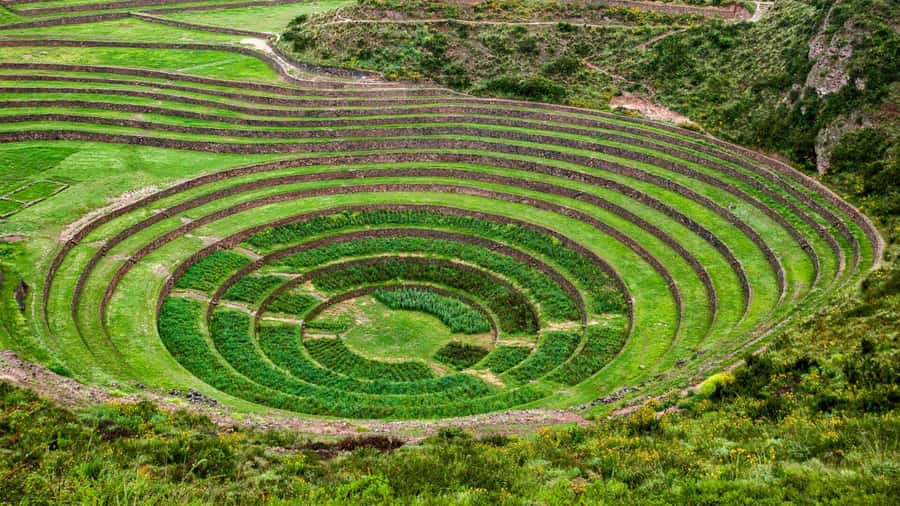
Moray feels like Inca weather in a bowl. This tour strings together three big hits: Moray’s circular terraces, the dramatic Maras salt mines with thousands of ponds, and the Chinchero stop focused on the textile process. I especially like how the guide keeps the stops connected so you understand what you’re seeing, not just where to take photos.
One thing to plan for: the $13 tour price does not include site entrances, and lunch is on your own.
In This Review
- Key things that make this tour worth your time
- The 8:00 AM start that keeps the day from feeling rushed
- Moray’s circular terraces: your Inca agricultural “laboratory” moment
- A practical consideration at Moray
- Maras Salt Mines: 3,500+ ponds still doing their job
- Entrance fee: small cost, big difference
- Chinchero Weavers and the textile process connection
- One detail to be aware of in the flow
- Why the order matters: from microclimates to materials
- Guide quality in the real world (not just on paper)
- What you should bring (and what to skip)
- Price and value: $13 adds up once you include entrances
- Who this tour fits best
- Quick day-of tips for a smoother experience
- Should you book the Cusco: Chinchero Weavers, Moray, Maras Salt Mines tour?
Key things that make this tour worth your time
- Moray’s circular terraces: each level is tied to different growing conditions, like a living Inca model of microclimates
- Maras salt ponds (3,500+ of them): you’ll see a working salt system, not a dead exhibit
- Bilingual guide support (Spanish and English): explanations come in a way that’s easy to follow on the move
- Textile process in Chinchero: the day isn’t only about ruins and salts—there’s craft too
- A smoother route through the sights: in practice, you can spend more time looking and less time stuck in crowds
The 8:00 AM start that keeps the day from feeling rushed
Your day begins at 8:00 a.m. with pickup from your hotel in Cusco’s historic center. Then you head out by round-trip transport with a professional bilingual guide (Spanish and English), aiming to get you to the first stop early enough to enjoy it rather than just get through it.
The whole loop runs about 6 hours, with a return close to 15:00 p.m. back in the historic center. That timing matters because Moray and Maras both reward a calm pace—shadows change quickly in the Andes, and you’ll want time to look at details, not just pass by them.
You can also read our reviews of more tours and experiences in Cusco.


Moray’s circular terraces: your Inca agricultural “laboratory” moment
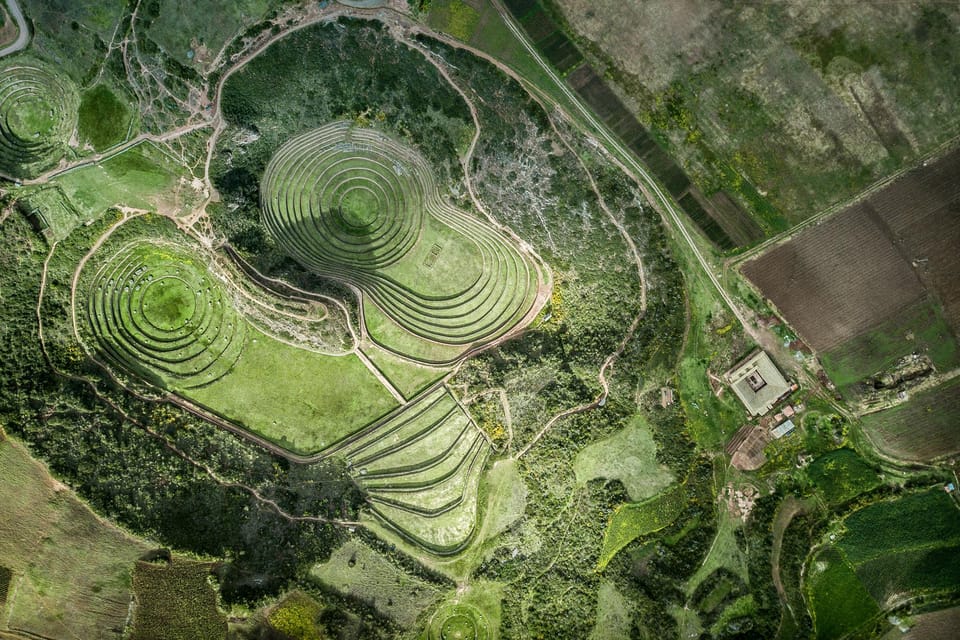
First up is Moray, described as an agricultural laboratory for the Incas. The headline feature here is the series of circular terraces, stacked like wide rings. What makes it interesting is the idea that each terrace can reflect different climates or conditions, meaning the Incas could experiment with planting by using the landscape itself.
When you’re standing there, it helps to slow down and actually study the terraces as layers. Instead of thinking of Moray as only ruins, I treat it like an old system for testing conditions—height and orientation affecting temperature and exposure. That mindset makes the site more satisfying, because you connect architecture to purpose.
A practical consideration at Moray
This is an outdoors, walk-and-look type of stop. Plan on a bit of uneven ground and steps around the terraces, and keep your water handy. Also, the Moray entrance is not included, so you’ll want cash ready for the partial tourist entrance (S/. 70 or about $20).
Maras Salt Mines: 3,500+ ponds still doing their job
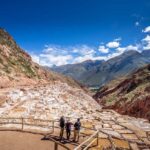
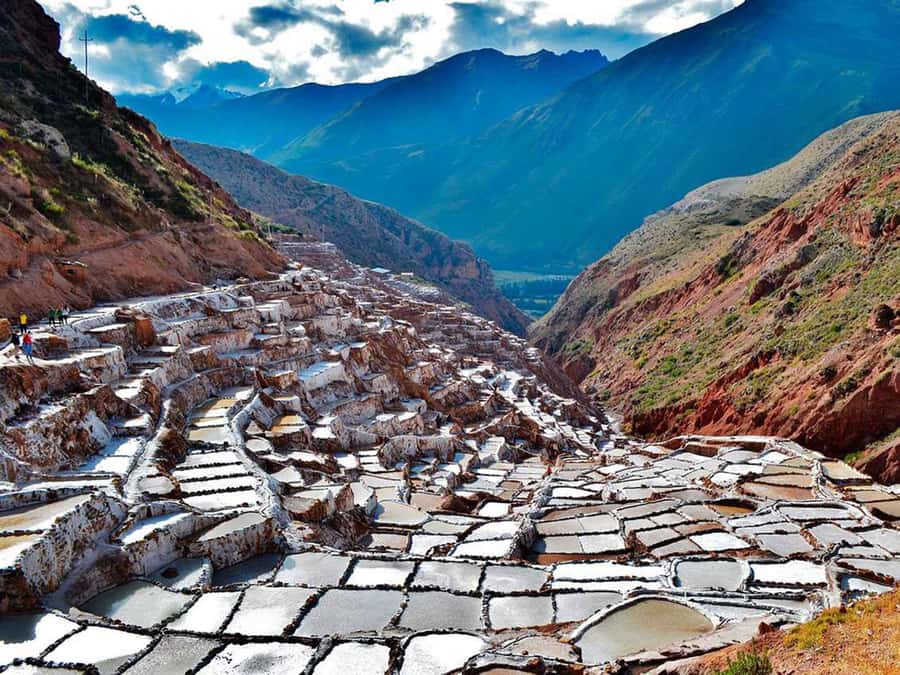
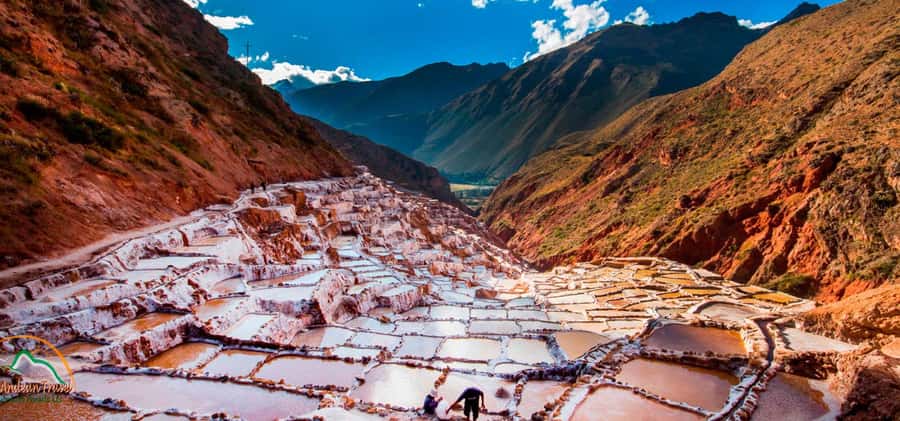
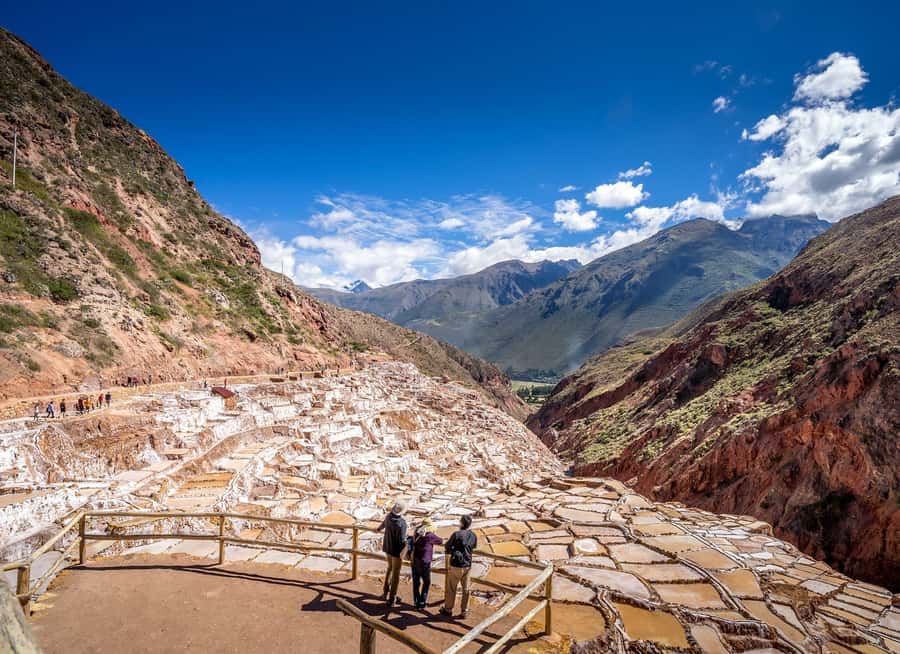
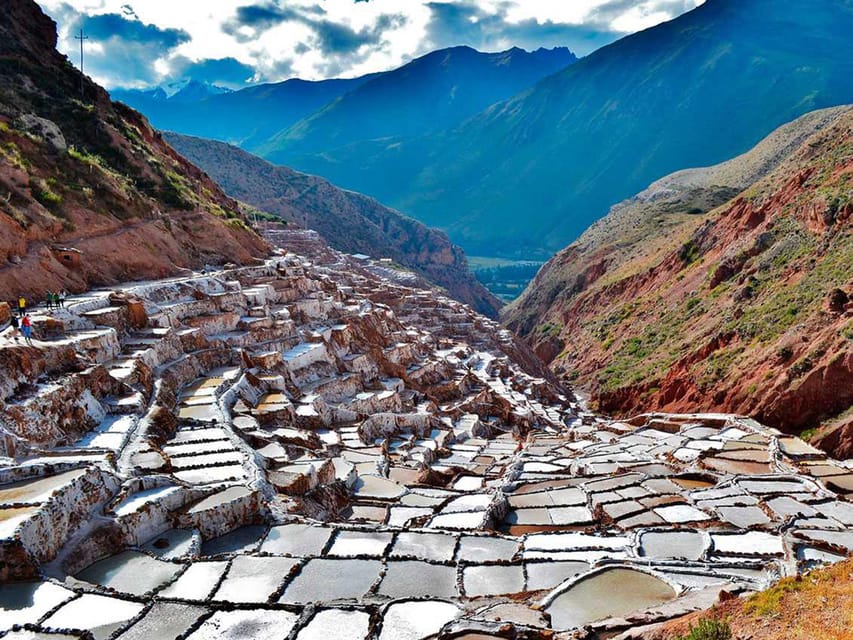
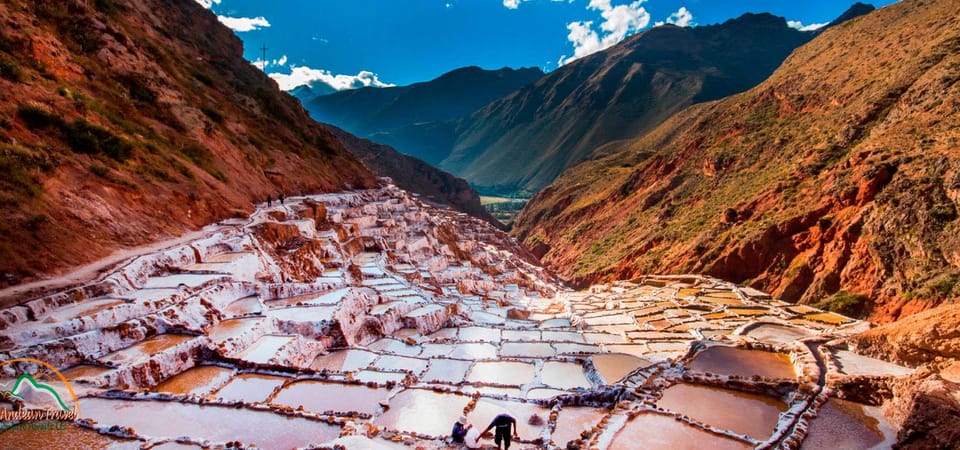
Next you move to the salt mines of Maras, one of the most visually striking parts of the route. Here the focus is on salt ponds—more than 3,500—that are said to have medicinal properties. Even if you’re not chasing the health angle, the scale alone is the show: it looks like someone carved a patchwork of tiny mirrors into the hillside.
What I like is that Maras feels more “alive” than many ruins visits. You’re not just viewing; you’re seeing an active salt landscape with many individual ponds. It also gives your eyes a break after Moray’s geometry—Maras is all about pattern, repetition, and the contrast between the ponds and the slopes around them.
Entrance fee: small cost, big difference
Like Moray, the salt mines entrance is not included. Expect to pay S/. 15 (about $5). For a day trip, that’s a reasonable add-on, but it’s still worth budgeting so you don’t get surprised on the day.

Chinchero Weavers and the textile process connection
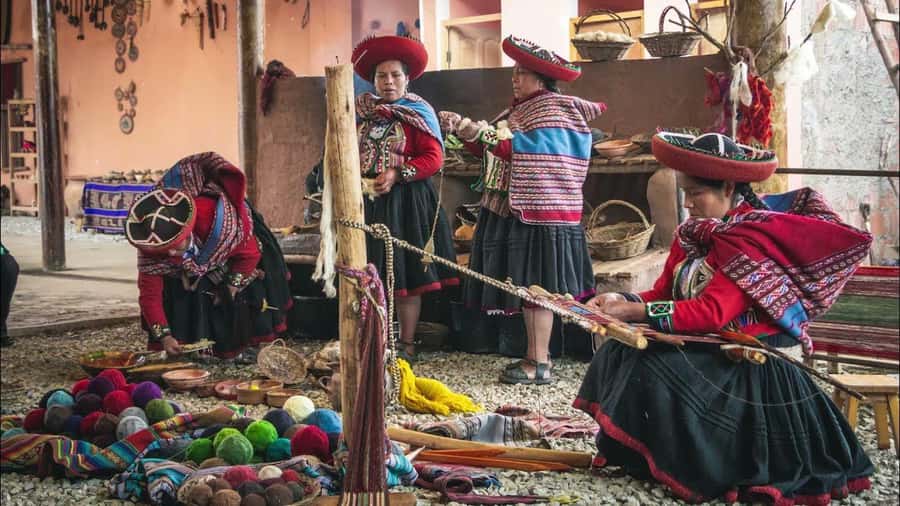
The final main stop is Chinchero, centered on the textile process. This is the one part of the day that shifts the story from agriculture and salt into craft and daily life traditions. It also helps balance the itinerary: after terrace experiments and salt ponds, textiles bring a different kind of intelligence—materials, technique, and cultural knowledge.
Chinchero is also tied into the wider region’s agricultural and economic life. That’s the real value of putting textiles here at the end: the day stops being only about Inca sites and becomes a more complete picture of how people use local resources and skills.
One detail to be aware of in the flow
The schedule notes a stop in Chinchero to observe the salt ponds as well. Because the day already includes Maras salt mines, I’d treat Chinchero as a chance to compare what you saw earlier and connect it to local life. If you’re the type who likes closure, you’ll probably enjoy how the stops echo each other.
Why the order matters: from microclimates to materials
This tour isn’t random. The sequence is part of the learning.
- Moray teaches the idea of microclimates—how conditions change by level and exposure.
- Maras shows a resource system that relies on environmental specifics (water and evaporation, creating the ponds).
- Chinchero brings it home with the textile process, which depends on knowing materials and turning them into something usable and beautiful.
You get a clear theme by the time the day ends: the Andes are not just a backdrop. They shape growing, survival, work, and craft.
And the pacing is built for sightseeing without dragging your feet. The route includes transportation and a guide, so you can focus on what matters at each stop.
Guide quality in the real world (not just on paper)
A bilingual guide is a big deal on a tour like this, because the value is in the explanations. One past guest highlighted Irina as an excellent guide, sharing information in both Spanish and English. That kind of clarity changes everything—Moray becomes more than circles, and Maras becomes more than small squares of salt.
Another praised point was the guide’s energy and smart approach, plus the fact that you can spend more time enjoying the sights and avoid a lot of crowded spaces. To me, that translates into a better day: you don’t constantly feel rushed, and you get breathing room for photos and looking.
If you learn best by hearing context while you walk, this is the kind of tour that fits.
What you should bring (and what to skip)
Since most of the day is outdoors, pack with the assumption you’ll be in sun and open air for hours.
Bring:
- Camera
- Sunscreen
- Water
- Cash
Leave out:
- Alcohol and drugs (not allowed on this activity)
Cash matters because entrance fees for Moray and the salt mines of Maras are separate from the $13 tour price. Lunch is also not included, so you may want extra money for a meal stop that works for your schedule and appetite.
Price and value: $13 adds up once you include entrances
The headline price is $13 per person for the tour. What you get at that price is the structure: hotel pickup within the historic center, round-trip transportation, and a professional bilingual guide.
Then there are the add-ons:
- Moray partial tourist entrance: S/. 70 (about $20)
- Salt mines entrance: S/. 15 (about $5)
- Lunch: not included
So your real day cost is usually the tour price plus those entrance fees, plus whatever you do for lunch. Even with that, the tour can still be strong value because you’re covering multiple major stops in one go, with guide support and transport arranged for you.
For travelers who want a managed day without hunting for buses, this is a practical deal. For budget-only planners, the main thing is to budget entrances and meal costs upfront.
Who this tour fits best
I think this day trip is a good match if you:
- Want a tight 6-hour loop out of Cusco with clear highlights
- Like connecting the dots between sites (farming logic, salt production, and textiles)
- Prefer a guide who can explain in Spanish and English
- Enjoy photo-friendly viewpoints but don’t want to spend the day fighting crowds
It is not suitable for wheelchair users. It also isn’t recommended for people with pre-existing medical conditions, which matters for the outdoor walking and the overall nature of the route.
Quick day-of tips for a smoother experience
Before you go, make sure your contact info is correct with your country code and that you can use WhatsApp, since this is how the team may coordinate last-minute details. For last-minute reservations, the guidance is to check availability by email with the supplier before booking.
Also, since lunch isn’t included, you’ll feel better if you plan your eating. Either bring money for a sit-down meal or decide where you’ll grab something so you don’t end up hungry at the wrong time.
Should you book the Cusco: Chinchero Weavers, Moray, Maras Salt Mines tour?
If you want a one-day sampler that still feels meaningful, I’d book it. The strongest reasons are the combination of Moray’s agricultural terrace logic, Maras salt mines with 3,500+ ponds, and a concluding stop for the textile process in Chinchero. With a bilingual guide like Irina mentioned for clear Spanish and English explanations, the day becomes more than a checklist.
Book with care if you’re keeping a strict budget or you know you’ll struggle with extra entrance fees and an outdoor day. And if mobility or medical considerations apply, skip it since it’s not designed for wheelchair access.
If your goal is to see the Cusco region through both Inca-designed systems and living craft, this tour does a solid job delivering it in one efficient sweep.