REVIEW · CUSCO
Cusco: Half-Day City Tour
Book on GetYourGuide →Operated by Peru Andes Top · Bookable on GetYourGuide
Cusco can feel overwhelming fast. This half-day city tour turns that chaos into a clear route through Inca sites and the Spanish-era core, with bilingual guides (English/Spanish) who explain what you’re looking at. I especially like how the stops show real construction skill, from ceremonial rock at Qenqo to massive stonework at Sacsayhuaman. One thing to keep in mind: key entrances aren’t included, so you’ll want cash ready, and there may be a time-killer shop stop that can feel unnecessary if you’re not shopping.
The schedule is built for people who want big “Cusco moments” without spending a full day outside town. Morning departures focus on ruins, while afternoon departures add the Basilica Cathedral and Coricancha. If you’re sensitive to a faster pace and a lot of walking uphill, plan your footwear and water carefully.
In This Review
- Key highlights to look for
- A half-day Cusco route that actually makes sense
- Morning vs. afternoon: what changes
- Pickup, van ride, and the pace of a 6-hour day
- Qenqo Archaeological Complex: sacred rock with a purpose
- Puka Pucara: defense work disguised as ruins
- Tambomachay: the baths of the Incas and the cult of water
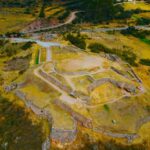
- Sacsayhuaman: limestone blocks and a solar-shrine theory
- Coricancha and the Cusco Cathedral Basilica (afternoon option)
- Coricancha: Inca empire’s most important temple
- The Basilica Cathedral (Cusco Cathedral): built 1560
- Cost and value: the $17 price versus the real budget
- Guides: what makes the explanations click
- What to bring (and what to avoid)
- Is this tour a good fit for you?
- Should you book this Cusco half-day city tour?
- FAQ
- How long is the Cusco half-day city tour?
- What’s included in the price?
- What entrance fees should I plan to pay?
- Which sites are visited on morning tours?
- Will I see the cathedral and Coricancha?
- Where does pickup happen?
- What should I bring?
- Is video recording or luggage allowed?
Key highlights to look for
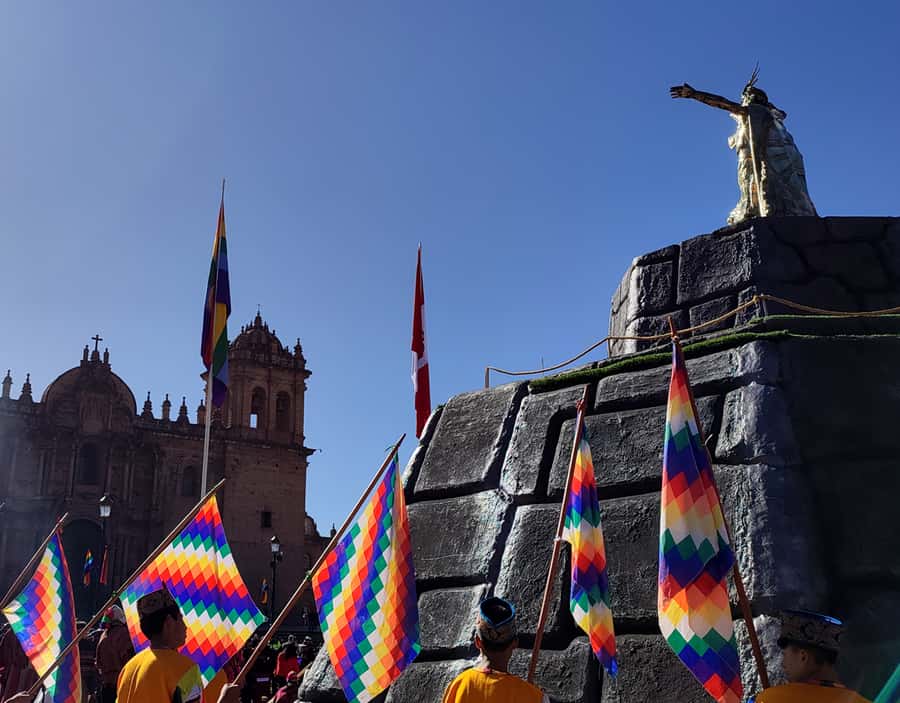
- Inca stone engineering on display at Sacsayhuaman, where large limestone blocks were used for protection and defense
- Ceremonial Qenqo: a natural rock formation turned into a ceremonial center
- Military Puca Pucara: guard posts, stairways, streets, houses, and courtyards from a defensive system
- Tambomachay’s water theme (“baths of the Incas”), tied to purification or a water cult
- Coricancha + Cusco Cathedral on afternoon tours for a two-empire story in one afternoon
A half-day Cusco route that actually makes sense
This is a 6-hour loop built around efficient driving time and guided stops. You get picked up from your hotel in Cusco’s historic center (Centro Histórico). Then the van moves you between sites while a professional guide keeps the story moving in either English or Spanish.
The big win here is that the tour doesn’t just list ruins. It connects the dots: how ceremonial sites were arranged, how defenses worked, how water mattered, and how Spanish builders later repurposed sacred space in Cusco.
You can also read our reviews of more city tours in Cusco
Morning vs. afternoon: what changes
Your departure time matters. During the morning tour, you only visit Sacsayhuaman, Qenqo, Puca Pucara, and Tambomachay. The cathedral and Coricancha are not included then.
Afternoon departures give you the chance to add:
- The Basilica Cathedral (the Cusco Cathedral, built in 1560)
- Coricancha, the Inca’s most important temple, known for perfect Inca-era stonework and design
If you want the full “Inca ruins plus the colonial center” package, choose the afternoon option.
Pickup, van ride, and the pace of a 6-hour day
Pickup happens from the Centro Histórico area. If your hotel can’t be reached by vehicle, you’ll be directed to the closest meeting point. Once you’re on board, you’re looking at about a 40-minute van ride as part of the route.
The walking is manageable but not minimal. Several stops involve uphill sections and stone paths, and you’ll want to keep your legs fresh for Sacsayhuaman. I like this format for first-time Cusco visits because you get movement plus structure. You’re not wandering alone trying to figure out what matters.
Practical tip: bring comfortable shoes and come ready for altitude-style fatigue. Cusco’s high and the day is active, even if it’s short.
Qenqo Archaeological Complex: sacred rock with a purpose
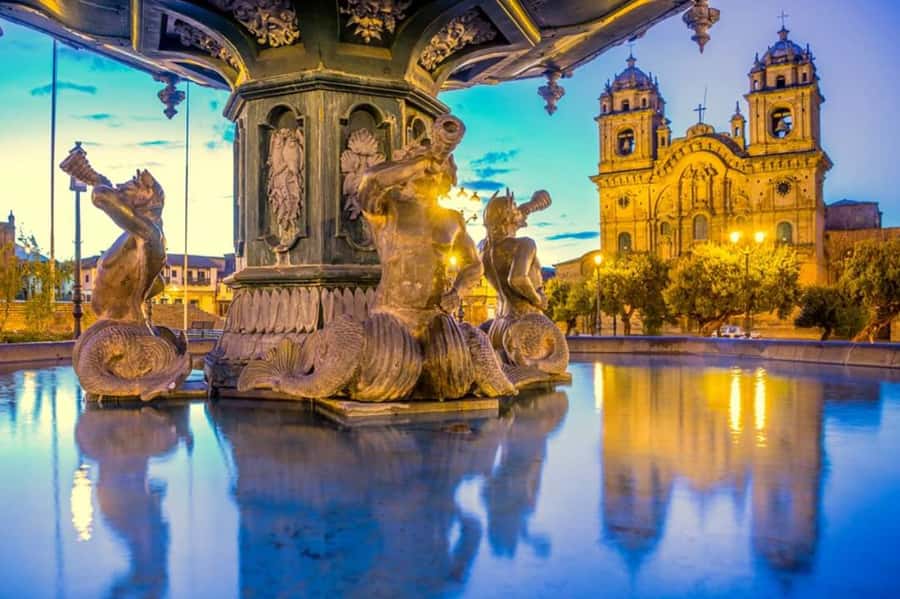
Qenqo is one of those places where you can stand in front of a natural outcrop and suddenly realize it was treated like a tool. The site is described as a natural rock formation that became a ceremonial center.
In the guided portion, you’ll get context for how Incas used the land itself. Instead of treating the landscape like scenery, they treated it like infrastructure for ritual and gathering. You’re not just looking at stones; you’re learning how space can be “designed” without being rebuilt from scratch.
What I like about Qenqo on this kind of tour: it’s early enough that the explanations help you see patterns before you get tired. It also sets you up for the rest of the route, where the emphasis shifts from ritual to defense to water.
Puka Pucara: defense work disguised as ruins
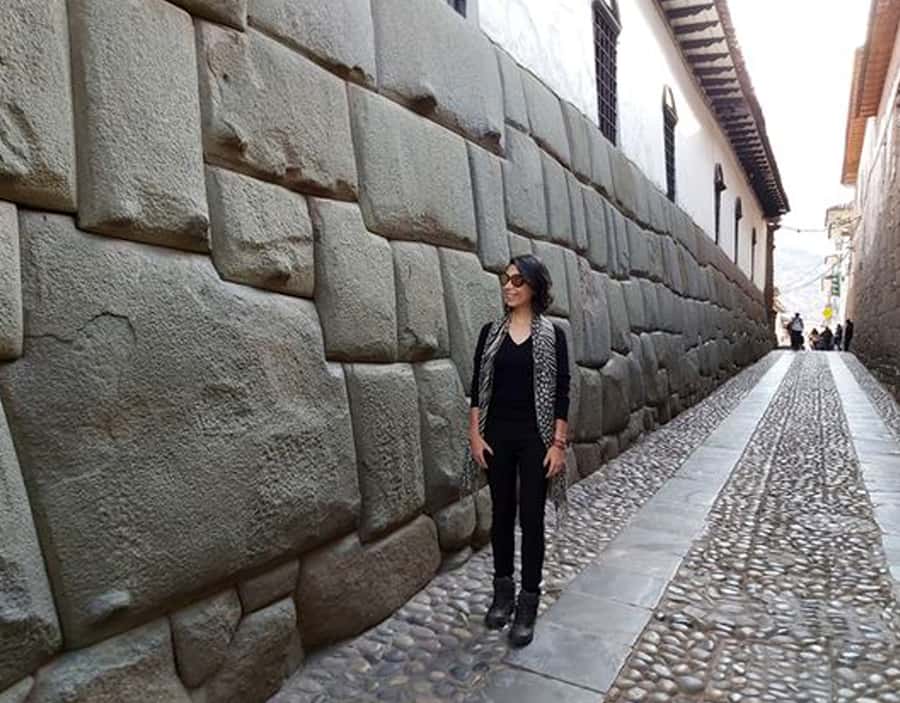
Next up is Puka Pucara, and the vibe changes. This is a military ruins site, tied to guard posts and defensive organization.
The stop includes remnants you can connect into a system: guard posts, staircases, streets, houses, and courtyards. Even if you’re not a military-history person, the guide’s job is to make the layout readable. You start to see why certain positions matter—how the site could support surveillance and movement during conflict.
Possible drawback: because it’s a ruin, parts can feel less dramatic up close than the famous highlights. That’s why the guided storytelling matters. If your guide keeps it clear, Puka Pucara becomes more than “more stones.”
You can also read our reviews of more tours and experiences in Cusco
Tambomachay: the baths of the Incas and the cult of water
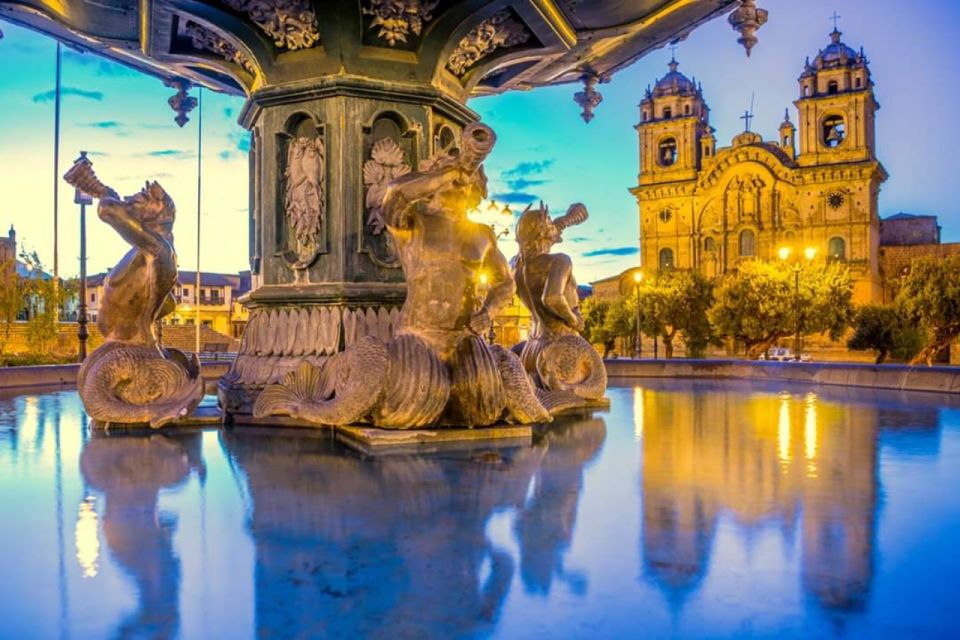
Tambomachay is about 9 kilometers outside Cusco, and it’s known as the baths of the Incas because of the shape of the water source. The tour frames it as more than a pretty stream—there’s a chance it relates to a cult of water and purification.
This stop is a nice break in the narrative. You go from ceremonial rock to a defensive base, and then you land on water, which is often both practical and symbolic in high-altitude societies. If you’re the type who enjoys “why here?” questions, this one usually clicks.
One thing to plan for: even if it’s guided and timed, outdoor sites can be affected by sun and weather. Bring water, and if rain is in the forecast, add a waterproof jacket or raincoat.
Sacsayhuaman: limestone blocks and a solar-shrine theory
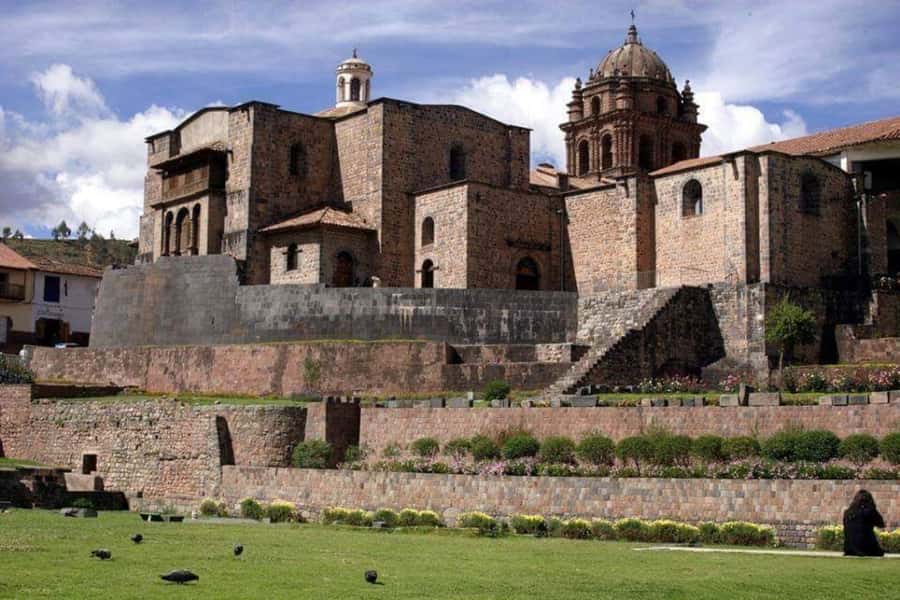
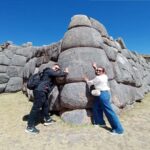
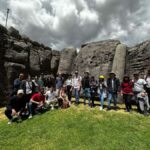
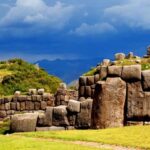
Sacsayhuaman is the name you’ll hear again and again in Cusco. This tour treats it as more than a scenic viewpoint. Chroniclers believe it was a solar shrine built by the last Inca dynasties, and the construction uses large blocks of limestone.
The practical explanation you’ll get: those massive stones weren’t only for show. They were part of protecting the city from attacks coming from the East or Antis. So, the site sits at the crossroads of belief and engineering. Ritual space and defense space overlap here, and that’s a huge reason Sacsayhuaman earns its fame.
If you want the best experience, don’t rush. Take a moment to look at the scale of the stonework from different angles. On a half-day schedule, you don’t have time to get bored—Sacsayhuaman keeps your attention.
Coricancha and the Cusco Cathedral Basilica (afternoon option)
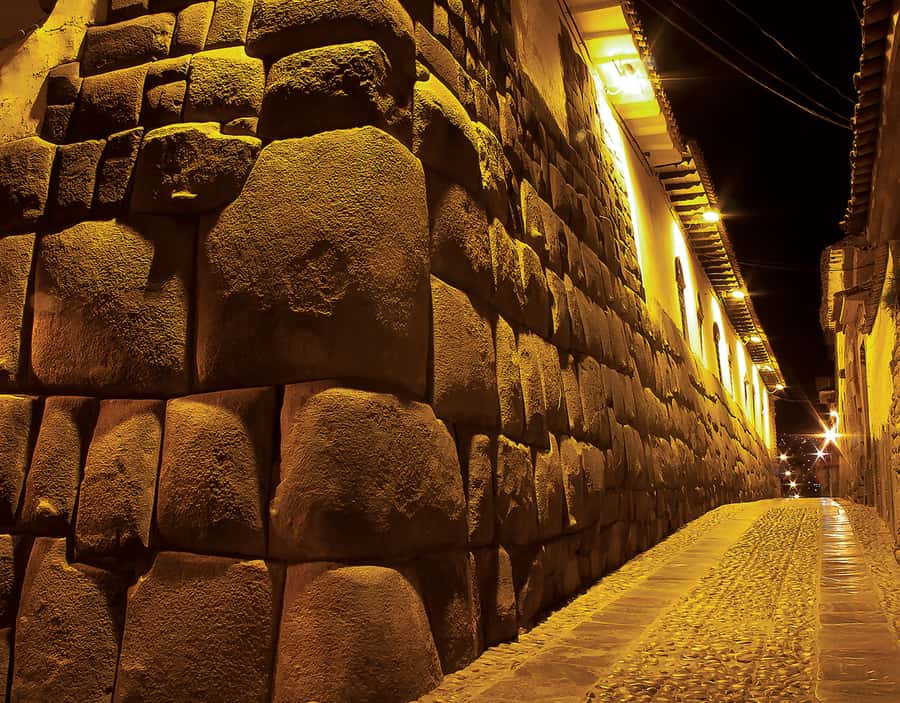
Afternoon tours offer the payoff of seeing Spanish and Inca layers in the same general story arc.
Coricancha: Inca empire’s most important temple
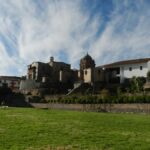
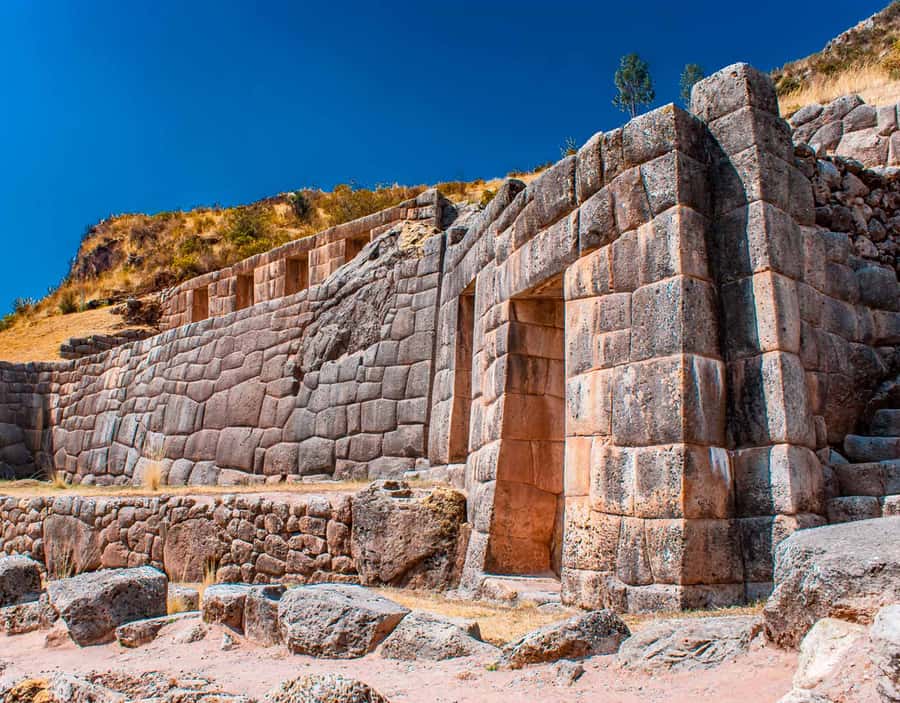
Coricancha is the Inca’s most important temple of the empire. The tour focuses on its “perfect architecture” and stone construction, and it’s presented as a UNESCO-listed key site.
If you like the idea of power made physical, Coricancha is for you. It’s the place where Inca architectural precision is supposed to feel obvious. You’ll likely spend about an hour here with guidance, which is enough time to notice details without feeling like you’re being herded.
The Basilica Cathedral (Cusco Cathedral): built 1560
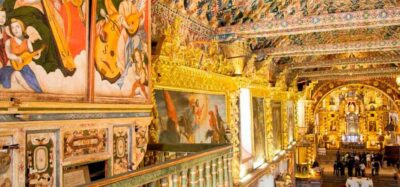
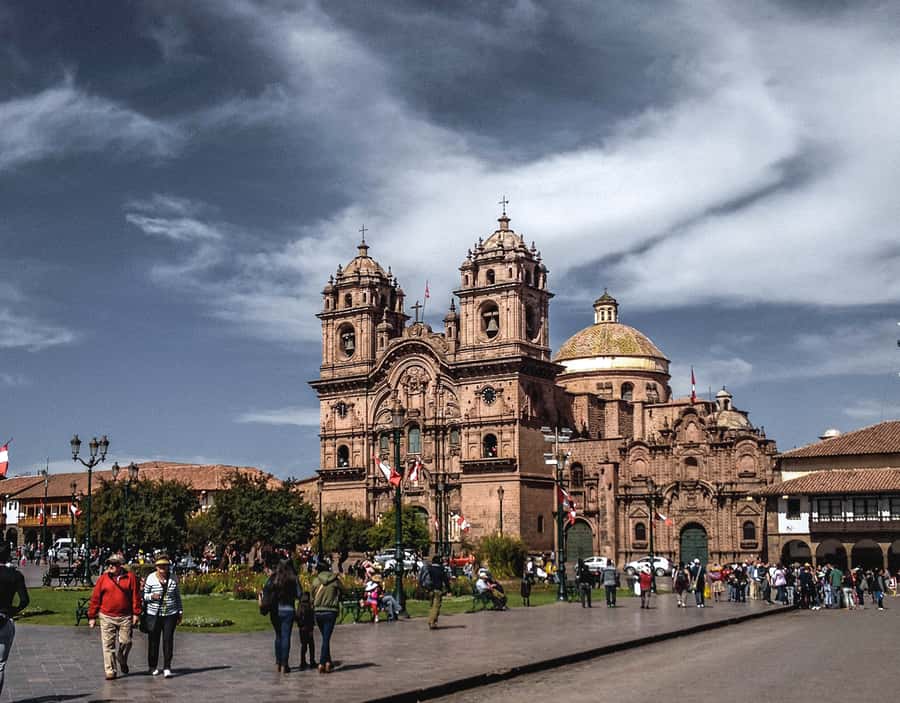
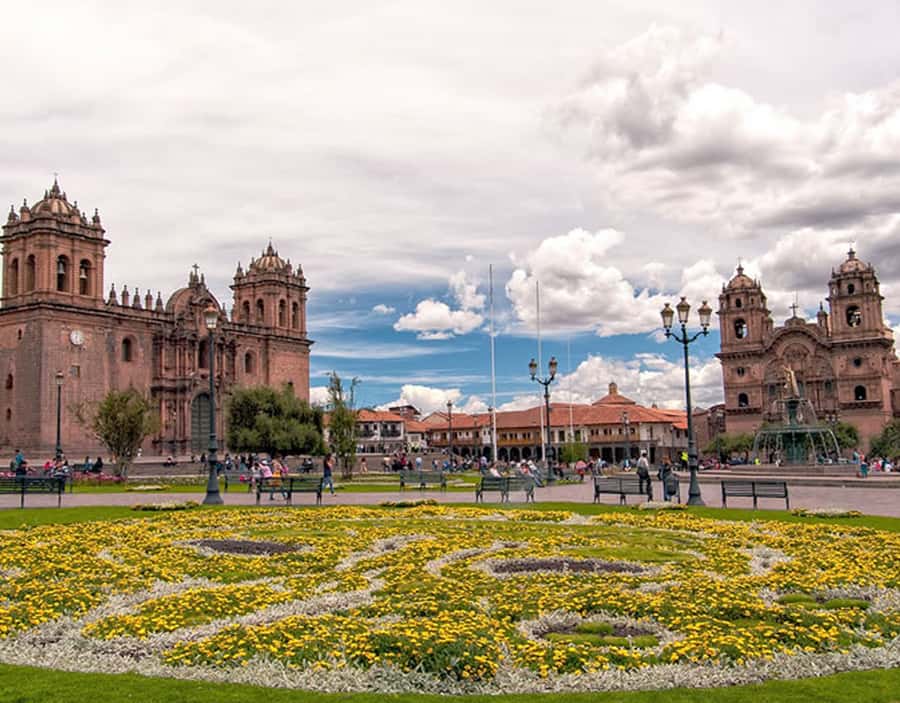
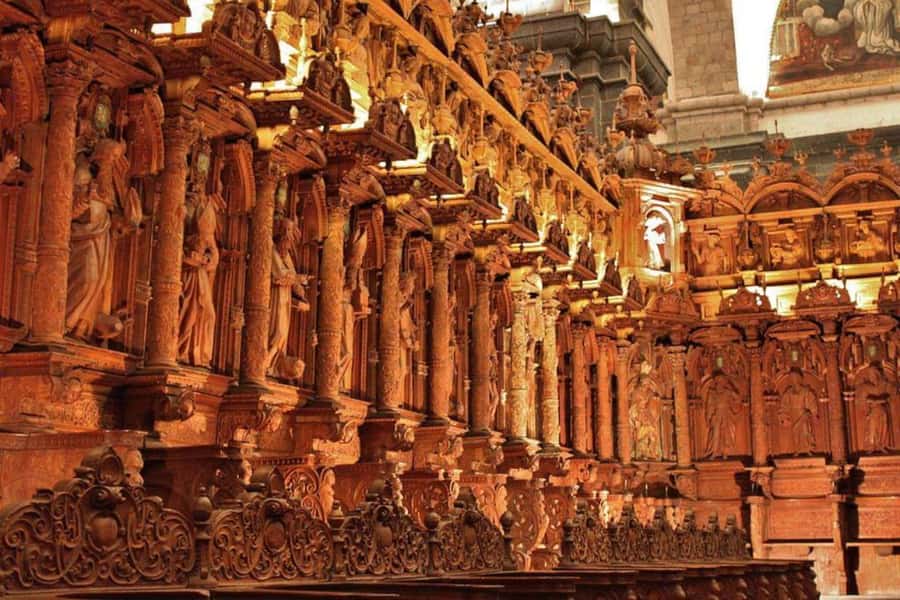
Then you move on to the Cusco Cathedral. The cathedral built in 1560 is a big piece of Cusco’s colonial core. The contrast is part of the attraction: after spending time with Inca engineering logic, you see how later builders created monumental sacred space in the heart of the city.
If you’re trying to understand Cusco as a place where religions and empires overlapped, this pairing lands well. It’s not a random museum day. It’s a guided story with a before-and-after feel.
Cost and value: the $17 price versus the real budget
The base price is $17 per person, and it includes tourist transportation plus a professional bilingual guide (Spanish/English). That’s a strong deal if you value guidance, because you’re getting a structured loop across multiple sites instead of just a driver dropping you off.
But entrances are extra:
- Entrance fee to the cathedral: 40 soles
- Entrance fee to Coricancha: 15 soles
- Tourist ticket for archaeological sites outside the city: 70 soles
Here’s the practical way to think about it: your final cost depends on whether you’re doing the morning ruins-only plan or the afternoon plan that includes the cathedral and Coricancha. Bring cash, because this is a “pay on-site” style situation.
Also, if you want value for money, prioritize the guide. This tour’s real worth comes from having someone explain why Qenqo looks the way it does, why Puca Pucara’s layout matters, and why Sacsayhuaman’s stones were engineered for both belief and protection.
Guides: what makes the explanations click
The quality of the tour experience rises or falls on the guide. In this one, you’ll hear a lot of life-in-the-details storytelling.
I’ve seen how guides like Silvia can be especially patient with families and keep history understandable for kids. Clara brings a high-energy style with lots of “here’s what the Inca did and why” detail. Janet is praised for being one of the best, and guides such as Wally are known for giving a strong first introduction to Cusco. If you’re English-speaking, Jose is also mentioned as excellent for English speakers.
Bottom line: when the guide is on, the sites stop being random stops and start being a connected picture.
What to bring (and what to avoid)
You’ll get the most out of this tour with a simple kit:
- Comfortable shoes
- Water
- Passport
- Cash
- Long pants (recommended)
- Sun hat and sunscreen (30+ SPF is recommended)
- Waterproof jacket or raincoat (Cusco weather can change fast)
A few restrictions are worth noting:
- No large luggage or bags
- No pets
- No video recording
So keep your hands free. This is easier when you pack light.
Is this tour a good fit for you?
This tour is a smart choice if you:
- Have limited time and want a guided overview of major Cusco sites
- Like understanding the logic behind ruins, not just taking photos
- Prefer a structured half-day rather than piecing together taxis and tickets yourself
It’s also a good option if you want a first look at Inca engineering and then, in the afternoon, a guided tour through the cathedral area and Coricancha.
If you hate brisk schedules, or you want long, slow wandering at every site, this might feel rushed. It’s designed to cover a lot in 6 hours.
Should you book this Cusco half-day city tour?
If you want maximum “Cusco meaning” per hour, I’d book it—especially for first-timers. The combination of guided stops plus multiple site types (ritual, defense, water, then sacred Spanish-era space) is exactly the kind of route that helps you understand Cusco instead of just visiting it.
Just go in with two expectations: entrances cost extra, and you’ll cover several sites in one sitting. If that matches your style, this is a solid value way to get oriented fast.
FAQ
How long is the Cusco half-day city tour?
The duration is listed as 6 hours.
What’s included in the price?
Tourist transportation and a professional, bilingual guided tour (Spanish/English) are included.
What entrance fees should I plan to pay?
Entrance fees not included are: Cusco Cathedral (40 soles), Coricancha (15 soles), and a tourist ticket for archaeological sites outside the city (70 soles).
Which sites are visited on morning tours?
Morning tours include Sacsayhuaman, Qenqo, Puca Pucara, and Tambomachay. The cathedral and Coricancha are not included.
Will I see the cathedral and Coricancha?
That depends on your departure time. Afternoon departures have the chance to visit the Basilica Cathedral and the temple of Coricancha.
Where does pickup happen?
Pickup is included from your hotel in the historic center of Cusco (Centro Histórico). If your hotel can’t be accessed by vehicle, you’ll meet at the nearest meeting point.
What should I bring?
Bring comfortable shoes, water, your passport, and cash.
Is video recording or luggage allowed?
Video recording is not allowed. Pets are not allowed, and large bags or luggage aren’t allowed either.