REVIEW · CUSCO
Excursion to the Planetarium of Cusco | New experience
Book on GetYourGuide →Operated by Chullos Travel Cusco · Bookable on GetYourGuide
Stargazing with Inca astronomy takes you north of normal sightseeing. I love the way this tour explains the Inca sky stories and then shows you the constellations on a planetarium dome. I also like the practical payoff: when conditions allow, you get hands-on viewing with professional telescopes. The only real drawback to plan for is that telescope time depends on the weather, so some nights feel shorter than you might hope.
You’ll meet your small group early evening at Plaza Regocijo, ride out to the observatory in under 20 minutes, and spend the bulk of your time learning and looking up. The pacing is calm and focused, with a guide who speaks both English and Spanish and a structured sequence: talk first, dome projection next, then outdoor stargazing. Just know that the whole experience is set up as a cozy night program, not an all-night astronomy marathon.
If you’re the type who gets a kick out of spotting patterns in the sky and connecting them to culture, you’ll likely have a great time. If you’re expecting a super long deep-dive packed with lots of detailed history, you may find the explanation portion a bit tighter than you’d like.
In This Review
- Key highlights I’d prioritize
- Cusco Planetarium: Inca astronomy with a real night-sky payoff
- Pickup at Plaza Regocijo and the ride to the observatory
- The first stop: the Inca astronomy talk in the interpretation rooms
- Planetarium dome projection: learning the constellations before you chase them outside
- Telescope time and the short night walk: what weather changes
- Timing reality check: does 4 hours mean 4 hours?
- How the small group format changes the vibe
- Value check: is the $39 price fair for this Cusco astronomy night?
- Who should book this (and who might not love it)
- Small rules and practical things to know before you go
- Should you book the Planetarium of Cusco excursion?
- FAQ
- Where is the pickup point and what time does the tour start?
- How long is the excursion?
- What happens after we arrive at the Cusco Planetarium?
- Are telescope views guaranteed?
- What’s included in the $39 price?
- Is alcohol allowed during the tour?
Key highlights I’d prioritize
- Small group size (up to 10) means you can actually hear the guide and ask questions
- Inca astronomy talk in the interpretation rooms before you ever go up to the dome
- Planetarium dome projection helps you map constellations before you hunt for them outside
- Professional telescopes for telescope viewing when the sky cooperates
- Night walk element that turns star gazing into more than just standing in one spot
- Hotel pickup plus entrance are part of the $39 package, so you don’t have to figure logistics
Cusco Planetarium: Inca astronomy with a real night-sky payoff
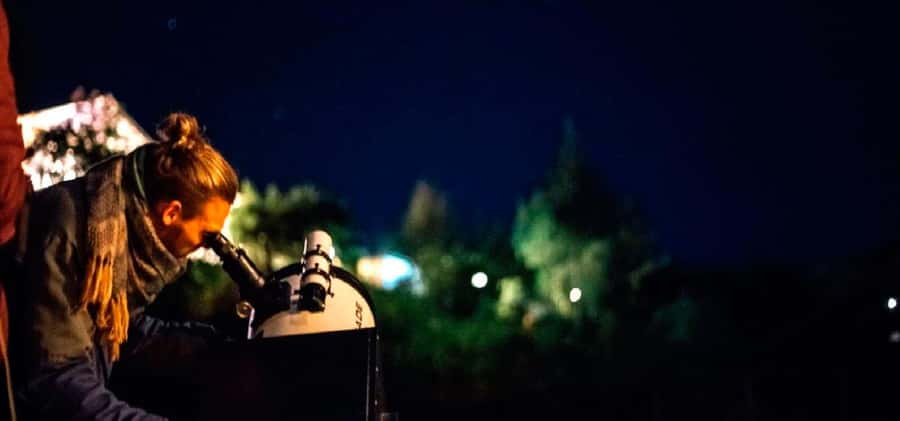
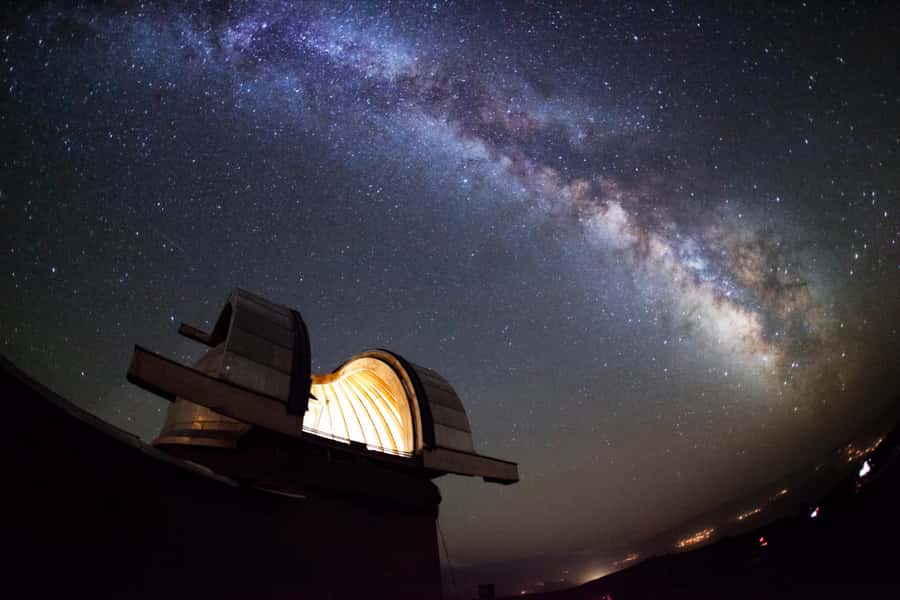
Cusco has a reputation for altitude, drama, and amazing views. What I like about the Cusco Planetarium excursion is that it uses that atmosphere in a smart way: you’re not just learning names of constellations. You’re learning how to recognize them, then using a guided setup to actually see planets and star patterns.
The focus here is Inca astronomy and the constellations associated with it. In the interpretation rooms, your guide walks you through the ideas first, so the dome show doesn’t feel random. Then the planetarium dome projects a virtual sky so you can connect the lesson to what’s above you.
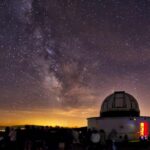
And when the weather allows it, you get the payoff moment: telescope viewing. That’s the part that makes the tour feel like a proper evening activity rather than a lecture you rush out of. It’s also where your guide’s explanations start to land, because suddenly the points on the dome become real targets in the real sky.
You can also read our reviews of more tours and experiences in Cusco.
Pickup at Plaza Regocijo and the ride to the observatory
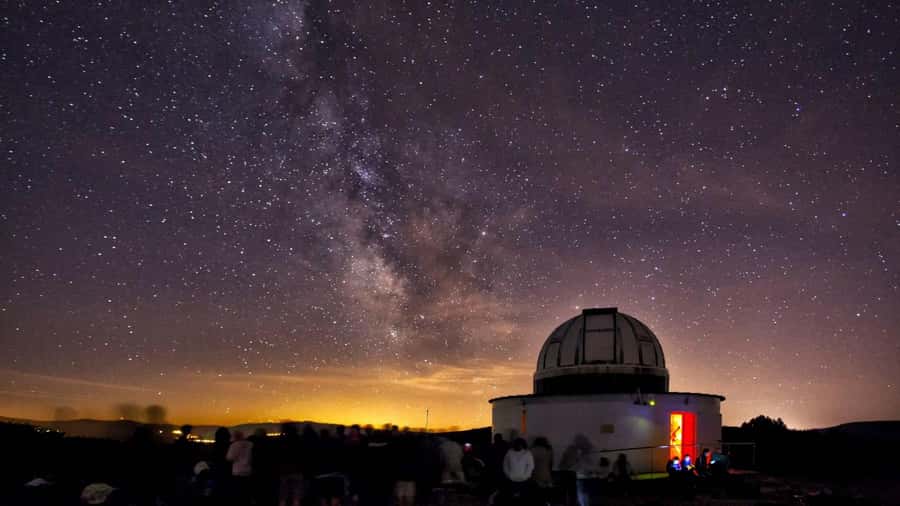
The tour begins with pickup at Plaza Regocijo between 5:30 and 6:00 PM. From there, you board a shuttle for the trip to the Cusco Planetarium, which is less than 20 minutes from the city.
This part matters more than it sounds. Cusco evenings can move fast, and meeting at a clear city landmark reduces stress. Also, having transport built in means you don’t have to worry about getting back and forth after dark when you’re tired from the day’s sightseeing.
One small consideration: pickup logistics can make or break the first five minutes of any night tour. The experience is advertised with hotel pickup, but there’s at least one cautionary note from prior participants about pickup expectations not matching what they assumed. So if pickup is a big deal for you, confirm where you’re picked up and that it’s included for your exact booking.
You’ll return to central Cusco—around Plaza de Armas—at approximately 8:00 PM.
The first stop: the Inca astronomy talk in the interpretation rooms
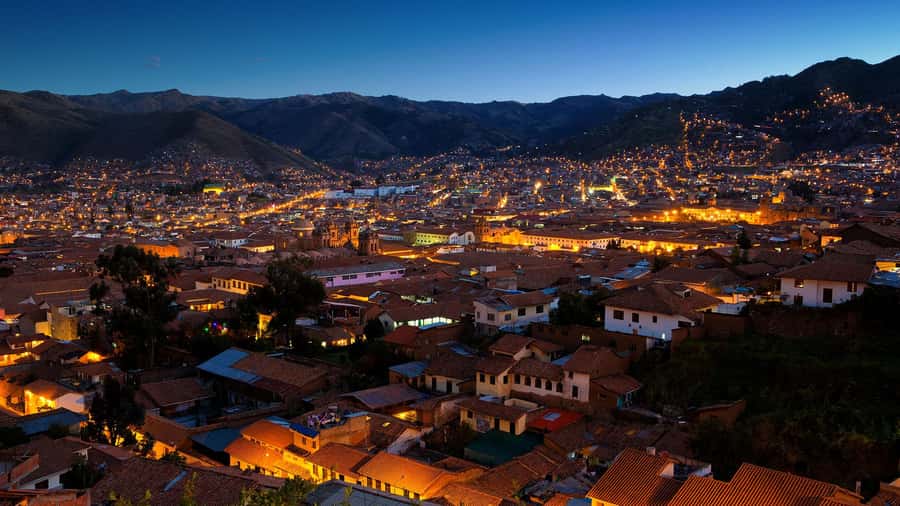
Once you arrive at the observatory, the program starts indoors in the interpretation rooms. This is where your guide gives the core background on Inca astronomy.
Think of this as your setup crew. If the sky is going to make any sense later, you need a framework first. The guide helps you understand what you’re looking for and why the constellations matter in the Inca sky tradition.
Even if you’ve never studied constellations before, this section is designed to get you oriented. You’re not expected to come in knowing star names. You’re expected to leave with a mental map you can recognize during the dome show and later at the telescope.
Guides on this excursion speak both Spanish and English, so you’re not stuck with a single language or forced to muddle through. In a planetarium and observatory setting, that bilingual support is a real quality-of-life upgrade.
Planetarium dome projection: learning the constellations before you chase them outside
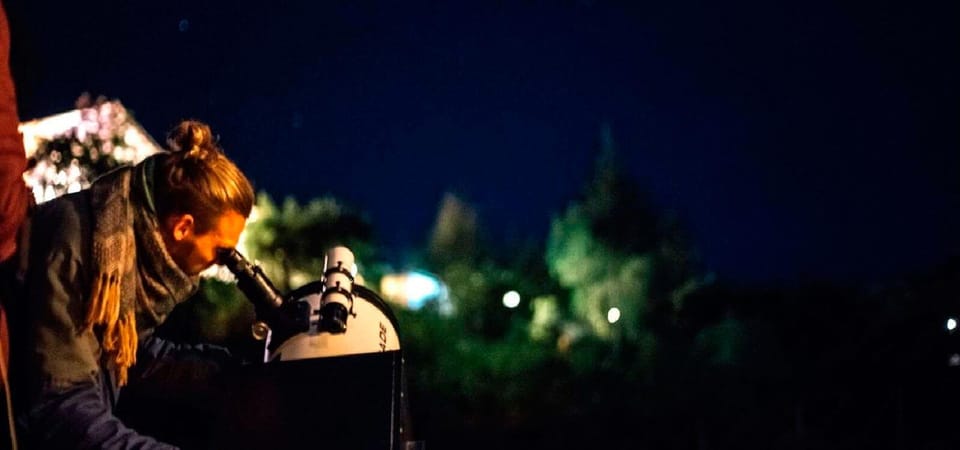
After the talk, you move to the planetarium dome for a virtual sky projection. This is where the tour does its best job of turning education into something you can follow step by step.
The dome projection shows you the constellations in a way that’s hard to replicate on your own. In the real sky, stars move fast and conditions vary. Indoors, the guide can pace the show so you’re learning in order instead of trying to guess what you’re seeing.
You’ll learn about the Inca constellations through the dome projection, which helps you understand what you were introduced to in the interpretation rooms. If you’re the type who likes to connect culture and science, this is the most satisfying moment of the tour. You get a guided translation from story and symbolism to recognizable patterns in the sky.
Also, the dome is a buffer from the cold. Even if you’re excited for outdoor stargazing, you’ll be grateful for the indoor pacing when the night air bites.
Telescope time and the short night walk: what weather changes
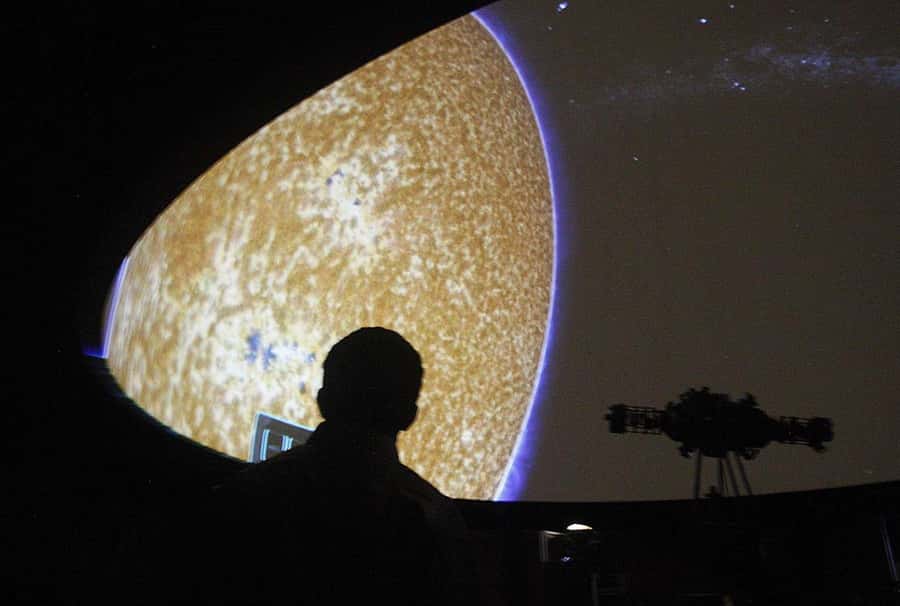
The tour includes telescope viewing using the professional telescopes at the Cusco Planetarium. This last activity is subject to weather conditions.
That single line is not small. In observatory work, clouds and haze can wipe out the viewing window. So even with the same program, one night can be crisp and clear while another might limit what you can see through the telescope.
There’s also a night walk element listed as a highlight. In practice, that usually means you’ll step outside as part of the stargazing sequence instead of staying parked indoors. It turns the viewing into an experience, not just equipment and instructions.
One tip from past participants: some groups are provided blankets for outdoor star gazing. Even if you get one, you should still plan for cool night conditions. Dress for layers, because you’ll be outside for telescope viewing as weather allows, and comfort helps you focus on what the guide is pointing out.
And one more straightforward rule: no alcohol and no drugs during the activity. This keeps the evening calm and safe, especially around telescopes.


Timing reality check: does 4 hours mean 4 hours?
The activity is listed as 4 hours, but your actual evening can feel shorter depending on how smoothly things run and how the sky behaves.
On paper, the timeline looks like this:
- Pickup at Plaza Regocijo between 5:30 and 6:00 PM
- Shuttle ride under 20 minutes
- Talk + dome projection
- Telescope viewing when weather permits
- Return to Plaza de Armas at about 8:00 PM
If your priority is telescope viewing, the practical takeaway is simple: don’t plan any tight dinner reservations right after the tour. Even if the schedule says 4 hours, the part you care about most—the telescope session—can expand or shrink with conditions.
If you want the best match, think of this as a guided evening astronomy lesson with a stargazing finale. The educational portion usually happens regardless; the telescope outcome is the variable.
How the small group format changes the vibe
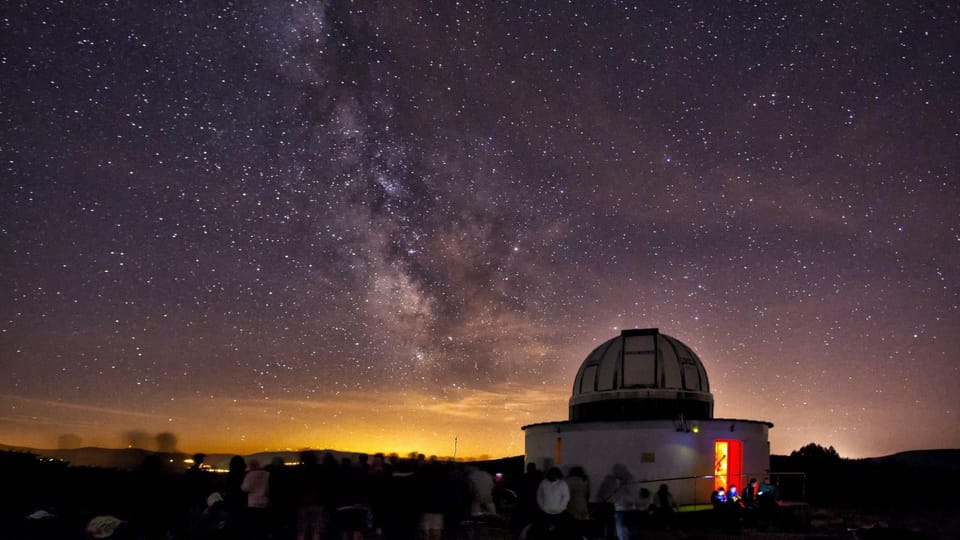
This is a small group tour, limited to 10 participants. That size is ideal for a stargazing setting.
With fewer people, the guide can:
- explain at a slower pace without leaving people behind
- point and answer without shouting over a crowd
- manage movement during the night walk and transitions
It also helps with the dome projection. If you’re squished into a large group, dome shows can turn into watching the back of someone’s head. Smaller groups keep the viewing and listening experience more comfortable.
If you’re traveling solo, this format is a nice middle ground: you get guidance and group energy, but you don’t feel swallowed by a big bus tour.
Value check: is the $39 price fair for this Cusco astronomy night?
At $39 per person, this excursion is priced like a focused, guided activity rather than a full-day excursion. The value depends on what you get out of it.
Here’s what’s included:
- pickup from your hotel
- tourist transportation (shuttle)
- entrance to the Planetarium of Cusco
- a live guide who speaks English and Spanish
Those inclusions matter in Cusco. Getting to and from an observatory at night is the kind of hassle you don’t want to add to your evening. Entrance fees plus transport plus a bilingual guide often make the total more reasonable than you’d expect for a “just watch stars” outing.
Where the value can dip is expectations. If you’re expecting hours of in-depth explanation focused on how Inca constellations were used in daily life or detailed ceremonies, you might want more than what fits into a compact evening program. If you go in wanting a guided intro to the Inca sky and a shot at telescope viewing, the tour feels like a good match—especially if the sky cooperates.
In other words: $39 feels fair when your night includes actual telescope time. If weather limits telescopes, the tour still has learning value, but it may feel like more of a planetarium-led lesson than a night-sky session.
Who should book this (and who might not love it)
This tour fits you best if:
- you’re curious about Inca astronomy and want it explained clearly
- you enjoy a guided “learn first, then look” structure
- you want an evening activity that gets you outdoors briefly and then back into comfort
It may feel less satisfying if:
- you need a long, multi-hour lecture format
- you strongly dislike weather-dependent activities
- you’re trying to pack multiple late-evening plans into the same two-hour window
It’s also a solid option if you’re staying in central Cusco and want a straightforward plan. The pickup and return to Plaza de Armas make the timing more predictable than trying to self-organize.
Small rules and practical things to know before you go
A few basics will help you have a smoother night:
- No alcohol or drugs during the activity
- Plan for outdoor time for telescope viewing when weather permits
- Arrive with time to settle in around the 5:30 to 6:00 PM pickup window
- Dress for cool night air since you’ll be outside for stargazing and a night walk
If you’re sensitive to cold, comfort is your friend. Astronomy asks you to stand still and watch. If you’re shivering, you’ll enjoy it less.
Also, since the guide speaks English and Spanish, you can go with confidence even if your Spanish is basic.
Should you book the Planetarium of Cusco excursion?
I’d recommend booking this excursion if you want a guided, culturally focused astronomy evening—especially if telescope viewing is on your wishlist. The combination of an Inca astronomy talk, dome sky projection, and professional telescope time (when conditions allow) creates a complete arc. That’s harder to achieve on your own.
I’d hold off if you’re only interested in a long, deeply detailed history lesson or you expect the telescope portion to be guaranteed every night. The sky is the boss here, not the calendar.
If you do book, go in with the right mindset: it’s a night program that trades all-day length for guided clarity and that star-at-the-end feeling.
FAQ
Where is the pickup point and what time does the tour start?
Pickup is at Plaza Regocijo between 5:30 and 6:00 PM.
How long is the excursion?
The duration is listed as 4 hours, and the group returns to Cusco’s Plaza de Armas around 8:00 PM.
What happens after we arrive at the Cusco Planetarium?
You get a talk on Inca astronomy in the interpretation rooms, followed by a virtual sky projection on the planetarium dome.
Are telescope views guaranteed?
Telescope viewing uses the Planetarium’s professional telescopes, but the final activity is subject to weather conditions.
What’s included in the $39 price?
The price includes hotel pickup, tourist transportation, guide services (English and Spanish), and entrance to the Planetarium of Cusco.
Is alcohol allowed during the tour?
No. Alcohol and drugs are not allowed during the activity.