REVIEW · CUSCO
Cusco: City Tour | Half-Day Tour to 4 Archaeological Sites
Book on GetYourGuide →Operated by www.iziperu.com · Bookable on GetYourGuide
Cusco hits you fast on this half-day loop. In about four hours, you get hotel pickup and a bilingual guide who ties together five Inca-and-colonial landmarks in and around the city.
Plan for one catch: entrance tickets (including Qoricancha) and the wider tourist ticket are not included, and site entry can be cash-only.
In This Review
- Quick hits before you go
- Why this half-day Cusco circuit works
- Starting downtown: the main square and the mix of worlds
- Qoricancha: Sun Temple engineering and Santo Domingo layers
- Sacsayhuamán: giant blocks, fortress angles, and Inti Raymi vibes
- Qenqo: ritual amphitheater and the shapes of belief
- Puca Pucara: terraces, walls, and a fortress that controlled access
- Tambomachay: water worship, leisure, and the idea of eternal youth
- Ticket costs and why the price still feels fair
- The pacing: how 4 hours usually plays out
- Guides: what makes the difference on this route
- Group dynamics: what to expect from a small tour day
- A few “do this, not that” pointers
- Who this tour suits best
- Should you book the Cusco City Tour to 4 Archaeological Sites?
- FAQ
- Is pickup from the hotel included?
- How long is the tour?
- Does the price include entrance tickets?
- What language is the guide?
- Are transport and a guide included?
- Is the Cathedral of Cusco included?
- Is there an express security check?
- What is the cancellation policy?
Quick hits before you go
- Hotel pickup from Cusco Centro Historico keeps you from hunting meeting points at altitude.
- Bilingual guiding (English and Spanish) means you get the same story in two languages.
- Five archaeology stops: Qoricancha, Sacsayhuamán, Qenqo, Puca Pucara, Tambomachay.
- Express security check helps you lose less time before entering sites.
- Transport included, so you’re walking what matters, not commuting all afternoon.
- Last stop is worth it for views and water features, so don’t skip Tambomachay.
Why this half-day Cusco circuit works
Cusco is one of those places where the past is everywhere, but it’s spread out. This tour’s real value is that it compresses the key sites into a tight loop: five archaeological parks inside and outside the imperial city. You’re not just checking boxes. You’re learning how the Incas designed space for religion, ceremony, defense, and water—then seeing colonial-era influence layered on top.
It’s also good timing. At four hours, it’s a smart way to get oriented fast, especially if you’re trying to protect your evening plans for dinner. And with pickup included, the tour starts the way you want a tour to start: with less hassle and more Cusco.
The biggest planning issue is money for entrances. The tour includes pickup, tourist transport, and a live bilingual guide, but it does not include the site tickets you’ll need at stops—especially Qoricancha.
You can also read our reviews of more city tours in Cusco
Starting downtown: the main square and the mix of worlds
You begin near the main square, the heart of Cusco’s old city. This matters because it frames what you’ll see next: Inca stonework and colonial-era architecture coexist here in the same urban scene. Even before you reach the first major ruin, you’re already in the “how did they build this?” zone.
Your guide’s job is to translate what you’re looking at. On this kind of route, that makes a difference. The stone blocks and cut-out shapes can look similar at first glance. The guide helps you notice the differences: ritual spaces versus military platforms, ceremonial routes versus water worship areas.
Qoricancha: Sun Temple engineering and Santo Domingo layers
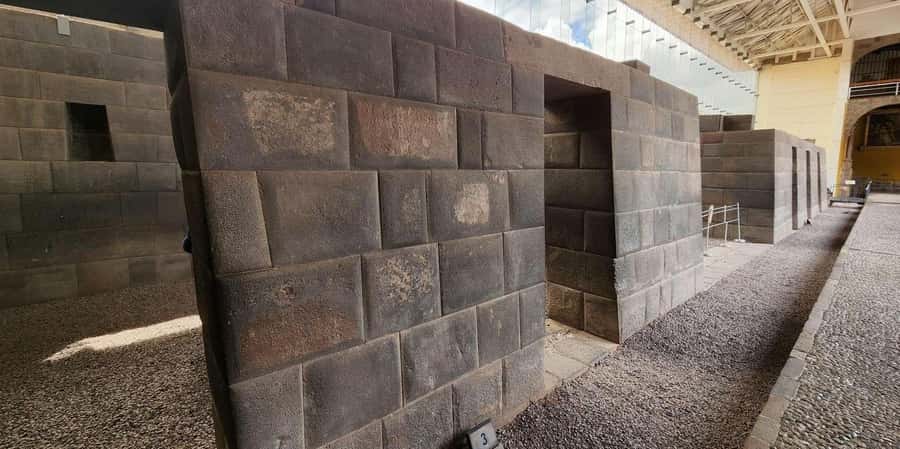
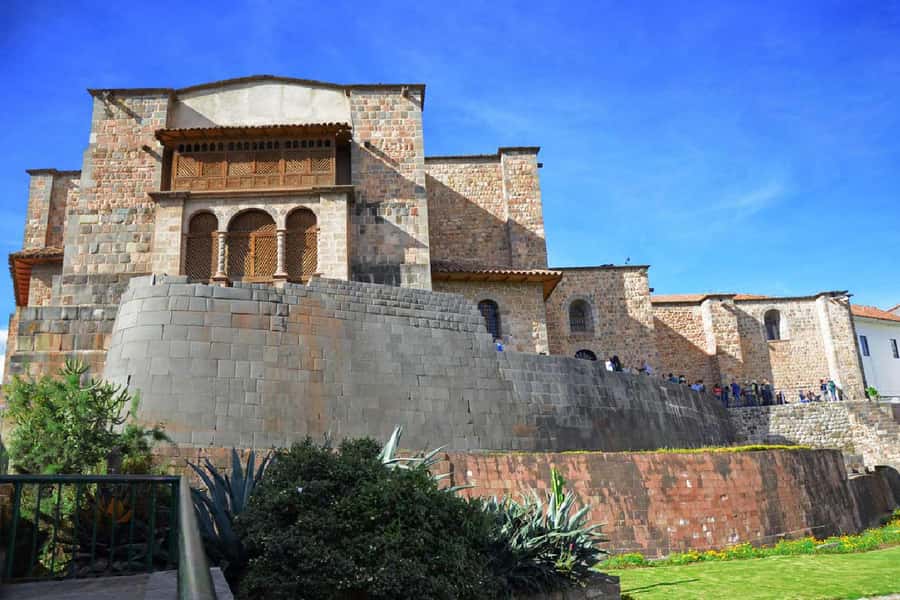
Qoricancha is the first major stop, and it’s a strong opener. It was the most important Sun Temple in Inca times, and in later colonial years it became known through the Temple of Santo Domingo connection. What you’ll love here is the contrast: high-precision Inca construction working like a foundation for later religious building.
Two things to look for:
- The engineering: the Incas were experts at building with massive stone fitted together so tightly that the design feels almost effortless.
- The interior paintings: the Cusquenian School works housed inside add a different kind of history—art as a visual record of how local style carried forward.
One practical note: Qoricancha entrance is not included. The price is listed as 20 soles, so have cash ready and don’t assume everything is covered.
Sacsayhuamán: giant blocks, fortress angles, and Inti Raymi vibes
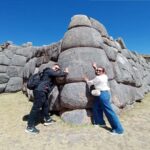
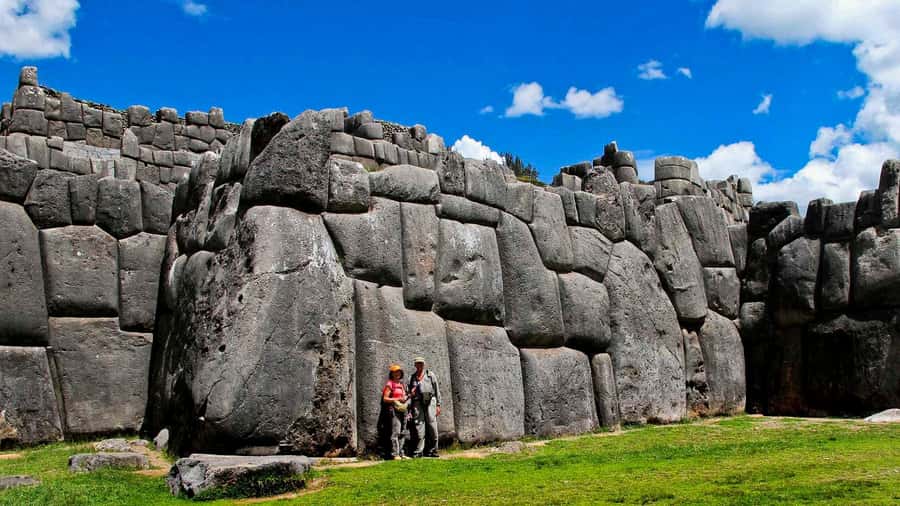
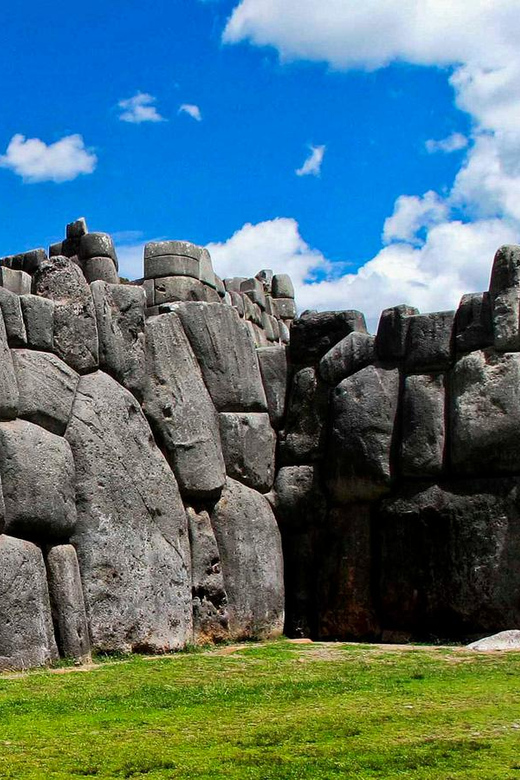
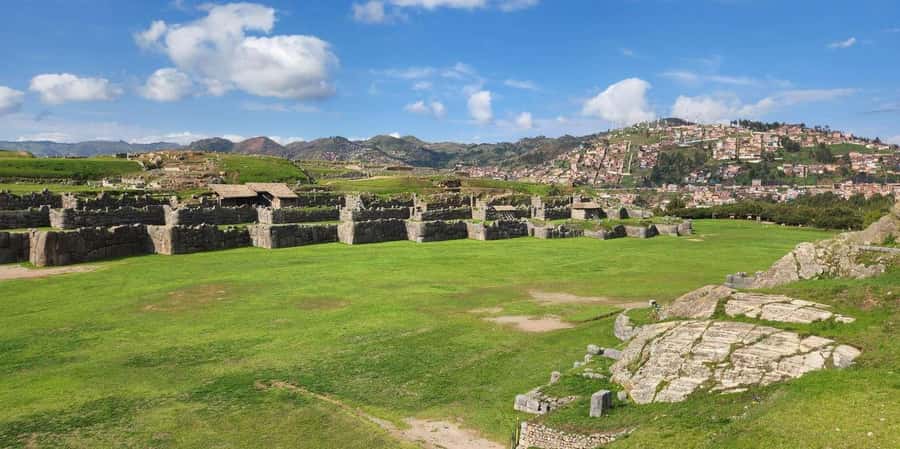
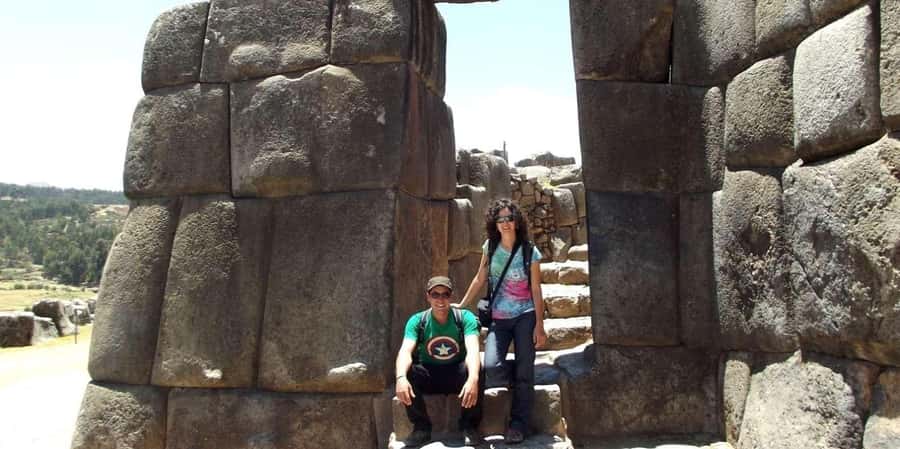
Sacsayhuamán is the fortress stop, and it’s famous for how it was built. The huge blocks of Inca architecture are sometimes described with surprising numbers: some rocks reach about 9 meters (30 ft) high and can weigh more than 350 tons. Seeing that scale in person does something to your brain. It turns questions like “why is it shaped like that?” into “how did they move and place that?”
This is also where you connect archaeology to living culture. Sacsayhuamán is linked to Inti Raymi (Party of the Sun), celebrated every June 24. Even if you’re not visiting during the festival, it helps to understand the site as a space meant for ceremonies tied to the sun and the calendar.
Watch your timing here. Some groups end up with less time near the end of a tour than they’d like, and Sacsayhuamán is one you don’t want rushed. The good news is that the tour is designed to move steadily so you still get meaningful time at each stop.
Qenqo: ritual amphitheater and the shapes of belief
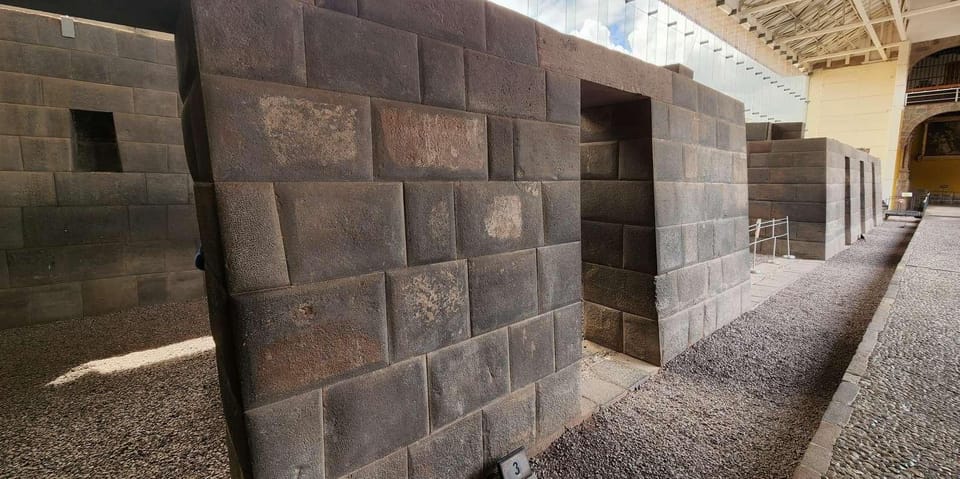
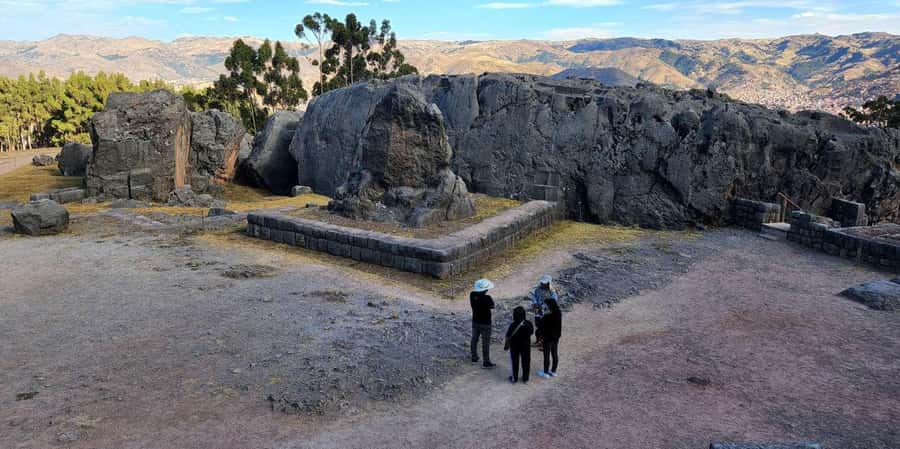
Next comes Qenqo, an Inca ceremonial and religious center that functioned like an amphitheater. The itinerary focus here is clear: Qenqo is tied to sacrifices in Inca times. That detail matters because it explains why the space feels like it’s meant for gatherings and focused attention, not wandering.
As you walk the labyrinthine paths, keep an eye on how the site is carved into the rocky ground. Qenqo’s design isn’t random. It’s functional drama: routes that guide you, open points that pull your gaze, and stone features that connect belief with the physical environment.
This is one of those stops where a guide’s storytelling can prevent “I saw rocks” from turning into “I saw why these rocks mattered.”
You can also read our reviews of more tours and experiences in Cusco
Puca Pucara: terraces, walls, and a fortress that controlled access
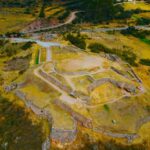
Puca Pucara shifts the tone. This was formerly an Inca surveillance post and an entry control area to the capital of the Inca state. In other words, it wasn’t just decorative. It was practical—designed to monitor, respond, and manage movement.
You’ll notice large terraces, stone steps, and walls. Those aren’t just for show. Terraces help with stability and movement across steep terrain, while walls and platforms create controlled sightlines and usable spaces.
If you like “how did they plan logistics with stone?” this stop is a winner. It’s a reminder that Inca architecture is not only spiritual. It’s also engineering for governance.
Tambomachay: water worship, leisure, and the idea of eternal youth
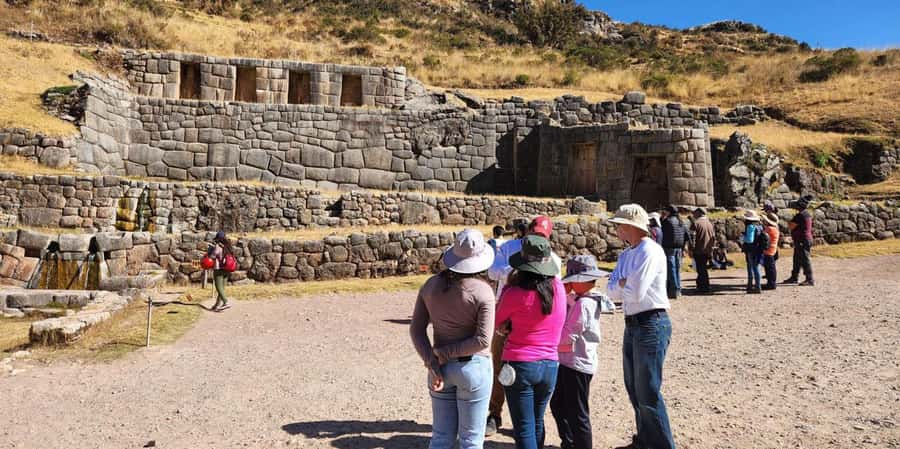
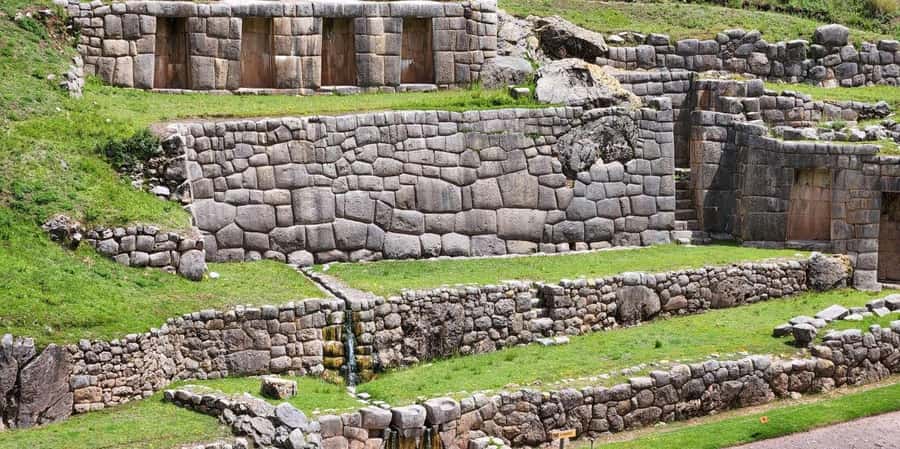
Tambomachay is the final major archaeology site, and it’s a different mood than the fortress stops. The focus here is water worship. The place is described as one where worship of water happened alongside leisure, and it’s also known as the waters of eternal youth.
What you’ll take away from Tambomachay is the way the Incas treated water as more than a resource. Here, water becomes part of ceremony and wellbeing, built into the design and flow of the site.
Some guides also spend extra time at this stop because it can pair well with photography and late-day light. One of the nicest “don’t miss this” moments in the day is the sense of returning to Cusco’s view as the tour wraps.
Ticket costs and why the price still feels fair
The listed price is $29 per person, which is the headline number. The value depends on what you pay on top of that.
What’s not included:
- Entrance ticket to Qoricancha: 20 soles
- A tourist ticket (S/70 to 120) for sites (or show a tourist ticket you already purchased)
- Optional Cathedral of Cusco visit
That means you should budget for the entrance layer. The good news is that the tourist ticket can work across multiple sites, and Qoricancha is a major one. If you’re already planning to see other Cusco area museums or ruins, the tourist ticket can feel like it “unlocks” more than one day’s worth of history—just make sure you purchase or show the correct ticket before you arrive at each stop.
Also note a real-world detail: entry payment can be cash-only at some sites. So keep some cash in small bills. It’s not the moment you want to run to an ATM while everyone waits.
The pacing: how 4 hours usually plays out
The tour is sold as a 4-hour half-day, and it’s designed to give you time at all five complexes plus transport between them. In practice, pacing can shift depending on:
- how quickly the group moves between sites
- how long you spend at each stop
- weather and light
You’ll hear about tours that run longer, and that can happen here. If your evening is tight, plan a buffer. I like this tour best when you treat it as your “get the main sights done” day, not as a way to squeeze in another major activity right after.
One small but meaningful plus: the tour includes an express security check, which helps you avoid that slow start that can derail a short itinerary.
Guides: what makes the difference on this route
This route lives and dies by interpretation. When the guide can explain what you’re seeing—why a stone wall curves, why a terrace is shaped a certain way—you end up remembering the tour. When they just point, you end up taking photos.
In the feedback you’ll see names like Luis, Maribel, Jonathan, and Louis/Louie mentioned for clear explanations and a friendly pace. A few notes that matter for your decision:
- Guides often run the bilingual explanation by switching between languages so both sides stay included.
- Some guides are also praised for keeping groups moving while still giving room to look around.
- If weather changes, a good guide may adjust the order or timing so you still reach the last sites.
There’s also one caution: bilingual tours can be a juggling act. If the group is split roughly by language and you’re one of the smaller-language participants, you’ll want your guide to make sure questions and explanations land for you too. This tour has bilingual guiding built in, so it’s usually handled, but it’s still worth trusting your instincts if you prefer one-language-only.
Group dynamics: what to expect from a small tour day
This is a short, multi-stop day, so the group moves like a group. You’ll do:
- scheduled pickups
- transport between sites
- a sequence of short guided looks
It’s not a slow, sit-in-a-café style tour. It’s built for momentum. That can be great if you’re excited to see multiple places in one go. It can feel rushed if you’re the type who likes long unstructured wandering at every stop.
Two tips that help:
- Wear layers. Cusco can feel cool, especially later in the day.
- Bring your patience for crowding. Sacsayhuamán and the big central stops can be busy on popular routes, so your best move is to take your photos, listen carefully, and then look for moments where you can step back and watch the site as a space.
A few “do this, not that” pointers
Here’s how you make this tour smoother from start to finish:
- Have your tourist ticket sorted ahead of time. One practical strategy people use is picking it up at the office near the main square area so you’re not scrambling during the day.
- Bring cash for entrance fees. Even if the tour covers the guide and transport, your entry payments may still require it.
- Don’t skip Tambomachay. It’s not the biggest fortress stop, but it’s often the most relaxing finale and a strong view moment.
- If you’re offered an optional add-on like the Cathedral of Cusco, decide quickly based on your ticket and time. It can change your pacing.
One more thing: a few people have flagged that some extra selling can slow things down. If you’re not interested in optional stops or purchases, keep your answers simple and stay focused on the archaeological sites.
Who this tour suits best
This tour is ideal if you:
- want a strong overview of Cusco’s key Inca sites in a single half-day
- like guided context that helps you read stone and layout
- prefer a set itinerary with hotel pickup and included transport
It’s also a good first-day activity. It gets you oriented geographically and historically fast, so later you can explore on your own with better bearings.
If you’re the kind of traveler who hates crowds and wants long, silent time at each ruin, you might feel more satisfied with a slower, less packed plan. But if you’re trying to balance see-it-all energy with real guidance, this tour hits the sweet spot.
Should you book the Cusco City Tour to 4 Archaeological Sites?
I’d book it if you want an efficient, guided sampler that hits the core Cusco archaeology without needing to arrange transport yourself. The value is strong for the included pickup, transport, and bilingual guide time, and the stop selection makes sense as a “religion, defense, ritual, water” storyline.
I’d think twice if:
- you don’t want to deal with separate entrance costs and possible cash-only entry
- your schedule is extremely tight right after (some days can run longer than the four-hour label)
- you dislike extra add-on pressure during a tour day
If you go in prepared—tickets sorted, cash ready, layers packed—you’ll get a satisfying snapshot of Cusco’s most famous Inca-era sites in one morning or afternoon.
FAQ
Is pickup from the hotel included?
Yes. Pickup is included from hotels in Cusco Centro Historico.
How long is the tour?
The tour duration is listed as 4 hours.
Does the price include entrance tickets?
No. Entrance to Qoricancha is listed separately (20 soles), and you’ll also need a tourist ticket (S/70 to 120) or show a ticket you already purchased.
What language is the guide?
The guide is bilingual, with English and Spanish.
Are transport and a guide included?
Yes. The tour includes tourist transport and a live bilingual guide.
Is the Cathedral of Cusco included?
It’s not included by default. A Cathedral visit is listed as optional.
Is there an express security check?
Yes. The tour notes an express security check to help you skip some waiting time.
What is the cancellation policy?
Free cancellation is available up to 24 hours in advance for a full refund.