REVIEW · CUSCO
From Cusco: Maras and Moray and Ollantaytambo Tour
Book on GetYourGuide →Operated by PVTravel · Bookable on GetYourGuide
Three Inca sites in one smooth morning. This Cusco Sacred Valley tour mixes practical stops with clear explanations, and I like that you get a private guide who keeps the day understandable instead of rushed. I also love seeing 3,000+ salt pools in Maras at Salineras, where the system is still active. The main thing to watch: entrance fees for the ruins are extra, so plan that cost ahead.
You’ll start with hotel pickup in Cusco and travel by private vehicle through the Urubamba River area toward Ollantaytambo. You’ll spend about 40 minutes at each of Maras and Moray, then about 1 hour at Ollantaytambo, finishing in the afternoon with a drop-off in Ollantaytambo (or possibly Cusco depending on your exact schedule—confirm the end point when you book).
In This Review
- Key highlights worth your time
- How this 6-hour Sacred Valley route works from Cusco
- Moray’s circular terraces: Inca engineering you can see
- Maras village stop: a Colonial setting right beside Inca work
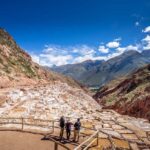
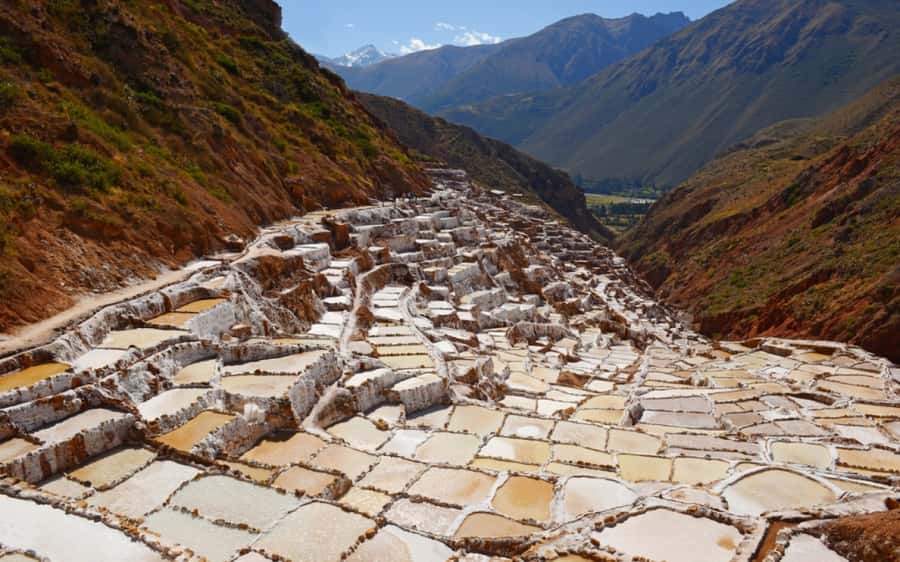
- Salineras Salt Mine: 3,000+ ponds and a working system
- Ollantaytambo ruins: the Inca stronghold vibe in one hour
- Price and what you actually get for about $144
- What to bring and how to keep the day easy
- Should you book this Cusco Maras Moray and Ollantaytambo tour?
- FAQ
- How long is the tour from Cusco?
- What stops are included on the itinerary?
- Are hotel pickup and transportation included?
- Is the Salt Mine entrance fee included?
- Do I need to pay entrance fees at Ollantaytambo ruins?
- Is this tour suitable for people with mobility impairments?
Key highlights worth your time
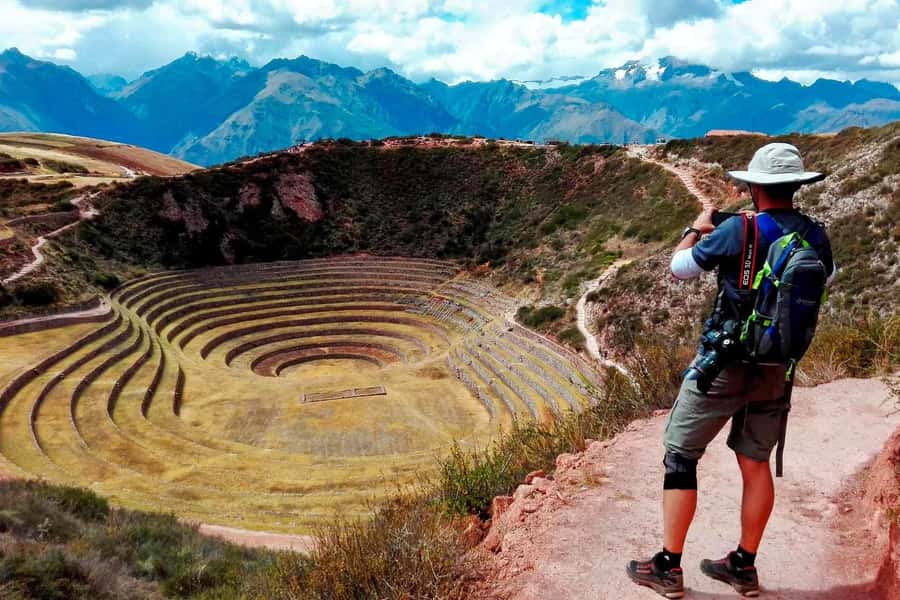
- Moray’s circular terraces explained clearly by a guide (including the irrigation system).
- Salineras Salt Mine views that you can actually count: 3,000+ evaporation pools.
- Private pacing: the visit is guided in English or Spanish and tailored to your questions.
- Ollantaytambo ruins in one focused hour—enough time to understand the place without dragging your feet.
- Convenience matters: hotel pickup in Cusco and private transportation throughout.
- Good value if you have the right ticket plan for the separate ruins entrance.
How this 6-hour Sacred Valley route works from Cusco
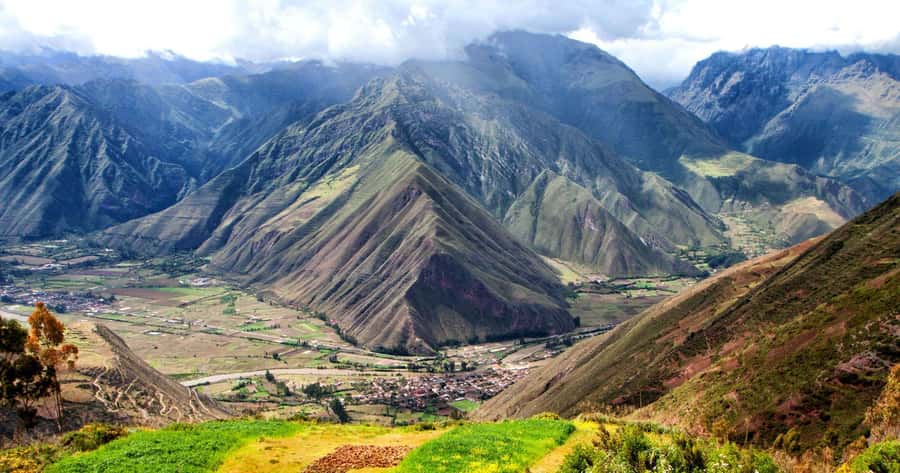
This is a tight, well-structured half-day format. You’re picked up from your hotel in Cusco in the morning, then driven between three major stops in the Sacred Valley region. The total duration is 6 hours, and the timing is built around short guided visits: 40 minutes each at Maras and Moray, plus about 1 hour at Ollantaytambo.
The practical upside of this kind of schedule: it’s easier on your altitude stamina. You’re not trying to do a full day of walking and long gaps on the bus. The trade-off: you’ll want to pay attention in those guided windows, because you won’t have much time to wander off on your own.
One logistics detail you should confirm: the provided plan describes returning to Cusco in one place, but it also states you’ll be dropped at your hotel or train station in Ollantaytambo in the afternoon. When I’m booking, I always check the final drop-off point twice—especially if you’re connecting to a train later.
You can also read our reviews of more tours and experiences in Cusco.

Moray’s circular terraces: Inca engineering you can see
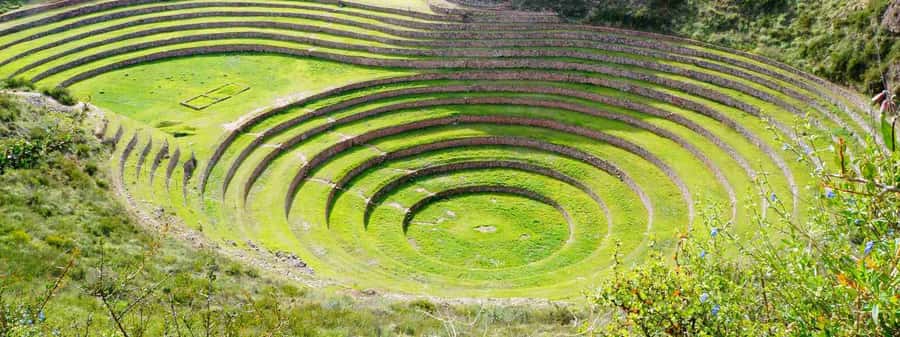
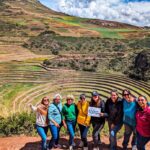
Moray is the kind of place that rewards good guidance. You’ll get a guided visit for about 40 minutes, and the star feature is the layout: several circular terraces built by the Incas.
What I like here is that it’s not just architecture for architecture’s sake. The tour is set up to explain what the terraces were for and how the irrigation system ties it all together. Even if you’ve read about Moray before, seeing it in person makes the design feel real—like someone already planned the water flow before the first stone was laid.
A quick consideration: Moray isn’t described as a flat stroll. You’ll want hiking shoes and a steady pace, especially if the ground is uneven. The good news is the visit is short and guided, so you’re less likely to feel stuck when you’re tired.
If you’re someone who enjoys “how did they do that?” sites, Moray is often the stop that clicks fastest. The circles make it visually memorable, and the irrigation explanation gives the place meaning.
Maras village stop: a Colonial setting right beside Inca work
After Moray, you continue to the colonial village of Maras. Your guided visit there is also about 40 minutes, and it’s a useful transition. Moray can feel very technical and Inca-focused, while Maras adds a human scale: a lived-in village atmosphere paired with the bigger Salt Valley system next door.
This part of the day is practical. Even if you only spend a short time in the village, you’re using the stop to break up the drive and reset your expectations before the salt ponds. You’re not just going from one viewpoint to another—you’re moving from “Inca terrace engineering” to “Inca-era resource extraction that still works.”
What to watch for: don’t treat the village time like free roaming. The clock is tight. Ask your guide what you’re seeing and where your best photo angles are before you walk off.
Salineras Salt Mine: 3,000+ ponds and a working system
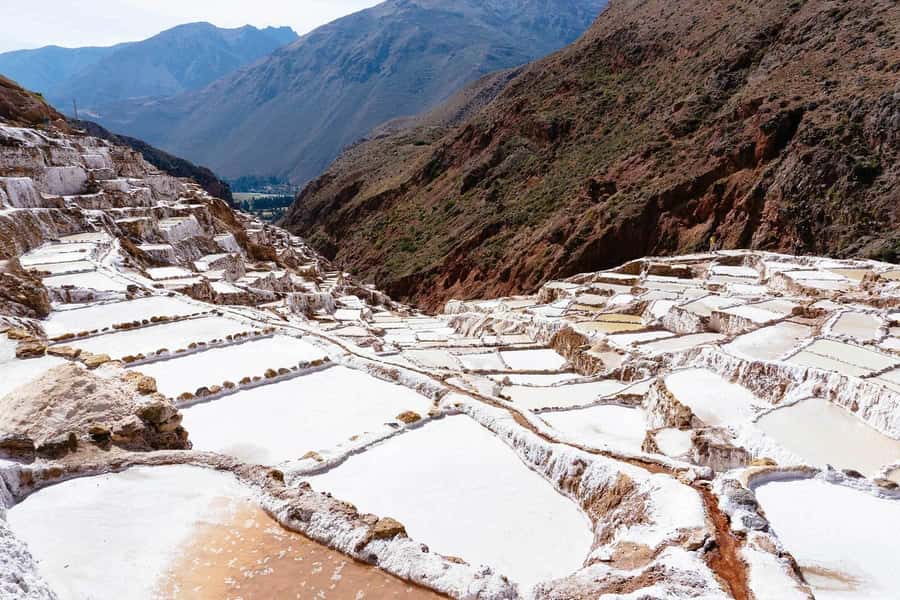
Then comes the headline stop: Salineras Salt Mine (Salineras / Salineras Salt Pools). The tour includes the salt mines entrance fee, so you’re not scrambling for tickets at the gate.
Here’s the scale that makes this worth it: the complex has over 3,000 salt evaporation pools, and it’s still in use today. Standing near those ponds, the engineering becomes easier to understand because you can visually trace the logic of water channels and drying areas. It’s not only a historical site. It’s an active landscape of work.
I also like that the tour doesn’t overcomplicate it. You get the big picture: you’re visiting the salt evaporation ponds and seeing the vastness of the complex. For many people, that’s the “aha.” You’re not stuck reading labels; you’re looking at a system that produces something.
Practical tip: wear warm clothing, even in daylight. The salt area can feel cooler than you expect, and the tour includes outdoor walking time. Bring cash too—you may need it for other on-the-ground costs depending on your overall ticket plan.
Ollantaytambo ruins: the Inca stronghold vibe in one hour

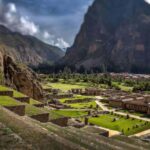
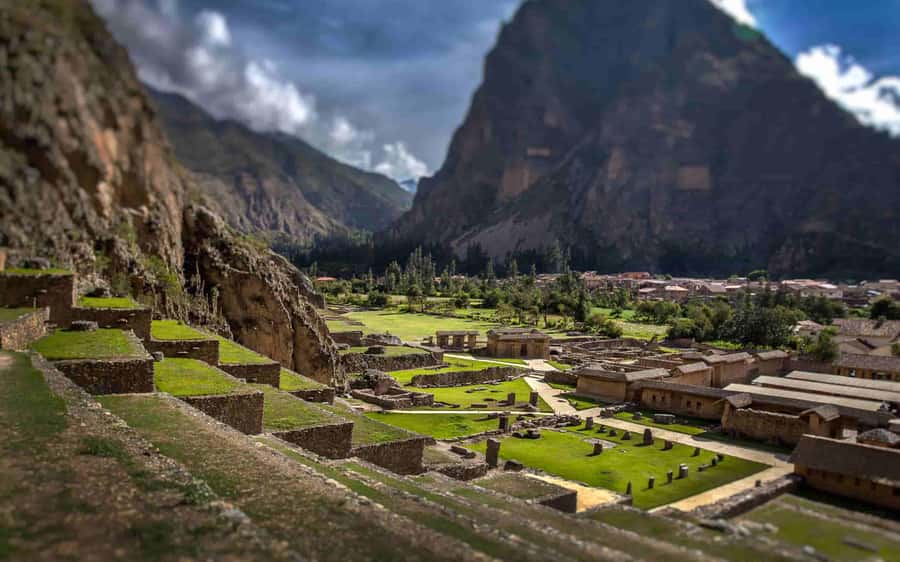
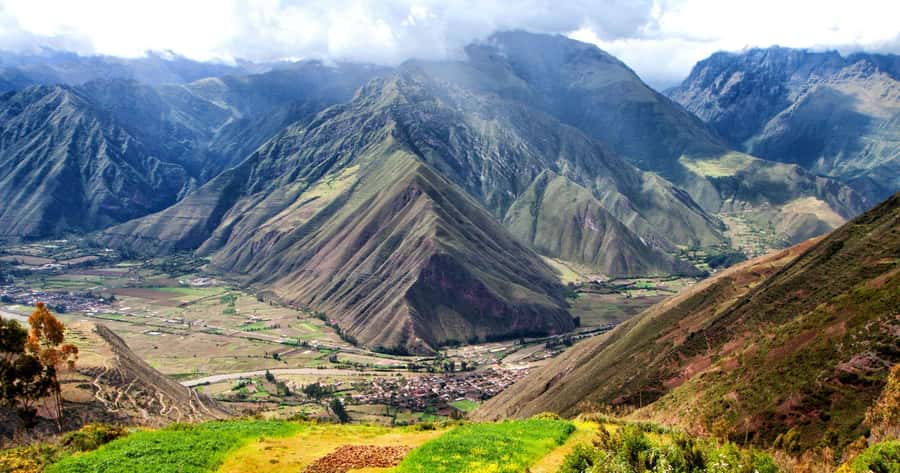
On the way to Ollantaytambo, you drive along the Urubamba River toward the town. When you arrive, you get a guided visit for about 1 hour at the ruins—an important area of Incan construction from the height of the Inca era.
Ollantaytambo is a good match for this specific tour format. It’s a dramatic place to look at, but it can also be a time sink if you try to “do it all.” One guided hour helps you get the essentials: where to stand, what building features matter, and how the site fits into the story of Inca power and settlement.
Drawback to keep in mind: entrance fees to the ruins are not included in the tour price. The info you have states the ruins entrance costs S/70.00 per person. If you already plan to use a Tourist Ticket, the listing notes it may cover the ruins entrance, but the safest move is to bring either the ticket or the cash so your day doesn’t stall.

Price and what you actually get for about $144

At $144 per person for a 6-hour private tour, you’re paying mostly for three things: convenience, guidance, and transport. The included items are straightforward:
- Hotel pickup in Cusco
- Private transportation
- Private guide in English or Spanish
- Salt mines entrance fee
- Drop-off in Ollantaytambo (hotel or train station)
You’re not paying extra for guide time across multiple stops, and you’re not relying on a crowded shared shuttle. In places like the Sacred Valley, that can be a real quality-of-life upgrade.
What’s not included:
- Meals
- Ruins entrance fee (not included; listed cost is S/70.00 per person, and it may be covered if you have the Tourist Ticket)
So the value equation is simple: if you’re prepared for the separate ruins entrance, the price feels fair for a private, guided day with multiple “anchor” sites. If you aren’t, it can feel slightly pricier than it first appears—because your additional costs aren’t tiny.
If you’re traveling as a pair or small group and you want a guide who can answer questions on the spot, private value usually improves fast.
What to bring and how to keep the day easy
This tour is short, but it’s still outdoors and involves uneven ground. Based on the provided guidance, pack:
- Warm clothing (especially for morning-to-afternoon temperature shifts)
- Hiking shoes (the salt area and ruins can be slippery or rough)
- Cash (handy for entrance/extra on-the-ground costs)
Also, mentally plan for one guided hour that may include stairs or uneven stone at Ollantaytambo. It’s not presented as a high-accessibility route. The activity is explicitly listed as not suitable for people with mobility impairments, so if that’s relevant for you, it’s better to pick a different format.
If you get motion sick, note that you’ll be doing multiple drives between Cusco and the Sacred Valley sites. This is a private vehicle, which can feel smoother than group tours, but it’s still a road day.
Should you book this Cusco Maras Moray and Ollantaytambo tour?
Book it if you want a high-impact Sacred Valley day without turning it into a 10-hour grind. Moray and Salineras are visual and memorable, and the guided format helps you understand what you’re looking at—especially the terraces and irrigation system at Moray.
I’d think twice if:
- You’re trying to avoid any extra entrance costs (ruins entrance is separate at S/70.00 per person).
- You have limited mobility, since the tour is not suitable for mobility impairments.
- You need a super long free-roaming window at each site. This is a guided, timed route.
One more practical check: confirm your final drop-off (Ollantaytambo vs Cusco). If you’re connecting to a train, that detail matters more than people think.
Overall, if your goal is to see Moray’s terrace engineering, witness Salineras’ active 3,000+ salt pools, and understand Ollantaytambo with a guide—all in one morning/afternoon—this is a sensible, good-value choice.
FAQ

How long is the tour from Cusco?
The duration is 6 hours.
What stops are included on the itinerary?
You’ll visit Maras, Moray, and Ollantaytambo, with guided sightseeing at each stop.
Are hotel pickup and transportation included?
Yes. You get hotel pickup in Cusco and private transportation for the day.
Is the Salt Mine entrance fee included?
Yes. The salt mines entrance fee is included.
Do I need to pay entrance fees at Ollantaytambo ruins?
Yes. The tour notes that entrance to ruins is not included and costs S/70.00 per person. It also says entrance may be included on a Tourist Ticket.
Is this tour suitable for people with mobility impairments?
No. It is listed as not suitable for people with mobility impairments.