REVIEW · CUSCO
From Cusco: 2-Night Lake Titicaca Excursion
Book on GetYourGuide →Operated by Peru Hop · Bookable on GetYourGuide
Two nights away, one lake that feels endless. This Lake Titicaca excursion strings together the Uros floating reed islands and a guided stay with local hosts on Amantani. You get high-altitude boat time, real community context, and enough downtime in Puno to reset your legs.
I also like how practical the whole plan is: you’re not just dropped off for photos. You’ve got bilingual guidance, a proper boat schedule, and a lunch stop in Llachon that helps break up the day.
One thing to keep in mind: the floating-island experience can feel more staged than you expect, especially around the parts that are set up for visitors and shopping. If you care most about seeing daily life, ask your guide what you’ll be able to observe before you commit your attention.
In This Review
- Key points to know before you go
- Overnight Peru Hop travel: the start that sets the pace
- Uros Floating Islands: impressive reeds, but manage expectations
- Cruising toward Amantani: the lake time is the real payoff
- Amantani Island guided community tour: culture with a schedule
- Llachon Peninsula: lunch, village rhythms, and breathing room
- Puno in the evening: use the gaps, don’t chase them
- Price and value: what $86 really covers (and what to budget)
- Comfort, cleanliness, and what to pack
- Weather changes: why your lake day can shift
- Who this tour suits best
- Should you book this Lake Titicaca 2-night excursion?
- FAQ
- How long is the Lake Titicaca excursion from Cusco?
- Where do I meet for the tour in Cusco?
- What time does the bus depart Cusco for Puno?
- When do you arrive in Puno?
- What’s included in the price?
- What meals are not included?
- Is there onboard Wi-Fi?
- Is luggage storage available?
- Can the itinerary change due to weather?
Key points to know before you go
- Two overnight buses make it efficient: you spend less time transferring during the day and more time on the lake.
- Guided Uros Islands with entry included: you won’t be figuring out what to look at on your own.
- Amantani is the cultural anchor: the itinerary focuses on traditional history, lifestyle, and community life with a guide.
- Llachon Peninsula lunch is built in: you get a shore-side meal and some free time right after.
- Plan for extra cash: purchases and small add-ons can pop up during village stops.
- Comfort gaps exist: the partner hostel stop includes luggage storage and you may want wipes for facilities.
Overnight Peru Hop travel: the start that sets the pace

This experience is sold as a 3-day trip, but it’s really a one-day lake program wrapped in two overnight bus rides. That trade-off is smart if you hate daytime travel and want to wake up already near Lake Titicaca. It’s also tiring in a very specific way: you’ll want to treat your first night as part of the itinerary, not a bonus.
You meet at the Hop private bus terminal at Industrial 252, then you board the overnight bus from Cusco toward Puno at 9:30 pm. The bus terminal address is listed as Alameda Pachacutec 499B, so when you check in, confirm you’re at the right pickup point for your departure. If you’re wondering about comfort, the big win here is that Peru Hop includes high-speed onboard Wi‑Fi, but only if you’re using their bus.
When you arrive in Puno, it’s early—around 5:30 am. You transfer to a partner hostel where you can store your luggage for free, then you’re off to your boat portion. This matters because many Cusco-to-lake trips make you wait with your bags; here, you get a structured reset before the day starts.
You can also read our reviews of more evening experiences in Cusco



Uros Floating Islands: impressive reeds, but manage expectations

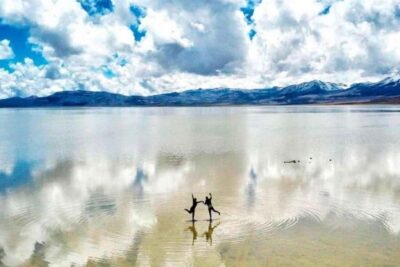
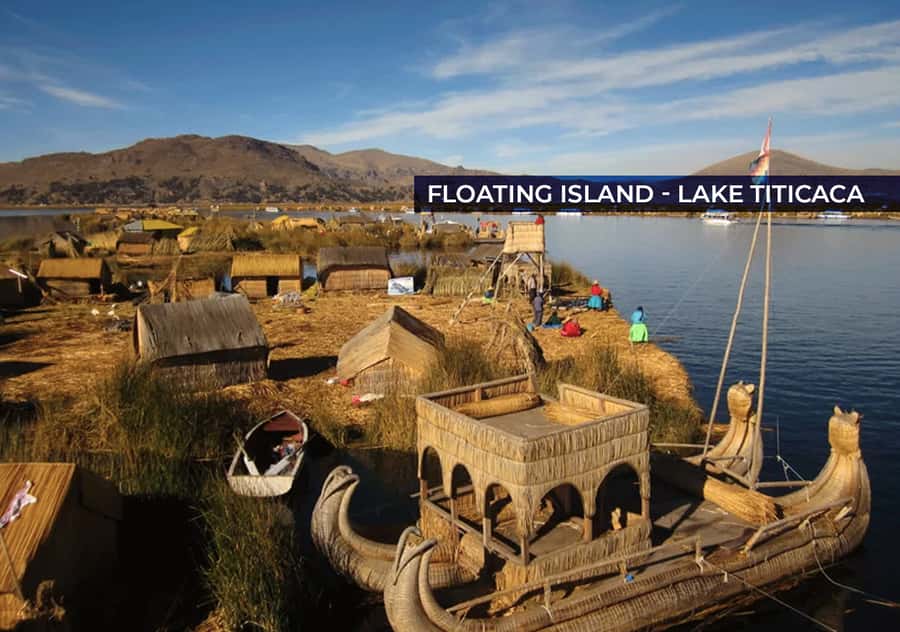
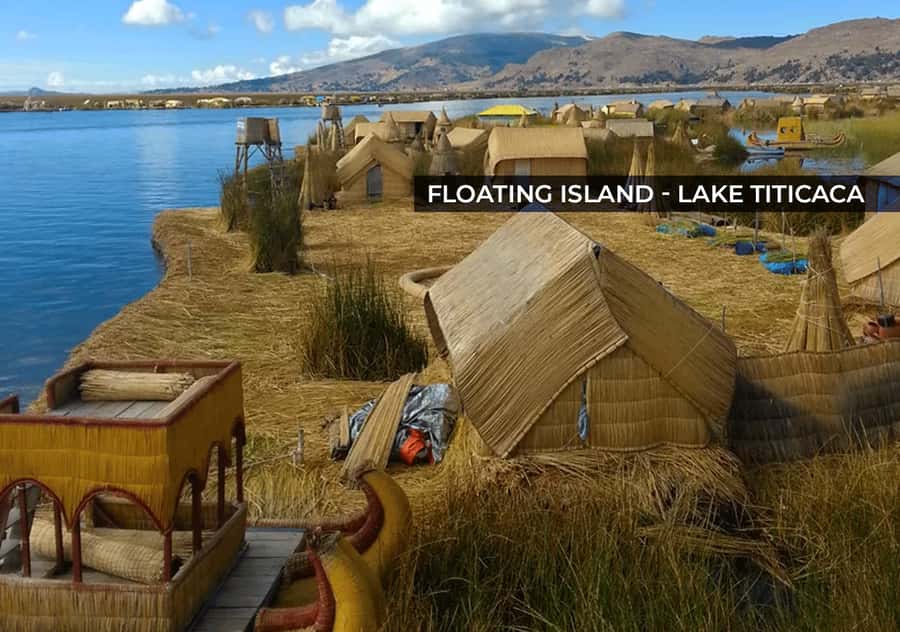
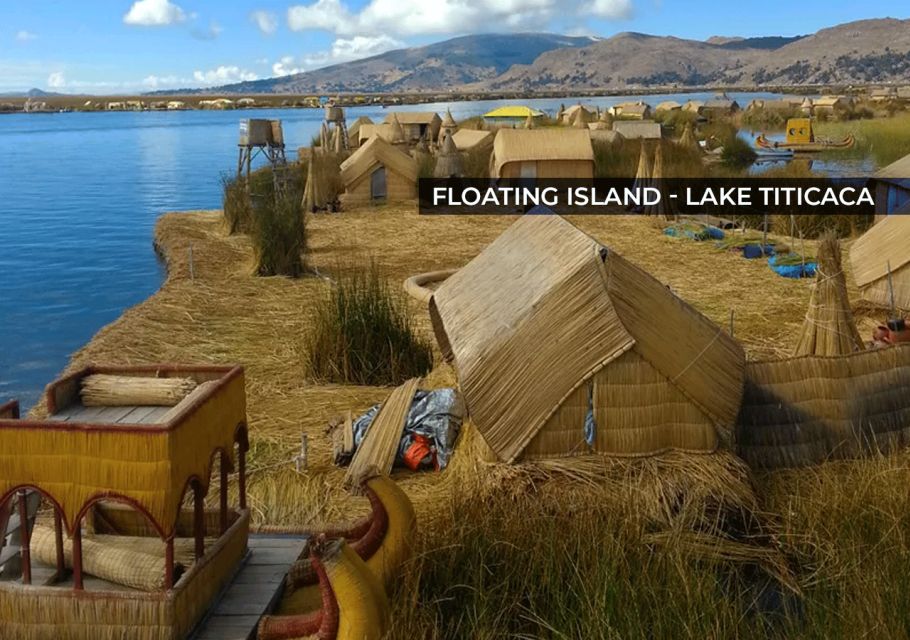
The Uros Islands are the headline for a reason. You’re going to see man-made islands made of reeds, and the guide tour is meant to give you context on how the system works. You’ll also get the kind of setting that makes Lake Titicaca feel big—wide water, low angles of light, and shorelines that look like they go on forever.
Your itinerary includes entry ticket to the Uros Floating Islands and a guided tour. That’s a genuine value point because floating reed construction isn’t something you can fully understand just from a quick look. A guide helps you connect what you’re seeing to how communities live around the lake environment.
Now, the caution. One of the most useful lessons from actual experiences is that the Uros visit may not match your dream of meeting lots of residents in depth. In some cases, the route can lean toward smaller islands and quick stops, with more time spent in visitor-facing areas. In other words: expect to learn, take photos, and see the reed engineering—just don’t assume it will feel like an open-ended cultural hangout with every part of the Uros world.
If your top priority is authentic everyday life, I’d do two things:
- Ask your guide what portion is demonstration vs. daily routine.
- Stay curious, but don’t let the shopping moments swallow your whole attention.
Also, bring a little cash mindset. Some expenses can pop up across the day, even when the core tour is included.
Cruising toward Amantani: the lake time is the real payoff

After Uros, you’ll cruise across the lake toward Amantani Island, described as remote in the itinerary. This is the pivot from tourist-busy to lake-wide quiet. Even if the schedule feels intense, the boat leg is where your brain starts to slow down.
The wording in the plan matters: you’re taking a guided route to a place that isn’t right next to the main tourist hubs. That means less feeling like a checklist and more feeling like travel. You’ll see shore views, changing light, and the way the lake shapes movement in the region.
Cruises on Lake Titicaca also tend to come with practical reminders: dress for cool air, even if Cusco feels mild for you. The tour data doesn’t list weather gear specifics, so think in layers—something you can pull on when the breeze hits.
Amantani Island guided community tour: culture with a schedule
On Amantani, you get a guided tour focused on traditional history, lifestyle, and island culture. This is the heart of what you booked, and it’s also the part that can feel the most meaningful when it’s handled well. You’re not just seeing a view; you’re getting explanations tied to how people live on an island with limited resources and a distinct rhythm.
From a value perspective, this stop is included with entry ticket to Amantani Island plus the bilingual guide. That’s important because the most rewarding part of these visits is the interpretation—what things are called, why routines look the way they do, and how locals understand their environment. A guide helps you avoid the common trap of treating the island like a backdrop.
The experience can still feel structured. That’s normal for guided island tours. But if you go in ready to learn and ask simple questions, the time tends to feel worth it.
One more practical note: the day is long. Even with guidance, you may want to pace yourself—take breaks when you can, and don’t treat every moment like it must be a photo moment. Lake days can be mentally efficient but physically draining, especially at altitude.
Llachon Peninsula: lunch, village rhythms, and breathing room
Around 12:30 pm, you take the boat to the Llachon Peninsula. Then you get lunch in a shore-side village, which is included. This meal stop is more than convenience: it’s one of your few guaranteed windows to eat without scrambling.
After lunch, the itinerary mentions witnessing seasonal activities of the rural community and then offering free time in one of Lake Titicaca’s picturesque hideaways. Free time is underrated on tours like this. It gives you space to watch how life continues when the guide is offstage.
This is also where you should set your expectation for pacing. One set of experiences points out that there can be waiting time at the hostel after the tour ends, meaning the day doesn’t always feel perfectly packed with activities. That doesn’t mean the trip is poorly run—it just means you’ll benefit from having a few “quiet plans” ready, like reading, offline music, or snacks.




Puno in the evening: use the gaps, don’t chase them
After Llachon, you’ll head back to Puno and have some free time. You can explore the city on your own or go for dinner at one of the many restaurants. Then you board the overnight bus back to Cusco at 9:30 pm, departing from the partner hostel.
This structure makes sense: it gives you a chance to eat well and reset your energy before the second overnight bus. But it also means you’re making quick choices. If you arrive in Puno already hungry and a bit cold, you’ll enjoy the flexibility—just don’t cram too many stops in one night.
A practical tip from real-world experience: keep your bag organized. You may be bouncing from hostel to boat to hostel again in a short window, and it’s easy to forget simple items like water or a layer when you’re moving quickly.
Price and value: what $86 really covers (and what to budget)
At $86 per person for a 3-day package, you’re paying for a bundled set of transport and entry fees. Included items are the big cost savers: guided transport from Cusco to Puno, boat transportation, bilingual guide support, entry tickets for Uros and Amantani, and lunch on the Llachon Peninsula.
That’s the value side. The not-included side is also clear: breakfast and dinner in Puno aren’t covered. Plus, real life happens. Several experiences highlight the need to carry extra cash, because you can encounter additional costs in village settings and for optional purchases.
So think of the budget in two layers:
- The tour price handles the main logistics.
- Your spending money handles the personal extras—snacks, small purchases, and anything optional during stops.
Also, consider what you’re trading for the price. You’re using overnight buses, which can be cheaper than day transfers but less comfortable. If you’re someone who gets grumpy when sleep is imperfect, you might want to budget for better onboard sleep (eye mask, earplugs). If you’re flexible, this itinerary is a strong way to see the lake without losing a full week.
Comfort, cleanliness, and what to pack

You’ll probably be fine if you pack like you’re doing a mini road trip plus a boat day. The itinerary’s “what to bring” list is simple: passport or ID card, snacks, water, and cash.
I’d add a few practical extras based on what tends to matter in this kind of schedule:
- A light layer for boat wind and early-morning chill.
- Wet wipes or tissue. Some hostel facilities can be hit-or-miss for cleanliness, especially right when you arrive early.
- A small snack backup. Even with lunch included, hunger doesn’t always hit on schedule.
- A reusable water bottle. The day starts early and involves multiple transfers.
And don’t ignore altitude basics. You’ll start your time around Puno, and Lake Titicaca visits generally mean you’re at elevation. Slow down on the first boat leg, hydrate, and don’t treat every uphill stretch like a fitness challenge.
Weather changes: why your lake day can shift
The tour plan is subject to variation without notice due to weather issues like rain, mudslides, or overflows, along with strikes or demonstrations. This is the reality of traveling in Peru’s regions outside fixed, indoor attractions.
What you can control is your mindset. If rain hits, the itinerary could change. If that happens, you’ll be happier if you treat it as a route adjustment rather than a failed plan. Keep your day flexible, and stay ready to follow your guide’s instructions fast.
Who this tour suits best
This excursion fits well if you:
- Want an efficient Lake Titicaca experience from Cusco without day-after-day transfers.
- Like guided structure but still appreciate free time in Puno and Llachon.
- Enjoy cultural context more than just scenery.
It may not be a good fit if you:
- Need step-free access. The tour isn’t suitable for wheelchair users.
- Are pregnant, or traveling with children under 4, based on the stated limitations.
- Get overwhelmed by a busy schedule that includes two overnight bus rides.
Should you book this Lake Titicaca 2-night excursion?
I’d book it if you want a guided taste of Titicaca that includes Uros + Amantani + Llachon lunch, with transport handled end-to-end. The $86 price works when you value the included boats, entry fees, and bilingual guidance—especially if you’d otherwise have to piece it together yourself.
I’d think twice if your top goal is deep, long human interaction at Uros. Some visits can feel more curated and shopping-forward than you hope, and you might not get as much face-to-face immersion as you imagined. If that’s your priority, ask detailed questions before you go.
If you do book: bring cash, pack a layer and water, and go in ready to learn. When the itinerary clicks, this is exactly the kind of lake trip that makes Peru feel bigger than any one city.
FAQ
How long is the Lake Titicaca excursion from Cusco?
The tour duration is 3 days.
Where do I meet for the tour in Cusco?
You meet in the Hop private bus terminal at Industrial 252.
What time does the bus depart Cusco for Puno?
The bus departs from Cusco at 9:30 pm.
When do you arrive in Puno?
You arrive around 5:30 am.
What’s included in the price?
The package includes guided transportation from Cusco to Puno, boat transportation, bilingual Spanish and English-speaking guide, entry tickets to Uros Floating Islands and Amantani Island, and lunch in Llachon Peninsula. It also includes high-speed onboard Wi‑Fi on the Peru Hop bus.
What meals are not included?
Breakfast and dinner in Puno are not included.
Is there onboard Wi-Fi?
Yes, high-speed onboard Wi‑Fi is included, but only available through Peru Hop.
Is luggage storage available?
There is a hostel stop in Puno where you can store your luggage for free. There is also mention of paying to shower.
Can the itinerary change due to weather?
Yes. The tour is subject to variation without prior notice due to weather issues such as rain, mudslides, or overflows, along with strikes or demonstrations.