REVIEW · CUSCO
From Cusco: Half-Day Zip Line Adventure
Book on GetYourGuide →Operated by PVTravel · Bookable on GetYourGuide
Four cables. One big rush.
If you want adrenaline with real Andean scenery, this Cusco zip line is a strong pick. I like how the course builds in stages: the first run is slow and confidence-friendly, then speeds up for that full flying feeling. I also like the sightlines, with views toward Chinchero, the Pj’acchayoc canyon, and the Sacred Valley toward snowy Chicón and Pitusiray. The main drawback is that it’s not a relaxed activity, so it’s not suitable if you have heart problems or you’re pregnant.
Logistics are straightforward. You’re picked up in Cusco, driven for about 50 minutes to the Racchi area, then you spend roughly 1 hour 30 minutes on the lines before heading back and getting dropped off at Plaza Regocijo. The small group size (up to 10 people) helps you move through the experience without feeling like you’re in a cattle chute, and the guide speaks English or Spanish.
In This Review
- Quick hits before you go
- Flying from Cusco to Racchi in about 3 hours total
- Entering the Racchi launch area and reading the views
- How the four cables work: a build-up from confidence to full speed
- Cable 1: soft, slow, confidence first
- Cable 2: faster for the real flying sensation
- Cable 3: longer for movement and extreme positions
- Cable 4: deepest run with the best canyon views
- Price and value: what $85 buys you (and what it doesn’t)
- What to wear and safety rules you should take seriously
- Group size and guiding: why it feels smoother with a small cap
- Where you end: Plaza Regocijo makes the return easy
- Who this zip line is best for
- Should you book this Cusco half-day zip line?
- FAQ
- How long is the zip line experience?
- Where does pickup happen?
- How many zip lines are included?
- What’s included in the price?
- What is not included?
- What is the maximum group size?
- Are there clothing or footwear restrictions?
- Who should not take the tour?
Quick hits before you go
- Four cable runs, different speeds: start gentle, then go faster, then get longer and more extreme.
- Up to 600 m longest line plus a deepest run described as 2000 meters, with major canyon views.
- Scenic route above Racchi and the Sacred Valley, with mountain views toward Chicón and Pitusiray.
- Pickup and drop-off in Cusco included, with return drop-off at Plaza Regocijo.
- Small group capped at 10 participants, plus an English/Spanish guide and a first aid kit.
Flying from Cusco to Racchi in about 3 hours total
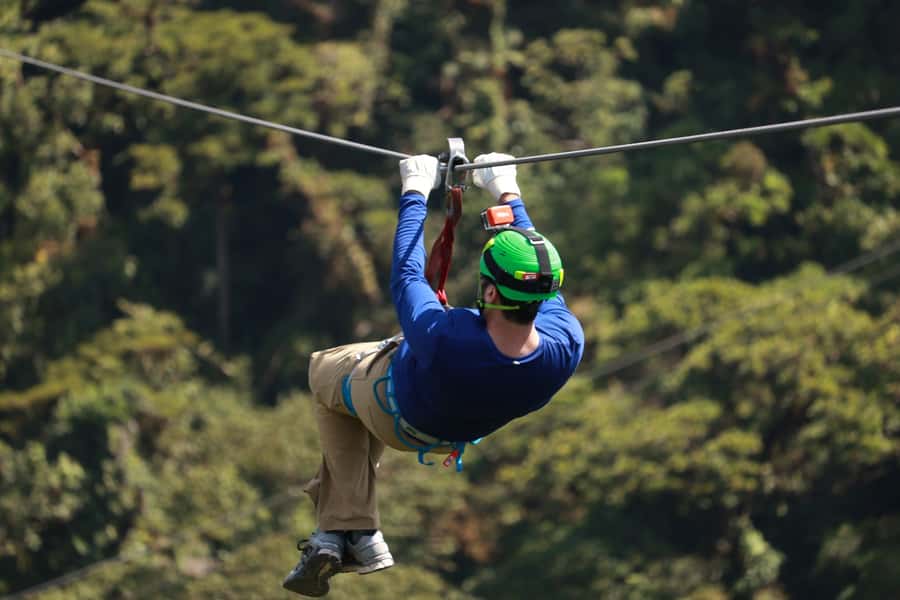
This is a half-day tour built around one core thing: flying the cables. You start with pickup from your accommodation in central Cusco, then transfer for about 50 minutes to the Racchi area. That ride matters more than it sounds. It gets you out of the busy city rhythm and into the dramatic valley terrain where zip lines make sense, not just as a thrill stop.
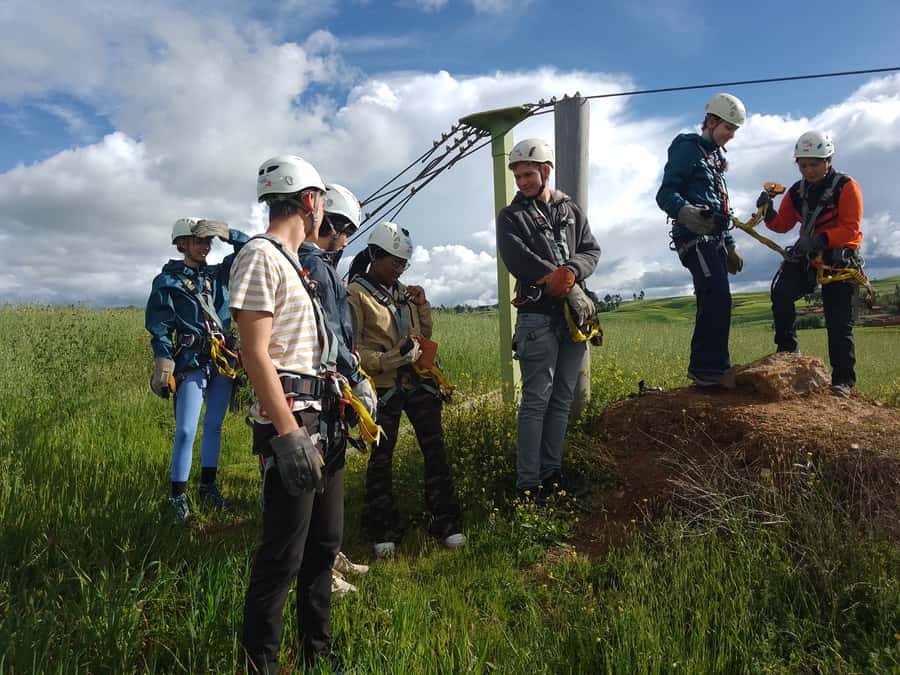
Once you arrive, you’ll get set up with the required equipment and fly under the guidance of an English or Spanish instructor. The actual zip line time is about 1 hour 30 minutes, so the adrenaline is concentrated. Then you head back toward Cusco and finish with a drop-off at Plaza Regocijo, about two blocks from the main square.
Value check: with pickup, transport, gear, an English/Spanish guide, and four separate flights included, this tour is not just a single ride. At $85 per person for roughly 3 hours total, you’re paying for an organized transportation-to-the-lines experience plus multiple runs rather than one quick zip.
You can also read our reviews of more tours and experiences in Cusco

Entering the Racchi launch area and reading the views
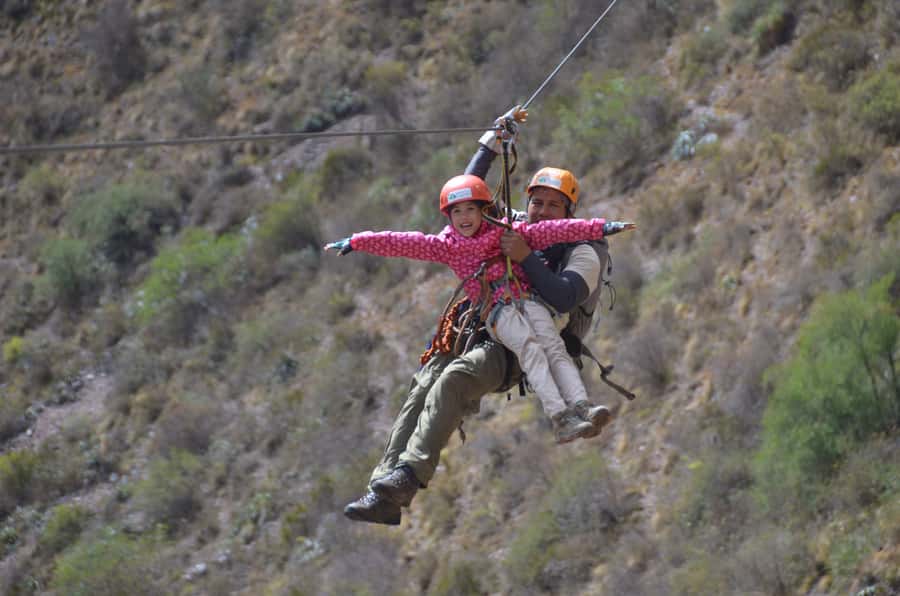
The zip line experience starts in a natural setting that gives you a high vantage point over big-name areas around Cusco. From the plateau of Chinchero you can take in sweeping views, and the route also points your eyes toward Pj’acchayoc canyon and the Sacred Valley of the Incas. Even if you’re not a map person, the scenery helps you understand why Cusco sits in such a special geography: the valleys fold in layers, and peaks rise above everything.
You’ll also be able to see parts of the living Racchi community from above. That’s one of those small but meaningful touches. Instead of only seeing “mountain scenery,” you’re also seeing how people fit into the landscape below. When you’re suspended on a cable, that mix of far views and nearby real life makes it feel more grounded than just a theme-park thrill.
How the four cables work: a build-up from confidence to full speed
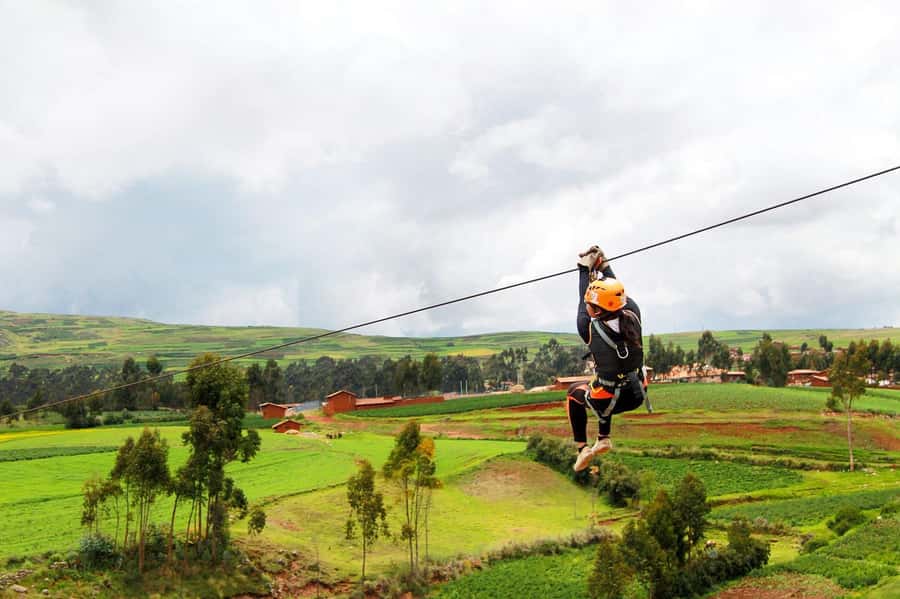
The course uses four different cables, and the pacing is the smart part of the design. They’re not all the same. Each run changes speed and length so you gradually get used to the sensation before you get asked to do the most intense parts.
Here’s how the stages are described:
Cable 1: soft, slow, confidence first
The first wire is described as very soft, which is exactly what you want if you’re new to zip lines. This run helps you learn how it feels to glide, how to stay composed, and how your body reacts while you’re suspended. It’s the “okay, I can do this” moment.
Cable 2: faster for the real flying sensation
The second wire is faster, and the goal here is the big thrill: that feeling of being airborne with speed. If you’re coming for adrenaline, this is where the experience usually starts clicking.





Cable 3: longer for movement and extreme positions
The third cable is longer, giving you more time to try movements or positions. That detail matters because you’re not just racing from start to finish. You get a bit more runway to enjoy the ride and experiment within the safety rules.
Cable 4: deepest run with the best canyon views
The fourth cable is described as the deepest, and it’s also where the views are at their best. The longest line is listed at 600 meters, while the deepest run is described as 2000 meters. Even if you don’t process that number until you’re there, the idea is clear: the final run is the one that really lets you look down into the canyon and the valley, with mountains in the background.
If you’re the type who likes a plan, this course gives you one. You’re not dropped straight into the most intense run. You get a step-by-step progression.
Price and value: what $85 buys you (and what it doesn’t)
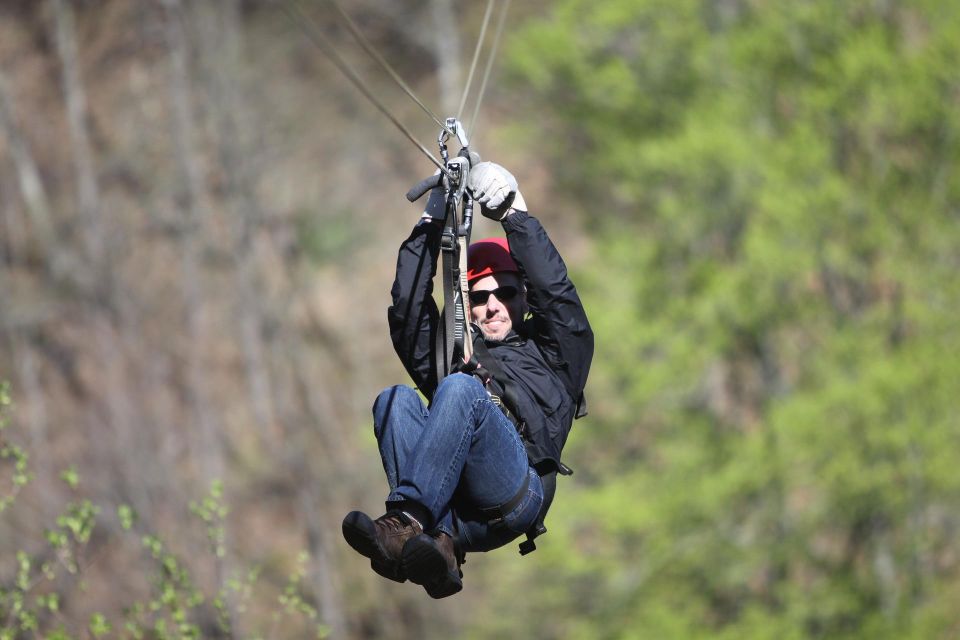
Let’s be practical about cost. The price is $85 per person for a 3-hour experience. You’re not paying extra for the biggest usual add-ons here: pickup, Cusco transportation, equipment, a guide in English or Spanish, and the four cables are all included.
What’s not included is also clearly stated: meals and accommodation. So plan on eating before or after. If you’re heading out in Cusco, keep it simple—don’t schedule a big meal right before you have to travel, since you’ll be picked up and on the move.
Is it good value? I think it is if you want a multi-run zip line with escalating intensity. Many zip line experiences are built around one main ride. Here, you get four cables with different speeds and different lengths, which means you get more “time flying” for your money. Add in the small group cap (10 participants), and you’re less likely to feel rushed or ignored.
What to wear and safety rules you should take seriously
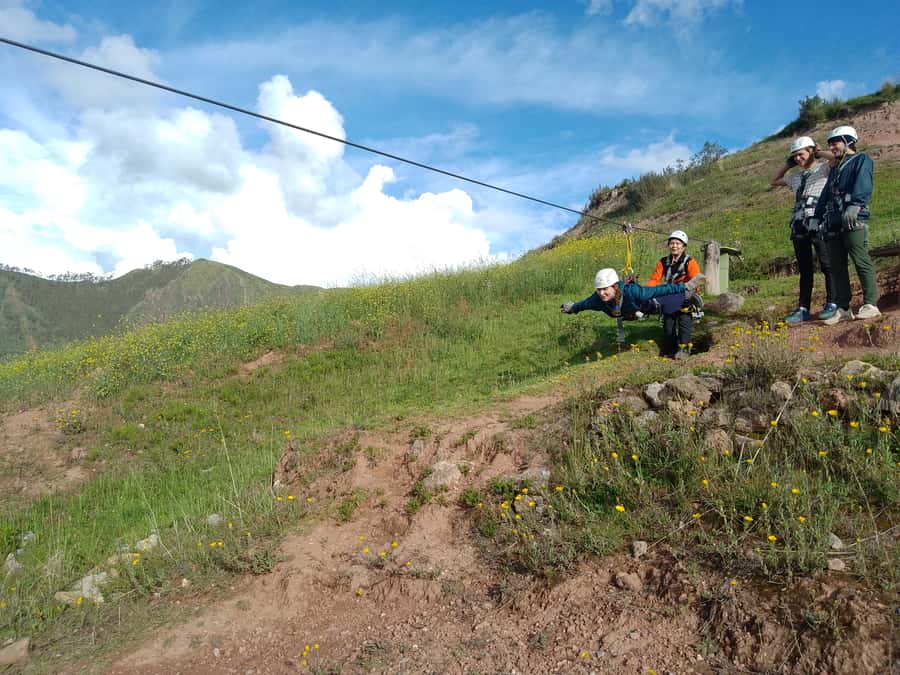
This is where you should pay attention, not guess. The activity has clear restrictions:
Not allowed: sandals or flip flops.
That’s an easy one, but it’s important. You’ll want shoes that stay secure. Also avoid anything loose or hard to adjust.
Not suitable for:
- pregnant women
- people with mobility impairments
- people with heart problems
The “high adrenaline” nature of zip lines isn’t just about fun. It’s about your body being under tension, moving through the air, and needing steady participation. If any part of that sounds like a bad fit for your health, skip this one and look for a lower-impact Cusco activity instead.
Also, bring yourself as you are, not a gear store. Equipment is included, and a guide will handle instruction. Still, you can help yourself by arriving prepared and wearing the right footwear from the start.
Group size and guiding: why it feels smoother with a small cap
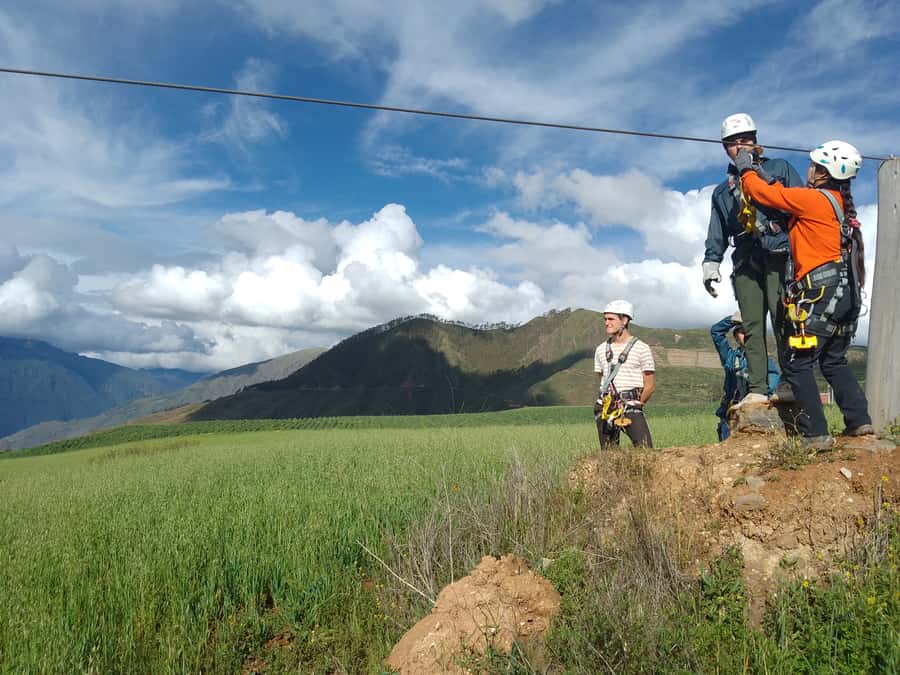
This tour runs with a small group limited to 10 participants. That’s not a throwaway number. In a zip line setting, smaller groups usually mean quicker attention and less waiting around while the cables are being managed. You also get a better chance to ask questions in the moment.
The guide provides instruction in English or Spanish, and there’s a first aid kit on hand. Those details matter for peace of mind, especially because you’re doing a physical, speed-based activity rather than a passive sightseeing stop.
One more practical tip: if you’re nervous, focus on the early run. The whole course is structured to help you gain confidence before it ramps up.
Where you end: Plaza Regocijo makes the return easy
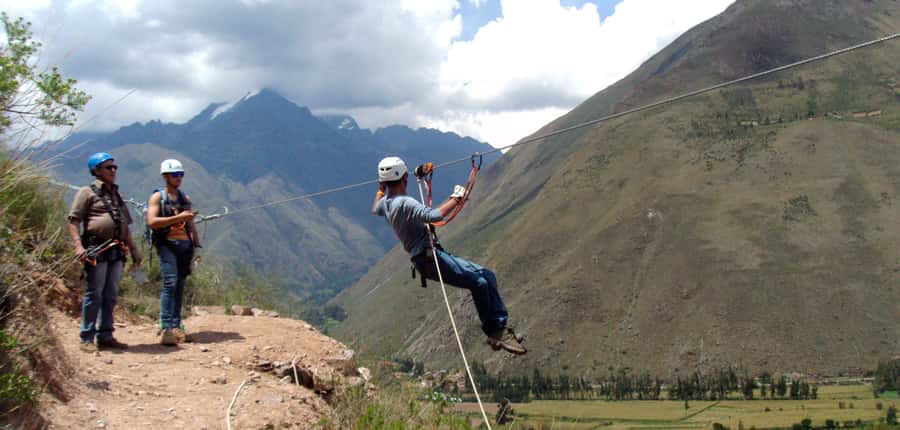
You’re dropped off at Plaza Regocijo, about two blocks from the main square. That helps if you want to walk back into dinner plans without hunting down a taxi pickup point. It’s a convenient way to land back in the center of Cusco after your half-day adventure.
If you like keeping plans flexible, this finish location also gives you options—grab a meal, wander a little, or just reset after flying.
Who this zip line is best for
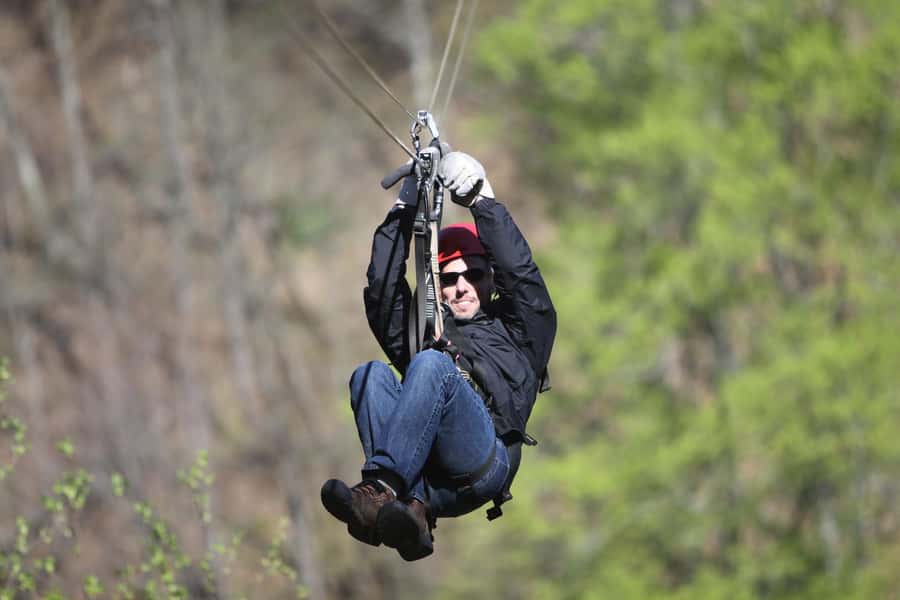
This is a great match if you:
- want an adrenaline activity without committing to an all-day trip
- like views and want to see the Sacred Valley area from above
- prefer a graded experience (slow first, faster later, and a final deep-canyon run)
It may not be the right match if you:
- have heart problems, are pregnant, or have mobility limitations
- hate speed or heights in any form
- can’t follow basic gear restrictions like wearing proper footwear
Should you book this Cusco half-day zip line?
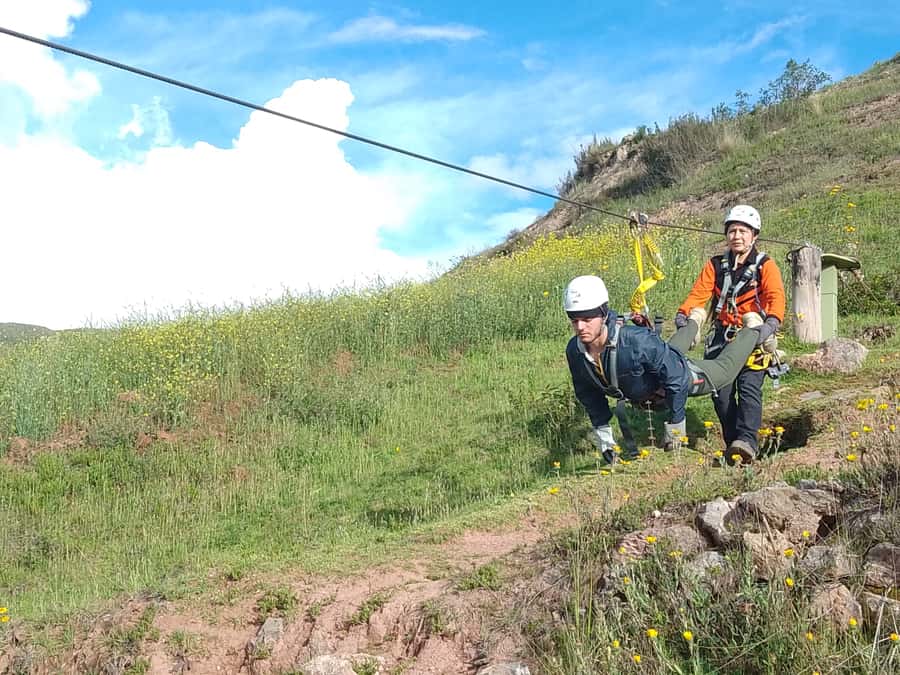
I’d book it if you want four stages of flight, not just one quick run, and you like the idea of flying over the Racchi–Chinchero–Sacred Valley area with mountain views. The small group limit and included gear and transport make it feel like a tidy, well-managed half-day.
I wouldn’t book it if you’re looking for a gentle nature walk or if your health situation makes zip lines a no-go. And if you’re on the fence because of fear, remember the course is specifically designed to start easier and build to the deeper, faster runs.
If you fit the safety profile and you’re comfortable with an adrenaline activity, this is a fun way to spend part of your Cusco time—and you’ll come away with a very specific kind of view you can’t get from the streets.
FAQ
How long is the zip line experience?
The total tour time is about 3 hours. The zip line portion is approximately 1 hour 30 minutes.
Where does pickup happen?
Pickup is included from your accommodation in Cusco city centre.
How many zip lines are included?
You fly on 4 different cables.
What’s included in the price?
Included are pickup at your hotel, transportation in Cusco, the 4 wires, equipment, an English or Spanish guide, a first aid kit, and drop-off at Plaza Regocijo.
What is not included?
Meals and accommodation in Cusco are not included.
What is the maximum group size?
This is a small group limited to 10 participants.
Are there clothing or footwear restrictions?
Yes. Sandals or flip flops are not allowed.
Who should not take the tour?
It’s not suitable for pregnant women, people with mobility impairments, or people with heart problems.