REVIEW · CUSCO
City Tour in Cusco
Book on GetYourGuide →Operated by VIAGENS MACHU PICCHU SAC · Bookable on GetYourGuide
Stone walls and stories in one afternoon. This 4-hour Cusco city tour stitches together Inca sacred sites and colonial landmarks, and it starts with the Qorikancha. I like how quickly you get the big picture of Cusco’s layered identity without needing a full-day plan.
I also enjoy the way the itinerary pairs major monuments that feel different in tone but connected in meaning, especially the Cathedral of Cusco above Inca palace foundations. One thing to watch: the tour runs in multiple languages, and a mismatch can be frustrating, especially if you’re traveling with kids—so confirm your language and the exact pickup location in advance.
In This Review
- Key Highlights at a Glance
- Cusco’s Inca-to-Colonial Story in Four Hours
- Getting There Comfortably: Hotel Pickup and A/C Van
- Qorikancha and the Sun Temple Layers
- Cathedral of Cusco Built on an Inca Palace Base
- Sacsayhuaman Fortress: Megaliths and Big Views
- Qenqo Ceremonial Center and Its Gloomy Feel
- Puca Pucara: Cusco from the Mountains
- Tambomachay and the Old Water System
- Price and What Makes This Half-Day Worth It
- Who This Tour Suits Best
- Guide Quality: The Human Part That Changes Everything
- Should You Book This Cusco City Tour?
- FAQ
- How long is the Cusco city tour?
- What does the $20 price include?
- What languages are available for the tour guide?
- Are admission tickets included?
- Where do I get picked up and dropped off?
- Is the tour wheelchair accessible?
Key Highlights at a Glance
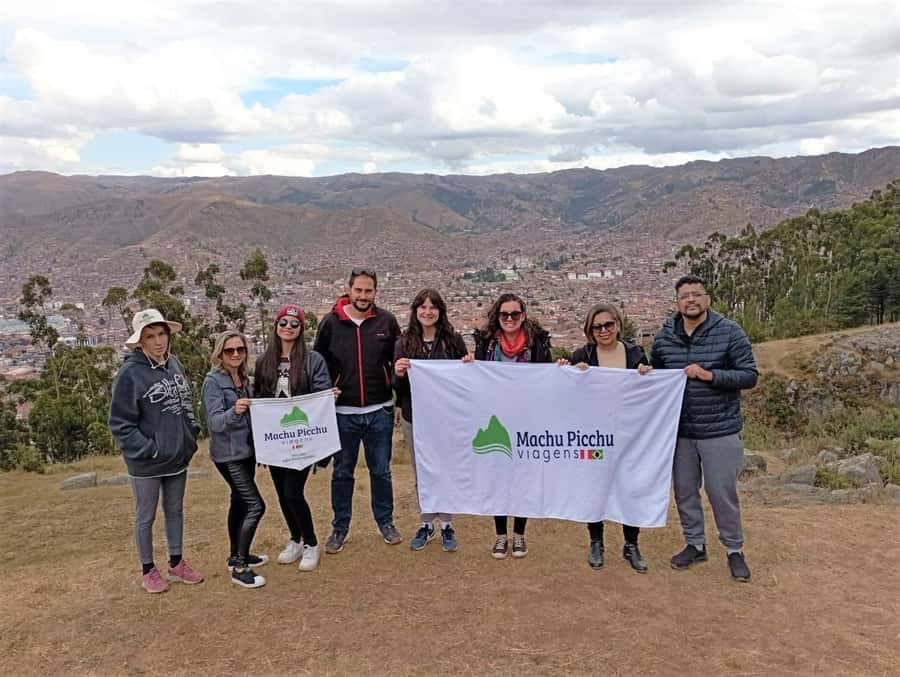
- Qorikancha: the principal Inca worship center, with later Catholic presence built on Inca foundations.
- Cathedral of Cusco: colonial baroque architecture rooted in an older Inca palace site.
- Sacsayhuaman: a massive megalithic fortress with serious Inca engineering.
- Qenqo: a gloomy ceremonial center associated with rituals and sacrifices.
- Puca Pucara: mountain viewpoints for seeing Cusco from above.
- Tambomachay: one of the oldest functioning water fountain areas, with irrigation channels and trio fountains.
Cusco’s Inca-to-Colonial Story in Four Hours
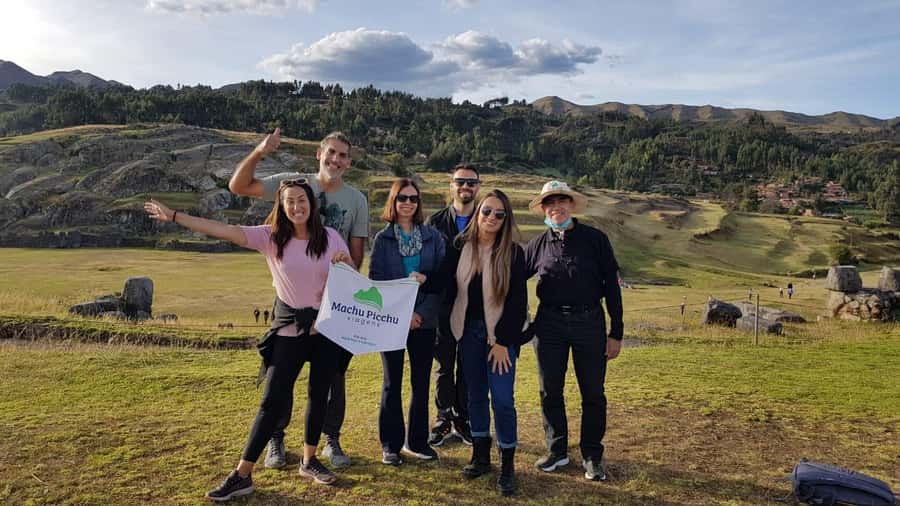
Cusco is the kind of city where one corner can feel ancient and the next one feels colonial. This tour does a smart job of showing you how those worlds overlap, site by site, in just half a day.
You’ll move through some of the most iconic stops around the historic center and the nearby hills. It’s a good format if you’re trying to get oriented fast, or if you want a guided route that keeps the pacing under control. And because it’s a live guide experience, you’re not just reading stone—you’re hearing what each place likely meant to the people who built it.
The tour also gives you built-in payoff: you’ll spend time at Inca ceremonial spaces (Qorikancha, Qenqo), then shift to bigger fortress walls (Sacsayhuaman), then finish with views and water engineering (Puca Pucara and Tambomachay). That mix keeps the afternoon from feeling repetitive.
You can also read our reviews of more city tours in Cusco
Getting There Comfortably: Hotel Pickup and A/C Van
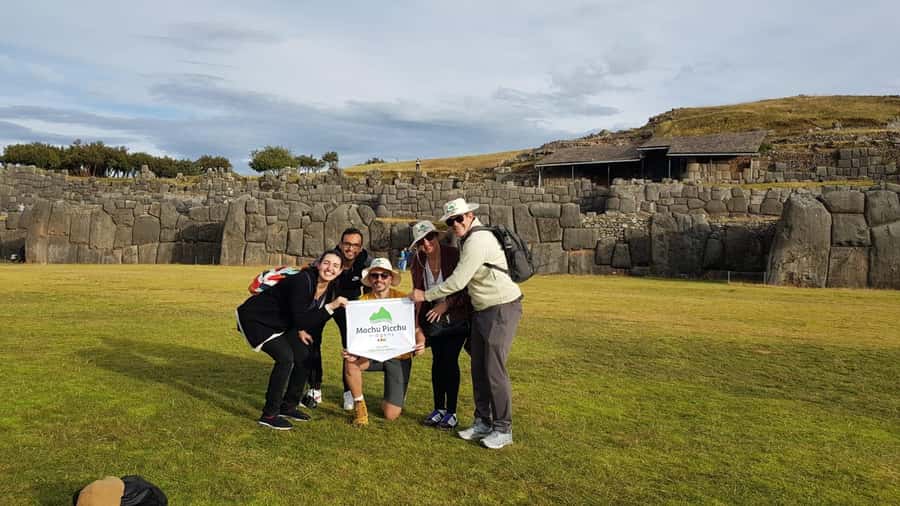
One of the nicest practical parts is the transportation setup. The tour includes roundtrip pickup and drop-off to and from most Cusco hotels, using an air-conditioned vehicle. That matters in Cusco because the day can start cool and turn bright, and you don’t want to waste your energy walking long distances just to join the group.
Tours like this also often group by language. This one operates with a separate bus per language, with a professional certified guide in Spanish, English, or Portuguese. That’s a big deal for understanding—when the language matches, you can actually follow the stories while you look around.
A real note for your planning: I learned from a booking experience that pickup details can get confusing. In one case, the traveler had to chase down the correct meeting point and the tour wasn’t in Portuguese as contracted, which meant the child missed the key explanations. If language and meeting point are important to you, double-check those specifics before you leave your hotel.
Qorikancha and the Sun Temple Layers
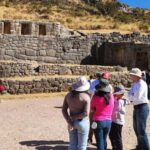
Your first major stop is Qorikancha, known as the Temple of the Sun area and described as the principal Inca worship center. What I like about starting here is that it sets the theme for the entire tour: Cusco’s identity is layered, not replaced.
At Qorikancha, you’ll see the way the site evolved. The Catholic church now standing on top of the Inca foundations is more than a detail—it’s a visual explanation of how conquest and religion changed the city’s most sacred spaces. Standing in that same footprint helps you understand why the Inca sacred geography mattered enough to be reused later.
Expect the guide to connect the architecture with the spiritual purpose. If you’ve ever wondered why Cusco feels so symbolic, this is where the answer begins. The place rewards calm observation, not speed, so give yourself a minute before you start moving on—look for the foundation layers and the sense of how the space was designed.
Cathedral of Cusco Built on an Inca Palace Base
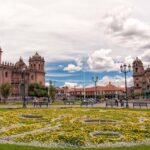
Next comes the Cathedral of Cusco, famous for its colonial baroque style. The key value on this stop is the foundation story: its roots are anchored in a former Inca palace. That detail helps you read the building differently.
Baroque architecture can feel like a lot at first glance—busy, dramatic, full of visual punch. But when your guide frames it as sitting on an earlier political and architectural core, it stops feeling random. You start to see continuity and replacement as two parts of the same landscape.
This is also a strong stop for photo timing. You’ll likely have changing light and a shifting sense of where the city’s older power centers were. Even if you’re not a big cathedral person, the foundation link makes it more than just a pretty interior.
Sacsayhuaman Fortress: Megaliths and Big Views
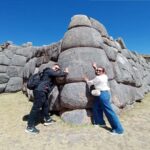
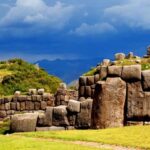
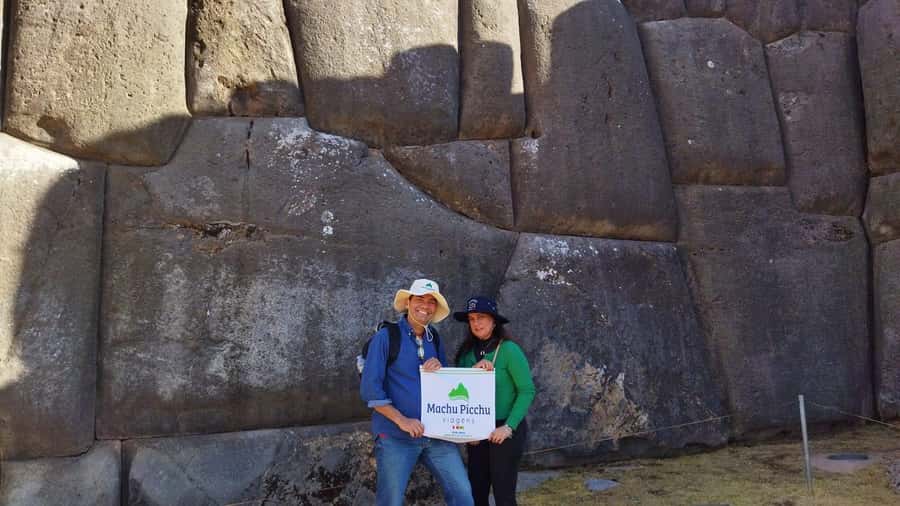
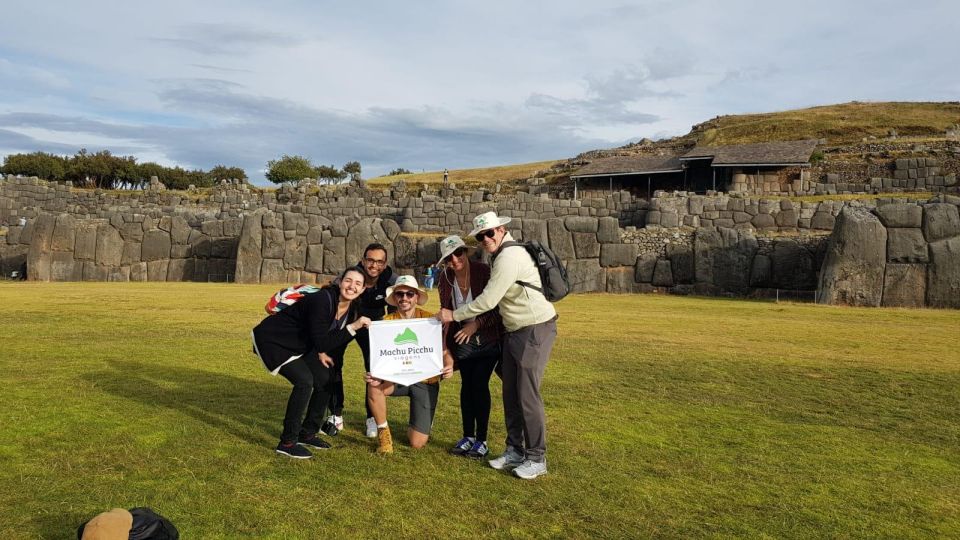
Then you’ll head to Sacsayhuaman, described as a ceremonial fortress made of huge megalithic stones. What makes this stop compelling is the scale. It’s one thing to hear that the Inca were skilled builders; it’s another to see how massive these walls feel in person.
This is the point where the tour leans into Inca architectural genius. The stones and the fortress layout communicate strength and planning. The guide should help you understand how the site functions as a ceremonial and defensive presence, not just a pile of rocks.
Also, don’t underestimate the atmosphere. Fortresses like this are open and exposed, and the air can feel sharp. If you get even a little wind, lean into it—Sacsayhuaman is one of those places where the environment helps you imagine what ceremonies might have felt like.
If you’re prone to short attention spans in long ruins visits, this stop usually works anyway. The sheer size resets your focus.


Qenqo Ceremonial Center and Its Gloomy Feel
After the fortress, the tour moves to Qenqo, described as a gloomy ceremonial center. I like that contrast because it changes the mood of what you’re seeing. Fortresses feel like power; Qenqo feels like ritual.
The site is associated with ceremonies and sacrifices, based on what’s believed to have happened there. You won’t leave with a single “this is exactly how it happened” answer, because sites like this always require interpretation. But guided context helps you understand why the placement, design, and atmosphere mattered to the people using it.
Practical advice: bring your patience here. Qenqo isn’t about one single feature you can photograph and move on. It’s more about reading the space and letting the guide’s story shape how you interpret what you see.
If you like symbolism and the meaning behind structures, this is often the most memorable stop. If you prefer very accessible, bright viewpoints, you may find it a little less visually friendly—but that’s part of the point.
Puca Pucara: Cusco from the Mountains
Now you’ll go higher for Puca Pucara, where you can see Cusco from above. The tour frames this as going up the mountains to gain a wider perspective, and it’s one of the best ways to understand Cusco’s geography quickly.
Views can do more than entertain. From above, the city’s shape makes more sense, and you start to connect where the ceremonial and administrative sites might have fit into daily life. You also get a mental map for future self-guided exploring, especially if you plan to visit neighborhoods or viewpoints on your own.
This is also a good spot to slow down. Take a minute to look, then check back again from a slightly different angle. Mountain viewpoints can change dramatically with light, and small shifts make the panorama feel new again.
If you’re with older adults or anyone who struggles with uneven ground, this is the moment to pace carefully. Elevation can make you feel slower, even when the walking is not extreme.
Tambomachay and the Old Water System
The final big highlight is Tambomachay, known for hydraulic engineering and its still-functional irrigation channels. You’ll see the oldest functioning water fountains in this area, including trio fountains mentioned as part of the visit.
I find water systems fascinating because they show how practical power and sacred design can mix. The tour’s angle here is engineering with purpose: channels and fountains that still work hint at a level of planning that survived centuries.
This stop is also a good emotional landing point. After the fortress and ceremonial sites, water creates a different rhythm. It’s calmer, visually easier to process, and it gives your brain a break from interpreting stone patterns.
If you’ve been looking at Cusco like a museum of temples, Tambomachay reminds you it was also a working city. That’s when the tour can feel most real.
Price and What Makes This Half-Day Worth It
The price is $20 per person for a 4-hour tour. On paper, it’s a simple cost. In practice, value comes from what you’re getting bundled: a certified guide, roundtrip transport to and from most hotels, an air-conditioned vehicle, and a complimentary water bottle.
For many first-time visitors, the biggest expense isn’t just entry tickets—it’s the time and effort of figuring out transport and sequencing. This tour saves you that thinking. You also get the guide’s explanations, which is where the monuments turn from scenery into understanding.
Admission tickets are not included, and meals and drinks are not included either. So I’d budget extra for site entry and plan a snack or meal after the tour. The good news is that the tour is half-day, so you’re not committing your whole day to ticket lines and hunger management.
When it works best is when you treat it like orientation + highlights. If you already know Cusco well and want lots of flexibility, you might feel boxed in. But if you want a guided sampler that hits key stops, this price-to-time ratio is pretty sensible.
Who This Tour Suits Best
This tour fits best when you want a guided route that connects major Cusco landmarks in a tight schedule. If you’re in town for a short time, it helps you see the big names—Qorikancha, the Cathedral, Sacsayhuaman, Qenqo, Puca Pucara, and Tambomachay—without building an itinerary from scratch.
It’s also a strong option for people who like clear storytelling. The tour is led by a professional certified guide, and the explanations are the reason the route feels coherent.
Based on one booking experience, language matching matters a lot. If you’re booking Portuguese (or any language), confirm the language assignment and the meeting point early. That’s especially important for families, or anyone who needs every word to follow the stories.
If you enjoy architecture and sacred spaces, you’ll likely have a good time. If you prefer very modern comforts and lots of free time in each location, you may find the pacing a bit structured.
Guide Quality: The Human Part That Changes Everything
The most positive detail I took from a real booking experience is about the guide. In that case, the guide named Fernando was described as helpful and polite. That kind of attitude isn’t a small thing in Cusco—ruins are complicated, distances can feel longer than expected, and the afternoon can get tiring.
A guide who stays organized can also reduce stress around meeting points and timing. So even if you can’t control everything, you can control your prep: confirm where you’ll be picked up, arrive a little early, and make sure you have the language you need.
Should You Book This Cusco City Tour?
If you want a solid half-day introduction to Inca and colonial Cusco with guided context at the biggest nearby sites, this tour is a practical choice. The $20 price makes sense when you factor in transport, an air-conditioned vehicle, and a certified guide, and the list of stops hits many of the classic monuments people come to see.
I would book it if:
- you like guided storytelling at major landmarks
- you want a quick way to map Cusco in your head
- you’re okay with a structured 4-hour route and added budget for tickets
I’d think twice (or at least double-check details) if:
- language alignment is crucial for your group
- you rely on exact pickup instructions and want zero uncertainty
- you prefer more time per site than a half-day allows
If you do book, send one quick confirmation message before you go. Then show up a bit early. It’s the best way to get the value and avoid the kind of stress that can spoil an otherwise interesting afternoon.
FAQ
How long is the Cusco city tour?
It lasts about 4 hours.
What does the $20 price include?
It includes a professional certified tour guide, roundtrip transportation to and from most Cusco hotels, a complimentary water bottle, and an air-conditioned vehicle.
What languages are available for the tour guide?
The live guide is available in Portuguese, Spanish, or English.
Are admission tickets included?
No. Admission tickets are not included.
Where do I get picked up and dropped off?
There is roundtrip transportation from most Cusco hotels, and the tour ends with drop-off at your accommodation or at Plaza de Armas.
Is the tour wheelchair accessible?
Yes, the activity is listed as wheelchair accessible.