REVIEW · BUENOS AIRES
Buenos Aires: Recoleta Neighborhood Walking Tour
Book on GetYourGuide →Operated by Signaturetours · Bookable on GetYourGuide
Recoleta feels like Paris, but in Buenos Aires. This 2-hour walk in Recoleta connects grand façades, major art stops, and the lasting gravity of Eva Perón’s crypt. I especially liked how guides such as Anahi and Veronica turn intimidating monuments into clear stories you can actually remember, and how the route feels focused rather than chaotic. One consideration: it is still a walking tour, so wear comfortable shoes.
What makes this one work well is the flow. You get a substantial stretch in the cemetery (about 45 minutes) and then move on to impressive architecture and parks, ending at MALBA. Guides also seem willing to adapt, like Micaela who adjusted things when the group was late and still kept a friendly, organized pace.
In This Review
- Key things to know before you go
- Recoleta in Two Hours: The Best Fit for Your Buenos Aires Plan
- Meeting Outside Recoleta Cemetery: Where the Stories Start
- The Recoleta Cemetery Experience and Eva Perón’s Crypt
- La Biela as a Regrouping Point: Keeping the Walk Easy
- MALBA Stop: How Modern Art Fits the Recoleta Mood
- Floralis Genérica: A Quick Park Moment That Lands Visually
- Museo Nacional de Bellas Artes: The Art Stop That Adds Authority
- Facultad de Derecho (UBA): Architecture You Can Learn From at Street Level
- Palais de Glace and the Embassies Area: Feeling the Power Centers
- Walking Pace, Group Size, and How the Guides Keep It Friendly
- Price and Value: Is $93 Worth It?
- Should You Book This Recoleta Neighborhood Walking Tour?
- FAQ
- Where is the meeting point for this Recoleta tour?
- How long is the tour?
- What languages are the guides?
- What is included in the price?
- What key sites does the tour focus on?
- Does the tour help with ticket lines?
- Is free cancellation available?
Key things to know before you go
- A real anchor stop: Recoleta Cemetery, with special attention on Eva Perón’s ornate crypt
- Short, smart time at each sight: enough guidance to understand what you’re looking at without dragging
- Art + architecture combo: MALBA, Museo Nacional de Bellas Artes, and big building façades in between
- A park moment: Floralis Genérica appears as a quick-but-memorable pause in the walk
- Good pacing for a city walk: reviews suggest it’s not an exhausting trek
- Guides who adjust: you may notice the route being tweaked to match your group’s interests
Recoleta in Two Hours: The Best Fit for Your Buenos Aires Plan
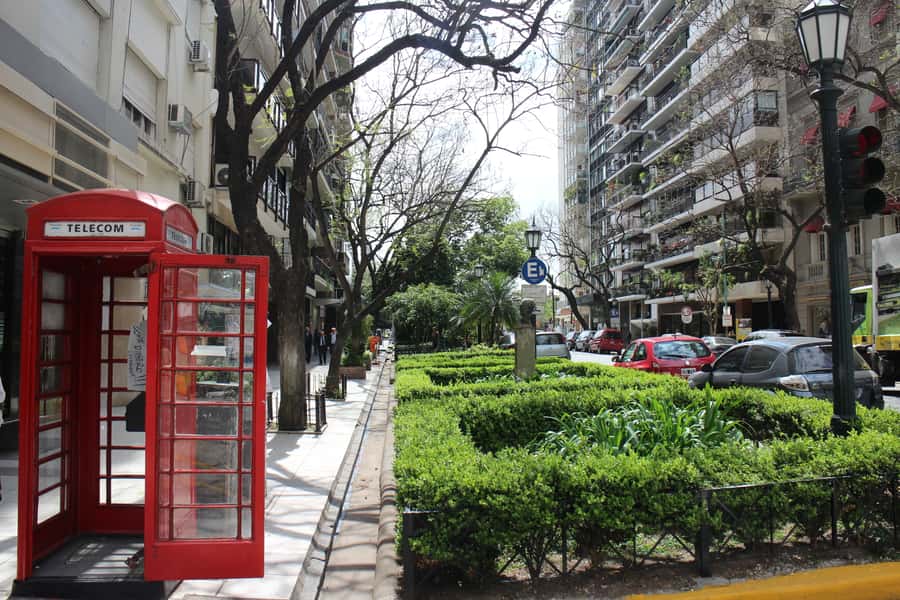
Recoleta is the kind of neighborhood where you feel the mood change the moment you arrive. The streets look styled, formal, almost theatrical—French-influenced façades and monumental buildings create that Paris-by-way-of-the-Río-de-la-Plata vibe. This tour is designed for people who want to understand that vibe fast.
If you’re new to Buenos Aires, I like that it gives you order. You start with one of the city’s most famous sites, then work your way through art institutions and architectural landmarks that explain why Recoleta has its own reputation.
This is also a great match if you prefer guided sightseeing over reading alone. The whole point is not just photos—it’s knowing what you’re looking at as you walk.
You can also read our reviews of more walking tours in Buenos Aires

Meeting Outside Recoleta Cemetery: Where the Stories Start
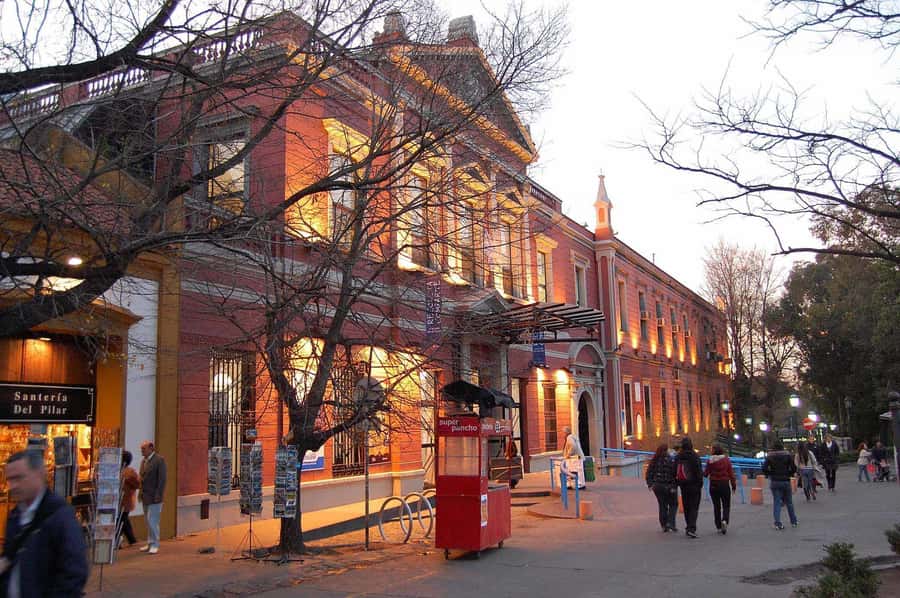
You meet near Cementerio de la Recoleta, with the practical instruction to arrive about ten minutes early. This timing matters because the guide needs a few minutes to set context before you enter the cemetery area and begin the walk.
Right away, the guide frames what makes Recoleta distinct: the neighborhood’s aristocratic identity, the heavy symbolism of prominent burials, and why these marble lanes feel more like a monument city than a typical cemetery visit. It’s a lot to process, but the guide gives it structure so you don’t feel lost.
I also like that the group meets at a place with immediate visual impact. Even before the first stop begins, you can see the scale of what you’ll be experiencing.
The Recoleta Cemetery Experience and Eva Perón’s Crypt
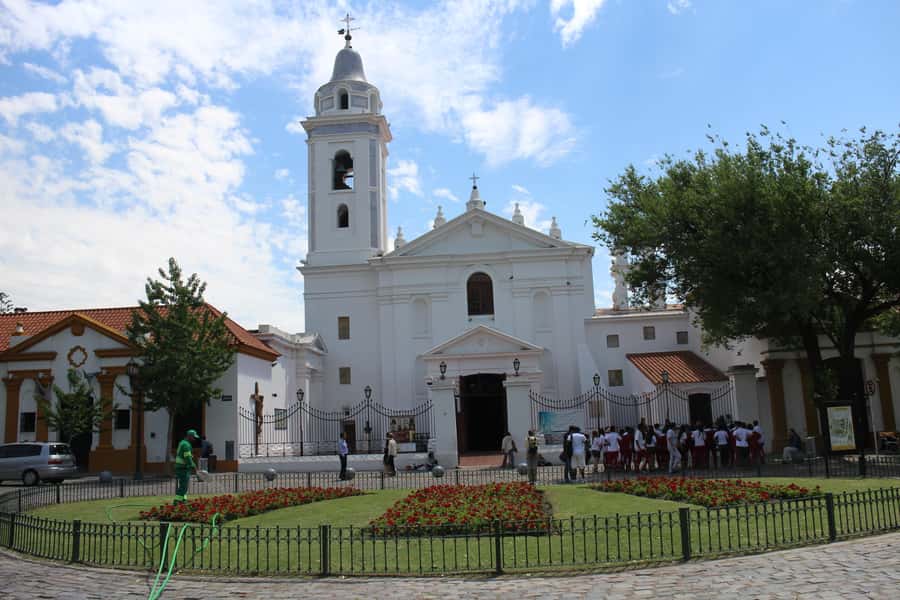
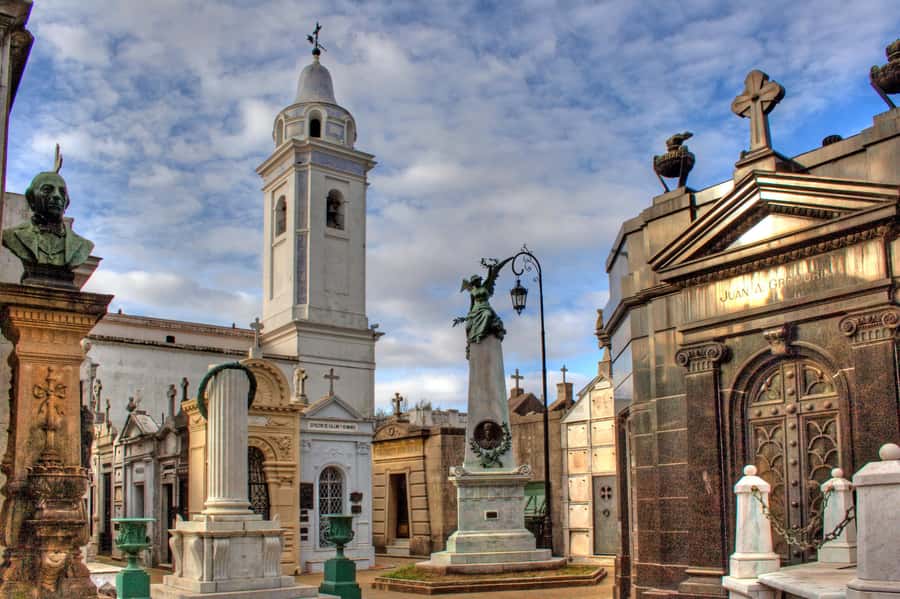
This is the centerpiece. After the initial setup, the tour focuses on the cemetery’s “mini-marble city” feel and includes time to see where Eva Perón is laid to rest in an ornate crypt.
Expect a guided visit that is both visual and interpretive. You’re not just wandering; you’re moving with explanations that connect the architecture to the people, the era, and the national mythology that surrounds her.
The scheduled time for the cemetery portion is about 45 minutes, which is long enough to slow down. That matters here, because in Recoleta Cemetery, details are everything—family names, sculpted stonework, and the overall impression of grandeur are part of the story.
A small practical advantage: the tour includes skipping the ticket line. That helps you spend your time looking instead of waiting.
La Biela as a Regrouping Point: Keeping the Walk Easy
The route includes La Biela as a reference point for where the tour begins and also where you end up again. Even if you’re not focused on the café-world detail, it’s useful as a mental anchor: you always know where you are in the bigger loop.
This matters for a first-time visitor, because Buenos Aires can feel big and spread out. A route that returns to a recognizable spot makes the whole experience feel less stressful.
It also supports that moderate walking pace many people appreciate—this isn’t a speed-walk. You’ll stop often enough that you’re learning while moving, not racing through.
MALBA Stop: How Modern Art Fits the Recoleta Mood
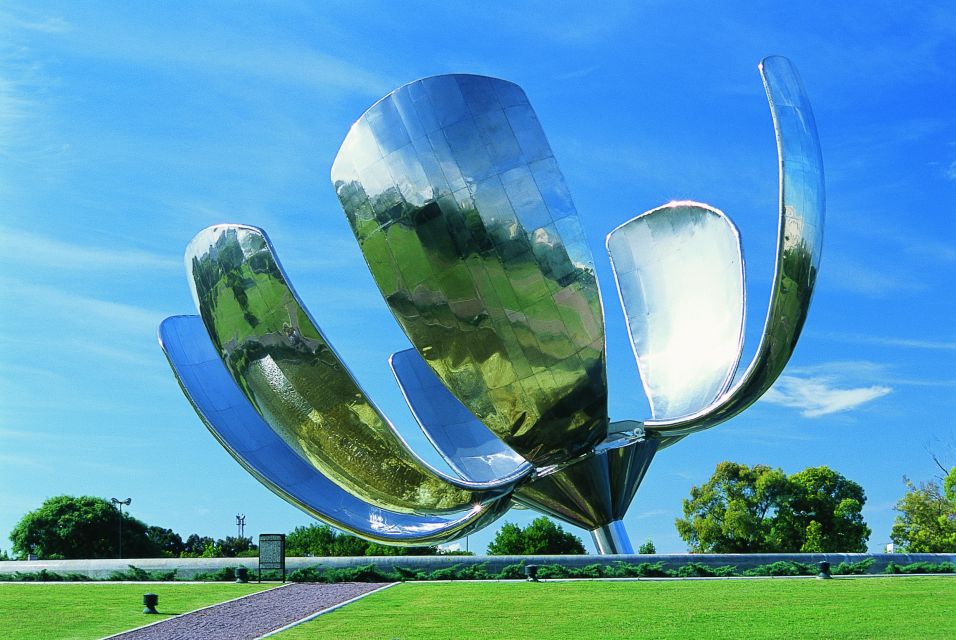
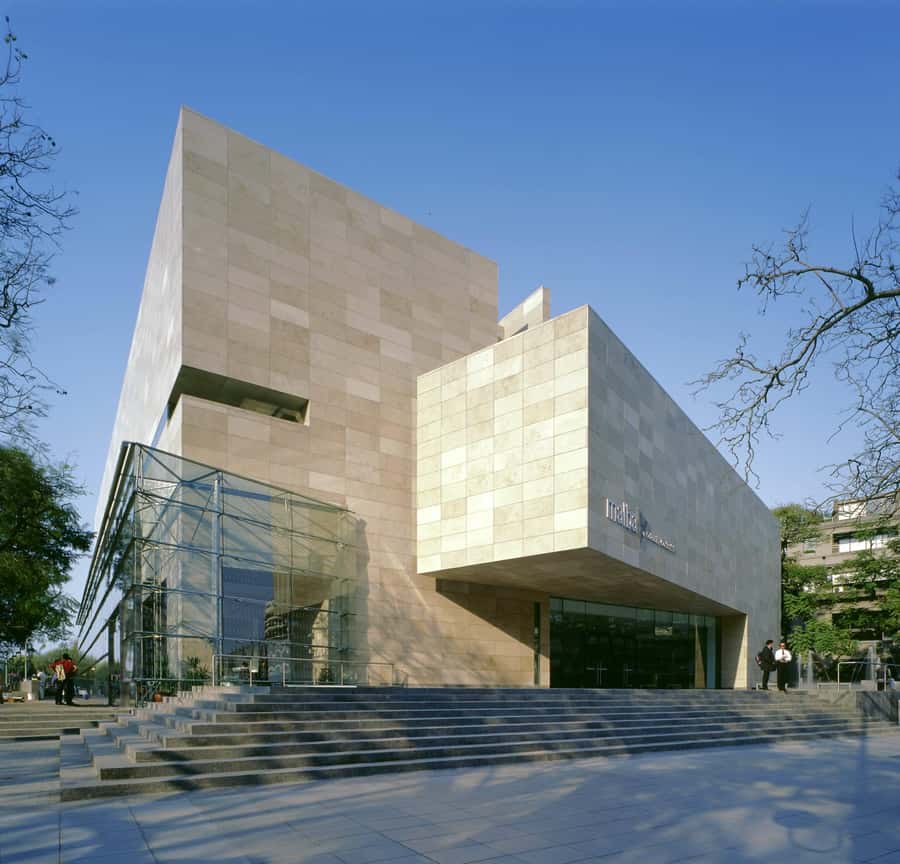
Museo de Arte Latinoamericano de Buenos Aires (MALBA) sits at the far end of the walk and works like a release valve. After the cemetery gravity and the old-world grandeur, MALBA brings you back to a different side of Buenos Aires—art with a modern, Latin American lens.
The tour includes a short guided look at MALBA, enough time to get oriented and understand what you’re seeing. Even if you don’t become an expert in contemporary art on the spot, you’ll leave with clearer context about why this museum matters.
I like ending here for another reason: you don’t finish in an empty, stuck-in-your-feet way. You end at an actual place you can keep exploring independently if you still have energy.





Floralis Genérica: A Quick Park Moment That Lands Visually
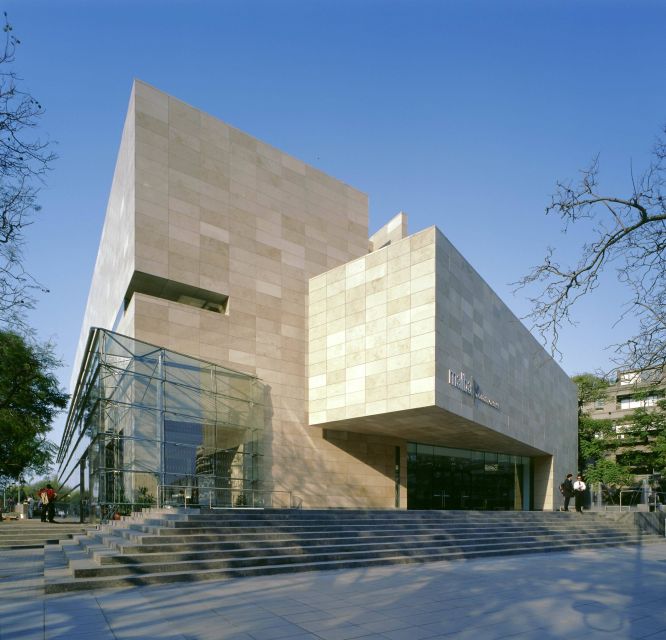
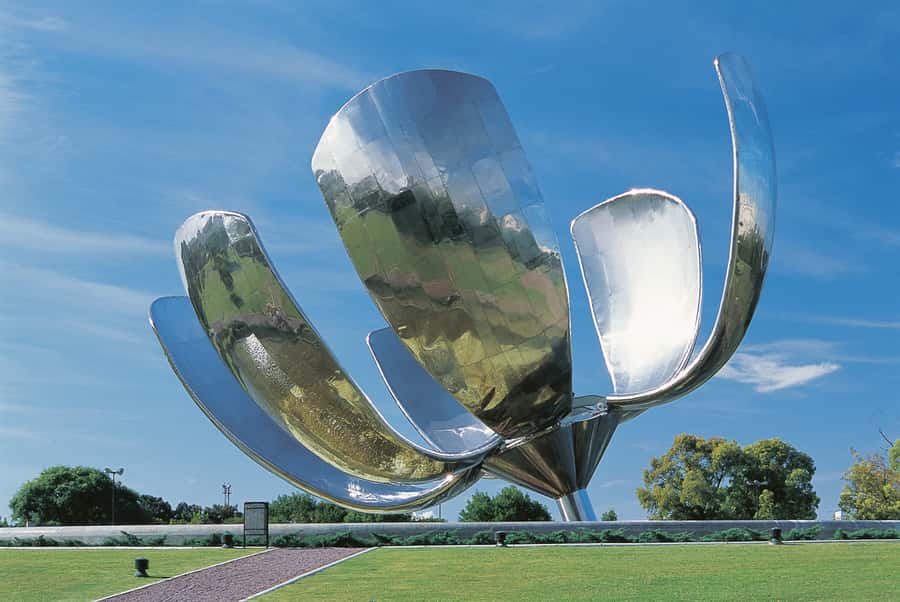
Floralis Genérica gets a guided stop and a walk segment. This is your “breath and reset” moment—one that breaks the stone-and-statue intensity with something lighter and more playful to look at.
Even with only around ten minutes scheduled, Floralis is the kind of object you remember. It’s a striking piece in a public space, and the guide’s commentary helps you place it in the broader Recoleta experience, where architecture and public space mix often.
If you’re the type who likes to take photos, this stop is worth slowing down for. You’ll get more from it when you understand the point of the structure, not just the shape.
Museo Nacional de Bellas Artes: The Art Stop That Adds Authority
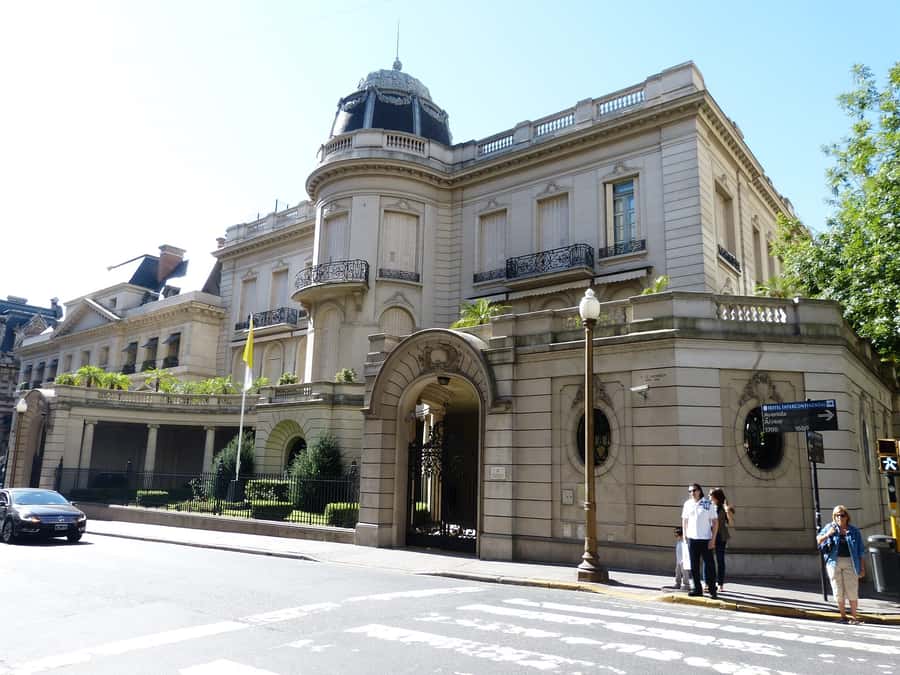
After the cemetery, the tour keeps its promise of variety by adding a guided look at the Museo Nacional de Bellas Artes. This stop isn’t treated like a checkbox. The guide uses the short time to help you recognize the building’s significance and connect it to Buenos Aires’ cultural identity.
The value here is that you get a bit of guidance before you decide what to focus on. If you’re a museum hopper, you’ll appreciate this. If you normally ignore museums, you might leave wanting to know more.
Because the stop is brief, I suggest you treat it as a sampler. Think of it as training wheels: you’ll have a stronger sense of what to come back for later.
Facultad de Derecho (UBA): Architecture You Can Learn From at Street Level
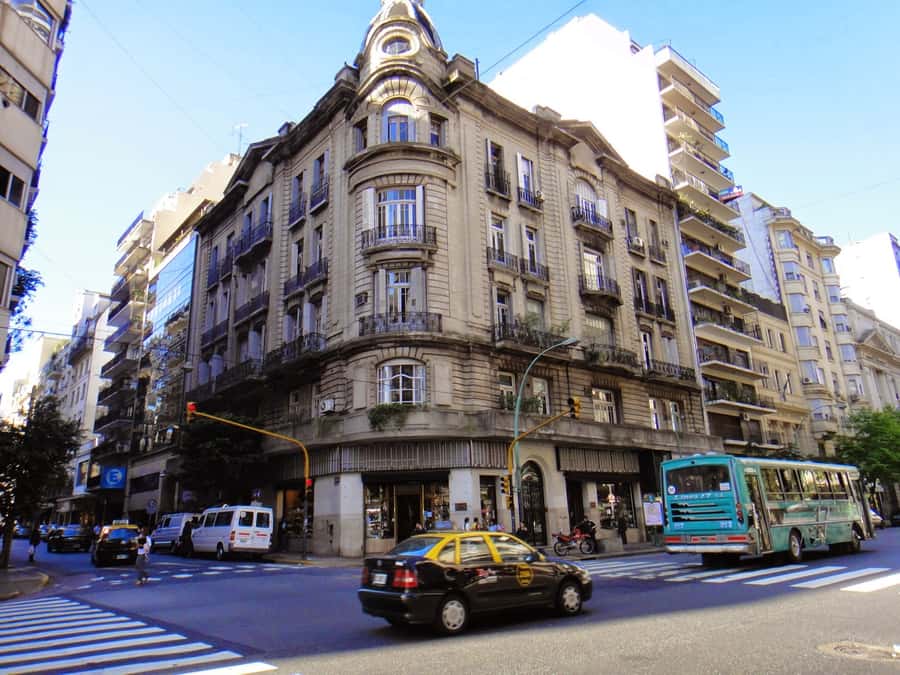
One of the most practical parts of the tour is the stop at Facultad de Derecho (UBA). This isn’t only about catching a good façade. The guide points you toward the bigger picture—how grand architecture in Recoleta ties into the neighborhood’s Belle Époque inspirations and status.
You also get time to look closely enough to notice details. This is the type of building where the surface look matters, but so does the structure behind it.
If you enjoy photo walks, this stop is strong. If you don’t, it’s still worth it, because the guide helps you read the building instead of just passing it.
Palais de Glace and the Embassies Area: Feeling the Power Centers
The tour includes Palais de Glace, followed by time in the broader northern stretch of Recoleta where you can see more of the architecture and the areas tied to diplomacy. The description points specifically to seeing where embassies are located, which adds a different lens to the neighborhood.
This is one of those sections where you get the “oh, so this is why the streets look like this” feeling. Recoleta’s formal architecture isn’t random decoration. It’s tied to institutions and long-standing prestige, and the guide helps connect those dots quickly.
The time at Palais de Glace is short, but the stop helps you keep the walk feeling varied instead of repeating the same visual type.
Walking Pace, Group Size, and How the Guides Keep It Friendly
A lot of what makes this tour enjoyable comes down to the guide. Reviews highlight strong English, clear explanations, and guides who stay welcoming and friendly.
For example, I’ve seen groups describe guides like Veronica as informative, and others mention Micaela as enthusiastic and understanding when someone arrived late to the meeting area. There’s also a note that in at least one group, the tour was very small, leaving plenty of room for questions and conversation.
That matters. A large group can turn a walking tour into a motion blur. A smaller group can feel like a guided stroll with real dialogue.
The walk itself appears to be moderate in intensity. That’s helpful if you’re balancing jet lag or planning another activity later. Still, you’ll be on your feet, so plan for that like it’s part of your day, not a quick stroll.
Price and Value: Is $93 Worth It?
At $93 per person, this is not the cheapest walking tour in Buenos Aires. So I look at value in three buckets: what you see, how guided it is, and how much time you actually spend in the places that matter.
You get:
- A professional guide for the full walk
- Cemetery time that’s focused on Eva Perón’s crypt
- Several major Recoleta landmarks and art institutions, including MALBA
- Skip-the-ticket-line benefits
For a short 2-hour experience, the coverage is solid. The cemetery portion alone is a major draw, and having time set aside for it (around 45 minutes) means you’re not rushed through the most emotionally heavy stop.
If your goal is to hit the highlights with real context and not get stuck trying to figure it all out on your own, I think the price makes sense. If you already know Recoleta well or you prefer to wander independently with a self-guided map, you might feel it’s more than you need.
Should You Book This Recoleta Neighborhood Walking Tour?
Book it if you want Recoleta’s big-picture story quickly: cemetery symbolism, institutional architecture, and guided understanding that makes the streets feel less mysterious. I’d also choose it if you like short stops that still include meaning—MALBA and the art museums work well when a guide helps you aim your attention.
Consider skipping or pairing it with more independent exploring if you hate guided structures or you already have deep knowledge of Eva Perón and Recoleta Cemetery. Also, if you’re carrying heavy baggage or have mobility limits, a walking tour may not be the best fit since it’s designed around moving between several sites.
My honest take: this is a high-value way to spend a compact block of time in one of Buenos Aires’ most iconic neighborhoods, especially if you care about the human story behind the marble.
FAQ
Where is the meeting point for this Recoleta tour?
You meet in front of Cementerio de la Recoleta.
How long is the tour?
The duration is about 2 hours.
What languages are the guides?
The tour is offered in Spanish and English.
What is included in the price?
The tour includes a guide and the walking tour.
What key sites does the tour focus on?
You’ll see major Recoleta spots, including Recoleta Cemetery and Eva Perón’s crypt, plus art and architecture stops such as MALBA, Floralis Genérica, Museo Nacional de Bellas Artes, and Facultad de Derecho (UBA).
Does the tour help with ticket lines?
Yes, it includes skipping the ticket line.
Is free cancellation available?
Yes. You can cancel up to 24 hours in advance for a full refund.