REVIEW · BUENOS AIRES
From Colonialism to Eclecticism, Buenos Aires arquitectonica
Book on GetYourGuide →Operated by Viajes de Juani tours · Bookable on GetYourGuide
Buenos Aires can feel like a movie set if you learn what to look for. This 3-hour walking tour is built around that idea, moving you from Plaza de Mayo landmarks to a standout Brutalist facade at Banco Hipotecario, then on toward Corrientes and Teatro Colón. I love how you get curious facts about buildings that don’t usually get center stage, and I also love the way the guide layers in culture with a real mate tasting. One thing to consider: it’s a lot of walking through sunny, central streets, and the Teatro Colón interior visit is optional and not included.
You’ll be in a small group (up to 4), with an English-speaking guide who also works in Spanish, so questions stay easy. You can even customize the tour to match your pace and interests, which makes it feel less like a checklist and more like a personal walk through the city’s architectural personality.
In This Review
- Key highlights to know before you go
- Buenos Aires architecture, from Colonialism to Eclecticism (in 3 hours)
- Meeting point and group vibe: up to 4 people, real conversation
- Stop-by-stop: what you’ll see and why each part matters
- Plaza de Mayo to the civic heart: Cabildo, Cathedral, Casa Rosada, Banco Nación
- North on Reconquista Street: the Banco Hipotecario with a Brutalist facade
- Centro Cultural Kirchner (CCK) and the Palacio de Correos y Telégrafos facade
- Corrientes Avenue: the Gran Rex and the Opera stop for show-era energy
- The Obelisk of Buenos Aires and Plaza de la República: political and social meaning
- Plaza Lavalle: Courts Palace and Julio Argentino Roca School
- Mate tasting: a cultural stop, not just a snack break
- Finishing at Teatro Colón: what to expect at the end
- Price and value: why $25 feels fair here
- Who should book this tour (and who might skip it)
- A few practical tips so you enjoy it more
- Should you book From Colonialism to Eclecticism, Buenos Aires arquitectonica?
- FAQ
- How long is the tour?
- What is the price per person?
- How large is the group?
- Where does the tour start?
- Where does the tour end?
- Is Teatro Colón entrance included?
- What’s included in the tour?
- What is not included?
- What languages are available?
- Can I cancel or book without paying right away?
Key highlights to know before you go
- Small group of 4 means more time for questions and photo stops that actually fit your interests
- Plaza de Mayo to Teatro Colón in one loop, so you connect civic power, nightlife streets, and theater culture
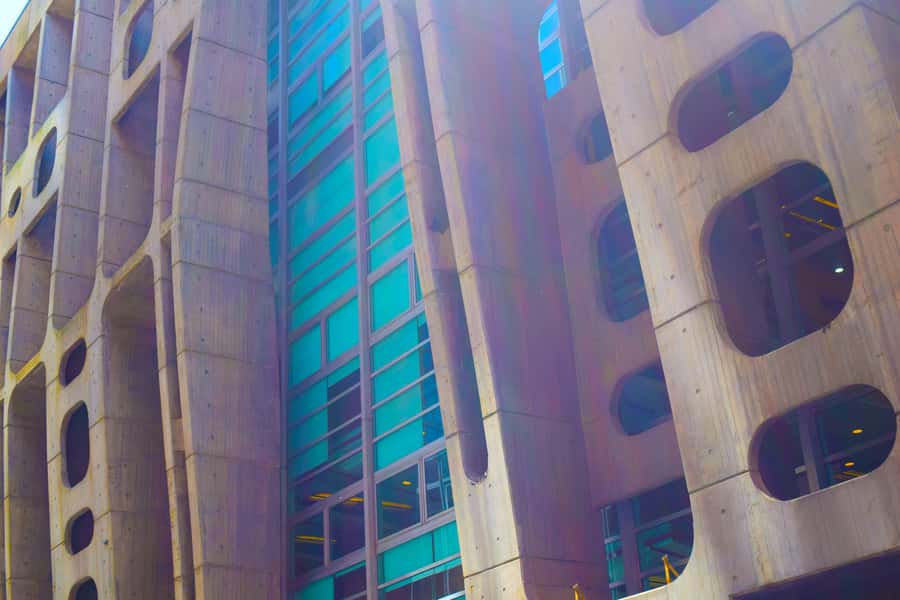
- Banco Hipotecario’s Brutalist facade gives you a style shift you won’t get on the most basic routes
- Mate tasting included, with some background on how it fits Argentine culture
- You’ll pass famous and less-famous buildings, with time to compare multiple styles as you move north
Buenos Aires architecture, from Colonialism to Eclecticism (in 3 hours)
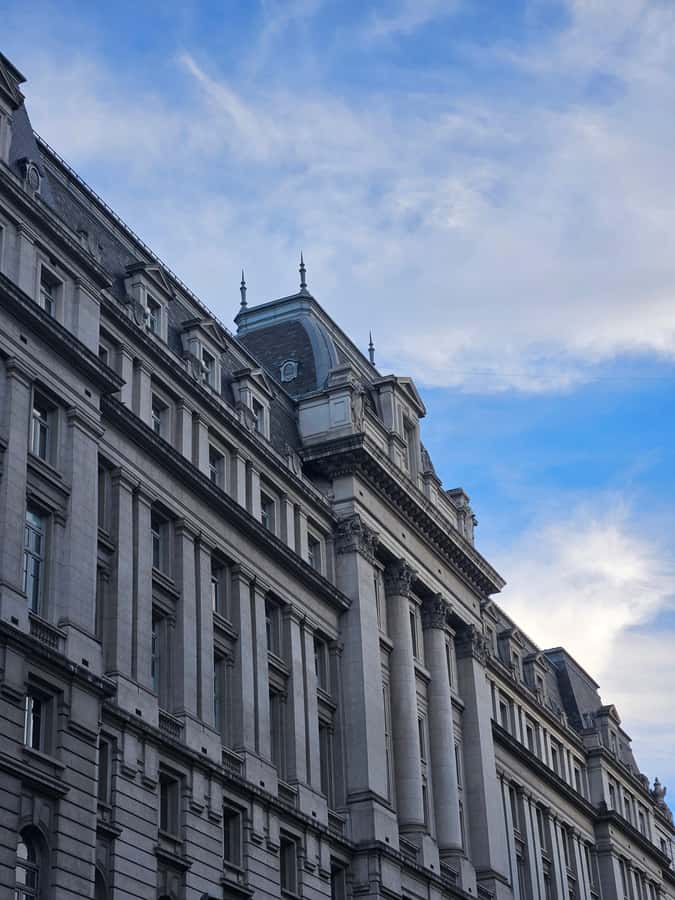
If your plan is Buenos Aires for a few days, you need something that gives you both orientation and personality. This tour does that by treating architecture like a timeline you can walk through. You start in the historic core, then gradually widen into different styles and urban moods—government buildings, banking facades, show-and-culture streets, and finally the grand stage that is Teatro Colón.
I like that the tour doesn’t force you into only the most obvious sights. Yes, you see the Cabildo and the Metropolitan Cathedral area, plus major city icons. But you also get time for those “wait, what is that?” moments—buildings that help explain how Buenos Aires grew into its current look.
The title promises Colonialism to Eclecticism, and the route delivers that feel through contrast. You’ll walk from early civic symbolism toward later variety in design, with the Banco Hipotecario stop acting like a high-impact style interruption thanks to its Brutalist facade.
You can also read our reviews of more tours and experiences in Buenos Aires.

Meeting point and group vibe: up to 4 people, real conversation
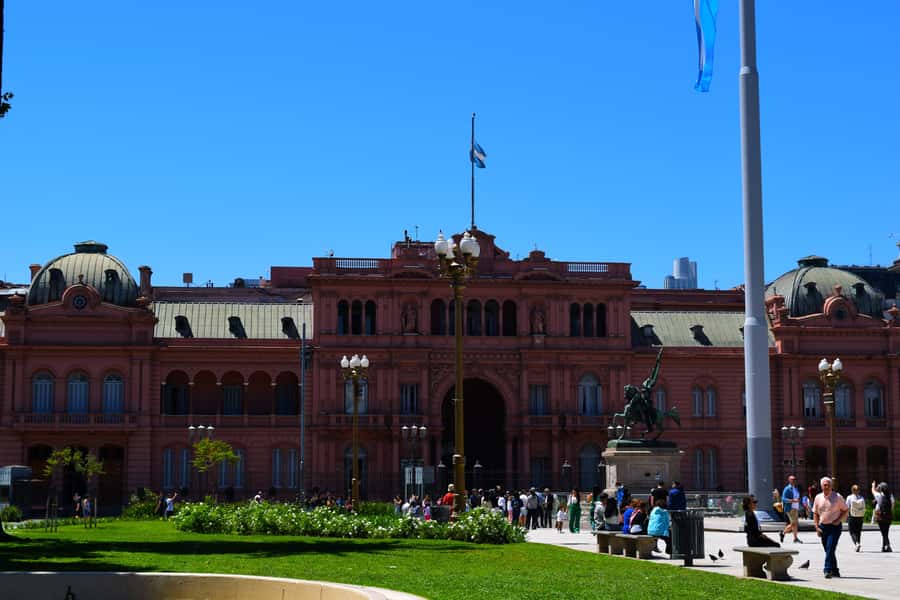
The tour meets right at the center of things: Plaza de Mayo, at the intersection of Bolívar and De Mayo Avenue. From there, you set off walking in the Microcentro area—fast enough to cover a lot, slow enough to talk.
What makes this work is the small group size: limited to 4 participants. That’s not just a comfort thing. It means the guide can respond to your questions about particular architects and building details, and you can ask follow-ups without feeling rushed. In the past, guides on this walk have shown a strong ability to connect design choices to broader stories of South America, not just list facts.
Also, it’s a bilingual setup. The tour runs in English and Spanish, and you’re never left guessing what something means. For a city where signage and details can be intense, that clarity is a genuine value.
Stop-by-stop: what you’ll see and why each part matters
Plaza de Mayo to the civic heart: Cabildo, Cathedral, Casa Rosada, Banco Nación
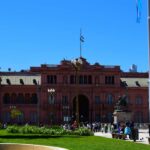
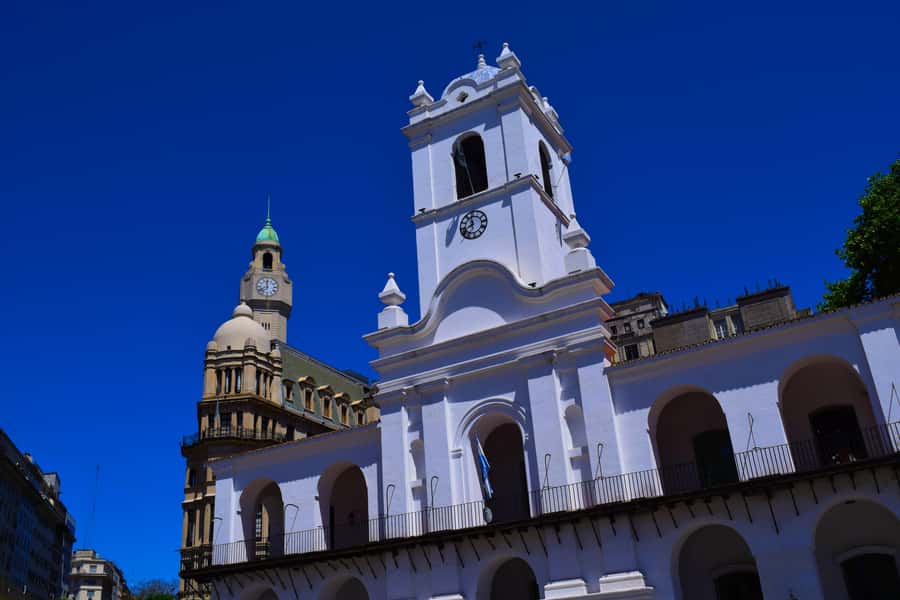
You begin in the square that functions like Buenos Aires’ public living room and political center. From there, the tour focuses on the civic sweep: the Cabildo, the Metropolitan Cathedral, and the area of Casa Rosada and Banco Nación.
Why I think this start is smart for first-timers: it gives your eyes a baseline. You learn what civic architecture looks like when power wants to be seen, and you get a sense of how these buildings communicate with the street. Even if you’ve only seen photos, you’ll leave with a better read on scale, placement, and facade personality.
This portion also sets the tone for the rest of the walk. The guide keeps it practical—pointing out what details to notice and how the buildings relate to the way the city functions.
North on Reconquista Street: the Banco Hipotecario with a Brutalist facade
After Plaza de Mayo, you head north along Reconquista Street. This stretch matters because it’s less about single monuments and more about how a district evolves as you move.
The standout here is the stop at the Banco Hipotecario headquarters, specifically the Brutalist facade. This is where the tour changes gears. Instead of staying in the familiar language of classic civic buildings, you see a design approach that feels more raw and confrontational.
For me, that kind of contrast is the whole point of an architecture walk. You start recognizing that Buenos Aires isn’t one style—it’s layers.


Centro Cultural Kirchner (CCK) and the Palacio de Correos y Telégrafos facade
As you keep moving, you reach the Centro Cultural Kirchner area, and you also stop to see the facade and history connected to the former Palacio de Correos y Telégrafos (Post and Telegraph Palace).
Even without going inside, a facade stop can do a lot. It trains you to read what a building is trying to announce—its public role, its era, and its attitude toward street life. And because this tour isn’t only about exteriors, the guide uses these moments to connect architecture to what the city was doing culturally and socially at different times.
A small caution: if you’re the type who wants indoor museum-style time at every stop, the tour is structured more for walking and exterior reading. You’re still getting history, but it’s aimed at keeping momentum.
Corrientes Avenue: the Gran Rex and the Opera stop for show-era energy
Next, you hit the mythical Corrientes Avenue, known here as the center of nightlife and culture. The tour doesn’t just mention the street. You actually pass by two big icons of the area: the Gran Rex and the Opera.
This is a good shift from “banking and civic identity” into “public entertainment identity.” The architecture on Corrientes carries a different kind of confidence—built for congregation and long nights.
It also gives you something practical: you learn how to move with the city. Corrientes can be lively and visually noisy, so having a guided path helps you avoid getting lost in it.
The Obelisk of Buenos Aires and Plaza de la República: political and social meaning
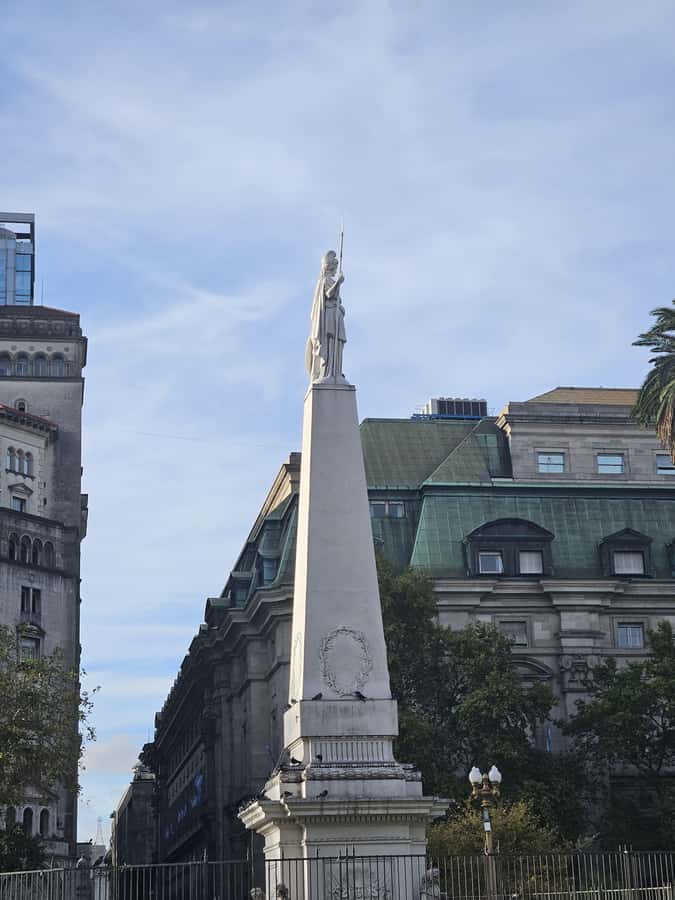
The first half of the tour ends with the Obelisk and Plaza de la República. You’ll learn the Obelisk’s history and why it matters to the country’s political and social life.
This section works because it bridges the “monument” feeling with real context. You’re not just seeing a photo spot. You’re learning what it represents in the city’s public story.
Then the walk continues, with a brief pause at the Obelisk staircase. The guide sets you up for a panoramic moment where you can take in one of the busiest intersections: Av. 9 de Julio and Corrientes.
If you like photos, this is one of your best chances on the route—high visibility, lots of lines, lots of energy.
Plaza Lavalle: Courts Palace and Julio Argentino Roca School
In the last stretch, you reach Plaza Lavalle, where you see two notable buildings: the Courts Palace and the Julio Argentino Roca School.
This part is valuable because it expands the “architecture tells society’s priorities” idea. Courts and schools are everyday power structures. They shape how the city works even when you’re not thinking about politics or formal institutions.
It’s also a good reminder that architecture isn’t just about beauty. It’s about function and messaging, and you can feel that here.
Mate tasting: a cultural stop, not just a snack break
A highlight of this tour is the mate tasting. You’ll have a traditional Argentine snack along with water, then you’ll pause for mate and learn a bit of its history and tradition in Argentine culture.
Mate is one of those experiences that can seem intimidating if you’ve never seen it. The tour’s approach is practical: you get the basics and the cultural context while you’re already in a comfortable walking rhythm. That matters because it keeps the experience grounded in the city instead of turning it into a standalone food stop.
If you like food and culture, this is the part you’ll probably remember most clearly—because it’s interactive and social, even in a small group of four.
Finishing at Teatro Colón: what to expect at the end
You finish at Teatro Colón. The tour includes time to get there and see it as the grand endpoint of the route, with an option to stay for a guided visit inside.
Entrance to Teatro Colón is not included, so if you want the interior, plan on getting additional tickets or joining the optional guided visit separately. If you don’t do the interior, you still end with a strong visual payoff and a sense of closure to the architectural walk.
One practical thought: because the tour is only about 3 hours, it’s designed to avoid dragging you through long ticket lines. You’ll still leave with that sense that the city has a “final act,” without requiring you to commit to a full multi-hour museum experience.
Price and value: why $25 feels fair here
At $25 per person for a 3-hour small-group walking tour, the value is mainly in three areas:
- You get a guide who stays with you the whole time (English-speaking, also Spanish available), and you’re limited to 4 people, which keeps it interactive.
- You’re not paying extra for refreshments: water plus a traditional snack are included, and mate tasting is included too.
- You cover a smart geographic arc: Plaza de Mayo through Microcentro north toward Corrientes and culminating at Teatro Colón. That’s a lot of visual “before and after” style contrast in one outing.
The main costs you might still face are simple: Teatro Colón interior entrance isn’t included, and lunch isn’t included. If you’re the kind of traveler who wants both the exterior and interior at every major stop, you’ll likely spend more on top. If you’re happy with a guided exterior focus plus the mate and cultural breaks, you’ll probably feel this price is right in the sweet spot.
Who should book this tour (and who might skip it)
This tour is ideal if you:
- want a compact Buenos Aires architecture orientation without committing to a full-day plan
- like learning how buildings connect to culture and public life
- appreciate a small group and time for questions
- want an easy, included cultural moment with mate tasting
You might skip it if you:
- can’t do much walking or don’t want time on the sidewalks in central streets
- need nonstop interior access to major buildings (the Teatro Colón interior is optional)
A few practical tips so you enjoy it more
You’ll be happiest if you show up ready for a city walk. Bring comfortable shoes, and also pack for sun exposure with a hat, sunglasses, and sunscreen. The tour includes water, but you still want to protect yourself while you’re moving.
Also, think about photos. There are photo stops, plus the panoramic view near Av. 9 de Julio and Corrientes. If you want good shots, plan to keep your camera accessible during transitions.
Should you book From Colonialism to Eclecticism, Buenos Aires arquitectonica?
If you want your Buenos Aires to make sense fast, this is a solid choice. You get civic icons, style shifts, theater grandeur, and a hands-on cultural pause with mate tasting—all in a small group with a guide who can answer questions about the buildings and their eras.
I’d book it if you’re excited by architecture that shows how a city thinks and communicates. If you’re strictly hunting for inside-the-building time, you’ll still enjoy the exteriors, but you’ll likely want a separate plan for interior visits.
Either way, it’s one of the better ways to turn a map full of names into a walk you can actually read.
FAQ
How long is the tour?
The tour lasts about 3 hours.
What is the price per person?
The price is $25 per person.
How large is the group?
The group is small, limited to 4 participants.
Where does the tour start?
It starts in Plaza de Mayo at the intersection of Bolívar and De Mayo Avenue (also listed as Bolívar 65).
Where does the tour end?
It ends at Teatro Colón, with the option to stay for a guided visit inside.
Is Teatro Colón entrance included?
No. Entrance to Teatro Colón is not included.
What’s included in the tour?
You get an English-speaking tour guide throughout, water and a traditional Argentine snack, and mate tasting.
What is not included?
Lunch is not included, and Teatro Colón entrance is not included.
What languages are available?
The tour is available in Spanish and English, with an English-speaking guide throughout.
Can I cancel or book without paying right away?
Yes. You can cancel up to 24 hours in advance for a full refund, and you can reserve now and pay later.