REVIEW · BUENOS AIRES
Buenos Aires Premium City Tour
Book on GetYourGuide →Operated by Gray Line Argentina · Bookable on GetYourGuide
Buenos Aires hits different when you see it in slices. This 5-hour Premium City Tour strings together the city’s most iconic neighborhoods—Recoleta, Retiro, San Nicolás, Montserrat, San Telmo, and La Boca—with memorable downtown landmarks along the way. I especially like how you get panoramic context first, so the architecture and street names make sense fast. One thing to keep in mind: it’s not designed as a full-day, slow-walk tour, and you may not be taken back to your exact hotel drop-off.
My other big win: the mix of major sights and quick photo moments means you spend less time figuring out where to be and more time actually seeing. There’s a short walking tour around Teatro Colón, plus a panoramic photo view of the Obelisk, and multiple stops that help you connect the neighborhoods to the city’s big political and cultural centers. The main consideration is logistics—pick-up coverage is limited, and some hotels aren’t included, so you’ll need to be ready to go to the nearest designated pick-up point.
In This Review
- Key points before you go
- A tight 5-hour loop that still feels like Buenos Aires
- Pick-up rules and where the day can start (or not start)
- Downtown icons: Obelisk, Teatro Colón, and the walking chunk
- Plaza de Mayo and Casa Rosada: where politics meets architecture
- The neighborhoods on the bus: Recoleta, Retiro, San Nicolás, and Montserrat
- Calle Caminito in La Boca: color, photos, and knowing what you’re walking into
- San Telmo and Avenida Alvear: architecture swings from tight streets to grand avenues
- Puerto Madero: a modern counterpoint in a recycled waterfront mood
- How much is $78, and what you’re really paying for
- The guide experience: languages, energy, and what to expect
- Don’t get surprised: drop-off and what you’ll do after
- Should you book this Buenos Aires Premium City Tour?
- FAQ
- How long is the Buenos Aires Premium City Tour?
- What neighborhoods and sights are included?
- What does the tour include for walking?
- Are there photo stops during the tour?
- Does the tour include entry to Recoleta Cemetery?
- Will the tour bring you back to your hotel?
- What languages are the live guides?
Key points before you go
- Iconic-neighborhood route in 5 hours: Recoleta, Retiro, San Nicolás, Montserrat, San Telmo, and La Boca.
- Teatro Colón area walk: you get out and see the outside area on foot, not just from the bus.
- Major downtown hits: Obelisk photo view, Plaza de Mayo, Casa Rosada, Catedral Metropolitana, and the Cabildo.
- Three built-in photo stops: Plaza de Mayo, Calle Caminito, and Puerto Madero.
- A strong guide setup: live guidance in Spanish, English, and Portuguese, with praised guides like Daniel.
- Plan for limited return service: transfer back to your hotel isn’t included.
A tight 5-hour loop that still feels like Buenos Aires
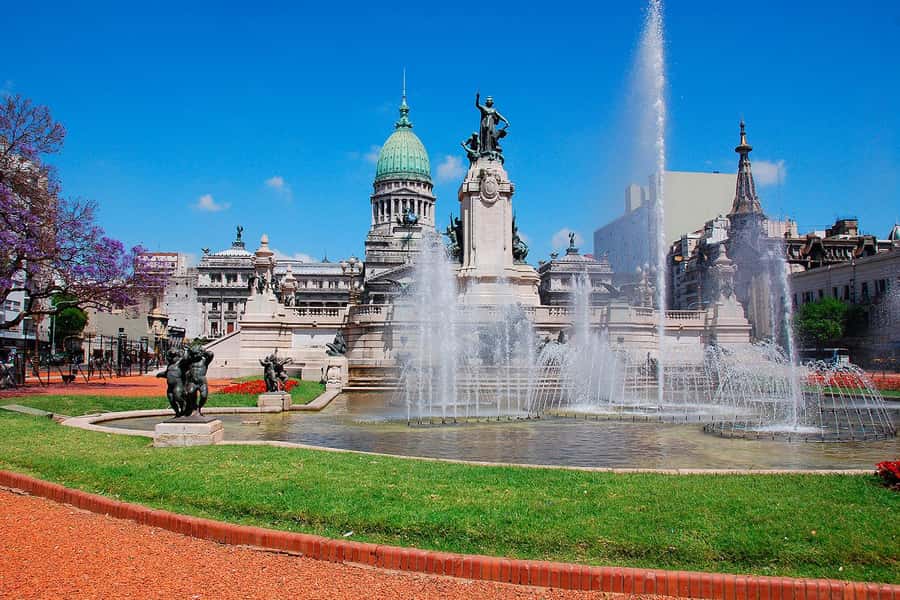
This is the kind of tour you book when you want structure on day one. The route is built around Buenos Aires’ identity: elegant avenues and big civic spaces downtown, then the neighborhood personalities as you swing through Recoleta, Retiro, San Nicolás, Montserrat, San Telmo, and finally La Boca. You’re not going for one museum or one neighborhood in depth. You’re going for orientation—so later, when you return to explore on your own, you know what you’re looking at.
The timing matters. Five hours is long enough to cover a lot of ground by bus and still include a meaningful walking segment around Teatro Colón. But it’s short enough that you shouldn’t expect extended stays at every stop. If you want time to browse markets, linger on side streets, and go slow, you’ll likely want to pair this with an additional neighborhood-focused plan on another day.
You can also read our reviews of more city tours in Buenos Aires

Pick-up rules and where the day can start (or not start)
This tour includes pick-up from centrally located hotels, with a key limitation: there’s no pick-up from hostels, aparthotels, or private homes. It also notes that some hotels in the city (Palermo is called out as an example) aren’t included in the pick-up itinerary.
If your hotel isn’t on the included list, you should expect to receive instructions telling you the nearest hotel pick-up point. The practical detail: you’ll need to be in the lobby of that alternate hotel at the indicated time, not back at your own address.
Two review themes are worth respecting here. First, punctuality can be an issue: one visitor said the guide was about an hour late and pick-up timing wasn’t communicated, which can matter a lot when your start time is tied to a schedule. Second, start times can change, and it may be hard to reach the company quickly if the numbers provided don’t work. My advice: confirm the day before if you can, and plan to arrive early at the pick-up point rather than right on time.
Downtown icons: Obelisk, Teatro Colón, and the walking chunk
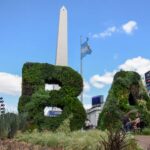
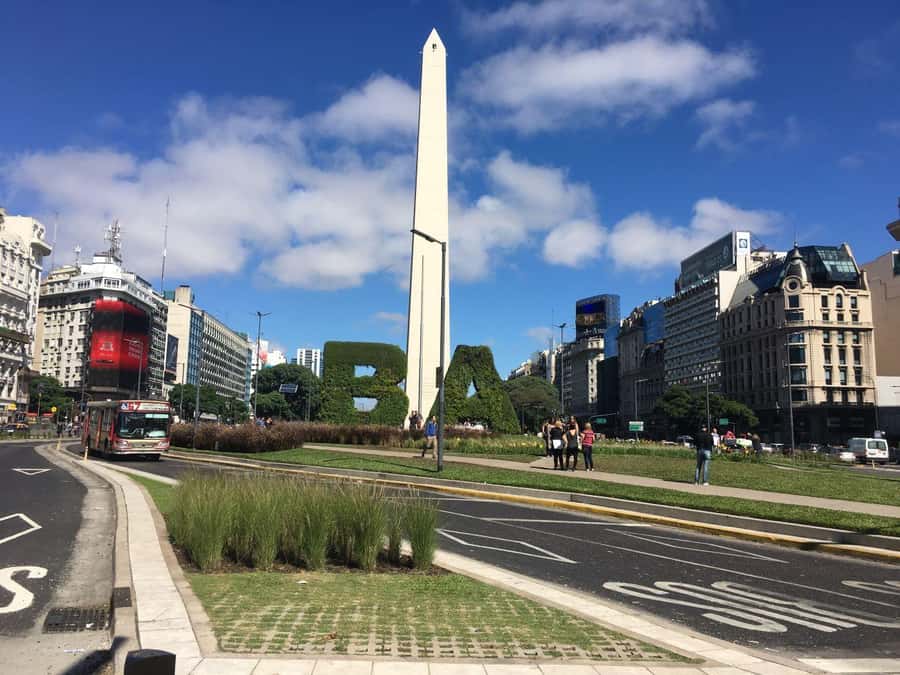
The tour is designed to give you instant visual anchors. You’ll get a panoramic photo view of the Obelisk—Buenos Aires’ vertical “you’re here” marker—so even if you don’t have a map handy, you’ll understand how the city’s core is laid out.
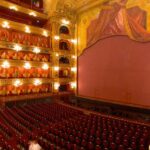
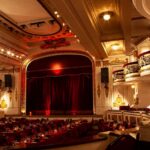
Then comes the more satisfying moment: a walking tour around the Teatro Colón area. You’re not going inside (no entry to major interior attractions is listed), but getting out on foot near one of the world’s best-known opera houses changes how you see the surroundings. Theater buildings are urban magnets: the block scale, the façade details, and the street rhythm all tell you something about Buenos Aires’ ambition.
A small but useful review note: one person advised keeping your cellphone away while the guide is talking. It’s a reminder that the guide’s explanations are part of what makes the sights click. If you’re the type who records everything, balance that with actually listening for the context.
Plaza de Mayo and Casa Rosada: where politics meets architecture
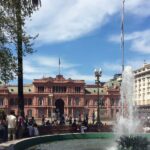
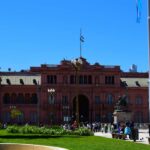
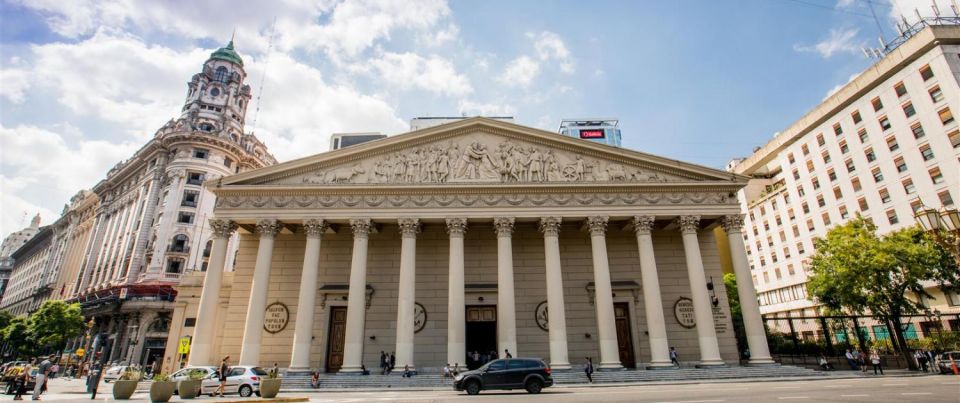
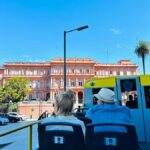
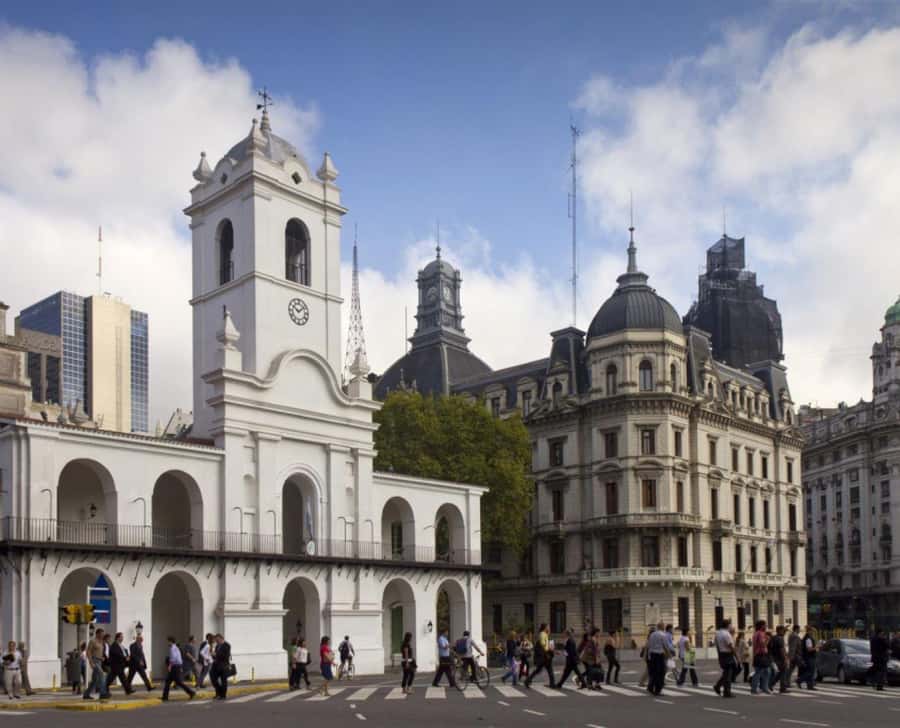
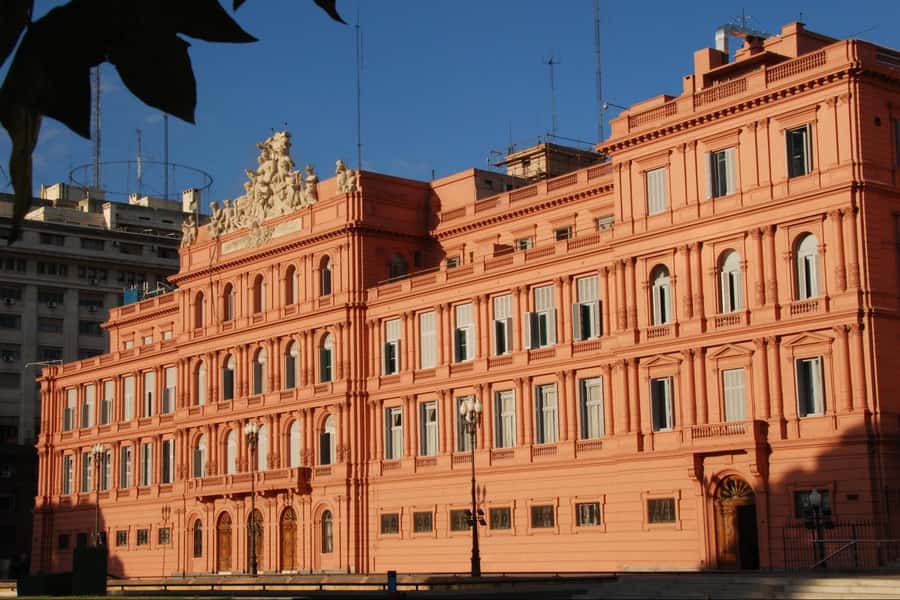
The backbone of the downtown portion is the Plaza de Mayo area. You’ll pass by and stop for photo time at key government and colonial-era landmarks, including the Casa Rosada, the Catedral Metropolitana, and the Cabildo. Even if you’re not a politics person, this is where Buenos Aires’ power and storytelling show in public space.
One photo stop is specifically tied to Plaza de Mayo. That’s valuable because the plaza is big, busy, and easy to misread if you only glance from the sidewalk. A guided stop helps you understand what you’re looking at—why the buildings are arranged the way they are and how the historic and modern threads overlap.
Now, the safety note you should take seriously comes from a specific incident reported during this stop. A reviewer described a gold chain being ripped off in Plaza de Mayo by a group of young men, along with damage to a shirt. The important takeaway isn’t fear—it’s behavior. Keep valuables out of easy reach, avoid displaying jewelry, and keep your bag closed and close, especially around crowded photo areas. If you’re traveling with money or cameras, treat this stop like a place where you need the same street-smart habits you’d use anywhere crowded.
The neighborhoods on the bus: Recoleta, Retiro, San Nicolás, and Montserrat
A lot of the tour happens as you move through neighborhoods by bus, which is exactly what makes this good “first contact” travel. You’ll get the big visual cues—avenues, building styles, and street layouts—without having to plan transit between locations.
Here’s what the neighborhood mix signals:
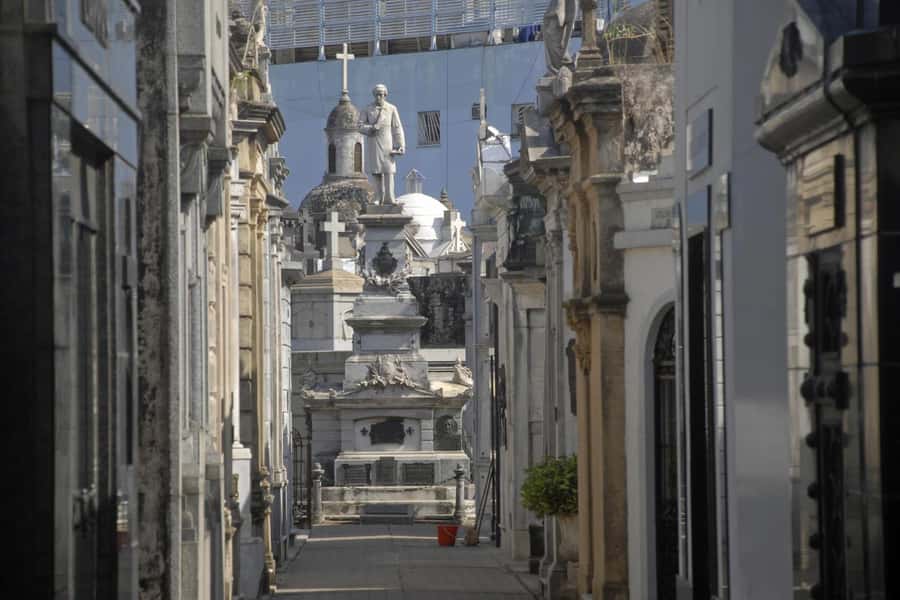
- Recoleta: often associated with fine architecture and a more refined vibe. The tour includes the area, but entry to Recoleta Cemetery is not included, so don’t expect the big cemetery visit as part of this.
- Retiro: another anchor zone with its own urban feel, useful if you’re curious about how Buenos Aires handles transport and movement within the city center.
- San Nicolás and Montserrat: both help round out the downtown story. You’re seeing the city’s layers: formal streets, official buildings, and older quarters that still shape daily life.
I like this approach for people who want context fast. You’re not stuck inside a single neighborhood all morning. You get a “taste menu,” then you can choose where you want to return later for slower exploration.


Calle Caminito in La Boca: color, photos, and knowing what you’re walking into
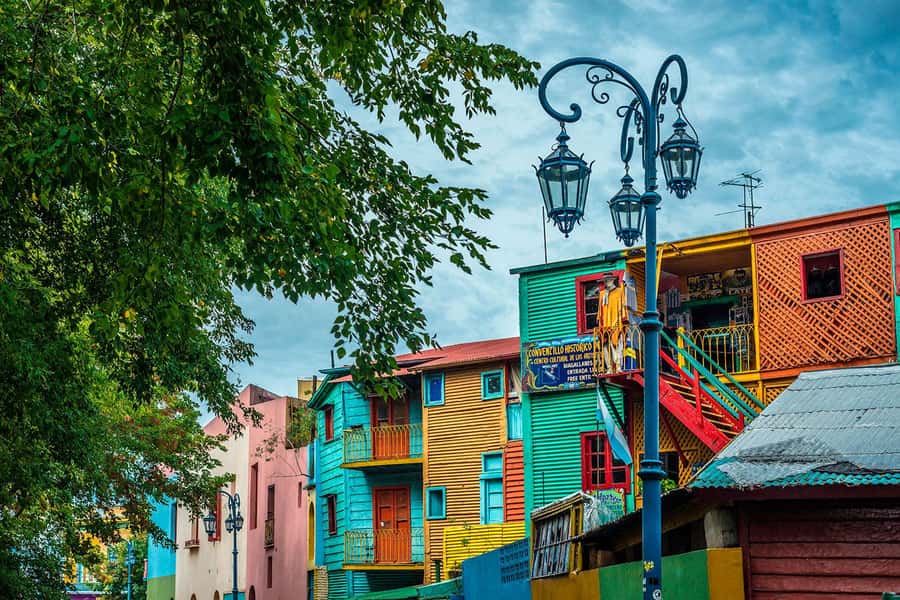
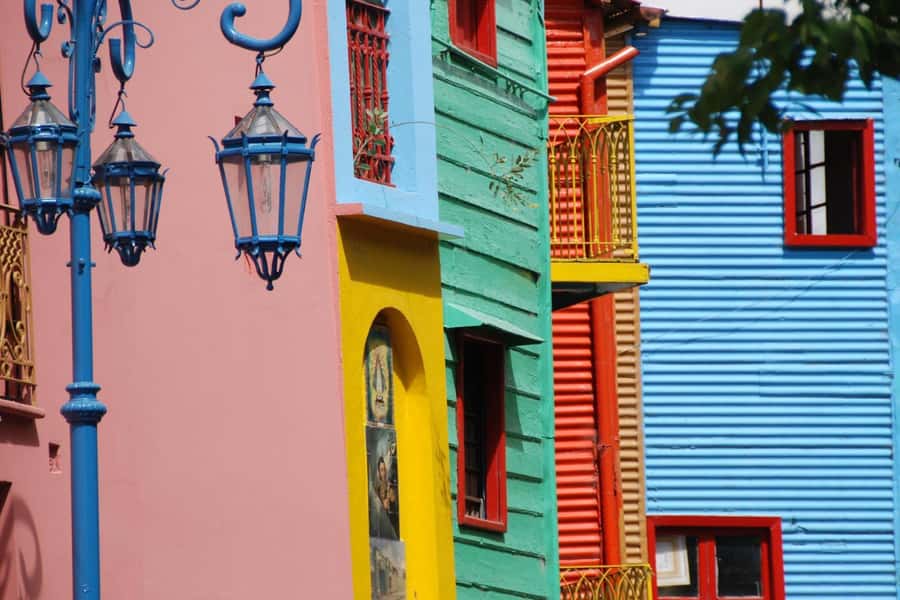
La Boca is the emotional climax of the route. The tour includes time at Calle Caminito with a dedicated photo stop. Caminito’s fame comes from its painted façades and the sense of performance you’ll often feel in the streets. Even if you’ve seen photos online, the street-level view hits differently because Buenos Aires details are physical: doorways, murals, textures, and the way buildings crowd the sidewalk.
The trade-off is that Caminito can be crowded and photo-driven. That’s why a guided photo stop can be a sweet spot: you get just enough structure to avoid aimless wandering. And since this tour is only five hours total, you’re likely to appreciate the time being managed rather than endlessly stretched.
If you’re carrying a camera or wearing jewelry, this is another area where you should use common-sense caution. The review incident at Plaza de Mayo is the clearest example, but the broader lesson applies to any busy tourist corridor: keep valuables close, don’t let your attention drift, and stay aware of your space.
San Telmo and Avenida Alvear: architecture swings from tight streets to grand avenues
Between La Boca’s colorful street scenes and the downtown icons, the route passes through San Telmo and highlights parts of Avenida Alvear. San Telmo is known for its narrow streets and older textures, and even a short look from the street helps you understand why people keep returning there.
Avenida Alvear is the contrast you want in a day tour. Big-city palaces and grand façades show a more formal Buenos Aires side. This mix is part of the value: you’re not only collecting “postcard” stops. You’re learning how Buenos Aires expresses different social moods through different streets.
Puerto Madero: a modern counterpoint in a recycled waterfront mood
To end with a sharp contrast, the tour includes Puerto Madero, specifically as a modern recycled area. You’ll have a photo stop there, and it’s a smart decision. Puerto Madero is easier to read than many older zones because the layout feels clean and deliberate. You see the city’s planning side—waterfront development, wide promenades, and modern architecture that shifts the tone.
I like tours that finish with a change of pace. It helps you remember the day without feeling like every stop is the same kind of urban scene. Puerto Madero’s role here is also practical: after the downtown intensity, this is a calmer visual reset before you head back to your own plans.
How much is $78, and what you’re really paying for
At $78 per person for 5 hours, the value comes from organization, not from one single “major attraction ticket.” You’re paying for:
- Coverage of multiple emblematic neighborhoods in a single afternoon
- A guide in Spanish, English, and Portuguese
- A short walking component near Teatro Colón
- Panoramic viewing plus three structured photo stops (Plaza de Mayo, Caminito, Puerto Madero)
If you’re solo or short on time, this can be a good buy because you avoid the mental overhead of mapping out where to go next. You also avoid the common beginner mistake of starting downtown, then realizing later you didn’t see La Boca or Puerto Madero at all.
The main reason this price might feel high for some people is the “how much time outside the bus” factor. One reviewer noted limited exits from the bus. That’s consistent with a bus-heavy city loop. If your dream day is long wandering and in-depth stops, you may prefer a smaller, more neighborhood-focused tour.
The guide experience: languages, energy, and what to expect
This tour runs with a live guide in Spanish, English, and Portuguese, which is a real advantage when you want accurate place context instead of just reading signage. The feedback also points to guide quality varying by day, as it does with any guided service.
One visitor praised the guide Daniel as exceptional. Another described an excellent, energetic guide. Those comments matter because the difference between a “see buildings” day and a “understand the city” day usually comes from explanations that connect neighborhoods to their landmarks.
My practical advice: treat the guide’s spoken moments as your real itinerary. Put away the phone when they’re talking, and you’ll get much more out of the same stops.
Don’t get surprised: drop-off and what you’ll do after
One important line in the tour details: transfer back to your hotel isn’t included. That means you should expect to be dropped somewhere other than your original pick-up point, and at least one reviewer reported that the drop site wasn’t where they thought it would be.
Plan for your next steps. Before the tour starts, check where you’ll end up and how you’ll move afterward. If you’re relying on a specific evening plan, build in a little flexibility so you’re not rushing across town.
Should you book this Buenos Aires Premium City Tour?
Book it if you want a fast, guided orientation to Buenos Aires. This is especially good for first-timers who want to understand how downtown power, opera-house grandeur, La Boca street color, and Puerto Madero modern waterfront all fit together. It’s also a solid value for the guide-led explanations and the mix of walking plus photo stops within five hours.
Skip it or pair it with something else if:
- You want long time in one neighborhood (this tour is structured for coverage).
- Your hotel isn’t included in pick-up and you don’t want to switch to a nearby meeting point.
- You’re uncomfortable with crowded photo zones (take extra care with valuables, especially at Plaza de Mayo-type areas where a reported incident occurred).
If you book, do two things that pay off instantly: keep your phone and valuables under control during guide stops, and arrive early at your pick-up location so timing surprises don’t derail your day.
FAQ
How long is the Buenos Aires Premium City Tour?
The tour lasts 5 hours.
What neighborhoods and sights are included?
You’ll cover the neighborhoods of Recoleta, Retiro, San Nicolás, Montserrat, San Telmo, and La Boca, with stops for major sights such as the Obelisk, Teatro Colón area, Plaza de Mayo, Casa Rosada, the Metropolitan Cathedral, the Cabildo, Calle Caminito, and Puerto Madero.
What does the tour include for walking?
It includes a walking tour around the Teatro Colón area.
Are there photo stops during the tour?
Yes. There are three intermediate photo stops at Plaza de Mayo, Caminito, and Puerto Madero.
Does the tour include entry to Recoleta Cemetery?
No. Entry to Recoleta Cemetery is not included.
Will the tour bring you back to your hotel?
No. Transfer back to the hotel is not included.
What languages are the live guides?
The guide provides live commentary in Spanish, English, and Portuguese.