REVIEW · CUSCO
5-Day Salkantay Trek to Machupicchu Sky Lodge Dome
Book on GetYourGuide →Operated by TERRA QUECHUA PERU · Bookable on GetYourGuide
Salkantay feels wild, then turns surprisingly comfortable. This 5-day trek in Peru’s Cusco region mixes serious high-altitude hiking with Sky Lodge dome comfort, then finishes with a Machu Picchu sunrise morning. You’ll also get real detours into local life, from the Humantay Lagoon day-one visit to a coffee plantation campsite on Day 3.
Two things I really like: the domes have private bathroom and hot shower (after tough walking days, that matters more than you think), and the pace stays organized without feeling rushed. The small group size also helps, and the bilingual guide experience can make the long travel days less stressful.
One possible drawback: the handoff details for Machu Picchu tickets can be shaky if the office communication isn’t on point. In one case, the tour’s office briefing did not clearly confirm the Machu Picchu ticket status until the day before departure, which is stressful when you’re trying to lock in the right time slot.
In This Review
- Key highlights at a glance
- Sky Lodge domes: the comfort upgrade you’ll notice most after Day 2
- Day 1: Cusco pickup, Challacancha start, and Humantay Lagoon near the beginning
- Day 2: The Salkantay high pass at 4,650 m and why the views matter
- Day 3: Into the high jungle, Lluskamayo crossing, and the coffee plantation dome camp
- Day 4: Llaqtapata and Hydroelectric lunch, then the train-track walk into Aguas Calientes
- Day 5: Sunrise Machu Picchu, 2-hour guide time, and optional Huayna Picchu
- Guides and crew: what you can learn from real-name experiences
- Gear, altitude, and luggage rules you should actually plan around
- Price and value: why $700 can feel fair on Salkantay, and where you might spend extra
- Who should book this Salkantay trek (and who should think twice)
- Should you book the 5-day Salkantay Trek to Machu Picchu Sky Lodge Dome?
- FAQ
- How long is the Salkantay Trek to Machu Picchu Sky Lodge Dome?
- Where does the trek start and where do you sleep overnight?
- Is the Machu Picchu ticket included?
- How early is the bus to Machu Picchu on the final morning?
- What’s the group size limit?
- What meals are included?
- Do the domes include private bathrooms and hot showers?
- Do I need to bring a sleeping bag and trekking sticks?
- Can I get vegetarian or vegan meals?
- Is Huayna Picchu included?
Key highlights at a glance
- Luxury domes with private bathroom and hot shower so you’re not counting on shared cold showers
- A 4,650 m high pass crossing with big, snow-capped mountain views and rare clear-air moments
- Coffee plantation camp on Day 3, including hands-on roasting and grinding as part of the trek
- Llaqtapata/Inca-trail-style walking plus an early glimpse of Machu Picchu before the final morning
- Machupicchu sunrise logistics: early bus, guided time inside, then free exploration
Sky Lodge domes: the comfort upgrade you’ll notice most after Day 2
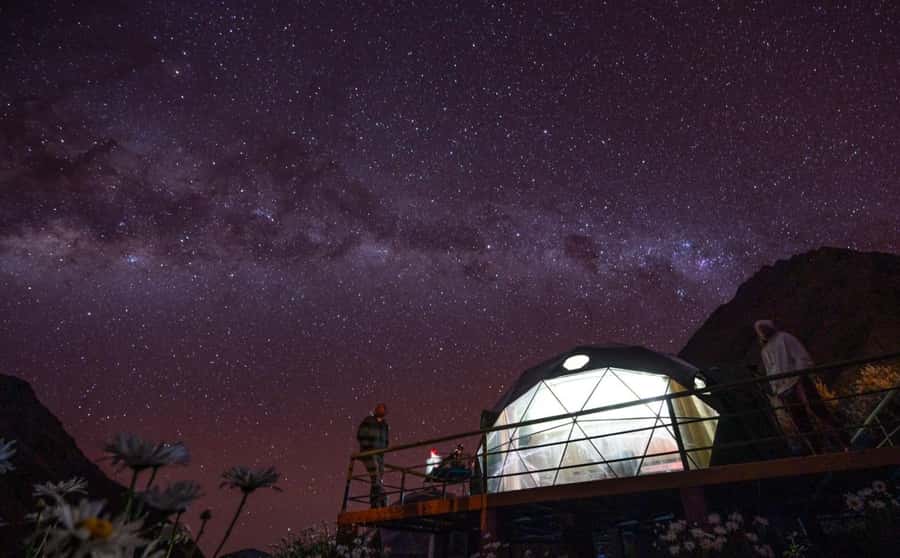
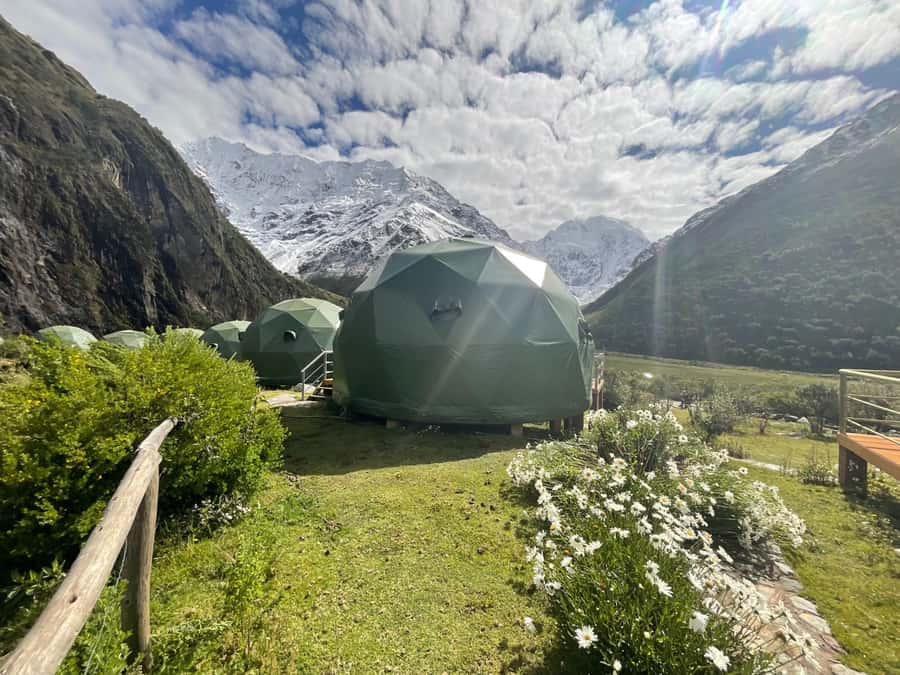
The biggest difference on this trek is that you’re not sleeping in basic tent camps. The tour uses luxury domes with a private bathroom and a hot shower, which turns the nights from “survival mode” into “recovery mode.”
That’s not just a nice-to-have. When you’re hiking at altitude and crossing a high pass, you want your body to reset. A warm shower and a private bathroom help you sleep better and feel human enough to tackle the next day’s walking. One traveler also flagged that the first night can be very cold in dome settings, which makes sense at high elevation. Bring warm layers even if you’re tough and swear you run hot.
Another comfort detail: the trekking infrastructure is there for you. Horsemen and mules transport equipment, food, and personal luggage up to 7 kilos per person, so you’re not hauling everything on your back from the start. That matters a lot when trails get steep and rocky.
You can also read our reviews of more hiking tours in Cusco
Day 1: Cusco pickup, Challacancha start, and Humantay Lagoon near the beginning
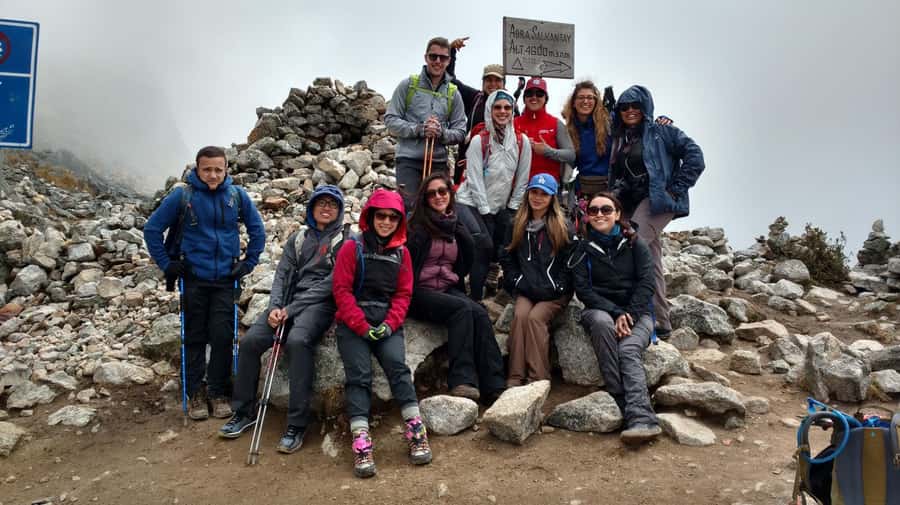
Your day begins early, with pickup from your Cusco hotel around 4:30–5:00 am. You’ll ride to Mollepata (about 2 hours), eat breakfast there, then transfer again to Challacancha (about 40 minutes more). After that, you start hiking.
Why this day is worth doing carefully: it’s your warm-up for altitude and pacing. Even if you feel fine leaving Cusco, the trail will remind you quickly that you’re in the Andes, not on a casual walk.
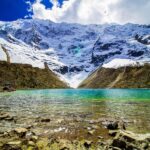
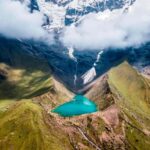
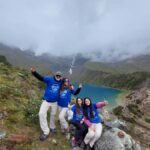
You also visit Humantay Lagoon on Day 1, then sleep in domes at the Soraypampa campsite area. This is the “wow” day, before the trek gets harder. The timing is good because you’re still fresh enough to enjoy the views instead of just pushing through.
If you like ceremonies and local context, this tour includes an Andean offering to Mother Earth on the first day. That’s the kind of touch that helps the trek feel less like a checklist and more like an experience grounded in place.
Day 2: The Salkantay high pass at 4,650 m and why the views matter
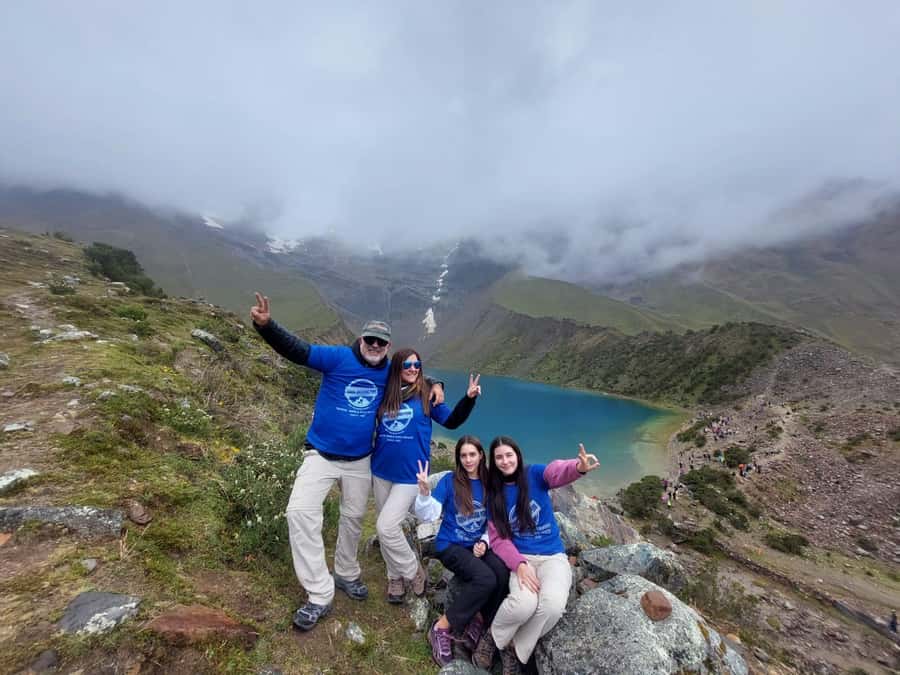
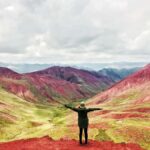
Day 2 starts with breakfast around 5:30 am, then you trek toward the highest pass on the route: 4,650 m / 15,200 ft. The pass sits midway between two huge mountains: Salkantay to the right and Tucarhuay to the left.
This is the day that tests your lungs and legs. The climb can feel long, but the payoff is the reason you booked Salkantay in the first place: the views when you reach the pass. There’s even a possibility of seeing snow at this elevation, depending on conditions.
Practical tip: keep your effort steady rather than aggressive. At altitude, it’s better to move at a pace where you can breathe and talk in short phrases. Your guide will keep the group moving in a way that matches the day’s altitude pressure.
That night you camp in domes at the Chaullay campsite. Expect a slower evening because your body will be recalibrating after the pass.
Day 3: Into the high jungle, Lluskamayo crossing, and the coffee plantation dome camp
Day 3 feels like the trek’s mood shift. After a 6:30 am breakfast, you hike through the high jungle, crossing the Lluskamayo River and passing streams before reaching Playa after about 4 hours of walking.
Then comes the most memorable twist on this route: instead of a random campsite, you camp in domes inside a coffee plantation. The tour includes learning about the coffee process and participating in it, including harvesting, roasting, and grinding coffee as part of the trek.
This is exactly the kind of stop that makes Salkantay more than scenery. You’ll leave the day knowing something you can’t get from a photo. And it breaks the monotony of “walk, rest, walk” by turning the campsite into a small workshop you’re part of.
A note for food lovers: you’ve got 4 breakfasts, 4 lunches, 4 dinners, plus snacks across the days. That structure helps keep energy stable on a trek like this, especially when altitude changes your appetite.
Day 4: Llaqtapata and Hydroelectric lunch, then the train-track walk into Aguas Calientes
Day 4 is about transitions. You’ll start around 6:30 am with a goal to reach Llaqtapata early. The walk includes part of the original Inca trail, which gives you a different feeling on your feet than the earlier trail segments.
You’ll also get hands-on context with local life: you may harvest fruits in the area, and you’ll see crops growing along the way, including coca, banana, and other plantation varieties. The Urubamba Valley views are a highlight here, and you’ll get one of your first clear glimpses of Machu Picchu in the background.
Then you head toward Hidroelectrica for lunch. After that, you walk about 2.5 hours along the train track until you reach Aguas Calientes, where you stay overnight in a hotel.
Two things I think you’ll enjoy on this day:
1) The feeling of approaching Machu Picchu before the official sunrise morning.
2) The chance to reset in town.
You can also take advantage of Aguas Calientes hot springs, with an entrance cost listed as 10 soles. This isn’t required, but if your muscles feel cooked, it’s a simple payoff.
You can also read our reviews of more tours and experiences in Cusco
Day 5: Sunrise Machu Picchu, 2-hour guide time, and optional Huayna Picchu
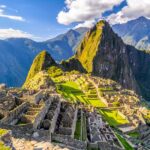
Day 5 is built for the best kind of timing: early access. You wake around 5:00 am, eat breakfast, and head to Machu Picchu by bus. The tour uses the first bus at 5:30 am, and the ride lasts about 25 minutes, timed so you can see the site as the sun rises.
Once you arrive, your guide provides a 2-hour tour. That guided time matters because Machu Picchu is easy to appreciate and hard to fully understand without a human bringing the place into focus.
After the guided portion, you explore on your own. If you still have energy, there’s an optional climb to Huayna Picchu (listed at 2,720 m / 8,890 ft). The climb is about 1:45 to reach the top, and it depends on availability.
After Machu Picchu, you return via train. The schedule listed runs either 2:00 pm–4:00 pm or 6:20 pm, depending on train availability. You arrive in Ollantaytambo, then take private transport back to Cusco.
Guides and crew: what you can learn from real-name experiences
The trek is only as good as the people running it, especially on a 5-day route with altitude and strict Machu Picchu timing. This tour uses a professional bilingual guide (Spanish–English) and includes a cook.
From the named experiences I have here, the guide experience can be excellent when communication is clear and the team is organized. I saw examples like Roberto and Abel described as standout, and cooks such as Mario and Exaltación credited for top-quality meals. That’s not a guarantee for every departure, but it tells you the operator can staff strong people.
Here’s the practical part: even if your guide is great, you should still verify the Machu Picchu time slot and bus plan before you start the trek. One traveler experienced a stressful surprise when the office didn’t confirm Machu Picchu ticket status until the day before departure. If you’re the type who likes certainty, ask early and in writing-style clarity:
- What time slot is confirmed for your Machu Picchu entry?
- How is bus timing handled for Machu Picchu?
- Are your train details locked for the return day?
You’ll enjoy the trek more when you’re not spending energy worrying about paperwork.
Gear, altitude, and luggage rules you should actually plan around
Altitude isn’t optional on this route. You’re trekking to a 4,650 m pass, then spending several days moving between environments. The tour recommends arriving in Cusco at least 2 days before you go, so you can acclimatize.
What to bring is clearly listed, and you should treat it like a real checklist:
- Warm clothing
- Sunglasses and a sun hat
- Cash
- A daypack
- Trekking gear and hiking shoes
- Passport or ID card
Sleeping gear detail: a sleeping bag is not included, and trekking sticks are also not included. If you run cold at night (and altitude can be cold), plan for that. Also remember the first dome nights can feel chilly even with hot shower access.
Luggage rules are important:
- Your duffel bag is carried for you until the third day.
- From day 4, you carry your own bags.
There’s also an optional luggage transfer on Day 4: you can send luggage by car from Playa to Hydroelectric, then by train to Aguas Calientes, for about 20 soles (paid directly). If you want less weight on Day 4’s longer approach toward town, that option can be worth considering.
Price and value: why $700 can feel fair on Salkantay, and where you might spend extra
At $700 per person for a 5-day trek, the value comes from bundling the pieces people usually struggle to coordinate: guides, meals, transport to trailheads, the train back from Aguas Calientes, and Machupicchu tickets plus the bus up to the site.
Here’s what’s included that often costs extra when you try to DIY:
- A bilingual professional guide
- Hotel pickup and key transport segments
- Train from Aguas Calientes to Ollantaytambo
- Horsemen and mules for equipment, food, and up to 7 kilos personal luggage
- A cook and full meal schedule (4 breakfasts, 4 lunches, 4 dinners, 4 snacks)
- Luxury dome lodging with private bathroom and hot shower
- One night accommodation in Aguas Calientes
- First-aid kit
What’s not included helps you budget honestly:
- First breakfast and last dinner
- Sleeping bag
- Trekking sticks
You might also spend money on the hot springs (10 soles is listed) and optionally on the Day 4 luggage transport (about 20 soles). Those are minor compared to what’s already handled.
To me, the big “value lever” here is the dome comfort paired with the strict timing needed for Machu Picchu. Getting sleep, washing up, and staying on schedule isn’t cheap on your own.
Who should book this Salkantay trek (and who should think twice)
This is a challenging and rewarding trekking route, and that isn’t marketing fluff. You’re crossing a high pass, you’re hiking multiple days in changing terrain, and your body has to handle altitude.
The tour is marked as not suitable for:
- People with back problems
- People with mobility impairments
- People with heart problems
- Pregnant women
There’s also a confusing detail: it’s listed as wheelchair accessible, but also marked not suitable for mobility impairments. If that applies to you, don’t assume. Contact the operator before booking and ask what “accessible” means in practice for this exact route.
Best fit:
- People comfortable with strenuous hikes and elevation
- Travelers who want Machu Picchu without doing complicated logistics
- Food lovers who enjoy coffee and local learning stops
- Solo travelers or couples who appreciate a small group limited to 10 participants
Should you book the 5-day Salkantay Trek to Machu Picchu Sky Lodge Dome?
Book it if you want Salkantay’s real trekking challenge but you also value recovery. The private bathroom and hot shower domes are the kind of comfort that quietly improves your whole trip, especially after the 4,650 m pass day. Add in the coffee plantation camp and the early Machu Picchu approach, and you get a trek that feels more human than just scenic.
Think twice if you need perfect paperwork clarity from the start. Because one experience here involved an unexpected Machu Picchu ticket confirmation issue, I’d treat it as a checklist moment: confirm your Machu Picchu time slot and bus plan as soon as you can after booking, and ask follow-up questions early rather than waiting until the last minute.
If you do those two things—prepare for altitude and verify entry details—you’ll get a strong mix of authentic trekking, local culture moments, and the kind of Machu Picchu morning most people only dream about.
FAQ
How long is the Salkantay Trek to Machu Picchu Sky Lodge Dome?
It runs for 5 days (4 nights).
Where does the trek start and where do you sleep overnight?
You begin from Cusco and start hiking from the Challacancha area. You sleep in domes during the trek days and then stay overnight in Aguas Calientes.
Is the Machu Picchu ticket included?
Yes. Machu Picchu tickets are included, along with the bus up from Aguas Calientes to Machu Picchu.
How early is the bus to Machu Picchu on the final morning?
The plan uses the first bus at 5:30 am, and it lasts about 25 minutes.
What’s the group size limit?
The tour is listed as a small group limited to 10 participants.
What meals are included?
The tour includes 4 breakfasts, 4 lunches, 4 dinners, and 4 snacks. The first breakfast and last dinner are not included.
Do the domes include private bathrooms and hot showers?
Yes. The luxury domes include a private bathroom and a hot shower.
Do I need to bring a sleeping bag and trekking sticks?
A sleeping bag is not included, and trekking sticks are also not included.
Can I get vegetarian or vegan meals?
Vegetarian and vegan food are available on request at no extra charge.
Is Huayna Picchu included?
It’s optional. The climb is listed as possible if you book in advance and if availability allows.