REVIEW · CUSCO
Cusco: 5-Day Salkantay Ultimate Trek to Machu Picchu
Book on GetYourGuide →Operated by Inkayni Peru Tours · Bookable on GetYourGuide
That first look at Salkantay is hard to forget. This 5-day trek from Cusco to Machu Picchu stacks big Andean highs, cloud-forest switchbacks, and a guided citadel visit into one efficient plan. You also get the Humantay Lake day, plus the lesser-seen approach via Llactapata.
I like how the route mixes famous peaks with quieter Inca-era viewpoints. I’m also a fan of the support setup: horses carry gear, meals keep coming, and the guide team handles the tough logistics so you can focus on the walking and the views.
The one real drawback is effort: you’re at high altitude and the trail is physically demanding. If altitude hits you easily, or you have back issues, this isn’t a smart fit even with an oxygen bottle in the kit.
In This Review
- Key things you should know
- The Salkantay route: Cusco to Machu Picchu with variety built in
- How hard is it? Altitude, effort, and your best strategy
- Small-group comfort with horses, foam mattresses, and wake-up tea
- Day 1: Soraypampa ascent and Humantay Lake glacial color
- Day 2: Salkantay Pass at 4,630 m and the switch to high-altitude jungle
- Day 3: Cloud forest to Playa Sahuayaco and Lucmabamba coffee life
- Day 4: Llactapata terraces and the approach to Machu Picchu
- Day 5: Guided Machu Picchu plus Huayna Picchu or Machu Picchu Mountain
- Price check: what $669 includes and where costs can pop up
- Who should book this trek (and who should skip it)
- Should you book this Salkantay Ultimate Trek to Machu Picchu?
- FAQ
- FAQ
- What’s included in the Machu Picchu visit?
- Do I need my own sleeping bag?
- How does the tour handle heavy gear?
- Are trekking poles and other gear included?
- Is Huayna Picchu included?
- What meals are included, and what isn’t?
- How much water do I get?
- What’s the group size like?
- Do I need travel insurance?
Key things you should know
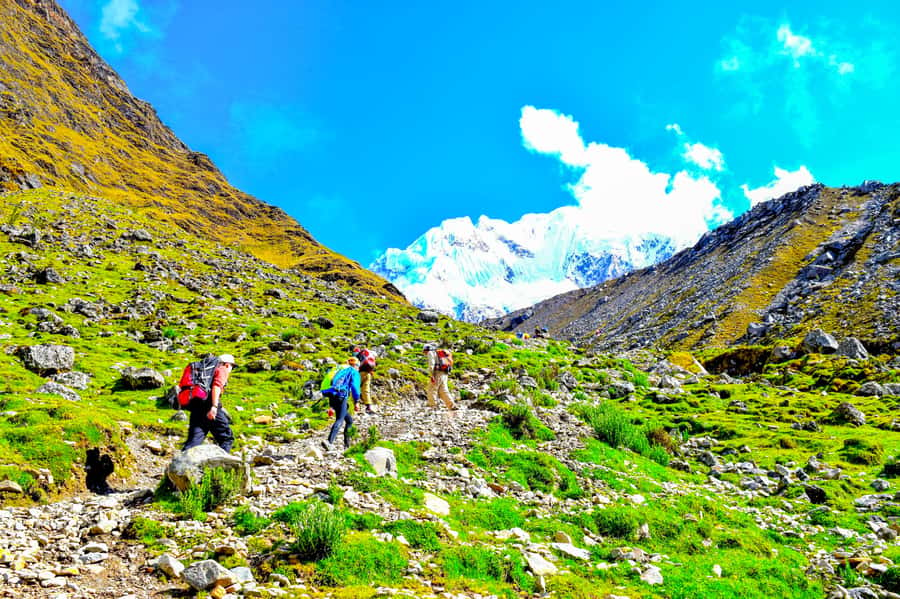
- Crossing Salkantay Pass at high elevation is the day’s big test, with serious panoramic payback.
- Humantay Lake comes with real altitude breathing room, so start slow and give your body a chance to adjust.
- Lucmabamba + the coffee farm connection gives the trek a human side, not just scenery.
- Llactapata ruins are a standout Machu Picchu preview, often with fewer crowds than you’ll see inside the citadel.
- Machu Picchu is fully guided the morning you arrive, with options to hike Huayna Picchu or Machu Picchu Mountain.
- Small groups (max 10) mean you’re not lost in a megaphone crowd.
The Salkantay route: Cusco to Machu Picchu with variety built in
This trek works because it doesn’t feel like one long, repetitive climb. You start with dramatic summit views, then you move down into a totally different world—cooler air, misty cloud forest, and deep green trails. That altitude roller coaster is the whole point of Salkantay.
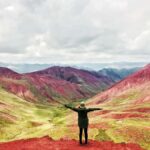
Salkantay itself isn’t just a name. You’re walking in the shadow of peaks that dominate the skyline from day one, and you’ll hit a high pass on day two that makes you stop and think, even if you’re usually the type who keeps moving.
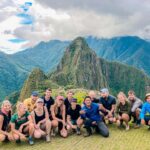
And when Machu Picchu finally arrives, it isn’t a random late-day souvenir. You get a guided, structure-by-structure tour after a morning bus ride, which helps the site click instead of feeling like a postcard you’ve already seen.
You can also read our reviews of more hiking tours in Cusco
How hard is it? Altitude, effort, and your best strategy
Let’s talk altitude honestly. You’ll start day one around 3,800 m, then climb up to Humantay Lake at 4,200 m, and day two brings the highest point of the trek: Salkantay Pass at 4,630 m. Later, you drop to much lower elevations, including Lucmabamba around 2,000 m, before finishing with Machu Picchu around 2,430 m.
If you’ve had altitude sickness before, this is not the time to test your luck. This tour also notes it isn’t suitable for people with back problems or for anyone over 70. The route can be physically and mentally difficult, and it’s not the kind of trek you “push through” without respecting your limits.
My practical advice: keep your pace controlled on the climb days. Don’t race day one or day two just because you feel okay at the start. The trek runs with a professional guide and a cook/support team, but your breathing and footing are still your responsibility—and being calm helps.
Also, the tour includes an oxygen bottle and a first aid kit. That’s good to have, but it’s not a substitute for smart pacing, hydration, and listening to the guide if conditions feel off.
Small-group comfort with horses, foam mattresses, and wake-up tea
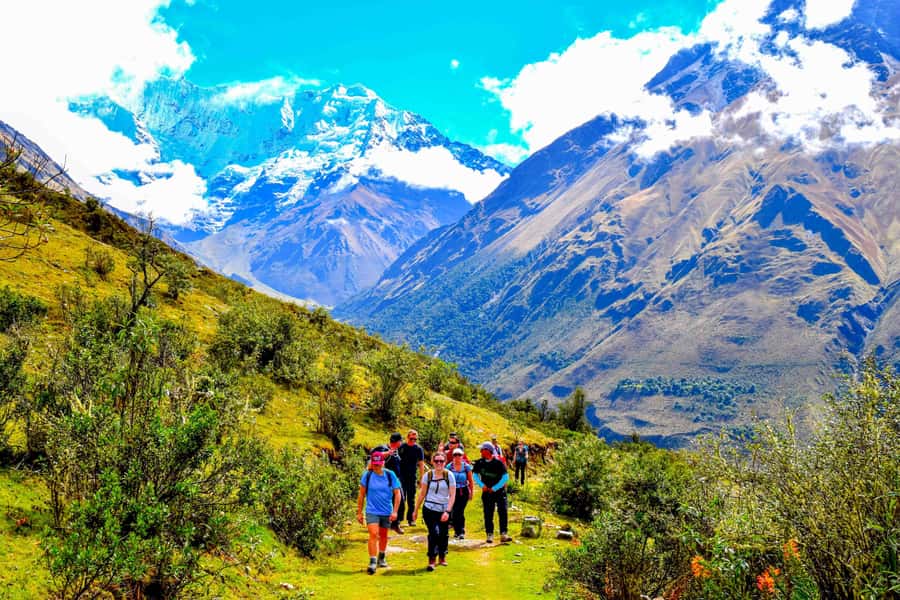
This is not a barebones backpacking trip. Even though you’re camping, the comfort is planned around you being able to recover.
You’ll get hotel pickup in Cusco city center, plus a pre-departure briefing where you meet your group and guide. You’re also provided duffle bags that will be carried by horseback, along with equipment. In other words: you won’t be hauling everything on your back, and that matters on a multi-day trail.
Sleeping is camping-style with real upgrades: 4-person tents for every 2 trekkers and double thickness foam sleeping mattresses. A sleeping bag is not included, but you can hire one—so don’t wait until the last second to decide.
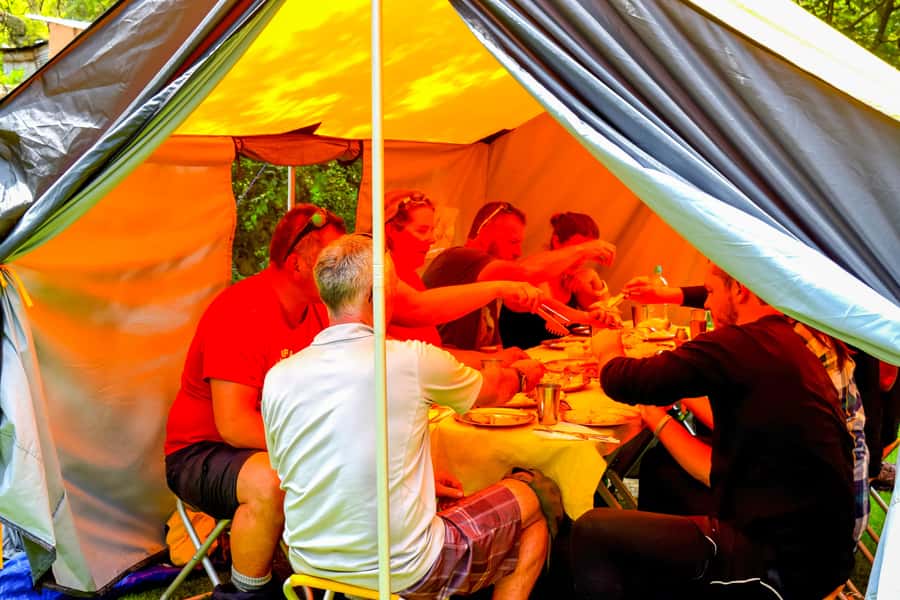
Meals are structured too. You’ll have 4 breakfasts, 4 lunches, 4 afternoon snacks, and 4 dinners included, with Day 1 breakfast and Day 5 lunch/dinner left out. You’ll also get wake up tea in the mornings, and you’ll eat in a dining tent with tables and chairs. It’s a small detail, but it keeps morale up when you’re tired.
Group size is another quiet advantage. It’s a private group, max 10 people, and there’s an assistant guide for groups of 9+. That extra support helps with pacing, questions, and keeping the line together on steep sections.
Day 1: Soraypampa ascent and Humantay Lake glacial color
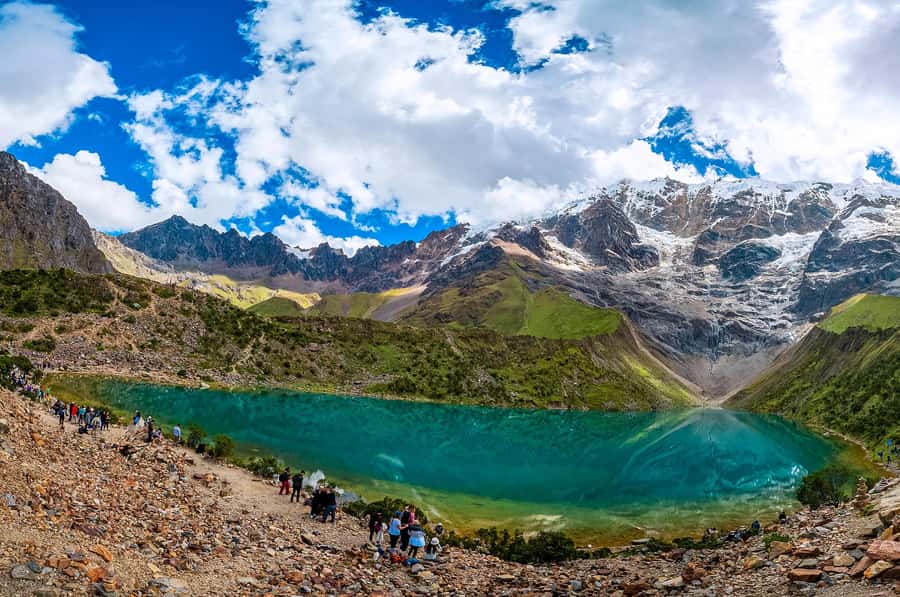
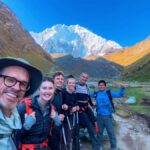
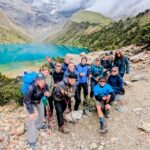
Day one is all about perspective. You start your journey on a hike toward Soraypampa (3,800 m), with Salkantay (6,271 m) and Humantay mountain dominating the view. As you ascend, you’ll feel the air turn crisp and thin, and the scenery shifts from Cusco-style foothills to true high-altitude Andean terrain.
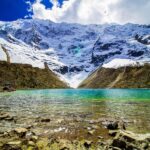
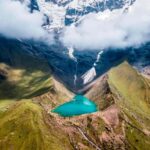
At midday, you stop for a classic Peruvian lunch made with fresh local ingredients. Then you push on to the highlight of the day: Humantay Lake (4,200 m). The lake is known for its turquoise color, and the effect is even more unreal when you’re looking up at the peaks reflected in the water.
On the way back to camp, the key is staying steady. The altitude makes every small effort feel bigger, and day one sets the rhythm for the rest of the trek. You’ll finish with a warm dinner and a clear night sky—exactly the kind of moment where the “mental difficulty” part people talk about turns into a sense of accomplishment.
One practical note: water is included, but the first 4 hours on the first day require you to bring your own. Plan around that early section so you’re not stuck improvising.
Day 2: Salkantay Pass at 4,630 m and the switch to high-altitude jungle
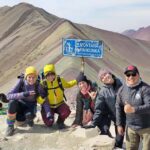
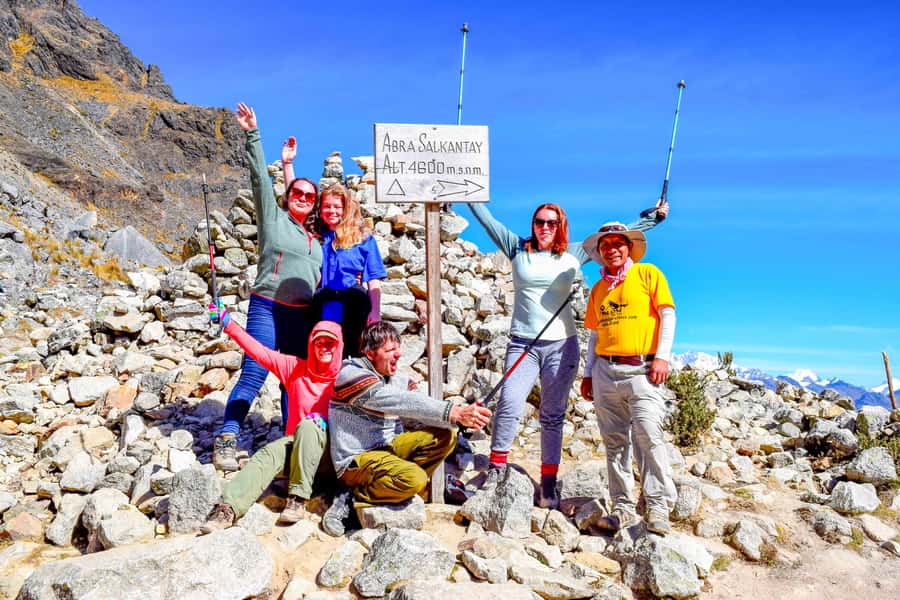
Day two starts early, and the terrain changes fast. You climb toward Salkantay Pass (4,630 m), the highest and toughest point of the trek. This is where the air thins the most and where a slow pace pays off.
When you reach the pass, don’t treat it like just another checkpoint. Take time to look around: snow-capped peaks, jagged ridges, and deep valleys stretching out. This is the moment that makes the early fatigue feel worth it.
Then comes the contrast. You descend into a lush high-altitude jungle. The temperature and vegetation shift enough that you feel like you’ve stepped into a different climate zone. That change is part of why Salkantay beats the idea of doing only one kind of trek.
You’ll end the day in camp, surrounded by nature sounds. If day one is about adapting, day two is about feeling the route’s variety for real. One more reason to keep expectations flexible: the day looks rough on paper, but the scenery keeps feeding you reasons to keep going.
You can also read our reviews of more tours and experiences in Cusco
Day 3: Cloud forest to Playa Sahuayaco and Lucmabamba coffee life
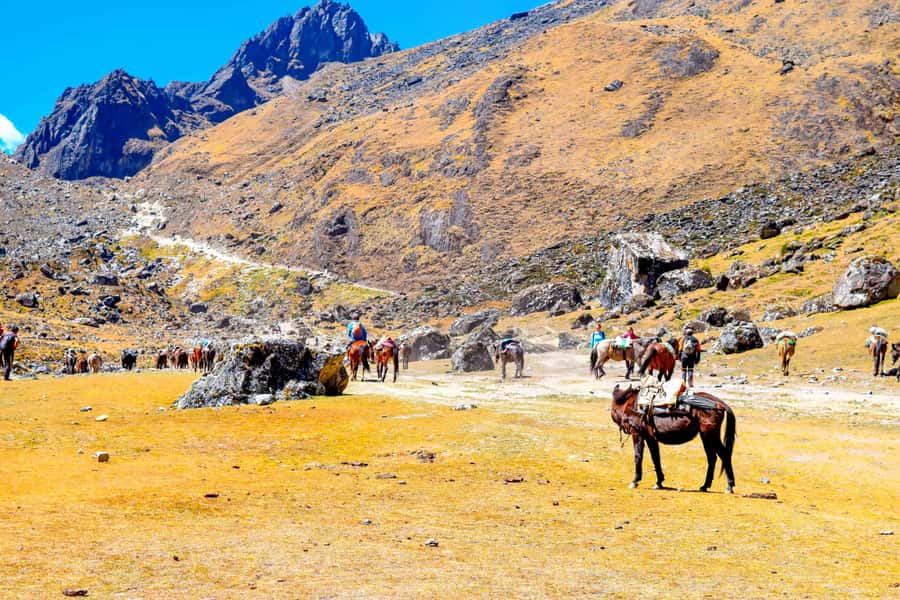
Day three feels like the trek’s “middle world.” You wake up to jungle calls and begin descending into cloud forest, where mist can hang around the trail and waterfalls show up as you drop in elevation.
The route winds through misty scenery for about five hours, with cascading water, fruit-laden trees, and plenty of exotic plants and animals (your exact sightings depend on conditions). This is a great day to slow down slightly and enjoy the smaller details: the smell of wet leaves, the sound of water nearby, and the way the path turns from harsh altitude into softer ground.
After that, you reach Playa Sahuayaco (2,200 m). Then you move into the region often described as the eyebrow of the Amazon—a name that gives you the vibe: high up, but connected to warmer jungle life below.
In the afternoon, you arrive in Lucmabamba (2,000 m). This is also where the experience becomes personal: you stay with a family and learn about their local coffee farm. That’s a nice balance after days of steep walking, because it connects what you’re doing to how people live in these elevations.
Your final campsite here also lines you up for the next day’s Inca connection.
Day 4: Llactapata terraces and the approach to Machu Picchu
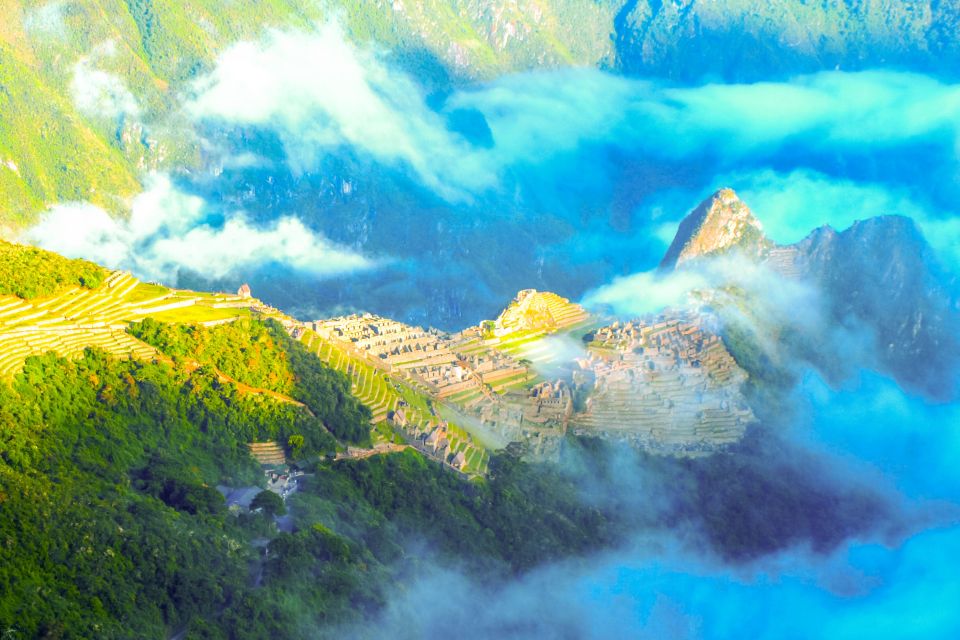
Day four starts with a climb on an original Inca trail, roughly a two-hour uphill hike to the Llactapata ruins (2,840 m). These terraces aren’t as famous as Machu Picchu, and that’s exactly why they’re valuable. You get a first look at Machu Picchu from a different angle, with the sensation of being guided into the main event rather than dropped on top of it.
After exploring Llactapata, you head downhill through cloud forest to Hydroelectric Station (1,890 m). The trek portion here is about 1.5 hours, and it sets you up for the last logistics swing before Machu Picchu: getting to Aguas Calientes.
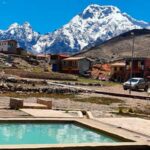
From Hydroelectric Station, you travel to Aguas Calientes (2,040 m). This is where you switch from campsite recovery mode to hotel recovery mode, so your legs get a real chance to reset. You’ll have a comfortable evening to prepare for the early final day.
Day 5: Guided Machu Picchu plus Huayna Picchu or Machu Picchu Mountain
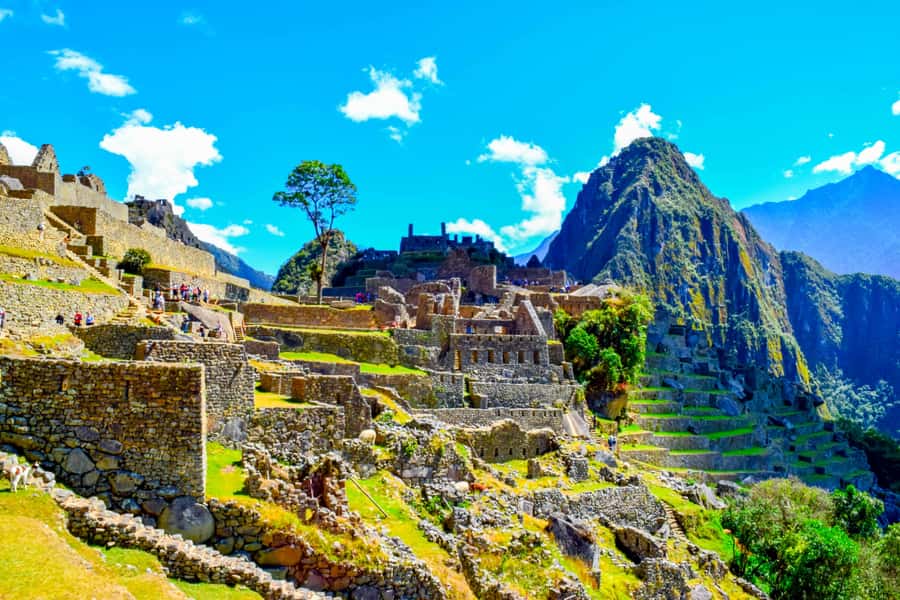
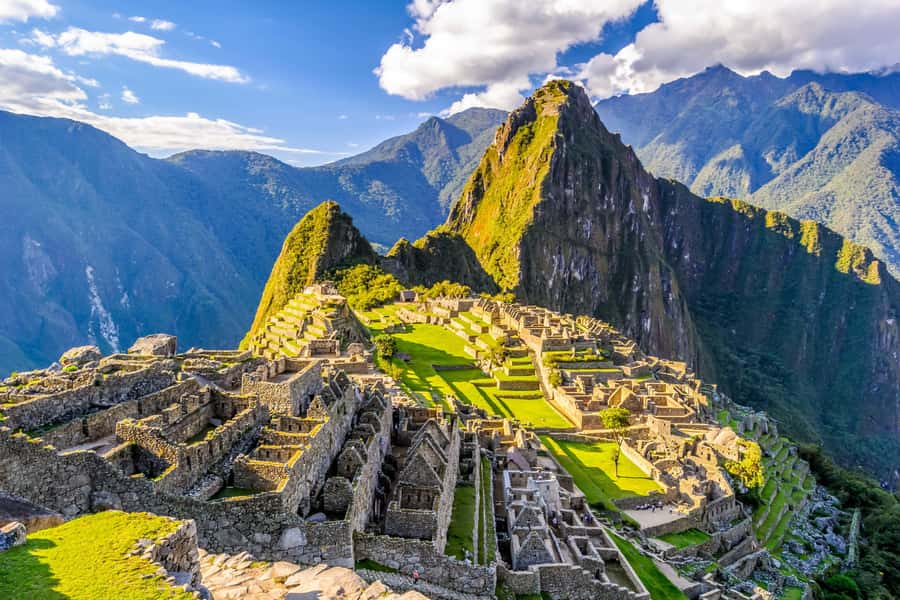
Machu Picchu day starts early, and it moves quickly once you’re on the move. After breakfast, you’ll take the morning bus to Machu Picchu, arriving at 2,430 m.
Your guide runs a detailed tour focused on key site areas: temples, ceremonial spaces, terraces, and storage buildings. This matters. Machu Picchu can look like a jumble of stone if you don’t have context, but a guide helps you connect what you’re seeing to how the site functioned.
After your tour, you have time for an optional hike. You can choose Huayna Picchu (2,720 m) or Machu Picchu Mountain (3,082 m). Huayna Picchu entrance is listed as US$85, while the main Machu Picchu Mountain option is part of the plan on day five.
Then you return to Aguas Calientes, where you’ll rest and have time for lunch. A train takes you to Ollantaytambo, and a van brings you back to Cusco.
This day is the payoff, but it’s also the day you should manage your energy. If you’re not feeling steady on your feet, skip the extra hike and simply enjoy the citadel tour longer.
Price check: what $669 includes and where costs can pop up
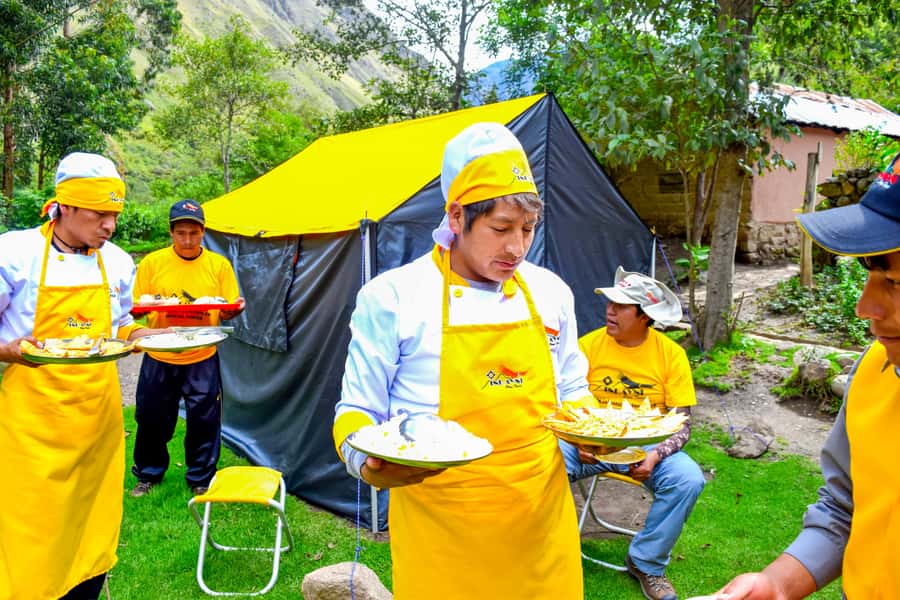
At $669 per person for 5 days, this trek includes a lot that usually costs extra on DIY or mixed-style trips.
You’re paying for:
- A professional English-speaking tour guide (and assistant guide for larger groups)
- A professional cook
- Horses carrying equipment and up to 7 kg of your personal items
- Hotel in Aguas Calientes
- Machu Picchu entrance plus the bus to the site
- A full set of included meals and daily support (including wake-up tea)
- Camping gear setup like tents and foam mattresses
- Safety basics like a first aid kit and an oxygen bottle
What to watch:
- Sleeping bag and trekking poles are not included, but can be hired
- Day 1 breakfast and Day 5 lunch/dinner are not included
- Huayna Picchu entrance is US$85
- Travel insurance is not included (and it’s strongly recommended)
For me, the best value piece is the combination of horses + structured meals + guided Machu Picchu. That trio reduces the number of things you have to manage yourself while you’re already dealing with altitude and a demanding route.
Who should book this trek (and who should skip it)
This trek fits best if you want a classic Inca-meets-Andes experience without turning it into a self-planned logistics project. The small group size, English-speaking guide, and guided Machu Picchu tour help if you want understanding, not just photos.
It also suits you if you like routes with variety: Humantay Lake, then pass-country views, then cloud forest, then Inca terraces at Llactapata before the Machu Picchu grand finale.
Skip it if:
- You’ve had altitude sickness or you know your body doesn’t handle elevation well
- You have back problems
- You’re over 70
- You want an easy walk with no hard climbs
And if you’re the type who likes to be well looked after—camp setup, dining tent, tea in the morning—you’ll probably appreciate the way the trip is structured around comfort.
Should you book this Salkantay Ultimate Trek to Machu Picchu?
If you’re aiming for a high-value trek that covers the Salkantay highlights and still delivers a guided Machu Picchu visit, this is a strong choice. I especially like the way the itinerary builds to Machu Picchu with Llactapata as a preview and Lucmabamba adding real local life through a coffee farm stay.
Book it when you’re ready to work for the views. The effort is part of the reward, and the trip’s support system helps you keep moving without feeling like you’re on your own.
FAQ
FAQ
What’s included in the Machu Picchu visit?
Machu Picchu entrance is included, along with a bus to reach the site in the morning. You’ll also get a guided tour that covers temples, ceremonial areas, terraces, and storage buildings.
Do I need my own sleeping bag?
A sleeping bag isn’t included, but you can hire one. You will have tents and double thickness foam sleeping mattresses provided.
How does the tour handle heavy gear?
You’ll carry up to 7 kg of personal items, while horses carry equipment and your duffle bags during the trek.
Are trekking poles and other gear included?
Trekking poles are not included, but they can be hired.
Is Huayna Picchu included?
Huayna Picchu entrance is not included. It costs US$85 and is optional.
What meals are included, and what isn’t?
The tour includes 4 breakfasts, 4 lunches, 4 afternoon snacks, and 4 dinners. It does not include breakfast on Day 1, and it does not include lunch and dinner on Day 5.
How much water do I get?
Water is included, but you need to bring your own water for the first 4 hours of the trek (when you begin).
What’s the group size like?
This is a private group with a maximum of 10 people per group. There’s also an assistant tour guide for groups of 9+.
Do I need travel insurance?
Travel insurance is not included, but it’s highly recommended for your entire trip.