REVIEW · ANTIGUA GUATEMALA
Antigua Guatemala: Morning Tour from Guatemala City
Book on GetYourGuide →Operated by Gray Line Guatemala · Bookable on GetYourGuide
Antigua feels slower on foot. This 5-hour morning tour mixes colonial landmarks with a few stops that go beyond photo stops, and you finish with Agua Volcano views in the mix. I especially like the gentle walking pace through Antigua’s historic lanes and the way the tour ties art and architecture to real stories. One possible drawback: it involves steady walking on cobblestones, so it’s not a great fit if you have mobility challenges.
You’ll get hotel pickup from Guatemala City (round-trip transfer) and then a small-group, English/Spanish bilingual guide leads you through about 3 hours of sightseeing in Antigua. Expect a smart mix of churches, ruins, and historic daily-life details, with no food included—so plan around that if you’re sensitive to hunger.
In This Review
- Key Points at a Glance
- Antigua Morning Walk: Why This Works So Well
- Getting From Guatemala City to Antigua (And Back) Without Stress
- Jade Factory & Museum: A Craft Stop That Actually Adds Meaning
- El Carmen Ruins and the Craft Market: Antigua’s Quiet Side
- La Merced Church and Santa Catalina Arch: Baroque Drama With a Reason
- Central Park, Spanish Grid Planning, and the Las Sirenas Fountain
- La Unión Tank: Antigua’s Iconic Laundry History
- What the Views Add (Agua Volcano and Photo Timing)
- Price and Value: Is $38 a Good Deal?
- How the Small Group Feels in Real Life
- What’s Not Included (And How to Plan Around It)
- Who Should Book This Antigua Morning Tour?
- Should You Book This Antigua Morning Tour?
- FAQ
- How long is the Antigua morning tour?
- Where does the tour start?
- What is included in the price?
- Is food included?
- How big is the group?
- What sights will I visit?
- What language is the guide available in?
- What should I bring?
- Is the tour suitable for mobility impairments?
- Are pets allowed?
Key Points at a Glance
- Small group of up to 10: you get more back-and-forth with your guide without feeling rushed
- Jade Factory & Museum stop: learn how carving traditions show up in what you can buy
- La Merced Church and Santa Catalina Arch: baroque exterior drama with practical, everyday explanations
- Central Park + Las Sirenas fountain story: a folk tale that helps the place feel lived-in, not just old
- La Unión tank laundry history: a rare look at how locals handled basic needs in colonial times
- Pickup from Guatemala City: easier logistics for a morning start, especially if you’re not staying in Antigua
Antigua Morning Walk: Why This Works So Well
Antigua is one of those places where a morning start changes everything. In the early hours, the streets feel quieter and the colors of the stone and church façades look sharper. This tour fits that mood: you’re out walking while Antigua still has that fresh, calm feeling before the day gets busy.
The best part is that it isn’t just a scenic stroll. You’re also getting a mini education on how the former capital of Spanish Guatemala was organized, how religious spaces worked, and how everyday life (like laundry) ran on a communal level. That context makes the architecture easier to read, even if you don’t know what you’re looking at when you arrive.
You can also read our reviews of more city tours in Antigua Guatemala
Getting From Guatemala City to Antigua (And Back) Without Stress
A big reason this works for most people is the transfer. You’ll be picked up from most hotels in Guatemala City and taken to Antigua, then returned at the end of the tour. With a total duration of about 5 hours, the schedule is compact enough for a morning plan, but long enough to see real sections of the town.
Still, the one caution is logistics at pickup. There’s at least one reported issue where a traveler waited outside their hotel and didn’t get picked up, so I’d treat your pickup like a mission: confirm the pickup details the day before, make sure your hotel name matches what was provided, and be ready a little early. If something feels off, it’s worth trying to reach the operator promptly.
Jade Factory & Museum: A Craft Stop That Actually Adds Meaning
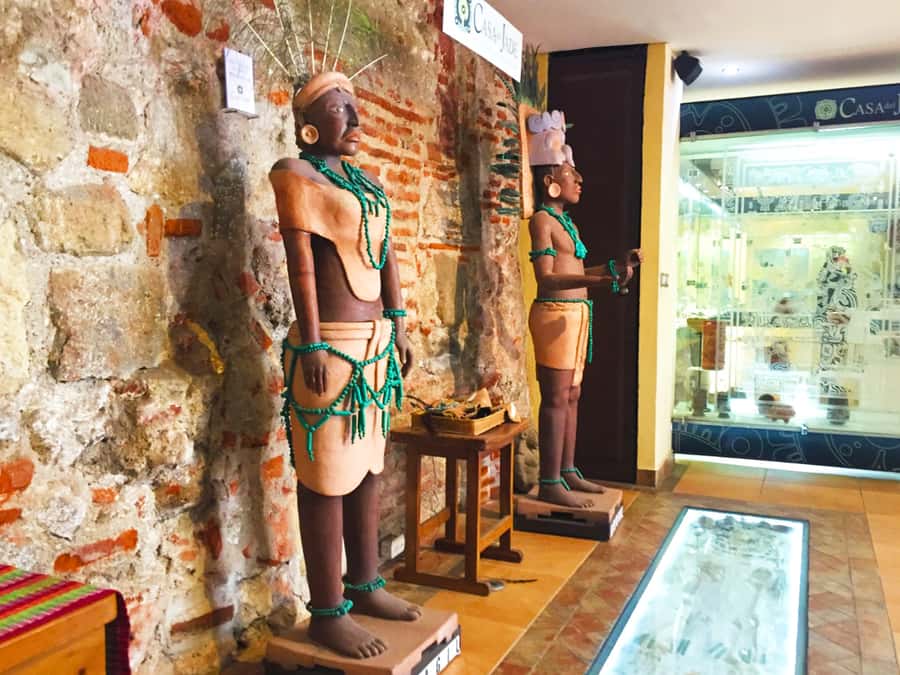
The tour begins walking inside Antigua and includes a stop at the Jade Factory and Museum. This is one of the smart inclusions because it gives you something to focus on besides church façades and street views.
Here’s what makes it valuable for your day: jade carving is a living tradition, not a dusty relic. Looking closely at carvings (and learning the background) helps you understand why certain pieces are made the way they are. It also helps you shop smarter later, because you’ll know what you’re looking at rather than buying purely on looks.
Practical tip: bring a camera mindset. Even if you’re not buying anything, you’ll likely want photos of hands-on details like tools, finishes, and carving patterns—those are the things you’ll recognize later while browsing.
El Carmen Ruins and the Craft Market: Antigua’s Quiet Side
Next up are the ruins of El Carmen church, with time to browse the craft market beside the ruined building. Ruins can feel like a background feature if a guide doesn’t give you any context. In this stop, the ruins work because they’re paired with the market culture right there—so you’re seeing how Antigua’s historic spaces coexist with what locals do now.
What I like about this part of the itinerary is the contrast. You get dramatic stone remains, then shift into human-scale browsing: crafts, textures, and the kind of souvenirs you’re not going to find in every tourist shop.
Drawback to consider: this is also a popular area for quick purchases, so it can feel a bit like a marketplace. If you prefer slow, quiet looking only, just keep your pace unhurried and treat shopping time as optional.
La Merced Church and Santa Catalina Arch: Baroque Drama With a Reason
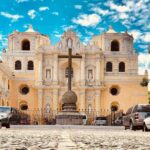
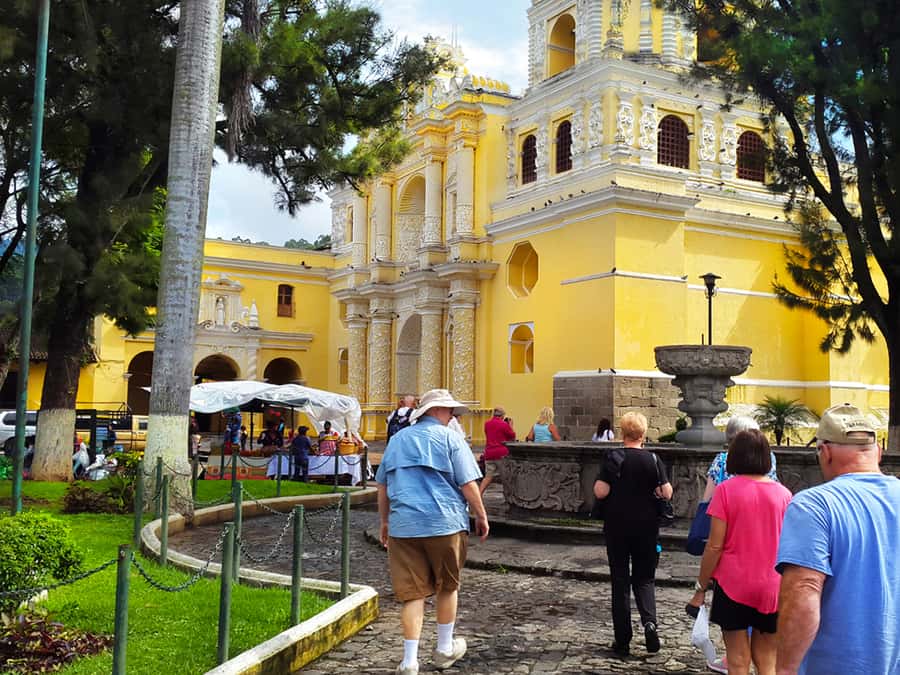
One of the highlights is La Merced Church, known for an ultra-baroque style. You’ll notice the two bell towers and a sculpture of San Pedro Nolasco on the upper façade, tied to the Mercedarian Order. It’s the kind of detail you might miss if you were just wandering without guidance.
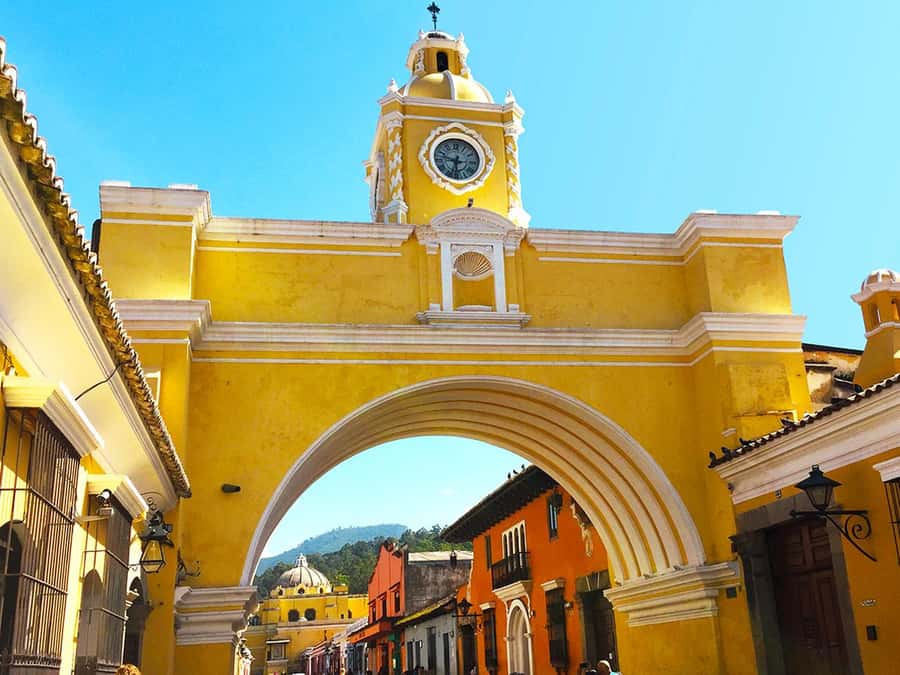
Then the tour moves to Santa Catalina Arch. This arch isn’t just pretty; it’s functional. It was built to connect the nuns between cloisters so they wouldn’t be seen. After the earthquakes of 1773, the arch became even more important due to alterations, including a turret and a French-origin clock (Lamy Amp Lacroix is specifically mentioned).
I love this pairing because it shows how architecture served daily needs. One structure is all about public religious display. The other is about privacy and routine. Together, they make Antigua’s churches feel less like museum exhibits and more like systems that shaped people’s lives.

Central Park, Spanish Grid Planning, and the Las Sirenas Fountain
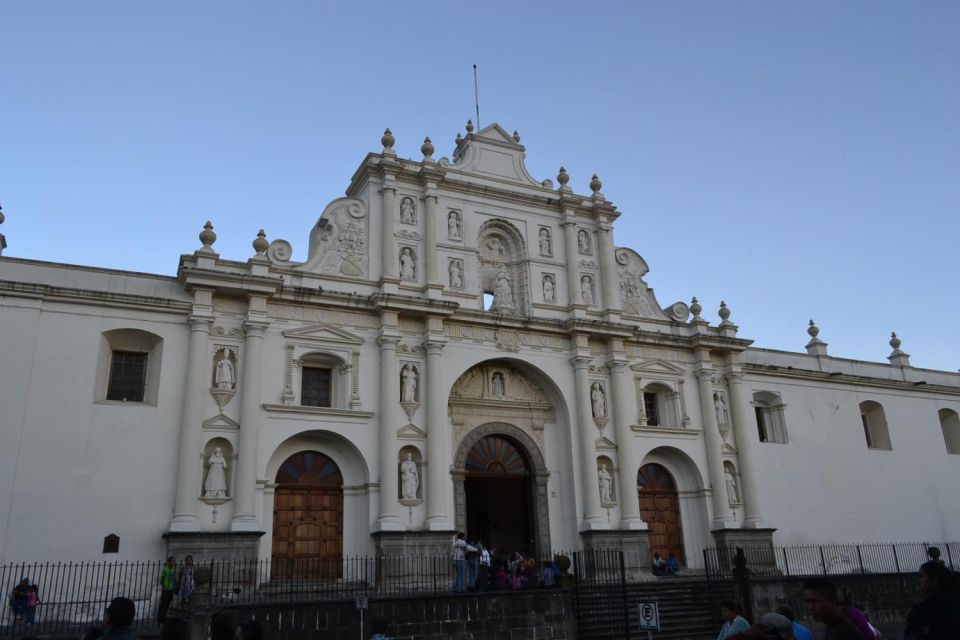
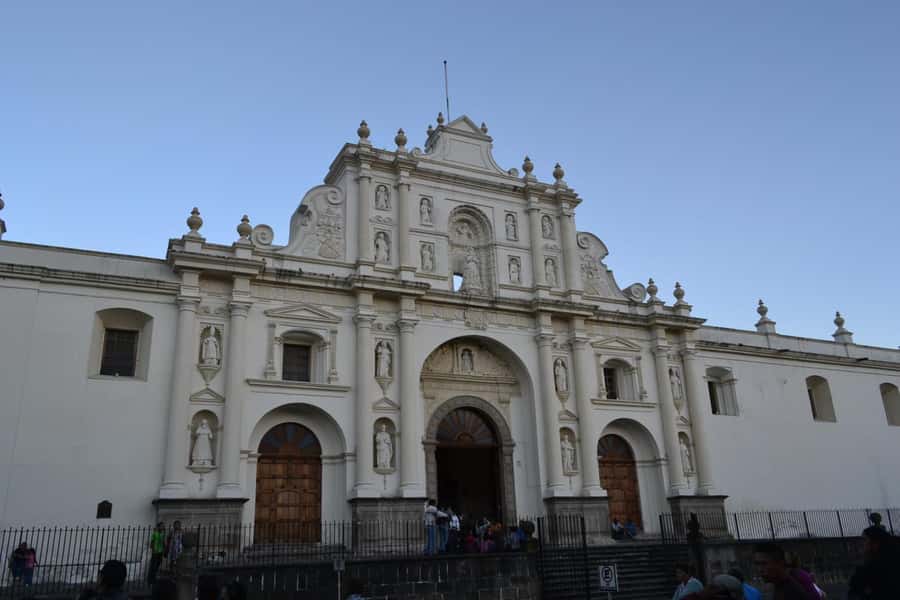
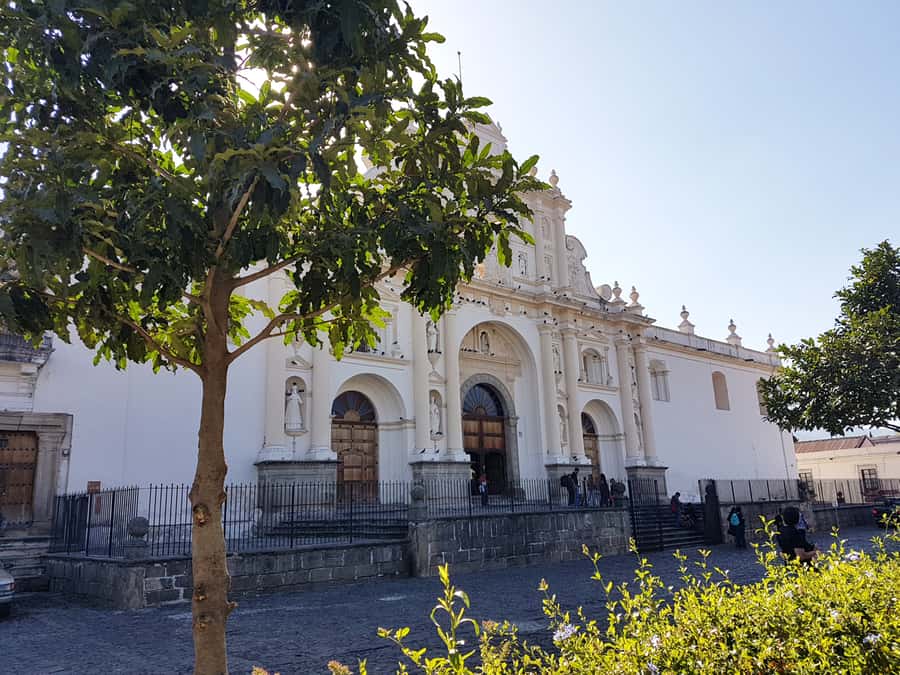
After the church-heavy stops, the tour shifts to the town core. You’ll visit Central Park, which follows a traditional grid pattern used in Spanish colonial urban planning. Around it are major civic and religious anchors, including the Palace of the General Captains, the Town Hall, the Cathedral of San Jose, and the Trade Portal.
This matters because it helps you understand why Antigua feels the way it does: the streets and squares aren’t random. They’re a designed layout connected to authority, trade, and community life.
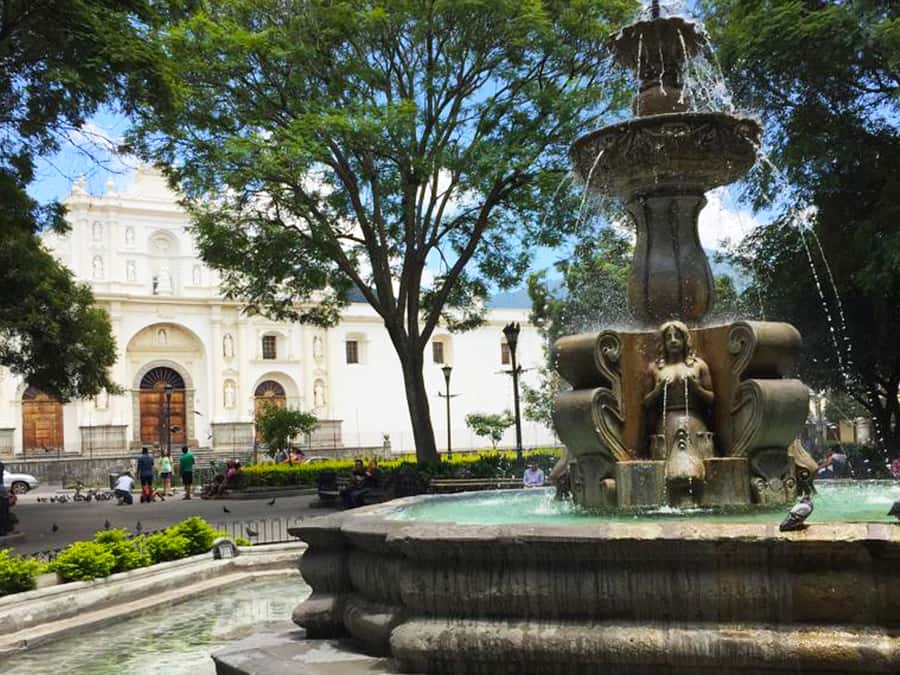
In the park, you’ll also see the Las Sirenas fountain with a folk story tied to the Count of La Gomera and his daughters. It’s a dark tale—daughters refusing to breastfeed after giving birth, then being ordered to a trunk in the center of a waterhole—and knowing the story makes the fountain more memorable than just another photo target.
Tip: take a minute here and look up at façades around the square. The fountain and the park give you a reference point for the rest of what you’ll notice later.
La Unión Tank: Antigua’s Iconic Laundry History
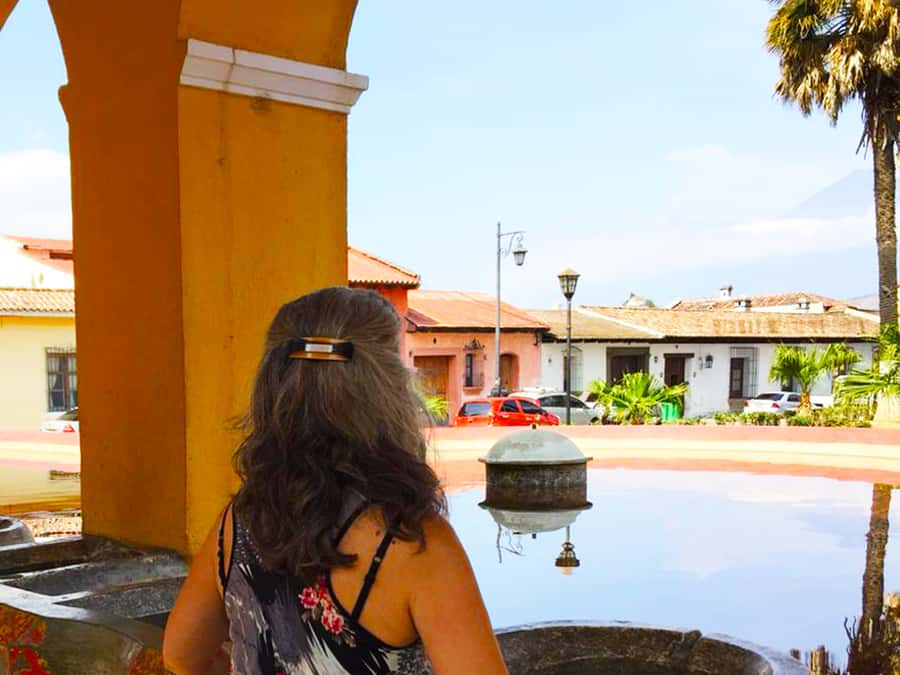
The tour ends with La Unión tank, one of the most iconic laundries in Antigua. The big idea is that only larger homes had proper washing facilities, so many inhabitants relied on public laundries. This stop gives you a view of colonial daily life that doesn’t get as much attention as churches and palaces.
It was inaugurated on February 3, 1853, which is a rare kind of detail you can hold onto. It also explains why laundry spaces became social hubs. If you’ve ever watched people gather around a shared service, you’ll recognize the dynamic: needs, routine, and conversation in the same place.
Practical note: this part of the tour is still walking-heavy, so pace yourself. If you’re traveling with a camera-heavy plan, this is the place where you’ll want to keep your balance on uneven ground.
What the Views Add (Agua Volcano and Photo Timing)
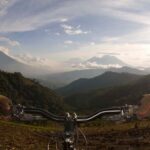
One of the highlights is appreciating the views of the Agua Volcano from Antigua. Even if volcano views aren’t new to you, Antigua frames them in a way that feels connected to the city’s story. You’re seeing the town not just as a set of buildings, but as something living under a dominant backdrop.
Photo tip that helps: bring your camera with settings ready to go. Antigua’s streets mean you’ll be stopping often, sometimes under shifting light. A quick adjustment beats missing the shot while you fumble.
Also, bring comfortable shoes and be ready for cobblestones. They’re part of the experience, but they also decide whether your day feels fun or tiring. I’d treat good footwear as a must, not a suggestion.
Price and Value: Is $38 a Good Deal?
At $38 per person for a morning tour, this is priced for a compact, guided experience rather than a slow, full-day expedition. The value comes from three things you get at once:
- Round-trip transfers from Guatemala City and Antigua (that saves you time and helps you avoid guessing schedules)
- A bilingual guide (English/Spanish), with a small group size capped at 10 participants
- A well-shaped itinerary: crafts (Jade Museum), major architecture (La Merced and Santa Catalina Arch), civic layout (Central Park), and daily-life history (La Unión tank)
If your goal is to see the most important Antigua areas without spending the day organizing transport and figuring out where everything is, this price makes sense. If your goal is a long sit-down food and museum day, then you’ll probably want a different type of tour—this one is mostly walking and story-based.
How the Small Group Feels in Real Life
This tour is designed for a small group (up to 10). That helps for two reasons. First, the guide can slow down when you have questions. Second, it’s easier to move through tight areas without feeling like you’re in a long line.
One review also points out that when the group is smaller (even just two people), the tour can feel more individualized. That’s a good sign if you like asking details and getting answers that fit your interests.
Still, check your own preferences: if you hate walking and you want a bus-and-drop type day, this won’t match that style.
What’s Not Included (And How to Plan Around It)
Food and beverages are not included. For a morning tour, that means you should eat before you go or plan a post-tour meal once you’re back in Guatemala City.
No pets are allowed, and the tour is not suitable for people with mobility impairments. Also bring what the tour recommends: comfortable shoes, a hat, sunglasses, and a camera. If you’re the type who gets cold in shade after sun, bring a light layer too, even though the tour details don’t mention weather gear specifically.
Who Should Book This Antigua Morning Tour?
This is a solid choice if you want:
- a guided introduction to Antigua’s colonial architecture
- a mix of churches, ruins, and one craft stop
- a small-group feel with pickup included
- a shorter window that still covers meaningful sights (about 3 hours walking inside a 5-hour outing)
It’s also a good match if you’re someone who likes learning stories tied to places, not just snapping pictures and moving on.
Should You Book This Antigua Morning Tour?
Yes, if you want a focused morning in Antigua that balances major sights with one or two surprises (like jade carving and laundry history), and you appreciate a guide who helps you notice details in the architecture. The $38 price is reasonable for the combination of guided walking plus round-trip transfers.
I’d reconsider if walking on cobblestones is difficult for you, if you need food built into the plan, or if you’re the kind of traveler who gets stressed by pickup coordination. If you book, do yourself a favor: confirm pickup timing and be ready outside a bit early. That one step prevents most avoidable headaches.
FAQ
How long is the Antigua morning tour?
The tour lasts about 5 hours total, including transfers. The walking portion is about 3 hours in Antigua.
Where does the tour start?
Pickup is included from most hotels in Guatemala City and Antigua, and you meet your local guide in Antigua after the transfer.
What is included in the price?
Round-trip transfer from most hotels and a bilingual guide (English and Spanish) are included.
Is food included?
No. Food and beverages are not included.
How big is the group?
It’s a small group limited to 10 participants.
What sights will I visit?
You’ll visit Antigua’s colonial highlights including the Jade Factory and Museum, El Carmen church ruins, La Merced Church, Santa Catalina Arch, Central Park with Las Sirenas fountain, and La Unión tank laundry.
What language is the guide available in?
The tour is available in English and Spanish.
What should I bring?
Comfortable shoes are recommended, and it’s also advised to bring a hat, sunglasses, and a camera.
Is the tour suitable for mobility impairments?
No, it’s not suitable for people with mobility impairments.
Are pets allowed?
No, pets are not allowed.