REVIEW · CUSCO
Cusco: 4-Day Lares Trek to Machu Picchu with Panoramic Train
Book on GetYourGuide →Operated by TreXperience · Bookable on GetYourGuide
Four days, one big Inca payoff.
What I love about this Lares-to-Machu Picchu route is the combo of Lares hot springs and the Panoramic Vistadome train ride. You also get real cultural stops (weaving communities, local villages, and a living Inca town) plus the payoff of Machu Picchu before most people are even properly awake. The only real drawback to plan for is altitude and cold—especially at the high point and during the night camps.
This trek has a strong human side. You’ll visit weaving cooperatives, learn how textiles work in daily Andean life, and get hands-on moments tied to community life. You also go to the salt mines of Maras and finish through Ollantaytambo, which is still an Inca town people actually live in—not a museum set.
Be aware this trip is not for everyone: it’s listed as unsuitable for pregnant travelers, people with back problems, mobility impairments, heart problems, and wheelchair users. If you’re okay with hikes at high elevation (and dressing for cold nights), this is a smart, high-value way to reach Machu Picchu without just doing a bus-and-train sprint.
In This Review
- Key highlights that make this trek worth it
- How the Lares route sets up Machu Picchu (without the crowds feel)
- Day 1: Calca market, ancient ruins, Lares hot springs, and alpaca valleys
- Day 2: Condor Pass at 4,750 m, offering ceremony, and Canchacancha village
- Day 3: Sacred Valley downhill hike, Maras salt mines, Ollantaytambo, and the hotel night
- Day 4: Sunrise Machu Picchu, 2–3 hour walking tour, and the Vistadome return
- Why the weaving co-ops, Quechua, and village time are more than “extras”
- Salt mines of Maras and Ollantaytambo: the history you can still see working
- Train comfort: making the Machu Picchu day easier on your body
- Meals, chefs, and the little comforts that count
- Price and what you’re really paying for at $690
- Altitude, cold nights, and fitness: the real planning checklist
- What to bring (and what will annoy you later)
- Your guide experience: why the name matters
- Should you book the 4-day Lares trek with panoramic train?
- FAQ
- What’s the total duration of the trek?
- How much does it cost per person?
- What’s included for meals?
- Do I need to bring a sleeping bag or air mattress?
- What nights are camping, and what type of hotel is included?
- How do you transport gear during the trek?
- Is Machu Picchu entrance included?
- What train do I take after Machu Picchu?
- Are guides bilingual?
Key highlights that make this trek worth it
- Lares Hot Springs views at about 3,900 m, with coca tea, dinner, and stargazing at camp
- Condor Pass at 4,750 m, plus a traditional offering ceremony and sweeping views
- Textile culture with weaving communities and a focus on supporting women-run cooperatives
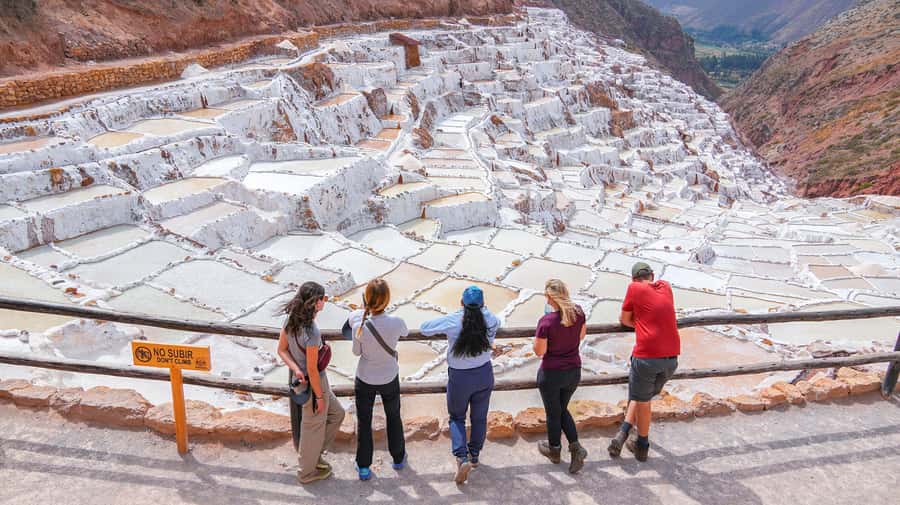
- Maras Salt Mines + Ollantaytambo, linking old technique to living Andean life
- Machu Picchu at sunrise, then a guided 2–3 hour walk through the main highlights
- Vistadome panoramic train, a comfortable ride back with big valley views
How the Lares route sets up Machu Picchu (without the crowds feel)
Lares is a classic alternative to the busier Inca Trail style of trekking. Instead of being only about one famous ridge, your days are built around change: high plateaus, quiet valleys, farm fields with alpacas, then a steady descent toward the Sacred Valley.
That variety matters for your experience. It keeps the trek from feeling like one long chore, and it makes Machu Picchu feel earned when you finally arrive. You’ll also learn a lot along the way—textiles, community life, and traditional salt harvesting—so Machu Picchu lands with more meaning than just postcard views.
You can also read our reviews of more hiking tours in Cusco
Day 1: Calca market, ancient ruins, Lares hot springs, and alpaca valleys
The day starts with an early pickup from your Cusco hotel (or from the Sacred Valley area, depending on your pickup). Then you’ll head into Calca for a stop at the market area, with time to soak up the rhythm of everyday trade before you move on.
Next comes a look at an ancient Inca site in the Cusco region, followed by a high plateau stop where you might spot the rare Puyas de Raimondi. That’s a moment that feels like Andean geography with personality: you’re at height, the air is thin, and the plants look like they belong to a different world.
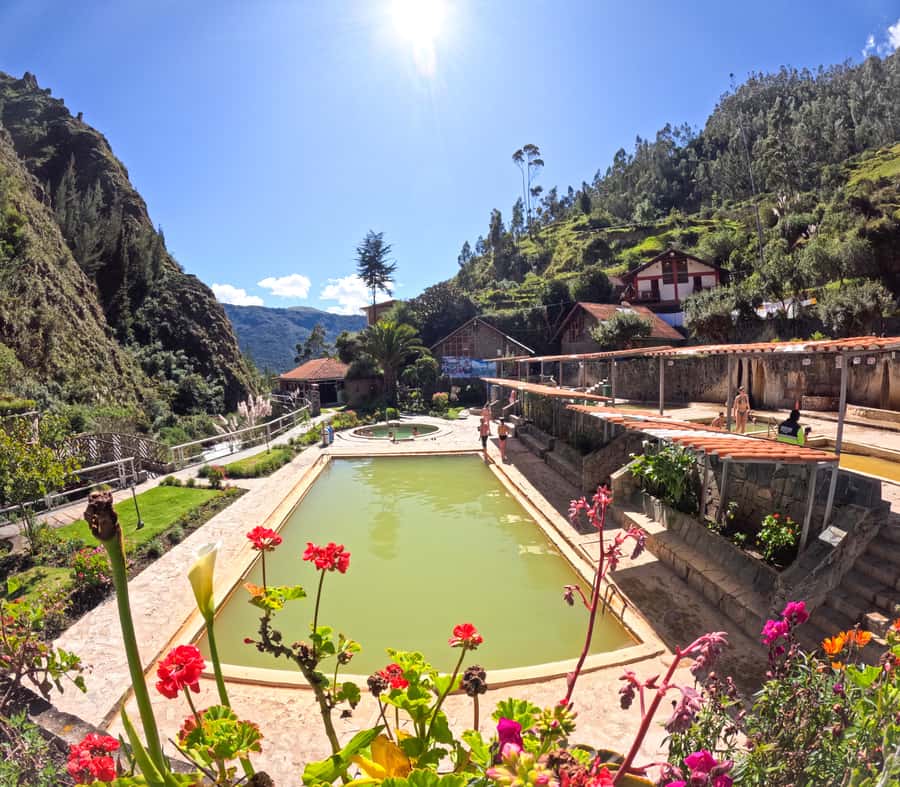
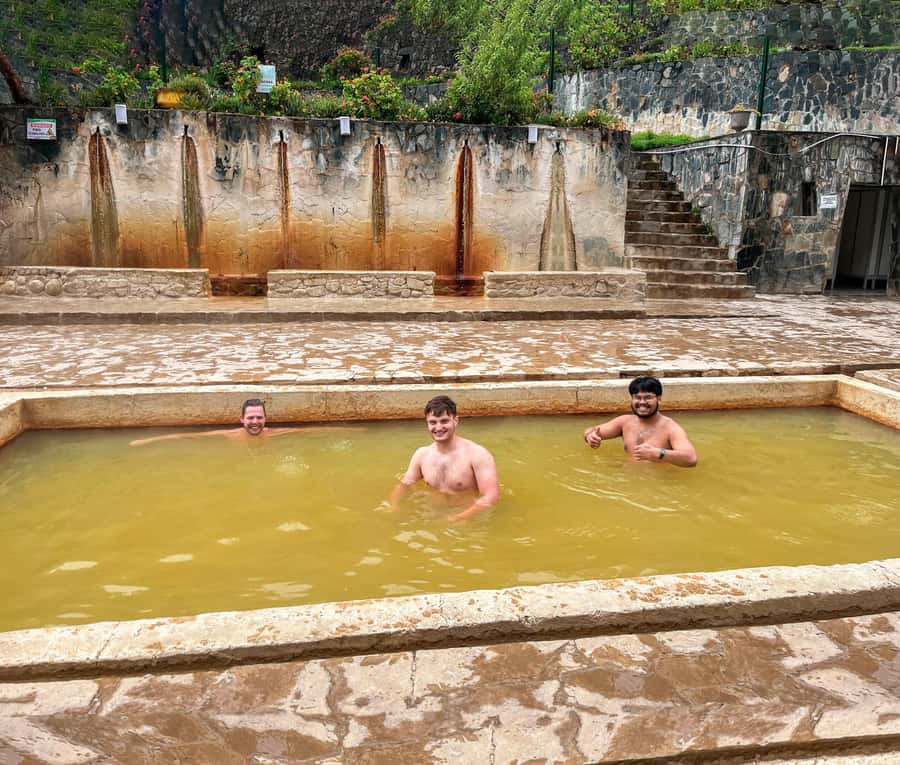
From there, you shift into real relaxation. You’ll drive to the Lares hot springs area and unwind with mountain views while breakfast is part of the early rhythm. This is also where the itinerary leans into culture: you’ll visit a weaving cooperative to learn Andean textile traditions and the cooperative work that supports women.
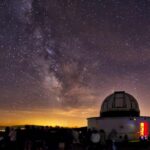
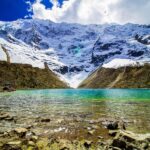
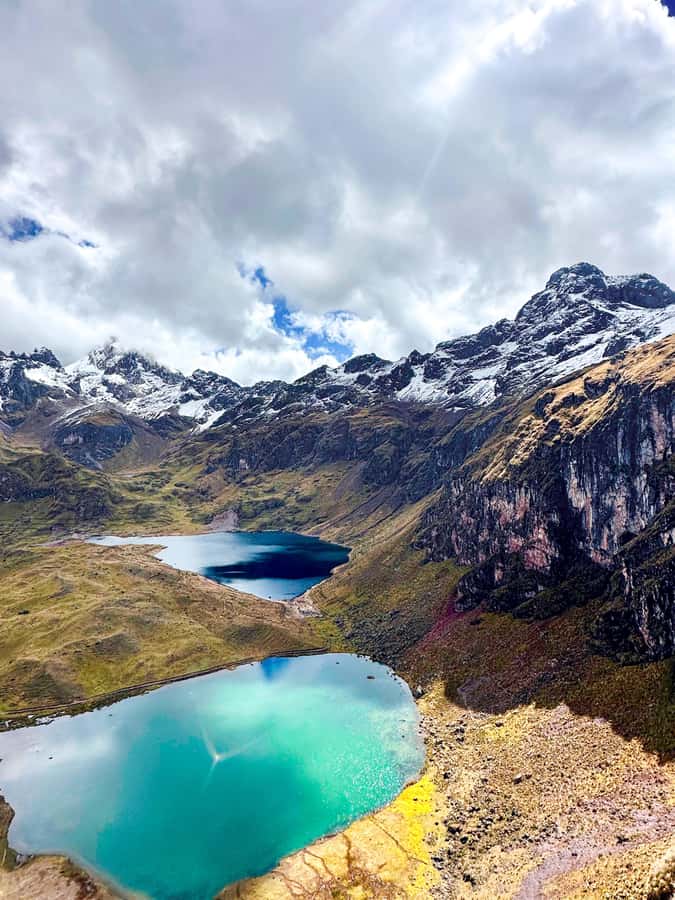
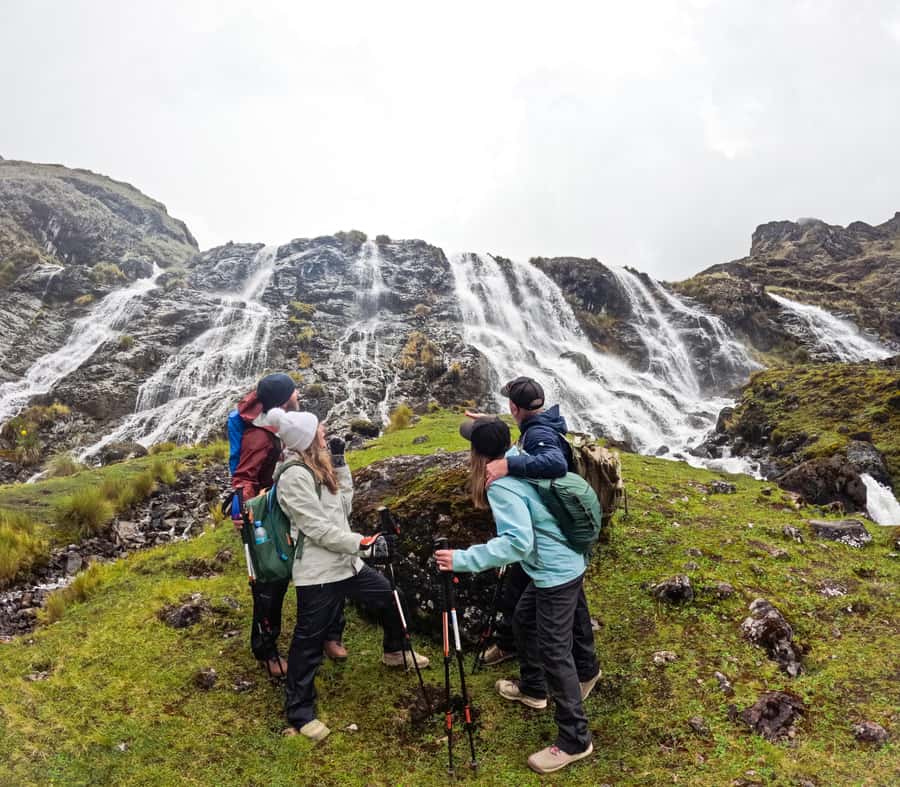
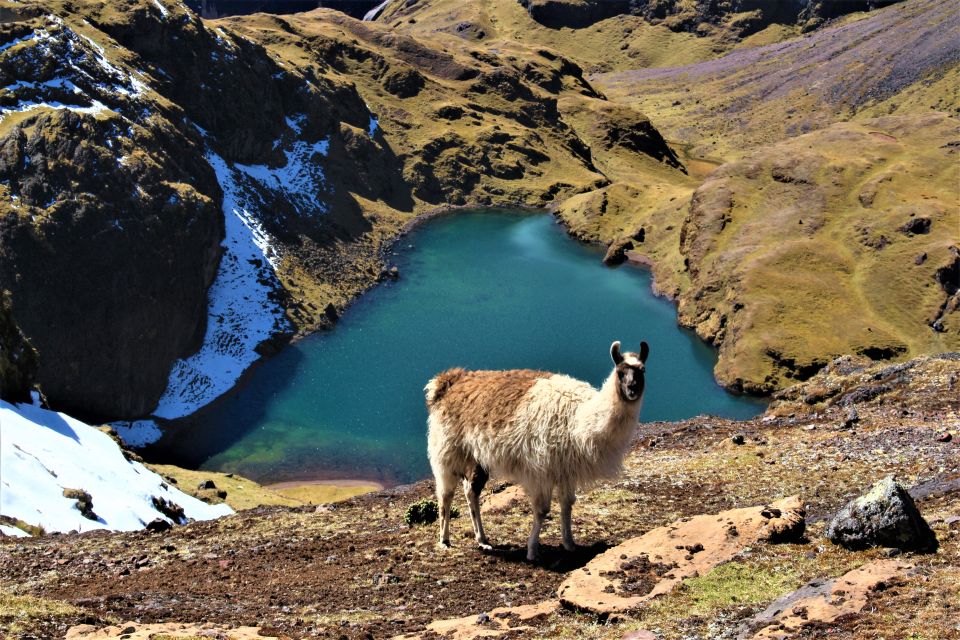
After that, your hiking day begins in earnest. You’ll trek through alpaca-dotted valleys and potato fields, stop in Kiswarani for lunch, and follow the way to the Blue Lagoon campsite at about 3,900 m. The best part is what happens after you finish walking: coca tea, dinner, and stargazing from the campsite area.
Practical note: camp nights at this elevation can be cold. Plan to handle chilly air calmly, because the day ends with stars but you won’t want to freeze.
Day 2: Condor Pass at 4,750 m, offering ceremony, and Canchacancha village
Day 2 starts right at camp. You’ll have coca tea or coffee, then breakfast before the trek turns upward again.
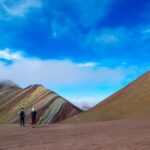
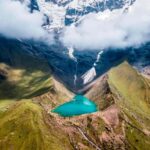
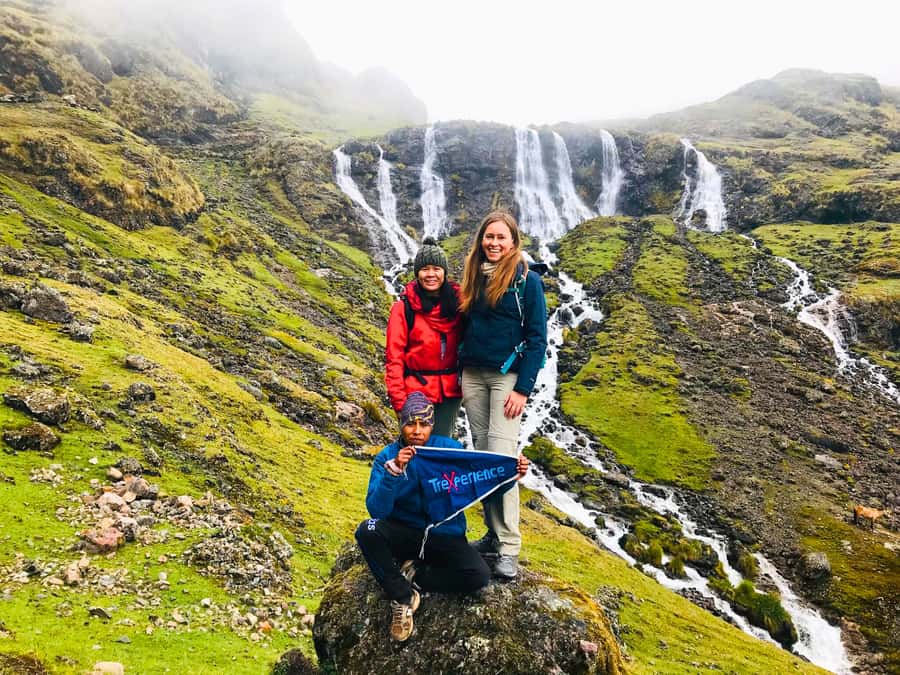
This section is described as a steady climb through valleys with lakes and Andean wildlife. It’s the kind of trek where your body works but your eyes stay busy. When you reach Condor Pass (around 4,750 m), you get sweeping views of snowy peaks and turquoise lagoons—exactly the payoff you’re aiming for on a day like this.
At the pass, there’s also a traditional offering ceremony. This is one of those moments that isn’t just a scenic photo break. It’s a cultural step that helps explain how people in the Andes relate to the mountains, not just view them.
After descending, you’ll stop for a hot lunch in Acopata and keep walking through valleys that include llamas and alpacas. Then you arrive at Cancha Cancha (Canchacancha) village at about 3,750 m, where you’ll meet local families and learn a few Quechua phrases.
Evening wraps with dinner and mountain views. If you’re sensitive to altitude, this is also the day to remind yourself that pauses are not failure. A steady pace and enough rest is the right strategy.
One helpful thing: the trip is guided by certified professionals, and at least some guides are known for following your pace with breaks when needed. That matters on Day 2, when your breathing and energy might feel different from Day 1.
Day 3: Sacred Valley downhill hike, Maras salt mines, Ollantaytambo, and the hotel night
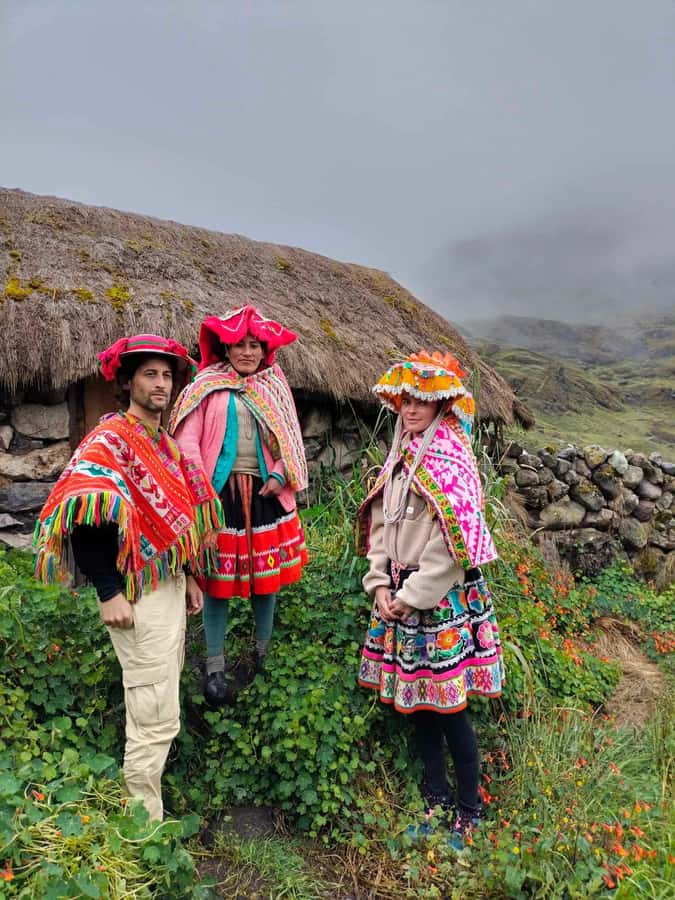
Day 3 starts with breakfast and more mountain views, then you spend time in Canchacancha village. You’ll explore homes and the school area, with a chance to donate supplies if you bring them. That small action can make your visit feel less like passing through and more like meeting people on their terms.
Then comes a big shift: a scenic downhill hike into the Sacred Valley. The walk is about 4 hours and drops you from higher fields into lower zones where crops change—potatoes give way to corn and avocado crops. This is also where your muleteers and chef are part of the rhythm of the trip. After you reach the picnic lunch area in Huaran (about 2,700 m), you’ll say goodbye to them.
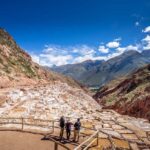
From Huaran, the schedule becomes lighter. You’ll continue by private van to Salineras Maras, where you’ll learn about traditional salt harvesting in the salt mines. This stop is well worth it because it connects a visible craft with an older Andean technique you can still see working today.
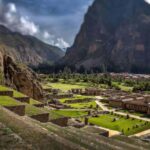
After the salt mines, you’ll discover Ollantaytambo, described as the last living Inca town. In practice, this means you’re going through an area where people live in the place shaped by Inca design, not just looking at ruins from outside a gate.
Then it’s time for the “big connection” to Machu Picchu. You’ll dine and board the train to Aguas Calientes, where you sleep in a comfortable 3-star hotel for the night.
Day 4: Sunrise Machu Picchu, 2–3 hour walking tour, and the Vistadome return
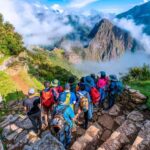
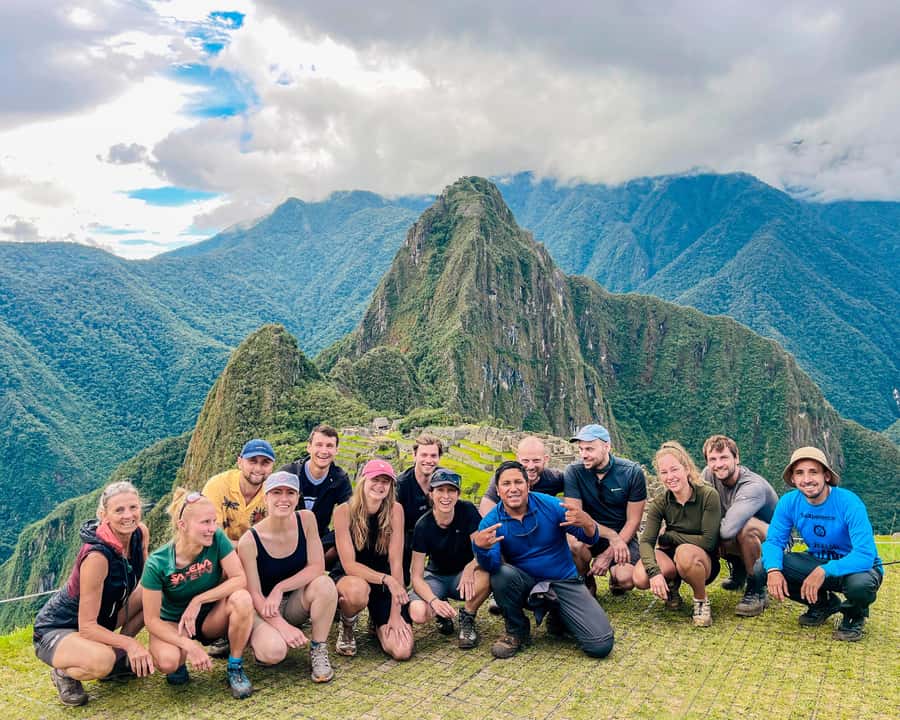
Day 4 is your Machu Picchu morning. You’ll have an early breakfast at the hotel, then catch the bus to the citadel area. The itinerary is built to help you arrive as the sun rises over Machu Picchu, which is when the place starts to look less like a picture and more like a real working city.
Once you arrive, you’ll pause at key viewpoints for panoramic photos. Then you’ll join your guide for a guided walk of about 2–3 hours through major landmarks. This is the part where Inca engineering stops being abstract. You’ll get explanations about the site’s layout and how people lived and worked there, plus context that helps you connect structures instead of just checking off buildings.
After the tour, you’ll return to Aguas Calientes for lunch and downtime. Lunch on the final day in Aguas Calientes isn’t included, so you’ll want to budget a bit for that meal.
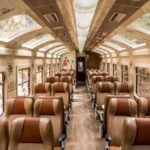
Then you ride the Vistadome panoramic train back to Ollantaytambo. The Vistadome is the fun part: big windows, scenic views, and a chance to decompress after a hike-heavy schedule. From Ollantaytambo, you’ll get a private transfer back to Cusco by evening.
You can also read our reviews of more tours and experiences in Cusco



Why the weaving co-ops, Quechua, and village time are more than “extras”
This trek doesn’t treat culture as a side quest. Textile work is woven into the route (literally and figuratively). When you meet weaving communities and learn Andean textile traditions, you’re seeing how daily life, skills, and cooperative support connect.
You also get village time at Canchacancha, including the school area and a chance to donate supplies. It’s not just walking through a place; you spend time in homes and learn a few Quechua phrases. Even if your words are simple, it changes how you move through the day.
These moments also help you understand why Lares is called a meaningful trek. The Andes aren’t only scenery. They’re living communities with knowledge people keep practicing.
Salt mines of Maras and Ollantaytambo: the history you can still see working
The salt mines at Maras are a standout stop because the activity is visible. You learn about the traditional salt harvesting method and see the structures where salt is collected in a way that still fits the terrain.
Then Ollantaytambo lands as a bridge to Machu Picchu. It’s presented as the last living Inca town, which changes your mindset as you approach Machu Picchu. Instead of thinking of the Inca world as something frozen in time, you’re thinking of it as something that continued into today in how people built and live.
This is a good combo: salt mines for technique and resource life, Ollantaytambo for the Inca town feel, then Machu Picchu for the big cultural and engineering statement.
Train comfort: making the Machu Picchu day easier on your body
Two transport elements matter here: the bus up to Machu Picchu and the Vistadome return.
The Machu Picchu bus is about timing and energy management. You get early access, and you’re not stuck waiting around in the morning cold without a plan. Then, after the guided tour and some time in Aguas Calientes, the Vistadome train helps your body recover. It’s not a replacement for walking, but it’s a smart way to end the day without feeling like you’re rushing.
Meals, chefs, and the little comforts that count
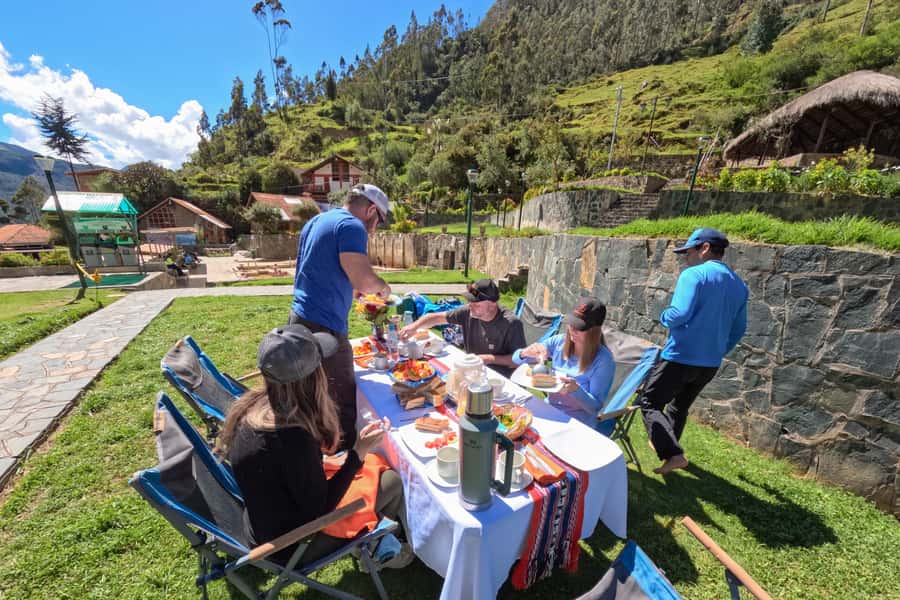
You’re not left to fend for yourself on food. The trip includes 4 breakfasts, 3 lunches, and 3 dinners, plus coca tea at key moments.
Food logistics are handled in a way that keeps the hiking realistic. Horses and muleteers transport food and equipment, and your gear is managed by the crew.
Also, the chefs can adapt to dietary needs when you share them in advance. Vegan requirements have been supported on this route, which is a big deal if you have dietary restrictions beyond basic preferences.
Price and what you’re really paying for at $690
At about $690 per person, this trek looks expensive on first glance. But what’s included is substantial: a certified professional guide, entrance fees to Machu Picchu, Maras, and Lares hot springs, guided visits, round-trip bus to Machu Picchu, and a return Vistadome train. You also get 2 nights of scenic camping plus 1 night in a 3-star hotel.
Food is also included for most of the trip, along with horses and muleteers for equipment transport. That shifts costs away from you having to carry extra weight or worry about camp logistics.
What you should budget separately:
- A sleeping bag and air mattress (not included)
- Trekking poles (optional rental)
- Lunch on Day 4 in Aguas Calientes (not included)
- Optional add-ons for Huayna Picchu or Machu Picchu Mountain
- Travel insurance (recommended)
If you price this like a DIY plan, the guide + fees + train + hotel night + most meals is a lot of value bundled together. The main thing you’re paying for is convenience plus guidance, not just the hike.
Altitude, cold nights, and fitness: the real planning checklist
This trip reaches high elevation. The pass is about 4,750 m, and you spend nights around 3,900 m. That means oxygen levels and nighttime temperatures can slow you down.
One review noted that lack of oxygen and cold nights reduce physical capacity and that being athletic helps. That’s exactly why you should treat this as an “adjust your expectations” trek. Pace matters more than speed.
Also, this is a physical hike with terrain and elevation change. It’s not described as wheelchair-friendly or suitable for serious mobility or heart conditions, and it’s listed as unsuitable for pregnancy and people with back problems.
If you’re not sure how you’ll respond to altitude, consider talking to a travel clinician before you commit. And once you’re there, use the stops and pacing built into the itinerary.
What to bring (and what will annoy you later)
You’ll want practical gear more than fancy gear. Here’s what matters from the provided packing list:
- Passport (needed for entry)
- Hiking shoes and comfortable shoes
- Sun protection: sunglasses and sun hat
- Sunscreen
- Rain gear (weather changes fast at elevation)
- Insect repellent
- Suns for camp comfort: warm clothing for cold nights
- Toiletries, hand sanitizer or tissues
- Cash (useful for on-the-ground extras like lunch on Day 4)
Two “don’t skip” items: rain gear and sun protection. You can feel fine while walking and then realize the weather flipped while you’re resting.
Not allowed items include weapons or sharp objects, smoking, alcohol and drugs, and littering. Also, unaccompanied minors aren’t allowed, and children must be accompanied by an adult.
If you don’t have the right trekking items, sleeping bags and air mattresses aren’t included. Trekking poles can be rented on request.
Your guide experience: why the name matters
This trek is led by a certified professional guide, with English and Spanish. Your guide does more than read a script. They set the pace, handle cultural moments, and make sense of what you’re walking past.
Some guides named in feedback include Manolo and Filio. The key takeaway for you is not the specific person—it’s that the best experience comes when your guide matches your rhythm and gives you context without rushing you through the pass-and-summit moments.
Should you book the 4-day Lares trek with panoramic train?
I’d book it if you want a full Peru story in four days: hot springs recovery, a real high pass, village and cooperative visits, salt mines, and then Machu Picchu with a guided walk—plus a scenic train ride that helps your body recover afterward.
I’d skip it if altitude, cold nights, or sustained hiking terrain would be a problem for your health. This one is clearly designed for people who can hike and handle high elevation.
If your goal is Machu Picchu only, you might feel this is more effort than you need. But if you want meaning behind the sites, comfort where it counts, and a route that feels more personal than a straight line, this is a strong choice.
FAQ
What’s the total duration of the trek?
The experience runs for 4 days.
How much does it cost per person?
The listed price is $690 per person.
What’s included for meals?
You get 4 breakfasts, 3 lunches, and 3 dinners. Lunch on the final day in Aguas Calientes is not included.
Do I need to bring a sleeping bag or air mattress?
No—sleeping bag and air mattress are not included. You can rent trekking poles on request, but the sleeping gear is something you must plan for.
What nights are camping, and what type of hotel is included?
There are 2 nights of scenic camping and 1 night in a comfortable 3-star hotel.
How do you transport gear during the trek?
Horses and muleteers transport food and equipment. You also get a personal duffle bag (up to 7 kg / 11 lb) carried by muleteers for your camping gear.
Is Machu Picchu entrance included?
Yes. Entrance fees to Machu Picchu are included. Optional add-ons like Huayna Picchu or Machu Picchu Mountain are not included.
What train do I take after Machu Picchu?
You take the panoramic Vistadome train from Aguas Calientes back to Ollantaytambo, then a private transfer returns you to Cusco.
Are guides bilingual?
Yes. The live tour guide works in Spanish and English.