REVIEW · CUSCO
From Cusco: Sacred Valley Tour with Buffet Lunch
Book on GetYourGuide →Operated by Inka Altitude · Bookable on GetYourGuide
One long day, and suddenly Sacred Valley makes sense. I love how this route strings together panoramic viewpoints and major Inca-era stops without you having to plan transportation. I also like that you get cultural moments, not just ruins.
What you’ll likely enjoy most is the mix of stops: Pisac’s market and town for everyday life, then Ollantaytambo for the big “how did they build that?” factor. The food at Urubamba is included, so you’re not constantly hunting for meals between sites.
One consideration: the day is busy, and you’ll spend meaningful time on the bus. If you’re sensitive to timing, the schedule (and late light at certain viewpoints) can affect how good photos feel, and lunch quality can vary.
In This Review
- Key things to know before you go
- A One-Day Sacred Valley Circuit From Cusco
- Getting From Cusco to Pisac: Views Before You Work
- Pisac Town and the Market: Souvenirs With a Purpose
- Pisac Archaeological Site: Plan for Timing and Stairs
- Urubamba Buffet Lunch: What You’re Really Paying For
- Ollantaytambo and the Sun Temple: The 100-Step Test
- Chinchero Textiles and Painted Murals: Watching Craft Happen
- Group vs Private Tour: Choose Your Pace
- Price and Logistics: How to Think About the Real Cost
- Who Should Book This Tour (and Who Should Skip It)
- Should You Book This Sacred Valley Tour?
- FAQ
- FAQ
- How long is the Sacred Valley tour from Cusco?
- Is hotel pickup included?
- What’s included in the price?
- Do I need a tourist ticket?
- Are drinks included with lunch?
- Is the tour suitable for people with mobility impairments?
Key things to know before you go
- You’ll cover a lot in 1 day: Pisac, Urubamba lunch, Ollantaytambo, then Chinchero.
- Expect hands-on culture: Chinchero is tied to weaving and traditional textile making.
- Ollantaytambo requires effort: you must climb 100 steps; there’s no elevator.
- Tourist ticket isn’t included: a partial 1-day option covers Sacred Valley sites on this tour.
- Bring the right basics: comfortable shoes, towel, and comfortable clothes make a big difference.
A One-Day Sacred Valley Circuit From Cusco
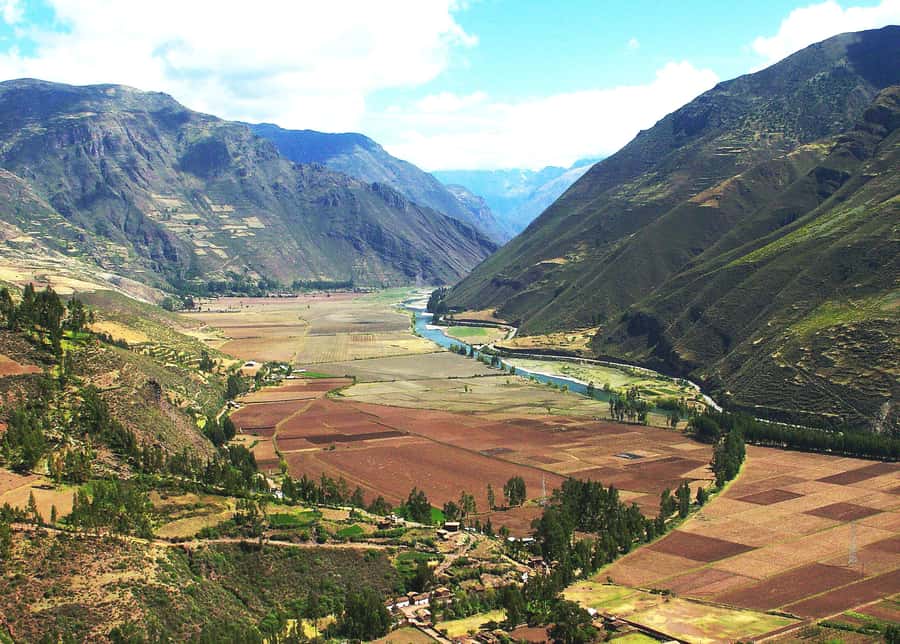
This is the kind of day trip that feels efficient because it’s built around the Sacred Valley’s “greatest hits.” You start with hotel pickup in downtown Cusco, then head out through valleys and hills that are famous for their views and Inca-era engineering. At a tour price around $36 per person, the value is mainly in the transportation and the fact that lunch and guide time are included.
Still, it’s not a slow stroll. You’ll be moving, stepping up and down, and adjusting to altitude and pace. If you want a relaxed day with long museum-style stops, this may feel like a lot. If you want a structured introduction that hits major highlights, it’s a strong fit.
The tour runs with a bilingual guide (English and Spanish) and uses a tourist bus—handy when you’d rather spend energy on the sights than navigation.
You can also read our reviews of more tours and experiences in Cusco
Getting From Cusco to Pisac: Views Before You Work
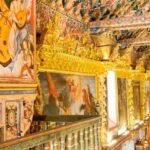
After pickup, you’ll ride about an hour toward Pisac in the Sacred Valley, with scenic viewpoints along the way. This first stretch is more than travel—it’s your warm-up. Even before you reach the archaeological areas, you’ll start getting that sense of why the Sacred Valley mattered: rivers, terraces, and slopes built for agriculture and settlement.
A practical tip: keep your comfort in mind early. The day includes steps later, and Pisac also involves walking over uneven ground. Wear shoes you don’t mind getting dusty and take advantage of any chance to sit between stops.
Pisac Town and the Market: Souvenirs With a Purpose
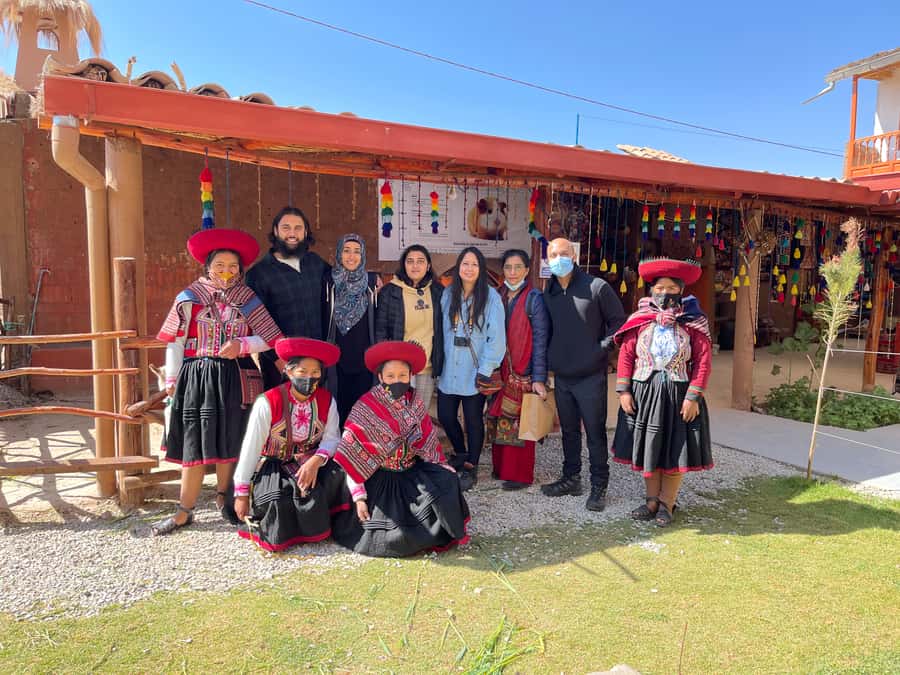
Once you arrive, you’ll have time in the lively Pisac market area, where handmade crafts and clothing are sold. This is one of the most enjoyable parts of the day for me because it’s not just “buy a trinket.” You get to see textiles, local goods, and the kind of everyday commerce that still supports families in the area.
In Pisac town, you’ll also have time to wander and purchase unique souvenirs and gifts. That means you can actually look, compare, and choose what fits your style. If you’re the type who hates rushing through shopping, aim to treat the market like a cultural stop, not a checklist.
A fair warning: markets can become busy and a little sales-heavy. If you want minimal shopping detours, go in with a plan—decide what you want to browse (textiles, pottery, small gifts) and set a mental stop point for time.
Pisac Archaeological Site: Plan for Timing and Stairs
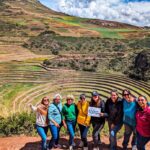
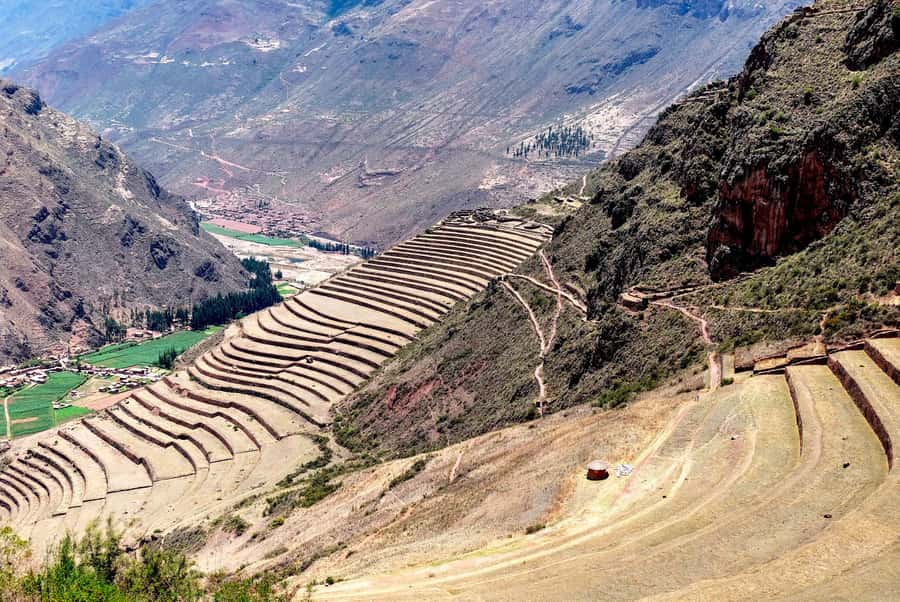
After market time, the bus takes you to the hills above Pisac to visit the famous archaeological sites. This is where you trade handcrafts for stonework and terraces—and it’s usually the payoff people came for.
The layout can be spread out, and you’ll likely walk more than you expect for something labeled as a “quick stop.” You’ll also want to keep an eye on the light. If your schedule places you there later in the day, shadows and glare can make it harder to see details and take comfortable photos. If you’re after crisp pictures, position yourself early where you can get both wide views and close details.
What I like about this stop is the scale. Pisac gives you a feeling for how Inca design worked with the terrain—built into slopes and linked to the valley below.
Urubamba Buffet Lunch: What You’re Really Paying For
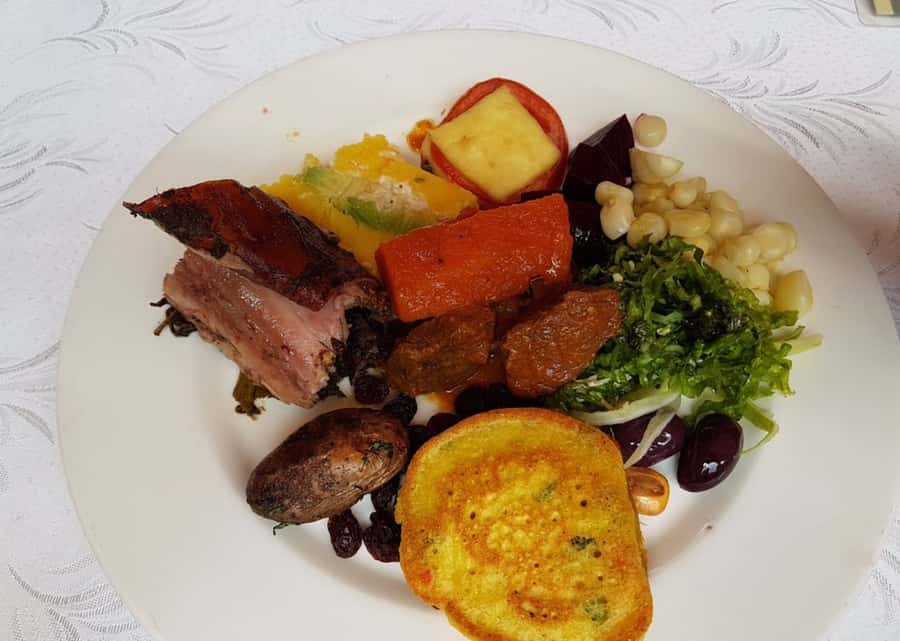
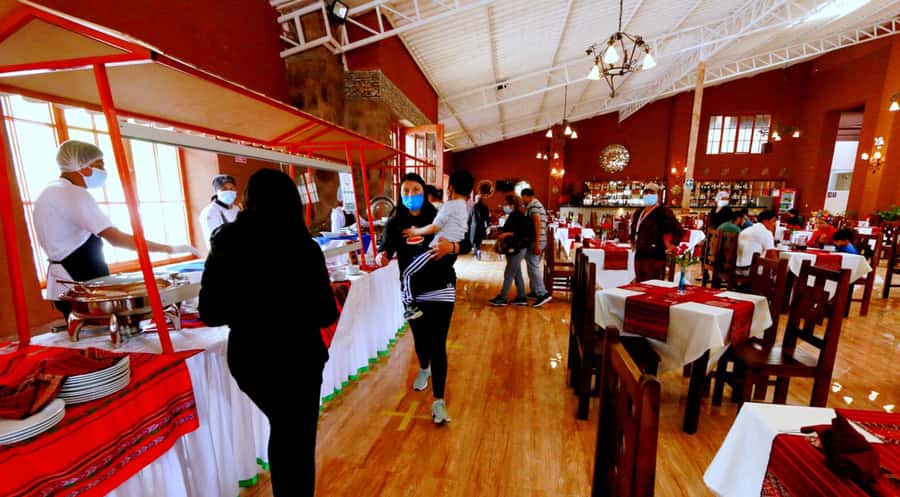
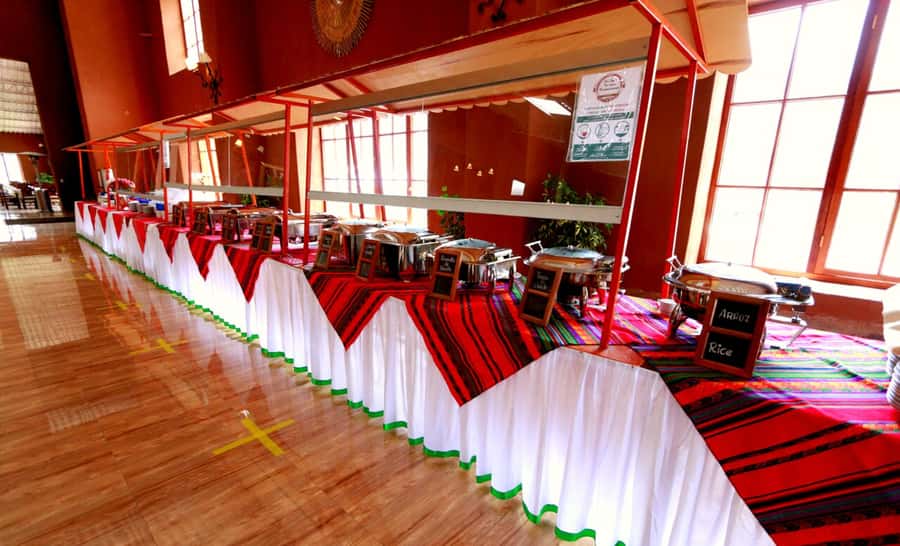
Then comes the part you’ll appreciate most when you’re hungry: a buffet lunch in Urubamba. Lunch is included, and the day keeps moving afterward—so this meal is not an optional break. You’ll have a chance to reset, eat a variety of Peruvian dishes, and refuel before Ollantaytambo.
Here’s the honest value angle: the tour includes the food, but drinks aren’t included. That matters in Peru, where bottled water and soft drinks can add up fast when you’re on a packed schedule. If you’re budget-minded, bring cash for water and drinks, and don’t assume everything at lunch will be covered.
As for taste: a buffet can be hit-or-miss depending on the day and the crowd. I’d treat this as included energy, not as a foodie destination. If you’re picky about food, choose simple items, and focus on getting a solid meal without overthinking it.
You can also read our reviews of more tours and experiences in Cusco
Ollantaytambo and the Sun Temple: The 100-Step Test
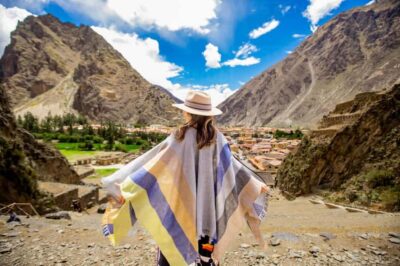
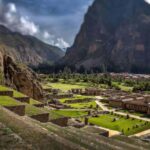
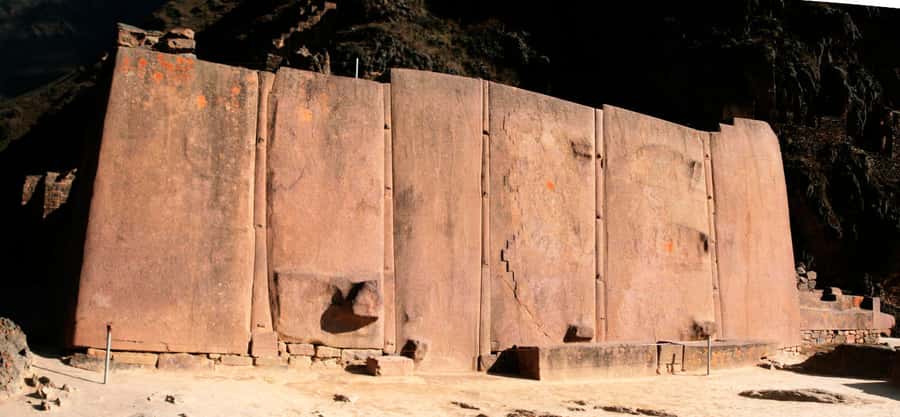
Ollantaytambo sits along the Urubamba River and has an unmistakable presence. This is a former Inca stronghold area tied to the story of Ollantay and where the Inca-era settlement feel still lingers in the stones.
You’ll visit the Sun Temple, built from large blocks that have remained intact for centuries. This stop is powerful because it’s all about structure and workmanship. You’re not just looking at a ruin—you’re looking at engineering that still reads clearly after centuries.
Now the important part: you must climb 100 steps to reach the top, and there’s no elevator. If your legs are tired from the day’s earlier walking, it can feel like a workout. If you have mobility limitations, this is not the stop to “power through.” The tour also isn’t suitable for wheelchair users and isn’t designed for people with mobility impairments.
If you do go: take the steps at your own pace. Pause halfway if you need to. Short breaks help more than you’d think when altitude is in the mix.
Chinchero Textiles and Painted Murals: Watching Craft Happen
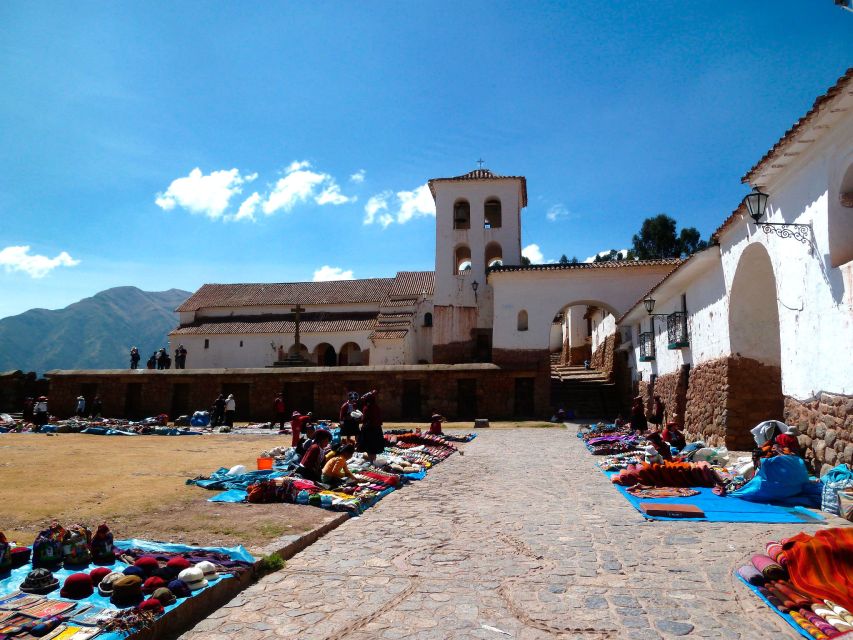
After Ollantaytambo, the bus returns via Urubamba and heads up and out of the valley to the highlands above for your final cultural stop: Chinchero. This is where the tour shifts from Inca stone to living craft.
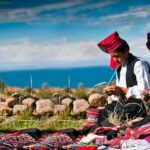
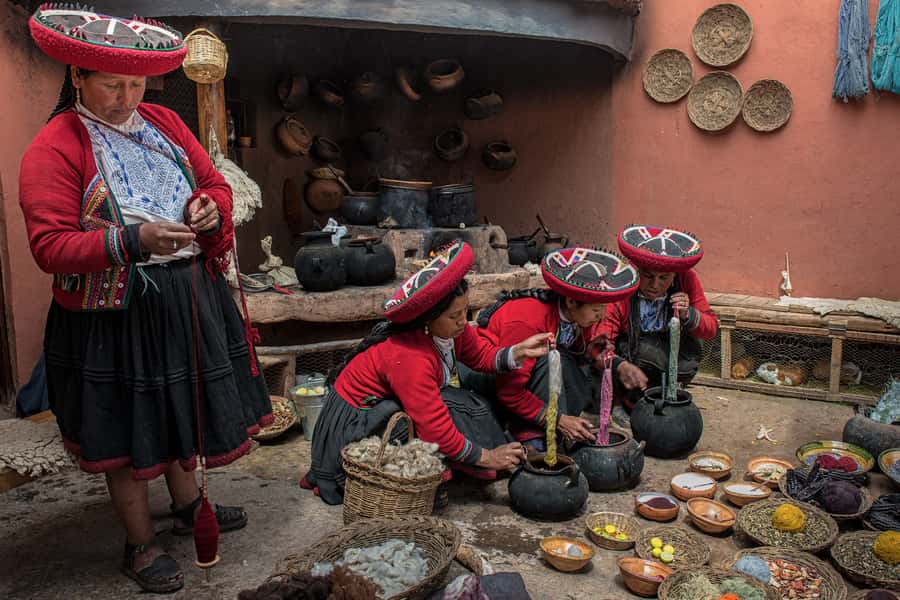
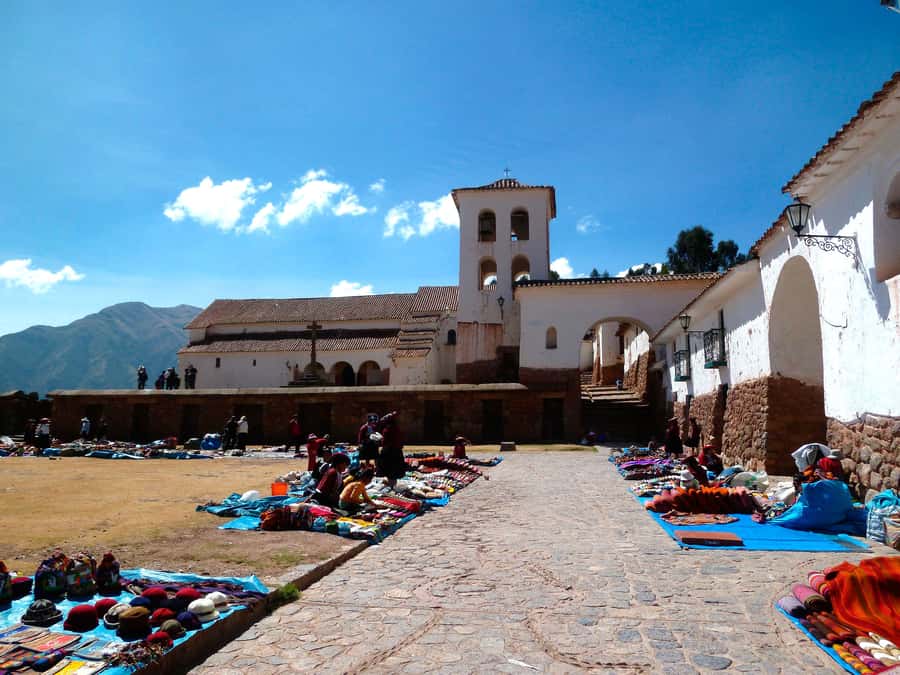
You’ll see old painted murals and visit the traditional market, which is famous for handmade textiles and weaving. There’s also a cultural demonstration at a local weaving center, so you’re not just buying—you’re seeing how the work gets done.
This is a great last stop because it changes the “texture” of the day. You started with views, moved into ruins, ate lunch, and then ended with craft. If you like connecting what you see to how it’s made, Chinchero is one of the most meaningful parts.
One more practical thought: highland stops can feel cooler and breezier than you expect. Dress in layers and keep your towel handy in case you’re dealing with sun and dust.
Group vs Private Tour: Choose Your Pace
This tour lets you choose between a shared group tour or a private tour. That choice can matter more than you’d think on a day this packed.
- A shared group often gives you a better social energy and usually runs at a steady pace with set timing.
- A private tour can reduce the “hurry” feeling if your guide can adjust timing and pacing for your group.
If you’re sensitive to long bus days, or you’re photographing a lot and want a little more control over timing, private is often worth considering.
Price and Logistics: How to Think About the Real Cost
At about $36 per person, the headline price looks like a bargain for a day that includes pickup, a bilingual guide, bus transport, and a buffet lunch. The value is strongest if you’d otherwise spend time (and money) coordinating rides and tickets.
But don’t ignore the add-ons:
- Tourist ticket is not included. A full tourist ticket is valid for 10 days and covers the majority of Inca sites around Cusco and the Sacred Valley (16 places).
- If you only care about the Sacred Valley stops on this tour, a Partial Tourist Ticket (70 nuevos soles) is valid for 1 day and allows entry to all sites on the Sacred Valley tour.
Also, the tour doesn’t include drinks. If you want water and soda, plan on paying for them.
Weather is another reality check. Your route depends on conditions, and the partner can’t control weather changes. I’d check forecast apps before choosing the day you go.
Two more “just so you’re ready” items: drones are not allowed, and the tour asks you to bring an ID/passport, comfortable shoes, a towel, and comfortable clothes.
Who Should Book This Tour (and Who Should Skip It)
This tour fits best if you want:
- a well-structured Sacred Valley overview in one day,
- major stops like Pisac, Ollantaytambo, and Chinchero,
- a included lunch so you don’t lose time hunting for food,
- and a guide who speaks English and Spanish.
It’s not a good match if you:
- use a wheelchair or have mobility impairments (Ollantaytambo includes 100 steps),
- have heart problems, respiratory issues, epilepsy, or are over 264 lbs (120 kg),
- or want a slow, leisurely route with long stays at each site.
If you’re recovering from jet lag and want something gentle, this may also feel too intense.
Should You Book This Sacred Valley Tour?
Yes, consider booking if you want a practical one-day Sacred Valley introduction with transport handled and a built-in lunch stop. The combination of stone ruins, local markets, and Chinchero weaving makes it more than a sightseeing bus ride.
Skip (or switch to something lighter) if you don’t want step-heavy sites, hate packed schedules, or need extra control over timing and meal quality. If that sounds like you, look for a different format where you can spend more time at fewer places.
In other words: this tour works when you’re ready for a full day. If you are, it’s a smart value way to see the Valley’s best pieces without getting bogged down in logistics.
FAQ
FAQ
How long is the Sacred Valley tour from Cusco?
The tour lasts 1 day.
Is hotel pickup included?
Yes. Pickup is included from downtown hotels in Cusco. If you’re staying at a private accommodation, you’ll be given a nearby meeting point.
What’s included in the price?
Included are hotel pickup, a bilingual tour guide, a tourist bus, and Urubamba buffet lunch.
Do I need a tourist ticket?
Yes. The tourist ticket is not included. You can use either a full tourist ticket (valid 10 days) or a Partial Tourist Ticket valid for 1 day that covers Sacred Valley tour sites.
Are drinks included with lunch?
No. Drinks are not included.
Is the tour suitable for people with mobility impairments?
No. It’s not suitable for people with mobility impairments, and there’s no elevator at Ollantaytambo, where you must climb 100 steps.