REVIEW · BOGOTA
Bogotá: City tour Monserrate, emerald and gold museum & more
Book on GetYourGuide →Operated by Encanto Colombiano Tours · Bookable on GetYourGuide
A good Bogotá day starts high, then tells a story. You’ll bounce from panoramic views at Monserrate to two museums that explain Colombia through stone, gold, and the myths around them. It’s a smart way to see a lot without feeling rushed into the wrong neighborhoods.
What I really like is the way the tour connects details to meaning. The Emerald Museum makes Colombian emerald culture easy to grasp, from mining and cutting to pieces in natural form and jewelry. I also like the Gold Museum setup, especially the Muisca raft that represents the El Dorado ceremony, along with a strong mix of gold, ceramics, and other pre-Hispanic artifacts.
One consideration: Monserrate is at 3,152 meters, and you’ll walk. If you have mobility concerns, this tour isn’t a good fit, and if you want the cable car, that ride is not included.
In This Review
- Key things to know before you go
- A six-hour sampler of Bogotá’s big icons (and why the pacing works)
- Emerald Museum: how Colombian emeralds go from mine to meaning
- Gold Museum: the Muisca raft and why pre-Hispanic art hits harder in person
- Monserrate at 3,152 meters: views, walking, and a pilgrimage sanctuary
- Plaza de Bolívar: Bogotá’s political center, explained with real landmarks
- La Candelaria’s Chorro de Quevedo: a tiny square with big meaning
- What you’re really paying for (and what to plan around)
- Who this tour suits best (and who should skip it)
- Should you book this Bogotá Monserrate + emerald and gold tour?
- FAQ
- How long is the tour in total?
- Which museums are included?
- Do I get hotel pickup and drop-off?
- Is the cable car ride to Monserrate included?
- On which days are the museums closed?
- What should I bring for the day?
- Is flash photography allowed inside?
Key things to know before you go
- Emerald Museum with real process, not just display cases: you’ll learn how emeralds move from mining to cutting.
- Gold Museum focused on pre-Hispanic cultures: you’ll see artifacts in gold and other materials, with a highlight on the Muisca raft.
- Monserrate views at 3,152 meters: Bogotá and the Andes open up from the top, plus a pilgrimage sanctuary.
- Historic heart stops, explained with context: Plaza de Bolívar and the landmarks around it are part of the storyline.
- Chorro de Quevedo in La Candelaria: colonial streets, cafes, art shops, and a square tied to the city’s founding.
- Private group + guided time: a guide in English or Spanish helps keep it coherent for the full 6 hours.
A six-hour sampler of Bogotá’s big icons (and why the pacing works)
This tour is built like a guided outline of Bogotá. You start with objects and craft (emeralds), then shift to artifacts and mythology (gold). After that, you go upward for city views (Monserrate), then back into civic and street-level history (Plaza de Bolívar and La Candelaria).
The time math is what makes it practical. You’re not trying to do everything on your own, and you’re not stuck in one place for hours. The schedule gives you photo stops and guided blocks, plus some walk-and-look time—so you can actually register what you’re seeing.
Price-wise, $85 per person can make sense if you factor in what’s included: museum entrances, a guide service, and hotel pickup and drop-off. Add the fact that you skip the ticket line, and it’s less hassle than rolling the dice on opening hours and entry steps. What’s not covered is meals and beverages, and the cable car ride to Monserrate (if you choose that option).
If your goal is first-timer-friendly Bogotá with culture that isn’t just random sightseeing, this fits well.
You can also read our reviews of more city tours in Bogota



Emerald Museum: how Colombian emeralds go from mine to meaning
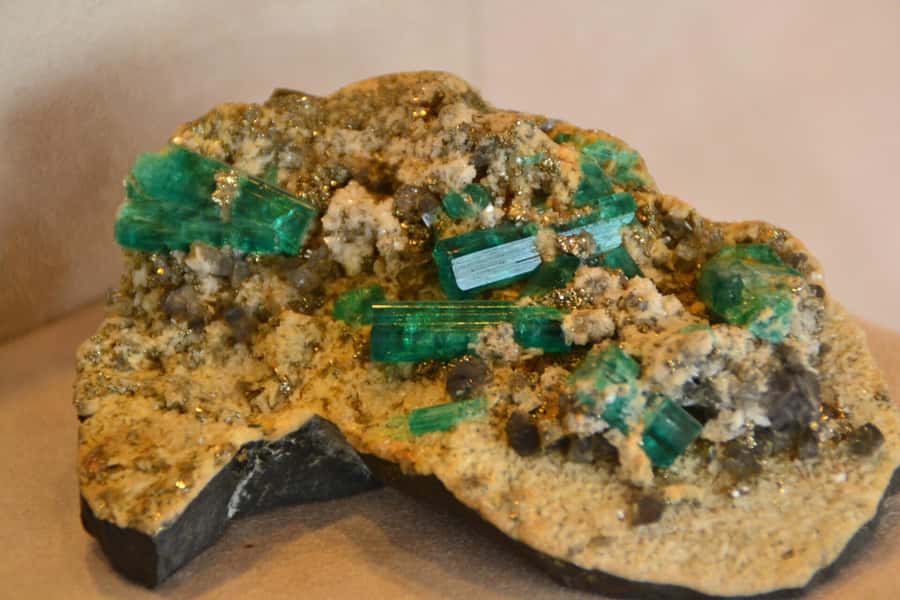
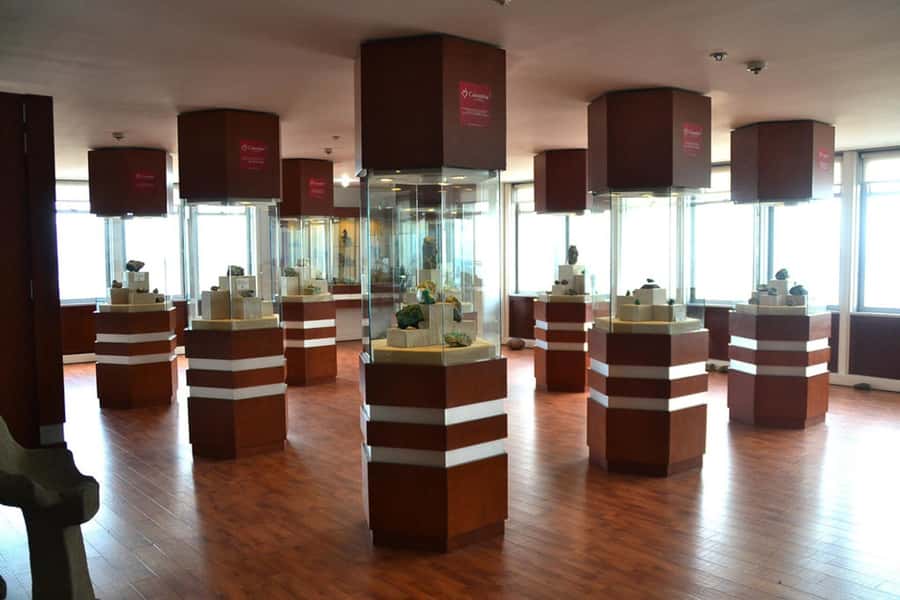
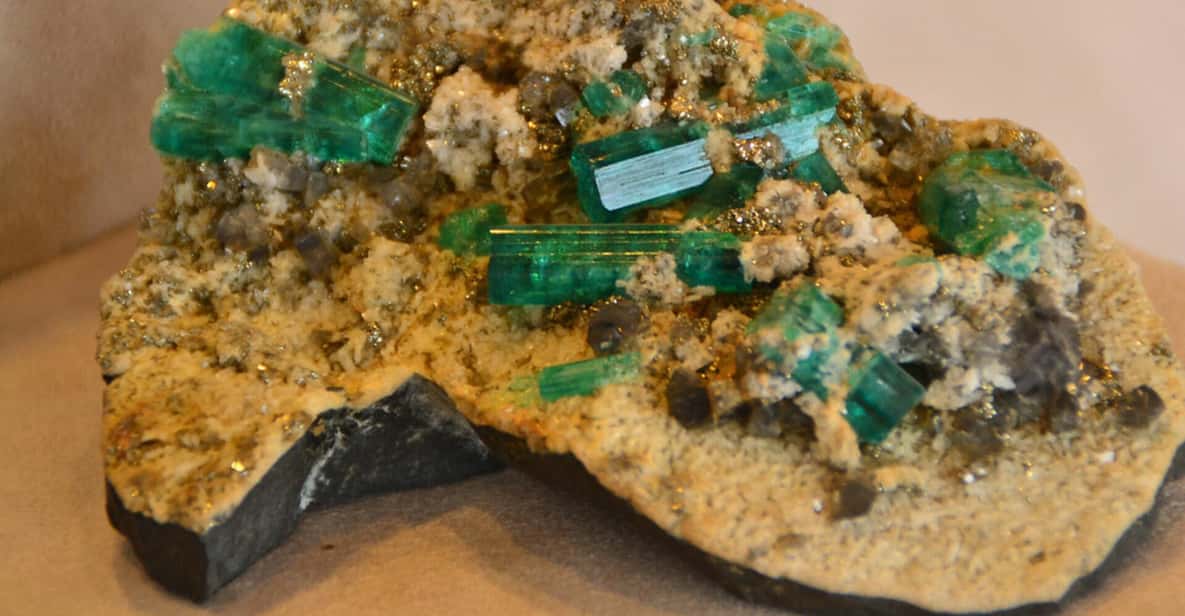
The International Emerald Museum is dedicated to the history and culture behind Colombia’s emeralds. The best part of this stop is that it’s not only about pretty stones on stands. Your guide helps you connect the dots between mining and cutting—how a rough resource becomes something shaped, traded, and recognized.
You’ll also see emeralds in different forms: not just finished jewelry, but stones shown in more natural or raw states as well. That matters because it changes how you look at the objects. Instead of thinking emeralds are just luxury items, you start understanding them as a craft and an industry with a process behind it.
If you’re the kind of traveler who likes learning the “how” behind iconic Colombian products, this museum will feel purposeful. And if you’re visiting with someone who needs structure, a guided session makes it much easier to stay oriented.
One practical note: the Emerald Museum is closed on Sundays and holidays. So if your trip lands on those days, plan your museum day differently.
Gold Museum: the Muisca raft and why pre-Hispanic art hits harder in person
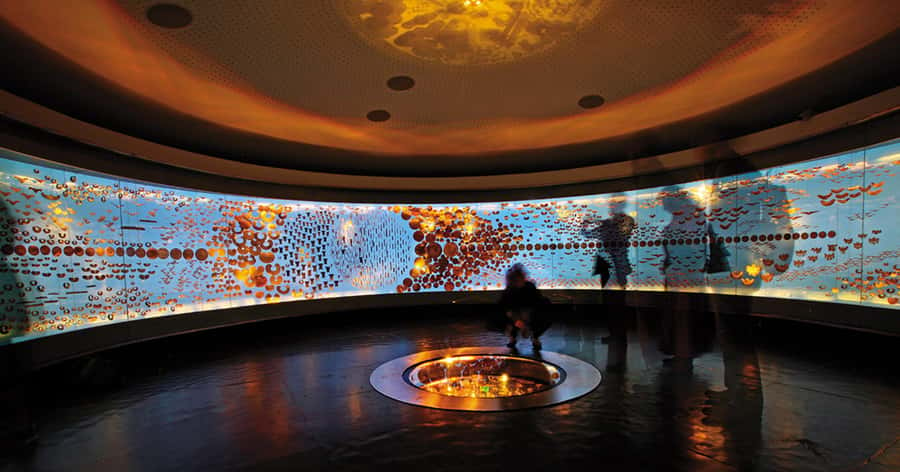
Next comes the Gold Museum (Museo del Oro), one of Colombia’s most important collections. What you’ll notice right away is the range: artifacts made of gold, ceramics, stone, and other materials. That variety helps you understand that these cultures weren’t only producing gold objects. They were building whole visual languages using the materials they had.
A standout is the Muisca raft, which represents the El Dorado ceremony. The meaning is simple but powerful: this isn’t about a random treasure story. It’s about ritual and symbolism, and how indigenous communities expressed beliefs through crafted objects. Seeing that concept in a museum setting helps it land more clearly than reading a summary online.
The Gold Museum is also known for thoughtful exhibit design and interactive experiences. Translation: you’re less likely to feel like you’re just walking past cases. The way the museum is set up makes it easier to connect pieces into a bigger picture of pre-Hispanic life.
Just be aware of one schedule issue: the Gold Museum is closed on Mondays. If your day falls on Monday, you’ll want to swap stops or pick a different tour day.
Monserrate at 3,152 meters: views, walking, and a pilgrimage sanctuary
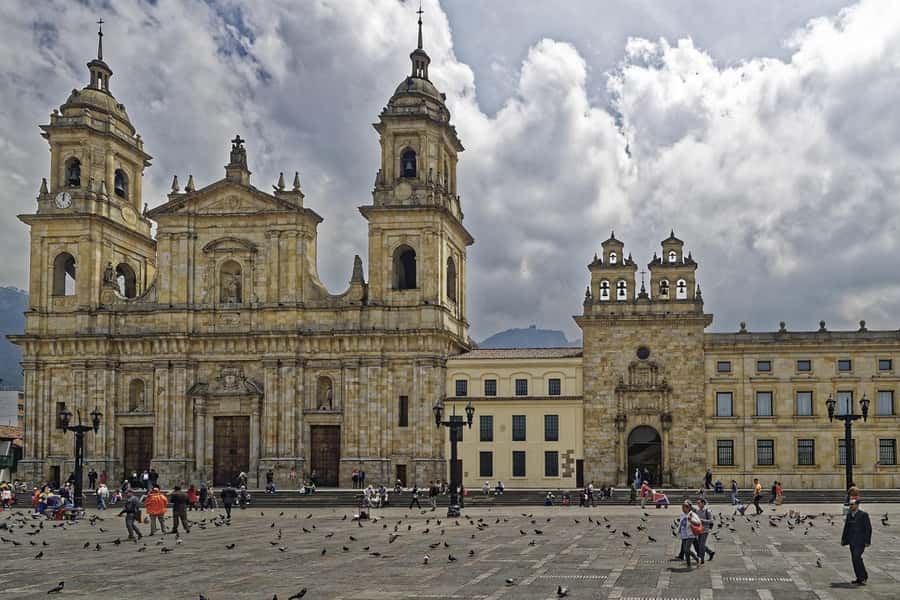
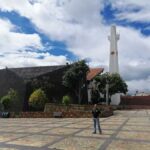
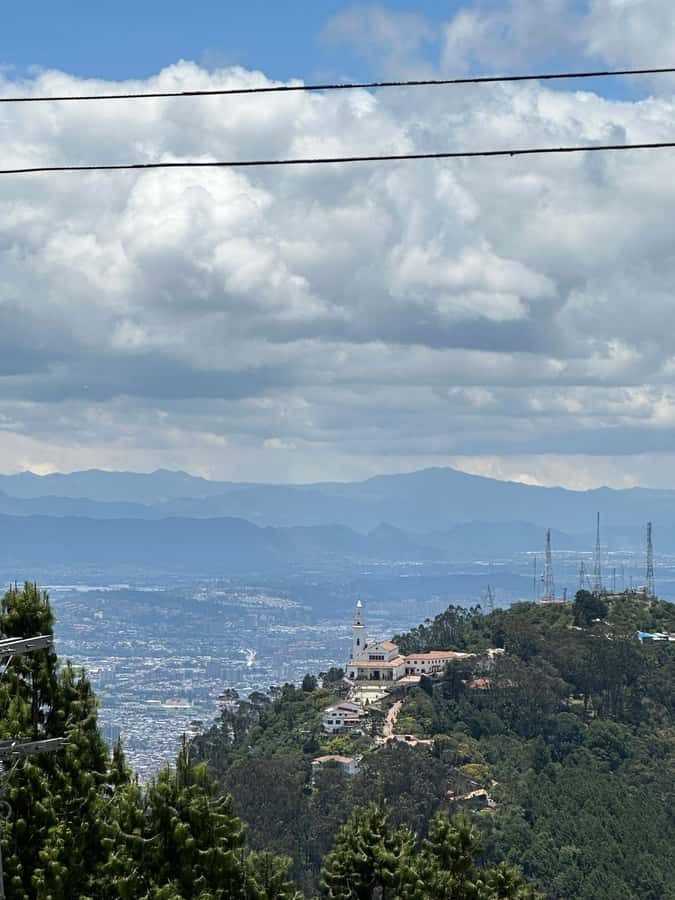
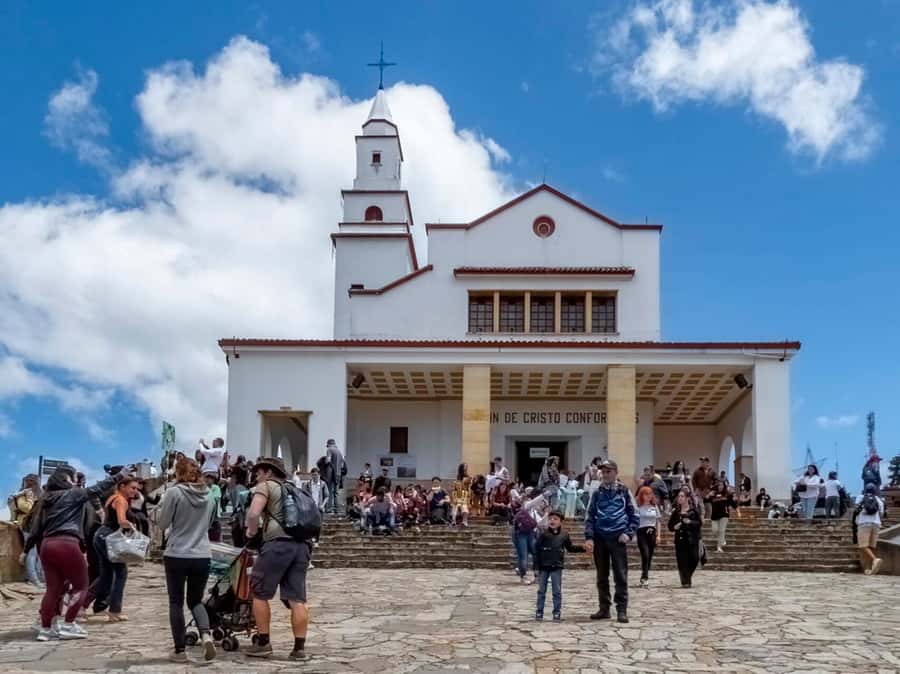
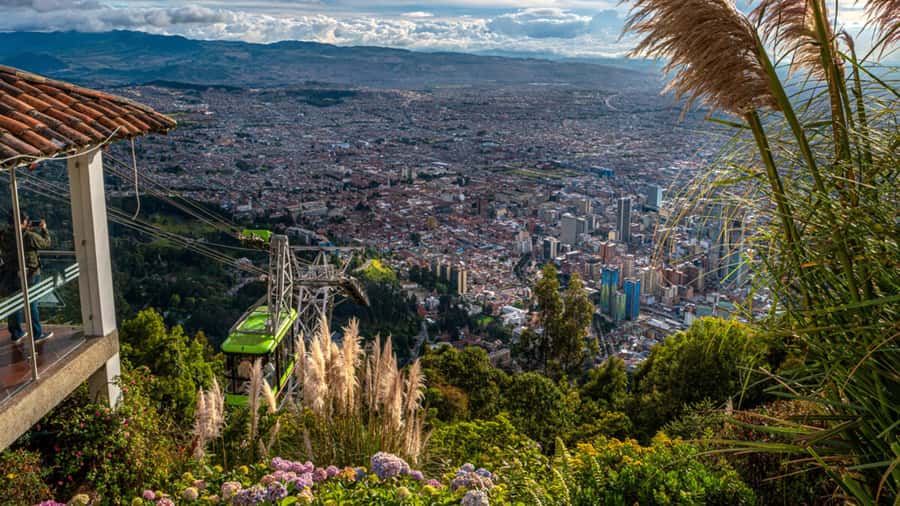
Then you go to Monserrate, the mountain above Bogotá and one of the most visited spots in town. At the top—3,152 meters—you reach the Sanctuary of the Fallen Lord of Monserrate, a place of pilgrimage. That religious element isn’t tacked on. It’s part of why people come, and it shapes the feel of the visit.
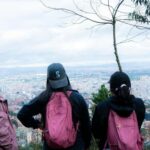
On the practical side, Monserrate delivers what you want from a hilltop stop: a panoramic view over Bogotá and the Andes. It’s the kind of view that helps you understand the city’s geography fast. It also makes your photos look like you actually planned your day.
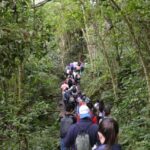
How you get to the summit depends on what you choose. You can reach it by hiking, cable car, or funicular. The cable car ride is not included on this tour, so if you prefer that option, you’ll need to arrange it separately. If you’re hiking or walking, plan for a slower pace because you’re higher than most people expect in an urban day.
One small tip that helps: bring water and comfortable shoes. Even if the climb is manageable, the altitude can make everything feel like it takes longer than you think.
Plaza de Bolívar: Bogotá’s political center, explained with real landmarks
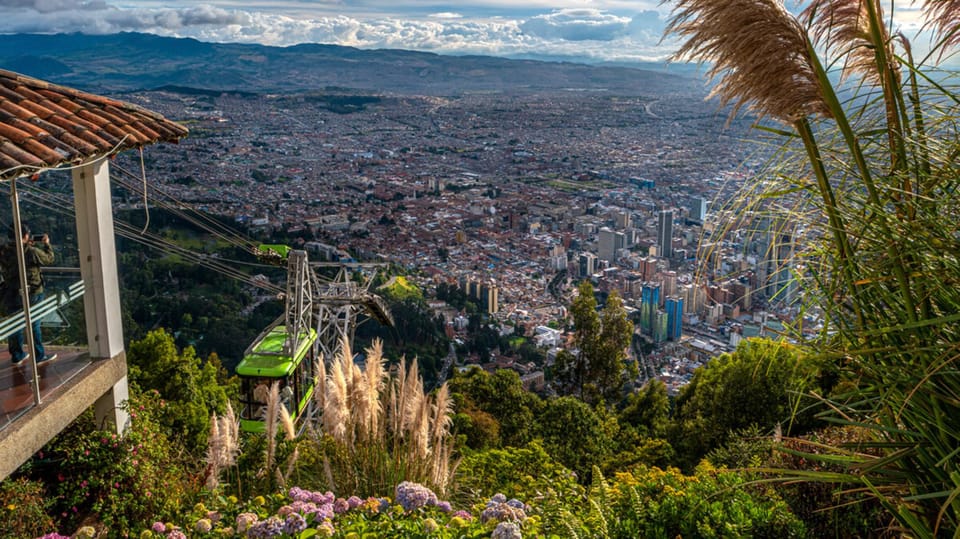
After the mountain views, the tour shifts into the city’s power center: Plaza de Bolívar. This is Bogotá’s historical and political heart, and the square works best when you understand what surrounds it.
Your guide points out the major buildings around the plaza, including the Primatial Cathedral of Colombia, the Palace of Justice, the National Capitol, and the Liévano Palace (Bogotá’s City Hall). Even if you don’t go inside every building, seeing them from the plaza gives you a clear mental map of how the city’s civic life is organized.
The statue of Simón Bolívar in the middle is a visual anchor. It’s also a reminder of how long these national narratives have been tied to this place. The square also serves as a gathering point for demonstrations, concerts, and public activities. That public-life role is part of its character, not just its architecture.
This stop is shorter—about a half hour of guided time plus walking—but it’s a useful segment. It gives you context for the city you’ve been admiring from above.
You can also read our reviews of more museum experiences in Bogota



La Candelaria’s Chorro de Quevedo: a tiny square with big meaning
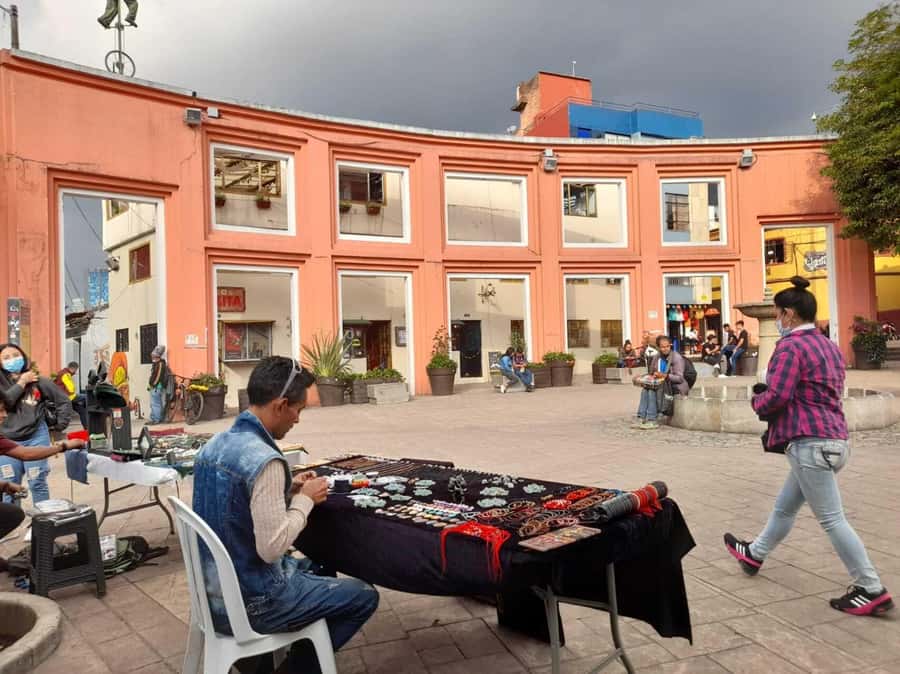
Finally, you land in Chorro de Quevedo, in the historic neighborhood of La Candelaria. This isn’t a big monument stop. It’s a small plaza with a lot going on around it: colonial houses, cafes, and art shops you can browse while you’re there.
What makes it interesting is the connection to the city’s beginnings. The area is believed to be where Bogotá was founded in 1538 by Gonzalo Jiménez de Quesada. That founding story turns a calm-looking plaza into something more than a photo spot.
You also get that laid-back atmosphere that La Candelaria is known for. The square is a place where locals and visitors hang out, and it often feels like the city’s personality shows through—especially with street performances and the creative vibe of the area.
One note for expectations: the tour includes a 1-hour window here, so you might not catch the nightlife energy described for later hours. But if you have extra time, coming back after dark can be worth it. The plaza is said to come alive with music, storytellers, and artists.
What you’re really paying for (and what to plan around)
Let’s talk value, because the $85 price is only meaningful if you know what you’re getting.
Included:
- Entrances to the Emerald and Gold Museums
- Guided tour service (with a guided focus at the Emerald Museum)
- Hotel pickup and drop-off
- Visits to Plaza de Bolívar and Chorro de Quevedo
- A small Colombian snack
- Skip the ticket line
- A live tour guide in English or Spanish
- A private group
Not included:
- Meals and beverages
- Cable car ride to Monserrate
For me, the biggest value pieces are the guided context and the pickup/drop-off. Bogotá is easier when someone helps you sequence the stops and explains what you’re looking at—especially when the day includes museums and historic landmarks. The private group format can also be a win if you want your pace and questions respected, rather than being rushed along with a large crowd.
Also, you’ll want to pack like it’s a walking day. Bring comfortable shoes, water, and camera time. Flash photography isn’t allowed inside, so plan on natural light and your phone camera settings accordingly.
Who this tour suits best (and who should skip it)
This tour is a strong match if you:
- Want a guided overview of Bogotá’s top sights in one day
- Like museums that explain culture, not just objects
- Want the Monserrate viewpoint without planning the route yourself
- Prefer a private group experience with an English or Spanish-speaking guide
It’s not suitable for people with mobility impairments or wheelchair users. Monserrate and the walking segments around plazas can make it difficult.
One more practical angle: a great guide matters here. The experience is more rewarding when someone connects the dots between emerald mining, pre-Hispanic ritual, and modern Bogotá civic life. If you get Jhair as your guide, that’s a promising sign—he’s specifically praised for historical detail and patience, including when traveling with someone who moves slowly.
Should you book this Bogotá Monserrate + emerald and gold tour?
If you’re planning a first or second day in Bogotá and you want one organized route that covers viewpoints, museum culture, and the city’s historic core, I’d book this. It’s built to reduce friction: pickup/drop-off, museum entry, and guided context keep you from wasting time figuring things out.
Skip it if you’re trying to do Bogotá at a minimal walking level, or if you’re traveling on a day when the museums are closed (Emerald Museum on Sundays and holidays, Gold Museum on Mondays). Also consider your comfort with altitude and stairs or uphill walking if you’re going to Monserrate by foot.
Overall, this tour works because it teaches you how Bogotá thinks about identity: through what people mined, what they made, what they believed, and where the city’s institutions gathered.
FAQ
How long is the tour in total?
The tour lasts 6 hours.
Which museums are included?
You’ll visit the Emerald Museum and the Gold Museum (Museo del Oro).
Do I get hotel pickup and drop-off?
Yes, hotel pickup and drop-off are included.
Is the cable car ride to Monserrate included?
No, the cable car ride to Monserrate is not included.
On which days are the museums closed?
The Emerald Museum is closed on Sundays and holidays. The Gold Museum is closed on Mondays.
What should I bring for the day?
Bring comfortable shoes, a camera, water, and weather-appropriate clothing.
Is flash photography allowed inside?
No, flash photography is not allowed.