REVIEW · SALVADOR BRAZIL
Afro-Brazilian Roots Private City Tour in Salvador
Book on GetYourGuide →Operated by Your Tour Brazil · Bookable on GetYourGuide
Afro-Brazilian roots in Salvador are easier to understand with a real guide. I like how this private 6-hour route links faith, waterfront life, and food into one clear story instead of a pile of random stops.
Two things I really love: first, the guided visit to Afro-Brazilian religious spaces, including a stop at the Yemayá altar in Rio Vermelho and a Candomblé temple experience in the Ewe Fon tradition. Second, you get the flavor side too, with market time at São Joaquim Fair, an acarajé tasting, and a relaxed lunch overlooking the sea.
One consideration: you’ll be in working neighborhoods, including a seaside favela, and photography isn’t authorized there. Bring comfortable shoes and plan on walking and standing for most of the day.
In This Review
- Key reasons this tour works
- A 6-hour Salvador plan built around faith, food, and neighborhoods
- Rio Vermelho and the Yemayá altar by the water
- Tororó Dike photo stops: monuments with mystery and local memory
- São Joaquim Fair: where your senses learn the story
- Acarajé tasting and lunch: food that explains belief
- Candomblé in Ewe Fon tradition: how to handle sacred space
- Seaside favela lunch: the view is nice, but respect is the real souvenir
- Guides, pacing, and why private makes a difference
- Price and value: what $150 buys you in Salvador
- Best for you if you want depth, not just photos
- Should you book the Afro-Brazilian Roots private tour?
- FAQ
- How long is the Afro-Brazilian Roots private city tour in Salvador?
- Is pickup from my hotel included?
- What is included in the price?
- Are drinks included?
- Which languages are available for the live guide?
- Is the tour private or shared?
- Are there photography restrictions during the tour?
- Is this tour suitable for wheelchair users?
Key reasons this tour works
- Private, long-form guiding with history-minded context: you’re not rushed through “look and go” stops.
- Yemayá and Candomblé as living traditions: religion here is personal and local, not just a museum label.
- São Joaquim Fair + acarajé tasting: food is treated like culture, not an afterthought.
- Tororó Dike photo stops with meaning: you’ll learn what the monuments represent before you shoot photos.
- Seaside favela lunch with real neighborhood atmosphere: sea views, plus a better sense of how people live.
- Respect rules you have to follow: no photos in parts of favela communities.
A 6-hour Salvador plan built around faith, food, and neighborhoods
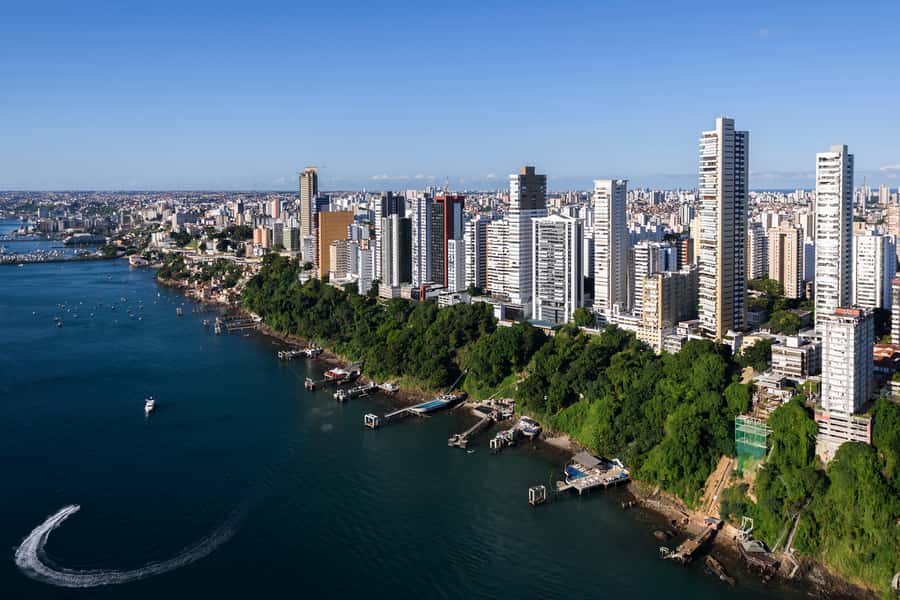
This is the kind of tour where you start by getting your bearings, then you start connecting dots. The day is designed to show how Afro-Brazilian identity took shape in Salvador and kept shaping daily life—especially around music, belief, and the food people actually eat.
You’ll be in a private group with a private car, so you’re not stuck waiting for the slowest person or squeezed into a large van. Pickup is included from Salvador, and you’ll want to be ready in the hotel lobby about 10 minutes early. The pace stays active but not frantic, with multiple guided stops and photo windows.
At 6 hours, it’s also a good length if you want something deeper than the standard half-day highlights. It’s long enough to learn how the pieces connect, but short enough that you’re still able to enjoy the rest of your Salvador day on your own.
You can also read our reviews of more tours and experiences in Salvador Brazil.



Rio Vermelho and the Yemayá altar by the water
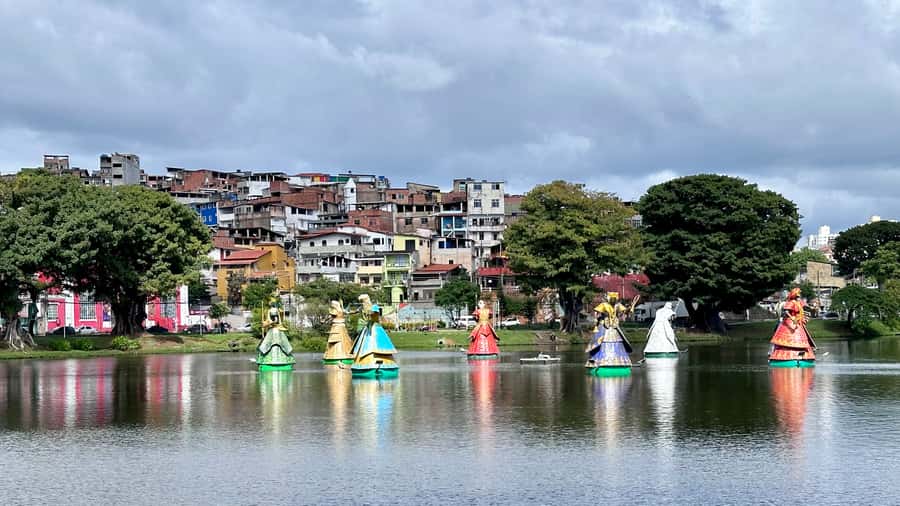
You begin with waterfront energy in Rio Vermelho. This is where Salvador’s link between sea life and Afro-Brazilian devotion becomes concrete, not theoretical.
The tour brings you to a sacred altar for Yemayá, the African deity associated with the sea. What makes this stop special is the way the day frames it: local fishermen keep the altar maintained, so you’re seeing faith as part of everyday coastal routine.
Practical note: treat this as a sacred moment, not a photo session. If you want pictures, follow your guide’s cues on where it’s appropriate. And yes, you’ll likely feel the heat and salt air—dress accordingly.
Tororó Dike photo stops: monuments with mystery and local memory
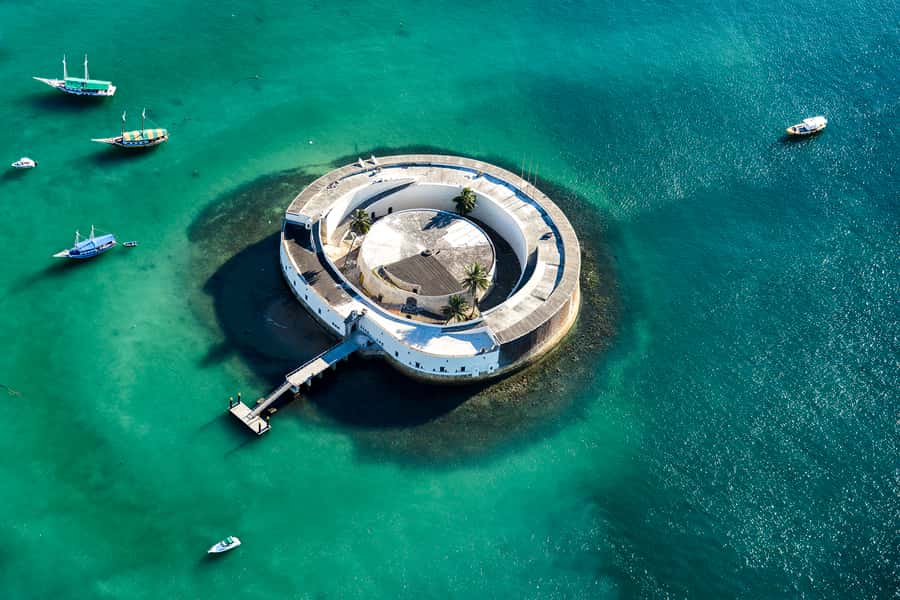
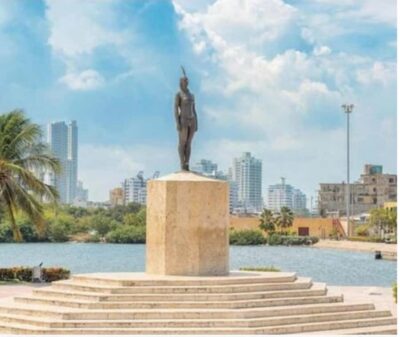
Next come the Dique do Tororó photo stops. The big draw here isn’t just the scenery; it’s the story attached to the African monuments. You’ll get time to take pictures, but the real value is understanding why these sites matter and what their symbolism means in Salvador.
The stops are brief—think guided explanation plus time to look and shoot—about 30 to 40 minutes depending on the point in the route. That’s enough to get your head around the basics without dragging you through an endless sequence of “look here” moments.
One thing I appreciate in a tour like this: it doesn’t assume you already know the references. You get context before you start forming opinions from the visuals. That makes your photos come out better too, because you’re capturing details you now recognize.
São Joaquim Fair: where your senses learn the story
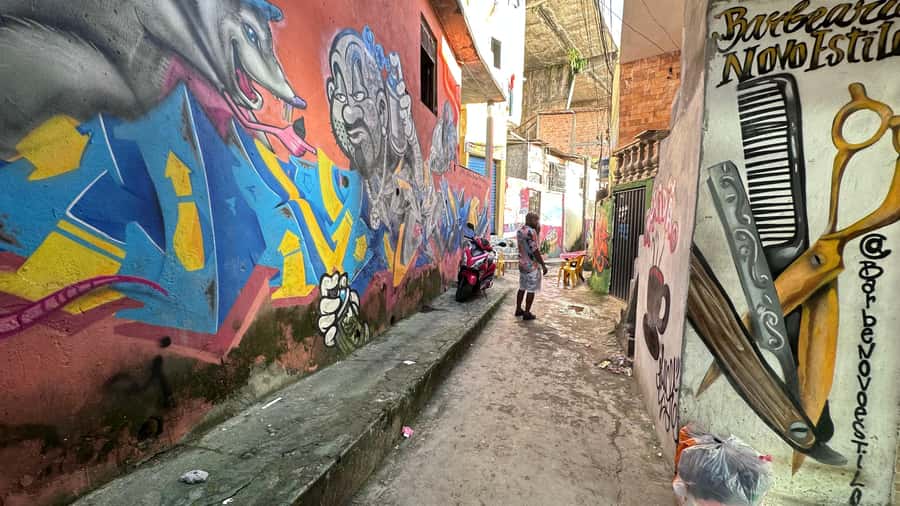
Then the day shifts into the market world at São Joaquim Fair, Salvador’s intangible heritage. This is a stop built for your senses—smells, produce colors, the rhythm of stalls, and the everyday flow of commerce.
You’ll spend time absorbing aromas and flavors from stores packed with exotic fruits, fresh vegetables, and typical Bahian dishes. It’s also one of those places where learning feels natural because you’re surrounded by the ingredients of local identity.
You’ll also have time to taste foods here. In many cities, markets can turn into a quick snack and a photo line. Here, it’s more purposeful: the market is treated like a cultural classroom where food ties back to African roots.
Acarajé tasting and lunch: food that explains belief
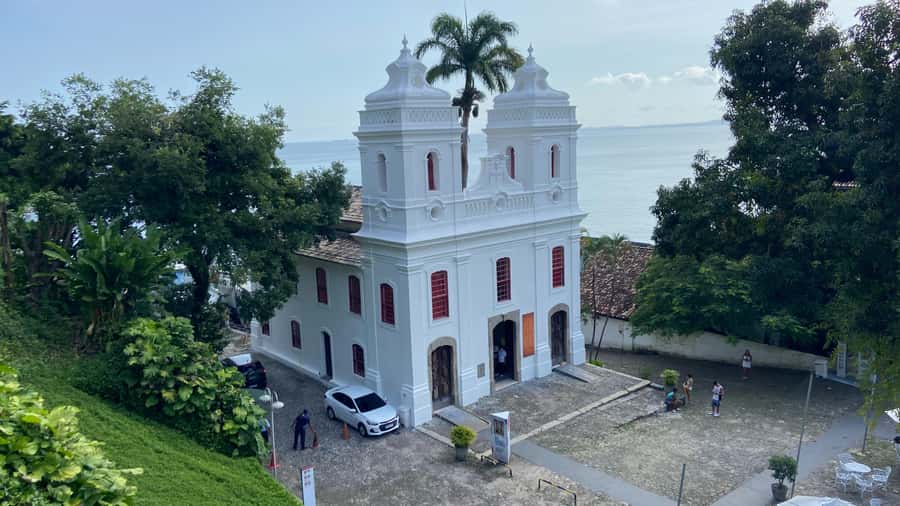
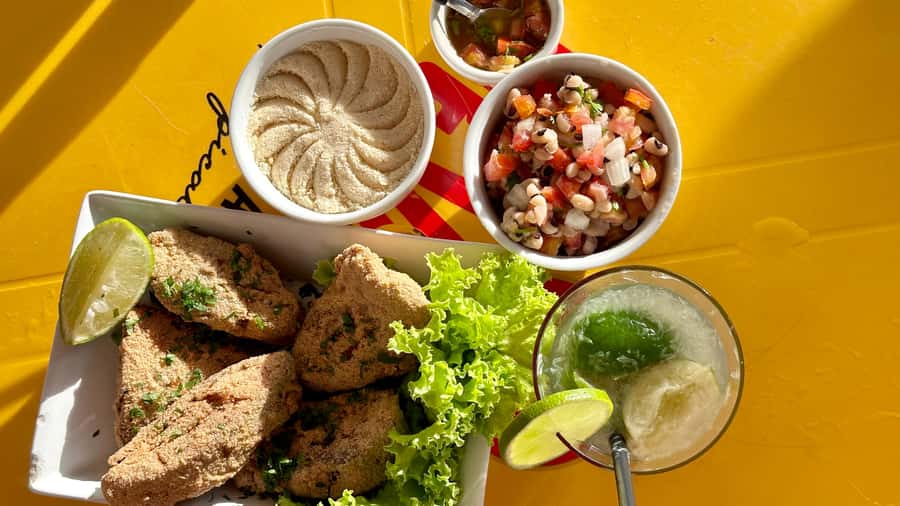
After São Joaquim Fair, you’ll do one of the day’s most “yes, I can see it” moments: tasting acarajé. This is the classic Bahian street snack made from black-eyed peas, shaped and fried, usually served with flavorful toppings. The point isn’t just to eat it; it’s to understand why it’s a signature dish tied to local tradition.
A key advantage of this tour is that food isn’t thrown in at random. You’re tasting in a sequence that matches the story being told—water and Yemayá, sacred tradition at Candomblé, and then food that carries memory.
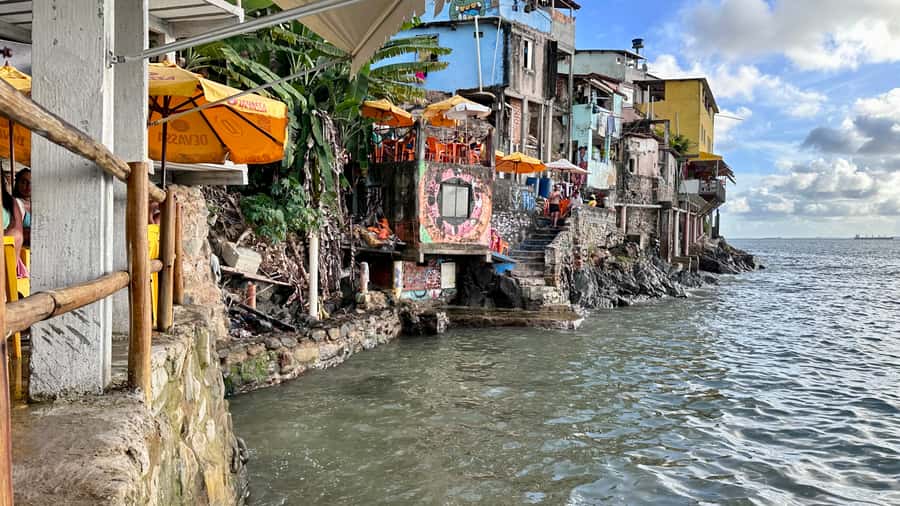
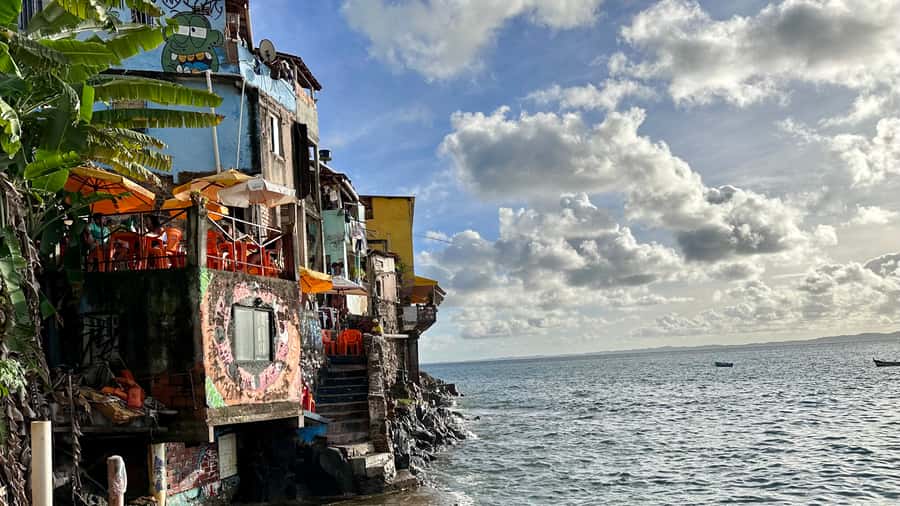
Lunch comes at the end, at a picturesque seaside favela spot with panoramic views of the sea. That’s a smart way to end a cultural route because it gives you a visual reset. You’re not finishing on a lecture; you’re finishing with a meal while looking out over the coastline.
Diet and drinks: lunch is included, and acarajé tasting is included. Drinks in general are not included, so plan on paying for water, juice, or anything else you want.



Candomblé in Ewe Fon tradition: how to handle sacred space
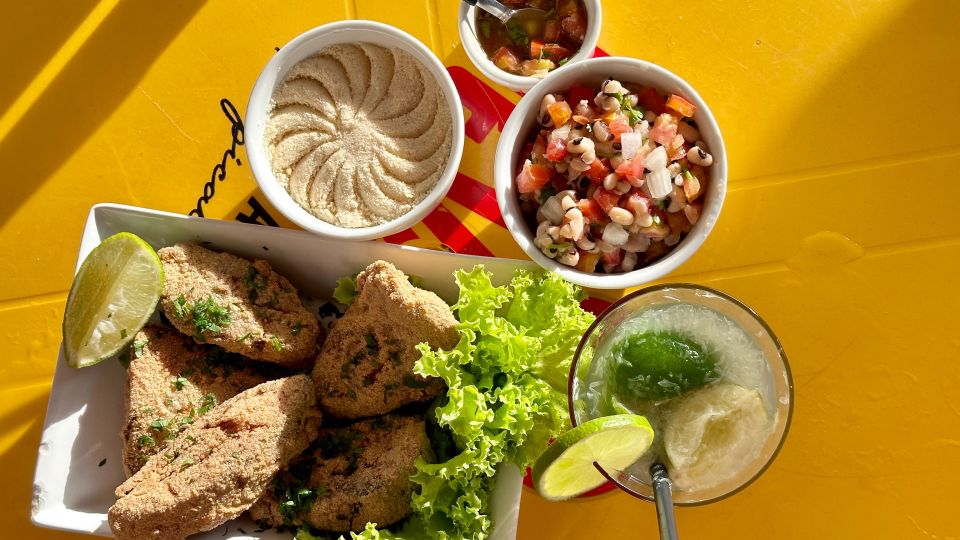
One of the most powerful parts of the day is the visit to a Candomblé temple in the Ewe Fon tradition. This is the moment where the tour goes beyond “heritage topics” and shows how belief operates within a community.
In the temple setting, you’ll learn about the beliefs and traditions that define Candomblé. This kind of stop can feel intense if you arrive with the wrong mindset, so go in ready to observe and ask questions through your guide.
From past experiences shared by guides on this route, I’ve seen how the best moments come from listening and asking thoughtful questions. Some guides on this tour style their explanations like an academic framework, while still keeping it grounded in what practitioners do day to day. It’s a good fit if you want depth, not just a surface-level explanation.
Photo rule matters here too, even if it’s not stated for every religious moment. When in doubt: ask first, and follow your guide’s instructions. This isn’t the place to treat the space like a backdrop.
Seaside favela lunch: the view is nice, but respect is the real souvenir
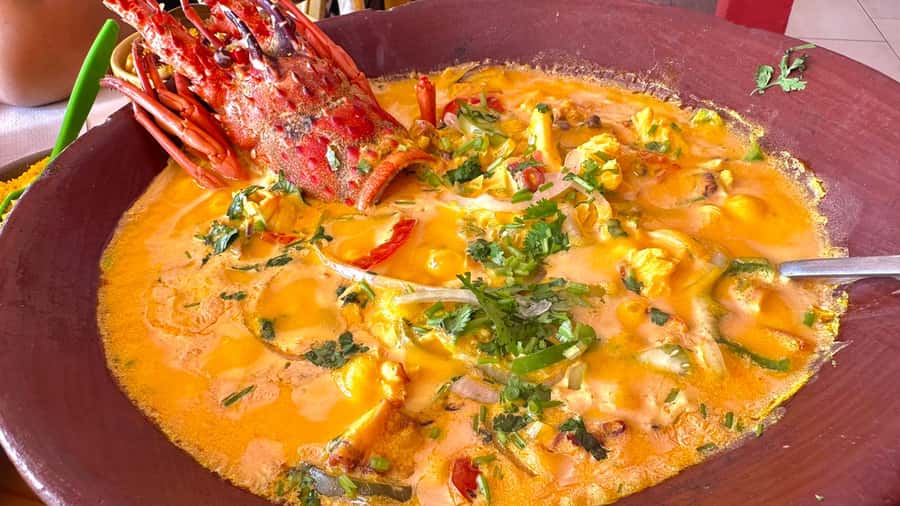
The final stop is a picturesque seaside favela for lunch and a couple hours of downtime. You’re getting panoramic views over shimmering sea, plus a chance to cool down after a full day of stops.
This is also where the tour’s “real neighborhood” character shows. It’s not a theme park, and your impact matters. The tour notes that photography is not authorized in the favela community, so don’t plan on filming or snapping pictures there.
If you want the best experience, shift your focus. Talk with your guide, observe how people move through the space, and use the free time to decompress. Lunch here feels like a reward, but it also feels like context—an ending that helps you understand the present, not just the past.
Guides, pacing, and why private makes a difference
A private tour is only worth it when the guide can actually shape the day. This route benefits from guides who can answer detailed questions and adapt on the fly when needed.
For example, Wilson has been described as a PhD historian who can connect Salvador’s systems of faith, identity, and history beyond just the city itself. Guides like Leandro and Mônia have been praised for sharing social context, not only names and dates. Ronaldo is often highlighted for warmth and for explaining how Afro-Brazilian identity shows up in daily life. In other words: you’re not paying just for access; you’re paying for explanation that sticks.
Pacing also matters in Salvador heat. Some guides have been known to adjust the flow so you stay comfortable. With a private car, you can move without losing chunks of time in transfers or waiting.
Price and value: what $150 buys you in Salvador
At $150 per person for about 6 hours, you’re paying for three things that usually cost extra if you do them separately: a private guide, a private car, and included meals and tastings.
Let’s break down the value:
- You get lunch included, plus an acarajé tasting. That alone helps offset the cost because you’re eating as part of the route, not grabbing snacks wherever.
- You get a private car, which is a big deal in Salvador where traffic and distances can chew up time fast.
- You get a guide who can connect the dots between Yemayá, Tororó monuments, market life, and Candomblé in the Ewe Fon tradition.
You also get a donation included. That’s not just a line item. In tours like this, it can signal that you’re participating responsibly, not just consuming access.
What’s not included is drinks in general. So budget a little extra if you like juice, beer, or sodas with lunch.
Best for you if you want depth, not just photos
This is a strong match if you care about:
- Afro-Brazilian faith and how it survived and evolved in Brazil
- The connection between food and identity
- Neighborhood life beyond the main tourist streets
It’s also ideal if you’re the kind of traveler who asks why something matters, not just what it looks like. Some guides on this route lean more intellectual, meaning you’ll come away with a lot to think about.
Two quick reality checks:
- If you dislike walking and standing for long periods, bring extra-comfort shoes. The tour also explicitly asks for comfortable shoes.
- If you rely on wheelchair access, this tour is not suitable for wheelchair users.
Should you book the Afro-Brazilian Roots private tour?
I’d book it if you’re coming to Salvador and want your visit to mean something. The strongest part of this tour is the way it builds understanding through three anchors: sacred spaces (Yemayá and Candomblé), everyday culture (São Joaquim Fair), and real neighborhood life (seaside favela lunch).
Choose it over a generic highlights tour if you want explanations you can’t easily get from a guidebook and you’re okay with a few rules—especially the no-photography expectation in favela areas. If you’re excited by learning, eating, and asking questions, this tour fits your style.
If you only want scenic viewpoints and casual strolling, you might find the religious and cultural focus more intense than you want. But if you’re here for connection and context, this one is a solid use of time.
FAQ
How long is the Afro-Brazilian Roots private city tour in Salvador?
It lasts 6 hours.
Is pickup from my hotel included?
Yes. Pickup is included in Salvador, and you should wait in the hotel lobby about 10 minutes before your scheduled pickup time.
What is included in the price?
The tour includes a guide, lunch, an acarajé tasting, private car, and a donation.
Are drinks included?
No. Drinks in general are not included.
Which languages are available for the live guide?
The live tour guide is available in Portuguese, Spanish, English, and French.
Is the tour private or shared?
It is a private group.
Are there photography restrictions during the tour?
Yes. You will visit favela communities where photography is not authorized.
Is this tour suitable for wheelchair users?
No. It is not suitable for wheelchair users.