REVIEW · CUSCO
Machu Picchu: 5-Day Salkantay Trek with Panoramic Train
Book on GetYourGuide →Operated by TreXperience · Bookable on GetYourGuide
Machu Picchu, minus the hassle. I like this trek because it mixes the big physical day-by-day work of the Salkantay Trail with comfort where it counts (that glamping night), and it ends with the wow-factor of Machu Picchu before you’re whisked back by train. My two favorite parts are the color pop of Humantay Lake and the way your meals and camp setup stay taken care of. The main drawback to plan for is altitude: Day 1 starts high, and even fit people can feel it.
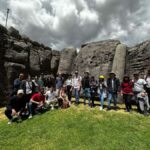
This is built for small groups, capped at 16, with a professional guide and real safety gear like a satellite phone plus an oxygen tank. For me, that matters because you’re out in the Andes for days, not in a city with backup plans. And if you’re doing this for the long game, you’ll appreciate the cultural add-ons too, like the Pachamanca cooking experience and a coffee farm stop.
With a price of $655 per person, you’re not just buying hiking. You’re getting entrance tickets, most meals, camping/glamping gear (not everything you might rent), ground transport, and the train back from Ollantaytambo in a scenic class. The value is best if you want your days guided and your logistics handled, not if you’re trying to go fully DIY.
In This Review
- Key things you’ll notice on this Salkantay-to-Machu Picchu trip
- Why the Salkantay-to-Machu Picchu finale feels more meaningful
- Day 1: Cusco pickup to Humantay Lake and your first high-altitude night
- Day 2: Salkantay Pass at 4,630 m and the slow change into cloud forest
- Day 3: Pachamanca, coffee farms, and first Machu Picchu views from Llactapata
- Day 4: Hydroelectrica walk, Mandor Gardens stop, and Aguas Calientes hot springs
- Day 5: Sunrise Machu Picchu tour, Huayna Picchu options, and the train ride home
- Food, guides, and the small things that make the trek easier
- Gear and altitude: what you should bring (and what you shouldn’t)
- Who this trek is for, and who should skip it
- Price and value: what $655 actually covers
- Should you book this 5-day Salkantay trek with panoramic train?
- FAQ
- What is the duration of this Machu Picchu trek?
- What is the pickup time in Cusco?
- How big is the group?
- What languages are the guides?
- Is sunrise at Machu Picchu included?
- What train do I take back to Cusco?
- What accommodations are included each night?
- Are meals included?
- Do I need to rent a sleeping bag or trekking poles?
- Can I add Huayna Picchu or Machu Picchu Mountain?
- Should I bring cash?
Key things you’ll notice on this Salkantay-to-Machu Picchu trip
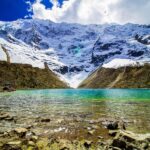
- Humantay Lake’s turquoise stays the standout photo moment, even after you see more spectacular views later
- Glamping on the Salkantay pass means you carry less and sleep better than classic camping
- Salkantay Pass (4,630 m) is the big altitude checkpoint and the turning point of the trek
- Llactapata puts Machu Picchu in your sights before you ever step into the citadel
- Pachamanca plus coffee tasting adds culture that feels practical, not staged
Why the Salkantay-to-Machu Picchu finale feels more meaningful
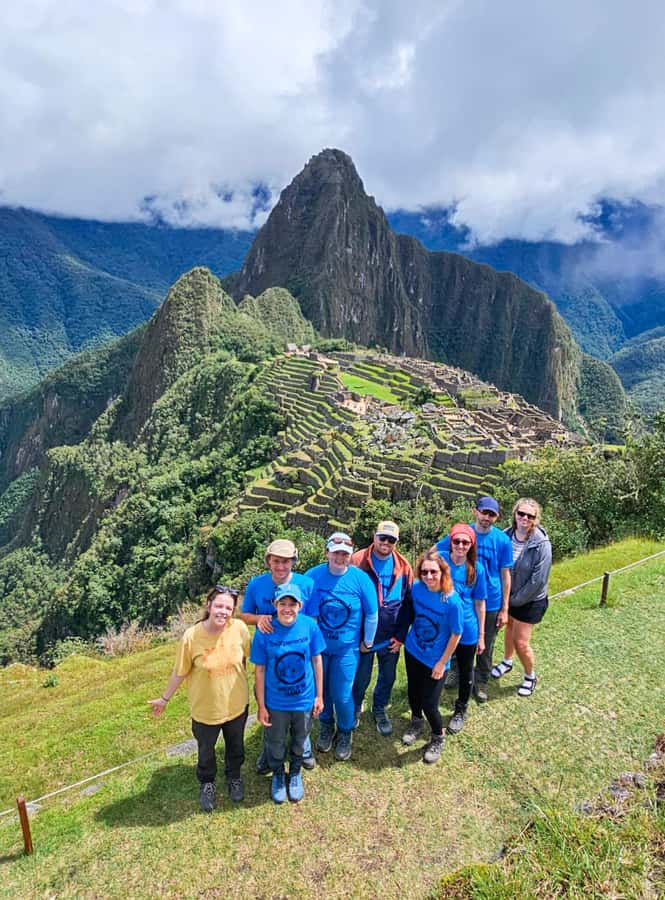
Machu Picchu is always going to be dramatic. What makes this route worth it is that you earn it over several days: ice-capped mountain views, high passes, cloud-forest downshifts, then ruins that feel earned rather than visited.
Salkantay is also more varied than you might expect. You start with high Andean skies, reach the highest point on the trek at 4,630 m, then drop through changing terrain until it feels like you’re walking through different climates. That shift is part of the story of Peru’s geography, and it keeps your brain interested when your legs start negotiating.
The other thing I like is that the trek doesn’t treat Machu Picchu like a separate universe. You get a first major look from Llactapata, you get sunrise access on the final morning, and you still have time to explore on your own after the guided tour.
You can also read our reviews of more hiking tours in Cusco
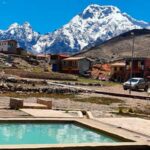
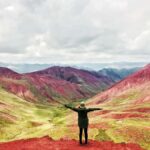
Day 1: Cusco pickup to Humantay Lake and your first high-altitude night
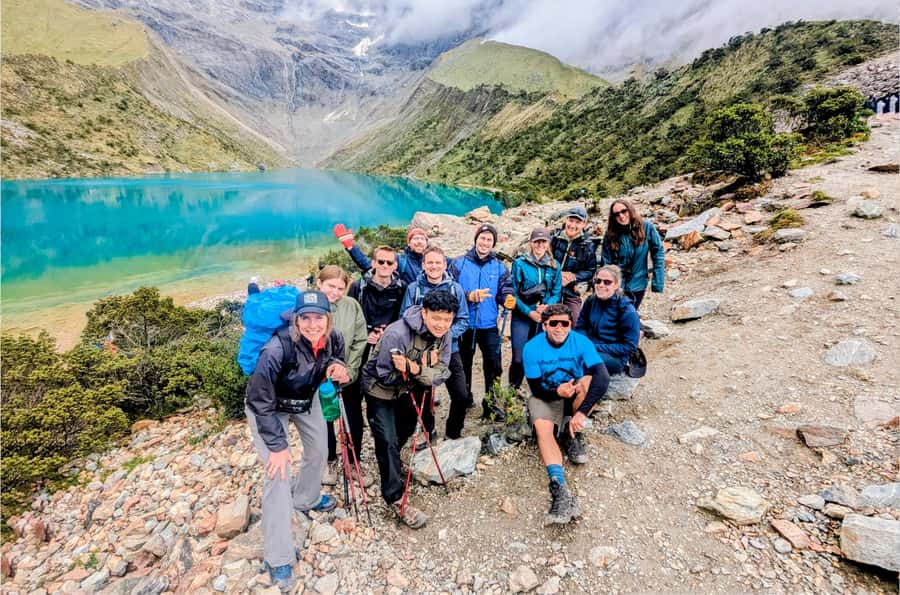
Your day begins early, with a hotel or Airbnb pickup around 4:30 a.m. If you’re staying near the Cusco historic center, that pickup is designed to be straightforward. Then you’re in a scenic drive for about three hours to Mollepata, where breakfast gets you moving with fuel before the real climb.
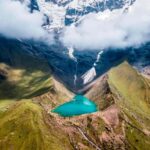
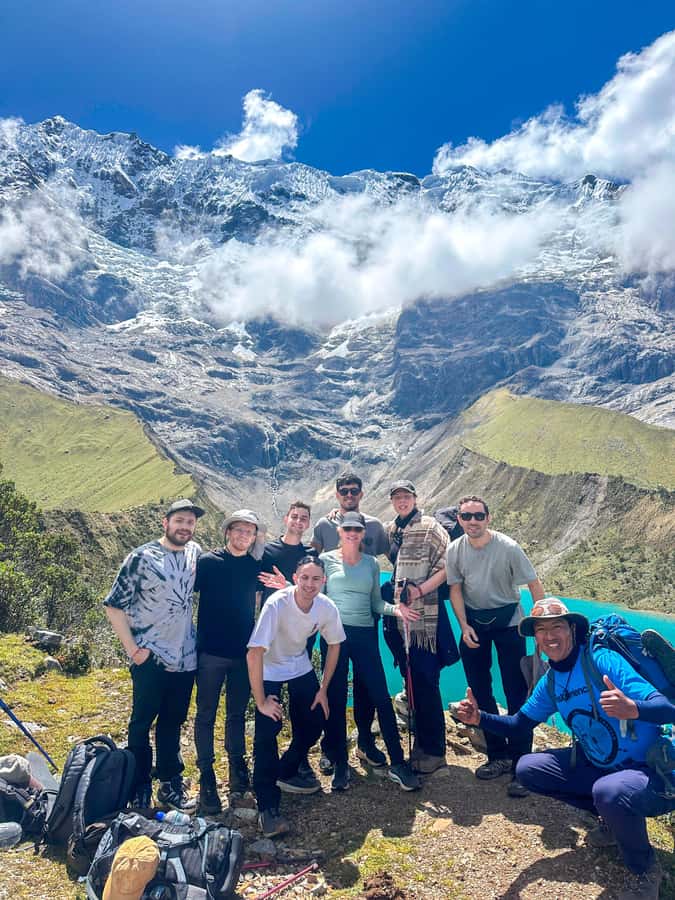
From the trailhead, you hike for around three hours to Humantay Lake (4,200 m). This is the moment most people come for: that shocking turquoise water against stark mountains. Expect it to feel cold even if the sun is out, and bring sunglasses—reflection off snow and water is no joke.
After you’ve soaked in the views, you descend for lunch at Soraypampa. Then the day tapers into a more gentle climb (about two hours) up to the Salkantay glamping campsite area (4,150 m). The practical win here is that you’re not ending Day 1 in a rough, bare-bones survival setup. You get dinner, cozy sleeping arrangements, and enough time to decompress before the next day’s big pass.
Reality check: altitude can hit on Day 1. If you’ve used medication for altitude in the past, this is a moment to listen closely to your doctor and your guide’s safety guidance.
Day 2: Salkantay Pass at 4,630 m and the slow change into cloud forest
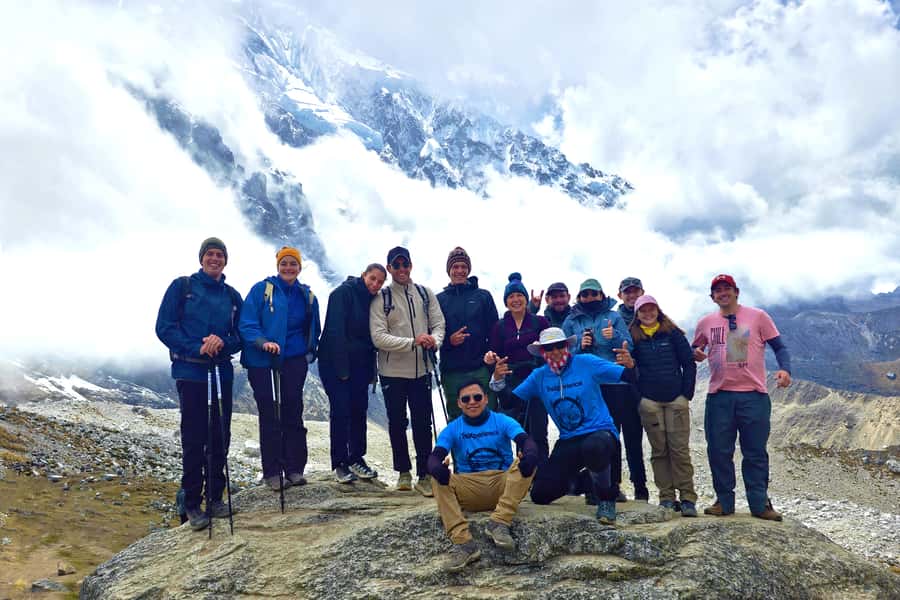
Day 2 begins with something comforting: coffee or coca tea. Then the hike climbs to Salkantay Pass at 4,630 m, the highest point on the trek. This is the day’s main vertical challenge, so pace matters more than speed.
You’ll have views from the top and likely a stop at a nearby glacial lake, where the scenery is cold and bright. Then comes a long descent. It can feel like your legs are doing more work than the climbing, because your body has to keep controlling every step down.
Lunch lands at Wayracmachay. After that, the trail shifts as you move from high Andean conditions toward cloud forest. That change is one of the reasons Salkantay is such a great alternative to “just ruins.” You go from sharp mountain air to a greener, more humid feel.
By evening, you reach Collpapampa (2,770 m) and sleep in Andean huts. This isn’t luxury, but it’s warm and functional, and it keeps the trek flowing. I like that the day is structured so you’re not scrambling for basics after a hard hike.
Day 3: Pachamanca, coffee farms, and first Machu Picchu views from Llactapata
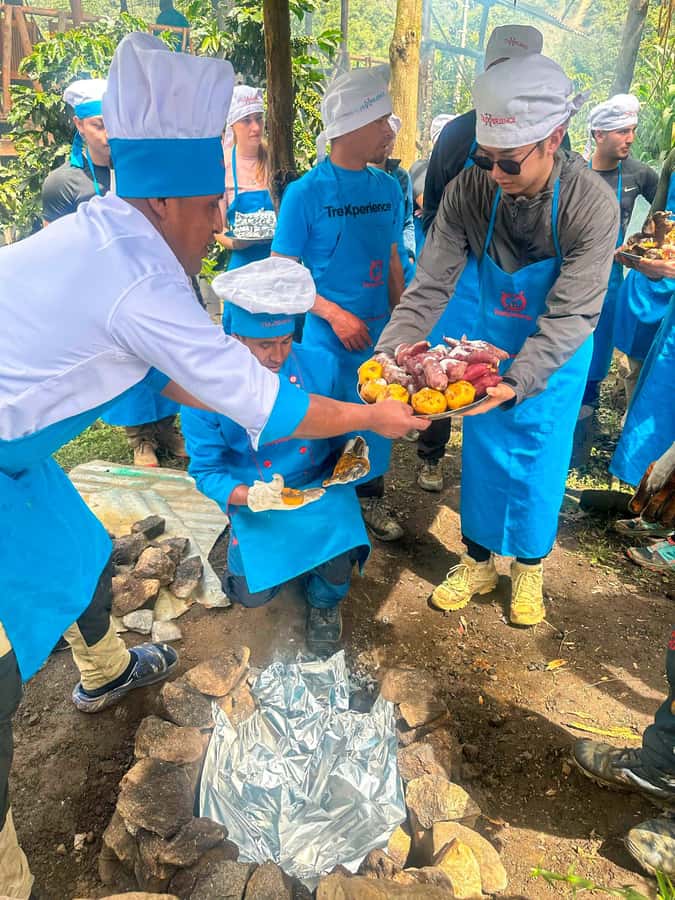
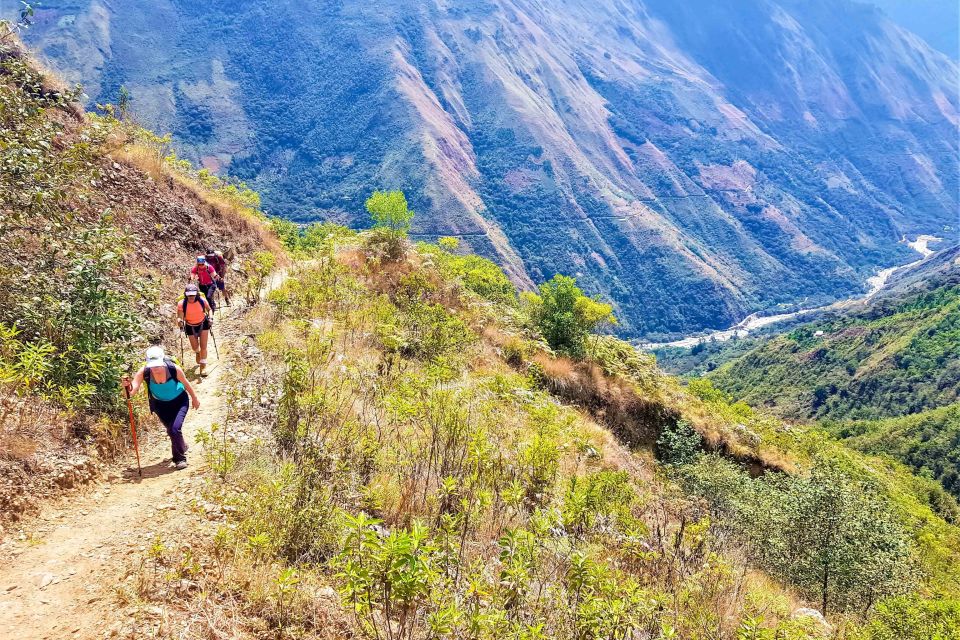
If Day 2 is the altitude challenge, Day 3 is where you start feeling the trek’s personality. After breakfast, you hike through scenic sections with wooden bridges, waterfalls, and plantations. Lucmabamba is the target (around 2,000 m).
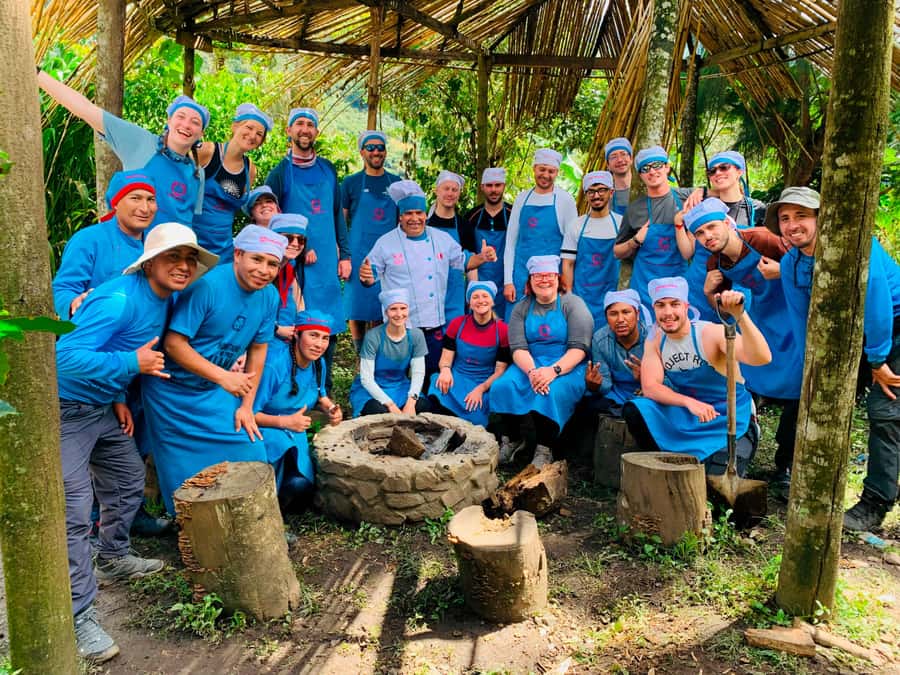
Then you do Pachamanca: a traditional barbecue cooking experience. This isn’t just a meal stop. It’s a chance to slow down, learn the approach, and understand why food traditions matter in mountain communities where resources are seasonal and carefully managed.
After Pachamanca, you visit coffee farms and taste freshly brewed coffee. For many people, this is the moment where the trek stops feeling like pure endurance and becomes more like a guided cultural route through everyday Peruvian production.
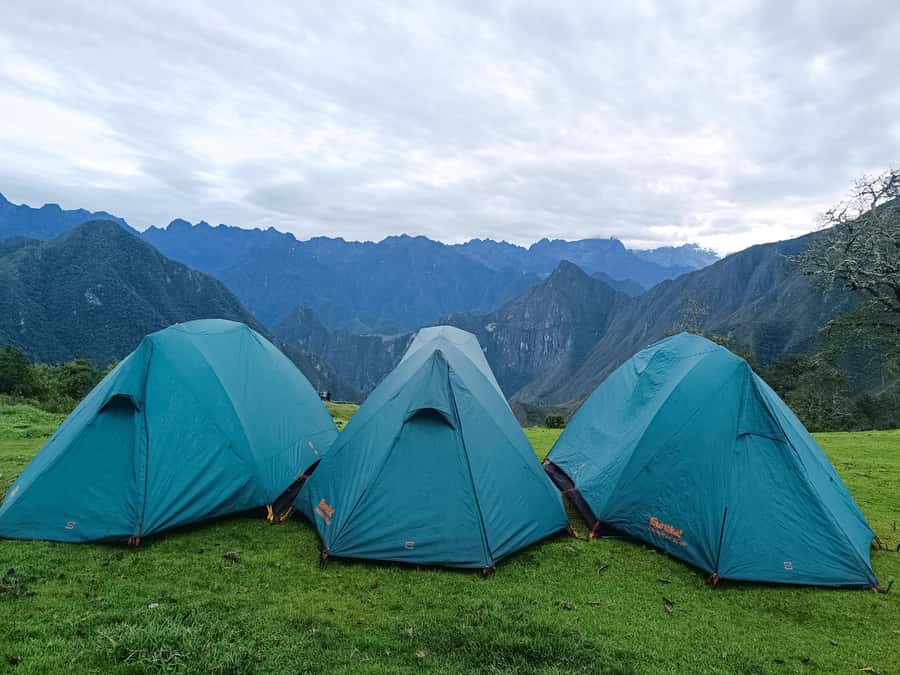
In the afternoon, you follow part of the Inca Trail for about three hours to reach Llactapata (around 2,750 m). This is a key moment: Llactapata gives you one of your first stunning views of Machu Picchu. Then you camp there overnight with the citadel in sight.
This is where the trek starts to feel like it’s leading somewhere. And it gives you a psychological boost for Day 4 and Day 5—because Machu Picchu stops being a distant concept and becomes a visible destination.
Day 4: Hydroelectrica walk, Mandor Gardens stop, and Aguas Calientes hot springs
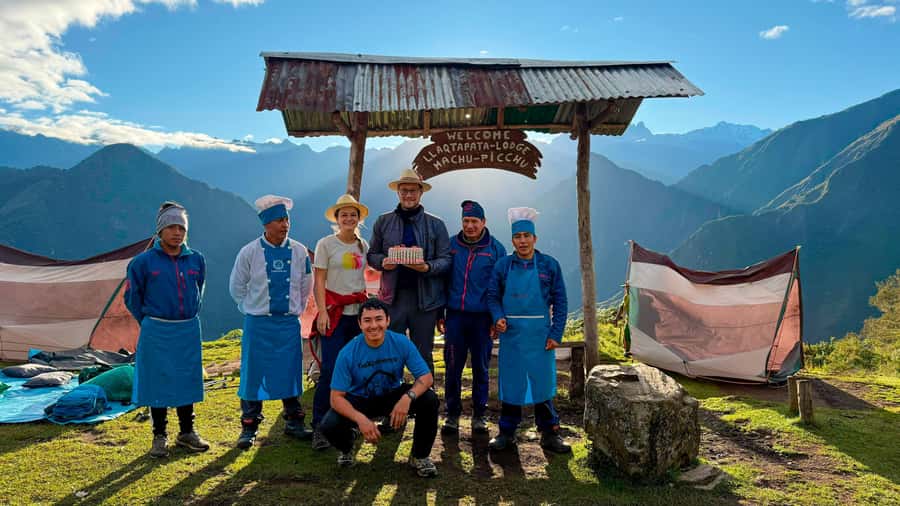
Day 4 starts with a view of Machu Picchu from your tent and a fresh cup of coffee. Then you descend for about two hours to the hydroelectric station.
From there, you get a final brunch with your team, and then you transition into a longer hike along the railway and the Urubamba River. This section is less about climbing and more about steady walking with changing scenery.
There’s also a stop at Mandor Botanical Gardens, which is a useful breather and a nice chance for birdlife and orchids—especially after the high-altitude days.
You end in Aguas Calientes, where you check into a 3-star hotel. Evening is yours: you can relax or explore the town, and you can use the hot springs if you want that post-trek muscle reset. Dinner is included at a local restaurant, and that helps you avoid the classic problem of arriving tired and having to hunt for a good meal.
One practical note: this is a day where you’ll likely feel the hike. Your feet will be your main conversation partner.
You can also read our reviews of more tours and experiences in Cusco
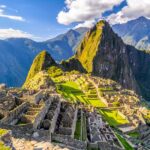
Day 5: Sunrise Machu Picchu tour, Huayna Picchu options, and the train ride home
Final morning starts early again. You’ll take one of the first buses up to Machu Picchu to watch sunrise. That timing matters because the citadel can be crowded later, and you want clear views before the day thickens with clouds and people.
You get a guided tour of the citadel for about 2–3 hours. Then you can explore on your own. You may also hike Huayna Picchu or Machu Picchu Mountain if you booked those passes in advance. Those extra climbs aren’t included, but the fact that they’re on the table gives you flexibility depending on how you feel after four hiking days.
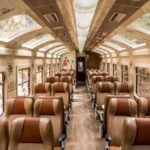
After exploring, you return to Aguas Calientes for lunch and then head toward Cusco by train. You ride either the Panoramic Vistadome or the 360° train to Ollantaytambo, then take a private van back to Cusco, arriving around 7:30 p.m.
I like this ending because it closes the loop. You get the cinematic Peru payoff at Machu Picchu, then you shift back into comfortable movement without having to keep navigating transport after a long day.
Food, guides, and the small things that make the trek easier
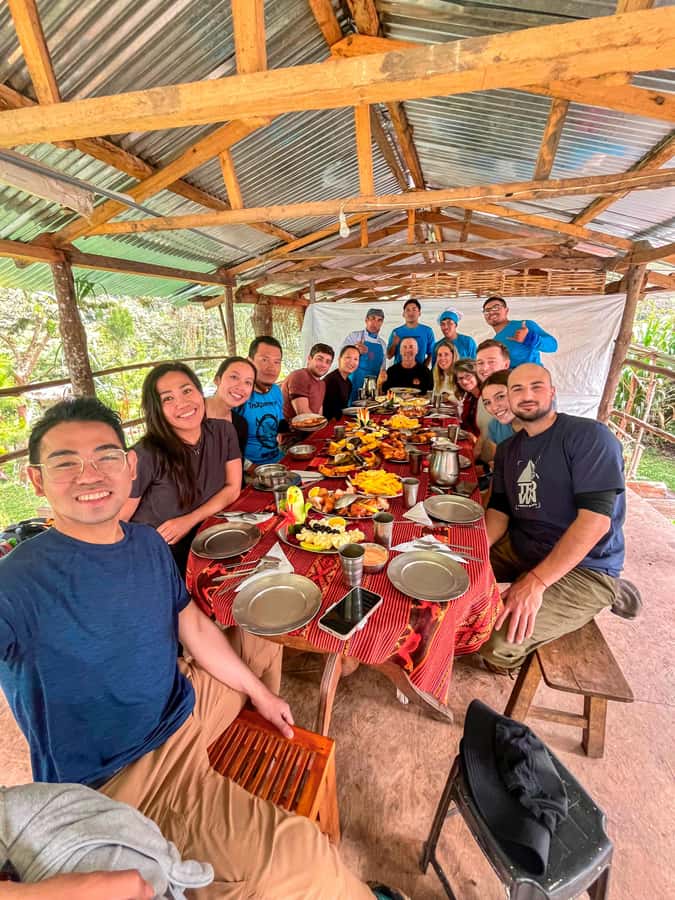
Food is more than a nice extra here. You’ll have 4 breakfasts, 3 lunches, 3 dinners, plus water and daily snacks. That’s a lot of meals covered, and it means you can focus on walking rather than constantly counting on finding food.
The kitchen team is a major part of why this trip earns high marks. In the feedback, chefs are repeatedly praised for keeping variety and quality high across multiple days. People also mention vegetarian options are available when you advise at booking, which is a big deal for comfort on multi-day treks.
Guides are another theme. Names that show up include Cesar Augusta, Jose, Roger, Alex, Renato, Miguel, Klever, Eddie, Gilbert, Frank, and John, among others. The common thread is care with pacing, altitude support, and explaining what you’re seeing so the trek feels like more than just footsteps.
If you’ve ever worried about feeling stuck behind a slower pace in a group, you’ll appreciate that the tour model emphasizes support. Some groups report guides adjusting the experience, including letting people move ahead at times or offering alternatives if needed.
Gear and altitude: what you should bring (and what you shouldn’t)
You don’t need to show up with everything. The trip provides a sleeping pad, pillow, rain poncho, and hand towels. You also get a duffle bag up to 7 kg, and muleteers handle carrying camping gear, which keeps your back manageable.
Still, you should plan for what’s missing. A sleeping bag is not included (you can rent one), and inflatable mattress and trekking poles are also rental options. If you already own hiking poles, bring them, but rentals are available if not.
For personal items, bring:
- Passport (required)
- Comfortable hiking shoes plus a backup option if you have blisters-prone feet
- Sunglasses, sun hat, sunscreen
- Rain gear and warm layers (cold nights are real at altitude)
- Insect repellent
- Cash (it’s recommended)
- Toiletries, hand sanitizer or tissues
- Camera and extra batteries, plus a head torch
Also note the packing limit mindset: you’re advised to bring a lightweight backpack no larger than 25L because larger backpacks can’t go into Machu Picchu. Your smaller bag should be your Machu Picchu day kit.
Altitude deserves its own line. Day 1 is high and can be tough. Some people use acetazolamide under medical guidance, and others manage with slow pacing and rest. Either way, follow your guide’s safety guidance and take symptoms seriously.
Who this trek is for, and who should skip it
This trek fits people who want the Salkantay experience but don’t want to self-manage camp logistics, food, and tickets. If you’re comfortable with multi-day hiking and you’re okay with early mornings, you’ll probably love the flow.
It’s a solid match if you like structure but still want freedom on Day 5 at Machu Picchu, including the option to add Huayna Picchu or Machu Picchu Mountain if you’ve booked passes in advance.
It’s not suitable for pregnant women, people with back problems, mobility impairments, heart problems, or wheelchair users. Unaccompanied minors are also not allowed, so this is best as an adult trip.
If you’ve got a fragile schedule or you’re trying to do this in a single week with lots of tight travel moves, build buffer time around Cusco. Altitude and early pickup timing don’t forgive rushing.
Price and value: what $655 actually covers
At $655 per person, you’re paying for a lot of what usually turns Machu Picchu trips into a spreadsheet: guides, entrances, transport, and meals.
Included highlights worth the money:
- Entrance tickets for the Salkantay trek and Machu Picchu
- Round-trip bus to Machu Picchu and Vistadome or 360° train back
- Professional guide, plus a safety briefing one day before
- 2 nights camping, 1 night glamping, and 1 night in a 3-star hotel
- Meals: 4 breakfasts, 3 lunches, 3 dinners, plus water and daily snacks
- Camping support: sleeping pad, pillow, rain poncho, plus muleteers carrying camping gear
- Safety support: satellite phone, first-aid kit, and an oxygen tank
Not included costs to plan for:
- Sleeping bag (rental available)
- Inflatable mattress and trekking poles (rental options)
- Optional Machu Picchu Mountain or Huayna Picchu passes (need advance booking)
- Anything you personally choose to buy once you’re in Aguas Calientes
In plain terms: this price is strong value if you want the trip to feel guided and handled. It’s weaker value if you’re a total logistics control freak and would rather piece together guides, trains, tickets, and meals yourself.
Should you book this 5-day Salkantay trek with panoramic train?
Book it if:
- You want the classic Salkantay route but with glamping comfort where it counts
- You care about having tickets, meals, and transport managed end to end
- You like cultural stops that make sense alongside the walking, like Pachamanca and coffee tasting
- You want sunrise Machu Picchu access and an easy train return to Cusco
Skip it if:
- Altitude worries you and you’re not prepared to manage it carefully
- You have mobility or health constraints that match the listed unsuitability
- You hate early mornings and long walking days
- You’re not okay with a non-refundable booking style (this one is not refundable)
If you’re reading this, you probably want Machu Picchu with effort behind it. This route delivers that, plus you get turquoise Humantay Lake, Llactapata’s first big Machu Picchu view, and a train ride home that feels like a reward instead of a chore.
FAQ
What is the duration of this Machu Picchu trek?
The trip is 5 days.
What is the pickup time in Cusco?
Pickup is around 4:30 a.m. from your hotel or Airbnb near the Cusco historic center.
How big is the group?
The group is small, limited to 16 participants.
What languages are the guides?
The guide is available in Spanish and English.
Is sunrise at Machu Picchu included?
Yes. You’ll take an early bus to see sunrise, followed by a guided tour of the citadel.
What train do I take back to Cusco?
You return on either the Panoramic Vistadome or the 360° train to Ollantaytambo, then a private van goes back to Cusco.
What accommodations are included each night?
You’ll have 1 night in a 3-star hotel, 1 night glamping, and 2 nights camping.
Are meals included?
Yes. Meals included are 4 breakfasts, 3 lunches, 3 dinners, plus water and daily snacks.
Do I need to rent a sleeping bag or trekking poles?
A sleeping bag is not included, but it can be rented. Inflatable mattress and trekking poles can also be rented.
Can I add Huayna Picchu or Machu Picchu Mountain?
Yes, but those passes need to be booked in advance and they are not included.
Should I bring cash?
Cash is recommended to bring.