REVIEW · AREQUIPA
4 hours Tour: Route of Sillar with Trek in Culebrillas
Book on GetYourGuide →Operated by AREQUIPA EXPLORER Y ACTIVIDADES TURISTICAS · Bookable on GetYourGuide
That white stone you see everywhere in Arequipa has a backstory. This tour takes you straight to the Sillar Route origins, then to the Culebrillas canyon where water carved dramatic walls and old petroglyphs.
Two things I really like: the stop at the Añashuayco Quarry while it’s still in operation, and the guided walk through the Culebrillas canyon. One thing to keep in mind: tickets for the sites aren’t included (18 soles total), and on occasion the tour can run only in Spanish if the English guide isn’t available.
In This Review
- Key Points at a Glance
- A Half-Day Geology Walk From Arequipa’s Hills
- 09:15 Start: Volcanoes, the Chilina Valley, and a Scenic Photo Stop
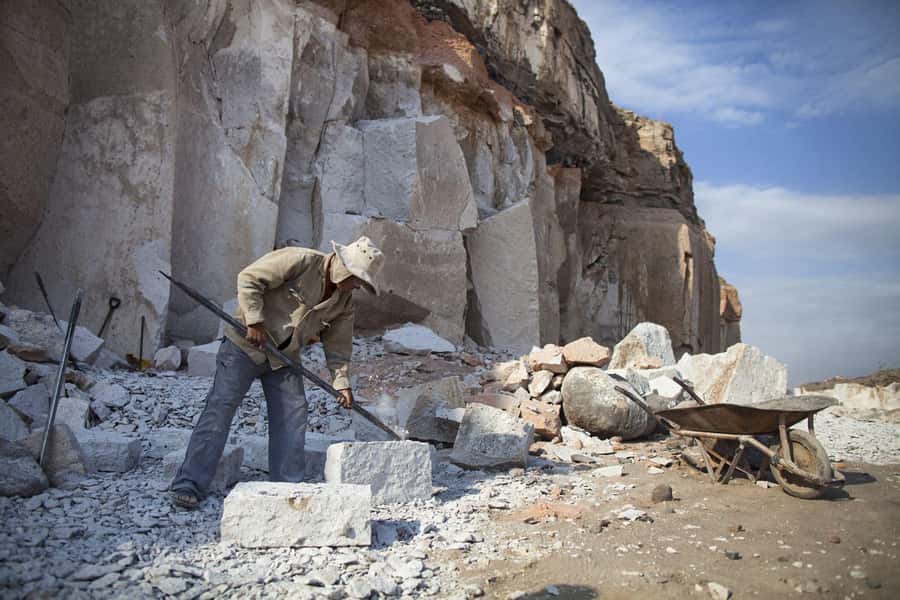
- Añashuayco Quarry: Watching Stonemasons Work in a Living Extraction Site
- The Mega-carved Church of the Company of Jesus
- A hands-on moment (if the group timing allows)
- Culebrillas Canyon Trek: 15–20 Meter Walls and Wari Petroglyphs
- The pace is short, so pay attention
- Apachetas: The Short Stop That Adds Meaning
- How Much Time You Get, and What to Bring
- Is It Worth $11? Factor in the 18 Soles Tickets
- Language, Group Flow, and the Real-Life Booking Details
- Who Should Book the Route of Sillar With Trek in Culebrillas?
- Should You Book the Route of Sillar With Trek in Culebrillas?
Key Points at a Glance
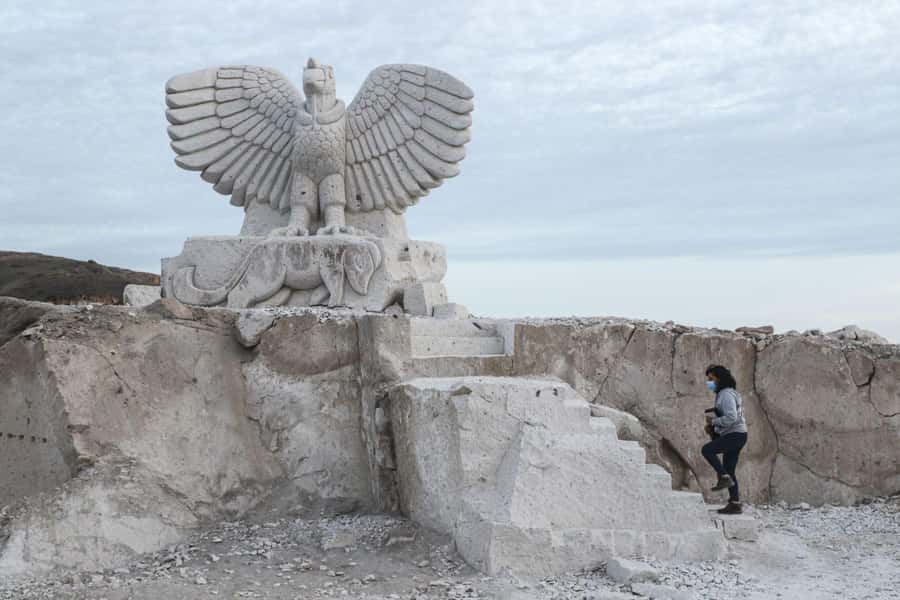
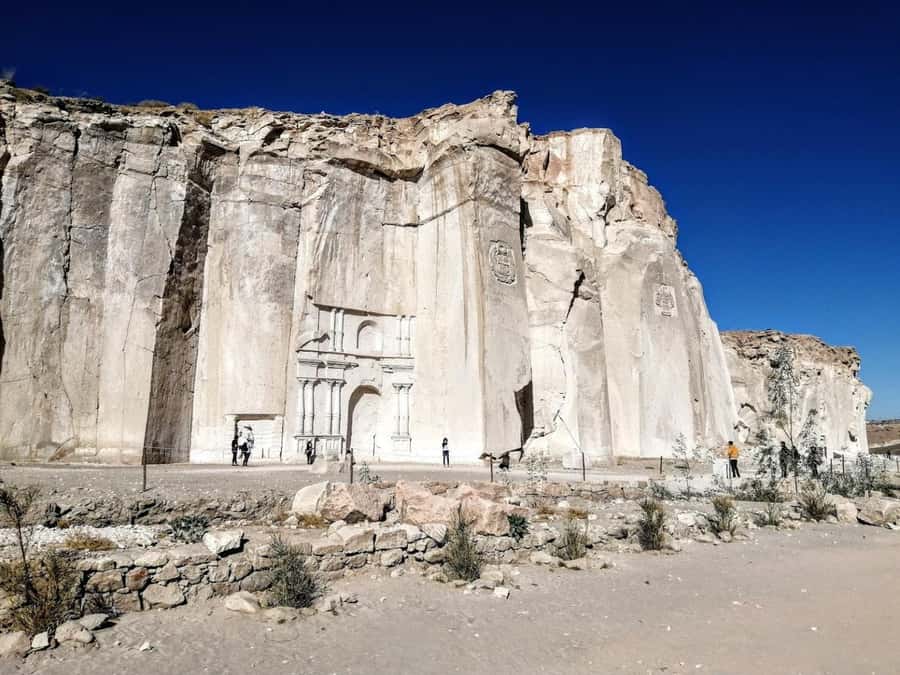
- Active Añashuayco Quarry views of high igneous/ash walls where sillar/ashlar was extracted
- Mega-carved Church of the Company of Jesus detail made by stonemasons
- Culebrillas canyon trek with 15–20 meter walls and petroglyphs tied to the Wari culture
- Volcanoes and Chilina Valley viewpoints at the start, with seasonal viewpoint changes
- Apachetas stone stacks for gratitude toward nature and a symbolic good-luck pause
- Short, well-paced half-day at about 4.5 hours, ending near Arequipa’s main area
A Half-Day Geology Walk From Arequipa’s Hills
This is a practical half-day outing for anyone who likes places with a strong “how was this made” story. You’re not just looking at scenery. You’re learning how the stone behind Arequipa’s historic construction is tied to volcanic activity, and you’re walking through a canyon shaped by water.
The timing is also friendly. The tour starts at 09:15 and ends around 13:30, with an additional 14:00 shift in the afternoon. That makes it a good slot when you want something active but don’t want to lose an entire day.
Also, the route packs variety. You get wide views over volcanoes and the Chilina Valley, then you go from bright open viewpoints to a deep canyon, then back for a last look at the Apachetas stone formations. It feels like a mini-change in worlds in just a few hours.
You can also read our reviews of more hiking tours in Arequipa
09:15 Start: Volcanoes, the Chilina Valley, and a Scenic Photo Stop
You meet at C. Álvarez Thomas 115, and your name is added to the list before you head out with the group. From there, you ride by van and reach a strategic viewpoint area for a short break.
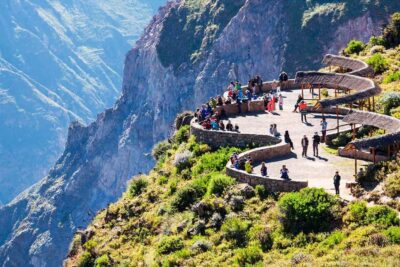
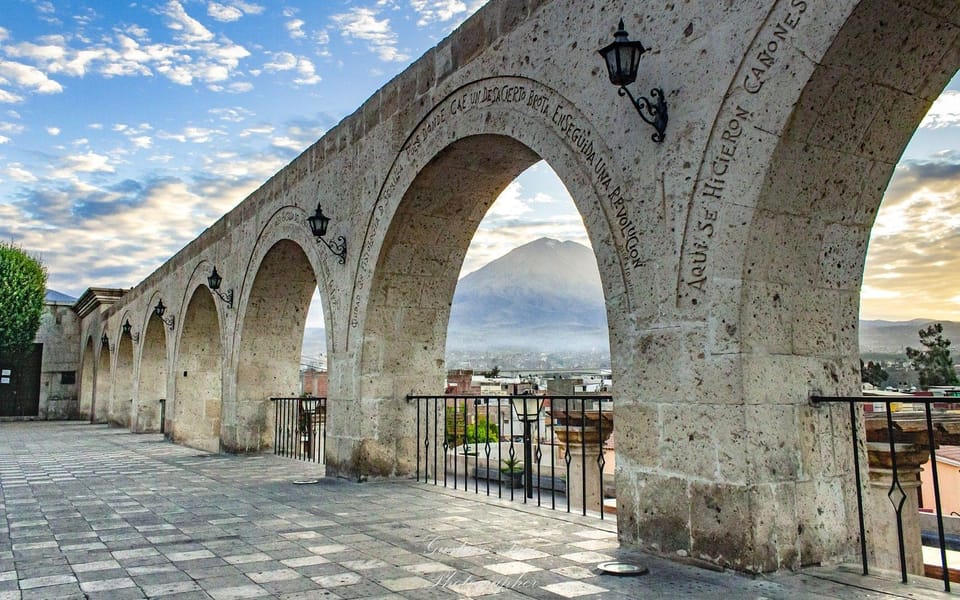
This early stop is your “big picture” moment. You’ll see volcanoes and the Chilina Valley from an emblematic viewpoint. The exact viewpoint can change depending on the season, and you may even get an alternate traditional viewpoint at the beginning.
Practical tip: if you’re serious about photos, arrive ready for a few quick shots rather than lingering all morning. The schedule is tight enough that you’ll be moving again soon after the viewpoint break.
Añashuayco Quarry: Watching Stonemasons Work in a Living Extraction Site
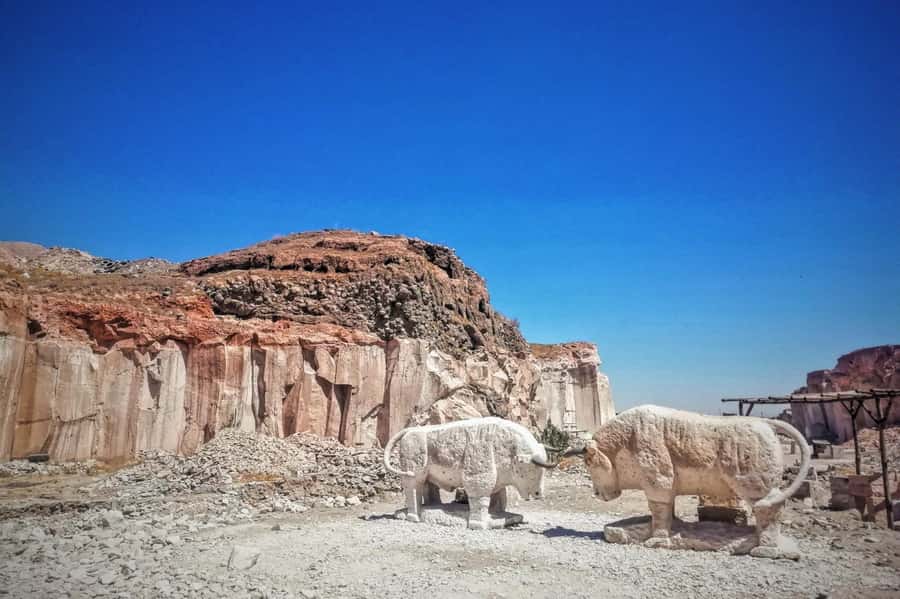
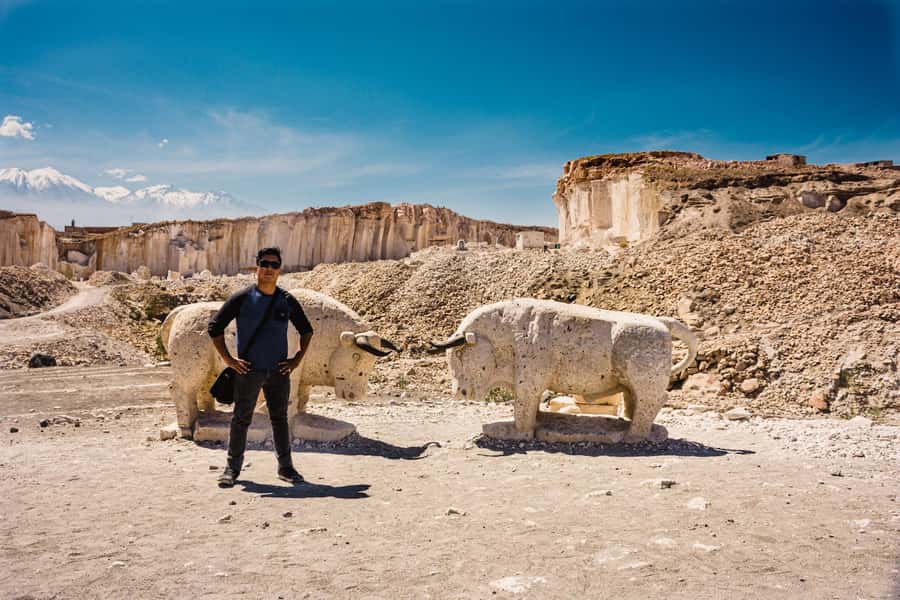
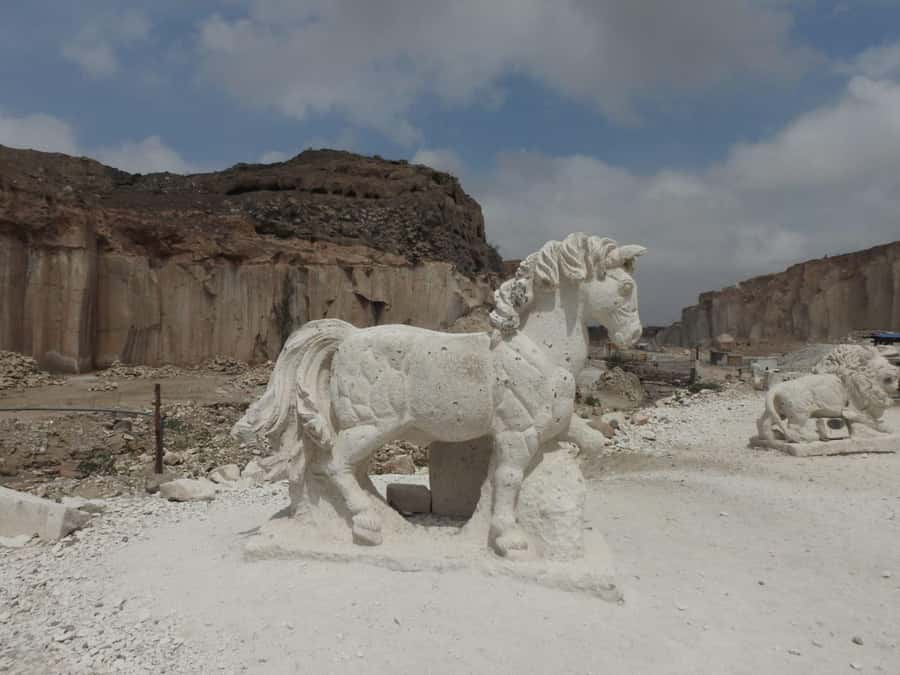
The real star stop is Añashuayco Quarry. You travel about 45 minutes to get there, and once you arrive, you’ll spend roughly 50 minutes in the quarry area including guided explanations, photo time, and free time.
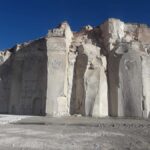
What makes this stop special is that it’s not just a museum quarry. It’s in current operation, and the stonemasons work very early. That means the quarry feels alive and practical. The guide focuses on the history of ashlar (sillar), how it’s produced, and the uses it’s had over time. Even if you know nothing about the stone, you’ll leave with a clearer picture of where it came from and why it mattered.
The Mega-carved Church of the Company of Jesus
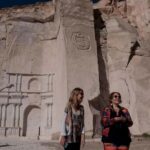
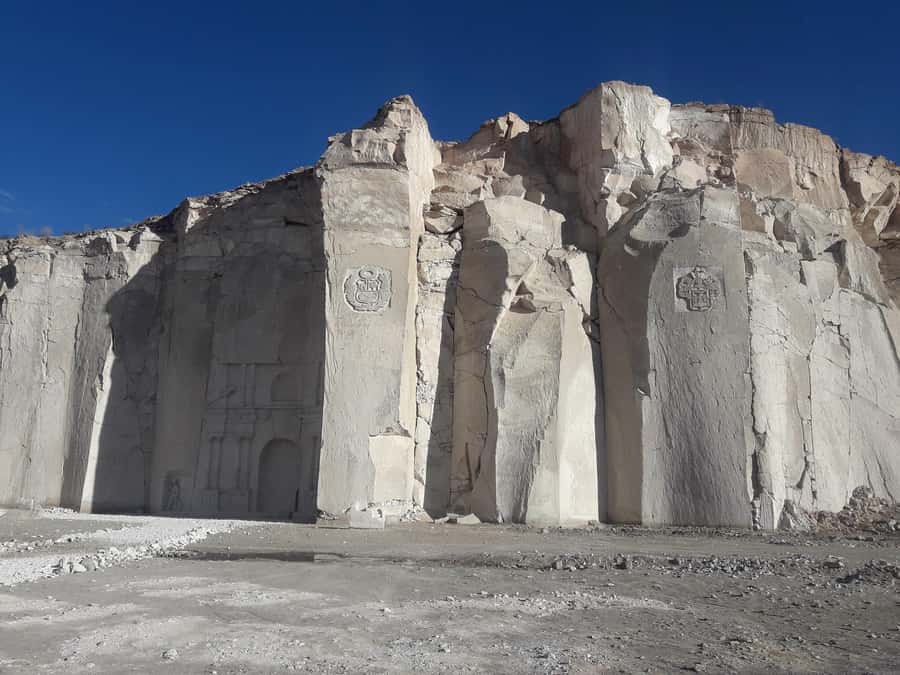
Inside the quarry, you can see a Mega carving of the Church of the Company of Jesus. It’s a standout detail because it shows the stone isn’t only extracted for building blocks; it can also be shaped into major artistic work. It helps connect the geology story to real human craftsmanship.
A hands-on moment (if the group timing allows)
You can also visit a stonemason so they can explain daily work. There’s even an included-style experience where they may have you try cutting one of their stone blocks. Don’t expect it to be a full workshop, but it’s a memorable way to understand how heavy and precise the process is.
If you’re the type who learns by doing, this quarry stop is the best argument for choosing this tour. It turns a “look at the rocks” day into a “watch people shape the rocks” day.

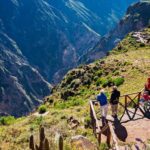

Culebrillas Canyon Trek: 15–20 Meter Walls and Wari Petroglyphs
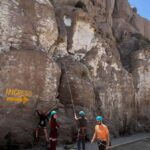
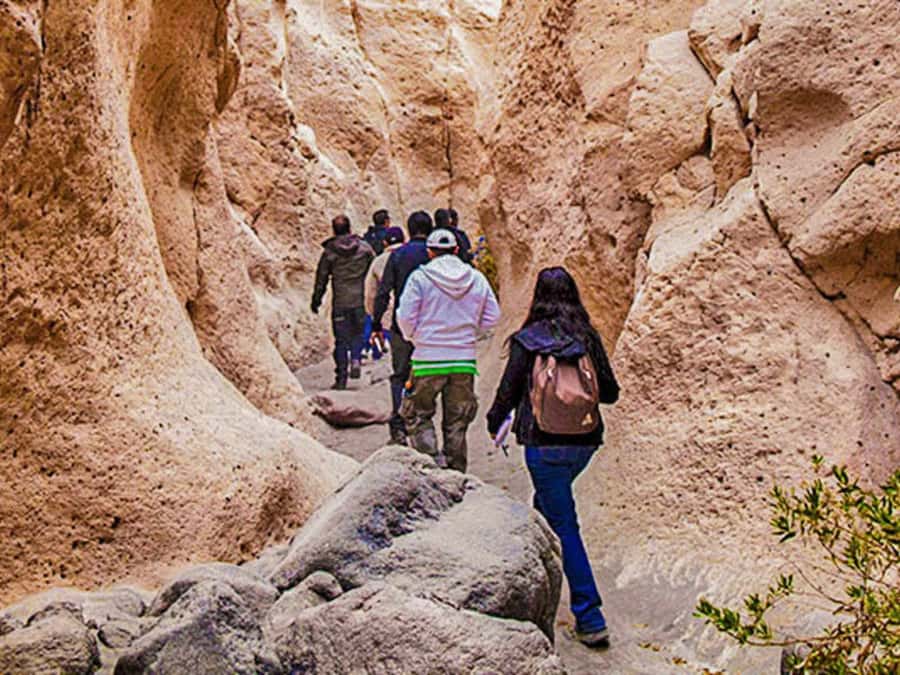
Next you head to Quebrada de Culebrillas, about 30 minutes from Añashuayco. At the canyon, you’ll take a guided walk of about 20 minutes inside the canyon.
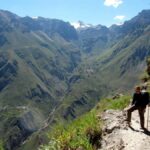
This part is all about atmosphere and scale. The canyon walls rise to around 15 to 20 meters, and as you walk in, the walls increase in height. You’re following a route shaped by the canyon’s water history, and it’s easy to see how water over time can carve deep channels.
At the end of the walk, the guide points out petroglyphs made by the Wari culture, dated to more than a thousand years ago. This is one of the best moments for history-on-the-ground. You’re standing where people left marks long before modern quarrying or tourism.
The pace is short, so pay attention
The walk is brief, so you won’t be hiking for hours. That’s good for most people, but it also means you should stay present during the guided portion. The best value here is listening while you’re still close enough to see details clearly.
Apachetas: The Short Stop That Adds Meaning
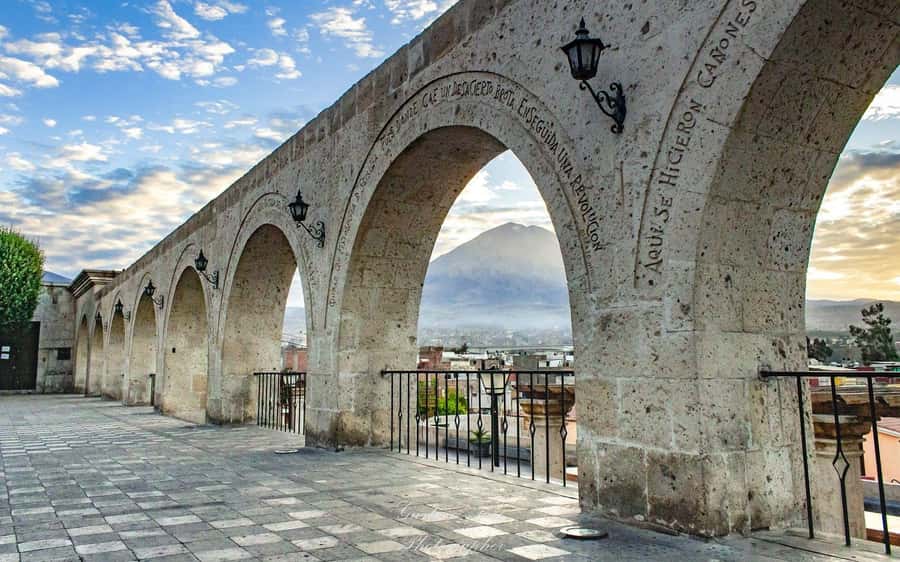
Before heading back toward the city, you’ll observe the Apachetas—stone formations stacked on top of each other.
These aren’t just decorative piles. They symbolize gratitude toward nature, and they’re also described as a symbol of good luck that can create a mystical feeling. The stop is brief, but it gives the route an emotional beat after the geology and archaeology focus.
If you like cultural moments that don’t require a long detour, this is exactly that. It’s quick, but it changes the tone of the day.
How Much Time You Get, and What to Bring
This tour is built for an easy rhythm: van rides, viewpoint photo stops, then two main “site blocks” (quarry and canyon), then a return to central Arequipa.
Here’s the rough time structure:
- ~45 minutes travel to Añashuayco Quarry
- ~50 minutes in the quarry area (including guided tour and free time)
- ~20 minutes walking inside the canyon (within a total canyon stop of about 30 minutes)
- Return to Arequipa, reaching the main area around 13:30
A practical reality check: because the itinerary is tight, there’s less slack for slow walking or long bathroom breaks. One review also noted that if a tour starts later than planned, it can feel like there isn’t quite enough time to fully enjoy each spot. So if you’re picky about lingering, choose the first morning departure rather than expecting the schedule to flex.
What to bring:
- Comfortable, grippy shoes for canyon and quarry paths
- A light layer for changing temps at viewpoints
- Sunscreen and water, especially for the morning photo stop
- Your camera, because you’ll want both wide shots (volcanoes/valley) and close looks (canyon walls and carving)
Is It Worth $11? Factor in the 18 Soles Tickets
At $11 per person, this is priced like a value-focused half-day. The tour includes touristic transport and a professional guide, which is a big part of what you’re paying for: the explanations and the sequencing between quarry and canyon.
The key budget detail: entrance tickets aren’t included. You’ll pay 18 soles total for entry to the places. So your true cost is closer to $11 plus the 18 soles ticket amount.
Even with that add-on, this still tends to work out well if you want:
- guided storytelling across multiple sites, and
- two “main attraction” moments (quarry + canyon), not just one.
Where it might feel less great is if you’re the type who wants a deeper, longer experience at fewer stops. This is short by design, and some people may wish they had more time at the quarry or in the canyon.
Language, Group Flow, and the Real-Life Booking Details
The tour is listed with English and Spanish guidance. On paper, that’s a nice setup.
One thing I’d watch for: there can be cases where the guide language ends up being only Spanish if the English component isn’t available, and the tour start time can shift a bit. If language matters to you a lot, your safest bet is to double-check the language you’ll get when you book and to plan your day with some flexibility.
Vehicle note: at least one traveler mentioned a newer vehicle, which matters because this route includes travel between sites. Comfort helps when you’re making a short day feel smoother.
Who Should Book the Route of Sillar With Trek in Culebrillas?
Book this tour if you want a compact day that blends:
- stone production history and active quarry views,
- geology scenery in the Culebrillas canyon,
- and a touch of Andean cultural symbolism through Apachetas.
It’s also a good fit for first-time visitors who want to understand the region without committing to a full-day trek. You’ll cover several highlights without feeling trapped in a single, repetitive attraction.
You might skip it if:
- you want hours of hiking, or
- you expect museums-level time at just one site, or
- your schedule is so tight that a 30-minute delay would ruin your next plan.
Should You Book the Route of Sillar With Trek in Culebrillas?
Yes, if your goal is a high-impact half-day: active quarry craftsmanship, a short canyon walk, and a history tie-in with the Wari petroglyphs. The value is strong for the price, especially because transport and guidance are included and the route combines multiple signature stops.
If you book, budget for the 18 soles entrance tickets, wear shoes that handle uneven ground, and keep your afternoon looser if you choose the morning shift. If you’re sensitive to language changes, confirm what language the guide will speak that day so expectations match reality.