REVIEW · AREQUIPA
4-hour excursion: Ruta del Sillar with Hiking in Culebrillas
Book on GetYourGuide →Operated by XPLORA AMERICA · Bookable on GetYourGuide
A canyon walk plus working stone quarry sounds perfect. This tour links Culebrillas Canyon with the Añashuayco quarries, so you’re not just looking at Arequipa—you’re seeing how sillar stone shapes the city and how people read the land long before modern buildings.
I especially like the mix of scenery and hands-on stone craft: you get panoramic volcano-and-Chilina Valley views, then you see a working quarry and learn how ashlar/sillar is extracted and cut. One thing to watch: the experience can run in Spanish-heavy mode, and pickup coordination may depend on WhatsApp messaging, so plan to stay alert the day before and on departure day.
In This Review
- Key points to know before you go
- Ruta del Sillar: how you connect Arequipa’s stone to its land
- Mirador stops: getting volcano-and-valley context fast
- Añashuayco Quarries: working sillar stone up close
- Culebrillas Canyon hike: petroglyphs and a short walk inside the rock
- Apachetas on the way back: meaning behind stacked stone
- Price and logistics: what $18 covers in practice
- Who this tour fits best (and who should think twice)
- Should you book Ruta del Sillar with Hiking in Culebrillas?
- FAQ
- How long is the Ruta del Sillar with Hiking in Culebrillas excursion?
- What does the tour cost?
- What’s included in the price?
- What entrance fees should I plan for?
- What time does the tour start and end?
- Is there hiking involved?
- What languages are the guides available in?
- Do I need WhatsApp for the tour?
Key points to know before you go
- Volcano viewpoint + Chilina Valley: a strategic viewpoint sets the stage before you head to the quarries
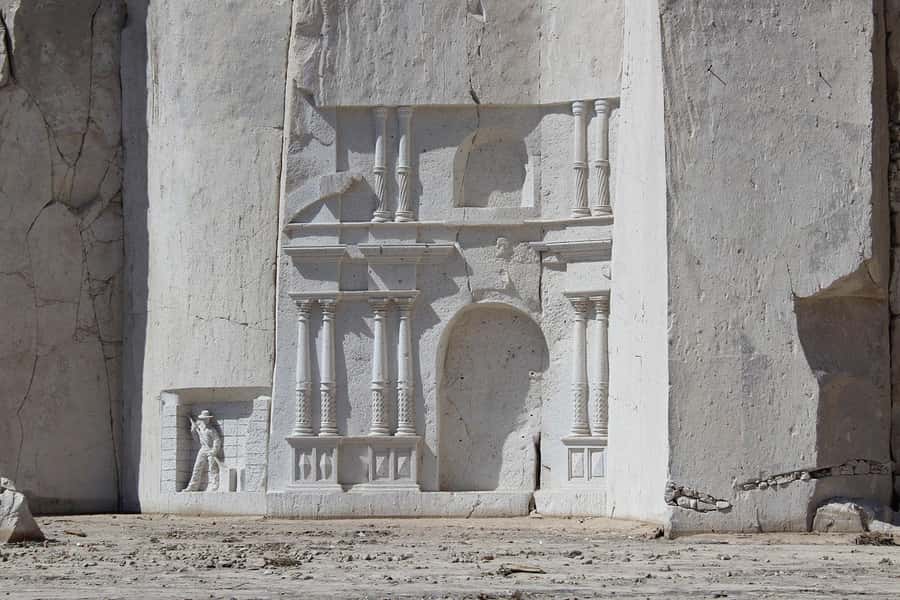
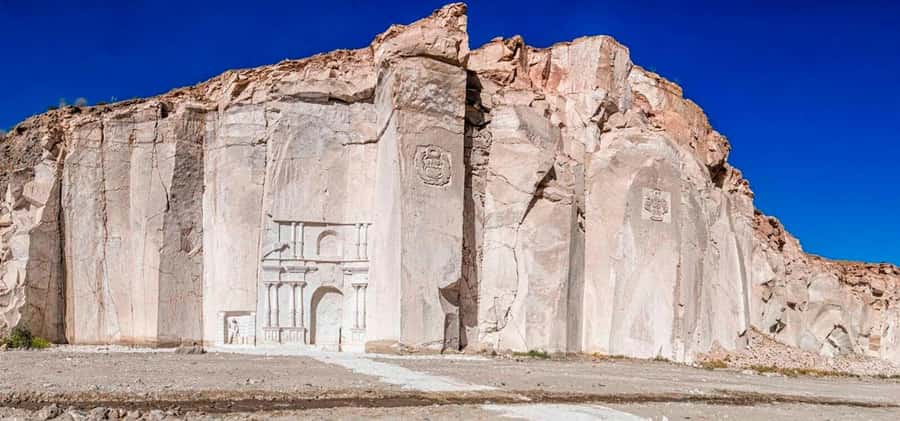
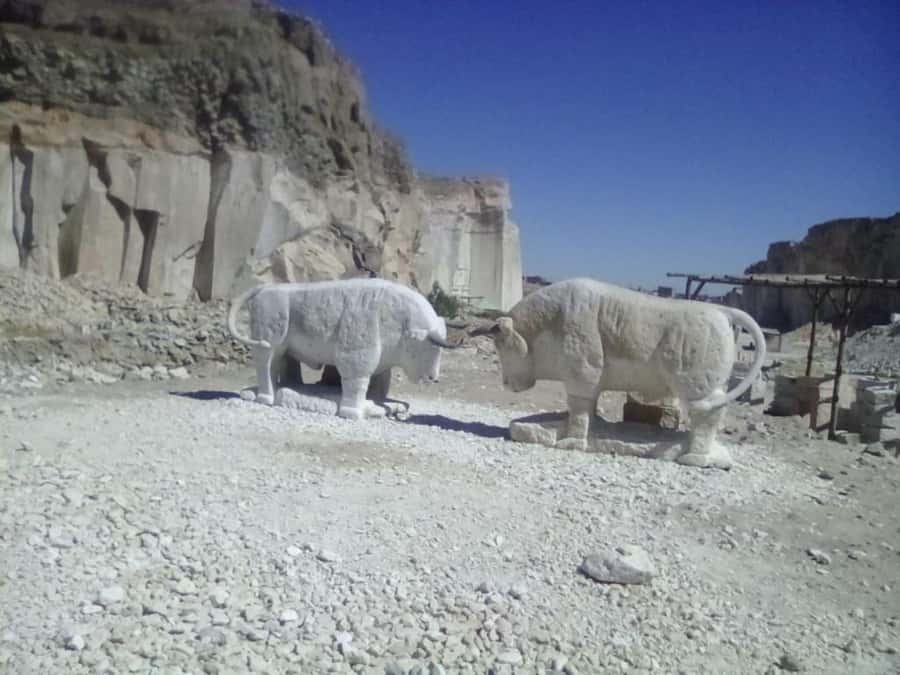
- Añashuayco quarry is the real show: working ignimbrite cliffs, stonecraft stories, and a large carved religious figure
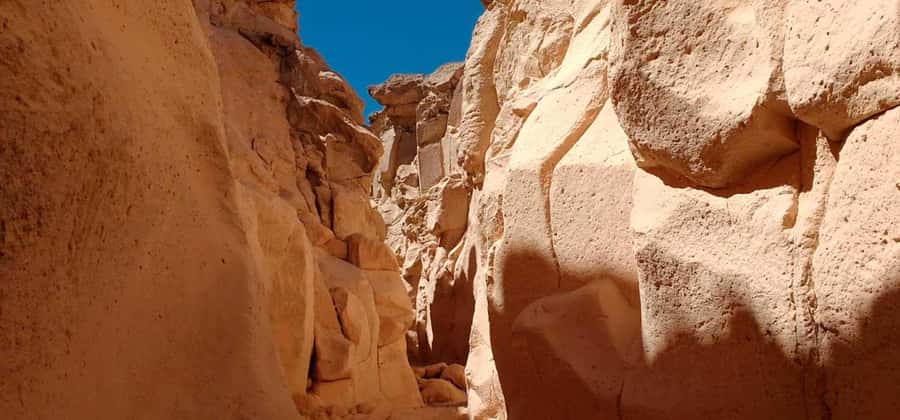
- Culebrillas hike is short but memorable: about a 20-minute walk inside a small canyon with 15–20 meter walls
- Wari petroglyphs: you’ll see ancient rock markings in the canyon
- Apachetas at the end: stacked stone piles tied to gratitude toward nature and good luck beliefs
- Entrance tickets are extra: expect to pay 10 soles for site access
Ruta del Sillar: how you connect Arequipa’s stone to its land
Arequipa’s signature building material—sillar (volcanic stone)—isn’t a vague “local fact.” It’s the reason the city looks the way it does: pale, smooth walls, historic façades, and a whole construction tradition built around what the land provides. This tour takes that idea and turns it into a half-day route you can actually feel.
You’ll start at 09:15 and move through four main stops, with a return to downtown Arequipa around 13:30 (or an option that starts earlier for a 14:00 shift). The total time is about 270 minutes, which is long enough to cover the highlights without turning into a full-day endurance test. You’ll get both the big-picture view and the up-close stone details—two ways of understanding the same landscape.
What makes this route worth your time is the balance. The viewpoint gives you context: where the volcanoes sit and how the area opens toward the Chilina Valley. Then the route shifts from “seeing” to “learning by observation,” especially at Añashuayco Quarries, where stone extraction is still active. Finally, the day ends with a short canyon hike and an older human layer (Wari petroglyphs), then a cultural roadside stop (Apachetas).
If you like tours that feel like a guided walk through cause-and-effect—rock becomes buildings, water shapes canyons, older cultures left marks—this is a good fit.
You can also read our reviews of more hiking tours in Arequipa
Mirador stops: getting volcano-and-valley context fast
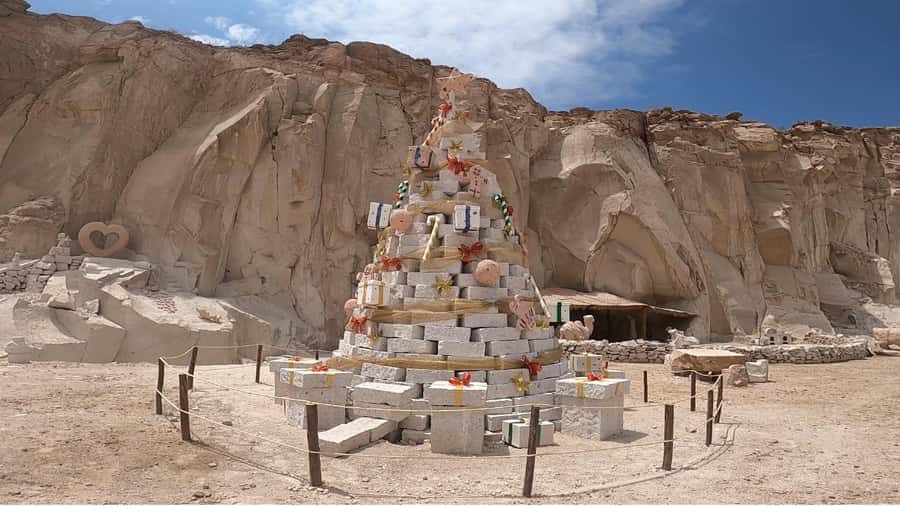
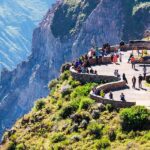
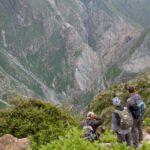
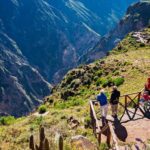
Before you hit the quarry, you’ll pause at an emblematic viewpoint with panoramic views of the volcanoes and the Chilina Valley. The schedule says this viewpoint visit happens first, and depending on the time of year, you may see another traditional viewpoint before or instead—so don’t be surprised if the exact photo spot shifts a bit.
This is more than a quick “look around” moment. The strategic viewpoint helps you understand why Arequipa’s stone matters. You’re seeing the volcanic setting that produced the ignimbrite cliffs you’ll later encounter at the quarry. You’re also taking in the valley layout that frames the region’s hiking and canyon features.
One practical note: the tour includes tourist transportation and a professional guide, so the viewpoint stop is structured. You won’t be left guessing where to go. You’ll just want to dress for outdoors time—sun and wind can both show up in Arequipa—even in the morning.
Also, if your Spanish is limited, don’t panic. The tour runs with a live guide in Spanish and English. Still, you should assume the viewpoint conversation may include more Spanish depending on the guide on the day and the group setup.
Añashuayco Quarries: working sillar stone up close
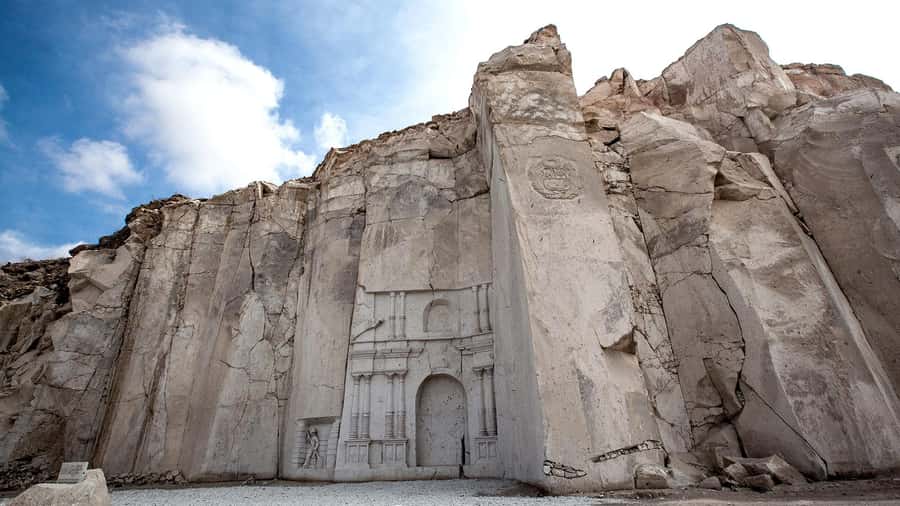
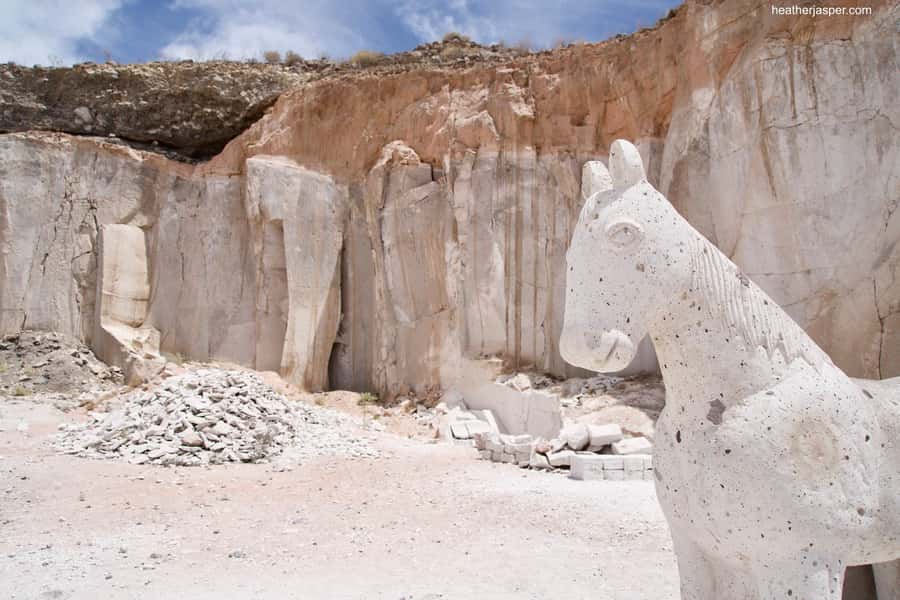
The big shift happens at Añashuayco Quarries, reached roughly 45 minutes after leaving the viewpoint. This isn’t a museum display. You’ll visit a working quarry where ashlar (the stone used for historic building blocks) is extracted.
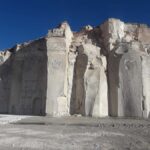
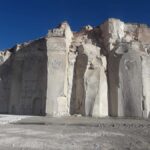
What you’ll see here is the scale of the process. The quarry forms an immense canyon of ignimbrite cliffs created by ongoing stone extraction. It gives you a clear visual link between “volcanic stone” and what masons actually use on construction sites.
Two things I’d call out as especially valuable:
- Stonecraft explanations: the guide explains the history of ashlar, its production, and how it’s been used over time.
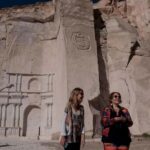
- A mega carving: you’ll see a large carving of the Church of the Society of Jesus made by stonemasons. It’s a reminder that quarry work is also an art form, not just industrial extraction.
You may also have the chance to interact with a stonemason and witness cutting stone blocks. Even if you’re not a hands-on person, this is where the tour becomes memorable. Watching block-cutting turns sillar from a “pretty building stone” into a real material with weight, tools, and technique.
Potential drawback: the quarry experience is active and exposed, so comfort matters. Wear shoes with good grip and bring something for sun protection. If you hate noisy, open-air environments, this stop might feel intense—but it’s also the authenticity that makes the tour worthwhile.
Culebrillas Canyon hike: petroglyphs and a short walk inside the rock
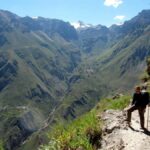
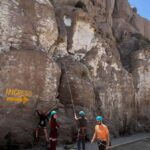
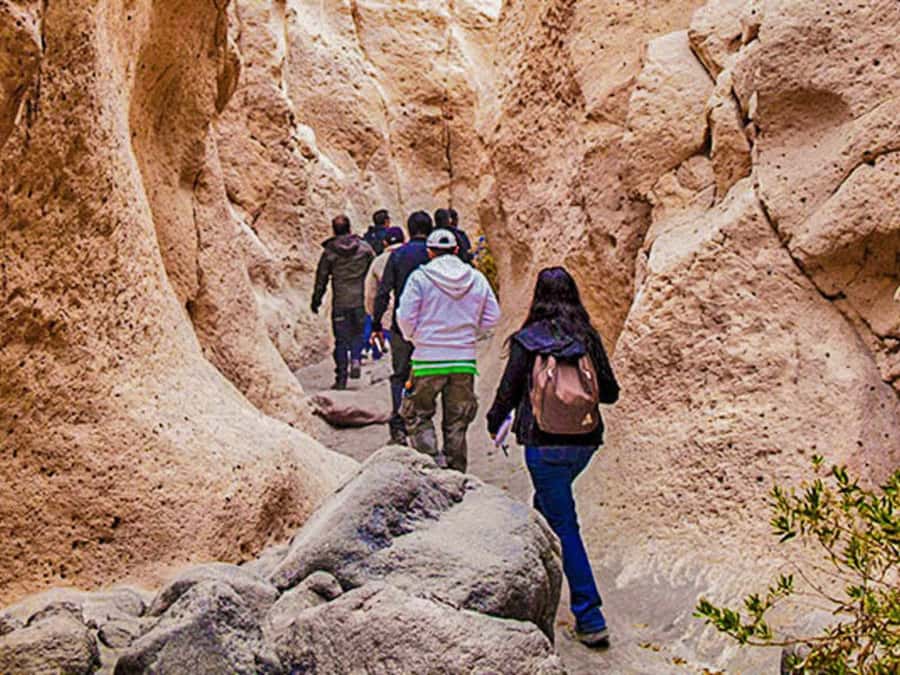
About 30 minutes after the quarry, you’ll arrive at the Quebrada de Culebrillas. Here the itinerary calls for a walk of about 20 minutes through the interior of a small canyon shaped by water, with walls around 15 to 20 meters high.
This is the hiking portion, and it’s nicely sized. It’s short enough to do comfortably without turning into a big fitness test, but long enough for the canyon to start feeling like its own world. You’ll move through the rock corridors and look up at the canyon walls, which helps the experience feel physical—not just scenic.
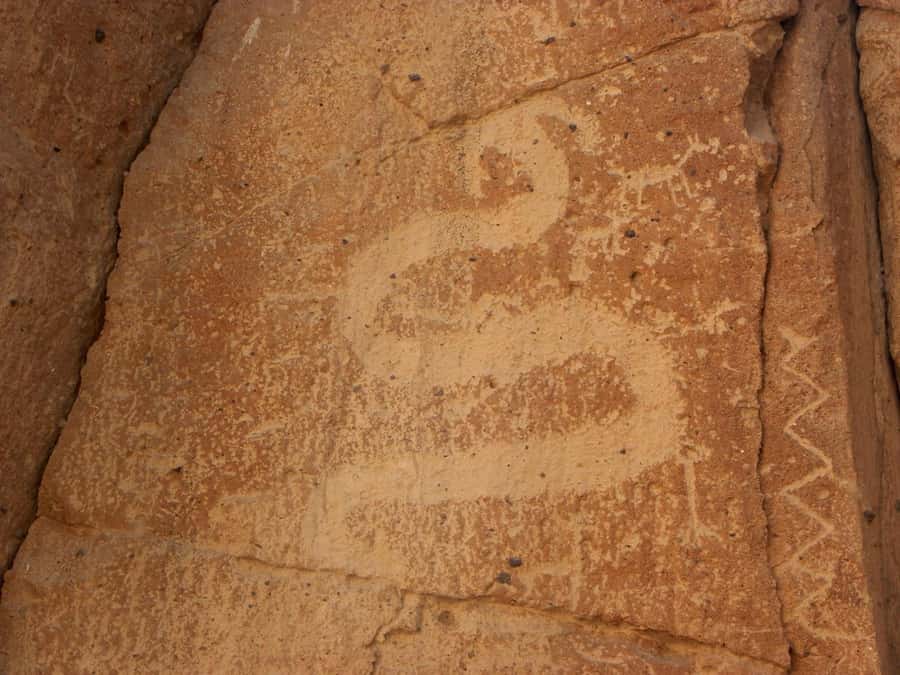
The highlight in this area is ancient human artwork. You’ll observe Wari petroglyphs—rock markings made more than a thousand years ago. That single detail changes how you see the canyon. Instead of only thinking about erosion, you’re also thinking about memory: how people looked at the same walls and decided to leave marks.
A small reality check: the canyon walk can be busy at times, based on the general visitor flow in this area. If you prefer quiet, you’ll want to keep your pace steady, focus on the petroglyphs when your group reaches them, and enjoy the moment rather than trying to fight the crowd.
What to pack for comfort is simple: breathable layers, grippy shoes, and a water bottle. The walk is short, but you’ll still appreciate hydration and solid footing inside a canyon.
Apachetas on the way back: meaning behind stacked stone
Before returning to Arequipa, the tour stops at Apachetas—stone formations placed one on top of the other. This is a roadside cultural detail, but it’s not random.
The meaning, as described in the route, is gratitude toward nature and good luck. You’ll see the stacks and feel the “mystical” vibe people associate with them. Whether you treat it as spiritual practice or cultural tradition, it’s a pause that gives the morning a human ending.
I like this stop because it connects the natural world to the cultural habits that grow around it. You’ve been looking at volcanic stone and water-carved canyons. Apachetas close the loop by showing how people interpret the land and express thanks.
It’s also a good mental reset. By the time you reach these stacked stones, you’ve done the view, the quarry learning, and the canyon walk. Apachetas help you shift from “tour mode” into “reflection mode” for a few minutes.


Price and logistics: what $18 covers in practice
The price is $18 per person for the 270-minute tour. What’s included is tourist transportation and a professional guide. Entrance tickets to the sites are not included; they cost 10 soles.
So the real cost picture is usually: $18 plus the entry fee. Is that good value? For this route, yes, mainly because you’re not just paying for transport. You’re paying for guided interpretation across multiple stops: volcano views, quarry extraction and stonemason insights, canyon walking, and ancient petroglyph context. Those parts are harder to recreate alone without coordination.
A practical note: plan for the entry fee. Bring cash so you can handle site access without scrambling mid-morning.
Pickup and communication are also a real part of the experience. The tour asks you to provide your contact number correctly with your country code and to have WhatsApp. That matters because the meeting details may be coordinated by message. If you’re booking last minute, the guidance is to check availability with the supplier by email before booking.
Language is another logistics detail. The tour lists live guide service in Spanish and English. In real life, language balance can vary by the guide and group setup, so if English is essential, I’d message ahead to confirm what you can expect on your departure.
Who this tour fits best (and who should think twice)
This tour is ideal if you want a compact Arequipa sampler with real substance:
- You like a short hike that’s not brutal: the 20-minute canyon walk works well for many fitness levels.
- You want to learn what sillar/ashlar is and why it matters, not just read a sign.
- You care about ancient layers too, since Wari petroglyphs are part of the canyon stop.
It’s also a good fit for first-time visitors because the route covers the “how it all connects” story: volcanic rock → quarry → buildings → water-carved canyon → ancient markings → cultural meaning through Apachetas.
You might think twice if:
- You strongly need an English-only guide throughout every stop. The tour offers English, but the day-to-day language mix can be inconsistent.
- You hate last-minute coordination or relying on WhatsApp. Since pickup details can be message-based, you’ll want to be responsive and ready.
Should you book Ruta del Sillar with Hiking in Culebrillas?
If your priority is authentic Arequipa—stone you can see being extracted, a canyon you actually walk through, and ancient petroglyphs you’re shown with context—this is a solid booking. The tour length is manageable, the price is reasonable for the number of structured stops, and the route has a satisfying flow from views to hands-on quarry learning to a short hike.
Book it if you like being guided through multiple layers of the region in one morning. Skip it (or at least confirm details carefully) if you’re sensitive to language shifts or if you don’t want to coordinate pickup by WhatsApp.
Either way, come prepared for outdoor time, wear proper shoes, and bring the 10 soles for site access.
FAQ
How long is the Ruta del Sillar with Hiking in Culebrillas excursion?
It lasts about 270 minutes (around 4.5 hours).
What does the tour cost?
The price is $18 per person.
What’s included in the price?
Tourist transportation and a professional guide are included.
What entrance fees should I plan for?
Entrance tickets to the sites are not included and cost 10 soles.
What time does the tour start and end?
It starts at 09:15 AM and typically returns to downtown Arequipa near Plaza de Armas at 13:30. There’s also an option for a 14:00 shift.
Is there hiking involved?
Yes. You’ll take about a 20-minute walk inside the Culebrillas canyon.
What languages are the guides available in?
The live guide is available in Spanish and English.
Do I need WhatsApp for the tour?
You should put your contact number correctly with your country code and have WhatsApp, since coordination is done via messaging.