REVIEW · AREQUIPA
Arequipa: City Tour and Santa Catalina Monastery
Book on GetYourGuide →Operated by LimaTours · Bookable on GetYourGuide
Arequipa in white stone is stunning, and this short tour hits the best angles fast. I love the combination of viewpoints with Santa Catalina Monastery inside a tight 3.5-hour loop. You also get real context for what you’re seeing, not just a checklist. One thing to consider: the pace is active, with walking and stairs, so plan for comfortable shoes and sun protection.
You’ll start with hotel pickup in the Arequipa Historic Center, then ride to elevated viewpoints where the Andes show off behind the city. I especially like how the stops stack: you see countryside and volcano silhouettes first, then the urban texture of Arequipa close-up. The main drawback is simple: the tour isn’t suitable for wheelchair users, and there’s no mention of step-free routes.
In This Review
- Key Highlights You’ll Feel Immediately
- From White-City Views to Monastery Streets
- What you’re really paying for
- Hotel Pickup and the Quick Route to Carmen Alto
- Yanahuara Viewpoint: Understanding the City After the Mountains
- The Basilica of the Company of Jesus: White Stone With a Neo-Renaissance Face
- Plaza de Armas Time: Fast Orientation and Real-Life Energy
- Santa Catalina Monastery: A Cloistered World Inside the City
- How to enjoy Santa Catalina without rushing
- Duration, Pace, and What 3.5 Hours Means for You
- Included vs. Not Included: Your Planning Checklist
- Who Runs the Tour and the Guide Difference
- Weather, Clothing, and Small Things That Matter
- Should You Book This Arequipa City Tour and Santa Catalina Monastery?
- FAQ
- What does the tour include?
- How long is the Arequipa City Tour and Santa Catalina Monastery?
- Where does pickup happen?
- What languages are the guides available in?
- What should I bring for the tour?
- Is the tour wheelchair accessible?
Key Highlights You’ll Feel Immediately
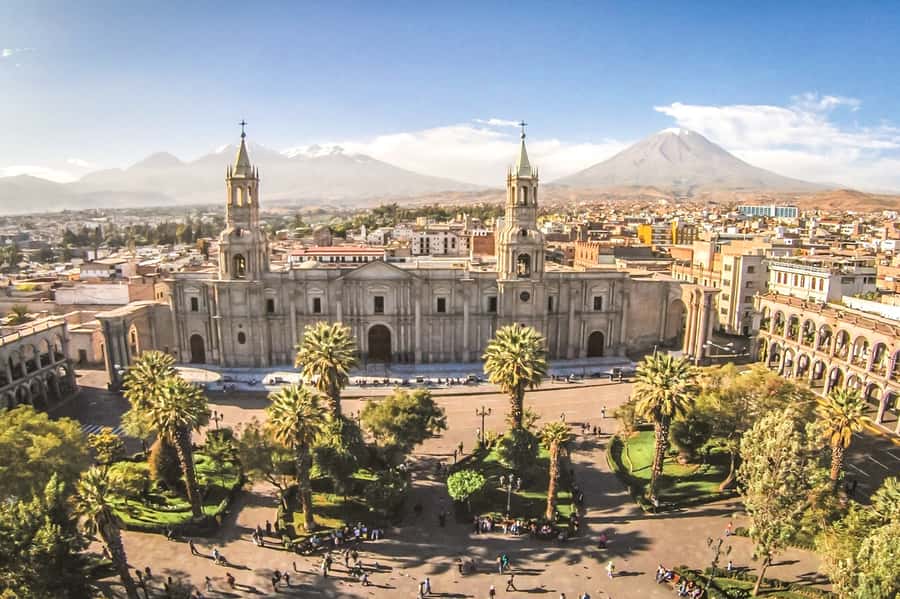
- Carmen Alto viewpoint setup for big countryside and volcano views
- Yanahuara viewpoint that helps you understand Arequipa’s layout
- White-stone neo-Renaissance Basilica of the Company of Jesus in ashlar
- Plaza de Armas orientation with time for an easy look around
- Santa Catalina Monastery with plazas, cloisters, and streets inside the complex
- A calm, un-rushed guide style (Mariela is praised for pacing and helpful answers)
From White-City Views to Monastery Streets
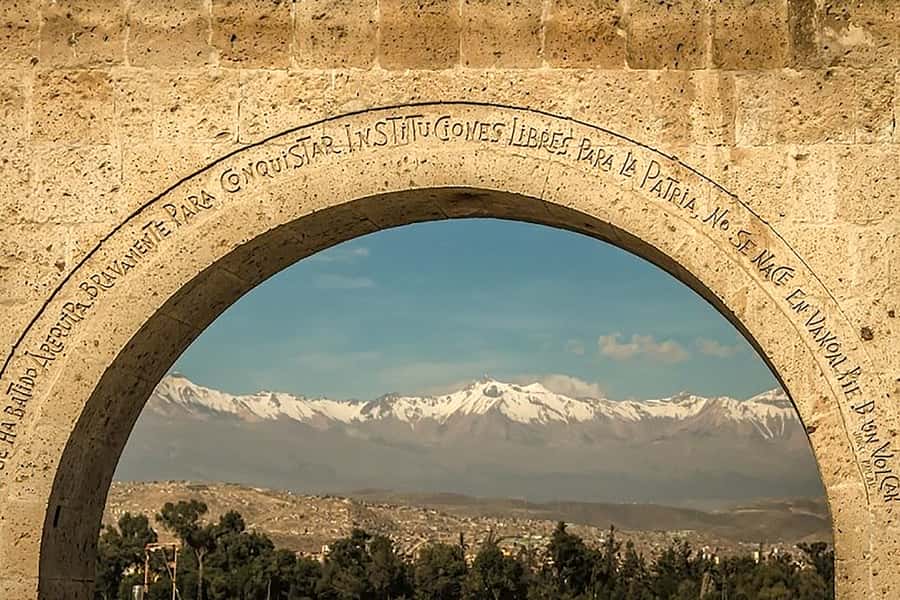
Arequipa earns its nickname fast. Even before you step into any monument, the city looks engineered for photos: pale stone, clear light, and sharp lines against the mountains. This tour is built for that feeling. You’re not stuck with only one viewpoint or only one indoor stop. Instead, you get a balanced mix of outdoor panoramas and a major interior site.
The format also makes the experience workable for real travel schedules. At 3.5 hours, you can fit it early in your trip to get your bearings, or later as a highlight day without burning your whole afternoon. And since pickup and drop-off are included (for hotels in the Historic Center), you avoid the hassle of sorting transport on your own.
My favorite part is the way the itinerary “teaches” while you walk. You start high, where the geography makes sense. Then you move down into the city and see how Arequipa grew. Finally, you enter Santa Catalina, and the viewpoint logic becomes mental context: you’re not just looking at old walls, you’re picturing how a cloistered community lived inside its own urban pocket.
You can also read our reviews of more city tours in Arequipa

What you’re really paying for
$70 per person isn’t a bargain in the sense of a super-short photo stop, but it does include key value. You get hotel pickup and drop-off, a professional multi-language guide, and admission to Santa Catalina Monastery. For many visitors, the monastery ticket plus a guided narrative saves time and guesswork. In a city like Arequipa, where stone buildings and streets can blur together, a good guide makes the difference between seeing sights and understanding them.
Hotel Pickup and the Quick Route to Carmen Alto
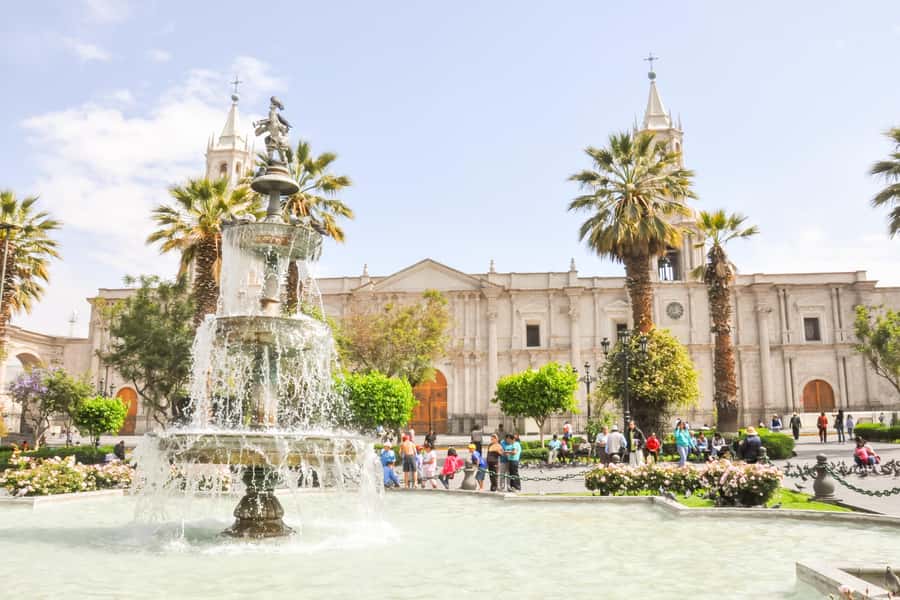
Everything starts smoothly: pickup from hotels located at the Arequipa Historic Center, then transfer to the Carmen Alto viewpoint. This is a smart first move because it gives your eyes a “map.” From a height, you can connect the city to the surrounding terrain instead of treating Arequipa like an isolated postcard.
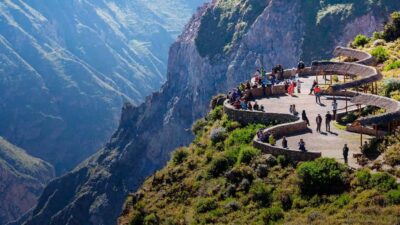
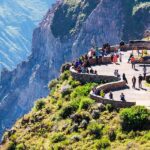
At Carmen Alto, you’ll see wide countryside and the Chili River running through the region. Most impressive is the way the volcanic backdrop frames the scene: the Misti volcano and the Chachani volcano appear in the background, depending on visibility. Even if you’re not a geology person, the effect is immediate. The mountains aren’t a decorative detail here; they shape the weather, the light, and how the city sits in the valley.
This stop is also where you can reset your timing. If you arrive in Arequipa feeling jet-lagged or overwhelmed, a viewpoint early on helps you get calm and oriented. You’re also more likely to get better photos before the midday crowd and sun intensity pick up.
Practical note: bring sunglasses and sunscreen. The high-altitude sun can feel sharp, even when you’re not sweating yet.
Yanahuara Viewpoint: Understanding the City After the Mountains
Next up is the Yanahuara viewpoint. If Carmen Alto is the big-picture overview, Yanahuara helps you interpret the city you just watched appear in the landscape.
This is the moment where you start recognizing patterns: where the built-up area spreads, how neighborhoods relate to roads, and how the valley funnels movement. Even when you’re not consciously doing it, your brain builds a mental model. That makes the later city-center walking feel less random.
You’ll also get another strong photo angle. The guide can point out what to watch for in the view, which is more helpful than just standing where others stand. On tours like this, small shifts in viewpoint can change what you include in the frame, especially with volcano silhouettes in the distance.
The best part: you’re still outside, so if you’ve been sitting in transit all day, you get a breather before stepping into monuments.
The Basilica of the Company of Jesus: White Stone With a Neo-Renaissance Face
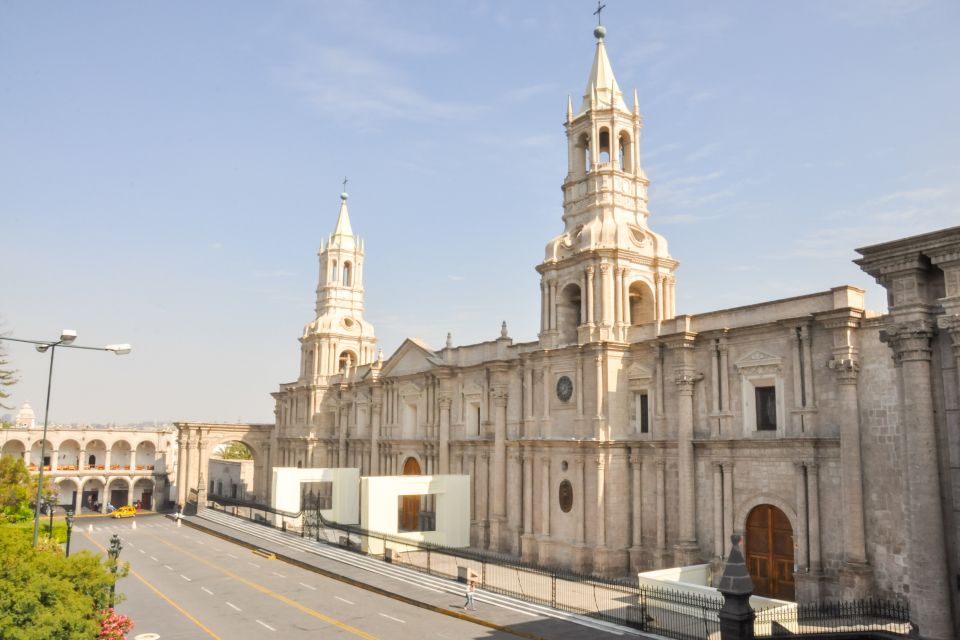
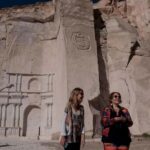
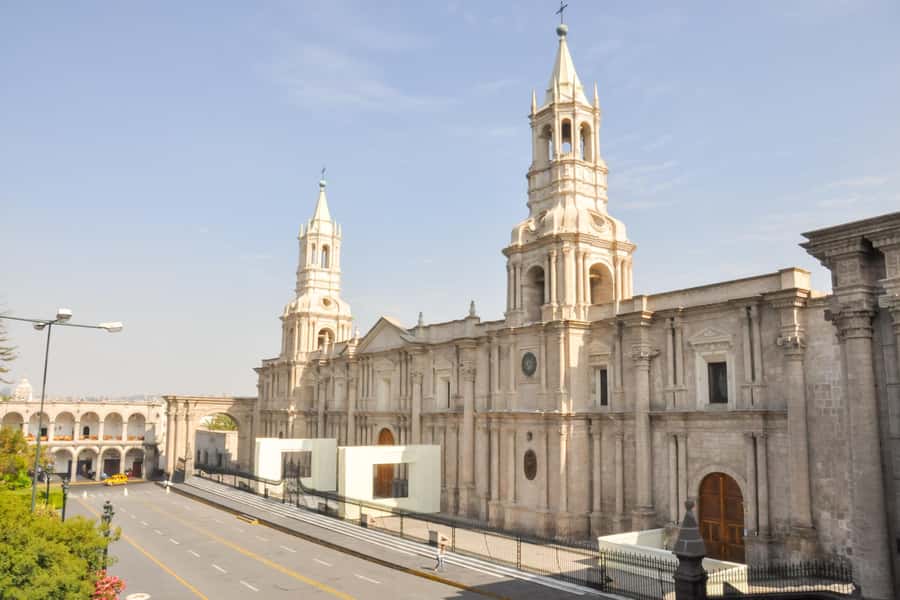
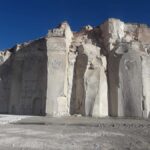
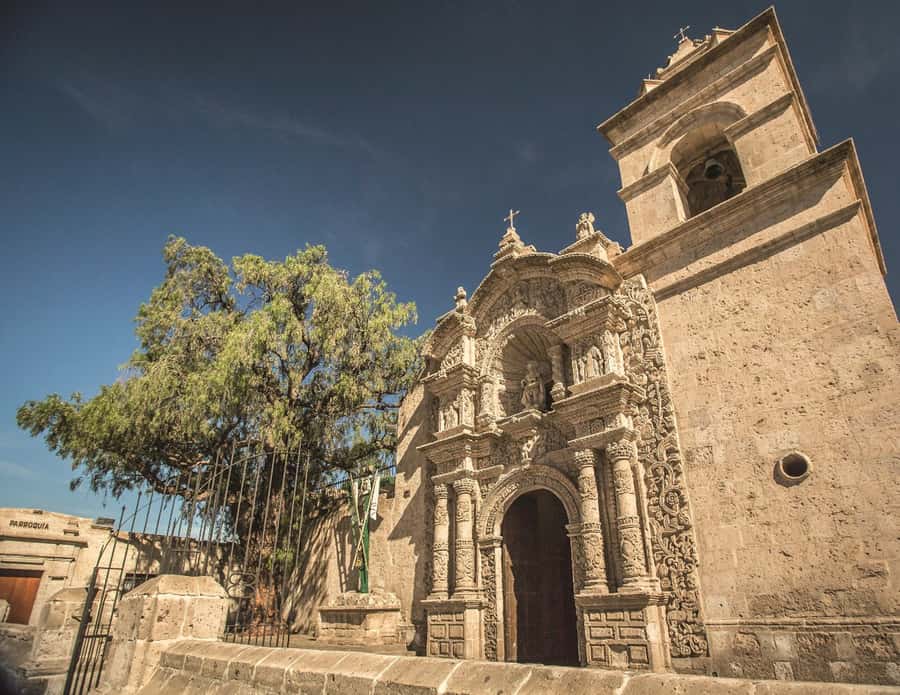
From the viewpoints, the tour turns architectural. You’ll visit the Basilica of the Company of Jesus, described as neo-Renaissance in style and built with white stone (ashlar). That detail matters. Ashlar isn’t just a material name; it’s part of the visual language of Arequipa. The smooth, pale surfaces catch light in a way that makes buildings look brighter and more crisp than you might expect from photos.
Inside or around the basilica, look for how the style communicates order. Neo-Renaissance design tends to emphasize proportion and classical shapes. In practical terms, it helps you see that Arequipa’s colonial identity isn’t only about raw age or plain churches. It’s about specific choices in design, materials, and influence.
This is a good stop if you like architecture and want to understand why Arequipa looks different from some other colonial cities in Peru. The white-stone look is part of that story, and the basilica is a strong reference point.
Also: since this is a guided tour, you’re not left guessing what to notice. A professional guide can connect the building’s design to the broader colonial period and local context.


Plaza de Armas Time: Fast Orientation and Real-Life Energy
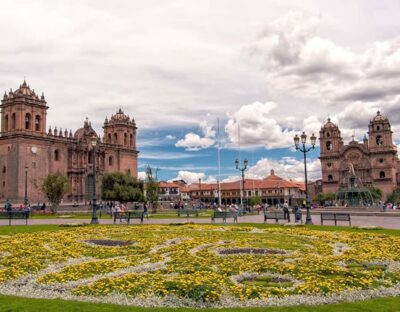
Then you’ll explore the main square area. This part of the tour is less about “one big monument” and more about orientation and atmosphere. Plaza de Armas-like spaces are where cities reveal themselves. People pass through, conversations start, and you feel the daily rhythm that doesn’t show up in the most staged attractions.
You’ll spend time in the square, enough to get oriented, take a breather, and absorb the surrounding colonial-era streets and facades. It’s also useful as a mental reset between indoor sites. After the basilica, your eyes need a break from architectural details. The open space does that.
If you’re the type who likes to plan your next steps, this is where you can quietly decide what else you want to see on your own once the guided part ends.
Santa Catalina Monastery: A Cloistered World Inside the City
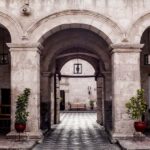
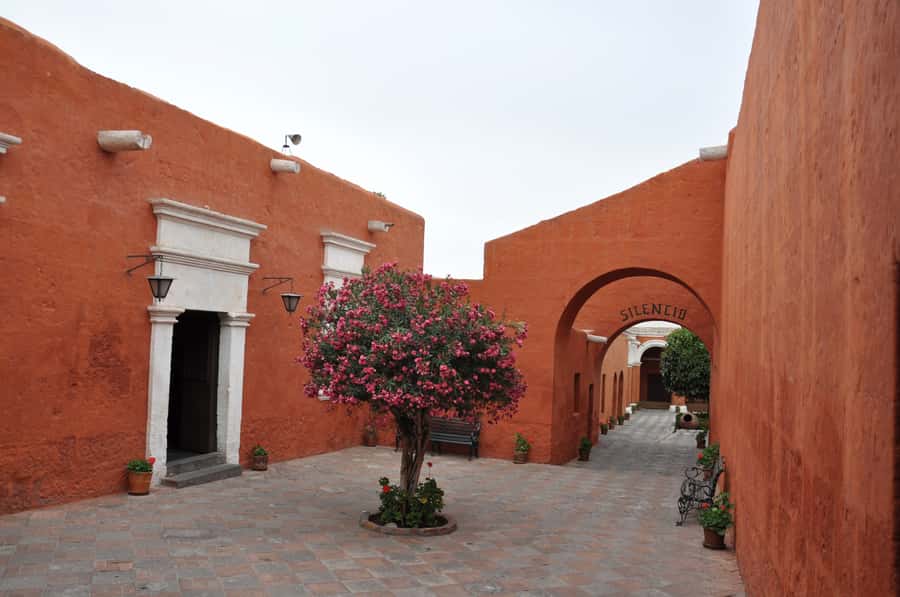
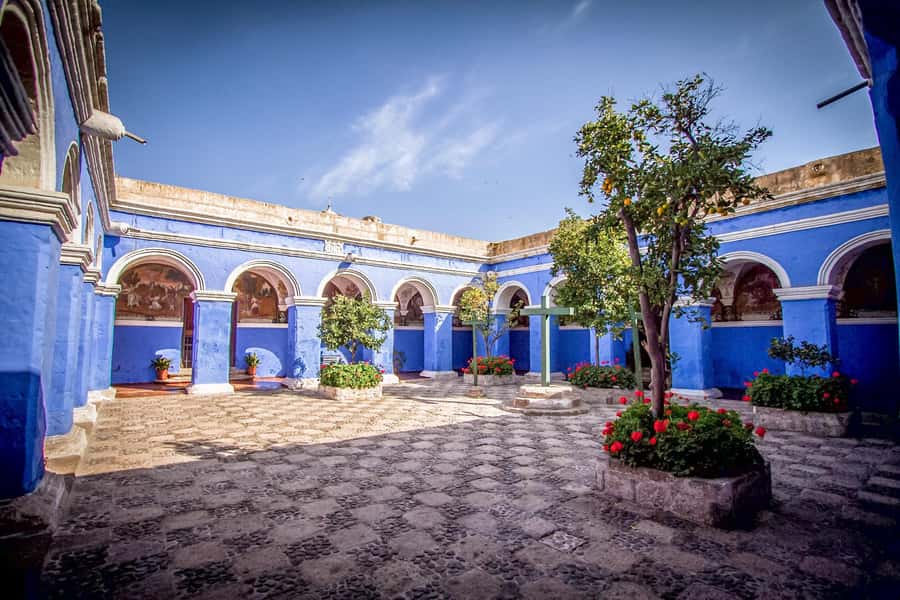
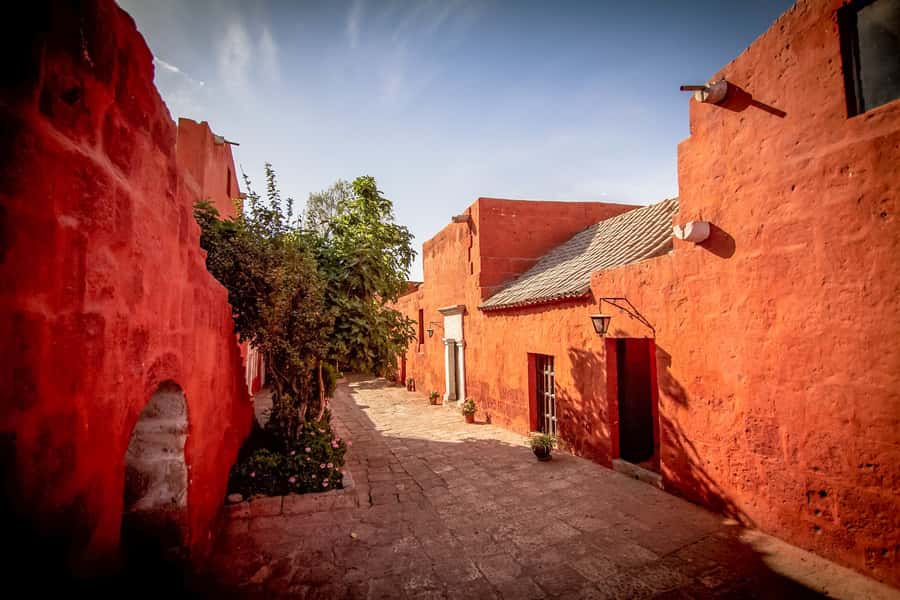
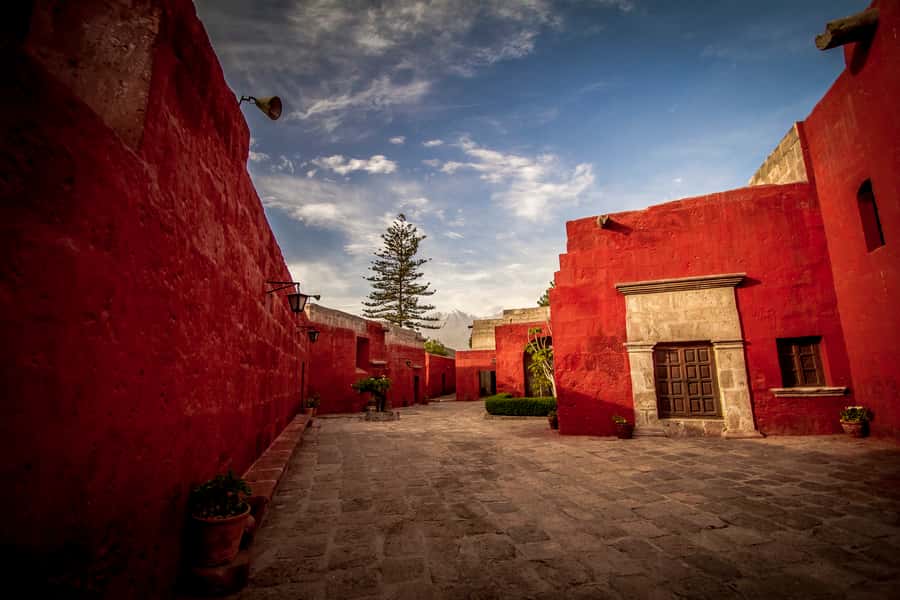
The star of the experience is the Convent of Santa Catalina, a XVI-century cloistered complex with plazas, cloisters, and streets inside. Calling it a monastery is correct, but it’s also incomplete. It feels more like a small city with rules, boundaries, and private routes.
What makes Santa Catalina so fascinating is the human scale behind the walls. This prestigious institution originally housed daughters of prominent families. The convent’s structure supported a kind of sheltered life, with nuns governing daily existence within the complex. Walking through the layout, you start to understand how a “contained” environment can still be full of paths, courtyards, and social spaces.
Because it’s made up of multiple internal areas, the monastery doesn’t feel like one long hallway tour. You move between different zones. That variety is exactly why the guide matters. With explanation, you’re more likely to notice the logic of the complex instead of treating it like a museum maze.
How to enjoy Santa Catalina without rushing
This is where your tour’s pace pays off. Guides on this route are praised for not rushing, which matters a lot at Santa Catalina. If you skim, you miss how the spaces connect. If you take it slower, you can better appreciate the plazas and transitions between courtyards and cloister sections.
Bring comfortable clothes, and plan for walking inside. Even if the steps aren’t extreme, this is still a site where you’ll spend real time on your feet. Sun protection is still helpful because light can bounce off pale surfaces within the complex.
Duration, Pace, and What 3.5 Hours Means for You
A 3.5-hour tour is a “best of” format. It won’t replace a long stay in Arequipa’s museums or a day of deeper neighborhood wandering. But it is excellent for three traveler profiles:
- First-timers who want a quick orientation and a strong architecture-and-history mix
- Time-crunched travelers who still want a meaningful interior site, not just viewpoints
- Photo-minded visitors who care about the best city + volcano combinations plus a major landmark
The schedule also helps because you get picked up and returned. If you’re exploring Arequipa on foot the rest of your trip, you’ll appreciate having one organized segment handled for you.
One more consideration: the tour isn’t listed as wheelchair-friendly, and there’s no mention of special accommodations. If mobility is a concern, check with the operator before you book.
Included vs. Not Included: Your Planning Checklist
Here’s what’s covered: pickup and drop-off, a professional guide (English, Portuguese, French, and Spanish), and admission to Santa Catalina Monastery. You also have the benefit of a guided flow between stops, which saves you time and reduces decision fatigue.
Not included is equally important. You’ll handle personal expenses, snacks, and beverages. Plan accordingly. Even though the tour is only 3.5 hours, you’re exposed to daylight and walking. Bring water if you can, especially if you’re arriving from altitude-heavy activities.
Also note a few practical “don’ts”: no large bags or luggage, no pets, and no smoking. Unaccompanied minors aren’t permitted. If you’re traveling with a child, an adult must be with them.
Who Runs the Tour and the Guide Difference
This experience is provided by LimaTours. The key to why this kind of tour feels worth it is the guide. Your guide is multilingual, covering English, Spanish, French, and Portuguese, which is useful if you’re traveling with mixed-language friends or if you want a deeper explanation of architecture and the monastery’s layout.
In the guide feedback you’ll see themes: helpful answers, a friendly tone, and a calm pace. One guide named Mariela is specifically praised for being kind, giving informative tours, and offering practical recommendations beyond the tour itself. If that sounds like your style, you’ll likely enjoy this format.
Weather, Clothing, and Small Things That Matter
Arequipa can be dry and sunny, and the light at viewpoints can feel intense. Even if the temperature is comfortable, the sun can wear you down.
Bring:
- Passport or ID card
- Comfortable shoes
- Sunglasses
- Sun hat
- Sunscreen
- Comfortable clothes
Your biggest risk on this tour isn’t a technical problem. It’s fatigue from sun + walking. Dress for comfort first, then style second.
Should You Book This Arequipa City Tour and Santa Catalina Monastery?
I’d book it if you want a focused introduction to Arequipa that blends the city’s white-stone look, the volcano scenery, and Santa Catalina’s internal “city-within-a-city” feel. It’s also a strong option if you hate wasting time figuring out transport or trying to plan stops in a tight window.
Skip it if you want a slow, unstructured day with lots of free time, or if mobility needs step-free routes. Also, if you’re allergic to any amount of walking or you prefer only one major site, you might feel this is too packed.
If you’re somewhere in the middle—curious, time-limited, and ready to see Arequipa’s best viewpoints plus a major historic site—this is a smart, efficient pick.
FAQ
What does the tour include?
It includes hotel pickup and drop-off (from hotels in the Arequipa Historic Center), a professional guide, and admission to Santa Catalina Monastery.
How long is the Arequipa City Tour and Santa Catalina Monastery?
The duration is 3.5 hours. Start times vary, so check availability for the exact schedule.
Where does pickup happen?
Pickup is from hotels located at the Arequipa Historic Center. The tour does not include pickup from private residences.
What languages are the guides available in?
The live tour guide is available in English, Spanish, French, and Portuguese.
What should I bring for the tour?
Bring a passport or ID card, comfortable shoes, sunglasses, a sun hat, and sunscreen, plus comfortable clothes.
Is the tour wheelchair accessible?
No. This activity is not suitable for wheelchair users.