REVIEW · SANTA MARTA
A Pearl In The Caribbean-walking tour in English
Book on GetYourGuide →Operated by A Pearl in the Caribbean · Bookable on GetYourGuide
Santa Marta can feel like a history book you can walk through. This 2-hour English stroll packs Tairona gold at the Museum of Gold, then swings to cathedral superstitions and local nightlife. I especially like how the guide (often Javier) keeps it fun and easy to follow, with time for questions. One drawback: it is a walking tour, and water and drinks are not included, so plan for the heat.
I like the balance here: pre-Hispanic and independence-era stories sit right next to everyday local scenes. At the Tairona del Oro Museum in Casa de la Aduana, you get both the museum facts and the human story behind the objects, including what the Taironas were and why they became extinct. Then you carry that momentum into Plaza Bolívar and the older city squares, where architecture and street history make more sense when you see them in person.
The tour also has a food-and-fruit angle that makes it feel practical, not just academic. You get a fruit tasting stop at the end, plus guidance on what to try. My only caution: some stops are best for photos, and the pace is quick, so if you want lots of deep museum time, you may want a longer visit on your own afterward.
In This Review
- Key highlights you should not miss
- Walking Santa Marta Through Gold, Faith, and Street Stories
- Museo del Oro Tairona at Casa de la Aduana: Why Gold Matters Here
- Plaza Bolívar and Simon Bolivar: Independence in the Middle of Town
- San Francisco Square and Rebusque: Pirates, Catholic Tales, and Local Life
- Cathedral Square: Arab, Colonial, Renaissance Details and Spooky Traditions
- Parque de los Novios: Nightlife Energy in a Daytime Stroll
- Plaza de Jugos: A Fruit Class You Can Taste
- Price and Timing: What You Get for $16 in 2 Hours
- Who This Tour Is Best For
- Should You Book A Pearl in the Caribbean Walking Tour?
- FAQ
- How long is the walking tour?
- What language is the tour in?
- How much does it cost?
- Where does the tour start?
- Where does the tour finish?
- What is included in the price?
- What is not included?
- Do I get juice on the tour?
- Is there free cancellation?
- How do I receive tour information before going?
Key highlights you should not miss
- Casa de la Aduana and the Tairona Gold Museum: see artifacts and hear how the Tairona story connects to the present
- Plaza Bolívar with real independence context: Simon Bolívar references show up everywhere, and the guide ties them together
- San Francisco Square street-life details: learn how locals talk about daily work and commerce, and hear the Caribbean pirate-religion story
- Cathedral Square architecture plus spooky local tales: Arab, colonial, and Renaissance influences with superstition stories layered in
- Parque de los Novios nightlife energy: get the vibe of where Santa Marta goes after dark
- Plaza de Jugos fruit class: taste exotic Caribbean fruits and buy natural juice if you want
Walking Santa Marta Through Gold, Faith, and Street Stories
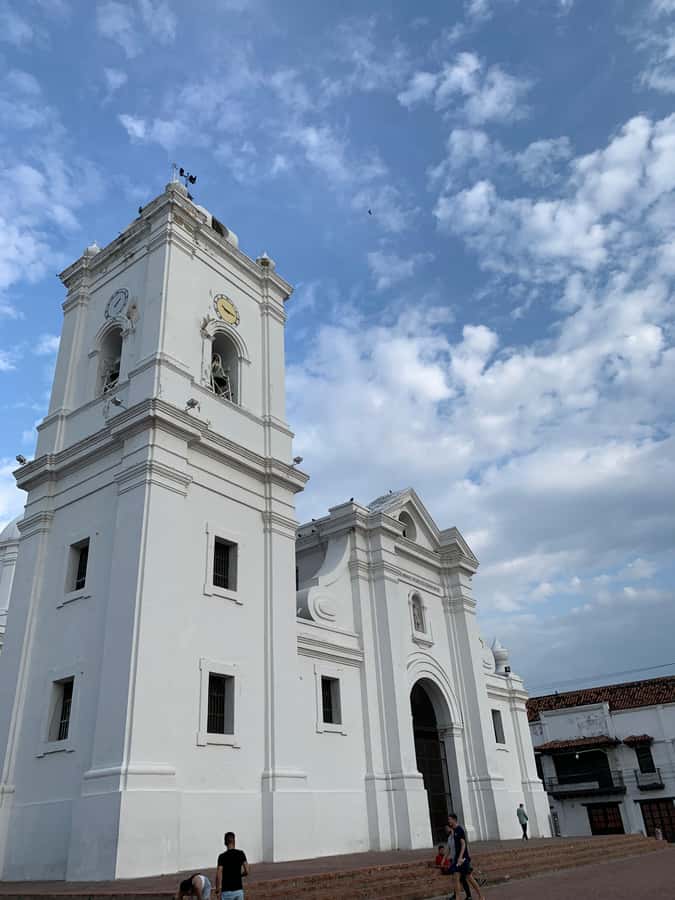
This tour works because it links three things you would otherwise experience separately: history, local beliefs, and what people eat and drink. In just two hours, you cover the historic center in a way that helps you get your bearings fast.
I like that it is not just a list of big names. The guide turns each stop into a short story with a point. You walk away understanding why Santa Marta’s center looks the way it does, and you also know what to watch for when you return on your own.
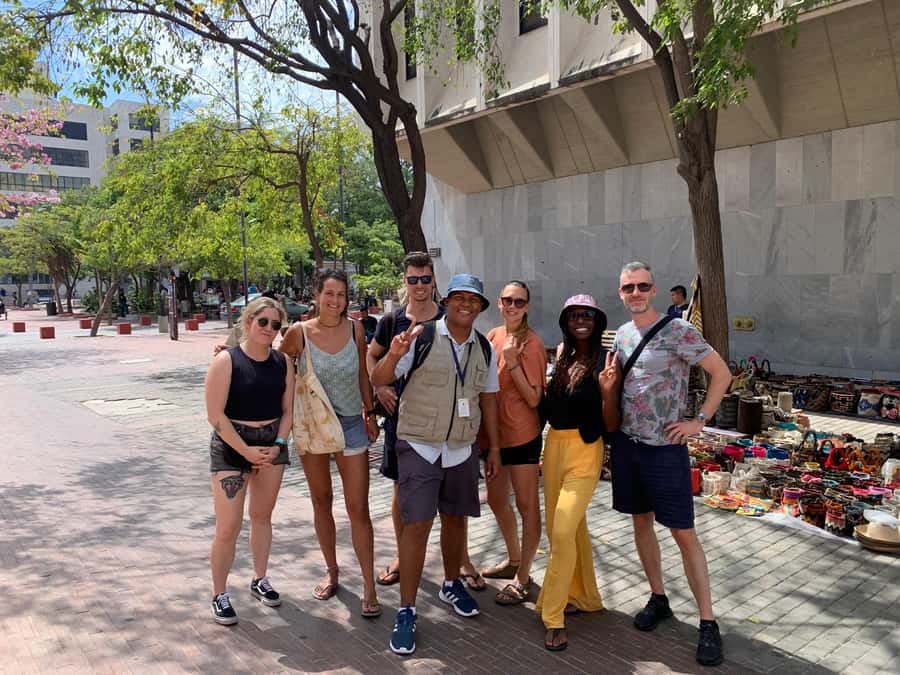
The vibe is relaxed. Multiple guides are credited in the tour feedback (you’ll often hear Javier, and sometimes Xavier), but what stays consistent is the engaging storytelling and the willingness to answer questions on the spot.
You can also read our reviews of more tours and experiences in Santa Marta.


Museo del Oro Tairona at Casa de la Aduana: Why Gold Matters Here
You start at the Museo del Oro Tairona, also known as Casa de la Aduana (Tayrona del Oro Museum). The meeting spot is in the historic center, right in front of Plaza Simón Bolívar, with the bay of Santa Marta nearby. The museum building is described as a white Spanish-colonial style house, which is a nice landmark when you’re orienting yourself.
Inside, the tour connects pre-Hispanic and modern indigenous art. You are not only looking at gold pieces; you’re also hearing who the Taironas were, and why they became extinct. The museum framing matters, because it helps you interpret the objects without turning them into pure decoration.
Here’s what I found most useful as a visitor: you come out of the museum with context you can carry into the rest of the walk. When you later hear independence stories and see colonial-era architecture, it lands differently. Even if you know some Colombian history already, it helps to see how long the human story stretches here.
Practical note: museum entry is included, which keeps your first hour simple. You just show up, listen, and then walk.
Plaza Bolívar and Simon Bolivar: Independence in the Middle of Town
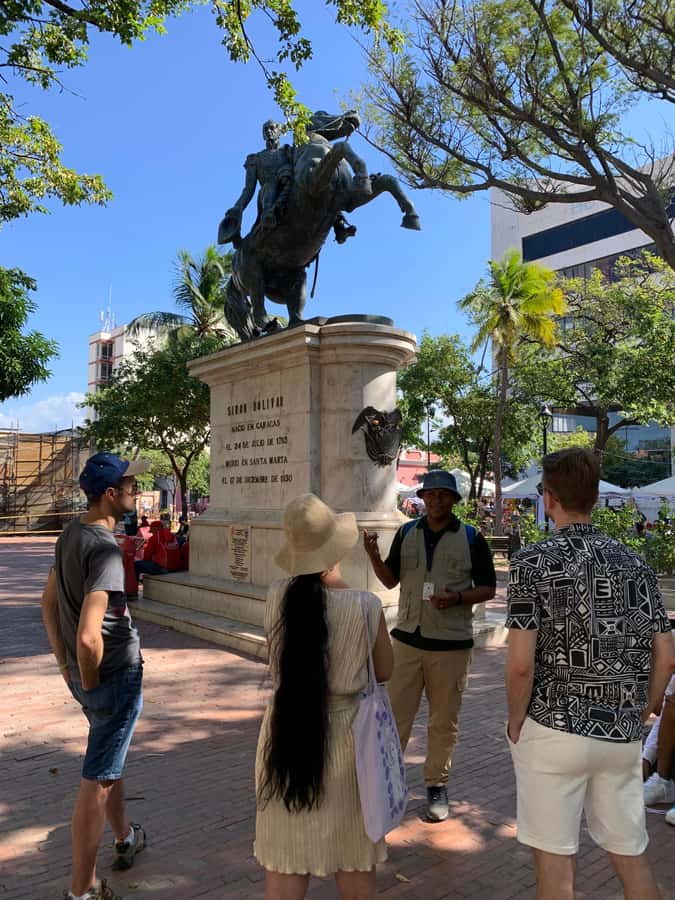
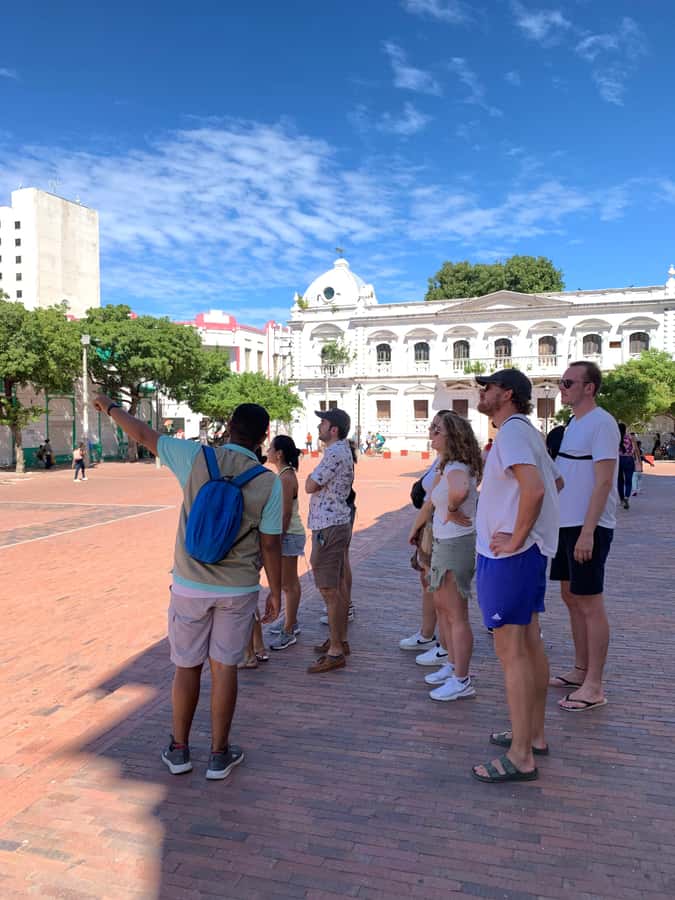
Next you move into Plaza Bolívar, a core stop in the center. The guide explains why you keep seeing the name Simon Bolivar around Colombia, and what that name represents beyond a street sign.
What I like about this part is the mix. You get history of independence, but also practical visual cues: architecture, sculptures, and how the public square functions as a stage for local life. In other words, you’re not just memorizing dates. You’re learning how the city honors (and repeats) its historical narrative.
This is one of those moments where a guide is worth the money. Without a storyteller, a plaza can look like scenery. With context, it becomes a timeline you can walk through.
Keep your camera ready, but also keep one ear open for the smaller details. Independence-era references show up in subtle ways once you know what you’re looking for.
San Francisco Square and Rebusque: Pirates, Catholic Tales, and Local Life
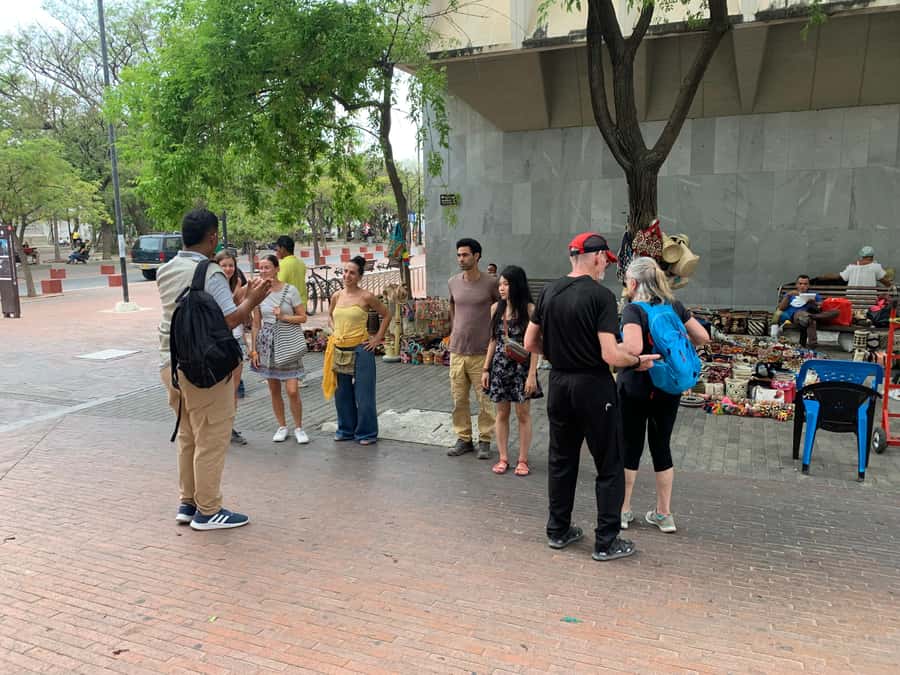
After Plaza Bolívar, the walk shifts toward San Francisco Square, described as an old place in Santa Marta. This is where the tour leans into daily life and the local economy—something Colombians refer to with the slang term rebusque.
That word matters. Rebusque is about figuring things out, working with what you have, and keeping life moving. The guide’s storytelling connects that attitude to what you can observe around the square: the rhythms of commerce, the casual normalcy of public spaces, and the way history shows up in street corners.
You also hear pirate-attack stories connected to the Caribbean and Catholic religion. That combination sounds strange on paper, but on the ground it makes sense as part of how communities remember fear, faith, and outside threats.
If you like history that has a human tone—beyond monuments—this square delivers. It’s also a good mental breather because you can watch people go about their day while you listen.
Cathedral Square: Arab, Colonial, Renaissance Details and Spooky Traditions
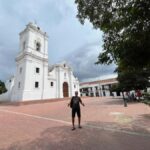
Then comes one of the most atmosphere-heavy stops: Cathedral Square. This church is referred to as the mother of all churches in Colombia. The guide explains religious customs in Santa Marta and shares the city’s spooky superstitions.
Here’s the practical side: when the guide points out the different artistic influences—Arab, colonial, and Renaissance—you start seeing the building as more than a single style. You notice shapes and details that you’d miss if you just stood in front of it trying to guess what era you were looking at.
This is also where the tour slows just enough to connect culture and food. You get recommendations for typical dishes and restaurants to try in Santa Marta. That matters because gastronomy is one of the easiest ways to turn a short trip into a real one. Even one good restaurant suggestion can save you hours of trial and error later.
One more tip: bring your camera and also don’t rush. This stop is more about observation than ticking boxes.


Parque de los Novios: Nightlife Energy in a Daytime Stroll
After the cathedral area, the tour heads toward Parque de los Novios, the local spot known for nightlife in downtown Santa Marta. Even if you’re walking it in daylight, the guide frames what the park means after dark—romance, friends, and the city’s nighttime rhythm.
This stop is valuable even for travelers who do not party. Knowing where locals go at night helps you plan smart. It gives you a sense of which streets feel lively and which areas you may want to avoid—or at least be more careful around—after sunset.
It also adds balance to the tour. After gold, plazas, and church legends, this is a shift back to human scale. You’re reminded that a city is not only history; it’s also where people meet and unwind.
Plaza de Jugos: A Fruit Class You Can Taste
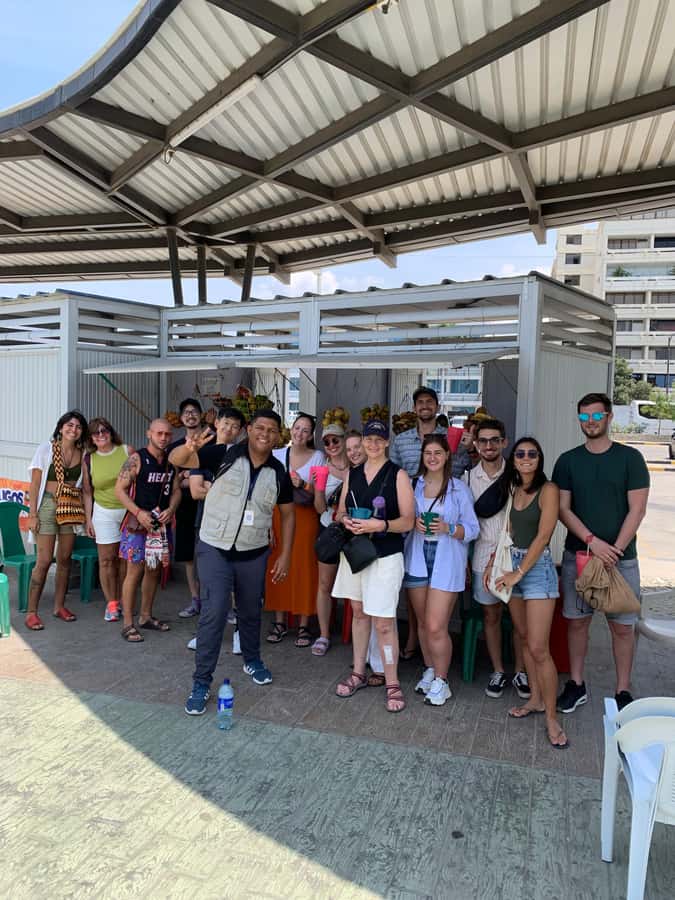
The tour ends at plazoleta de jugos Santa Marta, a juice-and-fruit area that feels made for the final stop. The guide calls it a fruit class, and you get explanations of typical fruits from the Colombian Caribbean coast.
Then you taste. That’s the point: this is not a lecture where you just nod and move on. You try one fruit as part of the tasting, and you learn what to expect from the flavor and texture so it’s less intimidating.
At the end, you can buy 100% natural juice if you want. Water and juice are not included, but the structure still helps you because you arrive at a place designed for what you’re craving. If you were sweating earlier in the walk, this is where you cool off while also getting a souvenir you can drink.
From the tour feedback, people also mention ordering specific juice combinations like lulo with orange. Even if you do not pick the same thing, the bigger idea is to ask what locals recommend that day, because fruit quality can vary.
Price and Timing: What You Get for $16 in 2 Hours
At $16 per person for a 2-hour English walking tour, the value is strong—mainly because the tour includes the museum entry. You’re getting a guide-led introduction to the Museo del Oro Tairona, plus multiple historic stops and a fruit tasting.
What is not included is equally important: water, juice, and any other drinks are not mentioned as included. I’d treat that as a cue to carry a small bottle. Santa Marta’s center can get hot, and you will enjoy the stories more if you’re not worried about hydration.
The pacing is quick but not rushed in a stressful way. You get just enough time at each stop to understand the theme and move on. If you love lingering, you may want to spend extra time later at the cathedral area or in/around the museum.
As for language: it’s English-only, which is great if you’re traveling with English speakers or want clear explanations without translating in your head.
Who This Tour Is Best For
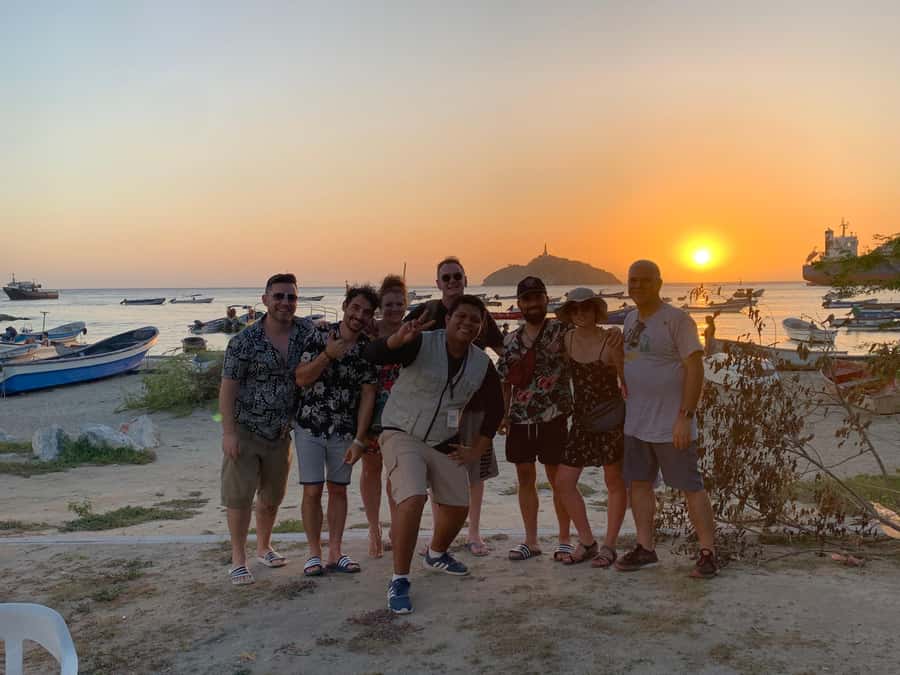
This walk fits you if you want:
- A fast, guided orientation to central Santa Marta
- History told through stories, not just dates
- A mix of culture and food, ending with something you can taste
- A guide who stays patient and takes questions
The tour tends to work especially well for first-timers. The combination of gold museum context, Plaza Bolívar independence background, and cathedral architecture creates a sturdy mental map. Later, when you wander on your own, you’ll spot details and understand what you’re seeing.
It also suits travelers who like a light edge of local superstition and gossip-style storytelling. Multiple guide notes highlight that the explanations have humor and that you learn both the cheerful and darker parts of the story.
If you’re hard-core museum-only, you may want to follow up with independent time in the gold museum after the walk. But as an intro, this is very efficient.
Should You Book A Pearl in the Caribbean Walking Tour?
Yes—if you want a guided taste of Santa Marta’s heart in a tight time window. I’d book it when you’re trying to do the sensible thing on day one: get context, learn where to go, and leave with one or two concrete food ideas.
Skip it or reconsider if you hate walking in heat or you dislike tours that move from stop to stop every few minutes. Also remember that water and juice are not included, so bring money for drinks and plan hydration.
If you book, wear comfortable shoes, show up ready to ask questions, and treat the fruit tasting as part of the fun, not a checkbox. This tour is built for exactly that mindset: learn something, look closely, then end with a sweet Caribbean payoff.
FAQ
How long is the walking tour?
It lasts 2 hours.
What language is the tour in?
The tour is only available in English.
How much does it cost?
The price is $16 per person.
Where does the tour start?
You meet at the Museo del Oro Tairona / Casa de la Aduana in the historic center, in front of Simon Bolivar square facing the bay of Santa Marta. The guide will be wearing a tour guide accreditation and a black backpack.
Where does the tour finish?
It finishes at plazoleta de jugos Santa Marta.
What is included in the price?
Included items are free entrance to the Museum of Gold, a local guide, and fruit tasting.
What is not included?
Water, juice, and any other drinks are not included unless mentioned during the tour.
Do I get juice on the tour?
You have fruit tasting included, and you can buy 100% natural juice at the juice place. Juice itself is not listed as included.
Is there free cancellation?
Yes. You can cancel up to 24 hours in advance for a full refund.
How do I receive tour information before going?
Make sure the phone number you used for the reservation works for receiving tour information via WhatsApp.