REVIEW · AREQUIPA
4-hour excursion: Sillar Route with Hiking in Culebrillas
Book on GetYourGuide →Operated by Latitudes · Bookable on GetYourGuide
Stone carving and canyon walking, in one go.
This is a quick, value-focused way to see how Arequipa’s signature building stone is born, then spend time in the Culebrillas Canyon—including a section of canyon floor walk with 15–20 meter walls and ancient Wari petroglyphs. I also like how the route adds proper viewpoints over the volcanoes and the Chilina Valley, so you get scenery and context instead of just selfies. One drawback to plan for: this isn’t a big, rugged hike. The walking is short, and parts of the day can feel more like a scenic route than a deep, quiet spiritual experience.
You’ll start at 09:15 and be back around 13:30, which makes it a smart half-day add-on for a first visit to Arequipa. The pacing is tight, the stops are concentrated, and the quarry visit is built around what’s happening right now—stonemasons working early, plus the famous mega carving of the Church of the Company of Jesus. If your goal is long hiking time, or lots of time at each viewpoint, you may feel rushed.
In This Review
- Key things to know before you go
- Why this 4-hour Sillar Route works so well
- The itinerary timing: 09:15 departure and a fast, focused loop
- Mirador de los Volcanes views: setting the scene before the stone
- Añashuayco Quarry and the Megacavado: where sillar becomes real
- What you’ll actually see in the quarry
- The hands-on moments (and what to expect)
- A small consideration
- Quebrada de Culebrillas: the short hike that feels bigger than it is
- Wari petroglyphs at the end of the walk
- Photo note (because the day can get busy)
- Apachetas: gratitude piles and a moment of quiet
- Price and value: what $20 gets you (and what costs extra)
- Is this really hiking? Know the walking limits
- The guide and audio reality: what to do if the microphone is hard
- Who should book this Sillar Route + Culebrillas mix
- How to get the most out of your 4 hours
- Should you book this tour?
- FAQ
- How long is the Sillar Route with Hiking in Culebrillas tour?
- What sights do you visit on this excursion?
- Is there an entrance ticket included?
- What does the hiking involve?
- What languages is the guide available in?
- What is included in the price?
Key things to know before you go
- Sillar Route + quarry production: You’ll see the extraction landscape that feeds ashlar/sillar stone craftsmanship.
- Añashuayco Quarry experience: Watch how blocks are cut and learn how the stone is used.
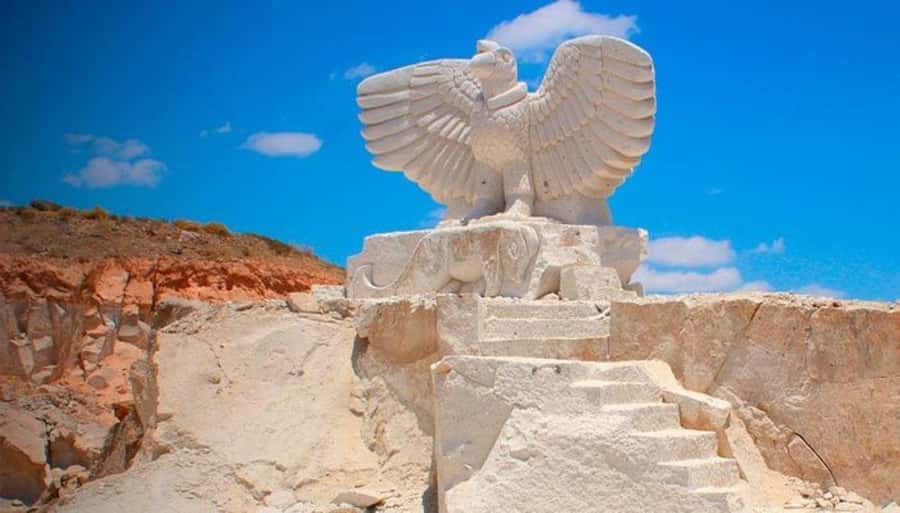
- Mega carving of the Church of the Company of Jesus: A big, hands-on stone-art moment made by the stonemasons.
- Culebrillas Canyon walk (about 20 minutes): You go through the canyon interior, not just along the rim.
- Wari petroglyphs: You’ll see ancient carvings at the end of the walk.
- Apachetas: Stacked stone offerings that add a small, mystical-feeling stop before you head back.
Why this 4-hour Sillar Route works so well
Arequipa’s stone story can sound abstract until you stand in the right place. This tour takes you from viewpoints over the volcano landscape to the quarries where the stone is literally extracted, then finishes with a short canyon walk that adds a deeper, older layer of meaning.
I like the structure: you get three different “ways of looking” at the same region. First, you look from outside at the volcanoes and valleys. Second, you look at the raw material—those huge quarry cliff faces formed by extraction. Third, you look inward in the canyon, where water carved the space and where Wari-era petroglyphs survive. That sequence helps you connect the modern city (stonework you see everywhere) to the older land (water carving and ancient markings).
And yes, you still have time to enjoy Arequipa the rest of the day. A 4-hour tour is a sweet spot here. It’s long enough to matter, short enough not to hijack your itinerary.
You can also read our reviews of more hiking tours in Arequipa
The itinerary timing: 09:15 departure and a fast, focused loop
The day moves in a clean loop:
- 09:15: You start heading toward the Ruta del Sillar (Sillar Route).
- About 45 minutes into the drive, you reach Añashuayco Quarry.
- Then you travel roughly 30 minutes to Quebrada de Culebrillas for the canyon walk.
- 12:30: You start the return trip to Arequipa.
- 13:30: You arrive back in the city.
That timeline matters because it tells you what kind of day this is. You’re not spending hours in a single place. You’re getting the highlights in a steady rhythm, guided by someone who keeps the story moving.
If you’re the type who likes to linger, bring that energy into the canyon walk (where the walking time is fixed) and save extra time for later in the day on your own—when you can stretch your legs and look longer at the details.
Mirador de los Volcanes views: setting the scene before the stone
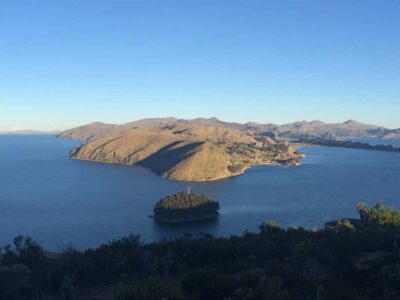
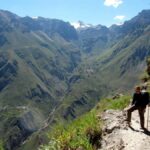
Early on, you’ll stop at a strategic viewpoint where you can see volcanoes and the Chilina Valley. The description also notes that depending on the season, the tour may swap in another traditional viewpoint at the beginning.
This part is simple, but it does something important: it gives you scale. When you see the volcanoes from above, the landscape stops being a flat map background. Then, when you later reach the quarry walls and canyon cuts, your brain has a better sense of where water, stone, and time have shaped the area.
Practical tip: stand where you can see the valley without craning your neck. Sun can be strong, and you’ll want to save energy for the quarry and the canyon walk.
Añashuayco Quarry and the Megacavado: where sillar becomes real
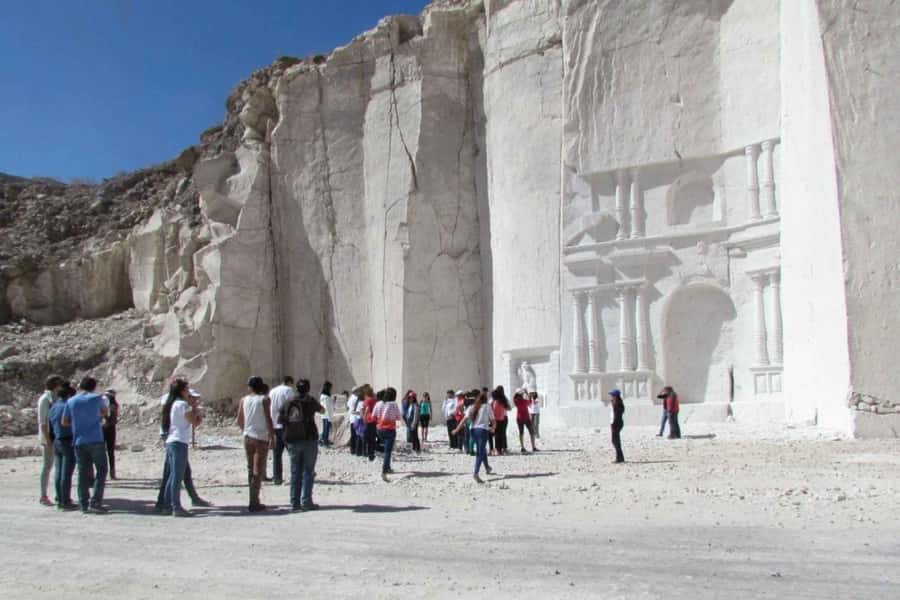
The highlight of the morning is the Añashuayco Quarries stop. You’ll get there in about 45 minutes from the start of the route. Since it’s currently in operation, you’ll likely see stonemasons working very early, which changes the feel of the visit. This isn’t a sealed museum. It’s active stonecraft.
What you’ll actually see in the quarry
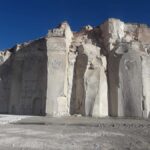
The quarry is described as an immense canyon with cliffs—ignimbrite walls several meters high—formed by the extraction process that creates ashlar/sillar stone. Standing there gives you a clear visual of how the landscape itself is part of the material story.
Your guide will explain:
- the history of ashlar/sillar,
- how it’s produced,
- and the use it’s been given over time.
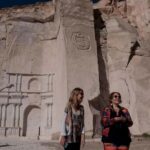
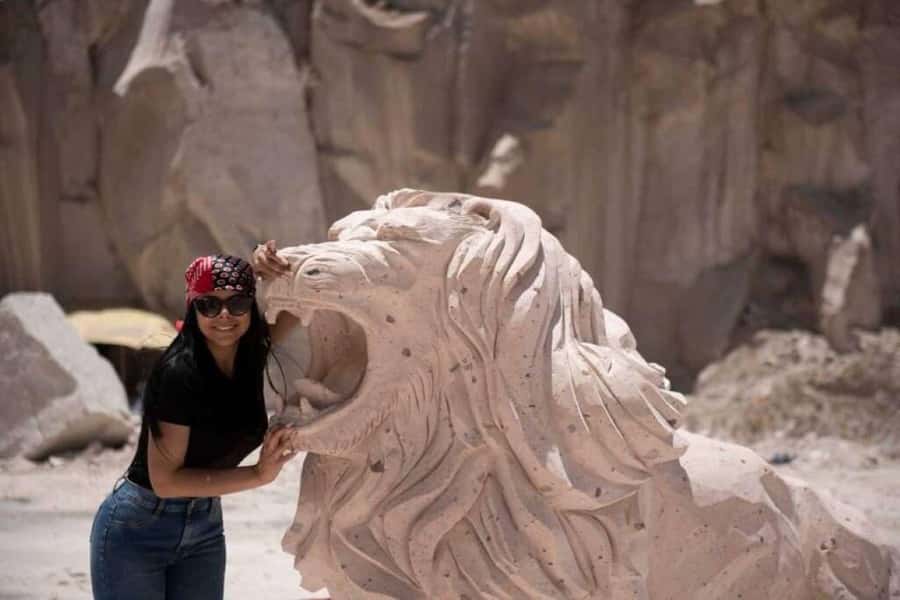
You’ll also see a Mega carving made by the stonemasons: the Church of the Company of Jesus.


The hands-on moments (and what to expect)
One of the best “value per minute” elements here is the chance to visit a stonemason and watch daily work. The tour also includes an opportunity for you to experience cutting one of the stone blocks yourself.
Now, be realistic. This isn’t long enough for you to become a stonecutter. But it is long enough to understand the discipline and effort behind the craft. If you like making sense of why a place looks the way it does, this quarry section will click for you.
A small consideration
Because this is a working quarry, conditions can be dusty and bright. Wear closed shoes, and don’t plan on perfect photo lighting. Bring a hat and be ready for stone dust in the air.
Quebrada de Culebrillas: the short hike that feels bigger than it is
After the quarry, you’ll head about 30 minutes to Quebrada de Culebrillas. Here’s where the tour really becomes a walk, not just a drive-and-look day.
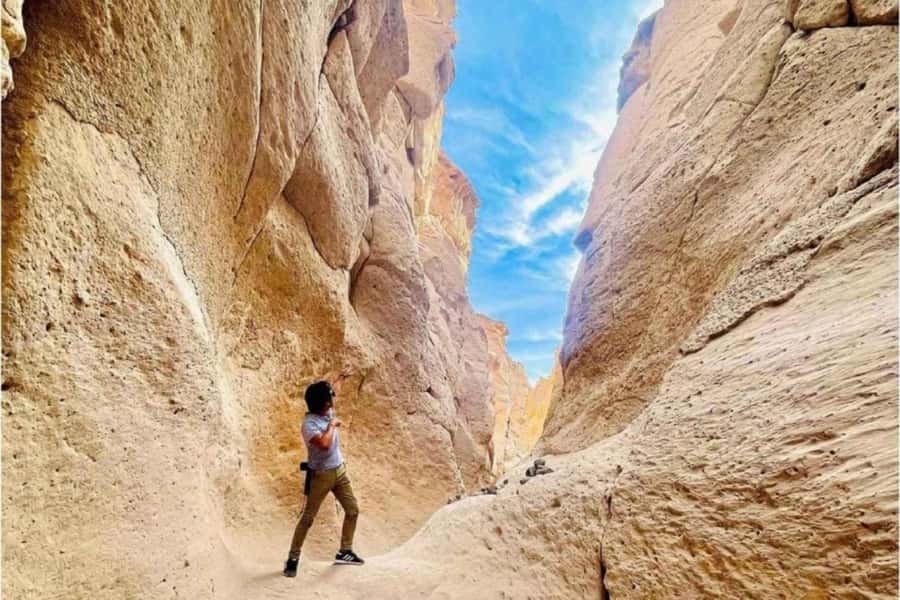
You’ll take a walk of about 20 minutes through the interior of a small canyon formed by the passage of water. The description highlights that the canyon walls are roughly 15 to 20 meters tall, and that the walls increase in height as you go in. That funnel effect makes it feel like the canyon closes around you a bit.
Wari petroglyphs at the end of the walk
At the end of the walk, you’ll see petroglyphs made by the Wari culture, described as more than a thousand years old. That’s the kind of stop that changes your perspective. You go from modern stone extraction to markings left by people who used this landscape in a totally different way.
The walking portion is short, so it won’t exhaust you—but it’s long enough that you’re inside the setting, which is the real point. You’re not just looking at a feature from the outside.
Photo note (because the day can get busy)
The canyon walk is naturally photogenic. In small spaces like this, people will stop, turn, and re-aim their cameras. If you want the guide’s story to land, keep your pace steady and leave time for the group to bunch up—then take your photos on the fly without blocking.
Apachetas: gratitude piles and a moment of quiet
Before heading back to Arequipa, you’ll observe the Apachetas—stone formations stacked one on top of another. They’re described as a symbol of gratitude toward nature and also an attraction of good luck, creating a mystical sensation.
This isn’t a long stop, but it’s a good pause. After the canyon and the quarry’s stonework logic, Apachetas add cultural texture: people marking a relationship with the land, not just extracting it.
If you’re the type who likes meaningful stops, treat this as a moment to slow down. If you’re in photo mode, do a quick look first, then shoot. The meaning usually comes through better when you take ten seconds off from the camera.
Price and value: what $20 gets you (and what costs extra)
The tour is listed at $20 per person for 4 hours. It includes:
- tourist transport
- a professional guide
Not included: entrance tickets to the places, listed as 10 soles.
So how is the value? For me, it’s strongest if you want a guided mix of:
- viewpoint context (volcanoes and valley),
- an active quarry visit with live stonemason craft,
- and the canyon walk with ancient petroglyphs.
If you only want one part—say, just the scenery—then paying for transport + guide may feel like overkill. But if you’re trying to cover multiple signature sights efficiently in one half-day, the price-to-scope ratio is reasonable.
Also, the quarry hands-on element (watching cutting work and trying it yourself) is the kind of included activity that usually costs extra on its own in other tours. Here, it’s part of the package.
Is this really hiking? Know the walking limits
The tour describes the Culebrillas section as a walk through the canyon interior for about 20 minutes. That’s it. There isn’t a longer trek or elevation grind described.
So, if you come expecting hours of trail time, you’ll probably feel disappointed. But if you want short, manageable nature time—enough to experience the canyon walls and reach the petroglyph area—this fits.
My practical advice: wear shoes you’d wear for city errands plus some uneven ground. Bring water. You’ll be fine if you’re comfortable walking for short stretches, but don’t plan this like a day hike.
The guide and audio reality: what to do if the microphone is hard
This kind of group tour depends on the guide’s ability to be heard over transport noise and walking. In at least one documented case, the guide was described as nervous with a heavy accent, so the audio through the microphone wasn’t always easy to understand.
You can’t control that. But you can control how you respond:
- Stand close to the guide during explanations.
- If you miss a key point, ask a quick follow-up.
- Don’t rely on captions from the back of the group. Most important details get lost that way.
The good news: even with imperfect audio, the quarry carvings, the canyon walls, and the petroglyph stop are visual and memorable on their own.
Who should book this Sillar Route + Culebrillas mix
You’ll probably love this tour if:
- it’s your first time in Arequipa and you want a compact introduction,
- you care about how places are made—especially the stone that shapes the city’s look,
- you want a short walking experience that still feels like you went somewhere (canyon interior, not just a viewpoint),
- you like blending modern craft (stonemasons) with older traces (Wari petroglyphs).
You might skip it if:
- you’re hunting for a long hike,
- you expect mostly quiet, ancient-sounding spirituality for the entire day,
- you hate photo-stopping crowds (the canyon and viewpoint spots can attract lots of camera time).
Think of it as a well-edited sampler: you get the main scenes, then you go back to Arequipa to fill in anything you want more deeply.
How to get the most out of your 4 hours
A few simple moves will make the day smoother:
- Arrive ready for stonework dust and sun. Closed shoes, hat, and sunscreen go a long way.
- Pack light but smart. Bring water, a small snack, and a layer in case it cools down.
- Be present at the quarry story. The explanations about ashlar/sillar production and use make the visuals much more meaningful.
- Keep your pace steady in the canyon. You’ll enjoy the experience more, and you’ll reach the petroglyph stop without rushing.
- Use the Apachetas stop for one slow moment. Ten seconds without your phone helps.
If you do just two things—good shoes and attentive listening—you’ll come away feeling like you really understood what you saw.
Should you book this tour?
Book it if you want an efficient, guided half-day that connects Arequipa stonecraft to canyon landscapes and ends with Wari petroglyphs. The $20 price works best when you value the combination: transport + expert guidance + quarry access + a real canyon walk.
Skip or reconsider if your heart is set on long hikes or a slow, quiet retreat day. This is short walking, fast pacing, and a lot of highlight material. That’s not bad—it just needs to match your expectations.
If you’re open to a straightforward, scenic-with-context experience, this one is a solid bet for seeing a different side of Arequipa in only four hours.
FAQ
How long is the Sillar Route with Hiking in Culebrillas tour?
It lasts about 4 hours. The trip starts at 09:15 and you return to Arequipa around 13:30.
What sights do you visit on this excursion?
You’ll see the Sillar Route areas, including Añashuayco Quarry (with a mega carving), plus Quebrada de Culebrillas for the canyon walk and Apachetas. There are also viewpoints that include volcanoes and the Chilina Valley.
Is there an entrance ticket included?
No. Entrance tickets to the places are listed as 10 soles, and they are not included in the tour price.
What does the hiking involve?
The tour includes a walk of about 20 minutes through the interior of the Culebrillas canyon, with canyon walls roughly 15–20 meters high.
What languages is the guide available in?
The live tour guide is available in English and Spanish.
What is included in the price?
The tour includes tourist transport and a professional guide.