REVIEW · AREQUIPA
Full-Day Colca Canyon Tour from Arequipa
Book on GetYourGuide →Operated by PVTravel · Bookable on GetYourGuide
Condors start your morning before sunrise. This 14-hour Colca Canyon day trip from Arequipa blends condor spotting with time in the Pampa Cañahuas reserve for vicuñas, plus little village stops where you’ll see church towers and old stone work.
I especially like the way the schedule is built around timing—early enough to reach the Cruz del Cóndor viewpoint, but still packed with stops like Chivay, colonial villages, and a high pass at Patapampa. The main drawback is that it’s a long day with limited walking, so if you want a trekking-style adventure, this isn’t it.
In This Review
- Key Things I’d Plan Around
- The Very Early Start That Makes Condors Possible
- Breakfast in Chivay Before the Main Viewing Point
- Watching Condors at Mirador de la Cruz del Cóndor
- Beyond the Canyon: Pampa Cañahuas and Reserve Wildlife Time
- Colonial Churches in Pinchollo, Maca, and Yanque
- Choquetico and Antahuilque: Terraces, Tombs, and Stone Details
- Chivay Lunch, a Rest Moment, and a Short Walk Through Town
- Optional La Calera Hot Springs at 35–38°C
- The Patapampa High Point: Volcano Range Views at Around 4,800 m
- Price and Value: What $39 Really Buys You
- Logistics That Matter: Bags, Walking, and the Long Bus Day
- Who Should Book This Colca Canyon Day Tour
- Should You Book This Full-Day Colca Canyon Tour?
- FAQ
- What is the duration of the Colca Canyon tour?
- What time is hotel pickup in Arequipa?
- Where do we have breakfast?
- Is lunch included?
- Is the Colca Canyon entrance fee included in the price?
- Are the thermal baths included?
- What time do we return to Arequipa?
- What language will the guide speak?
- What should I bring?
- Is this tour suitable for wheelchair users?
- Is luggage or large bags allowed?
Key Things I’d Plan Around
- Cruz del Cóndor viewpoint for the condor flight at first light
- Pampa Cañahuas and reserve wildlife including vicuñas, plus an alpaca-style stop
- Andean village churches on the return loop through Pinchollo, Maca, and Yanque
- Choquetico and Antahuilque overlooks for terraces, pre-Inca tombs, and stone-carved details
- Chivay lunch plus short downtime for photos and a relaxed stroll
- Optional La Calera thermal baths at about 35–38°C
The Very Early Start That Makes Condors Possible
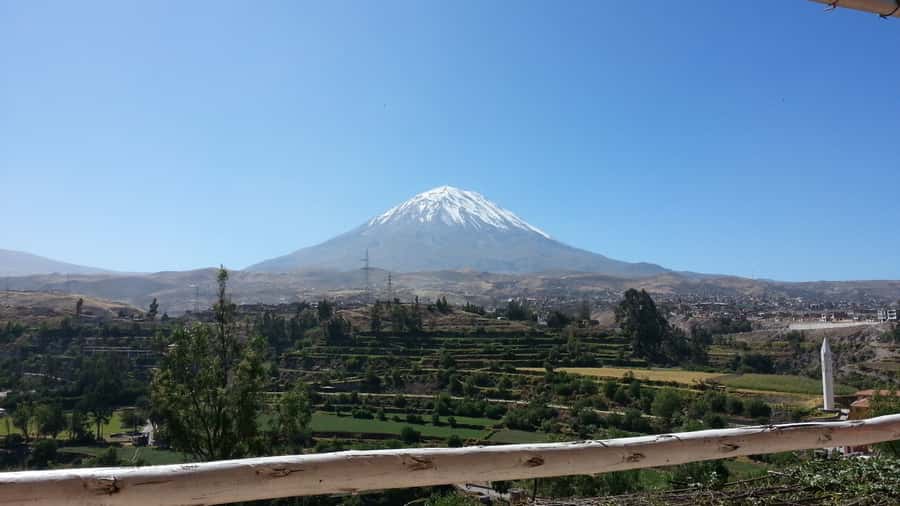
You’ll get picked up from your Arequipa hotel around 3:00 AM, then head out toward the Colca route. It feels extreme the first time you do it, but the payoff is real: condors often fly earlier in the day, and the viewpoint stops are timed for that window.
This tour also gives you a built-in rhythm. You’re not just rushing to one photo and leaving—you’re traveling, eating, and stopping along the way so the day doesn’t feel empty between highlights. One practical note: you’ll want warm layers right from the start. Early mornings at altitude can be bitter, and the “warm clothing” guidance isn’t theater.
You can also read our reviews of more tours and experiences in Arequipa
Breakfast in Chivay Before the Main Viewing Point
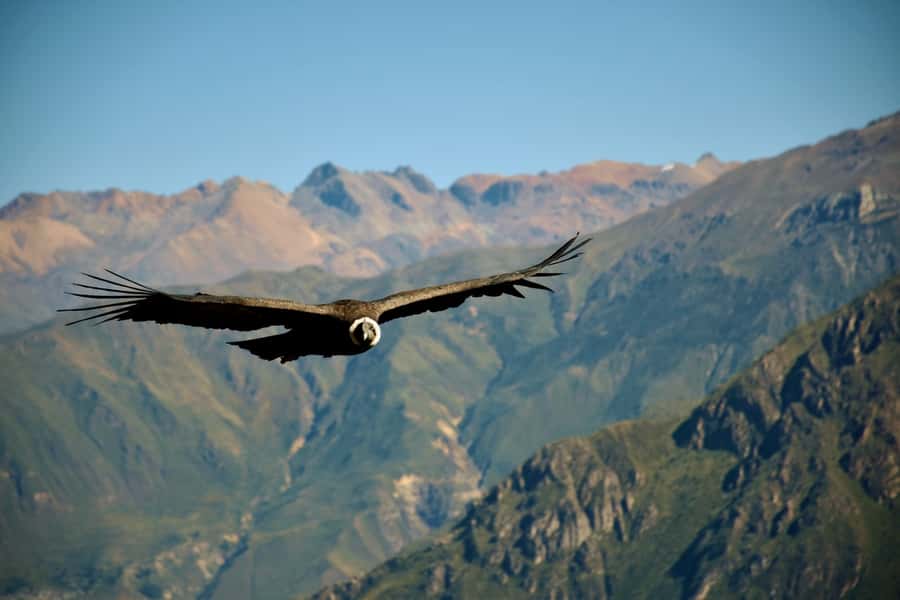
Around 6:00 AM, you reach Chivay for breakfast. It’s a good setup because it helps you fuel up before the main viewpoints, when the cold and excitement can make you forget to eat.
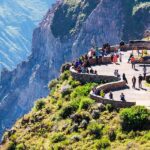
After breakfast, you continue driving for about an hour to Mirador de la Cruz del Cóndor, the strategic observation point for Colca Canyon. This is where the tour earns its reputation: you’re positioned for the condor flight rather than hoping you’ll catch one by luck.
Watching Condors at Mirador de la Cruz del Cóndor
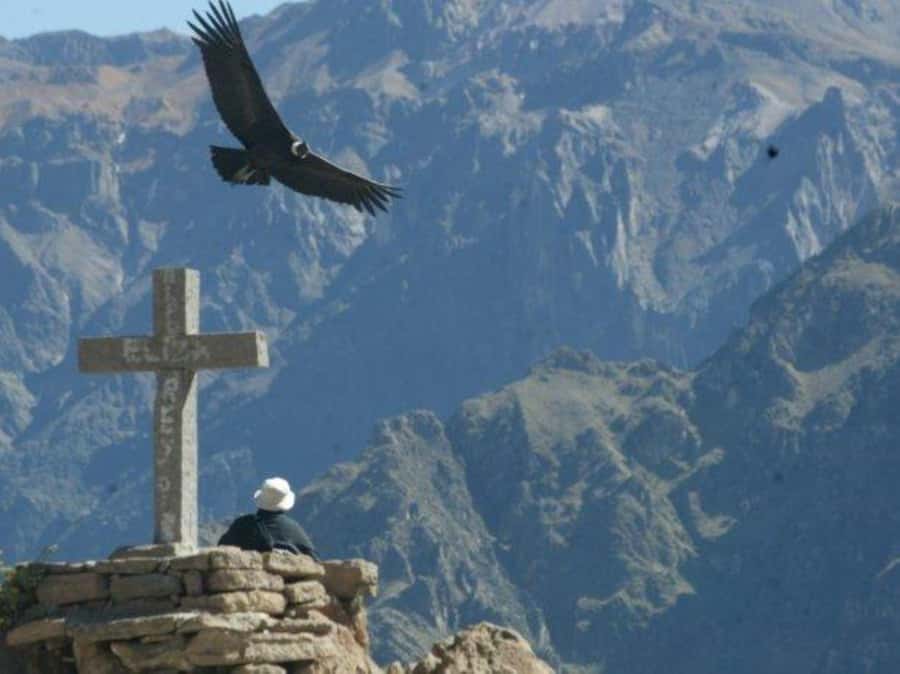
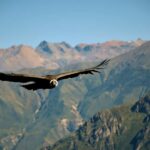
The highlight here is simple: you look out over the canyon and wait for the condors. The best part is that this viewpoint isn’t just a viewpoint—it’s a whole moment. You’ll have time to settle in, take photos, and watch how the birds ride the currents.
If you’re aiming for photos, come prepared for standing still and adjusting your camera settings. Condors don’t always show up on cue, so patience is part of the experience. Also, bring sunglasses and sunscreen even if it’s cold—high-altitude sun hits hard, and your eyes will thank you.
And yes, sightings can be impressive. In the experiences people shared, they didn’t just see condors; they saw multiple birds. That’s the difference between arriving on time versus drifting in later.
Beyond the Canyon: Pampa Cañahuas and Reserve Wildlife Time
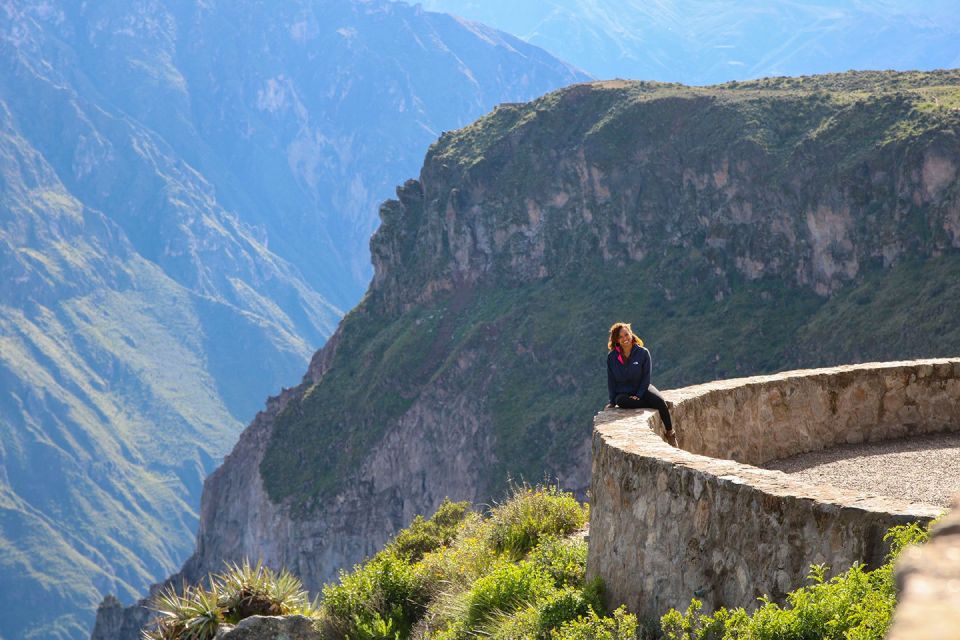
Between Arequipa and Colca, you travel along the Yura road and head toward Pampa Cañahuas—the Aguada Blanca and Salinas National Reserve habitat of vicuñas. This matters because it widens the trip from “one canyon stop” into something more animal-focused and outdoorsy.
You also might get an extra wildlife moment on the way. Some departures include an unexpected stop to see alpacas, which adds variety without turning it into a long detour. If you care about more than scenery—if you like animals and watching behaviors—this is a big reason the day feels complete.
Colonial Churches in Pinchollo, Maca, and Yanque
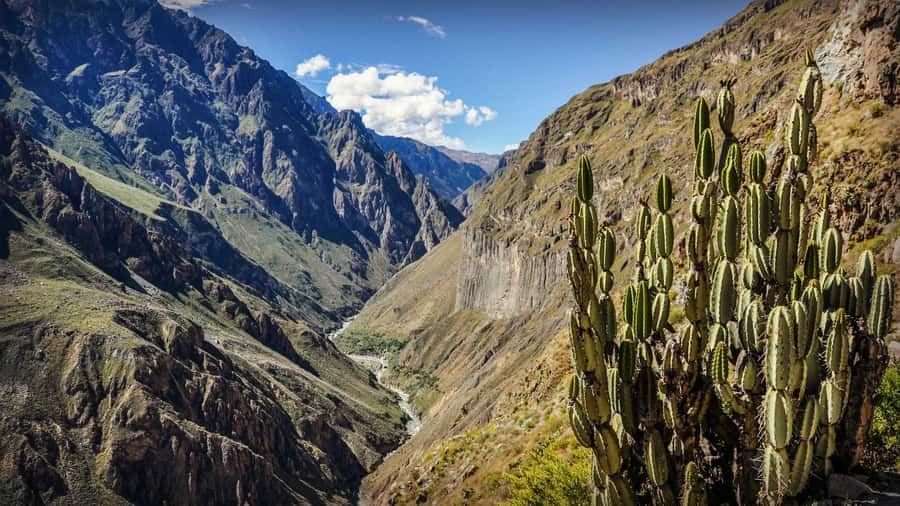
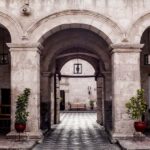
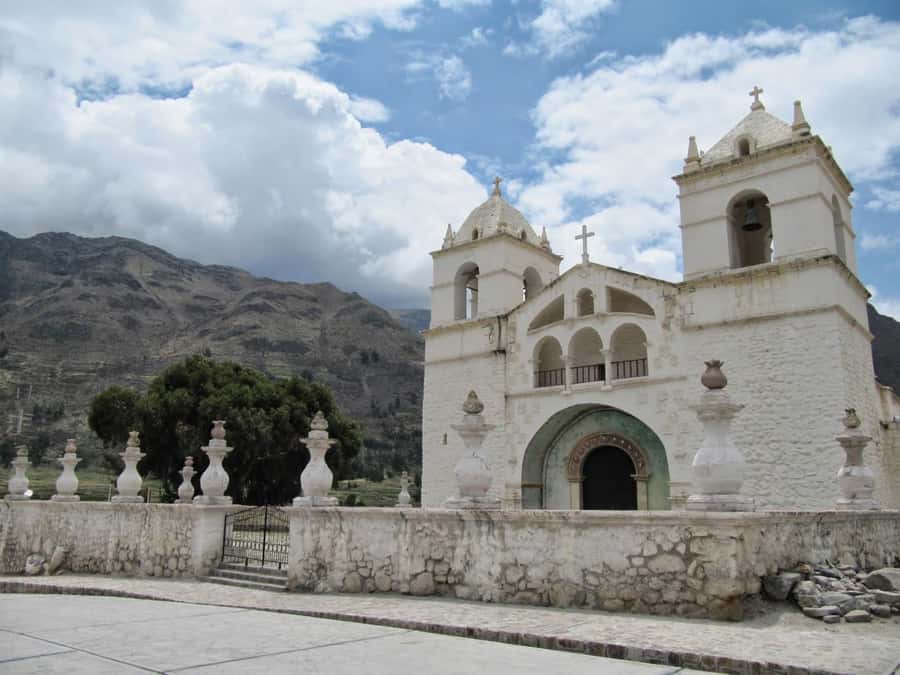
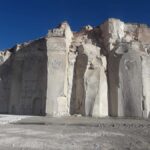
On the return, the tour slows down into smaller cultural stops. You’ll visit typical Andean villages—Pinchollo, Maca, and Yanque—and see colonial churches along the way.
These aren’t long museum-style stops. Think of them as quick cultural anchors: you’re driving between major viewpoints, and these churches break up the day with something human-scale. Even if your Spanish is limited, you’ll still read the place through architecture, materials, and how locals move through the street life.
It’s also a smart pacing choice. After the early-morning intensity and the big canyon focus, these stops let your eyes rest and your brain catch up.
Choquetico and Antahuilque: Terraces, Tombs, and Stone Details
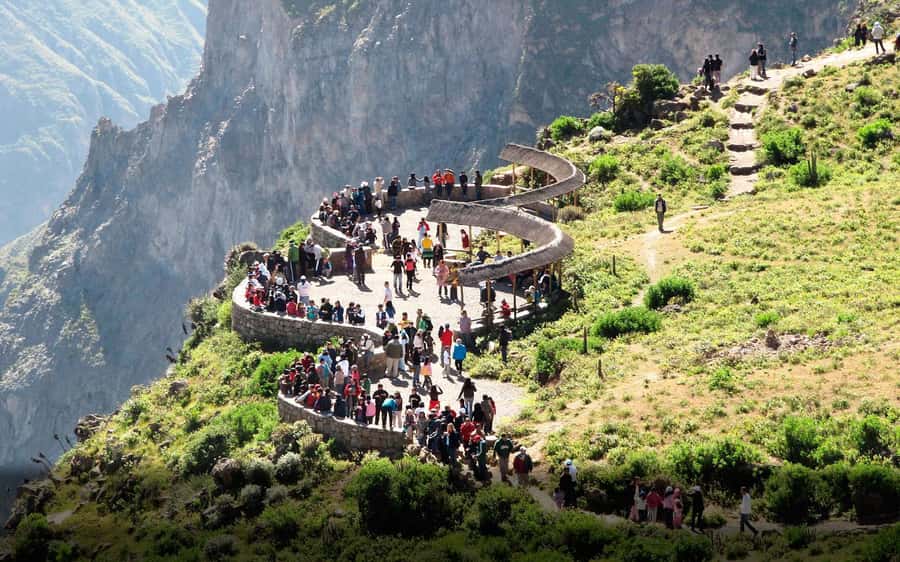
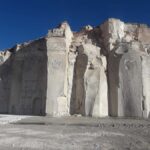
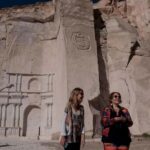
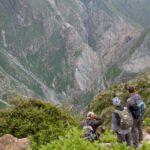
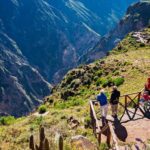
The views from Choquetico and Antahuilque are where the scenery becomes more than just “wow.” From these viewpoints, you can observe the engineering of the valley—terraces shaped for farming—plus pre-Inca tombs and a stone model of the area.
This part is valuable because it gives you context. Colca isn’t only a canyon with steep sides. It’s also a landscape that people worked for centuries. Even from a distance, you’ll start noticing how the valley is organized, and that makes the whole canyon experience click.
One thing to remember: this tour is still mostly viewpoint-based. If you expect a long walk down into the valley, plan for short stretches and observation time instead.
Chivay Lunch, a Rest Moment, and a Short Walk Through Town
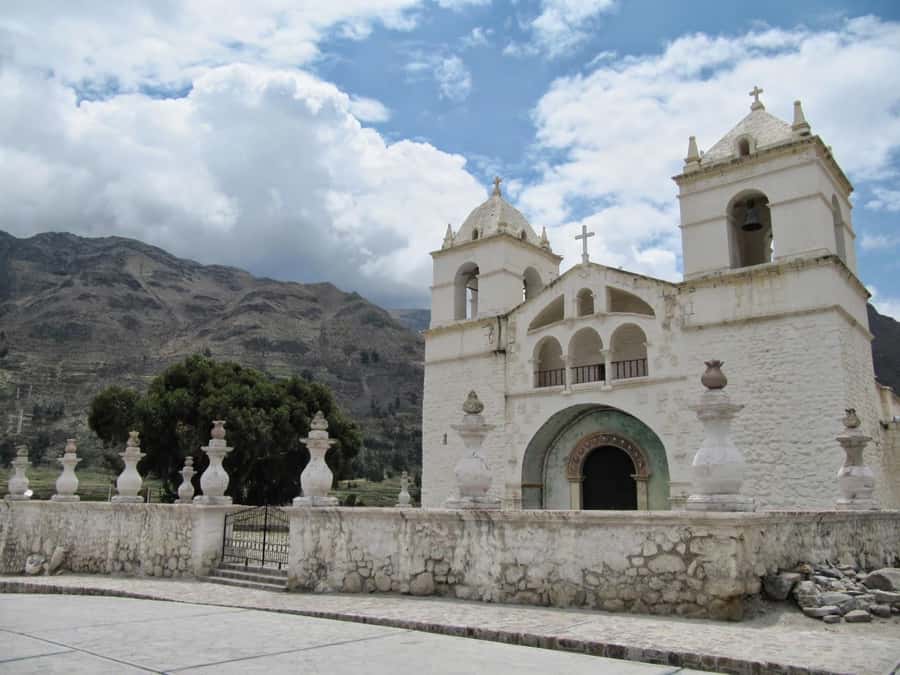
Back in Chivay, you’ll have lunch and some downtime. This is a good reset after hours of driving and standing around outdoors. You also get a chance to walk through Chivay’s little streets, which helps the day feel less like a bus route and more like a real place you briefly visited.
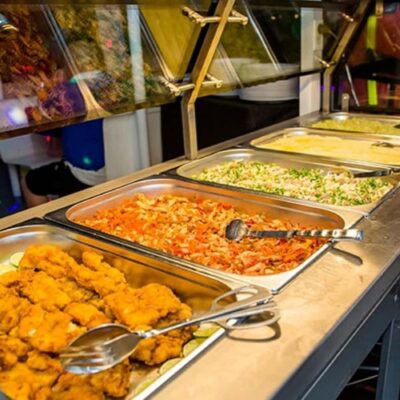
Food can be a highlight here. Some participants reported a buffet-style lunch with options like alpaca and cuy (guinea pig). If you’re curious about trying Andean dishes, this is one of the easier ways to do it without turning your day into a food hunt.
A small tip: eat at least half the meal. You still have more driving and a high pass coming up, and a full stomach makes the return more comfortable than you’d expect.
Optional La Calera Hot Springs at 35–38°C
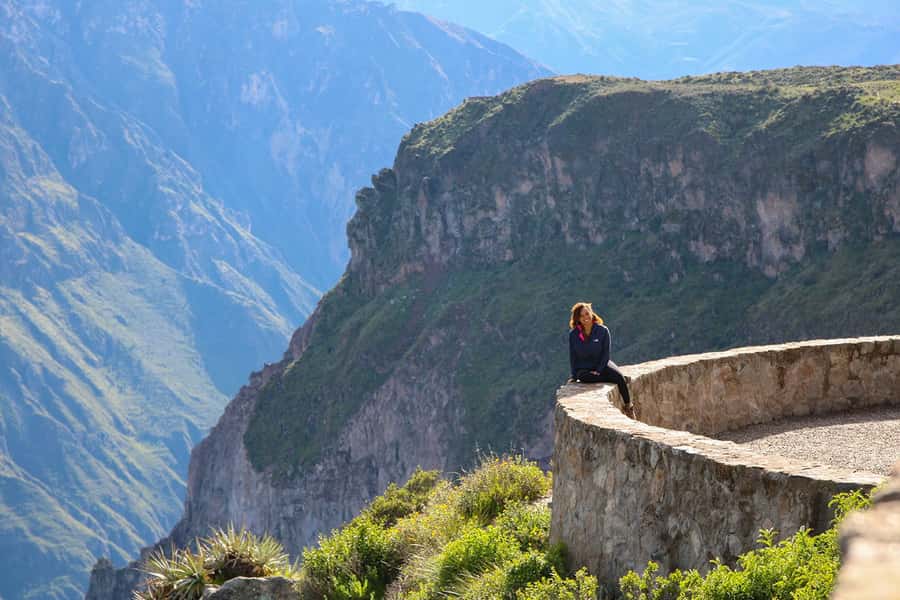
After lunch and rest, you’ll have the option to soak at La Calera thermal baths. The waters are typically 35–38°C, and you’ll spend about one hour there.
This is a great choice if your body feels the long day in your knees, hips, or feet. Even better, the warmth can take the edge off altitude fatigue—assuming you don’t mind getting chilled after leaving the water (bring layers for the walk back).
If you skip the baths, plan for waiting. In at least one experience shared, people who didn’t go ended up waiting outside in the sun for close to an hour. So if you’re thinking of skipping, bring something to occupy yourself and protect yourself from the sun.
The Patapampa High Point: Volcano Range Views at Around 4,800 m
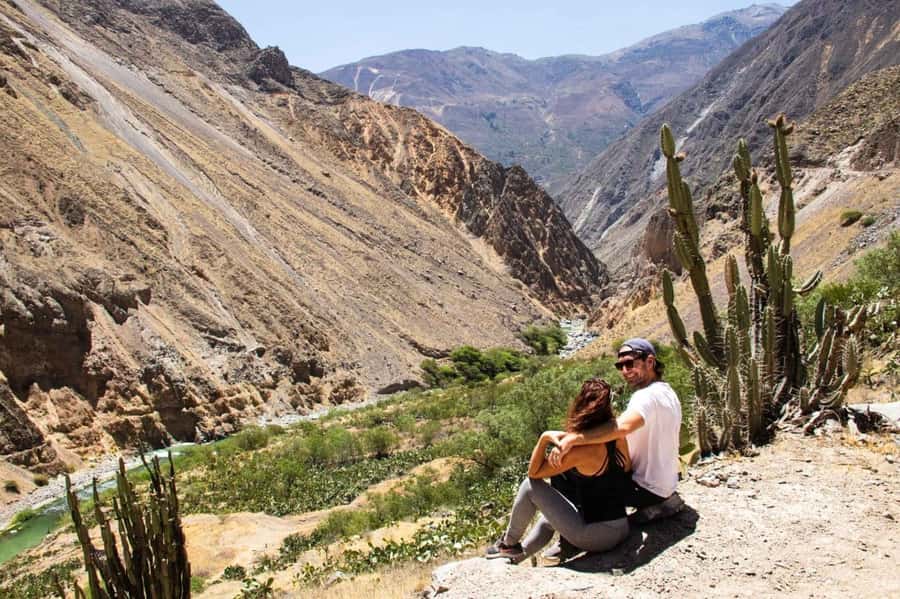
At about 2:00 PM, you start driving back toward Arequipa. En route, you’ll stop at Patapampa, around 4,800 meters—the highest point between Colca Canyon and Arequipa.
This is one of those “thin air, big sky” stops where the scenery changes character. The main payoff is the volcanic mountain range views. And because you’re already dressed for cold, this is a relatively easy way to add another dramatic viewpoint without committing to trekking.
Altitude matters here. Even if you feel fine in Arequipa, the time spent higher can hit your breathing and energy. You’ll want your water bottle and you’ll want to move slowly during any stops.
Price and Value: What $39 Really Buys You
At $39 per person, this tour is priced like a budget-friendly way to get the biggest Colca hits in one shot. The value comes from bundling: transport, a professional guide, breakfast in Chivay, and hotel pickup/drop-off in central Arequipa.
That said, a couple costs can add up:
- Colca Canyon entrance fee is not included (listed as S/70 per person).
- Lunch in Chivay is included only if you select the lunch option.
- Hot springs entrance at La Calera is not included.
Still, even with those extras, you’re typically paying less than arranging separate transport and paid guiding for multiple stops on your own. The real “cost” is time: it’s a full 14-hour day, so make sure your schedule can handle an early pickup and a late return. You’ll be back around 5:00 PM.
Logistics That Matter: Bags, Walking, and the Long Bus Day
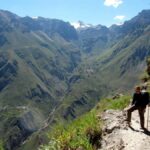
This tour doesn’t work like a hands-on trek. There’s walking, but it’s not a hiking itinerary. Expect mostly viewpoint time, short strolls, and village stops.
Also, avoid packing heavy. The tour notes say no luggage or large bags. If you want a smooth day, bring a compact bag, keep essentials easy to reach, and remember that you’ll be changing layers often.
Road conditions can affect comfort. Some participants noted bumpy sections, and the best strategy is simple: relax, use that early start as a chance to sleep, and dress for temperature swings.
Who Should Book This Colca Canyon Day Tour
Book it if:
- You want the condor flight experience without planning complicated logistics.
- You like a mix of canyon views plus reserve wildlife like vicuñas.
- You’re okay with a long day and want mostly viewpoints over heavy trekking.
- You want a guide who can explain what you’re seeing in the villages and from the observation points.
Consider a different option if:
- You want a full trekking day down in the canyon.
- You need wheelchair access (this tour is not suitable for wheelchair users).
- You’re sensitive to early mornings and high-altitude fatigue without any buffer time.
Should You Book This Full-Day Colca Canyon Tour?
If you’re doing Colca as a “one-day must-see,” I think this is a solid pick. You get the big-ticket moment at Cruz del Cóndor, a reserve stop toward Pampa Cañahuas for vicuñas, and a return route through villages like Pinchollo, Maca, and Yanque, with extra context from Choquetico and Antahuilque.
Just go in with the right expectations: it’s a long, viewpoint-heavy day. Bring warm layers, pack light, and plan for limited walking. If that fits your travel style, you’ll likely come away feeling you saw the Colca essentials without overcomplicating your trip.
FAQ
What is the duration of the Colca Canyon tour?
The tour runs for about 14 hours.
What time is hotel pickup in Arequipa?
Pickup from central Arequipa accommodations is around 3:00 AM.
Where do we have breakfast?
Breakfast is served in Chivay.
Is lunch included?
Lunch in Chivay is included if you select the lunch option.
Is the Colca Canyon entrance fee included in the price?
No. The entrance fee to Colca Canyon is S/70.00 per person.
Are the thermal baths included?
Thermal baths in La Calera are optional, and the entrance fee is not included.
What time do we return to Arequipa?
You should be back in Arequipa around 5:00 PM.
What language will the guide speak?
The guide is available in Spanish and English.
What should I bring?
Bring comfortable shoes, warm clothing, and essentials like a poncho in case of rain, gloves, sweater, hat or cap, sunglasses, sunscreen, insect repellent, a camera, a water bottle, and a valid ID.
Is this tour suitable for wheelchair users?
No, it is not suitable for wheelchair users.
Is luggage or large bags allowed?
No luggage or large bags are allowed.