REVIEW · AREQUIPA
From Arequipa: Colca Canyon Full-Day Guided Tour with Meals
Book on GetYourGuide →Operated by BABY LAMA · Bookable on GetYourGuide
Condors make this early start worth it. This full-day Colca Canyon tour from Arequipa is built around Cruz del Cóndor and the chance to spot Andean condors soaring over the canyon. I also like how the day mixes big views with real breaks, so you’re not stuck staring out a bus window the whole time.
My second big reason I’d recommend it: the food and animal stops actually matter. You get a simple but solid breakfast in Chivay, then a buffet lunch with traditional Andean dishes, and later you visit Salinas and Aguada Blanca to look for alpacas and vicuñas in the wild.
The main catch is the long day and the altitude. The tour reaches a viewpoint around 16,000 feet (about 4,900 meters), so if you’re prone to altitude sickness, this is a no.
In This Review
- Key Things You’ll Notice
- The 2:50 a.m. start: how to be ready for altitude
- From Arequipa toward the Colca rim: photo stops and a real breakfast in Chivay
- The Colca Canyon edge: why Cruz del Cóndor is the heart of the trip
- Midday breaks: Antawilke terraces, Yanque hot springs, and Patapampa viewpoints
- Buffet lunch in Chivay: where the Andean ingredients actually show up
- Chacapi hot springs: the best kind of reset after the canyon
- Salinas and Aguada Blanca National Reserve: alpacas, vicuñas, and quick wildlife odds
- Guides and pacing: why the day feels full (not chaotic)
- Price and logistics: what $42 really buys (and what costs extra)
- What to bring (so the day doesn’t annoy you)
- Who this tour fits best (and who should skip it)
- Should you book this Colca Canyon full-day tour?
- FAQ
- How long is the Colca Canyon full-day guided tour?
- What time does pickup happen in Arequipa?
- What meals are included?
- Is the national park entrance fee included?
- Are hot springs included?
- What language is the live guide?
- What should I bring for this high-altitude day?
Key Things You’ll Notice
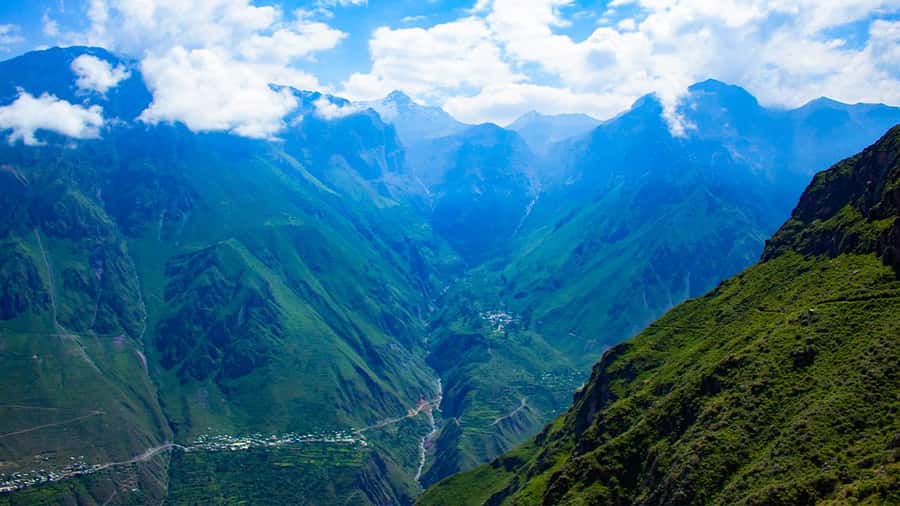
- Cruz del Cóndor for condors: about an hour for walking, scanning the canyon edge, and watching the nesting area.
- A guide who actually works the day: you might hear stories and spotting tips from guides like Nelson or Angel (English or Spanish).
- High-altitude viewpoints add variety: photo stops along the way keep things moving from canyon to plains.
- Chacapi hot springs reset your body: roughly an hour to swim and thaw after cold elevations.
- Salinas and Aguada Blanca wildlife time: a short reserve stop with chances to see alpacas, vicuñas, and maybe foxes.
- Meals are part of the value: breakfast plus a buffet lunch with Andean ingredients, not just snacks.
The 2:50 a.m. start: how to be ready for altitude
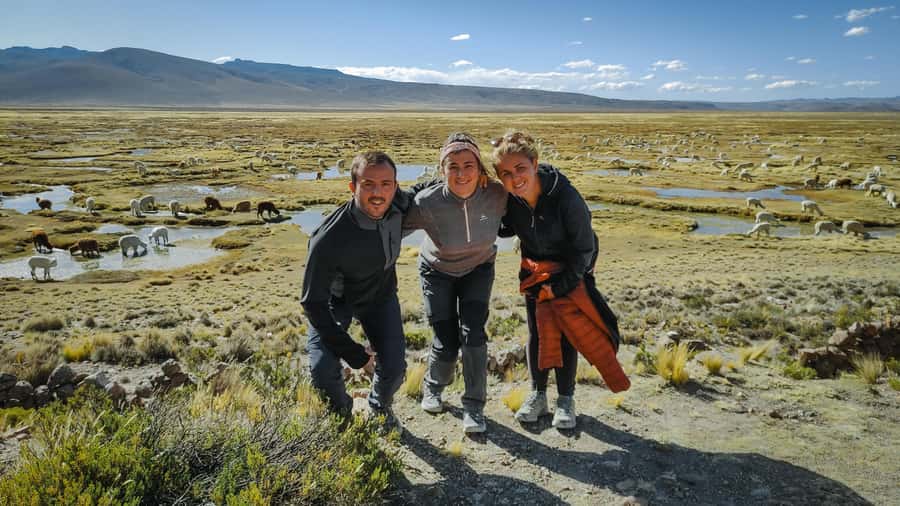
This tour is one of those Arequipa classics that begins so early you’ll feel like the day has already started without you. If you’re not picked up at your hotel, you’ll meet at Plaza de Armas around 2:50 a.m., and then the bus heads out for the long scenic drive.
Bring warm layers. Even if Arequipa feels mild, high points in the Colca route can be biting, and you’ll be standing around for views. Sunglasses and sun hat help too, because brightness hits hard at altitude.
Plan for altitude seriously. The day includes time at very high elevations (around 16,000 feet / 4,900 meters). If you’ve had altitude issues in the past, skip this one and choose an easier itinerary.
You can also read our reviews of more tours and experiences in Arequipa.
From Arequipa toward the Colca rim: photo stops and a real breakfast in Chivay
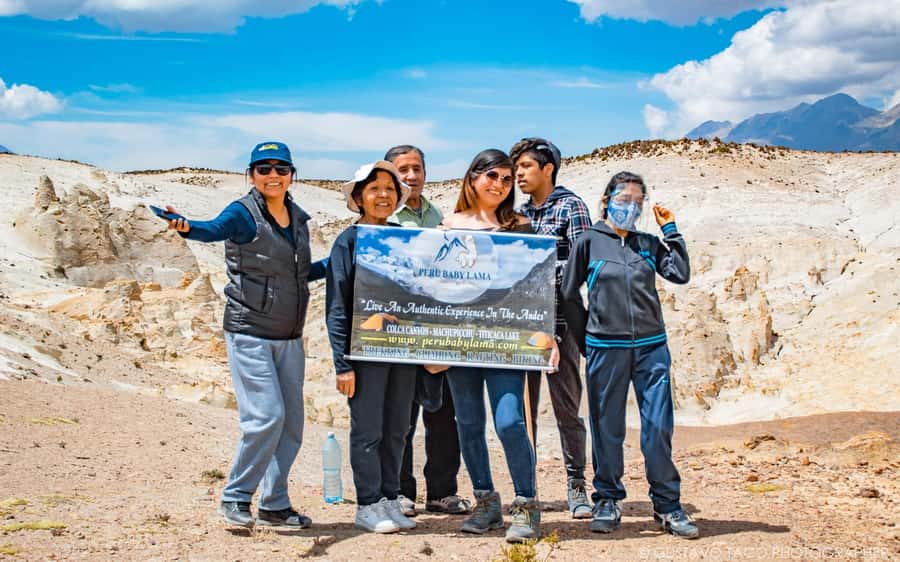
Once you leave Arequipa, you’re in “scenic drive mode,” with regular breaks to stand up, stretch, and take photos. There’s a short stop for Andes Mountains views early on, plus additional stops along the route that can include places like Antawilke’s pre-Inca terraces.
Then you hit Chivay for breakfast. It’s not a fancy hotel meal, but it’s practical and warm: bread, scrambled eggs, jam, butter, tea/coffee, and juice. The point here is fuel. A full day at altitude is not the time for skipping breakfast and hoping for the best.
The drive to the canyon area takes time. That’s the trade-off for seeing Colca in a single day. The good news is the tour uses the time with short stops, so you’re not trapped in one long stretch.
The Colca Canyon edge: why Cruz del Cóndor is the heart of the trip
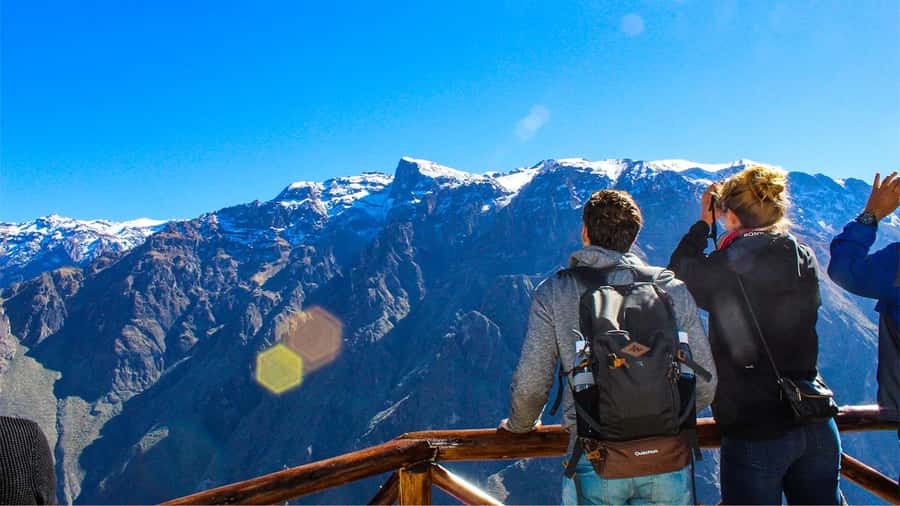
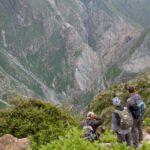
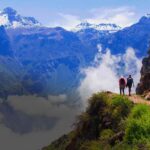
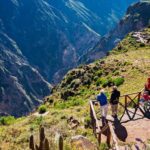
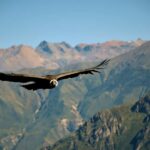
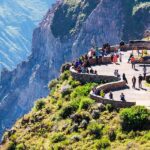
This is where the whole day aims its lens. At Mirador Cruz del Cóndor, you get about an hour for wildlife viewing, walking along the edge (with time to wander a bit), and free time to look for condors.
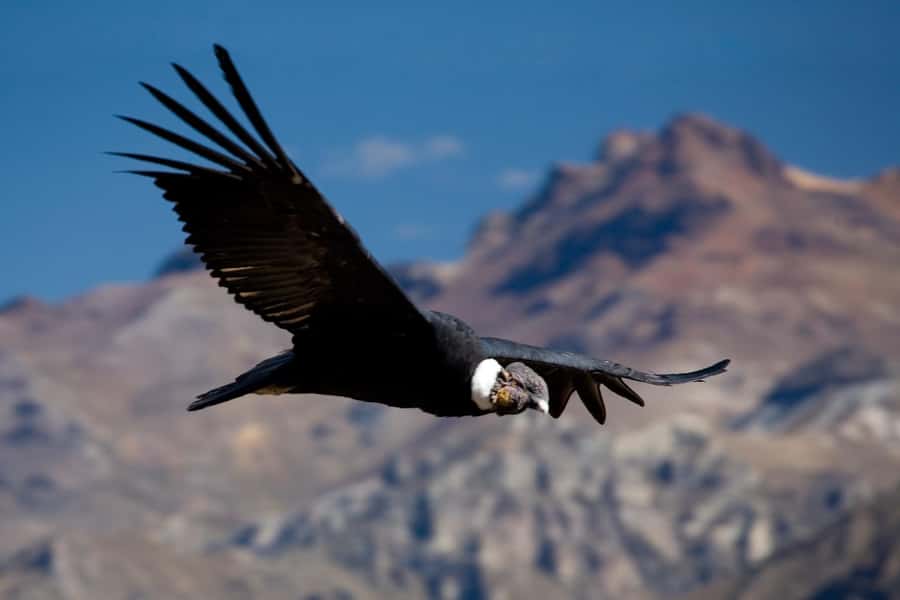
The viewpoint sits near a nesting area, which is why guides keep urging you to scan the sky and watch the wind. It’s also why patience pays off. Condors don’t show up like clockwork, so the best strategy is to slow down, keep your eyes up, and let others point them out as they arrive.
If you’re hoping for the big moment—condors circling and crossing the canyon—you have a strong chance of seeing them. Multiple recent groups reported seeing several condors, and in some cases a lot of flights happening during that hour.
If it’s clear out, this stop delivers. If clouds roll in, you can still enjoy the scale of the canyon and the viewpoints, but your condor odds can drop.
Midday breaks: Antawilke terraces, Yanque hot springs, and Patapampa viewpoints
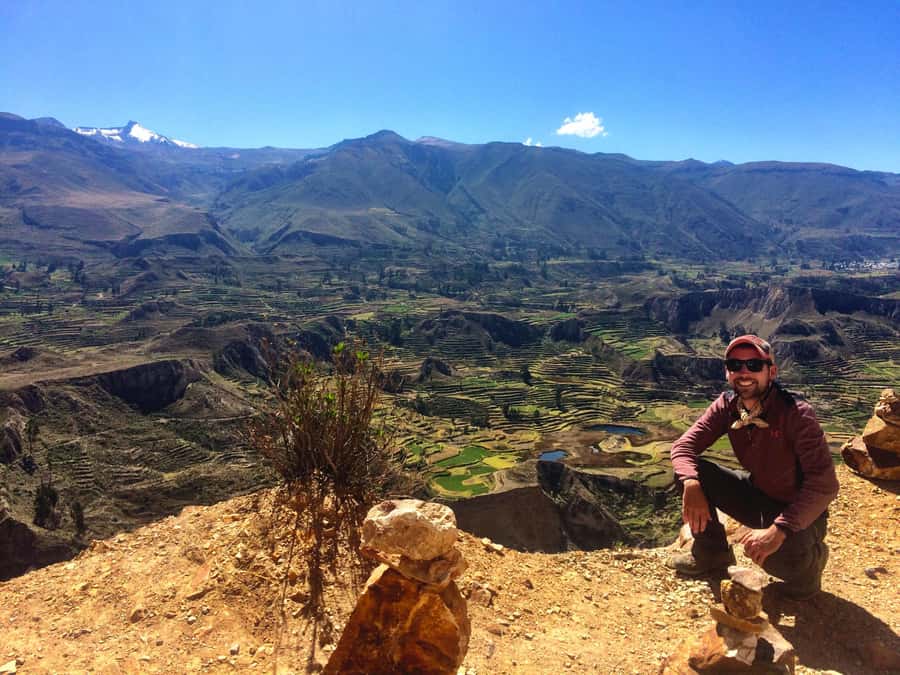
Between the canyon and the reserve, the tour builds in variety. You may stop at Antawilke for views and a glimpse of pre-Inca terrace patterns that still shape the region. You might also pass through areas associated with Yanque hot springs, depending on the day’s routing.
There’s also a scenic viewpoint stop called Patapampa, where you can take in wide Andes views. Think of these stops as the “keep your brain interested” section. You’re not just going from point A to point B. You’re getting different angles on the high plateau.
These breaks aren’t huge adventures, but they matter because they change what you’re looking at. After a morning at altitude, that visual variety keeps the day from feeling flat.
Buffet lunch in Chivay: where the Andean ingredients actually show up
Lunch in Chivay is a buffet with traditional Andean dishes. The format matters: you’re not stuck with one option that might be bland or repetitive. Instead you can build your plate based on what looks best to you.
From what I’d expect with Andean cuisine here, you’ll likely see items made with local products, and the buffet is generally described as well-prepared compared with the “tour bus meal” stereotype. Some people specifically highlight dishes like alpaca with sauces such as chimichurri.
One practical note: not every drink may be automatically included beyond what’s listed for breakfast and the tour’s included meal items. If you want bottled water or extras, keep some cash on hand.
You can also read our reviews of more tours and experiences in Arequipa
Chacapi hot springs: the best kind of reset after the canyon
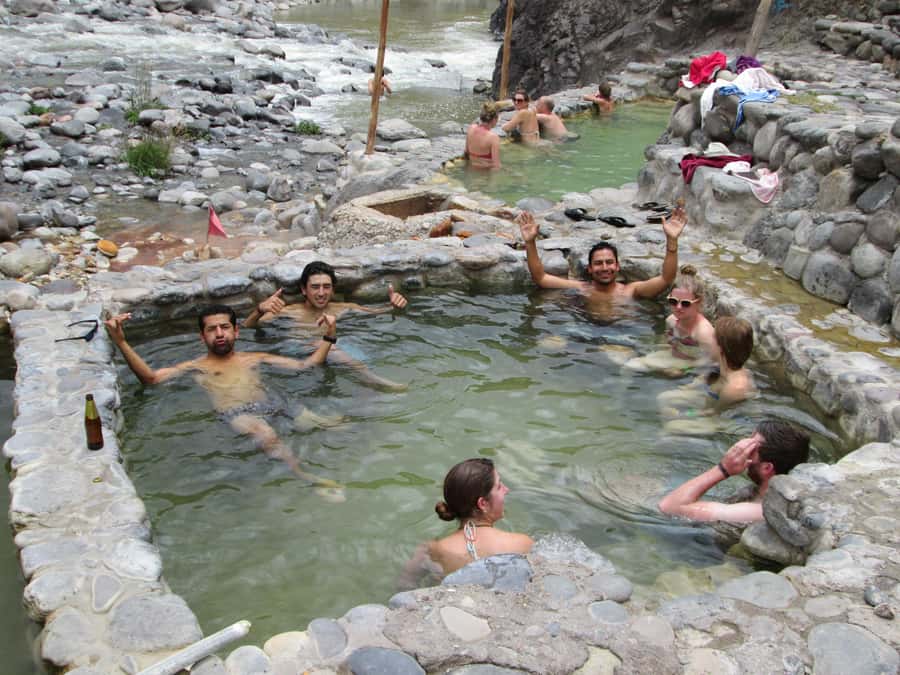
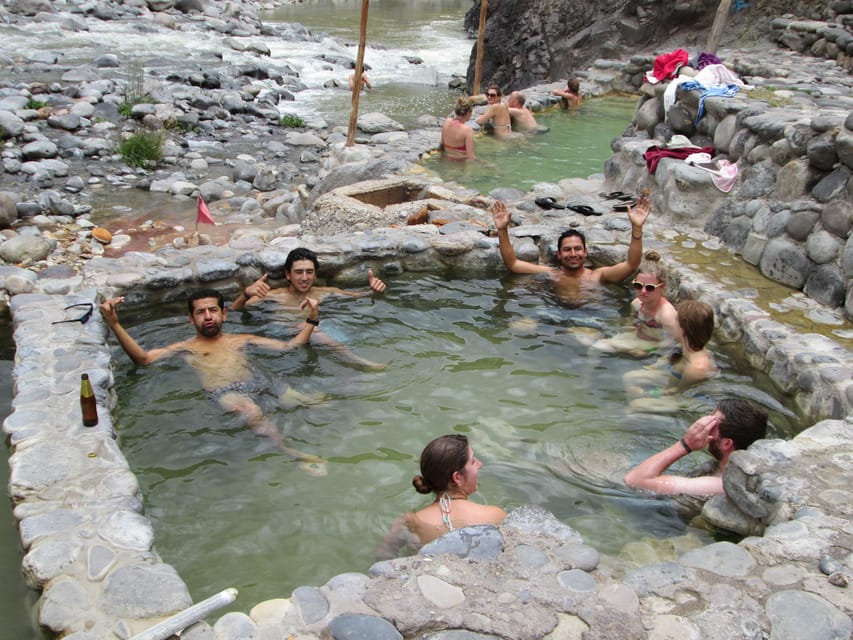
After lunch, the day often flows toward Chacapi Hot Springs, where you spend about an hour swimming. This is your decompression window. The water helps after cold air and lots of standing.
The hot springs are also where the tour can add a little extra fun, and some groups mention options like a zip line or other activity add-ons. Those aren’t guaranteed in the basic description you’re booking, so treat them as a possible bonus rather than a sure thing.
Pack what you need for the water. The tour suggests bringing a towel, and you’ll want warm clothes for the ride afterward. The temperature drop after soaking can feel dramatic.
Salinas and Aguada Blanca National Reserve: alpacas, vicuñas, and quick wildlife odds
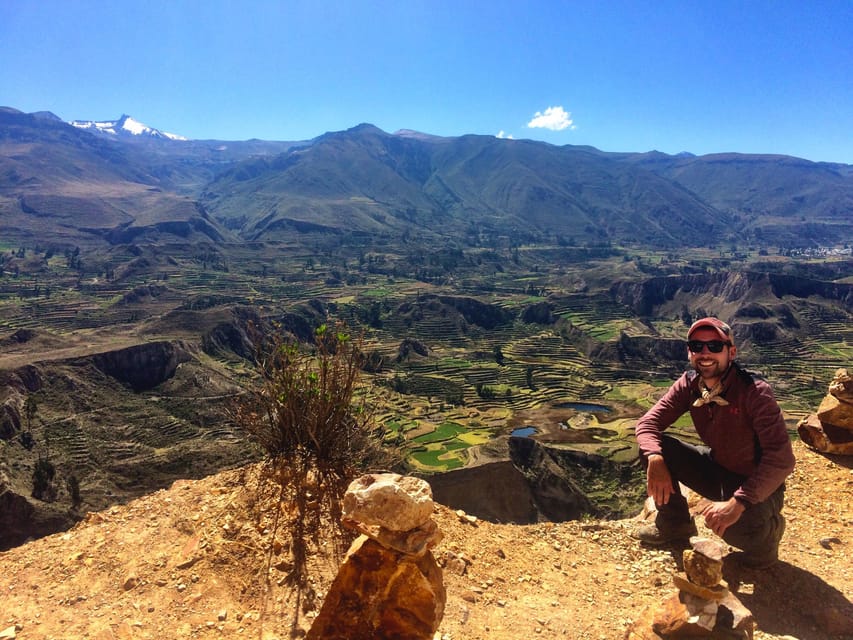
Later in the day, you’ll visit Salinas and Aguada Blanca National Reserve. This is another high point of the itinerary, not because it’s long, but because it’s focused: wildlife viewing.
You’re looking for alpacas and vicuñas in their natural habitat. Even with only about a short stop (photo time plus a guided portion), the area is the right kind of place to spot animals grazing. If you’re lucky, you might also see other wildlife like Andean foxes, since the tour description specifically mentions that possibility.
Because it’s a reserve, your best results come from two things:
- stay alert when the guide points things out
- don’t waste your viewing time rummaging in your bag
This stop is short, so it’s not the day to expect a full safari-style experience. But as a wildlife add-on to condors and canyon views, it’s a nice payoff.
Guides and pacing: why the day feels full (not chaotic)
A huge reason this tour gets strong ratings is the way it’s run. Guides like Nelson and Angel are repeatedly praised for being entertaining and for explaining what you’re seeing, not just herding you from stop to stop.
Expect plenty of small “micro moments”: quick photo stops, short walks, and structured time at the key viewpoints. Drivers also matter on this route because mountain roads can be slow and winding. Comfort helps on a day this long.
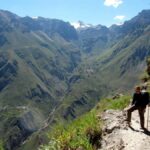
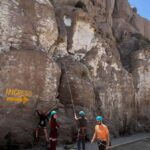
One thing I appreciate is that the tour doesn’t treat everyone the same. Many groups mention a short optional hike near the canyon viewpoints. If you want more movement, you can add it. If you want to keep it easier, you can stick to the main viewing areas.
Yes, it’s still a long day with a lot of driving. But the stops are chosen for variety—canyon, viewpoints, hot springs, lunch, and reserve wildlife—so the time on the bus doesn’t feel like wasted hours.
Price and logistics: what $42 really buys (and what costs extra)
At $42 per person, the tour price is attractive for a full-day guided package. You’re paying for:
- air-conditioned transportation
- a live guide (English and Spanish)
- breakfast
- a buffet lunch
The big extra costs to budget for are entrance fees. The national park entrance fee is not included (listed as 70 soles per person). If you want to swim at the hot springs, there’s also a hot springs entrance fee (15 soles per person, optional).
So the real value equation is simple: compare the cost of transport and a guide for a 13–14 hour day plus two meals, against the extra entrance fees. For many people, it still pencils out well—especially if you don’t want the hassle of arranging a multi-stop day yourself.
Also bring cash. Some stops may not be card-friendly, and you may want small purchases like snacks, drinks, or even restroom fees at certain locations. One review tip that stuck with me: having small coins helps for bathroom payment.
What to bring (so the day doesn’t annoy you)
Use the weather reality of high altitude. Bring:
- warm clothing and a jacket
- sunglasses and a sun hat
- sunscreen
- water (and a reusable bottle)
- a towel (for hot springs)
- a camera
- cash for entrance fees and small purchases
Also, expect the day to be early and long. Comfort items matter: something to block wind, and a layer you can put on fast when you stop moving.
Who this tour fits best (and who should skip it)
This is ideal if you want a condor-and-canyon experience but you only have one day in Arequipa. It also works well if you like built-in guidance—someone else plans the route and timing, and you focus on seeing.
It may be less ideal if:
- you get altitude sickness easily
- you hate long drives and early mornings
- you want a relaxed, slow-paced itinerary with lots of time at one spot
If you’re worried about altitude, choose a different plan or talk to a travel clinic before you go. The tour’s height makes it more serious than a simple sightseeing day.
Should you book this Colca Canyon full-day tour?
If you can handle altitude and you’re okay with a very long day, I think this is a smart way to experience Colca without committing to multiple nights. The strongest reason to book is simple: you’re targeting the condors at Cruz del Cóndor plus you get hot springs, a solid lunch, and a reserve stop for alpacas and vicuñas—all with guide-led structure.
I’d only say skip it if altitude worries you. Otherwise, you’ll likely love the combination of canyon scale, wildlife viewing, and food that’s more than a token meal.
FAQ
How long is the Colca Canyon full-day guided tour?
It lasts about 14 hours (the tour description also notes approximately 13 to 14 hours depending on conditions).
What time does pickup happen in Arequipa?
If you are not picked up from your hotel, you meet at Plaza de Armas in Arequipa at about 2:50 a.m. If you are on the pickup list, pickup is coordinated in the morning by WhatsApp.
What meals are included?
Breakfast is included (bread, scrambled eggs, jam, butter, tea/coffee, and juice). Lunch is included as a buffet with traditional Andean dishes.
Is the national park entrance fee included?
No. The national park entrance fee is listed as 70 soles per person and is not included.
Are hot springs included?
Hot springs swimming time is part of the day, but the hot springs entrance fee (15 soles per person) is optional and not included.
What language is the live guide?
The guide is available in English and Spanish.
What should I bring for this high-altitude day?
Bring warm clothing, sunglasses, a sun hat, sunscreen, water (reusable bottle recommended), a camera, cash, a jacket, and a towel.