REVIEW · AREQUIPA
Colca Canyon: 2-Day Tour from Arequipa to Puno
Book on GetYourGuide →Operated by Peru & U · Bookable on GetYourGuide
A canyon this deep and a lake this big in just two days? This route is interesting because it strings together wildlife, high-altitude views, and a straight shot from Colca into the Inca heartland around Lake Titicaca. I like the built-in chance to spot giant Andean condors over Colca’s famous viewpoints, and I like how the drive climbs through volcano country on Day 1.
Two days like this also gives you a clean rhythm: get altitude views, watch animals, sleep in Chivay, then start early for canyon time before you roll on to Puno. My one caution is the long transfer from the canyon area toward Puno, which can feel rough depending on road conditions and how the vehicle handles the route.
If you’re the type who enjoys seeing a lot without fussing over tiny details, this trip fits. If you need a slow pace or perfectly smooth rides, plan for that too.
In This Review
- Key things to know before you go
- Colca Canyon meets Lake Titicaca: why this 2-day route is a smart use of time
- Day 1 from Arequipa to Chivay: volcano roads and Pampa Cañahuas wildlife time
- Night in Chivay: why an overnight matters for altitude and for your mood
- Day 2 early start: Mirador Cruz del Condor and the condor-watching setup
- The long coach ride to Puno: Titicaca, lagoons, flamingos, and trout farms
- What the guide and driver do for your trip (not just directions)
- Price and value: what you get for $107, and what you’ll likely pay separately
- What to pack and how to handle luggage and height
- Who this Colca-to-Puno tour is best for
- Should you book this tour?
- FAQ
- How long is the Colca Canyon: 2-Day Tour from Arequipa to Puno?
- What does the price include?
- What’s the pickup like in Arequipa?
- Does the tour return to Arequipa?
- Are meals and lodging included?
- What language is the tour guide?
- What should I bring for this trip?
Key things to know before you go
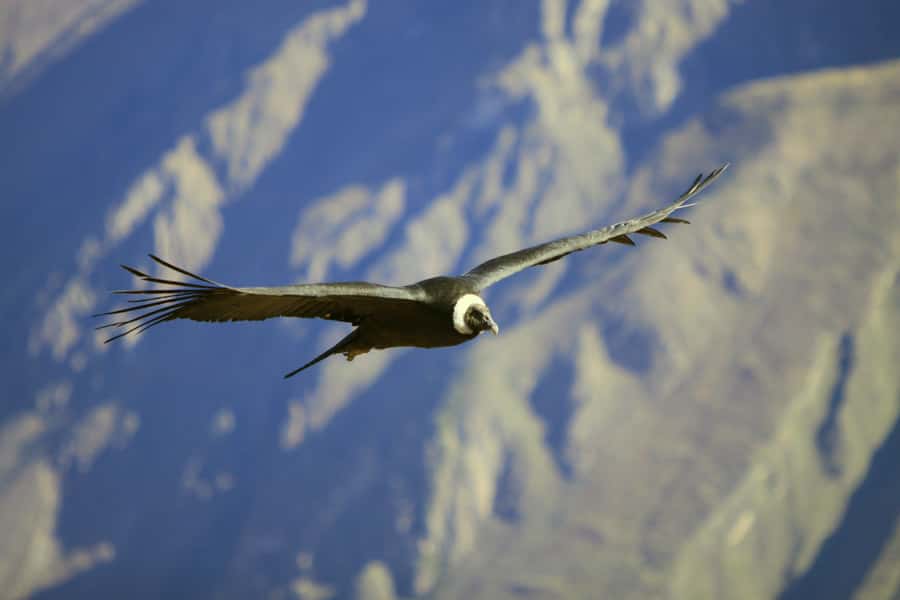
- Mirador Cruz del Condor is the main condor-watching stop, with the canyon dropping about 1,200 meters
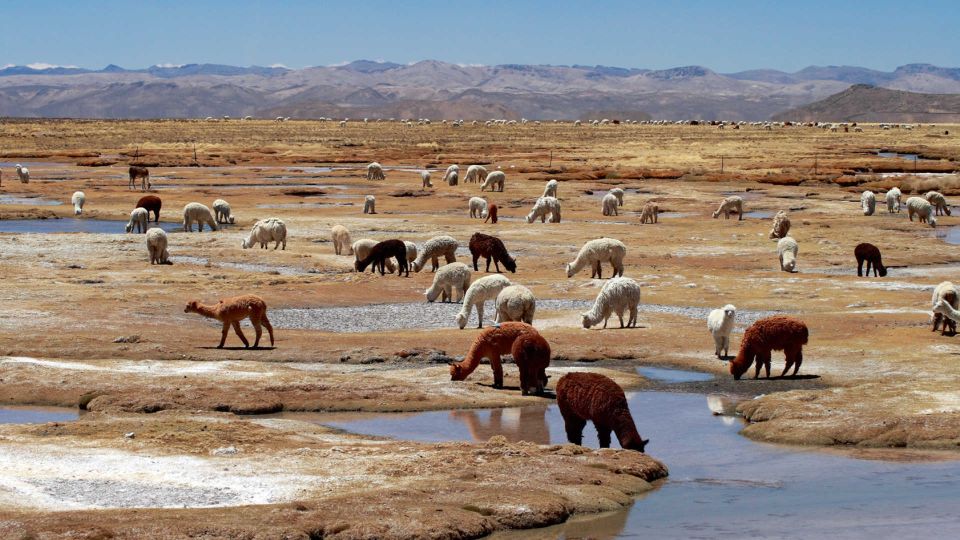
- Pampa Cañahuas Reserve is where you may spot vicuñas, alpacas, llamas, flamingos, ibis, and Andean eagles
- Day 1 hits a high point around 4,800 meters and Day 2 gets even higher near 4,850 meters
- The route includes classic volcano names: Ampato, Sabancaya, Huallca, and Misti
- Lake Titicaca is your big finale, tied to the Inca tradition of Manco Capac
- You’ll be traveling most of the time, so bring a camera and expect a lot of roadside stops for views
Colca Canyon meets Lake Titicaca: why this 2-day route is a smart use of time
This tour is built for people who want a serious Peru hit without turning their vacation into a spreadsheet. You get the Colca Canyon highlights first—especially condors—then you keep moving all the way to Puno so Lake Titicaca feels like part of the same story, not a separate trip.
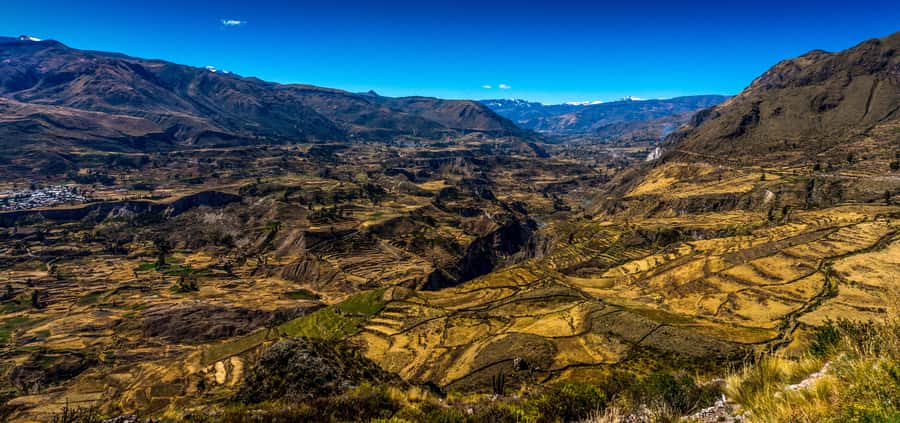
What I like most for you: the itinerary isn’t only about staring at a canyon from one spot. Day 1 climbs through high Andean country with multiple viewpoints, including the Pampa Cañahuas Reserve area, where wildlife sightings can happen along the drive. Then Day 2 starts early to maximize your chances at the best viewing point.
The other smart piece is pacing around altitude. You’ll be at high elevations on both days, so the route naturally forces breaks and slow moments. That matters more than people think when you’re headed toward the canyon and then up again near Titicaca.
You can also read our reviews of more tours and experiences in Arequipa
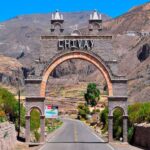
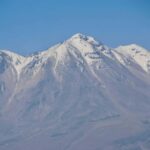
Day 1 from Arequipa to Chivay: volcano roads and Pampa Cañahuas wildlife time
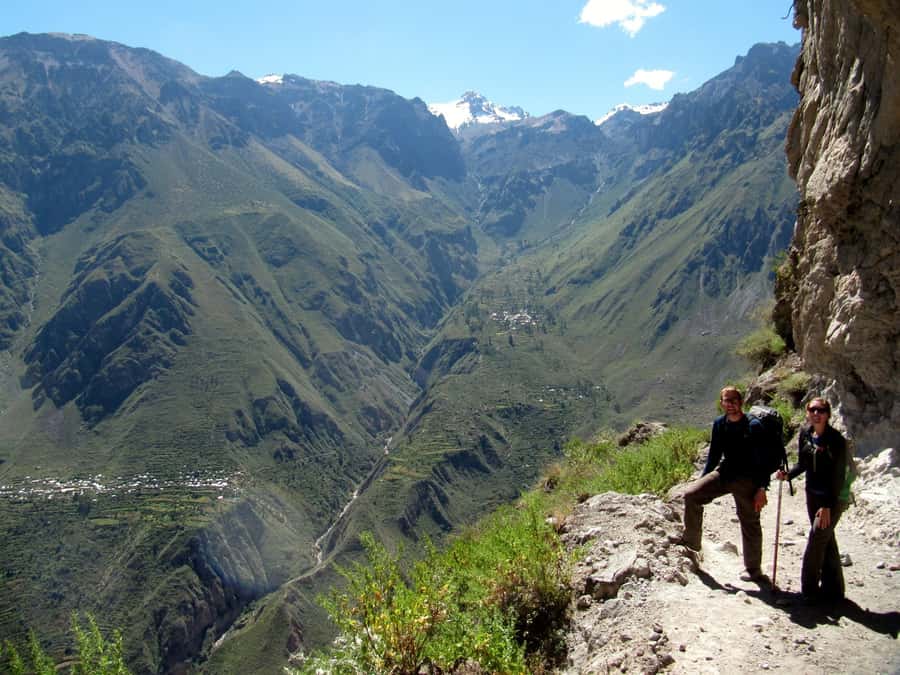
Your Day 1 starts with hotel pickup in Arequipa city center, then a drive toward Chivay with a series of stops. You’re looking at roughly a four-hour journey to Chivay as part of the day’s route, and you’ll also pause at viewpoints that are meant for photo time.
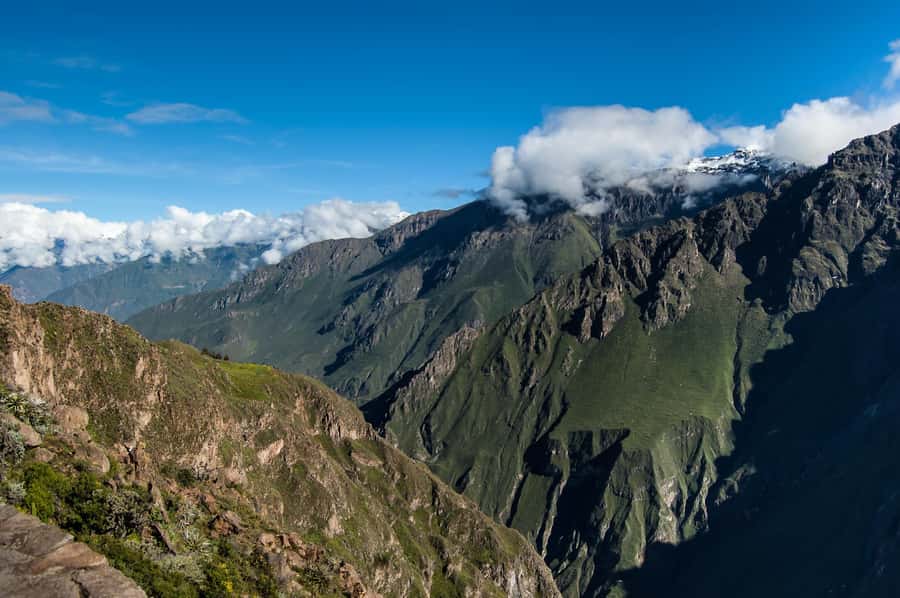
Here’s what makes this day feel special: the scenery isn’t random. You’re traveling through a high Andean corridor where volcanoes and lakes appear on the same drive. You’ll pass major volcanoes including Ampato, Sabancaya, Huallca, and Misti, and you’ll reach a highest point near 4,800 meters (15,000 feet).
Then there’s the stop at Pampa Cañahuas Reserve. This is where the trip shifts from “pretty views” to “wildlife that actually belongs here.” Depending on timing and conditions, you might see vicuñas, alpacas, llamas, flamingos, ibis, and the Andean eagle. It’s one of the best uses of your time on this itinerary because it’s close enough to feel real, but planned enough that you’re not wandering in the wrong place.
In the afternoon, you’re free to relax in Chivay overnight. That free time is useful. You’re already at high altitude from the drive, so having a real pause before Day 2 helps you avoid the tired, stiff feeling that can hit after a long climb.
Night in Chivay: why an overnight matters for altitude and for your mood
This tour is designed around sleeping in Chivay (overnight accommodation is not included). Even though you’re not doing a complicated hiking plan here, the overnight gives you two benefits.
First, it helps your body catch up before the early Day 2 canyon push. The itinerary includes high points on Day 1 and again on Day 2, and having a night in the region gives you that tiny buffer that can make a difference.
Second, it changes the vibe. After a long day of drive-and-stop, it’s nice to be in a real base instead of trying to squeeze everything into movement. You’ll start Day 2 very early, and you’ll feel better if you’re not constantly thinking about where you’ll sleep later.
Day 2 early start: Mirador Cruz del Condor and the condor-watching setup
Day 2 begins with a very early pickup from your hotel in Chivay. The goal is simple: get to the most scenic canyon viewpoint while conditions are still good.
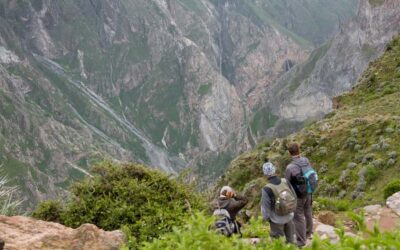
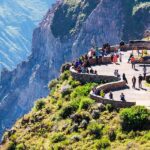
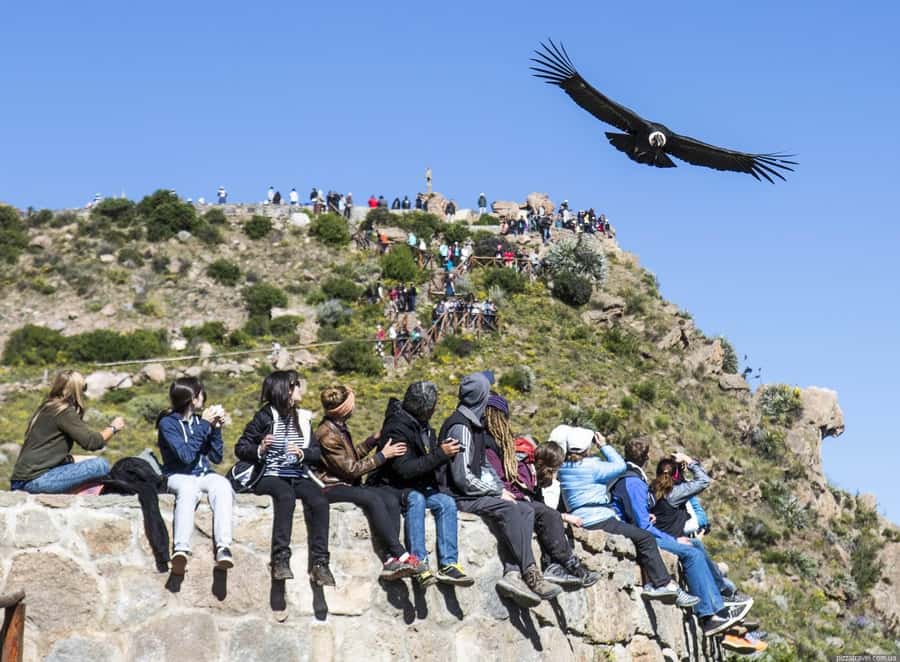
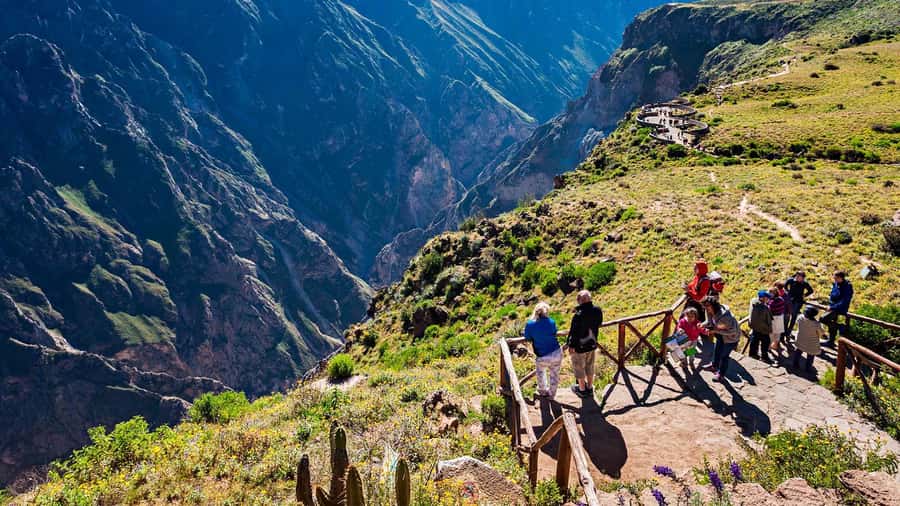
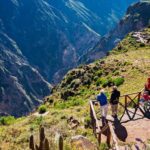
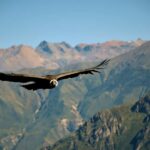
The star stop is Mirador Cruz del Condor. This is the place most people aim for, and for good reason. The canyon is about 1,200 meters deep, so when birds move overhead, the scale feels unreal. You’ll have a good chance to see a few giant Andean condors circling, with canyon walls in the background.
A practical note: condors aren’t on a schedule, so the real skill is patience and positioning. If your guide is on top of group management—keeping you oriented, timing photo stops, and telling you what to watch for—you’ll enjoy the viewing more. On past departures, guides like Irene, Raul, and Peter have been singled out for clear explanations and good organization, which is exactly what you want on a viewing day where waiting is part of the plan.
After the condor viewing and other scenic stops in the canyon area, the trip shifts gears away from Colca and toward the high plains that lead to Puno.
The long coach ride to Puno: Titicaca, lagoons, flamingos, and trout farms
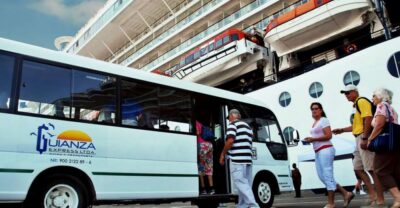
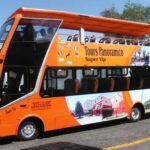
After the canyon portion, you continue in a comfortable tourist coach toward Lake Titicaca and then Puno. This isn’t a short hop. It’s a full travel day, and that matters because you’ll spend a lot of time watching the changing altitude and stopping for views.
Along the way, you pass lakes and lagoons, plus trout farms and Andean flamingos. That’s a big deal for people who get bored when trips feel like “drive, stop, repeat” with nothing happening in between. Here, the route keeps turning up new things to look at—water, birds, and the highland feel of the Andes.
Then you reach another high point around 4,850 meters (12,000 feet). At that altitude, the views tend to get extra wide and stark. You’ll have time to appreciate the highlands before heading down toward Puno.
And Lake Titicaca is the emotional payoff. The tour frames Titicaca as the birthplace of the first Inca, Manco Capac, so you’re not just arriving at a lake—you’re arriving with a cultural anchor that helps you understand why this region matters.
The big caution here is ride comfort. One past group flagged that the road conditions on the stretch from the canyon area toward Puno could make the vehicle feel very shaky. It’s not something you can control, but you can prepare for it: expect some bumpy moments and pack accordingly with your comfort in mind.
What the guide and driver do for your trip (not just directions)
This tour includes a professional English-speaking tour guide and a professional driver, with guides also able to work in Spanish. That matters because high-altitude travel is where good guidance actually counts.
A strong guide helps in three ways on this itinerary:
- Timing and interpretation. Condor watching is better when you know where to look and what to expect in the light and wind. A guide’s explanations also make the volcano names and viewpoint stops feel less like random labels.
- Altitude pacing. Even with a bus tour, you still get hit by elevation. In past groups, guides have been noted for helping the group acclimatize to the height and for responding when someone felt unwell from altitude.
- Keeping your day moving with breaks. Long drives can feel endless if stops are poorly managed. This tour is structured with viewpoint pauses, so you’re not stuck thinking only about the next hour of road.
If you’re someone who likes learning while you travel, this is one of those tours where the guide’s role can noticeably change your experience. And if you’re just trying to survive the altitudes, a calm, organized guide is still a win.
Price and value: what you get for $107, and what you’ll likely pay separately
At $107 per person for a 2-day tour, the value comes from what’s already packaged. You get:
- A professional guide
- A professional driver
- All excursions and tours that are part of the itinerary
- All transfers and transportation tied to the route
The parts not included are the ones that can silently add up if you don’t plan:
- Entrance tickets and fees
- Food and drinks
- Overnight accommodation (the tour doesn’t include where you sleep in Chivay)
So the real question isn’t only whether $107 is affordable. It’s whether you’re comfortable paying extra for meals and entry fees while you’re on the move. If you’re okay with buying lunch and snacks on your own, this tour can be a good deal because you’re buying transportation plus guided time.
Also consider lunch habits. On some schedules, groups are dropped off at a buffet restaurant for lunch along the way. That can be convenient, but it also means you’ll want to budget for eating out instead of expecting meals to be covered.
What to pack and how to handle luggage and height
The tour has a simple packing list, and it’s smart for this altitude: bring your passport or ID card, comfortable shoes, sunglasses, and a sun hat. You’ll be at high elevations with strong sun, and you’ll also be stopping often for viewpoints.
You should also think about luggage. Oversize luggage isn’t allowed. And there’s an important logistics point: this tour does not return to Arequipa. You can either bring your luggage during the trip or arrange baggage transport, so plan your end-of-trip base thoughtfully.
The pickup recommendation also matters: booking accommodation in Arequipa, Chivay Town, or Puno helps you avoid additional pickup/drop-off charges. If you’re staying outside those areas, you may need to pay extra for transfers beyond the standard included service.
Who this Colca-to-Puno tour is best for
This works especially well if you:
- Want condors and don’t want to guess your way to the best canyon viewpoints
- Prefer wildlife + big views over long hikes
- Like the idea of combining Colca Canyon with Lake Titicaca in one run
- Enjoy learning from a guide while you travel by coach
It may not be the best fit if you:
- Are very sensitive to altitude and need a slower, more incremental acclimatization plan than this route offers
- Expect a smooth ride the entire way from the canyon region toward Puno
Should you book this tour?
Book it if you want a structured, guided two-day sampler of Colca’s best-known wildlife moment and Titicaca’s cultural centerpiece, all while transportation is handled for you. At $107, the value is strongest when you’re comfortable paying for meals and entry fees on top.
Think twice if you’re trying to minimize travel time on bumpy roads or if you’re planning to rely on the trip for a hands-off, fully all-inclusive experience. This is organized and well-paced for its scope, but you’re still doing a lot of moving through the high Andes.
If you’re prepared—camera ready, hat and sun protection in place, and a realistic attitude about coach travel—this is a memorable route that hits the highlights without dragging your vacation into planning mode.
FAQ
How long is the Colca Canyon: 2-Day Tour from Arequipa to Puno?
It’s a 2-day tour.
What does the price include?
The tour price includes a professional English-speaking tour guide, a professional driver, all excursions and tours, and all transfers and transportation as described by the route. Entrance tickets, food, drinks, and overnight accommodation are not included.
What’s the pickup like in Arequipa?
Pickup is included from city centre hotels in Arequipa.
Does the tour return to Arequipa?
No. The tour does not return to Arequipa. You’ll continue onward to Puno.
Are meals and lodging included?
No. Food and drinks are not included, and overnight accommodation is not included (you’ll stay in Chivay).
What language is the tour guide?
The tour guide works in English and Spanish.
What should I bring for this trip?
Bring your passport or ID card, comfortable shoes, sunglasses, and a sun hat. Oversize luggage is not allowed.