REVIEW · AREQUIPA
Arequipa: Peruvian Cooking Class
Book on GetYourGuide →Operated by Tangol · Bookable on GetYourGuide
The apron goes on fast, then the cooking starts. This Arequipa cooking class turns the historic center into a working kitchen, with a bilingual chef who walks you through step-by-step and you eat what you make. I really like the choice of menus (Andean, Traditional, or Seafood), and I also like the hands-on pace that includes a real Peruvian drink, Chicha Morada. One thing to consider: menu choice and timing can vary, so you’ll want to confirm your exact menu before cooking begins.
You meet at Casa de Ávila Hotel in the historic center, and the class stays small, with a maximum group size of 12. You’ll also have Wi-Fi provided, and the chef explains in Spanish and English—useful if your group has mixed language levels.
Bring comfortable clothes, and plan on an active 2 hours. There’s a minimum of 2 people required to run the class, vegetarian options by request, and it’s not aimed at kids under 8.
In This Review
- Key points before you book
- Entering Casa de Ávila: where the Arequipa class begins
- Chicha Morada to aprons: the 2-hour rhythm that keeps you moving
- What you’ll cook: choosing between Andean, Traditional, or Seafood
- Andean menu: Solterito and Rocoto Relleno
- Traditional menu: Causa and Lomo Saltado in a wok
- Seafood menu: Ceviche and Pescado a lo Macho
- The meal part: what happens after you cook
- Price and value: is $63 a good deal in Arequipa?
- Language, group size, and the real-world comfort stuff
- The details that can make or break your experience
- Menu choice needs to be on the record
- Timing can feel tight
- Music volume can be a factor
- Who this cooking class is best for
- Final decision: should you book this Arequipa Peruvian cooking class?
- FAQ
- Where is the meeting point for the Arequipa cooking class?
- How long is the cooking class?
- What is the price per person?
- What do you make during the class?
- Is Chicha Morada included?
- Is the class good for vegetarians?
- What languages does the chef speak?
- Are roundtrip transfers included?
- Is the class accessible for wheelchairs?
- What should you bring?
Key points before you book
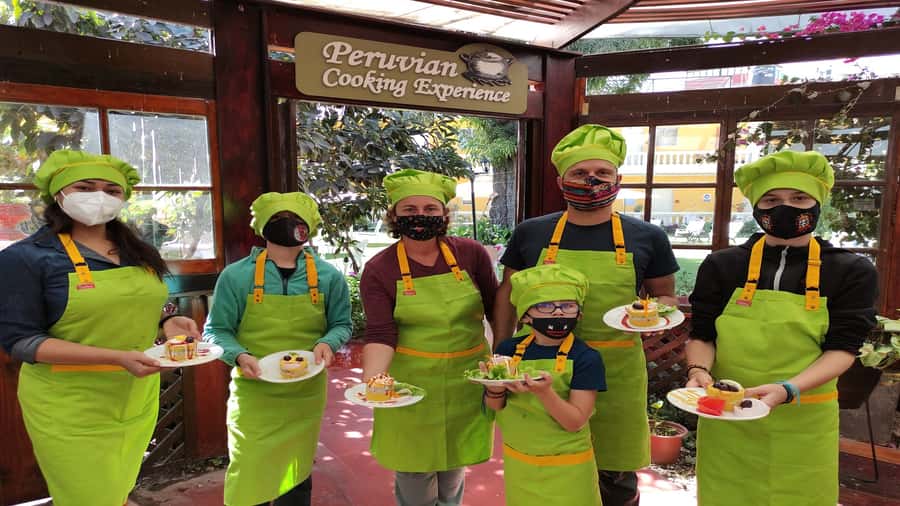
- Three menu tracks (Andean, Traditional, Seafood) so you can cook what you’re most excited to taste
- Chicha Morada welcome drink made from purple corn, nonalcoholic
- Small class size (max 12) for real instruction, not just watching from the sidelines
- Two-course meal + dessert that turns cooking into an actual dinner plan
- Bilingual chef (Spanish and English) plus an included ingredient setup and cookware
- Worth confirming your selected menu and dietary needs so the kitchen matches your plan
Entering Casa de Ávila: where the Arequipa class begins
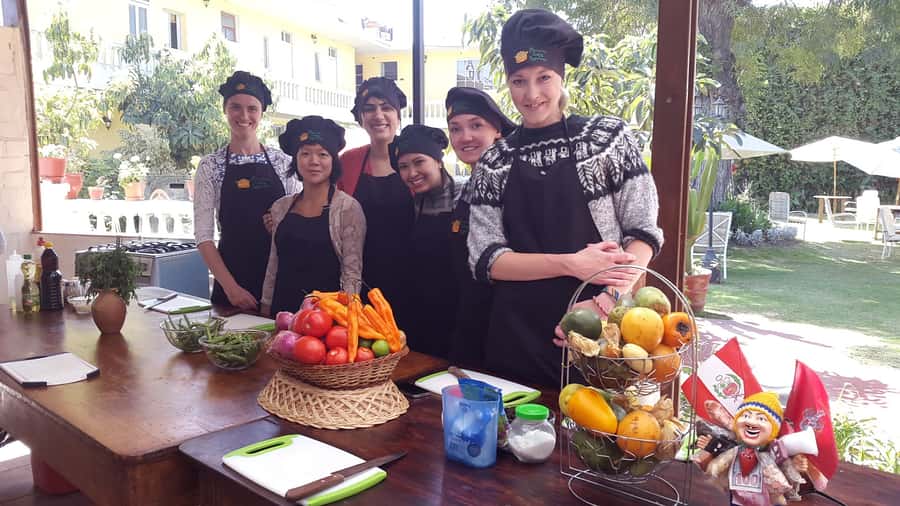
The meeting point is Casa de Ávila Hotel, right in Arequipa’s historic center. That matters more than it sounds. You don’t burn time crossing the city or hunting for the right kitchen. You also get a stronger sense of place: you’re doing Peruvian cooking right where people go to stroll, snack, and watch daily life move along.
Once everyone’s gathered, you start with a welcome drink: Chicha Morada. It’s sweet, refreshing, and nonalcoholic, made with purple corn. Even if you usually stick to water, I find this kind of start helps you ease into the “food work” mindset. It also gives you something local right away, before you ever touch the cutting board.
You can also read our reviews of more cooking classes in Arequipa
Chicha Morada to aprons: the 2-hour rhythm that keeps you moving
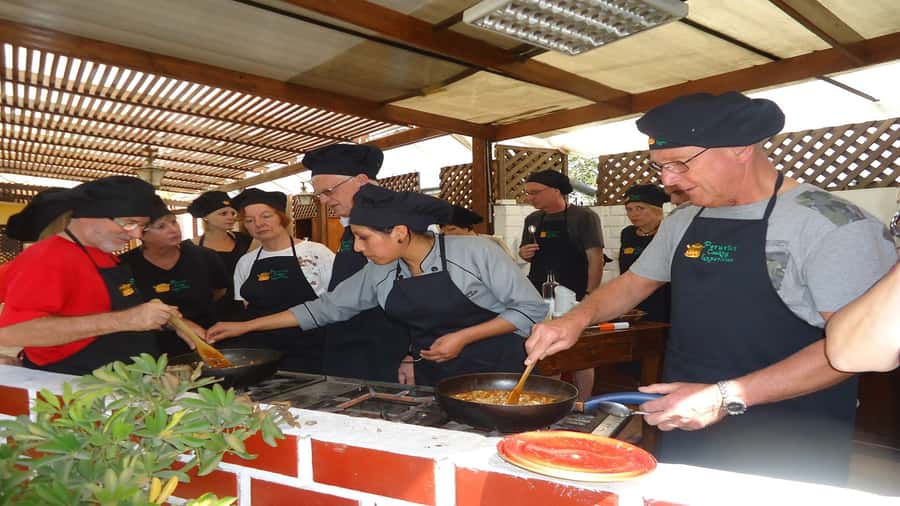
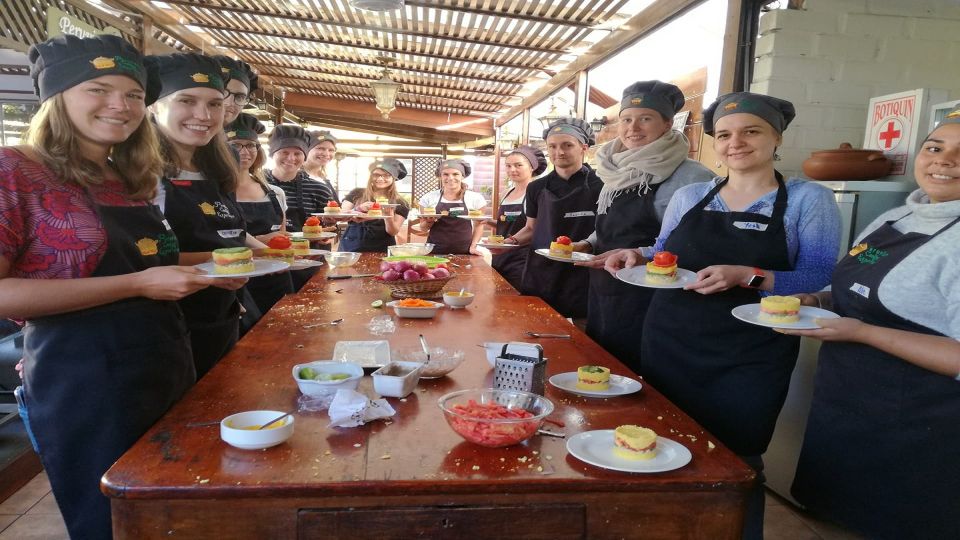
This class is designed like a sprint, not a lecture. After the drink, you put on your apron and chef’s hat, then you begin the cooking steps guided by a professional chef. The chef runs the show in Spanish and English, which is great when one person in your group wants the details and another just needs clear instructions.
The cooking portion focuses on two traditional dishes you’ll prepare yourself, with the chef explaining how to do each step. Expect a mix of chopping, assembling, and cooking techniques, depending on the menu you pick. It’s the sort of structure that works well if you’re a beginner: you’re not thrown into the deep end with no help.
Group talk is part of the vibe too. You’ll be able to share travel experiences with the group and chat with the chef while you work. It’s not a stiff classroom atmosphere. It’s more like a friendly cooking session where you can ask why a dish is built the way it is.
What you’ll cook: choosing between Andean, Traditional, or Seafood
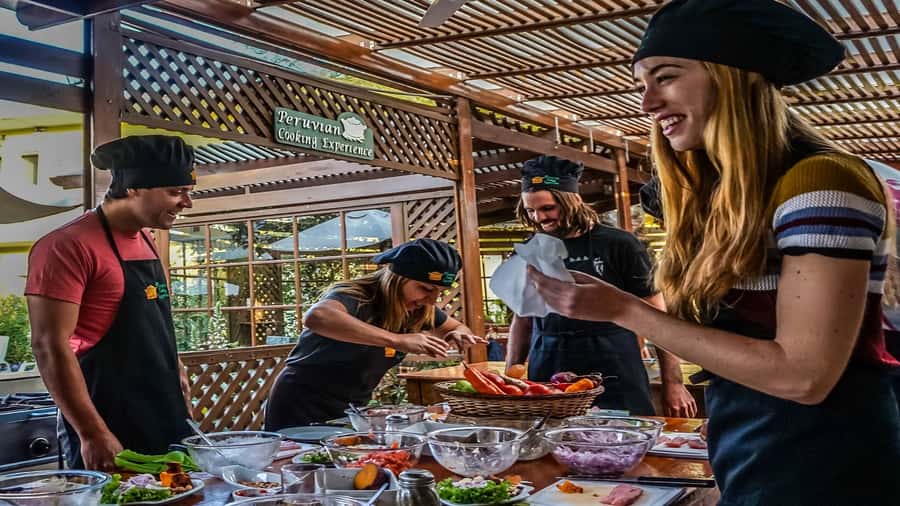
Before you go, you’ll want to decide which menu you want—then you’ll get that menu confirmed after reservation. The good news is that all three menu options are classic Peruvian flavors, just in different directions. The better news: you’re not just tasting. You’re cooking.
Andean menu: Solterito and Rocoto Relleno
If you choose the Andean menu, the first course is Solterito, a fresh salad made with onion, tomato, corn, beans, cheese, and potatoes. The idea here is texture and balance: crunchy vegetables, starchy potatoes, and salty cheese. It’s the kind of dish that teaches you how Peruvian plates often build variety in one bowl.
For the second course, you cook Rocoto Relleno. This is built around rocoto, described as a strong spicy red fruit with an apple-like shape. You’ll stuff it with seasoned ground meat, then add cheese and raisins. The raisins are a detail worth paying attention to, because they hint at the sweet-salty contrast that can show up in Peruvian cooking.
Why this menu is worth it: it gives you a clear taste of Andean-style ingredients and how heat (rocoto) can be managed rather than just feared.
Traditional menu: Causa and Lomo Saltado in a wok
The Traditional menu is perfect if you want dishes that feel both homey and widely loved. You start with Causa: a mash potato base seasoned with yellow pepper and lemon, filled with avocado and tuna or chicken, then decorated with black olives and vegetables.
Then comes Lomo Saltado, Peru’s well-known Chinese fusion dish. You’ll prepare it in a wok with beef, onion, yellow pepper, tomato, and French fries, served with white rice on the side. The French fries in the pan are one of those details that sounds odd until you realize the dish is built for comfort and contrast—crisp edges plus savory sauce.
Why this menu is worth it: it’s a practical way to learn Peruvian cooking that mixes local staples with global technique.






Seafood menu: Ceviche and Pescado a lo Macho
The Seafood menu is for you if you want bright, lemon-forward flavors. You start with Ceviche: fresh fish marinated with lemon juice, with onion, sweet potato, and corn. It’s a classic Peruvian pairing of acid, sweetness, and crunch.
Second course is Pescado a lo Macho: a fried fish fillet topped with a sauce of onions and tomatoes, served with white rice on the side. This one shifts gears from bright and fresh to rich and fried.
Why this menu is worth it: it shows the two “poles” of Peruvian seafood—lemon-marinated ceviche energy and hearty fried fish comfort.
The meal part: what happens after you cook
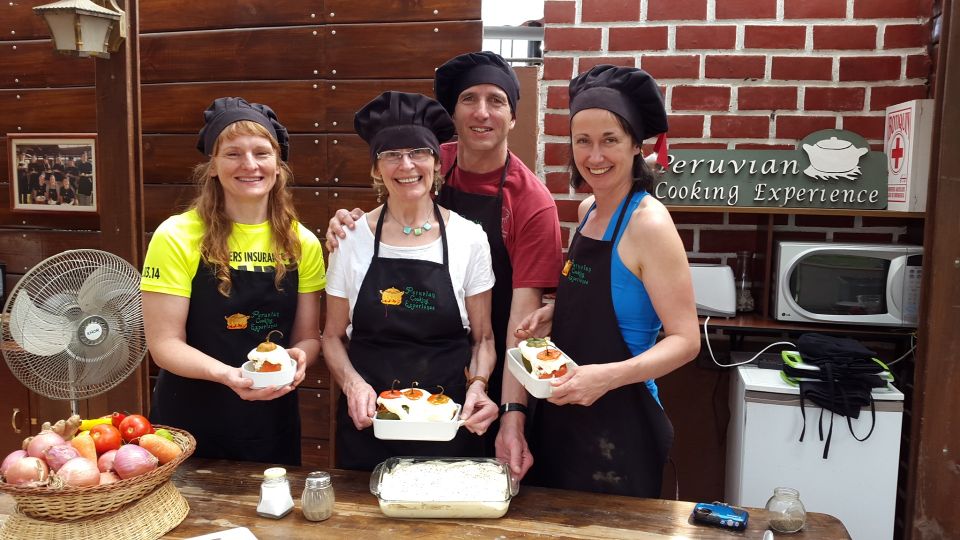
After the cooking session, you eat what you made. That sounds obvious, but it’s actually a big quality signal. When cooking classes turn into nonstop instruction with no time to enjoy the results, the experience can feel like work. Here, the design is clear: you cook, you sit down, you eat, and you finish with dessert.
Dessert is included, but you’ll want to treat it as a bonus, not a guarantee of a specific type. One experience note to keep in mind: on some occasions, the class can run short, which may affect dessert timing. If dessert matters to you, I’d suggest staying flexible, and if timing feels tight, mention it to the chef early so they can guide you on what’s still coming.
Also, remember the class is only 2 hours. You’ll move quickly. If you’re the kind of person who loves slow cooking and long explanations, you might feel slightly rushed. If you enjoy hands-on momentum, you’ll likely find the pace energizing.
Price and value: is $63 a good deal in Arequipa?
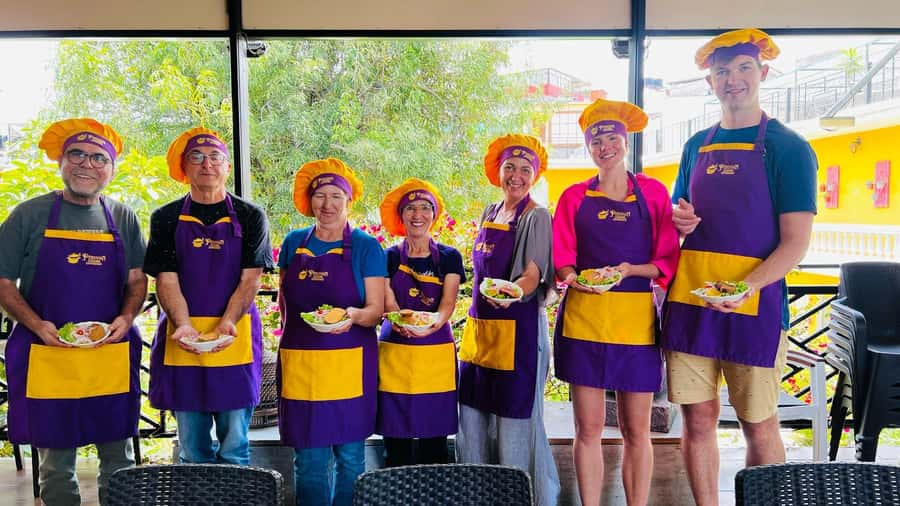
At $63 per person, this class bundles a lot into a short window: guided cooking instruction, ingredients and cookware, a professional chef who speaks Spanish and English, Wi-Fi, and a two-course meal plus a nonalcoholic Peruvian drink.
Here’s how I evaluate value with experiences like this: you’re not just paying for the food. You’re paying for the chef-led process, the prep setup, and the fact that you get to eat a full meal without organizing anything yourself. If you’d otherwise pay for ingredients plus a guided meal experience, this pricing can feel fair—especially because the group stays small and you’re actively cooking.
That said, value depends on fit. If you’re expecting a lot of menu flexibility or super slow pacing, you might feel the cost more sharply. One practical tip: if you have any dietary restrictions or allergies, tell the provider at booking, because the ability to adapt the menu is part of the value.
Language, group size, and the real-world comfort stuff
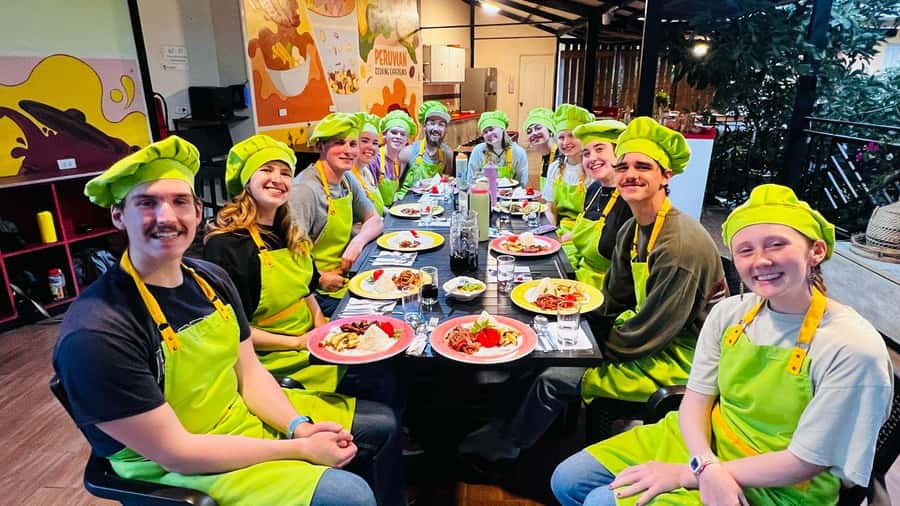
The chef teaches in Spanish and English, which is a strong plus in Arequipa where mixed-language groups are common. With up to 12 people, you’re not lost in a crowd. You can ask questions without shouting across a room, and you’re more likely to get individual corrections on technique.
There’s also some practical comfort included. You’ll have cookware and ingredients, so you don’t arrive worrying about utensils. The only personal gear you really need is sensible clothing. Wear comfortable clothes you don’t mind getting a little warm or splashed. Closed-toe shoes can help too, especially if you’re near cooking stations.
Wheelchair accessibility is listed, so it’s designed to be workable for mobility needs. If you’re using a wheelchair, I’d still consider sending a message ahead of time to confirm any on-site setup details, since class spaces can vary.
The details that can make or break your experience
This is a small group activity, and small groups have small failure points. Here are the issues worth thinking about before you book:
Menu choice needs to be on the record
If you care about cooking a specific menu, double-check that your selection is correctly recorded after you reserve. One disappointment that can happen with menu-based activities is ending up on the wrong menu when the kitchen follows what’s on their list. Fix is simple: confirm in advance what you’re scheduled to cook, and if anything looks unclear, ask before you start.
Timing can feel tight
The class is listed as 2 hours, but there are occasional reports of it wrapping earlier than expected. That can mean less time for the full flow. If dessert is important, stay present at the start and ask the chef what’s still on the schedule once you’re cooking.
Music volume can be a factor
One note to keep in mind: at least one experience described music as loud enough to make it harder to hear at the table. It’s not a dealbreaker for most people, but if you’re sensitive to sound, you might prefer wearing hearing-friendly options or simply positioning yourself so you can talk with the chef.
Who this cooking class is best for
This works especially well if you want:
- A short, high-output food experience in Arequipa’s historic center
- Hands-on instruction rather than a quick tasting
- A menu that matches your food preferences—Andean heat, Traditional crowd-pleasers, or seafood favorites
- A bilingual chef-led class so your group isn’t split by language
It may not be ideal if:
- You want a long, unhurried cooking lesson
- You need your experience to follow a very strict timeline with no chance of shortening
- You’re bringing young kids (it’s not suitable for children under 8)
Final decision: should you book this Arequipa Peruvian cooking class?
I’d book it if you want an efficient way to learn Peruvian cooking using real ingredients and a real chef—then eat a full two-course meal you helped create. The menu options are distinct enough that your choice matters, and the small group size keeps instruction practical.
Before you go, do two quick things: confirm your menu selection, and flag allergies or dietary needs at booking so the kitchen can adapt. If you do that, the odds are high you’ll leave with techniques you can repeat at home, plus the kind of meal memory that lasts longer than another photo stop in town.
FAQ
Where is the meeting point for the Arequipa cooking class?
The meeting point is Casa de Avila Hotel, located in the historic center of Arequipa.
How long is the cooking class?
The class lasts 2 hours.
What is the price per person?
The price is $63 per person.
What do you make during the class?
You cook 2 traditional Peruvian dishes based on the selected menu: Andean (Solterito and Rocoto Relleno), Traditional (Causa and Lomo Saltado), or Seafood (Ceviche and Pescado a lo Macho).
Is Chicha Morada included?
Yes. A nonalcoholic drink called Chicha Morada is included.
Is the class good for vegetarians?
There are vegetarian options available, but you need to request this when booking.
What languages does the chef speak?
The chef provides instruction in Spanish and English.
Are roundtrip transfers included?
No. Roundtrip transfers to and from your hotel are not included.
Is the class accessible for wheelchairs?
Yes, the activity is listed as wheelchair accessible.
What should you bring?
Wear comfortable clothes.