REVIEW · AREQUIPA
From Arequipa: Sillar Route Trek
Book on GetYourGuide →Operated by AREQUIPA EXPLORER Y ACTIVIDADES TURISTICAS · Bookable on GetYourGuide
White stone quarrying is real work, not a museum.
What makes the Sillar Route Trek special is that you see Arequipa’s sillar being taken out and shaped where it actually happens, then you walk into a canyon carved by water over time. I especially like the Añashuayco Quarry stop, where the stonemasons share the craft and even show what day-to-day cutting looks like, and I also love the Quebrada de Culebrillas walk, where the canyon gets taller and you can spot ancient Wari petroglyphs.
One possible consideration: it is a short half-day, but you do have a real canyon walk. If you have any walking limits, it’s worth asking your guide how they can manage the mini canyon portion for your pace.
In This Review
- Key highlights at a glance
- Sillar Route Trek: the point of all that white stone
- Meeting point and the rhythm of the half day
- First viewpoints: volcanoes and the Chilina Valley
- Añashuayco Quarry: where the sillar story becomes hands-on
- What makes the quarry stop worth your time
- The mega carving: Church of the Company of Jesus
- Meeting the stonemasons
- A fair caution
- Quebrada de Culebrillas: a short walk with big payoff
- Wari petroglyphs and what you’re looking at
- Apachetas: the stones people stack
- One practical tip for this canyon section
- Mirador de los Volcanes: a quick but meaningful viewpoint finish
- Guide quality: the human factor that makes the 4 hours sing
- Price, entry fees, and real value
- Timing, crowds, and what can feel rushed
- What to bring so the tour feels easy
- Who should book this Sillar Route Trek?
- Should you book? My honest take
- FAQ
- How long is the Sillar Route Trek?
- What is included in the price?
- Are the entrance tickets included?
- Where do I meet for the tour?
- Does the tour run in the afternoon?
- What languages does the guide speak?
- Do I need to prepare for walking or bring anything?
Key highlights at a glance
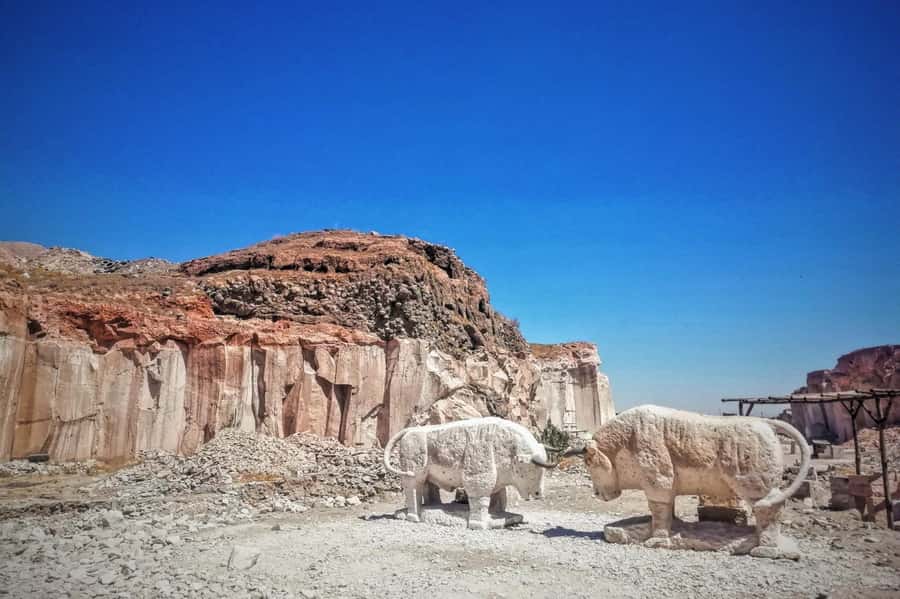
- Añashuayco Quarry in operation: see ashlar extraction forming tall ignimbrite walls
- Mega carving at the quarry: a Church of the Company of Jesus carving made by local stonemasons
- Quebrada de Culebrillas canyon walk: 15–20 meter canyon walls, higher as you go
- Wari petroglyphs: rock markings that are over a thousand years old
- Apachetas on the return: stacked-stone gratitude and good-luck symbolism
- Volcano viewpoint stop: quick guided focus plus prime photo time
Sillar Route Trek: the point of all that white stone
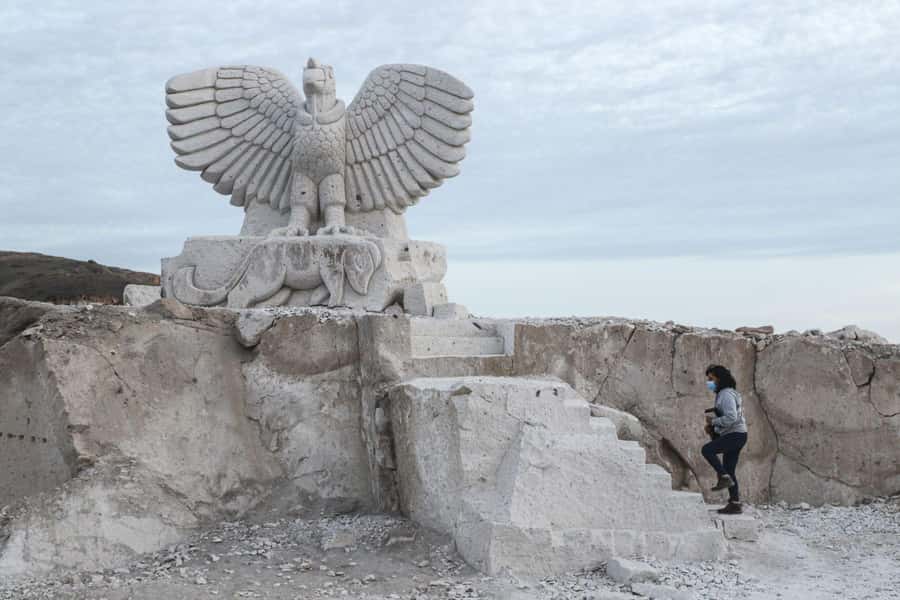
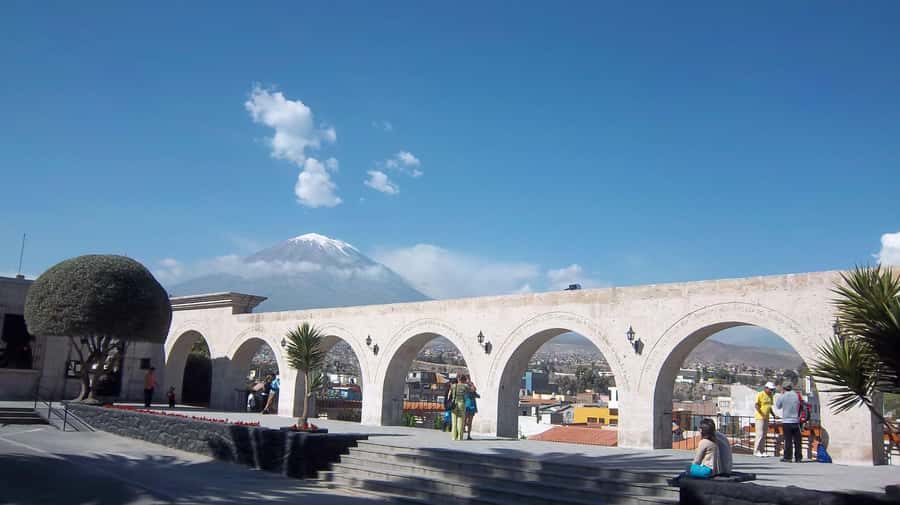
Arequipa is famous for white buildings, but the fun here is learning how that white stone got into the city. “Sillar” isn’t just a pretty color. It’s ashlar made from volcanic material, and the tour keeps you close to the source: working quarries, carved cliffs, and the views that connect the city to the volcanic setting.
If you like travel that feels practical, this one works. You get a guide who explains what you’re looking at, not just where to stand for pictures. And because it’s only 4 hours, you can fit it around museum time, a restaurant evening, or a city walk without needing a full-day commitment.
You can also read our reviews of more hiking tours in Arequipa
Meeting point and the rhythm of the half day
You start at C. Álvarez Thomas 115. From there, the group rolls out by van and the schedule stays tight so you can cover all three main experiences before heading back toward Arequipa’s center.
A key detail: there’s also a 2:00 PM afternoon shift. If you care about softer light, the later session can be a better match for that “the rocks look better” feeling people chase at golden hour. The half-day format is built so you still get the canyon and viewpoint, not just drive-by stops.
From the field experiences I gathered, the group size tends to be around the couple-dozen range. That matters because you want a tour pace where you’re not constantly waiting, but you also have time to step aside for photos and the guide’s explanations.
First viewpoints: volcanoes and the Chilina Valley
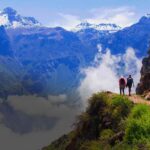
The opening part of the tour heads toward the Sillar Route and includes a brief strategic viewpoint stop. Here you’re meant to orient yourself fast: you look out at volcanoes and the Chilina Valley, and your guide talks through how these features connect to what you’ll see later.
There’s also a seasonal variation. Depending on the timing of the year and conditions, the tour can swap the order and include another traditional viewpoint first for volcano views. Either way, this is the warm-up stop that helps the quarry and canyon make sense. It’s hard to appreciate ashlar stone extraction without the volcanic geography in the background.
Añashuayco Quarry: where the sillar story becomes hands-on
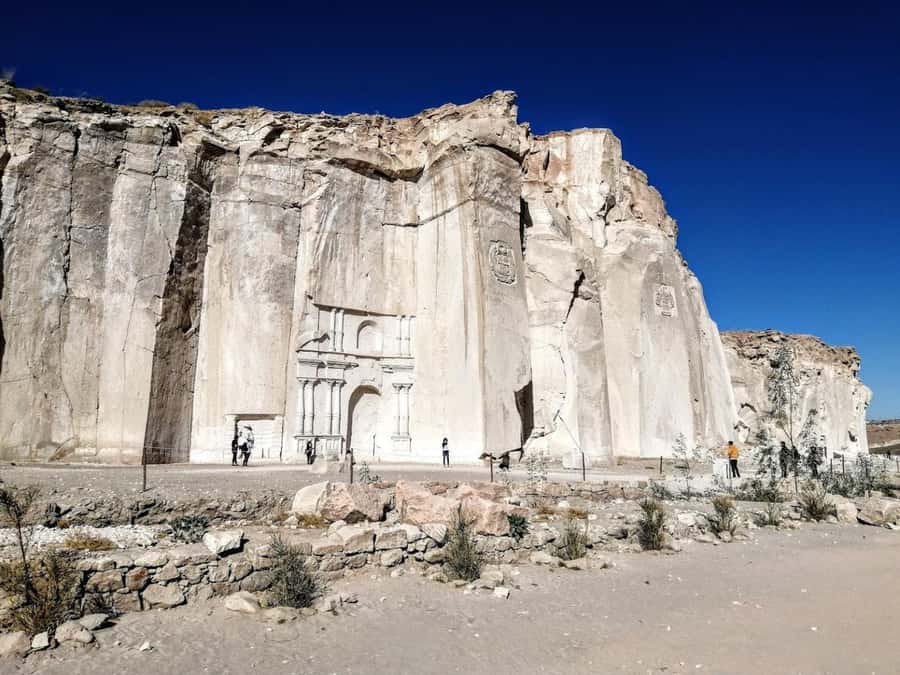
This is the anchor stop, and it’s why the tour has such solid ratings. The van ride takes you to the Añashuayco Quarry, and you’ll arrive in about 45 minutes.
What makes the quarry stop worth your time
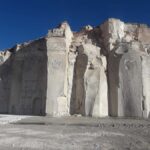
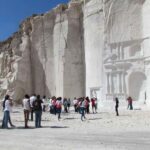
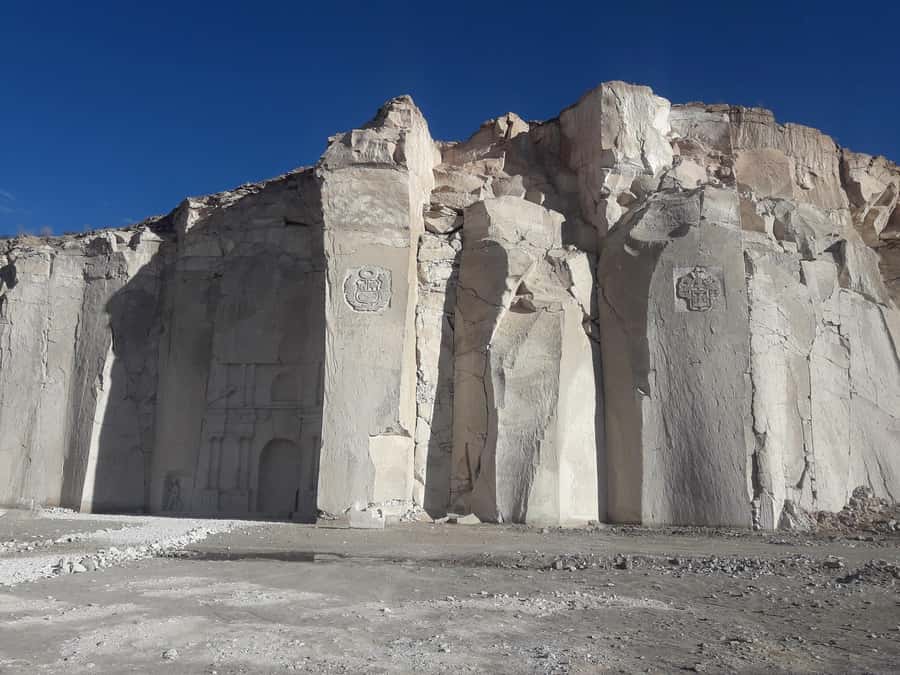
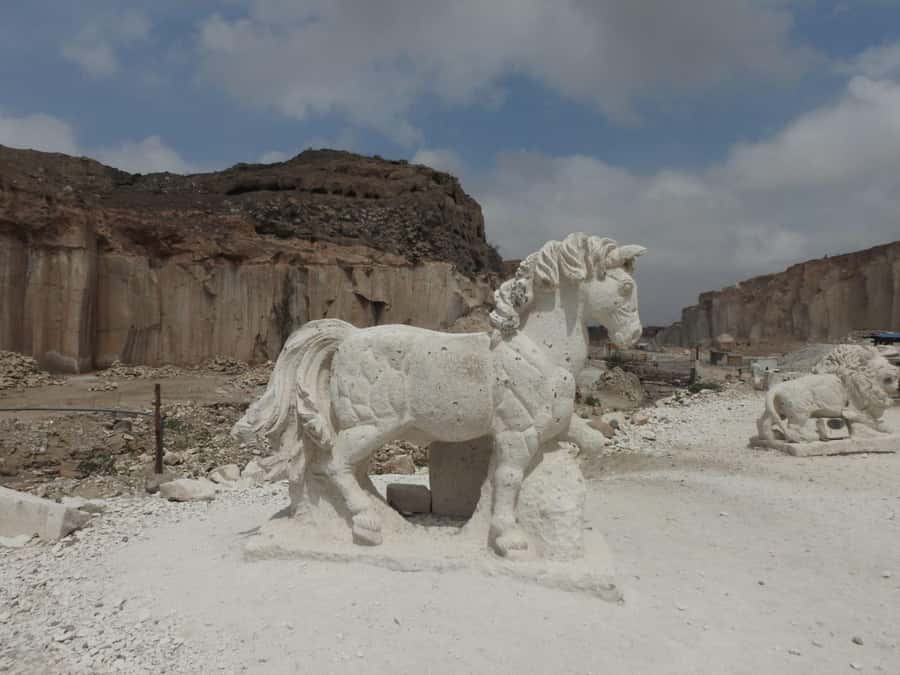
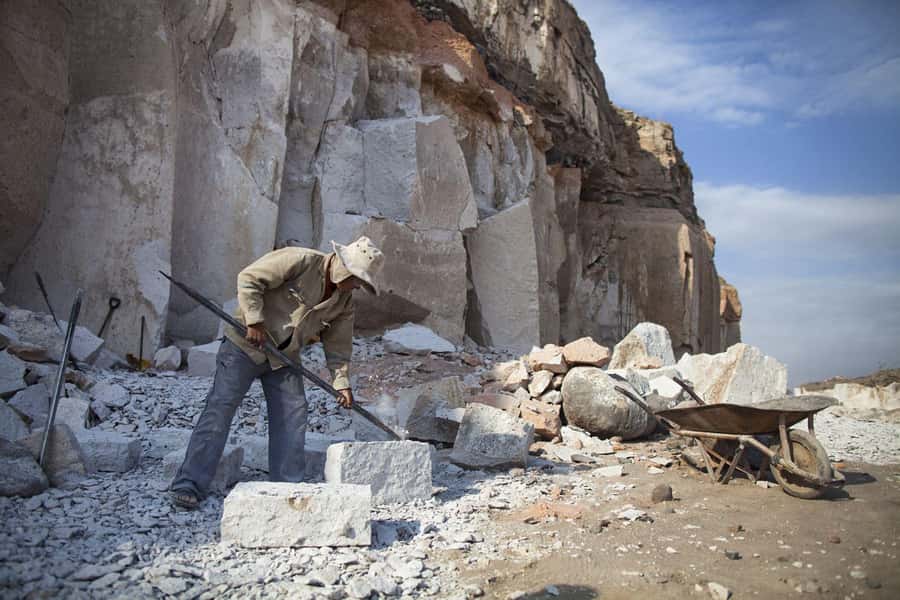
You’re not looking at an empty “sight.” The quarry is described as currently in operation, with stonemasons working very early. That gives you a different kind of feeling than a staged exhibit. You can see the scale of extraction and the way the cliffs formed by removing material create tall, dramatic walls—several meters high—built from the underlying volcanic ignimbrite.
On top of that, the guide explains the history and production of ashlar, including how it became one of Arequipa’s signature building materials. For most people, that’s the moment the tour stops being just scenic and starts being practical knowledge you can use while wandering the city afterward.


The mega carving: Church of the Company of Jesus
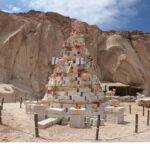
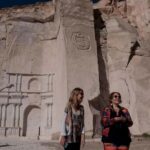
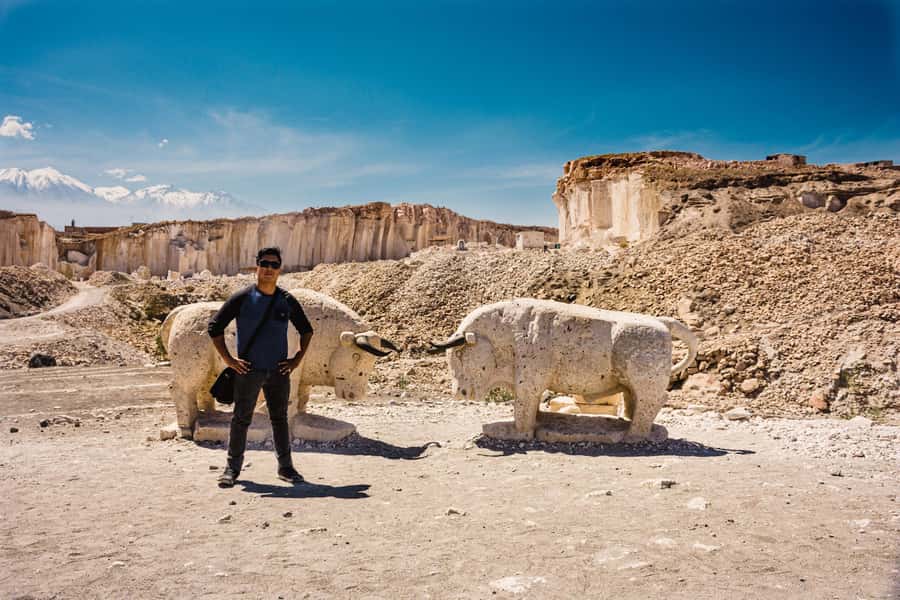
In Añashuayco, there’s a mega carving of the Church of the Company of Jesus, made by the stonemasons themselves. It’s an unusual detail, and it’s also a useful reminder that these are skilled craftspeople shaping stone for both function and art.
Meeting the stonemasons
You don’t just hear about the craft. The tour includes a chance to visit a stonemason, hear what daily work is like, and even try a cutting experiment with a stone block. That’s one of those small “wow” moments that makes the tour feel like more than a bus-and-photo outing.
A fair caution
A few people felt the quarry time could feel a bit more structured or longer, especially if a lot of other groups are at the same spots. If your style is slow photography, you may feel a bit rushed in peak hours. The good news: your guide typically keeps the schedule readable, and the explanations help you use the time well.
Quebrada de Culebrillas: a short walk with big payoff
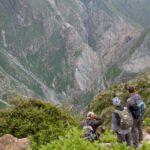
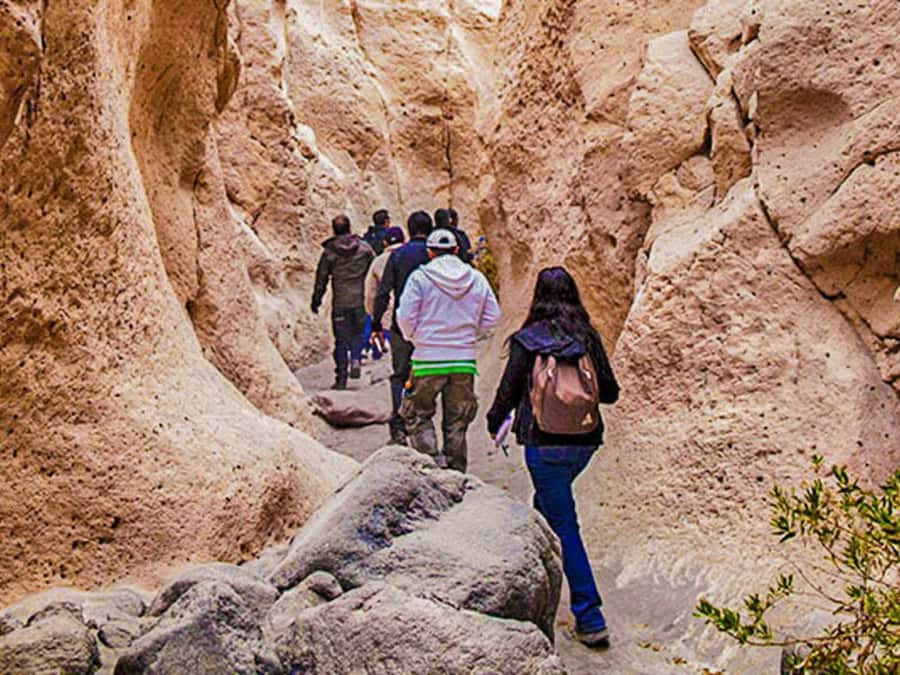
After the quarry, you head to Quebrada de Culebrillas, about 30 minutes away. Then comes a canyon walk—roughly 20 minutes, described as inside a small canyon formed by water passage. The walls start around 15 to 20 meters and increase in height as you go in.
This part earns praise because it’s the most “felt” experience on the route. You step away from the road, into a narrow world of stone and shadow, and you can see how water and time shaped the terrain.
Wari petroglyphs and what you’re looking at
At the end of the walk, you’ll see petroglyphs made by the Wari culture, over a thousand years old. The guide’s job here is important. Without context, rock markings can look like random scratches. With the explanation, the same markings start to feel like communication across time.
Apachetas: the stones people stack
Before heading back to Arequipa, you observe Apachetas—stone formations stacked one on top of another. The tour describes them as symbols of gratitude toward nature and also a good-luck attraction. Even if you’re not super spiritual, it can feel quietly atmospheric, because it’s a visible reminder that the landscape has meaning beyond scenery.
One practical tip for this canyon section
Wear footwear with grip. More than one comment stresses that you’ll do some walking and that close-toe shoes help. Also consider insect repellent and sunscreen since you’ll be outdoors, and the canyon walk is still sun-exposed at the edges.
Mirador de los Volcanes: a quick but meaningful viewpoint finish
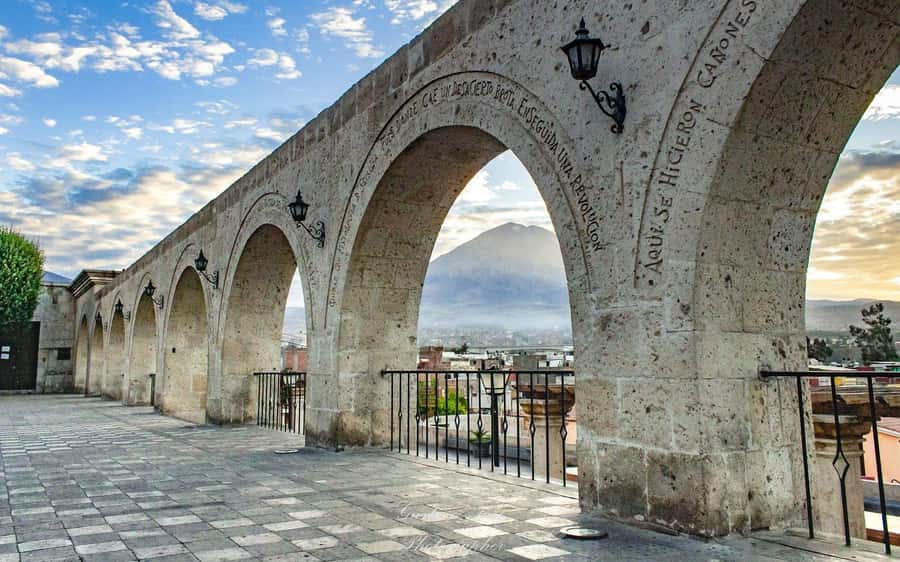
Your last major stop is Mirador de Los Volcanes, with time for a photo stop plus a guided visit of about 25 minutes.
The best way to think about this stop is as your “connect the dots” moment. Earlier you saw the volcanic geography from a strategic point. Here, you see it again with the quarry and canyon context already fresh in your head, which makes the view feel more informed.
If you’re doing the afternoon session, this is also where you often feel the difference that people chase later in the day. The rocks and whites can pick up warm light, and the timing makes the viewpoint more enjoyable.
Guide quality: the human factor that makes the 4 hours sing
This tour lives or dies on guide clarity. The good news is that the guide experience looks strong across many bookings, and a few names show up often enough to signal real consistency.
- Jose appears as a guide name in feedback, with guests noting excellent communication and useful recommendations afterward.
- Mike also shows up as a guide name, described as friendly and among the best on a multi-week Peru trip.
- Other names that came up include Alexandra, Julia, and Roni, each noted for language support (English/Spanish) and keeping the experience on track.
Even when the tour group includes different language levels, the pattern is that the guide gives explanations in English and Spanish, and can adjust pace to keep everyone included. That matters because the Sillar Route stops are best when you understand what you’re seeing.
Price, entry fees, and real value
The stated price is $12 per person for 4 hours, including transportation and a guide. That’s strong value for a half-day because you’re not just paying for a viewpoint—you’re paying for a guided explanation plus the logistics that get you out to the quarries and canyon.
One catch: entrance tickets are not included. The total mentioned is 18 soles for tickets at the sites. So the real “out-the-door” cost is a bit higher than $12 once you add that. Still, it’s usually a reasonable add-on for three distinct locations in one compact timeline.
Here’s how I’d decide if it’s worth it for you: if you’re curious about how Arequipa’s famous white stone was produced, this tour is a cost-effective shortcut. If you mostly want postcard views with minimal explanation, you may find some parts too structured or basic. For the price, though, the canyon and the quarry access make it hard to beat.
Timing, crowds, and what can feel rushed
The experience is designed as a clean 4-hour loop. One schedule example described starts around 9:15 AM, returns by about 1:30 PM, and drop-off is near Arequipa’s main square.
That efficiency is a benefit, but it can create pressure at popular photo moments. A recurring theme is that time at certain stops can feel tight when groups are lining up to photograph. Your guide can’t control crowd timing, but a good guide keeps explanations going so you’re learning even if there’s a pause for photos.
A helpful detail: some guides have been described as adjusting the order to reduce crowding, even starting from the canyon side when possible. If crowds are a concern for you, arriving early in the day or choosing the right shift can help your experience feel calmer.
What to bring so the tour feels easy
This is a short trek, but it’s still outdoors with some walking.
Bring:
- Close-toe shoes with grip for the canyon section
- Sunscreen (you’ll be out in open light)
- Insect repellent (requested in multiple comments)
- A light hat if you burn easily
Also, consider money planning. One practical note that comes up is that onsite purchases or certain transactions may require cash in soles, and there may not be an ATM available during the tour window. If you want snacks or small souvenirs, it’s smart to arrive prepared.
Who should book this Sillar Route Trek?
I’d recommend this tour if you want:
- A half-day outing with real working-quarry context
- A guided explanation of sillar and ashlar production
- A canyon walk with ancient Wari petroglyphs plus Apachetas
- A viewpoint finish that ties into Arequipa’s volcanic setting
It’s less ideal if:
- You dislike any walking at all, especially the canyon portion
- You want lots of free time to linger without any schedule pressure
- You’re only in it for city comfort and minimal sun exposure
Should you book? My honest take
If you’re in Arequipa and you want one high-value half day, this is a strong candidate. The quarry visit with stonemason interaction is the standout for me, and the canyon walk with Wari petroglyphs gives you something you can’t easily replace with a simple city stroll. The price is low enough that the extra ticket cost still feels reasonable, especially when you factor in guided explanations and transport.
If your top priority is slow, crowd-free wandering, then choose your shift wisely and plan for short walks. But for most people who like practical learning plus real views, the Sillar Route Trek is an easy yes.
FAQ
How long is the Sillar Route Trek?
The tour duration is about 4 hours.
What is included in the price?
The price includes transportation and a live guide.
Are the entrance tickets included?
No. Ticket entrance fees are not included and are listed as 18 soles totally.
Where do I meet for the tour?
The meeting point is at C. Álvarez Thomas 115. Your name is on the list at the main office corner before you start.
Does the tour run in the afternoon?
Yes. There is a 2:00 PM shift option in addition to the morning start.
What languages does the guide speak?
The guide provides live commentary in English and Spanish.
Do I need to prepare for walking or bring anything?
You should wear close-toe shoes and be prepared for some walking. It’s also advised to bring insect repellent and sunscreen, and a hat can help with sun exposure.