REVIEW · AREQUIPA
From Arequipa: Road to Pillones Waterfall
Book on GetYourGuide →Operated by Viaja con Amaru Explorer · Bookable on GetYourGuide
Pillones hits hard in the best way. This one-day road trip from Arequipa brings you face to face with the Pillones Waterfalls and the striking Imata Stone Forest, with a bilingual guide and plenty of time to stop, look, and photograph.
Two things I especially like are the early start that gets you to the waterfall area at the right time window, and the mix of viewpoints plus short breaks in small villages along the way. One possible drawback is the walking involved on the way down and back up, so it is not a good match if you have mobility limits or medical restrictions.
The day moves at a steady pace: you’ll spend the morning on the road with scenic stops, then your main stretch is a descent that takes about an hour. If you’re comfortable with uneven paths and sun exposure, you’ll love this. If you are hoping for a totally easy stroll with no physical effort, plan for disappointment.
In This Review
- Key Highlights Worth Planning For
- Morning Pickup From Arequipa: What the Start Feels Like
- Pampa de Arrieros and Patahuasi Stops: Snacks, Faces, and Local Timing
- The 10:30 am Waterfall Approach: The Descent That Sets the Experience
- Pillones Waterfalls in Real Life: Photos, Vegetation, and the Best Angles
- Imata Town and Lunch on Your Own: Fuel Before the Return
- Price and Value: Is $27 a Fair Deal for This Day Trip?
- Guide Quality: What Makes the Experience Feel Smooth
- What to Pack and How to Stay Comfortable on the Walk
- Who This Trip Is Best For (and Who Should Skip It)
- Should You Book the Arequipa to Pillones Waterfall Day Trip?
- FAQ
- FAQ
- What time does pickup start in Arequipa?
- How long is the trip and when do we return?
- Is breakfast included?
- Is lunch included?
- Do I need to pay an entrance fee for the waterfalls?
- How long is the walk to the waterfalls?
- What language is the guide?
- Is the tour suitable for wheelchair users or medical conditions?
Key Highlights Worth Planning For
- Bilingual guide (English and Spanish): clear explanations, and you can ask questions in the language you prefer.
- Early departure from Arequipa (6:00–6:30 am): you get more useful daylight for photos and the return is still reasonable.
- Village stops at Pampa de Arrieros and Patahuasi: a more local rhythm than just a drive-to-a-view situation.
- About a one-hour descent to reach the falls: enough time to feel the approach, not just arrive and leave.
- Pillones photo time plus diverse flora and fauna: you’re set up for memorable shots beyond one single viewpoint.
Morning Pickup From Arequipa: What the Start Feels Like
This tour is built around an early departure, with hotel pickup scheduled between 6:00 and 6:30 am. I like this kind of timing because it helps you beat the heat and gives the day structure. You’re up early, sure, but you’re not wasting the morning on a late start.
Once you’re in the bus, the day becomes a road trip with real stops, not just a straight transfer. The tour uses bus transportation and is led by an English and Spanish speaking guide. That bilingual setup matters more than you might think: you can follow what’s happening, ask practical questions, and get context for what you’re seeing.
One thing to plan for: it’s a long day with early light and a return to Arequipa around 5:00 pm. Bring your energy for the full schedule, not just the waterfall moment.
You can also read our reviews of more tours and experiences in Arequipa.

Pampa de Arrieros and Patahuasi Stops: Snacks, Faces, and Local Timing
Before you reach the waterfall area, the route includes stops in Pampa de Arrieros and Patahuasi. These aren’t just speed bumps on the map. They help break up the drive and give you a more grounded sense of where the landscape and daily life connect.
Breakfast is at the Patahuasi stop, and it’s on your own. That means you can choose what fits your stomach and preferences. Practically speaking, I recommend treating this as your real fueling moment because the main portion of the trip is outdoors and you’ll want steady energy for the walk down.
If you’re traveling with kids or picky eaters, this is another reason to plan ahead: meals are not included, so you’ll be making choices. Cash is useful here since the tour lists cash as something to bring.
These village stops also set expectations for the rest of the day. You’ll notice quickly that the day isn’t rushed in a chaotic way. It feels like a guided rhythm: drive, stop, eat, drive, then the descent.
The 10:30 am Waterfall Approach: The Descent That Sets the Experience
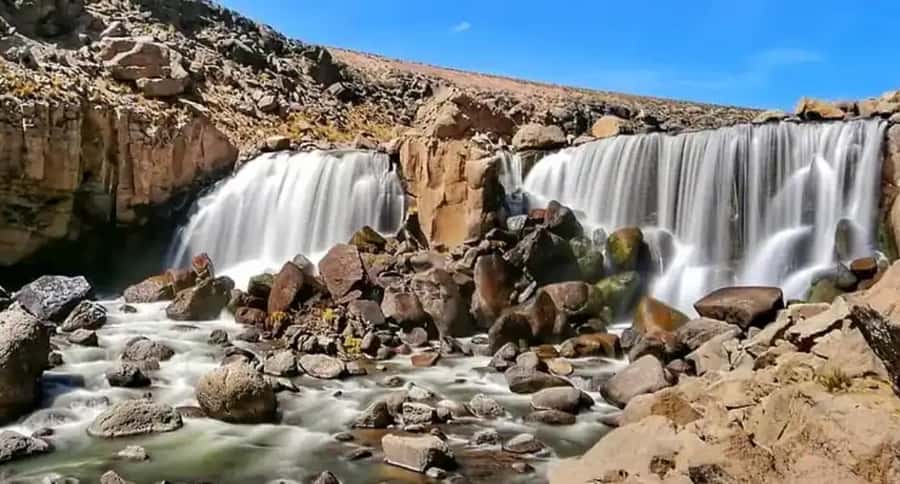
Around 10:30 am, the tour starts the descent toward Pillones Waterfalls, and the downhill portion takes about one hour. This is the part that turns the trip from a simple sightseeing outing into something more physical and more immersive in a practical sense—because you’re earning the view.
I appreciate that the schedule is honest about timing. You’re not being told it’s a quick walk with no effort. You should come prepared for uneven ground, sun, and changing footing. Even if you’re in good shape, wear the right shoes and keep a steady pace.
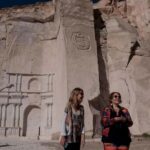
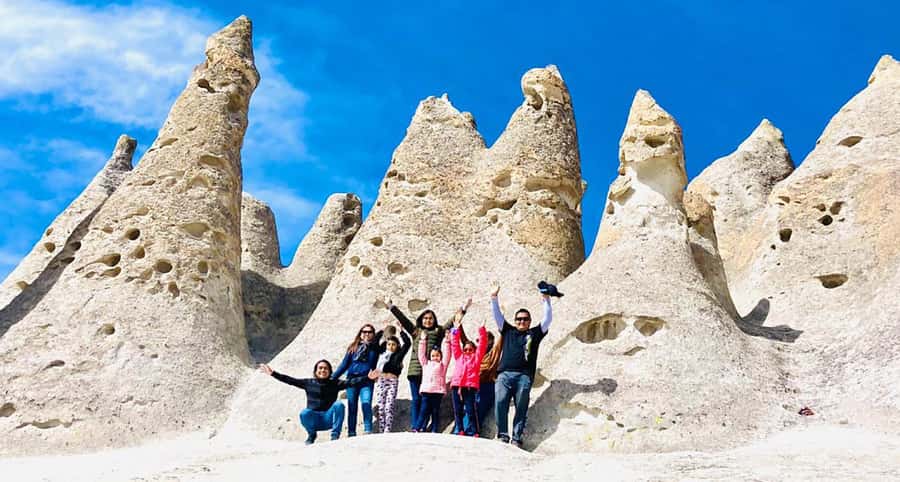
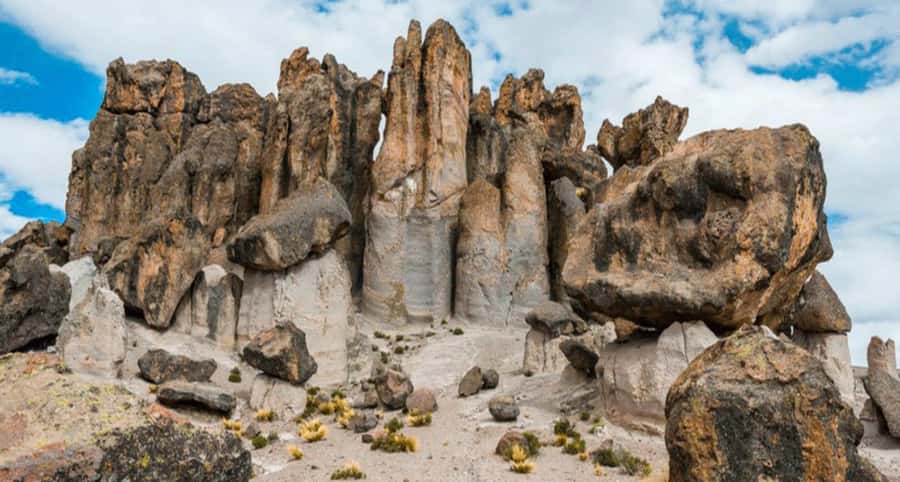
Before arriving, you’ll also be able to appreciate rocks that have been carved over time. The tour mentions rock formations shaped by degradation, and I found that detail useful because it hints at what you should look for: not just the waterfall, but the geology around it. When you pay attention to the rock shapes while you descend, the final arrival feels more meaningful.
Pillones Waterfalls in Real Life: Photos, Vegetation, and the Best Angles
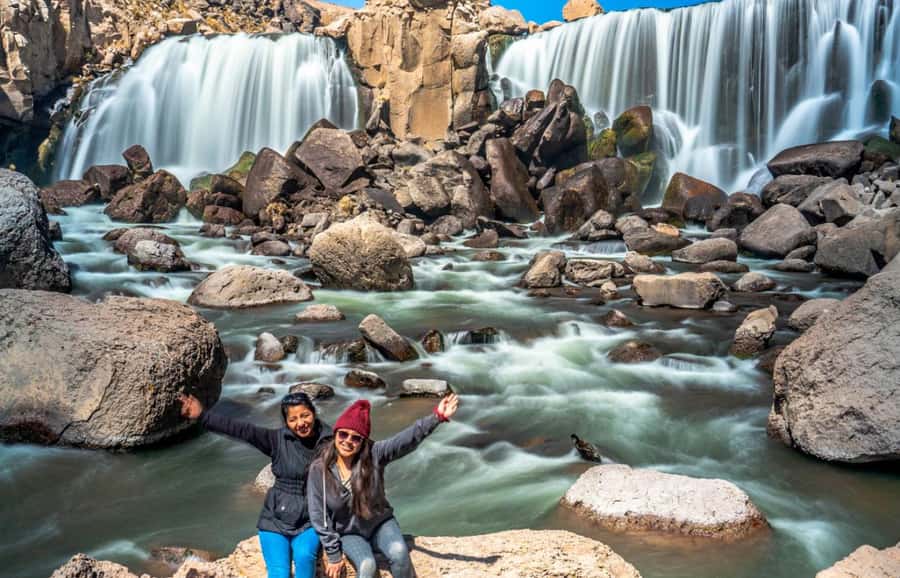
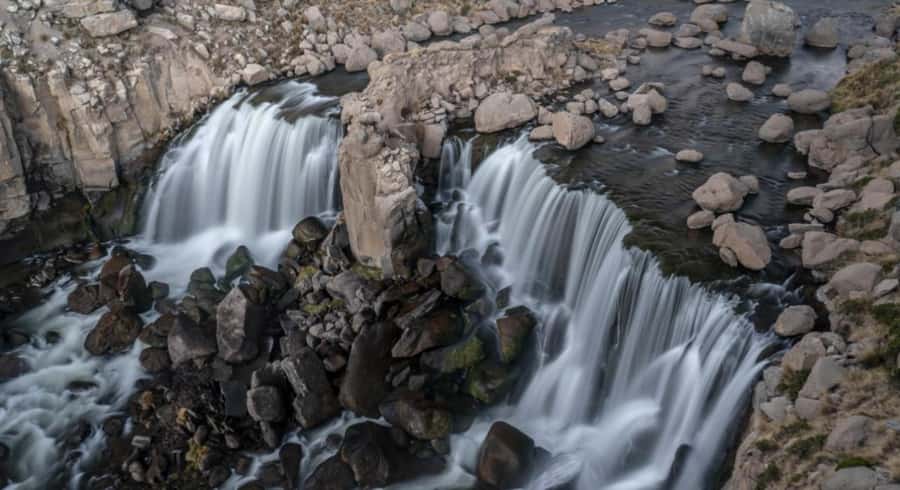
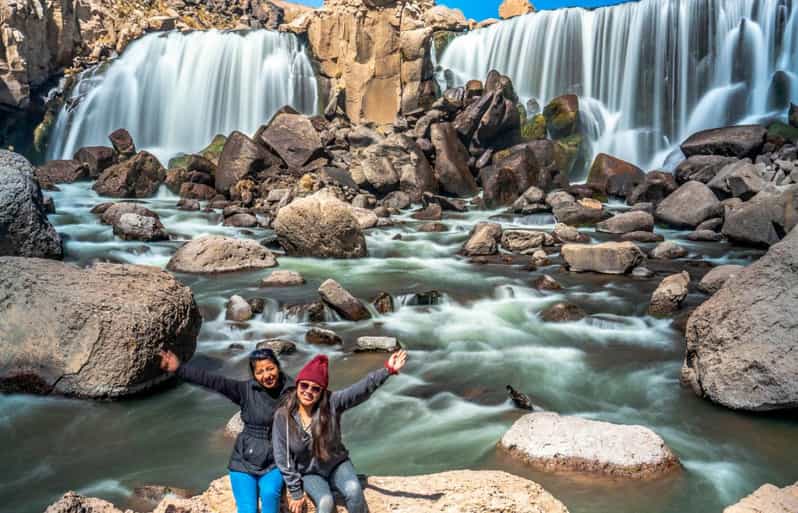
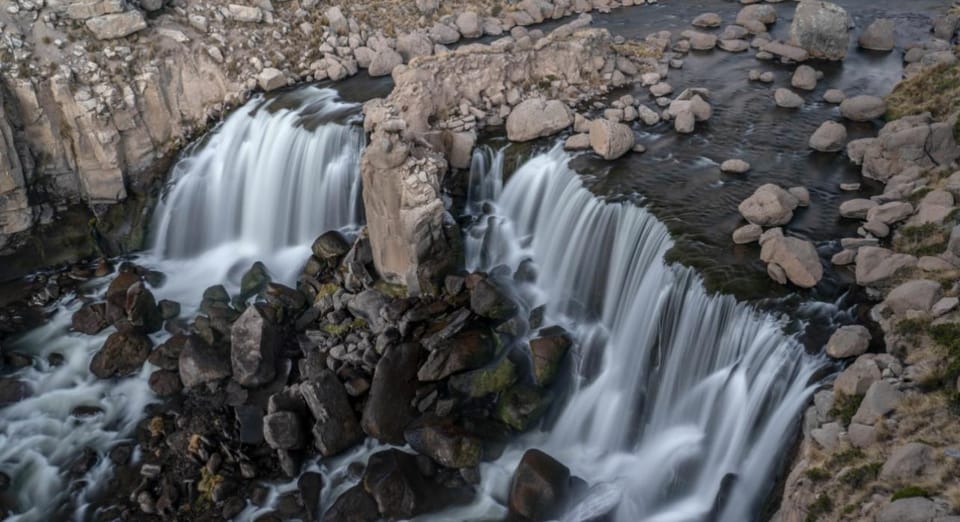
Once you reach Pillones Waterfalls, the experience becomes all about the sensory details: the fall of the water, surrounding vegetation, and the rock formations framing the scene. This is where you’ll want your camera ready and your eyes open for small changes in light.
The tour is timed so you get time for impressive pictures. The most successful photo moments usually come when you slow down and reposition rather than shooting from one spot. Think about water flow, background rocks, and how plants frame the falls. The tour also notes diverse flora and fauna, which is a hint that you might see more than just a waterfall postcard.
One practical note: this is outdoors, and you’ll want to protect yourself from sun. The what-to-bring list includes sunscreen, sunglasses, and a sun hat for a reason. I treat these as non-negotiables on a day like this because your best waterfall moments happen when you’re not distracted by discomfort.
If you’re sensitive to steep or slippery areas, stay mindful. The tour is not designed as an easy stroll, and the return hike is part of what makes the waterfall feel like a real payoff.
Imata Town and Lunch on Your Own: Fuel Before the Return
After the waterfall time, the tour makes a stop in the town of Imata for lunch, and again it’s on your own. The schedule is built so you can eat without rushing the entire day, which is important because you’ve already put in the walking time.
Lunch timing also makes the return to Arequipa around 5:00 pm more realistic. If you skip food or eat lightly, the last stretch can feel longer than it should. The guide helps keep the group moving, but you’re still in charge of your own meal choices.
In terms of value, this lunch stop is helpful even though it’s not included. You’re not stuck eating one specific meal that might not match your preferences. You can choose what you’re comfortable with, and you’ll also get a bit of a reset before the drive back.
This is also where the Imata connection becomes clearer. The tour description calls out the Imata Stone Forest, and the day is structured so you experience the area’s natural character as part of the route, not as a separate attraction you’ll barely see.

Price and Value: Is $27 a Fair Deal for This Day Trip?
At $27 per person, the base price is fairly straightforward for a full-day excursion from Arequipa with transportation and a bilingual guide. Here’s what you should weigh when judging value:
Included:
- Hotel pickup
- Bus transportation
- English and Spanish speaking guide
Not included:
- Meals
- Entrance to the waterfalls: S/5
From a value standpoint, I like that you’re paying for the hard parts: getting out to Pillones and having a guide during the key time window (the approach, descent, and waterfall viewing). You’re also paying for convenience: pickup and return to Arequipa are handled, so you don’t have to coordinate your own transport.
The main budget add-ons you should plan for are:
- S/5 entrance fee
- Breakfast and lunch (both on your own)
If you like guided stops and want the structure of an all-in-one day, this pricing makes sense. If you’re the type who likes to travel fully DIY and you already have transport lined up, you may find better per-person value elsewhere. But for most visitors, the guide and pickup simplify the day in a meaningful way.
Guide Quality: What Makes the Experience Feel Smooth
The tour’s guide is listed as English and Spanish speaking, and the experience quality seems to come through in the way the trip runs. People consistently highlight that the guide is excellent and that the day goes as expected.
I also like that the guide provides advice, not just narration. On an outing with an early pickup, a descent, and several stops, guidance helps you stay comfortable and focused. It’s also useful for photography: you tend to get better results when someone points out where the scene opens up best and reminds you to watch footing.
So even though the trip is largely about the scenery, the guide affects your experience directly. If the pace and timing fit, you end up enjoying the falls instead of feeling stressed.
What to Pack and How to Stay Comfortable on the Walk
This outing is short in calendar time, but it’s physical enough that packing smartly makes a big difference. The tour lists:
- Passport or ID card
- Sunglasses
- Sun hat
- Camera
- Sunscreen
- Water
- Cash
I strongly agree with bringing plenty of water. Even if you plan to buy water during stops (not listed as included), having it with you gives you control. The sun protection items are equally important because you’ll be outdoors from early morning onward and your best moments may happen while the day is still warming up.
Also, plan your clothing around sun and movement. If you’ve got a light layer you can keep handy, it helps. For footwear, think grip and stability. The tour mentions a descent of about an hour, and the ground near waterfalls can be slick or uneven even when it looks manageable.
Finally, there’s a practical communication tip: put your contact number correctly with your country code and make sure you have WhatsApp. This helps the supplier confirm last details so you don’t start the day with avoidable headaches.
Who This Trip Is Best For (and Who Should Skip It)
This is a great choice if you want nature, photos, and a guided day out from Arequipa. It’s especially good for people who:
- like waterfall scenery and want time to photograph
- enjoy a structured day with pickup, transportation, and guided timing
- can handle a moderate walking component
It’s not a good fit if you:
- use a wheelchair
- have pre-existing medical conditions that could be affected by uneven terrain or the walk
If you’re unsure, think honestly about how you handle descents and climbs on a normal day. The tour is short, but the walking is real.
Should You Book the Arequipa to Pillones Waterfall Day Trip?
I’d book it if you want an organized, photo-friendly day in the Arequipa region that doesn’t leave you guessing about transport or timing. The combination of Pillones Waterfalls, the surrounding rock formations, and the connection to the Imata Stone Forest makes it feel like more than one stop on a checklist. You also get the benefit of a bilingual guide, which makes the day smoother and more informative.
I’d skip or reconsider if you need a completely flat, fully accessible outing. The day includes an hour-long descent, and comfort depends on your ability to move on uneven outdoor ground.
If you’re aiming for value, do the math before you commit: the price includes transportation and the guide, but you’ll still pay the S/5 entrance and handle meals on your own. As long as you’re okay with those add-ons, this is a solid, satisfying day trip.
FAQ
FAQ
What time does pickup start in Arequipa?
Pickup is scheduled between 6:00 and 6:30 am.
How long is the trip and when do we return?
The tour lasts 1 day and you return to Arequipa around 5:00 pm.
Is breakfast included?
Breakfast is not included. Breakfast is at a stop in Patahuasi and is on your own.
Is lunch included?
No. Lunch in Imata is also on your own.
Do I need to pay an entrance fee for the waterfalls?
Yes. Entrance to the waterfalls costs S/5.
How long is the walk to the waterfalls?
The descent to reach the waterfalls takes about 1 hour.
What language is the guide?
The guide speaks Spanish and English.
Is the tour suitable for wheelchair users or medical conditions?
No. It is not suitable for wheelchair users or people with pre-existing medical conditions.