REVIEW · CUSCO
From Cusco: Sacred Valley & Machu Picchu 2-Day Tour by Train
Book on GetYourGuide →Operated by FLY CUSCO PERU Travel Agency · Bookable on GetYourGuide
Machu Picchu feels real fast. What makes this trip work is how the Sacred Valley stops flow into an easy train ride, and how guides like Victor and Carlos keep the whole day from turning into chaos. I especially like the small groups (max 10) and the way the tour handles tickets and timing for you. One watch-out: the Aguas Calientes hotel included is sometimes basic, depending on the star option you choose.
Day 1 is about context and contrast—Inca farming engineering, salt flats, and a fortress-like town—then you sleep near the station so Day 2 starts smooth. Day 2 is all Machu Picchu, guided at a comfortable pace through your selected circuit, with time to breathe and take photos without feeling herded.
If you prefer to DIY, you can. But if you want fewer moving parts and more learning at each stop, this tour is a strong fit.
In This Review
- Key reasons this tour earns high marks
- Why Sacred Valley first makes Machu Picchu hit harder
- Day 1 in Cusco Region: weaving, terraces, salt, and Ollantaytambo
- Chinchero and its living weaving tradition
- Moray: the Inca agricultural laboratory in plain sight
- Maras salt mines: the postcard photo is the real point
- Urubamba lunch: buffet with vegetarian options
- Ollantaytambo: the fortress town before the train
- The train ride to Aguas Calientes: the scenery show
- Day 2: early entry to Machu Picchu with a guide-led circuit
- Getting to Machu Picchu from Aguas Calientes
- Your guided visit: Circuit 1, 2, or 3 based on availability
- Lunch is yours to handle
- Train back to Ollantaytambo and Cusco
- Price and value: what $499 really buys you
- Hotels and comfort: where expectations should be set
- What to bring (and what to avoid) so Day 2 feels easy
- Who this tour suits best
- Should you book this Cusco to Machu Picchu train tour?
- FAQ
- Is Machu Picchu entrance included?
- Do I need to buy an entry ticket for the Sacred Valley?
- What train options are available?
- Is there a hotel included for the night?
- How does the tour handle transport in Cusco?
- Are lunch meals included?
- How big is the group?
Key reasons this tour earns high marks
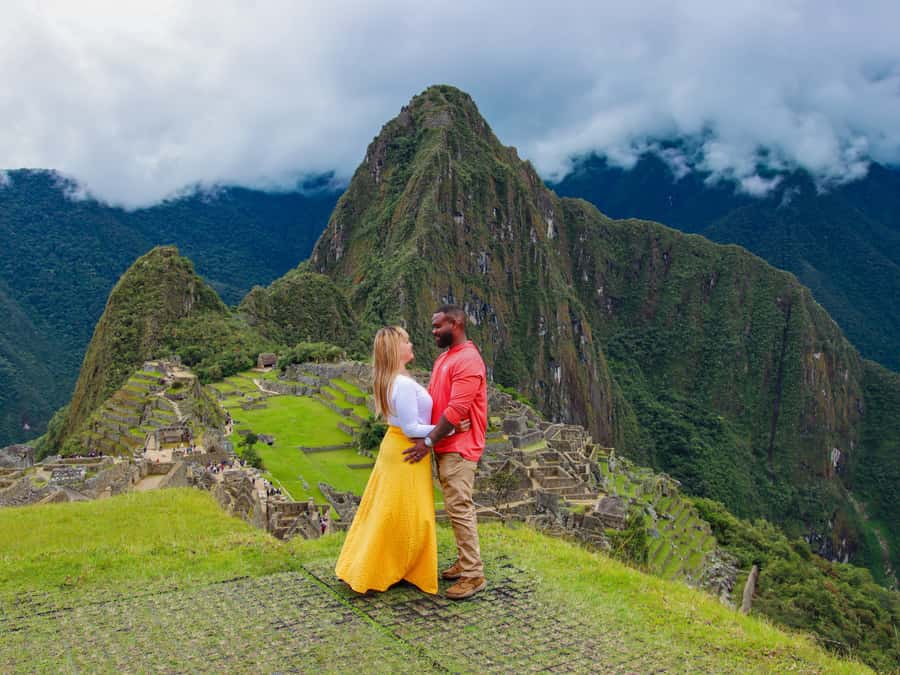
- Max 10 people with English-speaking guides means questions actually get answered
- Door-to-door hotel pickup and drop-off in Cusco removes the guesswork
- A guided, ticketed Machu Picchu circuit (1, 2, or 3) based on availability keeps you moving legally and efficiently
- The optional Vistadome 360° train is a fun upgrade for the scenery ride
- The overnight in Aguas Calientes lets you hit Machu Picchu with less stress
- Strong on-the-ground problem solving, including help during a train delay in one recent departure
Why Sacred Valley first makes Machu Picchu hit harder
Most Machu Picchu tours treat the Sacred Valley like a warm-up. This one uses it like a pre-game lesson. You start in Cusco, then spend Day 1 learning how the Incas worked with extreme altitude and climate—before you ever see the famous stone city.
The Sacred Valley stops matter because they explain the logic behind Inca life: agriculture, trade routes, and how they managed landscapes. If you’ve ever looked at photos of Machu Picchu and wondered why those terraces and stone channels existed, Day 1 gives you the answer in human terms, not just facts.
The other big value is pace. You’re not stuck waiting around for hours with no guidance. You’re moving through meaningful sites, with built-in photo stops and short stretches of free time so you can recharge.
You can also read our reviews of more tours and experiences in Cusco
Day 1 in Cusco Region: weaving, terraces, salt, and Ollantaytambo
Chinchero and its living weaving tradition
You’ll leave Cusco after breakfast (pickup is handled from the door of your hotel in the historic area), then head to Chinchero. The first stop here is less about ruins and more about people—so you get a sense of continuity from Inca-era craft into today.
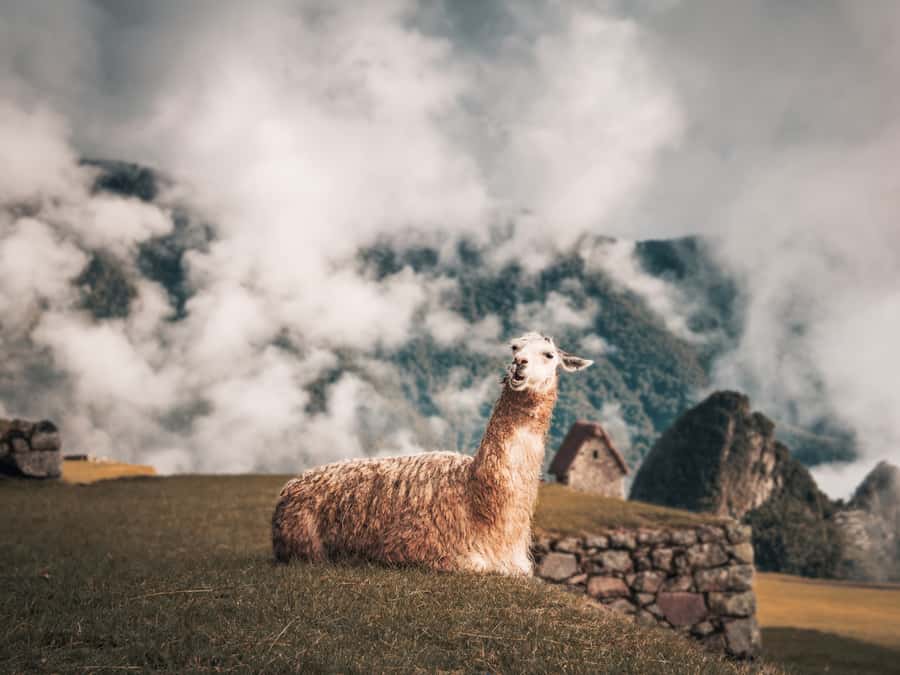
You’ll meet a local family and see weaving that’s kept alive through generations. Alpacas and llamas are part of the welcome, and you can often take photos and even help with a small snack-style moment for the animals. The guide also explains the weaving process using natural materials, which is a great way to make sense of the colors and patterns beyond just “pretty textiles.”
Practical note: this stop includes time for photo ops and a bit of shopping (about 30 minutes), so plan to browse lightly if you’re avoiding carrying extra items back.
Moray: the Inca agricultural laboratory in plain sight
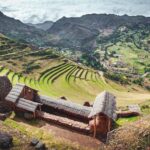
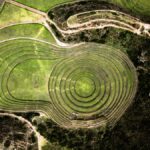
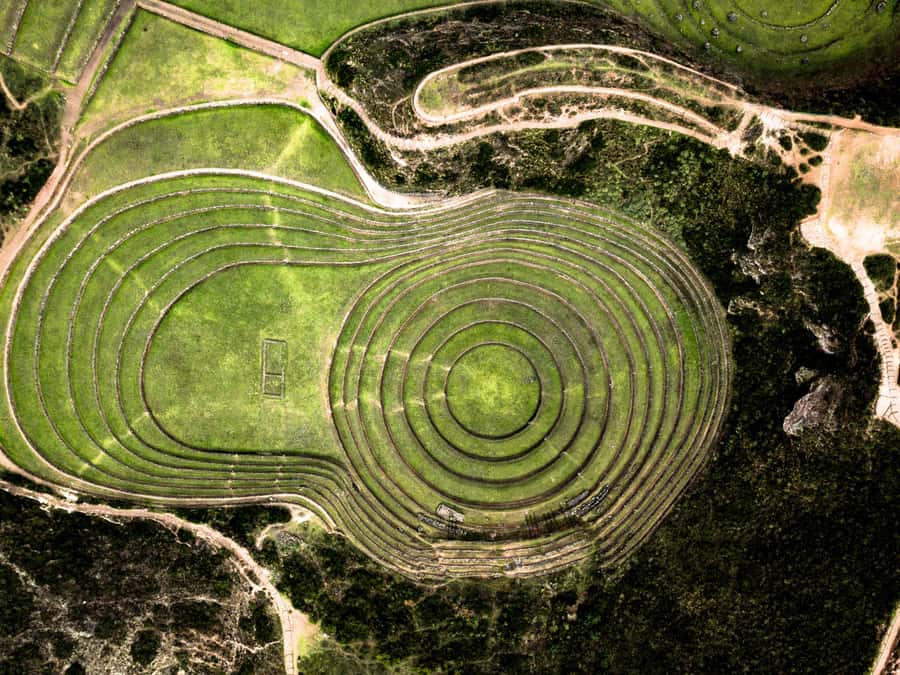
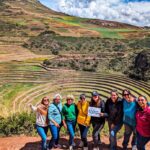
Next comes Moray, famous for its nested terraces. This is one of those places where you can feel how smart the Incas were about temperature. Your guide ties it together by explaining how the terraces created different climatic zones—basically a built-in research system for crops.
The views from Moray also help. Even when you’re only walking a short way, the Andes backdrop makes the site feel huge in scale. It’s the kind of stop that’s worth paying attention to even if you’re not a hardcore ruins person.
Possible drawback: you’ll spend time outdoors at altitude. Bring sunscreen and a layer you can manage if the weather flips.
Maras salt mines: the postcard photo is the real point
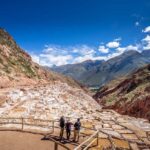
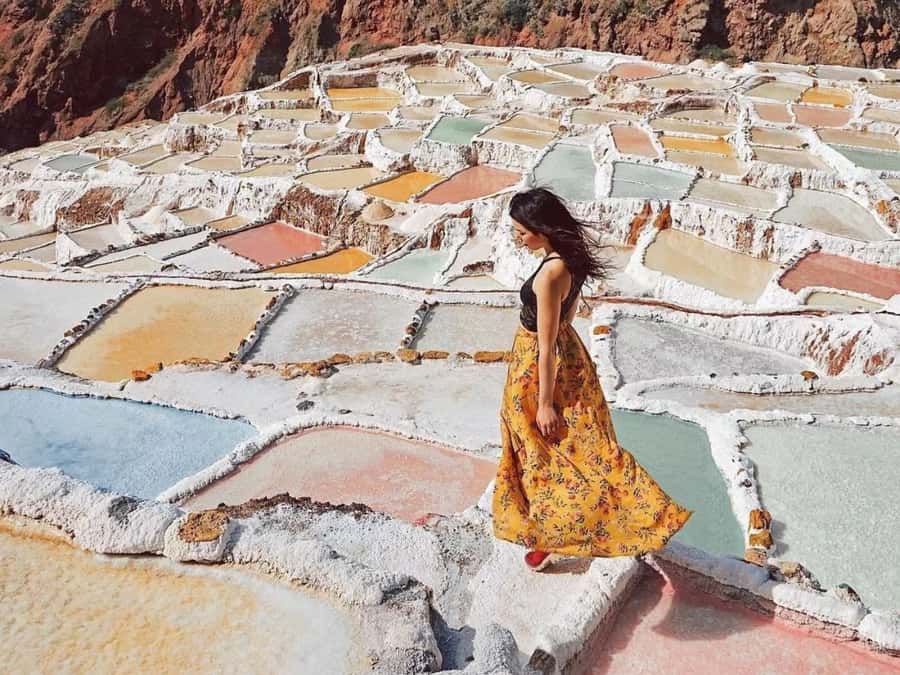
Then you reach Maras Salt Mines—thousands of salt ponds still functioning. This is where your guide earns their keep with timing and routes for getting the most iconic photos without turning it into a scramble.
This stop is built around sightseeing, guided context, and a short walk. You’ll get that famous view opportunity, and your guide will also help with taking the photo if you want it done well.
Good news: the salt mines are often easier to enjoy than they sound. You don’t need to be an athlete to appreciate it. Just wear comfortable shoes, and keep an eye on your footing.

Urubamba lunch: buffet with vegetarian options
Lunch lands in Urubamba. You’ll have a buffet (vegetarian options available), and the setup is designed to keep you fueled for the next stretch. One nice detail from recent groups: the lunch tended to offer a lot of variety for different dietary needs, not just a token alternative.
Aim to eat like a traveler, not like a rabbit: you’ll be glad you did when the day keeps rolling.
Ollantaytambo: the fortress town before the train
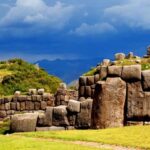
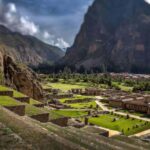
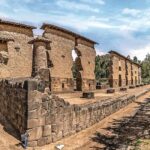
You finish Day 1 at Ollantaytambo, an important Inca site positioned as part of the route toward Machu Picchu. The ruins and terraces here were heavily protected over time, and the guide will explain why that mattered during later conflicts.
You get a mix of guided time plus breaks for photos and shopping. This is also where you shift from sightseeing mode into logistics mode. You’ll then head to the train station to board your selected train option.
The train ride to Aguas Calientes: the scenery show
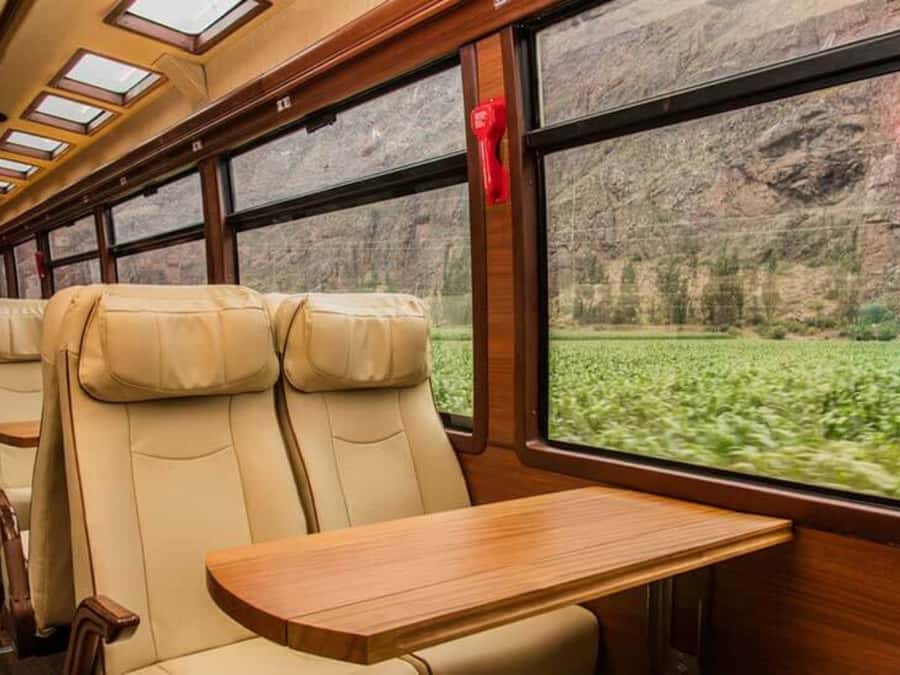
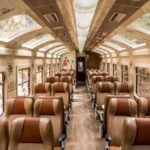
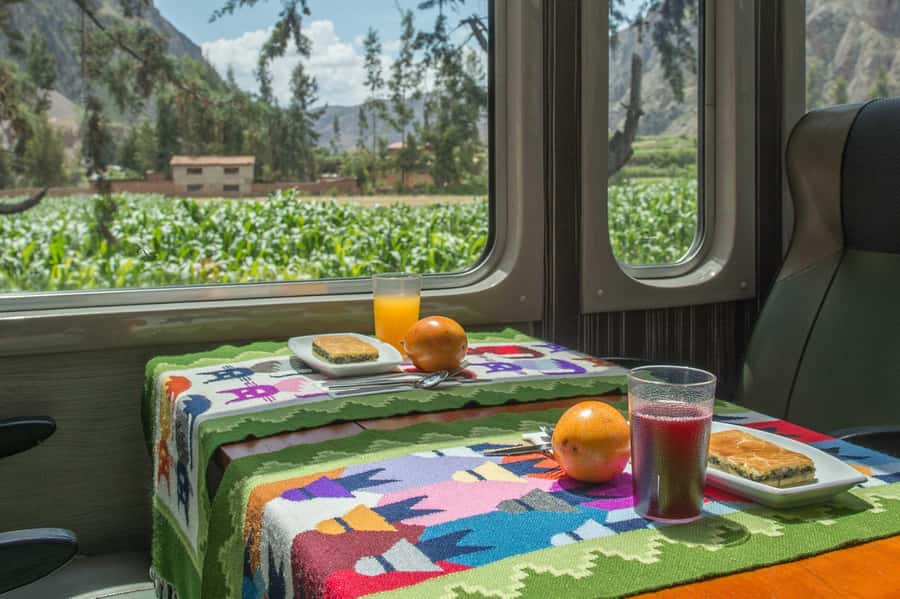
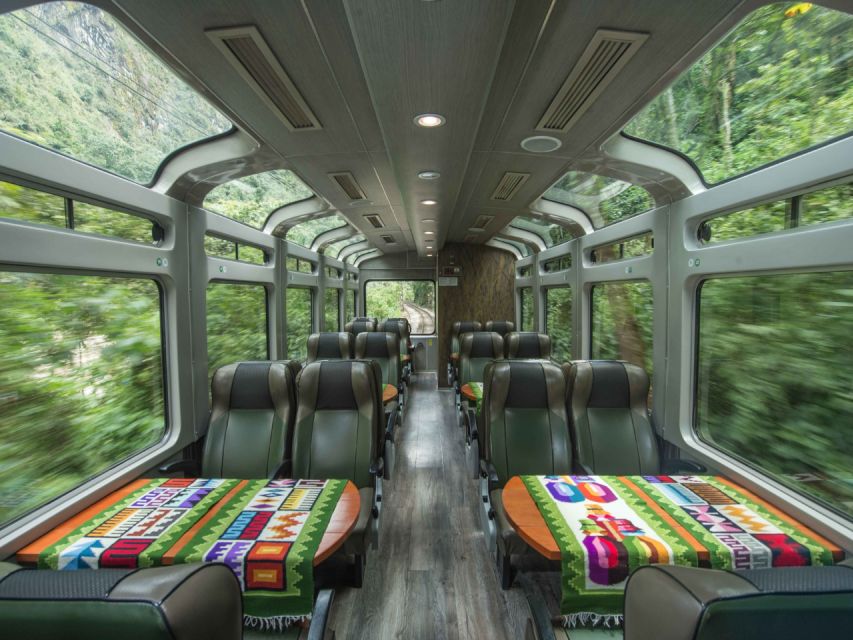
Your train runs Ollantaytambo to Aguas Calientes, about 105 minutes. You can choose between a normal train and the Vistadome 360° panoramic option when booking, and recent feedback strongly leans toward at least one way on Vistadome.
Why it’s worth caring: Peru’s rail corridors in the Andes are not just transportation. The windows turn the ride into a moving view deck—mountain terrain unfolding in real time. It’s one of the rare travel moments where “getting there” feels like part of the attraction.
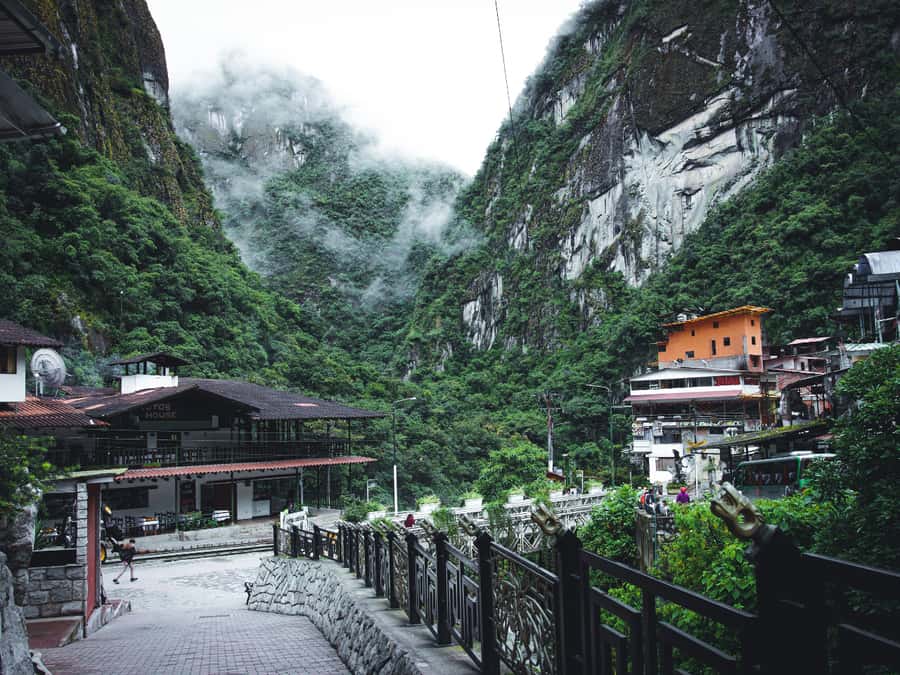
When you arrive in Aguas Calientes, you check into your included hotel for the night. After that, you’re free for the evening. Since the hotel is near the station in recent departures, it makes the next morning easier.
Day 2: early entry to Machu Picchu with a guide-led circuit
Getting to Machu Picchu from Aguas Calientes
Breakfast is at your hotel, then you head with your guide to the bus station in Aguas Calientes. You’ll take the bus up to the main gate of the Historic Sanctuary of Machu Picchu.
The timing here is key. In one recent run, the group had an early entry time around 6 AM, and that’s the kind of advantage you want if you hate crowd pressure. Even if your exact entry slot varies by availability, you’ll start early enough to make the day feel organized rather than frantic.
Your guided visit: Circuit 1, 2, or 3 based on availability
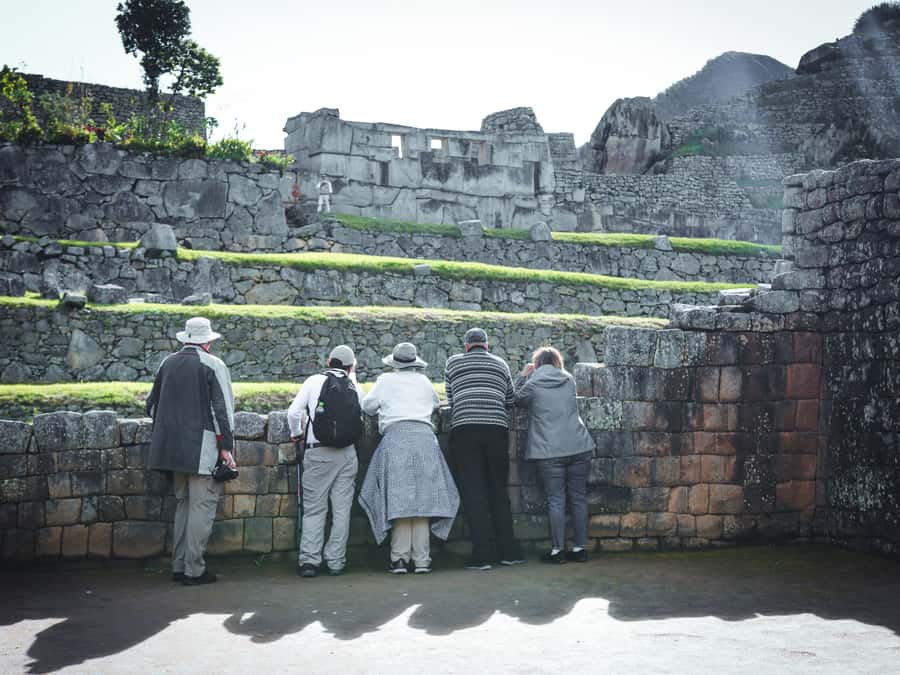
Machu Picchu tickets come as circuit access depending on availability (Circuit 1, 2, or 3). Your guide works from that circuit plan, leading you through the lower and main areas according to your ticket.
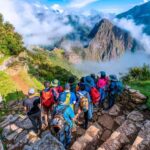
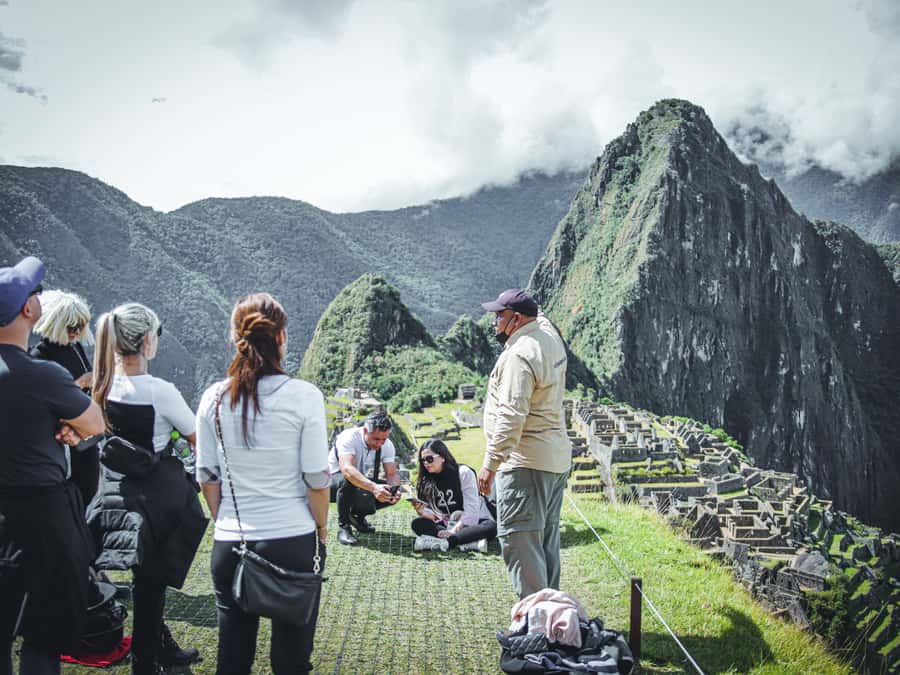
The tour includes classic photo moments and a guided route with time to explore. Guides like Carlos and Martin are specifically praised for pacing and for explaining things in a way you can actually use while walking—history, yes, but also context like Quechua perspectives and rituals when available.
One helpful thing: you’re not just following a line. You get references and explanations that make the structures easier to understand as you pass them.
Photo tip: you’ll have time for photos during guided stops and breaks. Still, keep your camera ready when the guide pauses—those are often the moments the light and angles hit best.
Lunch is yours to handle
After you finish the guided portion, you return by bus to Aguas Calientes for lunch. Lunch is not included on Day 2, so decide in advance if you’ll eat nearby or keep it simple and quick.
Train back to Ollantaytambo and Cusco
Then you board the train back to Ollantaytambo, again around 105 minutes, and your transport meets you to return you to Cusco. The estimated arrival is about 18:30.
One recent group even faced a train delay, and the team reportedly helped with food and drinks at the station. That’s not something you can count on every day, but it does show the operation is paying attention when real-life problems pop up.
Price and value: what $499 really buys you
At $499 per person for a 2-day experience, the headline price looks simple. The value isn’t just “Machu Picchu plus a train.”
You’re paying for the planning layer that most independent travelers struggle with:
- Door-to-door hotel transfers in Cusco
- Train tickets round-trip (Ollantaytambo ↔ Aguas Calientes)
- Bus tickets for getting up and down from Aguas Calientes to Machu Picchu
- Guided visits at both Sacred Valley and Machu Picchu
- A 1-night hotel stay in Aguas Calientes
That can be a big deal if you don’t want to spend your first days in Peru arguing with ticket platforms, matching times, or figuring out which circuit fits your legs and your photography goals.
Two cost items you should budget separately:
- Entry ticket to the Sacred Valley (90 Peruvian soles in cash)
- Lunches that aren’t listed as included
Also note: the price is based on double occupancy, but solo travelers can book with a private room.
If you’re the type who enjoys learning while walking and hates time-wasting logistics, this price can feel fair fast. If you’d rather self-guide and you’re comfortable handling all tickets and timing, you may find cheaper paths—but they’re also more work.
Hotels and comfort: where expectations should be set
This tour includes one night in Aguas Calientes, with hotel options at 2-, 3-, or 4-star level depending on what you choose at booking. That means you can “buy” more comfort.
One recent review did call out a more basic hotel experience at the lower end, with limited towels and pillows. That doesn’t mean the trip is bad. It means you should choose your star level with your priorities in mind.
For me, the hotel’s real job is simple:
- Sleep well after a full travel day
- Be close enough to make the next morning easy
- Provide a decent breakfast so you can handle Machu Picchu without feeling wrecked
If you choose a higher category, you’ll likely feel better about the downtime.
What to bring (and what to avoid) so Day 2 feels easy
You’ll be moving, walking a bit, and spending time outdoors at altitude.
Bring:
- Passport (your details are required for booking the 2-day tour)
- Comfortable shoes
- Sunglasses, sunscreen, and a sun hat
- A jacket (weather can change)
- Insect repellent
- Reusable water bottle
- Power bank
- Camera
Not allowed: luggage or large bags. Keep things tight so you don’t spend your day fighting space constraints.
Who this tour suits best
This tour is a great match if you:
- Want a guided overview of Sacred Valley and Machu Picchu in only 2 days
- Prefer small group attention (max 10)
- Like having tickets and schedules handled
- Want the train to be a highlight, especially if you can do Vistadome 360°
It’s not for everyone. It’s listed as unsuitable for pregnant women and people over 70 years, so check fit carefully if mobility or stamina is a concern.
Should you book this Cusco to Machu Picchu train tour?
Book it if you want a smooth, guided experience with a small group and fewer moving parts. The strongest reasons are the organization, the quality of the guides (including Victor and Carlos, and also Martin and Efrain in recent departures), and the way the itinerary builds meaning from Sacred Valley into Machu Picchu.
Skip or reconsider if:
- You already love planning and self-guiding every step
- You hate outdoor walking in altitude conditions
- You’re sensitive to basic hotel comfort unless you choose a higher star option
- You want lunches included throughout (only Day 1 lunch is specified)
If you’re in the middle—curious, busy, and short on time—this is the kind of trip that removes stress without removing the soul of the place.
FAQ
Is Machu Picchu entrance included?
Yes. Your Machu Picchu entrance ticket is included, with access to Circuit 1, 2, or 3 depending on availability.
Do I need to buy an entry ticket for the Sacred Valley?
Yes. The Sacred Valley entry ticket costs 90 Peruvian soles in cash and is not included.
What train options are available?
You can choose between a normal train or the Vistadome 360° panoramic train for the Ollantaytambo to Aguas Calientes and return segment.
Is there a hotel included for the night?
Yes. The tour includes 1 night in Aguas Calientes in a 2-, 3-, or 4-star hotel of your choice at booking, and solo travelers receive a private room.
How does the tour handle transport in Cusco?
It includes door-to-door service with hotel pickup and drop-off in the Cusco historic city center area.
Are lunch meals included?
Lunch on Day 1 in the Sacred Valley (Urubamba) is included as a buffet with vegetarian options. Lunch on Day 2 in Aguas Calientes is not included.
How big is the group?
The tour is a small group limited to 10 participants.