REVIEW · AREQUIPA
From Arequipa: Colca Canyon Day Trip with Transfer to Puno
Book on GetYourGuide →Operated by BABY LAMA · Bookable on GetYourGuide
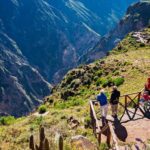
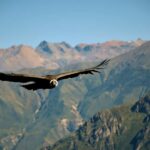
Condors wake you up before dawn. This Colca Canyon day trip starts with a 3 a.m. pickup and is built around spectacular canyon viewpoints and Andean condor flight watching at Mirador Cruz del Cóndor. I like that the route also gives you practical cultural stops, not just scenery, including villages, terraces, and plenty of photo chances.
The main thing I’d flag is the pace: it’s a full, long day with an early wake-up and an included 1-hour hike. If you’re sensitive to early mornings or have mobility or health limits, this schedule may feel like a grind.
In This Review
- Key highlights that matter
- What $65 really buys you on this Arequipa to Puno transfer
- The 3 a.m. pickup: worth it, but plan like you mean it
- Morning drive plus breakfast: settling in for altitude-style scenery
- Chivay stop: coffee, breakfast, and a culture pause
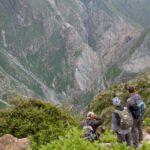
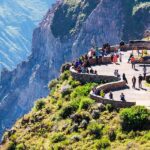
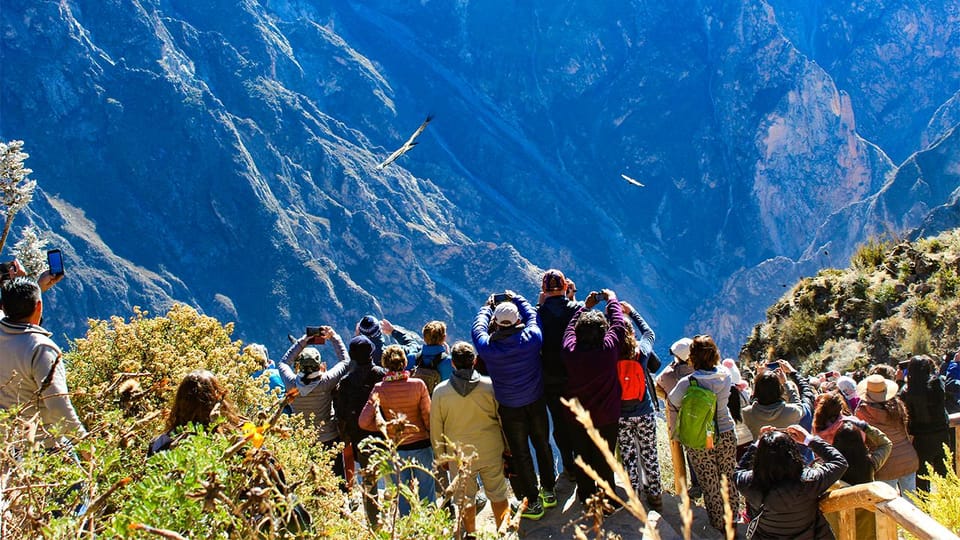
- Mirador Cruz del Cóndor: where you go for the condors
- Colca River photo stop: quick, but good for context
- Maca, Caylloma: terraces, llamas and alpacas, plus market time
- Chacapi Hot Springs: the midday reset
- Chivay lunch and dessert: food stop #2 in the day
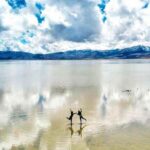
- Salinas and Aguada Blanca National Reservation: wildlife and wide-open views
- Mirador Alto Lagunillas: a short market stop with snacks and drinks
- The final transfer into Puno: arrive with time to breathe
- What to bring and what to skip (so the day stays fun)
- Who this Colca Canyon to Puno day trip is best for
- Should you book it?
- FAQ
- What time is pickup from Arequipa?
- How long does the tour take?
- Is the hike included?
- What entrances are not included in the price?
- Is lunch included?
- What language is the guide?
- What should I bring and avoid?
Key highlights that matter
- 3 a.m. pickup from central Arequipa, so you’re in position for sunrise views
- 1-hour hike to the canyon’s edge for a true viewing angle
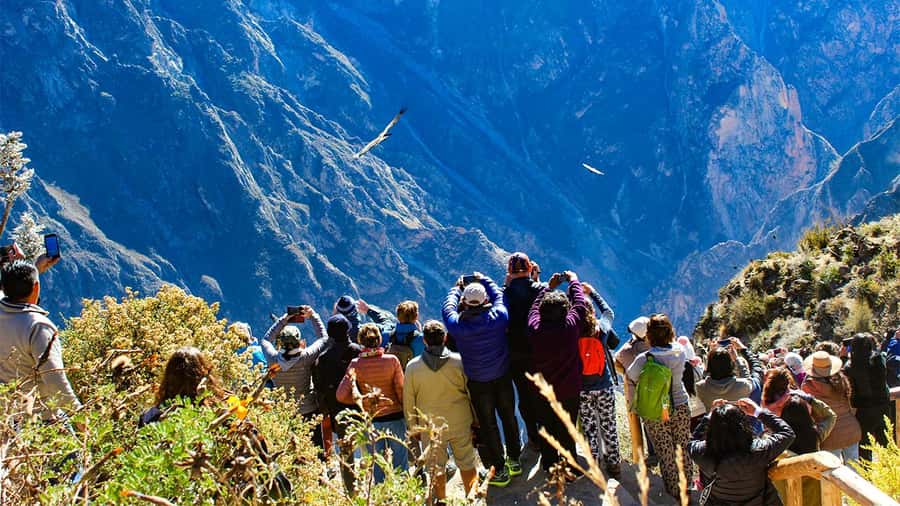
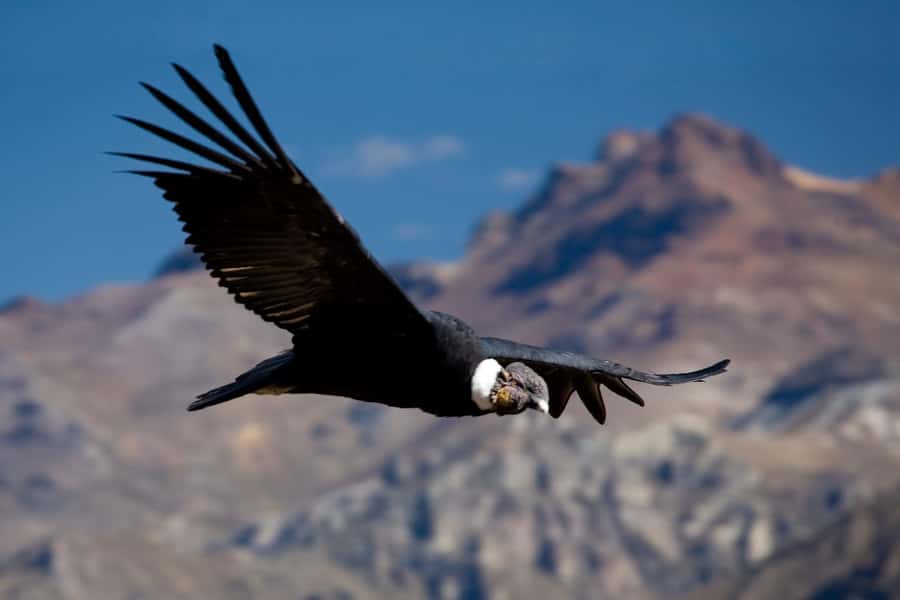
- Mirador Cruz del Cóndor is the centerpiece for spotting Andean condors
- Local culture focus, with an operator run directly by native people and active village stops
- Chacapi Hot Springs for a real break (and a swim if you want)
- Arrival in Puno around 7 p.m., with scenic stops along the way
What $65 really buys you on this Arequipa to Puno transfer
At $65 per person, you’re not just paying for transport. You’re paying for a tightly packed day plan that includes an English-speaking guide, a breakfast at the start, and a long-distance transfer that ends in Puno. You also get approved tourist transport plus first aid equipment and personalized assistance, which matters when your day starts before most people’s alarms.
That said, two big items are not included: national park entrance (70 soles) and hot spring entrance (15 soles). Lunch is also not included. If you’re budgeting, think in terms of “tour price plus park plus hot springs plus lunch,” and you’ll avoid surprises.
Also, you’ll hear about the route’s environmental and culture-minded approach. The tour is designed around respecting the local way of life, and it includes visits where agricultural traditions and community spaces are part of what you’re seeing—not just background scenery.
You can also read our reviews of more tours and experiences in Arequipa
The 3 a.m. pickup: worth it, but plan like you mean it
You’ll be picked up around 3:00–3:30 a.m., but the practical rule is simple: you should be ready from 3 a.m. at your accommodation reception. This is one of those tours where being “almost ready” can throw off the whole start, so set up your night so you can move fast: shoes by the door, water bottle and layers packed, camera ready.
Then you’re driving for about 3 hours toward the Andes. In a perfect world, you get a little sleep in transit. In reality, you’ll probably be doing the half-sleep, half-anticipation thing—because the whole point is that you’ll reach the key viewpoints early enough for good light and reasonable chances at condors.
Health-wise, note that this isn’t for everyone. It’s not suitable for people with high blood pressure and it’s also listed as not suitable for claustrophobia. That’s likely tied to long bus time and the early start. If either of those applies, it’s worth choosing a calmer alternative.
Morning drive plus breakfast: settling in for altitude-style scenery
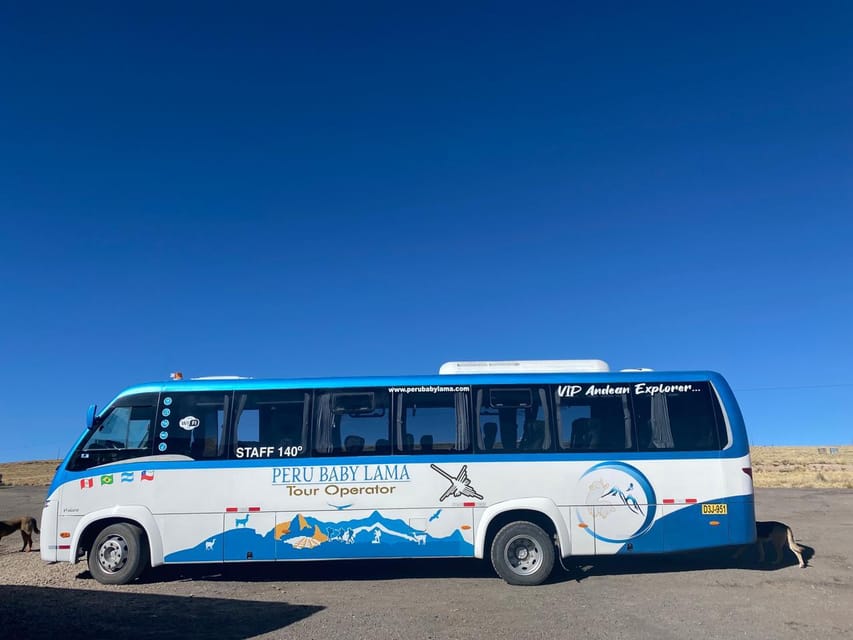
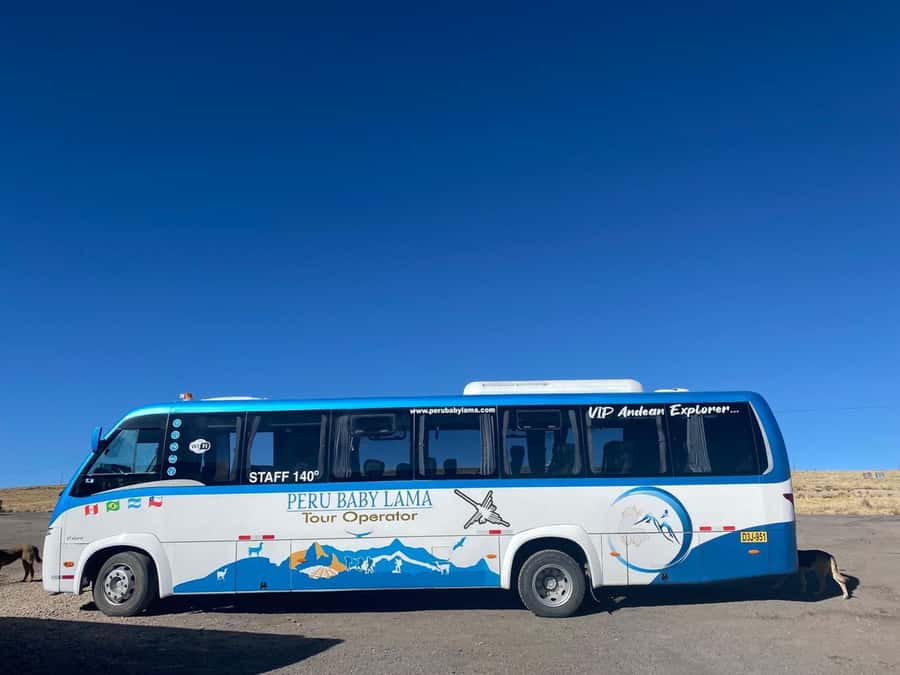
The day’s rhythm is: depart, then settle into the long scenic morning. Early on, you’ll stop at the starting point with the tour operator (Peru Baby Lama Adventures) and then transfer by bus/coach with guide-led commentary and scenic viewing along the way.
Breakfast comes after about 3 hours of driving, so it’s not a sad “grab and go.” Still, keep your expectations realistic: it’s breakfast to fuel a day, not brunch.
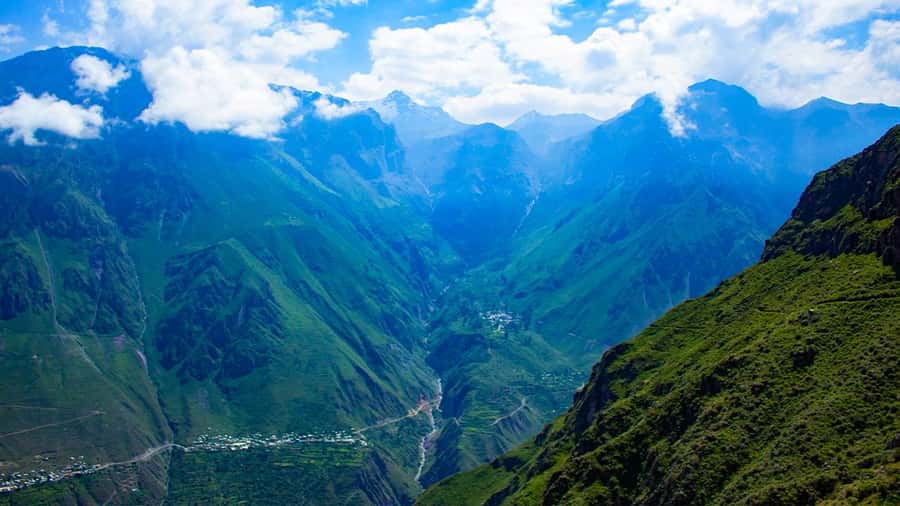
One of the best parts of the early drive is that you’re not just looking at mountains—you’re moving through changing terrain and seeing why Colca Canyon became famous in the first place. You get the “why this place matters” feeling before you even reach the main viewpoint.
Chivay stop: coffee, breakfast, and a culture pause
Once you reach Chivay, you get a structured break: coffee, breakfast, and a traditional dance show. This stop lasts about 1 hour.
Why I like this kind of break (and why you’ll likely appreciate it too): it breaks the monotony of highway time and gives context for what you’re seeing later. Colca Canyon isn’t just a set of overlooks—it’s a living region. A dance performance may not tell you everything, but it makes the day feel rooted in people, not just in landscapes.
One small consideration: there’s a lot packed into this early schedule. If you’re the type who likes long, slow meals, this stop might feel like a quick cultural interlude. But if you prefer efficient sightseeing, it works well.
Mirador Cruz del Cóndor: where you go for the condors
This is the star segment of the day. At Mirador Cruz del Cóndor, you’ll spend about 1 hour, with a mix of guided and self-guided time so you can position yourself and actually watch.
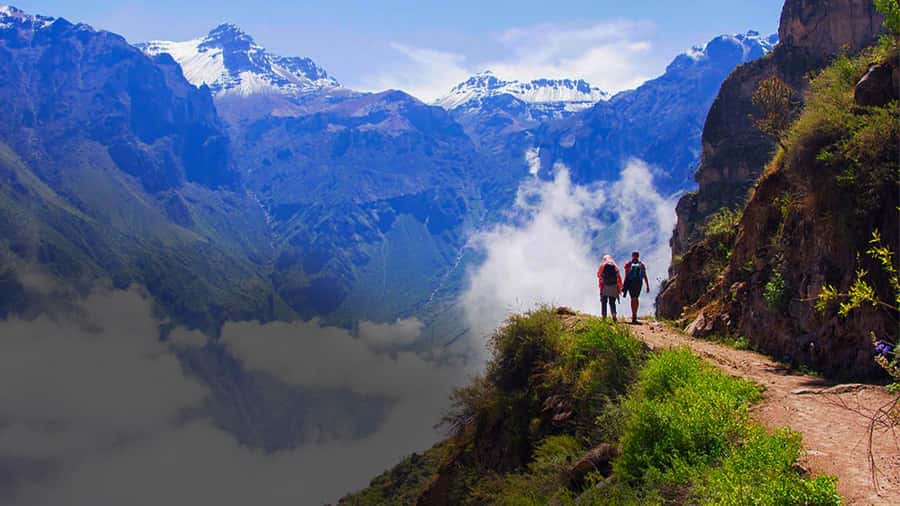
You’ll also hear the “included hike to the canyon’s edge” theme here, because the viewing experience is not just “stand by the bus and look.” There’s an included 1-hour hike built into the plan, timed so you can get into position for the best views.
Here’s how to make this stop work for you:
- Bring binoculars if you have them. Condors can be small in the distance, and binoculars help you stop guessing.
- Wear hiking shoes. The canyon edge viewing is where comfort matters.
- Keep your camera settings ready. Once condors move into view, you won’t want to fumble.
And about condors: the tour is clearly built for Andean condor flight watching, but wildlife timing is always a little unpredictable. Still, this is the right place to try—this viewpoint is famous because it gives you the right sight lines.
You can also read our reviews of more tours and experiences in Arequipa
Colca River photo stop: quick, but good for context
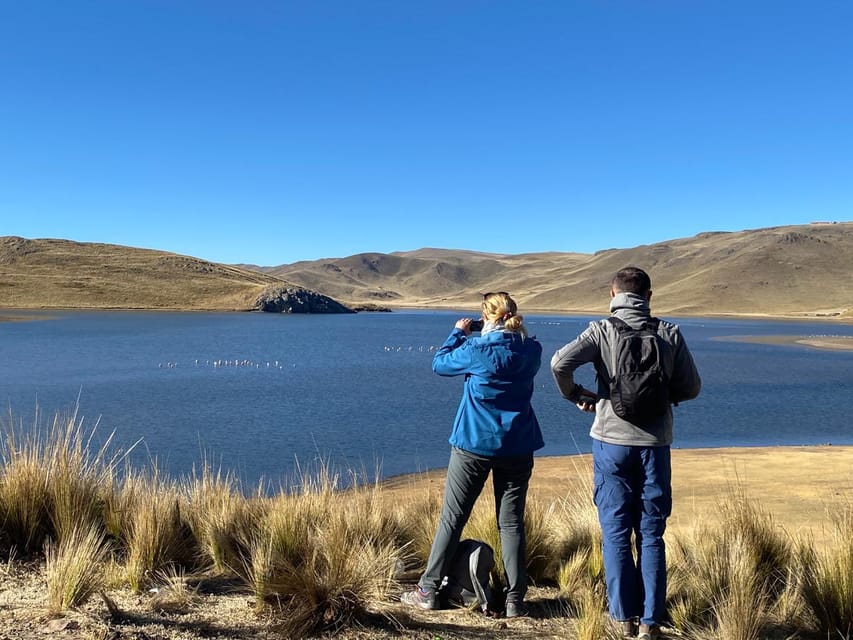
Next you’ll head toward the Colca River area with a photo stop and a short visit. The plan here includes guided time plus some scenic viewing, roughly 15 minutes for this segment.
It’s not the biggest moment of the day, but it’s useful. The river gives scale and helps you understand what you’re looking at from the canyon edge—how the water system carved this landscape and why the region supports agriculture and grazing.
If you love photography, this is a “get one more perspective” stop. If you’re tired, it’s short enough that you don’t lose too much momentum.
Maca, Caylloma: terraces, llamas and alpacas, plus market time
This is where the day starts to feel most human. At Maca, Caylloma you get a mix of photo time, brief cultural experiences, and a 30-minute window for local snacks and shopping. The plan includes options like cocktail, free time, and a food market visit.
Why this stop is so valuable is simple: you’re seeing the agricultural life that still matters here. The route is described as including hundreds of agricultural terraces still used by local people, along with llamas and alpacas along the way. That’s not just scenic flavor. It’s part of how communities survive and how the landscape is maintained.
What to watch for: this is also where you’ll want small bills. The tour notes cash as something to have. If you’re trying local snacks, do it here when you have time, not later when you’re rushing.
Chacapi Hot Springs: the midday reset
After more canyon time and cultural stops, you’ll reach Chacapi Hot Springs for about 1 hour. This is your swim and soak break.
The tour includes hot spring time, but the entrance fee (15 soles) is not included in the tour price. So budget for that if you want the full experience. Also bring the right mindset: hot springs are not a spa day. It’s a practical break that helps you recover from the early start and the hike.
They even suggest beachwear, which makes sense. If you want to actually get in, pack a swimsuit and a small towel if you can.
And yes, this stop can be a little chaotic in a fun way—people changing, bags shifting, cameras out. It’s one of those times where simple patience makes the experience better.
Chivay lunch and dessert: food stop #2 in the day
You’ll return to Chivay for a stop that includes dessert and lunch, plus regional food options for about 40 minutes.
This segment matters because it’s where you refill before the long bus ride toward Puno. You don’t want to be running low on energy when the day is still moving.
But remember: lunch is listed as not included. So the “dessert and lunch” here is best thought of as a scheduled food chance with regional options, not a guaranteed free meal. Bring cash and plan to pay on-site if you eat.
Salinas and Aguada Blanca National Reservation: wildlife and wide-open views
After lunch, the route includes a stop at Salinas and Aguada Blanca National Reservation. The time here is short—about 15 minutes—and it’s a self-guided break with scenic viewing and wildlife viewing.
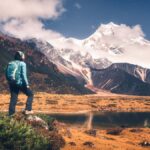
This is one of those “small stop, big payoff if you’re alert” moments. Wildlife viewing can be hit or miss, but wide-open highland scenery is usually worth it. The main value is variety: your day moves from canyon edges to river views to highland reserve terrain.
If you have binoculars, this is another moment they can shine.
Mirador Alto Lagunillas: a short market stop with snacks and drinks
Next you’ll reach Mirador Alto Lagunillas for about 15 minutes. The plan includes a break with coffee and tea, plus local snacks, and some arts and crafts market visit.
It’s brief, but it gives you something practical: fuel and a chance to browse small local products. This is also a good place to buy a small souvenir if you want something that feels connected to the region, not a generic souvenir stall.
Keep expectations realistic: this isn’t a full market day. It’s a quick, functional stop that helps keep the long itinerary moving.
The final transfer into Puno: arrive with time to breathe
Finally, the tour transitions into the last leg: a bus/coach ride of about 2 hours into Puno. In Puno, you’ll have a short visit and scenic viewing for about 10 minutes.
The description states you’ll end around 7 p.m. in Puno on average. That’s a solid target because it usually gives you a realistic chance to find dinner and settle in rather than arriving at midnight like some rushed day tours.
One practical note: the tour ends in Puno, but your overall day still has a “you need your own onward plan” feeling. Have your next steps ready—where you’re staying, how you’ll get dinner, and what you’ll do if you’re tired.
What to bring and what to skip (so the day stays fun)
This tour is simple, but there are a few essentials you shouldn’t ignore.
Bring:
- Hiking shoes for the 1-hour hike
- Camera (you’ll want it for canyon edges and river views)
- Biodegradable sunscreen and biodegradable insect repellent
- Binoculars if you’re serious about condor watching
- Cash for entrances, food, and market items
- Passport (or a copy is accepted)
Also pack sensible layers. Even if it’s warm where you start, canyon regions can feel different as the day goes on. And yes, beachwear is specifically suggested for the hot springs.
Not allowed includes food in the vehicle, alcohol and drugs, chewing gum, and alcoholic drinks in the vehicle. There’s also a note about no electric wheelchairs. The tour is designed for people who can comfortably handle the bus ride and the hike.
Who this Colca Canyon to Puno day trip is best for
If you’re the kind of traveler who wants one intense day that checks off multiple boxes—canyon views, condors, local culture, hot springs, and an end in Puno—this fits well.
You’ll likely enjoy it if:
- You’re excited by early mornings in exchange for better chances at wildlife viewing
- You’re comfortable with a moderate hike (the included 1-hour part)
- You want a guided day with English/Spanish support
- You’d rather see a lot efficiently than take a slow, multi-day trip
You may want to skip it if:
- You hate pre-dawn starts
- You have high blood pressure or claustrophobia
- You need a fully unhurried schedule
Should you book it?
I’d book this tour if condors and the Colca Canyon viewpoints are high on your list—and you’re willing to trade sleep for a serious lineup of sights. The value isn’t just the price. It’s the fact that the day is organized around the right viewing moments, with real cultural stops and a hot springs reset.
I’d hesitate if you know you’ll struggle with the 3 a.m. pickup and the 1-hour hike. In that case, you’ll probably spend the day thinking about comfort instead of enjoying the views.
If you do book, plan your budget for park entrance and hot springs, bring the right footwear, and set your expectations for a full day that ends in Puno with you ready for dinner.
FAQ
What time is pickup from Arequipa?
You’ll be picked up between 3:00 and 3:30 a.m., and you should be ready from 3 a.m. in your accommodation reception.
How long does the tour take?
The experience is listed as 1 day, and it typically ends around 7 p.m. in the city of Puno.
Is the hike included?
Yes. The tour includes 1 hour of hike.
What entrances are not included in the price?
Entrance to the national park (70 soles) and entrance to the hot springs (15 soles) are not included.
Is lunch included?
Lunch is not included. The itinerary includes a scheduled Chivay food stop, but you should plan to pay for lunch.
What language is the guide?
The guide is listed as English and Spanish.
What should I bring and avoid?
Bring camera, hiking shoes, biodegradable sunscreen, binoculars, biodegradable insect repellent, and cash. Avoid food in the vehicle, alcohol and drugs, chewing gum, and alcoholic drinks in the vehicle.