REVIEW · CUSCO
2-Day Inca Trail Hike to Machu Picchu & Panoramic Train
Book on GetYourGuide →Operated by Inkayni Peru Tours · Bookable on GetYourGuide
Two days. One big Inca wallop. What makes this one special is the Sun Gate arrival at Machu Picchu, plus the chance to catch the site in its most dramatic sunrise moments, all paced for a small group that starts in Cusco early.
I love how the trail itself feels like an Inca route, not just a trek to a postcard. The terraces and temples at Wiñay Wayna are the kind of stone-and-stone craftsmanship that makes you stop more than you planned, and guides like Noémie or Saul know how to explain why places such as Chachabamba mattered.
The one drawback to watch for: Aguas Calientes can feel pretty limited once your guided day ends, so plan for a relaxed evening rather than an active night out.
In This Review
- Key points worth your attention
- From 4:00 AM Cusco pickup to the km 104 start
- Chachabamba and the cloud forest climb toward Wiñay Wayna
- Inti Punku (Sun Gate) and the Machu Picchu reveal
- Aguas Calientes night: dinner and then sleep
- Day 2: entering Machu Picchu at your scheduled time
- Huayna Picchu or Machu Picchu Mountain: the optional climb
- Train rides on the Urubamba: Expedition out, Vistadome back
- Price and value: what $624 buys you (and what it doesn’t)
- What to pack and how to stay comfortable at altitude
- Small-group guidance: why guides like Franco can matter
- Who this tour suits best (and who should skip it)
- Should you book this 2-day Inca Trail hike and panoramic train?
- FAQ
- What time is the Cusco hotel pickup?
- What train rides are included?
- Where do you start the Inca Trail?
- What’s included for meals?
- Do I need to pay extra for Huayna Picchu or Machu Picchu Mountain?
- Is water provided during the tour?
- When is the Inca Trail closed?
- Is this tour wheelchair accessible?
Key points worth your attention
- Sun Gate timing: You reach Inti Punku before descending to Aguas Calientes, so you get that Machu Picchu reveal in a classic Inca-style approach.
- Wiñay Wayna terraces: Expect serious Inca engineering, especially the agricultural terraces at higher elevation.
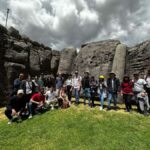
- Tiny-group guiding: Up to 8 participants means more hands-on attention on the trail and at Machu Picchu.
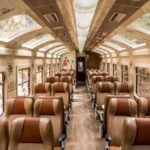
- Two train experiences: Expedition to the trailhead, then Vistadome back for a scenic return along the Urubamba River.
- Optional viewpoint hikes: Huayna Picchu or Machu Picchu Mountain cost extra, but can be worth it if you booked ahead.
- Sunrise or sunset magic: Your schedule is built to hit Machu Picchu at those most photogenic moments.
From 4:00 AM Cusco pickup to the km 104 start
Your day 1 begins at 4:00 AM with hotel pickup in Cusco, so yes, this is an early wake-up. That early start matters because the schedule is built around getting you to the trek entry point and keeping the day from turning into a rushed scramble.
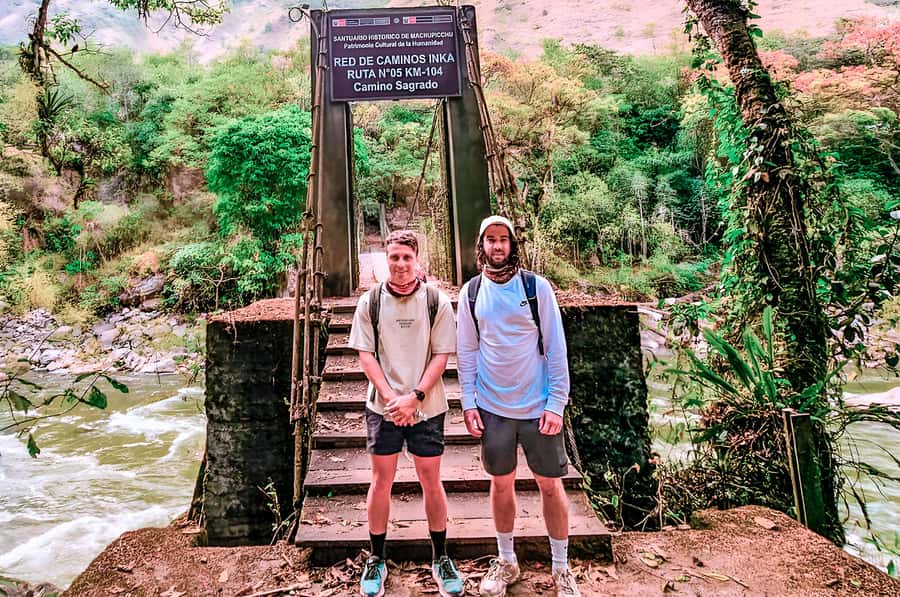
After pickup, you take a scenic drive to Ollantaytambo and board a train for about 1.5 hours along the Urubamba River to the km 104 area (also called Chachabamba / km 104, around 7,218 ft / 2,200 m). Even before the hiking starts, I like that the train segment is part of the experience, not wasted time. You’re still moving through the Sacred Valley corridor, and you’re warming up to the idea that this trip is about travel + trail + arrival.
From there, the day shifts into true Inca Trail rhythm: walk, stop, learn, climb, and then walk some more. The first big success factor on any trek like this is flow, and this route keeps a steady pace with guided stops.
You can also read our reviews of more hiking tours in Cusco
Chachabamba and the cloud forest climb toward Wiñay Wayna
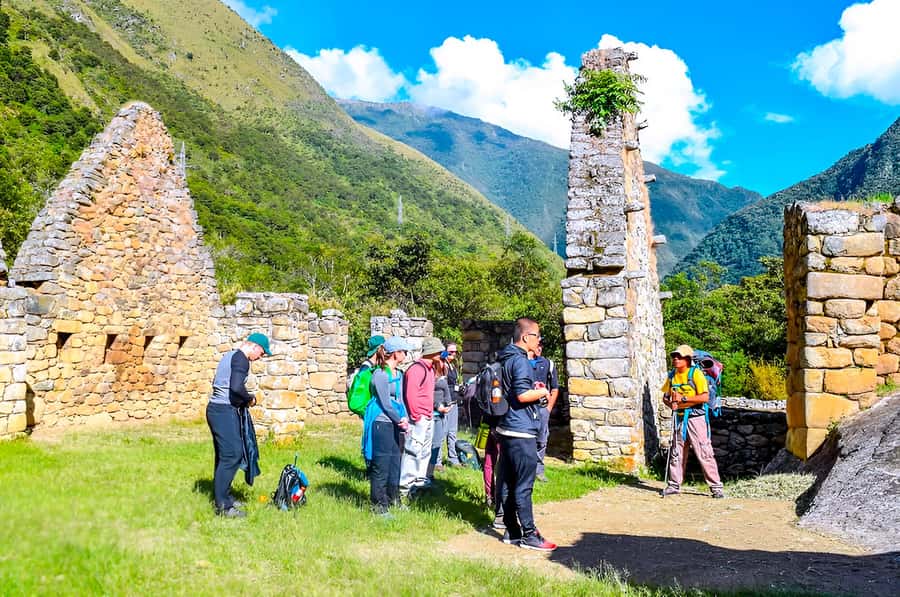
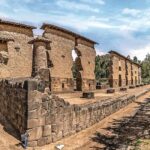
The trek doesn’t waste your altitude or your excitement. After reaching the start area, you visit Chachabamba, an important ceremonial and administrative Inca site. This matters because it gives context right away. Instead of hiking with only one goal—Machu Picchu—you’re also walking the broader Inca story, with stops that explain what you’re looking at.
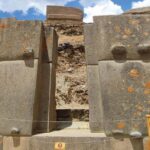
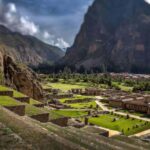
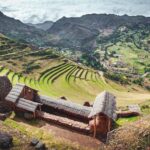
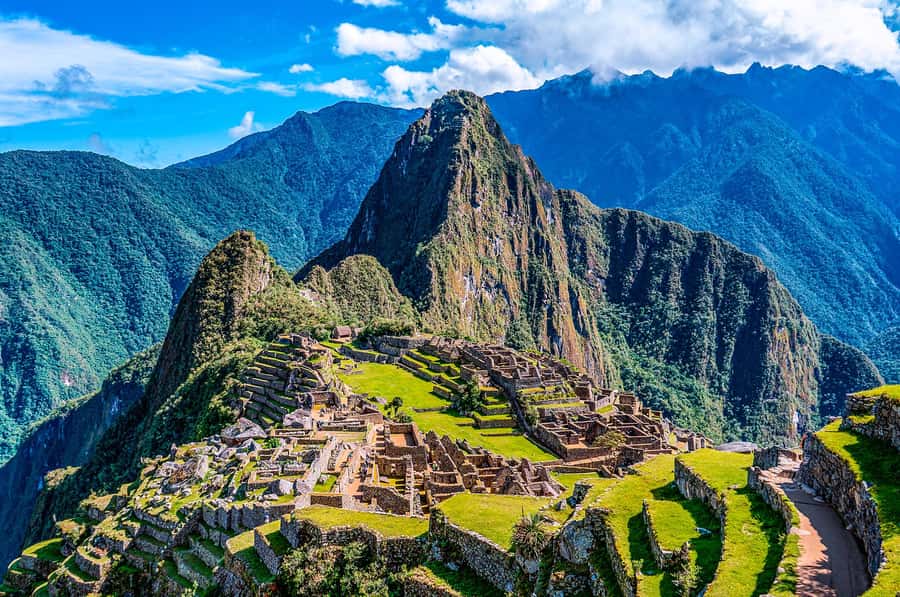
Then comes the uphill work through cloud forest. You’ll climb toward Wiñay Wayna (about 8,694 ft / 2,650 m). Wiñay Wayna is one of those places where you feel why the Incas treated agriculture like architecture. Terraces step across the slopes, and temples sit in the middle of it all like the site was designed as a functioning landscape first—and a monument second.
A practical note: this isn’t a “walk in the park” kind of day. You’re at elevation, you’re climbing, and you’re walking long enough that proper footwear and a calm pace matter more than speed. The small group format helps here because your guide can manage the pace and make sure nobody gets left behind.
Inti Punku (Sun Gate) and the Machu Picchu reveal
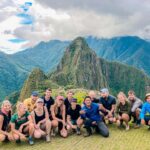
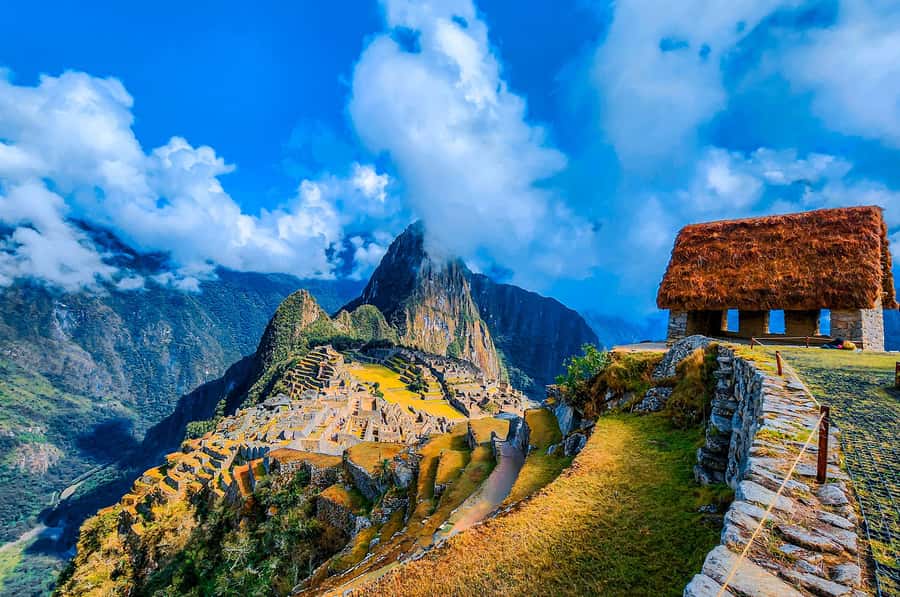
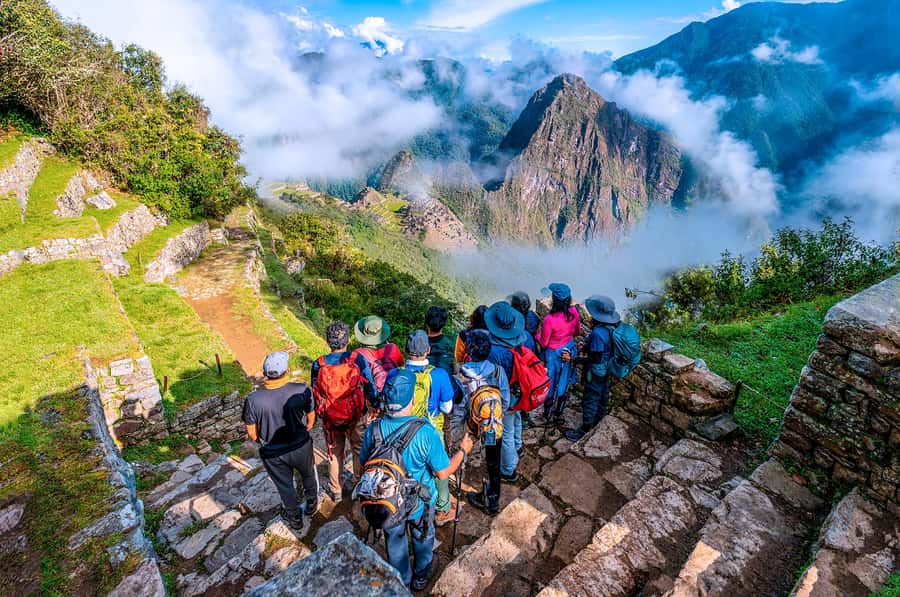
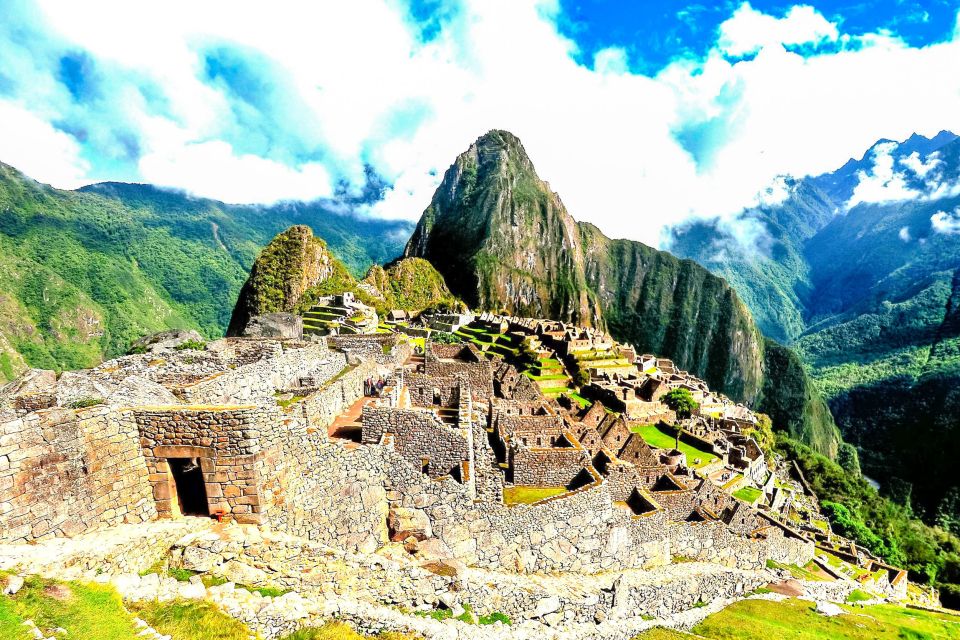
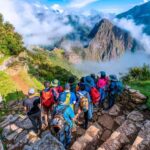
The emotional peak of the day is the approach to Inti Punku (Sun Gate) at about 8,924 ft / 2,720 m. This is where you see Machu Picchu from a panoramic perspective before descending. It’s one of the reasons this hike earns its fame: you don’t just arrive at the gates. You arrive through the same dramatic framing the Incas used.
You’ll get that first view while the light is golden—described as golden afternoon light in the itinerary—so expect the site to look warm and layered rather than flat. The moment tends to work best when you pause, take a breath, and let your brain catch up to what your legs have been doing all day.
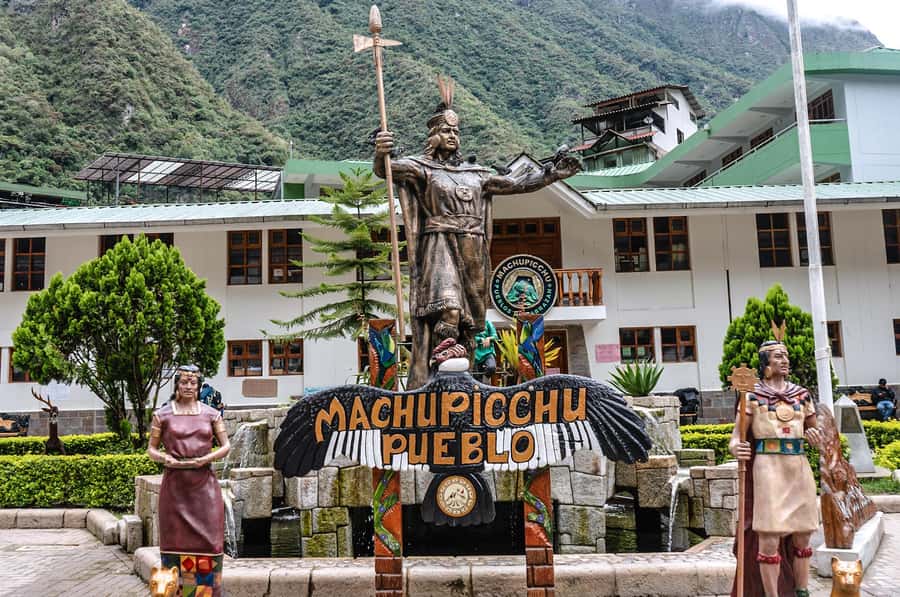
From Inti Punku, you descend to Aguas Calientes (Machu Picchu town). Day 1 ends with check-in at a comfortable 3-star hotel and dinner that evening, so you’re not stuck wandering after a big physical day. In other words: you get the hike payoff, and you also get a place to recover.
Aguas Calientes night: dinner and then sleep
The itinerary gives you one overnight in Aguas Calientes. That’s convenient because it keeps your day 2 energy focused on Machu Picchu, not on logistics.
What to expect here: you’ll have dinner at a local restaurant. Breakfast on day 1 isn’t included, and day 2 meals aren’t included either, so manage your energy and your timing accordingly.
As for what to do afterward—this is the part to be realistic about. Aguas Calientes can feel quiet once you’ve got your dinner in front of you. So if your travel style is loud night markets and late strolls, you might be a little bored. If your style is more like: shower, stretch, sleep, repeat—this night fits nicely.
Day 2: entering Machu Picchu at your scheduled time
Day 2 starts early again with a morning bus to Machu Picchu. You enter at your designated time based on your ticket schedule, so plan to be ready to move when the bus timing hits. Once inside, your guided tour focuses on the core sites people come for—temples, terraces, and astronomical structures—plus the engineering story behind how this place was laid out.
I like guided Machu Picchu because it changes the view. You can still wander and look around, but you also get to understand what you’re seeing: where the Inca placed structures, why terraces matter, and how astronomical thinking fits into the site’s design.
The schedule is also built to give you Machu Picchu at those magical hours. If sunrise is on your plan, you’ll understand why people are so intense about it. The light shifts everything, and the atmosphere feels different than mid-day crowds.
You can also read our reviews of more tours and experiences in Cusco
Huayna Picchu or Machu Picchu Mountain: the optional climb
After your guided tour, you have the option to add a hike—Huayna Picchu (8,924 ft / 2,720 m) or Machu Picchu Mountain (10,112 ft / 3,082 m). This is optional and costs an extra $85 per person.
The itinerary also notes a key planning detail: you typically need to book these in advance, often 3 to 6 months ahead, because they sell out. If this is on your must-do list, treat the extra ticket like it’s part of the main trip, not an afterthought.
Which one is better? The tour gives you the choice, but the decision comes down to how much vertical hiking you want after the Inca Trail already demanded plenty. Huayna Picchu tends to be the “classic challenge” for people chasing dramatic views, while Machu Picchu Mountain offers a different kind of broad panorama. If your knees are already thinking about quitting, I’d consider skipping both and using your energy to enjoy the main site longer.
Train rides on the Urubamba: Expedition out, Vistadome back
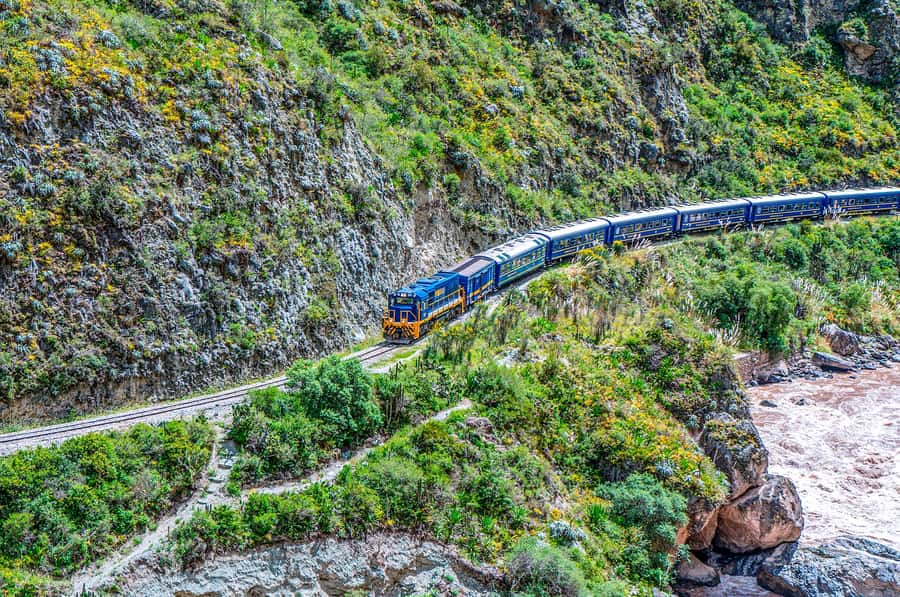
The trains are more than a way to move you between points. They’re part of how the trip feels like a complete route through the valley.
On day 1, you take the Expedition train to the trailhead area. On day 2, you return via the Vistadome train back to Ollantaytambo, then transfer by bus to Cusco in the early evening.
This matters because you end the trip feeling mobile and connected, not stuck. By the time you roll back toward Cusco, you’ve already done the hard stuff: sunrise or sunset views, the guided Machu Picchu walk, and any optional extra hike. The train ride becomes your cooldown.
If you hate sitting on boring transport, you’ll appreciate that the Vistadome is built for views.
Price and value: what $624 buys you (and what it doesn’t)
This tour is listed at $624 per person for a 2-day experience. That price can feel high until you look at what’s actually bundled.
Included:
- Transfers and transportation, including the train ride to the trek start and the panoramic train return
- Entrance tickets for both the Inca Trail and Machu Picchu
- A professional English-speaking guide
- Hotel for one night in Aguas Calientes (3-star)
- Meals that matter for timing: a boxed lunch on day 1 and dinner in Aguas Calientes
Not included:
- Breakfast on day 1
- Lunch and dinner on day 2
- Water (you need to bring your own)
- Optional Huayna Picchu or Machu Picchu Mountain (extra $85 per person)
- Travel insurance
Here’s how I judge value: this isn’t just “hike + ticket.” It’s the full chain—permits, guide, trains, entry times, and that one-night hotel—so you aren’t stitching together half the trip yourself. On a route where timing is strict, the included organization has real value.
And if you’re sensitive to meal planning, remember day 2 is on you for lunch and dinner. Bring snacks if you’re the type who hates waiting until the last possible moment to eat.
What to pack and how to stay comfortable at altitude
The itinerary is clear on what you should bring, and you should take it seriously:
- Passport or ID card
- Sun hat
- Sunscreen
- Rain gear
- Comfortable clothes
Also plan around the fact you’ll be walking at elevations from roughly 2,200 m to 2,720 m (km 104 through Sun Gate). That doesn’t mean you’ll be miserable, but it does mean you’ll feel the effort. Keep your pace steady and listen to your guide.
A practical, non-glamorous tip: water is not provided. Bring your own water and plan how much you’ll need for the hike day and the bus/site time. If you tend to underestimate liquids on treks, this is the place to correct that habit.
Not allowed items include pets, weapons or sharp objects, and intoxication or drugs. It’s also a good reminder that this is a regulated experience with real rules.
Small-group guidance: why guides like Franco can matter
One of the most consistently praised parts of this kind of trip is the guide. In the experience you’ll likely feel the difference between someone reading facts off a page and someone shaping the day into something you can understand.
Guides such as Franco, Noémie, and Saul are singled out for how well they know the material and how they keep the group moving with encouragement. Franco in particular is highlighted for age-20s energy and a straightforward encouragement style—no drama, just keep going.
That kind of guidance matters on the Inca Trail because your motivation tends to fluctuate with the climb and the altitude. A good guide helps you keep moving without making it feel like you’re being rushed.
And at Machu Picchu, the guide makes a huge difference in how quickly you connect the dots between terraces, temples, and astronomical structures.
Who this tour suits best (and who should skip it)
This is for you if:
- You want a legendary Inca Trail experience over 2 days, with a Machu Picchu arrival that feels built into the route
- You like small groups and clearer guiding rather than large-bus energy
- You care about timing at Machu Picchu and like the idea of sunrise or sunset light
This is not suitable if:
- You have back problems
- You use a wheelchair
If you’re unsure about physical limits, don’t treat this as a flexible walk. The route is climb-heavy and at elevation. The tour data is direct about what it can’t support.
Should you book this 2-day Inca Trail hike and panoramic train?
Book it if you want the full package: train rides, Inca Trail permits, a hotel night, guided Machu Picchu, and that Sun Gate approach. The small-group size and the emphasis on sunrise or sunset moments are the kind of things you can’t easily DIY without turning the planning into a part-time job.
Skip or reconsider if you need an active evening in Aguas Calientes or if you’re worried about physical strain and suitability with your body. Also plan for day 2 meals being on you, and remember water isn’t provided.
If you match the fitness reality and you want your Machu Picchu story to start on the trail, this is a strong choice.
FAQ
What time is the Cusco hotel pickup?
Pickup starts at 4:00 AM in Cusco on day 1.
What train rides are included?
You’ll take the Expedition train to the trail start area and the Vistadome panoramic train on the return from Ollantaytambo.
Where do you start the Inca Trail?
The trek starts at km 104 (around 7,218 ft / 2,200 m), also referenced alongside Chachabamba as the starting point.
What’s included for meals?
Day 1 includes a boxed lunch on the Inca Trail and dinner in Aguas Calientes. Breakfast on day 1 and lunch and dinner on day 2 are not included.
Do I need to pay extra for Huayna Picchu or Machu Picchu Mountain?
Yes. Entrance to Huayna Picchu or Machu Picchu Mountain costs an additional $85 per person.
Is water provided during the tour?
No. Water is not provided, so you should bring your own.
When is the Inca Trail closed?
The Inca Trail is closed in February for maintenance.
Is this tour wheelchair accessible?
No. It’s not suitable for wheelchair users, and it’s also not suitable for people with back problems.