REVIEW · CUSCO
From Cusco: 2-Day Sacred Valley and Machupicchu by Train
Book on GetYourGuide →Operated by FLY CUSCO PERU Travel Agency · Bookable on GetYourGuide
Two days beats a rushed Machu Picchu dash. I like how this trip handles the hard logistics for you: door-to-door hotel pickup in Cusco, a small-group feel capped at 10 people, and knowledgeable guides such as Justino and Judy keeping the day flowing. You’ll see major Sacred Valley sites, ride the train up to Aguas Calientes, then get a guided Machu Picchu visit the next morning.
One thing to plan for: parts of day 1 include textile/craft stops where the sales pitch can feel a bit strong, especially if you’re not there for shopping. If that’s not your style, you can still enjoy the stops, just treat them like quick breaks—not must-stops.
In This Review
- Key highlights you’ll actually feel
- Why this 2-day Cusco to Machu Picchu plan feels calmer
- Price and what you’re really paying for ($499)
- Day 1 in Cusco: the Sacred Valley drive and the first big views
- Awana Kancha: alpacas, textiles, and the sales-temptation factor
- Pisac: ruins with working-agriculture lessons
- Pisac market: local life, souvenirs, and small-batch crafts
- Urubamba lunch: a break that keeps the pace
- Ollantaytambo: terraces, defense, and train-bound timing
- Train ride choice: standard vs Vistadome 360°
- Arriving Aguas Calientes at night: what the free afternoon is for
- Day 2: Machu Picchu at the main gate, upper photos, then the lower circuit
- The guide factor: why Justino and Judy made a difference
- Small group pacing (up to 10) and “door-to-door” comfort
- What could feel annoying: shopping stops and “scripted” moments
- Who should book this tour
- Should you book this Cusco Sacred Valley and Machupicchu train tour?
- FAQ
- What’s included in the tour price?
- How many days is the tour?
- How many people are in the group?
- What are the train options?
- Do I need to pay extra for entrance tickets to Pisac and Ollantaytambo?
- Is lunch included?
- Is Wayna Picchu included?
- Is Machu Picchu entrance included?
- What information do you need from my passport?
- Is the tour refundable if plans change?
Key highlights you’ll actually feel
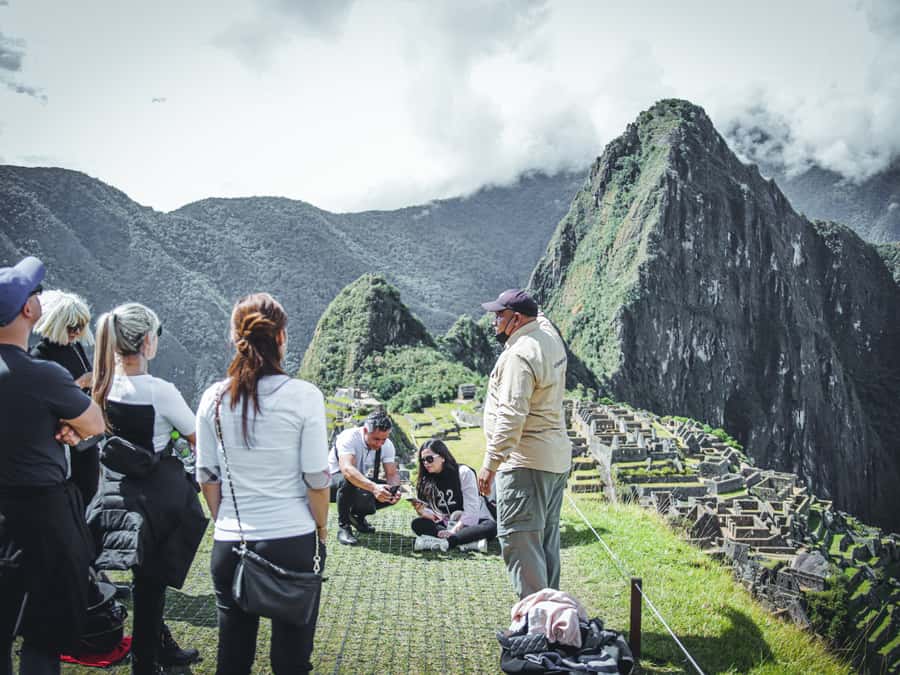
- Small group (up to 10 people): easier timing, easier questions, less shoulder-to-shoulder energy.
- Two train options (standard or Vistadome 360°): you can choose based on how much you care about the view.
- Sacred Valley mix of ruins + real local life: Pisac temples, plus the Pisac market scene.
- Overnight in Aguas Calientes: no marathon day-two scramble.
- Guided Machu Picchu entry with a clear route: you hit the main gate, classic photo area, then the lower circuit.
Why this 2-day Cusco to Machu Picchu plan feels calmer
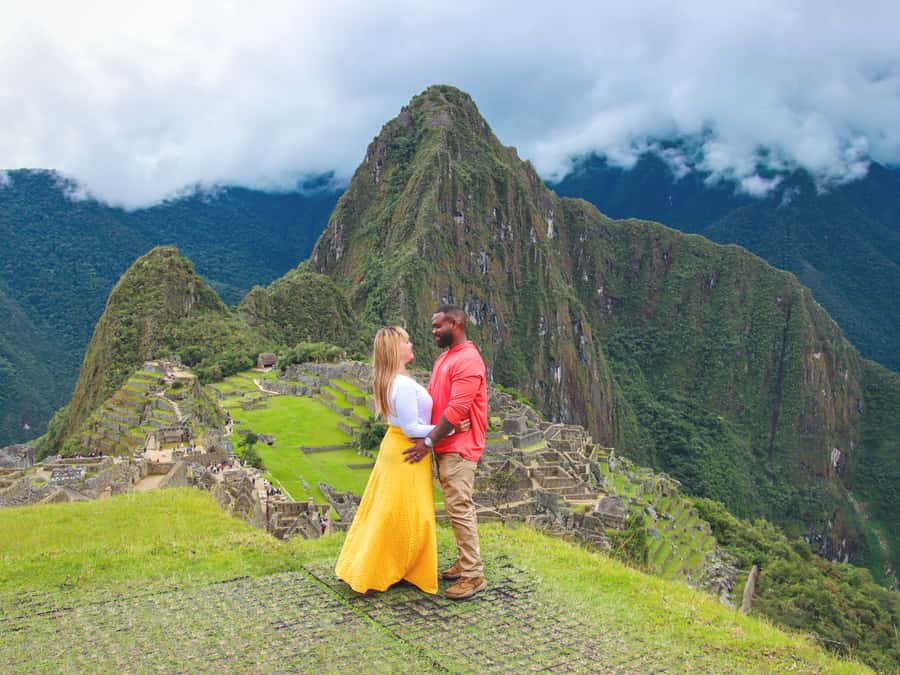
Machu Picchu is intense on your body and your schedule. Doing it over two days changes everything. Day 1 focuses on getting you into the Sacred Valley and down to the Machu Picchu area without rushing the viewpoints. Day 2 starts early and keeps you moving through the site with a guide, then you head back while there’s still daylight.
I also like the structure: you’re not just dropped off. You get a real sequence—Cusco morning pickup, Sacred Valley sites, train to Aguas Calientes, overnight, then a guided Machu Picchu visit. That structure is why this tour works for first-timers who don’t want to figure out timing, ticket access, and connections under pressure.
You can also read our reviews of more tours and experiences in Cusco
Price and what you’re really paying for ($499)
At $499 per person, you’re paying for more than “a ticket to Machu Picchu.” The value is in the combination of transportation + guides + guided entry.
What’s included in the main price:
- Breakfast (1) plus a bottle of water
- One night in a 3-star hotel in Aguas Calientes (Inti Punku Machupicchu Hotel & Suites or similar)
- Round-trip train: Ollantaytambo ↔ Aguas Calientes (train class selected when booking)
- Bus down and back: Aguas Calientes ↔ Machu Picchu (ticket included)
- Entrance ticket to Machu Picchu
- Guided tours: Sacred Valley (English and Spanish) and Machu Picchu (English and Spanish)
- Door-to-door transfers in Cusco on the way out and back
What’s not included (and can affect your final total):
- Pisac and Ollantaytambo archaeological park entrance tickets (listed as $20)
- Wayna Picchu (optional, $30; must be requested months ahead if available)
- Lunch and dinner (lunch is included on day 1 in Urubamba; day 2 lunch in Aguas Calientes isn’t included)
- Any hotel upgrades or extra nights
So the best way to judge the price is this: if you were trying to replicate the same routing on your own, you’d still need train logistics, a hotel in Aguas Calientes, entrance planning, and guiding. This tour bundles a lot of that.
Day 1 in Cusco: the Sacred Valley drive and the first big views
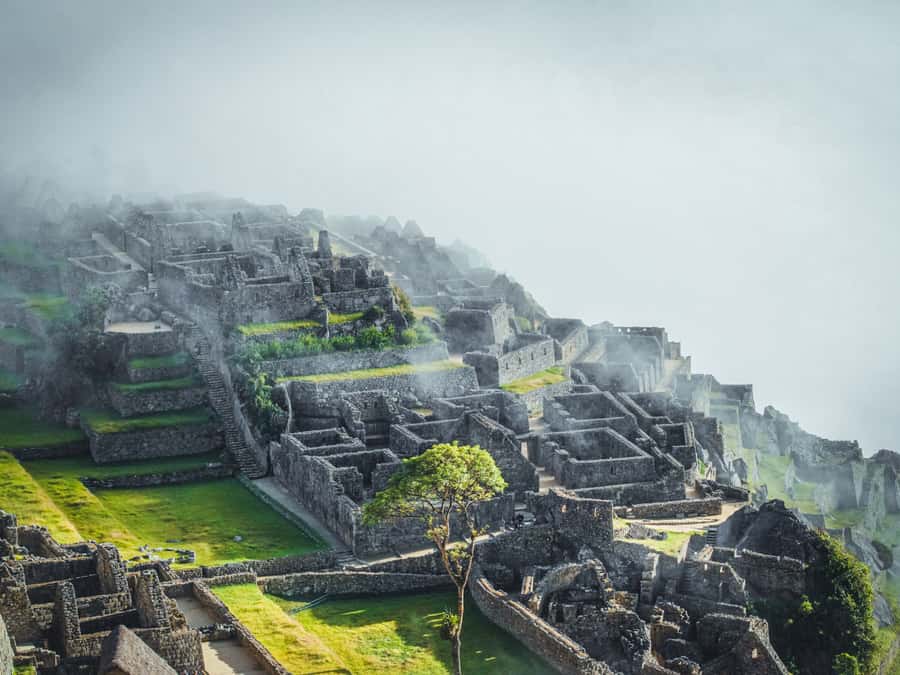
Your day begins with hotel pickup in Cusco after breakfast. The transfer to the Sacred Valley goes past major Cusco-area sites like Sacsayhuamán, Qenqo, and PucaPucara without stops, so you get the visual context fast before moving on.
Then you reach the first “wow, we’re really in the valley” moment: the Taray viewpoint. You’ll have time to capture those classic Sacred Valley terraces along the Urubamba River. Even if you’re not a photo person, this stop helps you orient yourself. It’s easier to understand where the sites sit once you’ve seen the river-and-terraces layout.
Awana Kancha: alpacas, textiles, and the sales-temptation factor
After the viewpoint comes Awana Kancha, where you spend about 30 minutes learning about textiles and weaving, plus seeing llamas, alpacas, and vicuñas. If you like hands-on culture, it’s a fun micro-stop.
The trade-off is human nature and timing. This kind of textile stop can come with a push to buy items. I’d treat it like this: enjoy the animals and weaving explanation, then decide quickly whether you want souvenirs or just photos. If you don’t want the pitch, you still won’t lose the day—you’ll be moving onward to ruins and views right after.
Pisac: ruins with working-agriculture lessons
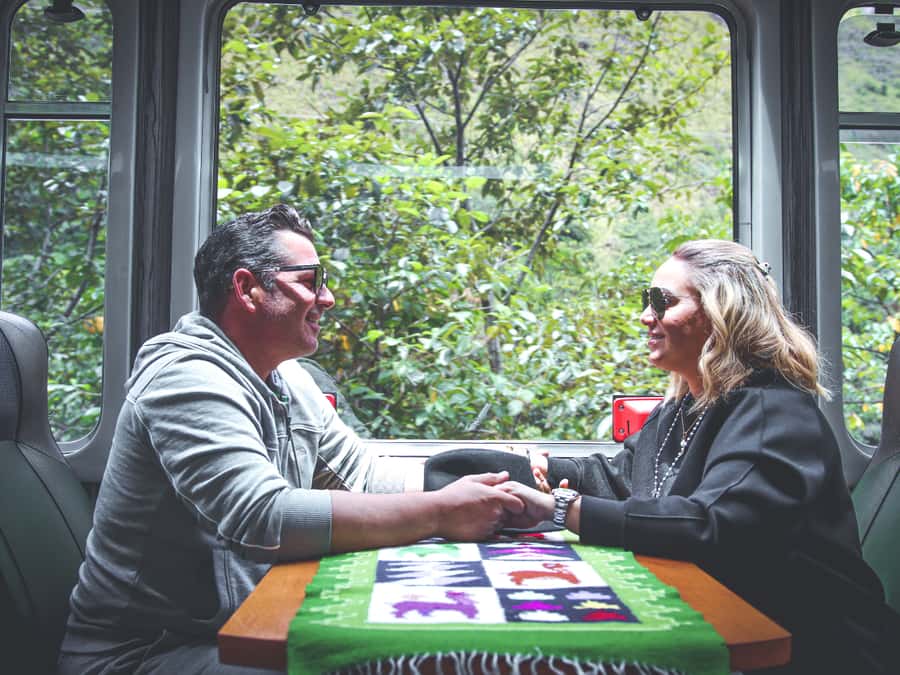
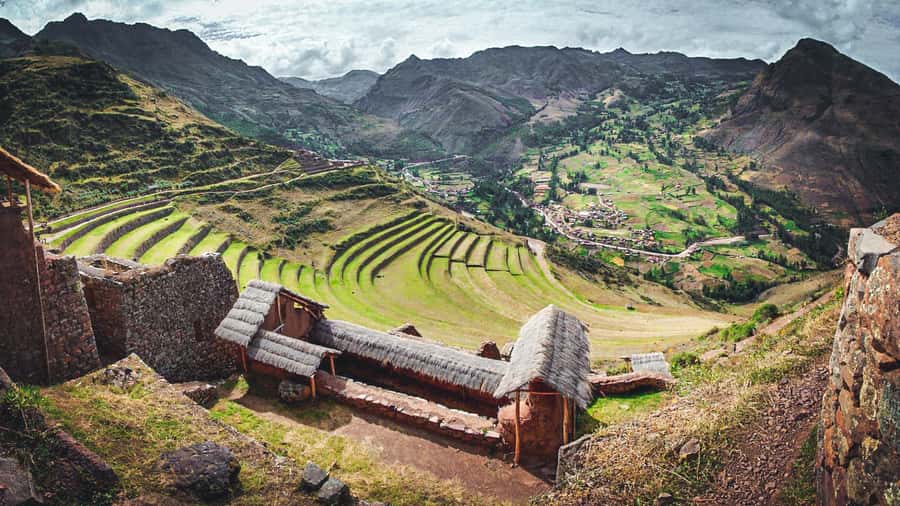
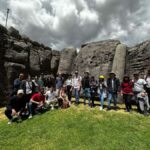
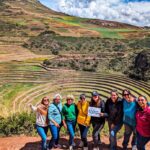
Pisac is one of those stops where the guide makes the difference. You drive up to the Pisac Archaeological Park and you’re not just looking at stones. The focus is on what the Incas did with land—temples, residences, altars, and especially channels tied to agriculture.
You’ll also get a scenic top-to-valley feel. That matters because Pisac isn’t only about details; it’s about seeing how the system worked across the terrain.

Pisac market: local life, souvenirs, and small-batch crafts
Next you visit the Pisac market in the village. This is where the trip shifts from archaeology to everyday culture. You can interact with locals and browse pottery, jewelry, and textiles.
One practical tip: set a spending limit before you arrive. The market is enjoyable, but it can pull you in if you don’t go in with a plan.
Urubamba lunch: a break that keeps the pace
Around 1:00 PM you eat a buffet lunch in Urubamba, with vegetarian options available. After several stops, this is a real reset. And since you’re on a tight two-day schedule, it’s better than trying to find food on your own between ruins.
If you’re sensitive to crowds or timing, take advantage of the lunch break. It’s one of the few moments where you can slow down before the afternoon archaeological push.
Ollantaytambo: terraces, defense, and train-bound timing
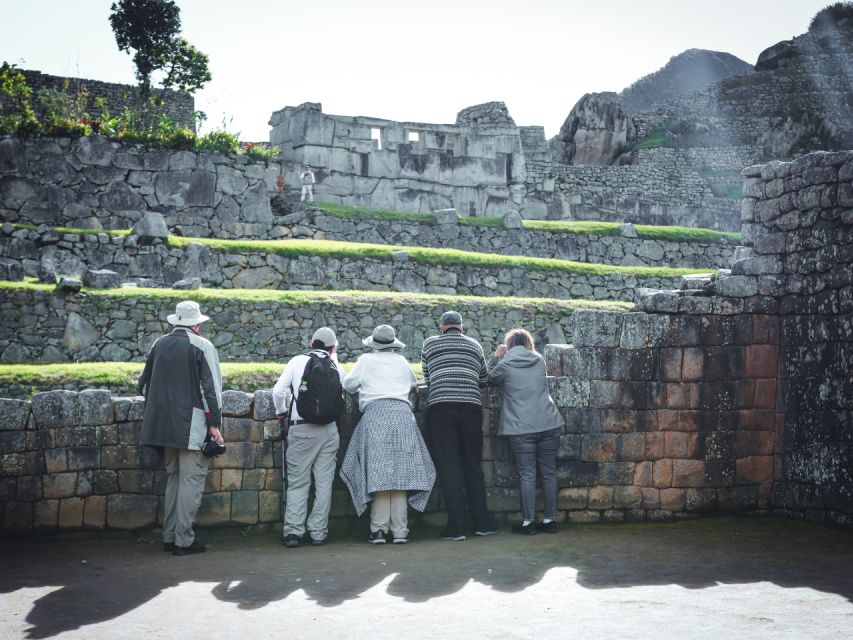
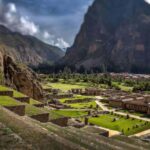
The last major stop of day 1 is Ollantaytambo. You’ll see terraces and ruins and learn why it mattered historically—this area was a highly protected entrance route to Machu Picchu, and it played a role during the Spanish invasion.
Then it’s logistics time: you head to the station and board your selected train to Aguas Calientes.
Train ride choice: standard vs Vistadome 360°
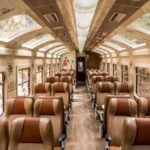
The train ride is about 1 hour 45 minutes, and it’s the part of the itinerary where you watch the terrain change as you get closer to Machu Picchu.
You can choose between:
- a normal train
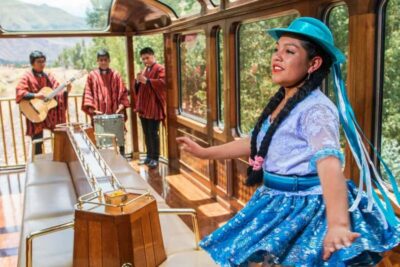
- a Vistadome 360° panoramic train
Here’s the practical take: panoramic upgrades can cost more, and the difference isn’t always massive day-to-day. If your priority is big views, the Vistadome option is the obvious pick. If you want to save money and your goal is just getting there smoothly, a standard option is usually enough.
Arriving Aguas Calientes at night: what the free afternoon is for
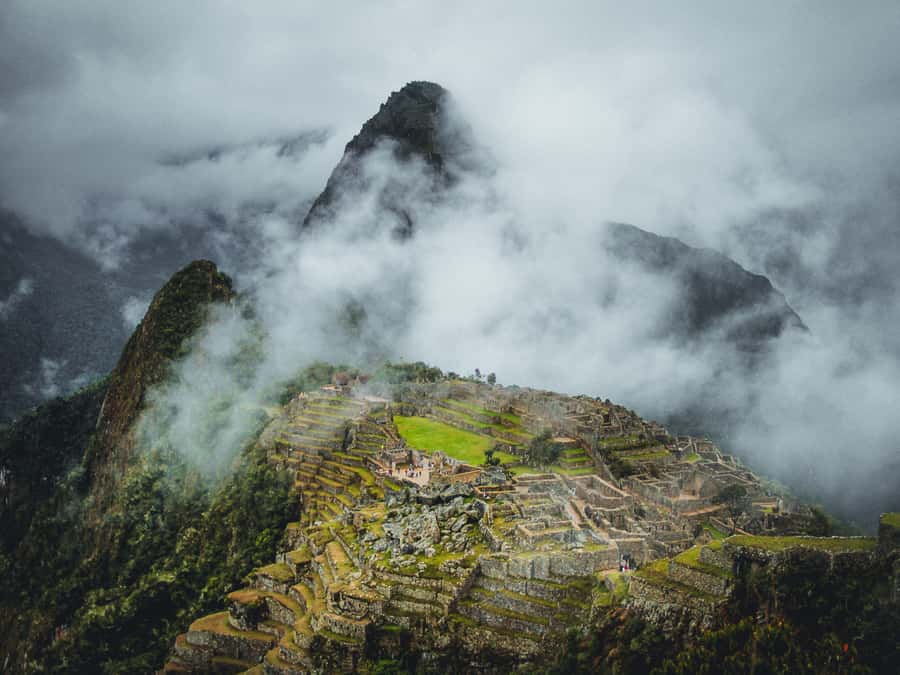
You typically arrive around 6:10 PM and transfer to your hotel for check-in. The afternoon is free, so you can handle your own dinner and pacing without the guide timing you.
This matters more than it sounds. Waiting until day 2 to feel rushed is how people end up exhausted before Machu Picchu even starts. With an overnight, you have a real chance to rest.
Day 2: Machu Picchu at the main gate, upper photos, then the lower circuit
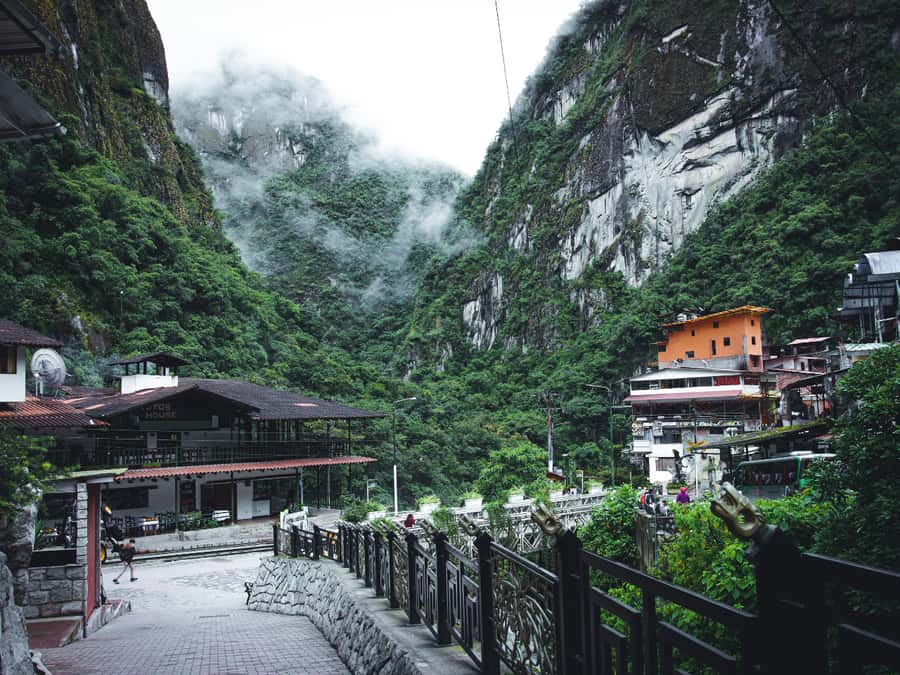
Day 2 starts with breakfast at your hotel, then a guided trip to the bus station in Aguas Calientes. The bus ride takes you up to the main gate of the Historic Sanctuary of Machu Picchu.
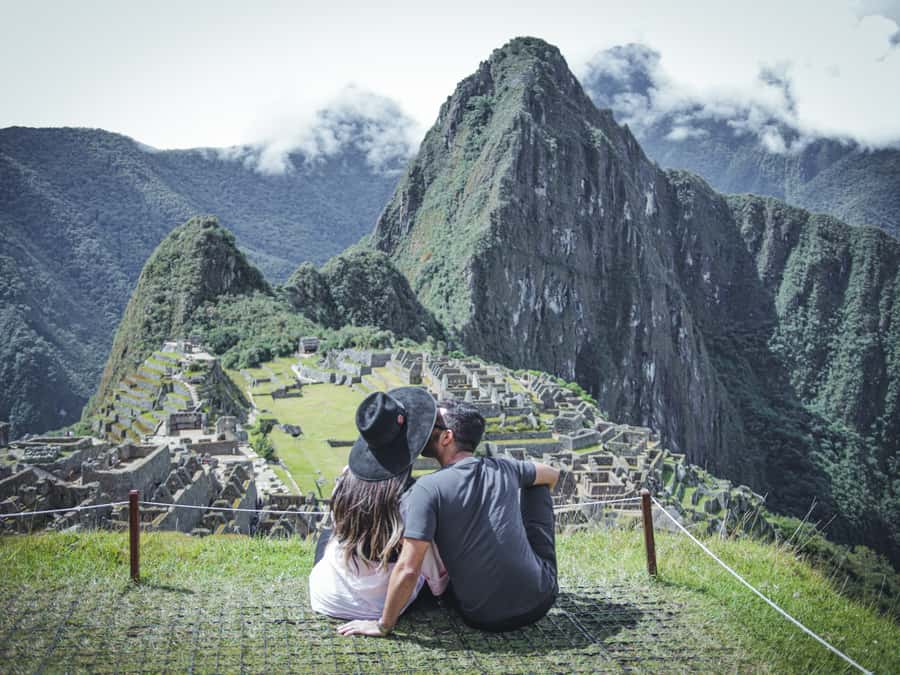
At the site, you begin with the classic “start here” photo moment from the higher part of Machu Picchu, then you tour the lower part with your guide. The guide’s job is to translate the stone layout into what it likely meant and how it functioned—so you’re not wandering through mystery.
After the guided visit, you return to Aguas Calientes by bus. You’ll have time for lunch, but lunch isn’t included.
Then you continue the train back to Ollantaytambo and get transferred to your Cusco hotel, with an estimated arrival around 6:30 PM.
The guide factor: why Justino and Judy made a difference
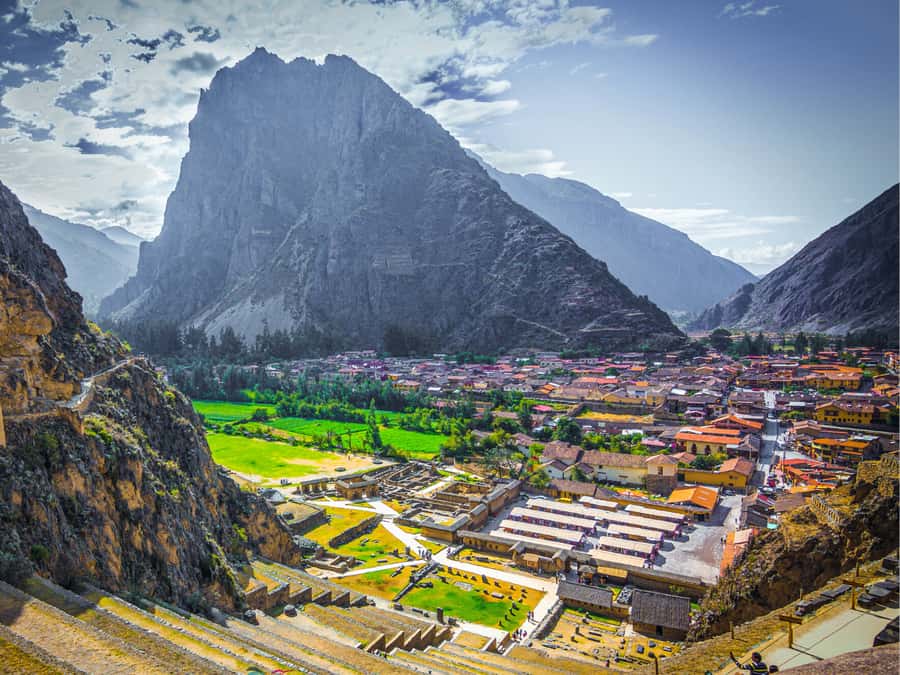
This is the one part you can’t fully replace on your own. The tour uses English and Spanish for the guided visits, and the operator runs a live guide team.
Based on guide names I’ve seen tied to this experience:
- Justino is repeatedly described as excellent for tying Sacred Valley and Machu Picchu together.
- Judy is highlighted for a top-tier Machu Picchu experience.
- Ivone and Martín are also mentioned with real appreciation.
Even if the itinerary is set, good guiding changes what you notice. The sites are the same for everyone; the understanding isn’t.
Small group pacing (up to 10) and “door-to-door” comfort
With only up to 10 participants, you’re less likely to lose time waiting around. It also feels more respectful when the guide is explaining something specific.
I also like the comfort angle: you’re not doing endless independent ticket-hunting. You get hotel pick-up in Cusco, transfers in the key moments, and a smooth connection pattern. Some departures also include a briefing and ticket details earlier, which removes a chunk of stress.
What could feel annoying: shopping stops and “scripted” moments
This is the only real drawback I’d flag. Day 1 includes stops focused on textiles/weaving and other craft-style locations where sales can be part of the experience. If you dislike that style, you might feel a push to buy—especially at the textile-related spot.
My advice: treat those moments as optional cultural quick stops. Enjoy the learning component if you’re into it, take photos, and then move on with your focus on the ruins and viewpoints.
Who should book this tour
You should seriously consider this plan if:
- you want Machu Picchu without DIY logistics
- you prefer two days over cramming everything into a single day
- you like a structured route with guided explanations at key sites
- you value comfort with train + bus + transfers handled
You might look at alternatives if:
- you strongly hate any shopping stops
- you’d rather spend more time at fewer locations instead of covering Pisac + Ollantaytambo + Machu Picchu in a tight schedule
Should you book this Cusco Sacred Valley and Machupicchu train tour?
Yes, if your main goal is a well-run path to Machu Picchu that doesn’t leave you juggling timing. The big wins are the overnight in Aguas Calientes, the guided flow through the Sacred Valley sites, and the fact that Machu Picchu entry and guiding are handled.
Before you book, do two simple checks:
- Budget for the items that aren’t included: Pisac and Ollantaytambo entrance tickets ($20 listed) and optional Wayna Picchu ($30, only if you request it far enough ahead).
- Decide your train preference (standard vs Vistadome 360°) based on your view priorities.
If that fits you, this tour is a smart way to see more without losing your mind to logistics.
FAQ
What’s included in the tour price?
The price includes hotel pickup and drop-off, one night in Aguas Calientes (3-star hotel, Inti Punku Machupicchu Hotel & Suites or similar), breakfast (1), train tickets Ollantaytambo ↔ Aguas Calientes, bus tickets Aguas Calientes ↔ Machu Picchu ↔ Aguas Calientes, Machu Picchu entrance, guided visits in English and Spanish, and water.
How many days is the tour?
It’s a 2-day tour.
How many people are in the group?
The group is small, limited to 10 participants.
What are the train options?
You can choose between a normal train and the Vistadome 360° panoramic train for the Ollantaytambo to Aguas Calientes route (and return).
Do I need to pay extra for entrance tickets to Pisac and Ollantaytambo?
Yes. The archaeological park entrance tickets for Pisac and Ollantaytambo are listed as $20 and are not included.
Is lunch included?
Lunch on day 1 is included (Urubamba buffet with vegetarian options). Lunch on day 2 in Aguas Calientes is not included.
Is Wayna Picchu included?
No. Wayna Picchu is optional and costs $30, and it must be requested a few months in advance if available.
Is Machu Picchu entrance included?
Yes. The entrance ticket to Machu Picchu is included.
What information do you need from my passport?
You must provide full name, passport ID, date of birth, and nationality for the 2-day tour. This is collected after reservation.
Is the tour refundable if plans change?
The activity is listed as non-refundable.