REVIEW · LA PAZ
From La Paz: El Alto and Cholets Guided Day Trip
Book on GetYourGuide →Operated by HanaqPacha Travel · Bookable on GetYourGuide
El Alto has a way of grabbing your attention fast. This short guided trip pairs teleférico cable-car views with an on-the-ground look at cholets and the Mamani Mamani murals at the Wiphala complex. It’s a tight, colorful mix that’s easy to fit into a La Paz visit.
I especially like the way the cable car lets you get El Alto’s scale and architecture in minutes, not hours. And I really enjoyed the focus on Mamani Mamani’s giant painted designs at the Wiphala area, where the art feels built into the buildings, not just hanging on a wall.
One thing to keep in mind: this is a connection-heavy route. If the guide or transit runs late, the whole experience can feel slower, because there isn’t a lot of extra time built in.
In This Review
- Key highlights to know before you go
- Meeting at San Francisco Church, then heading for the cable car
- Cable car time: El Alto’s cholets viewed from above
- Cholets: what you’ll see, what you’ll learn, and where photos fit
- Wiphala complex and Mamani Mamani: the murals you came for
- The 3-hour flow: efficient route, but timing can feel tight
- Price and value: what $30 gets you (and what it doesn’t)
- Who this trip is best for (and who should skip it)
- Guided quality: what you can expect from the guide
- Should you book the La Paz El Alto and Cholets guided day trip?
- FAQ
- Where is the meeting point?
- How long is the tour?
- What languages are the guide services offered in?
- What’s included in the price?
- What should I bring and wear?
- Is this tour suitable if I have altitude sickness?
Key highlights to know before you go
- Teleférico-to-El Alto views: Cable car time that gives you immediate perspective on El Alto’s dense streets and architecture.
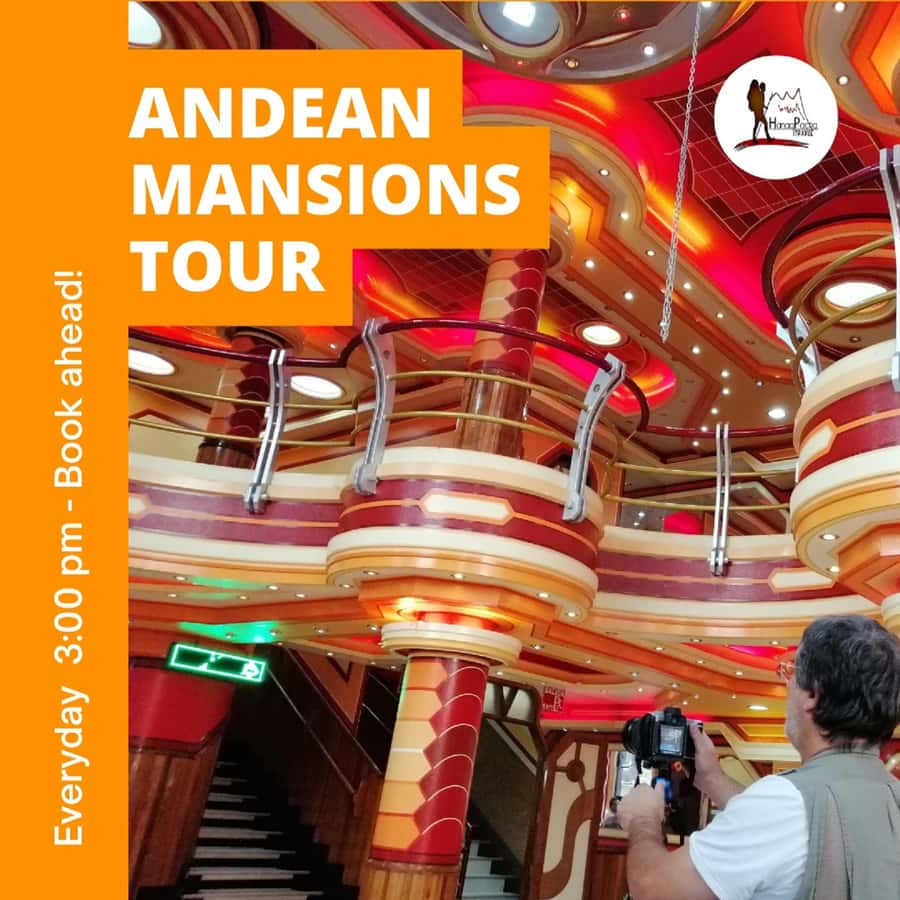
- Two cholet interiors: You can admire these bold, luxury-looking homes both from outside and by visiting inside two of them.
- Mamani Mamani at Wiphala: Huge painted apartment murals using indigenous-inspired designs.
- Small group format (max 9): Easier pace and more chance to ask questions during the ride and stops.
- Bilingual guide support (English/Spanish): Explanations in both languages, so you’re not stuck guessing what you’re looking at.
Meeting at San Francisco Church, then heading for the cable car

You start at the Main door of the San Francisco Church in La Paz. Your guide is easy to spot: they’ll be near the front wearing an orange and beige vest with the Hanaqpacha Travel logo on the back.
From there, you’ll take public transportation to the central cable car station. This part matters because it sets the rhythm of the day. You’re not getting a private transfer and a laid-back schedule; you’re joining the local flow, which is often the point of this kind of outing.
If you’re traveling with any extra-large luggage, plan to leave it behind. The tour says no luggage or large bags, so bring only what you can comfortably carry.
You can also read our reviews of more guided tours in La Paz
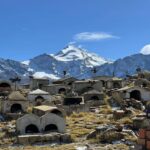

Cable car time: El Alto’s cholets viewed from above
Once you reach the central teleférico station, you’ll ride up to El Alto. During the cable car segment, the guide points out what you’re looking at as the city spreads out below you.
This is one of the best parts of the tour because you get a clear “before you walk” understanding of where everything sits. El Alto can feel visually intense on foot, but from above you start noticing patterns: dense neighborhoods, dramatic architecture, and that distinctive visual style the area is known for.
Bring sunglasses and a hat if you can. Even when the ride is short, bright light and higher elevation glare can make it harder to take photos and enjoy the views.
Cholets: what you’ll see, what you’ll learn, and where photos fit
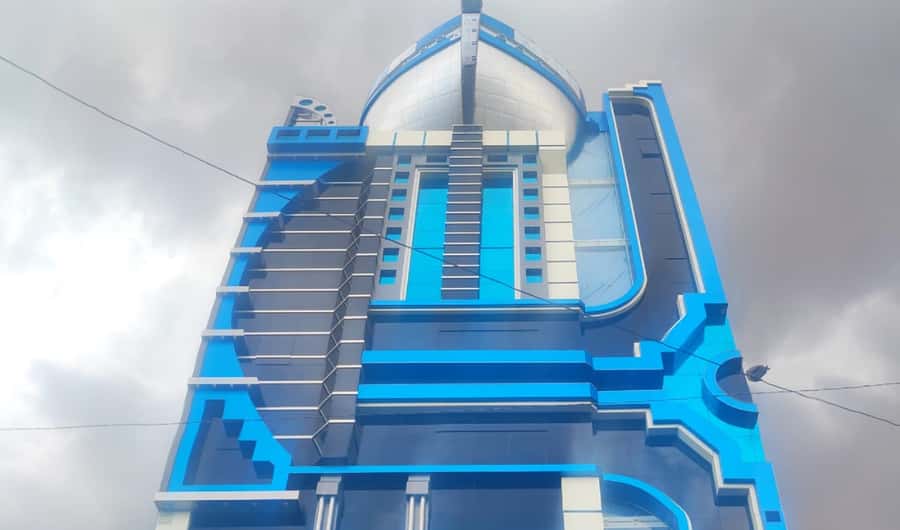
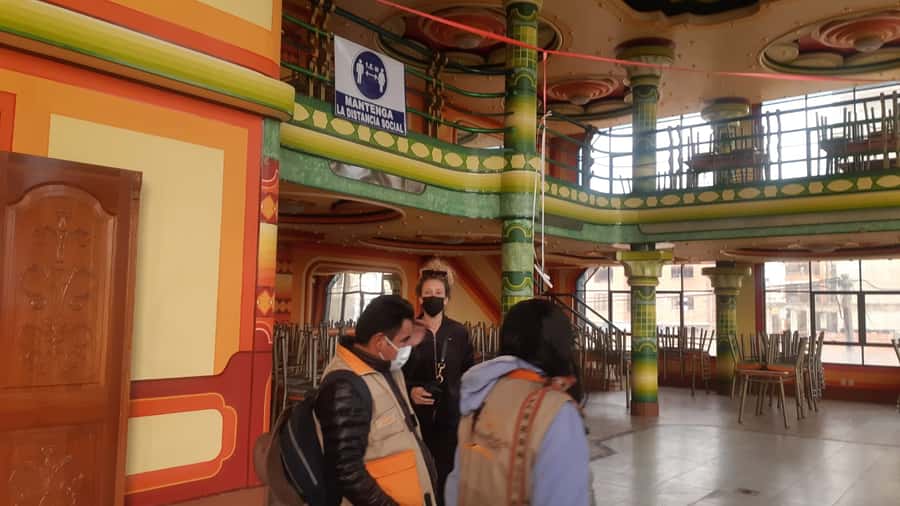
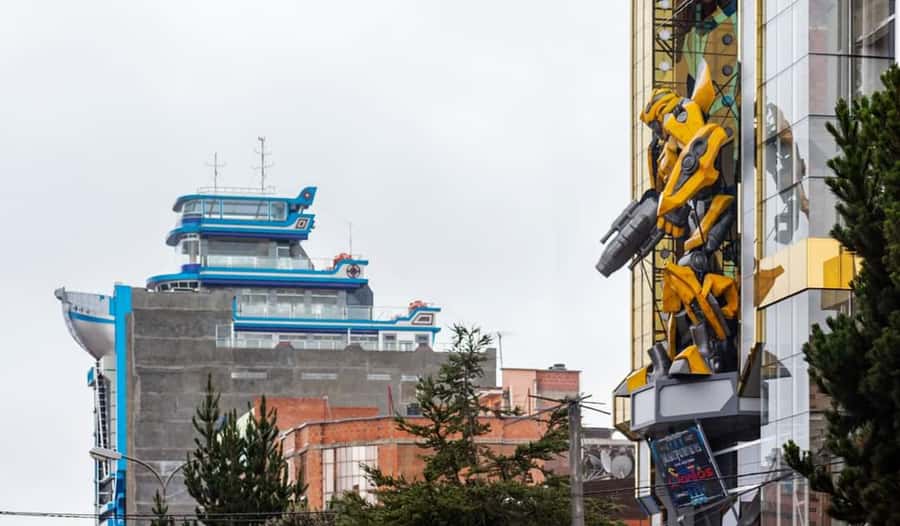
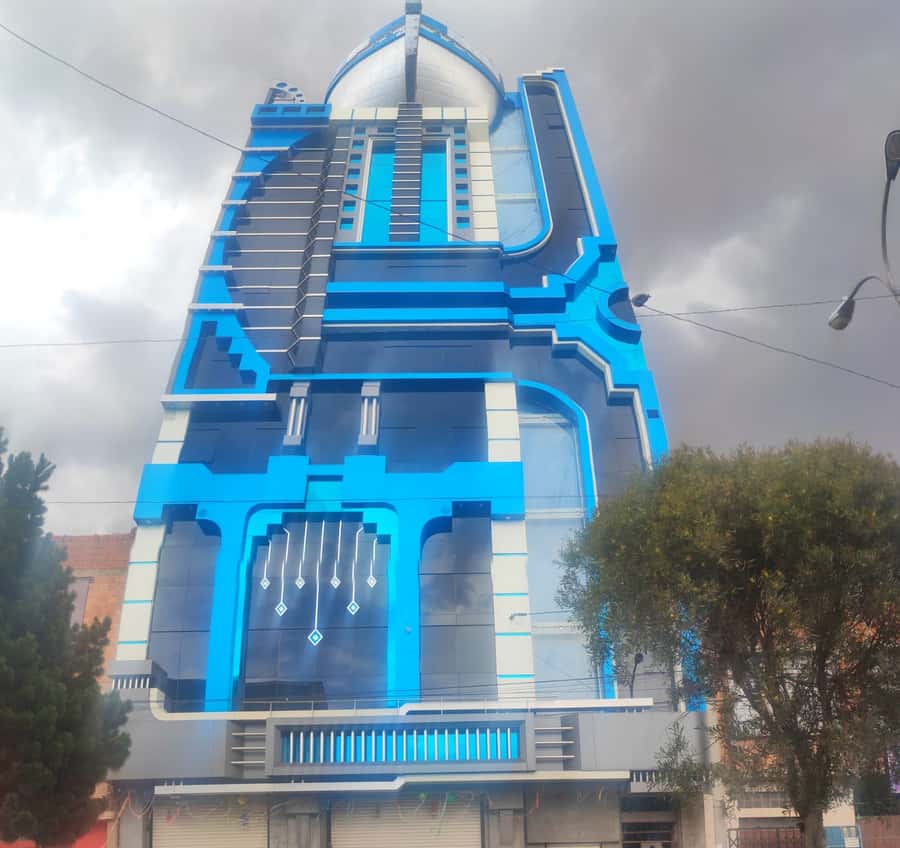
After you’re up top, the tour shifts from scenery to architecture. You’ll hear about cholets, described as a revolutionary Andean architecture style developed in Bolivia, with the tour focused on both exterior impressions and interior access.
Here’s what I like about the cholet plan: you don’t spend all your time outside, hoping you can figure things out. You’re guided to specific spaces where the design is meant to be looked at up close. You can admire the luxury, extravagant look from the outside, then you’ll have the chance to visit two cholets inside.
Two interior visits is a sweet spot for a 3-hour tour. It’s not so many stops that you feel rushed, but it’s enough variety that you notice repeating themes and differences in how each space is finished.
Photo tip: take a few wide shots early, then switch to details. The “wow” is in the full façade, but the “I can’t believe this is real” comes from patterns, colors, and the way the architecture is treated like a statement.
Wiphala complex and Mamani Mamani: the murals you came for
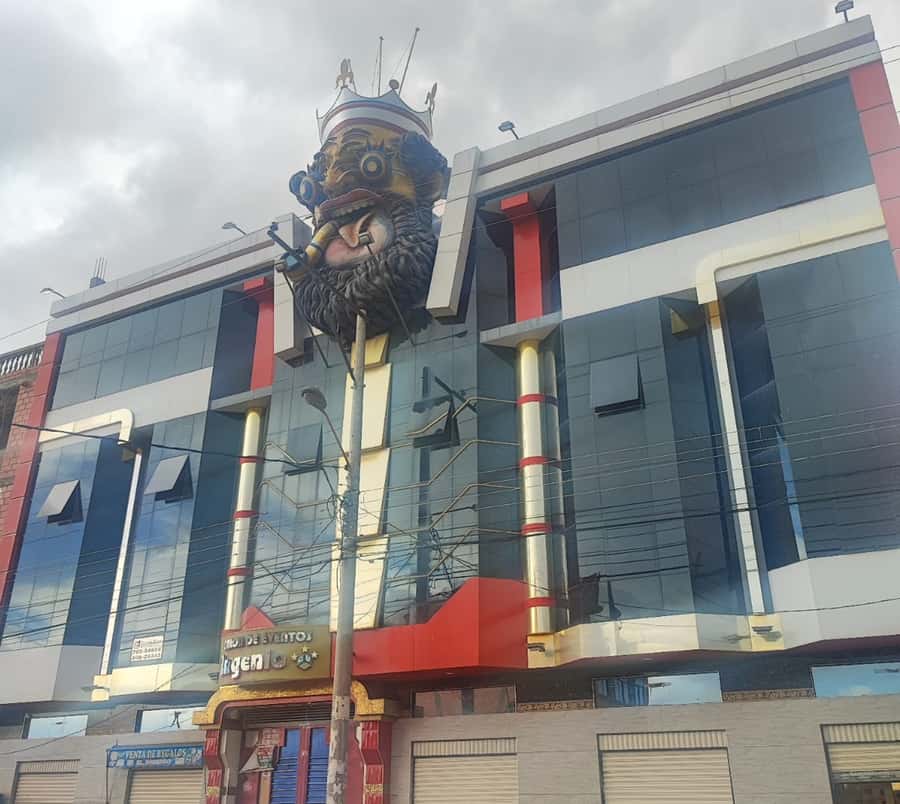
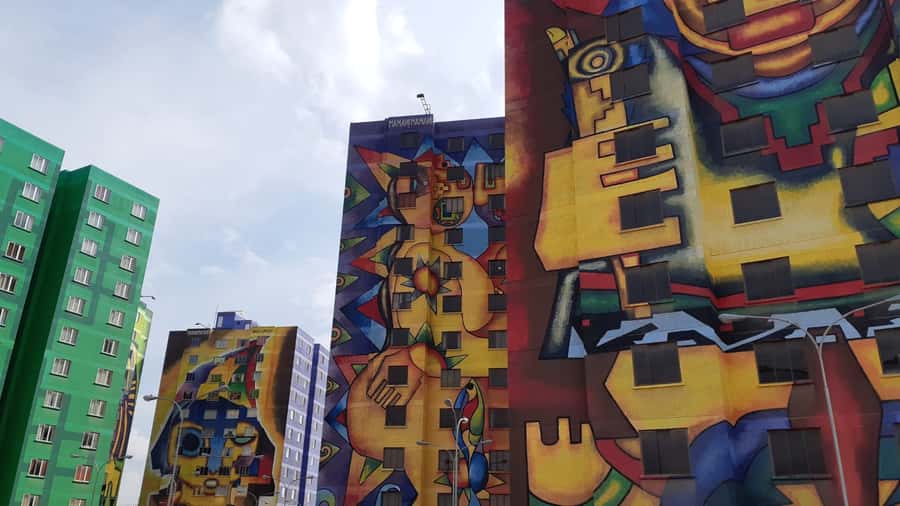
The tour includes a visit to the Wiphala complex, where you’ll see apartment buildings decorated by the artist Mamani Mamani. The standout here is scale: you’re not looking at small artwork. You’re looking at huge painted designs that fill the visual field.
The guidance you’ll get is what makes this stop click. Mamani Mamani is known for using indigenous designs that really pop, and the Wiphala area is presented as a place where that style is used on a building-wide canvas.
This stop also works well for social media without turning into a pure photo-op. You can take pictures, yes, but you’re also getting context for why the designs look the way they do. If you like architecture and modern street-level art that feels tied to identity, this is likely the most satisfying moment of the trip.
The 3-hour flow: efficient route, but timing can feel tight
The whole experience is about 3 hours, and that’s a big part of its value. You’re not committing a half day to get a taste of El Alto’s architecture.
Still, because you’re using public transit and cable connections, you should go in expecting that small delays can stack. One recent experience described late arrival and waiting time after transit, plus a moment where the guide couldn’t find a cholet that was open, so interior time was reduced.
So I’d treat this as a “short and visual” tour, not a slow sightseeing day. If you’re the type who hates feeling rushed, you might prefer a longer, more flexible El Alto plan. If you can handle a brisk pace and want the highlights in one go, this format makes sense.
You can also read our reviews of more tours and experiences in La Paz

Price and value: what $30 gets you (and what it doesn’t)
At $30 per person, this tour is priced for convenience and access. What you’re paying for includes:
- Cable car tickets
- A bilingual guide (English/Spanish)
- Public transportation
- Entrance fees
What’s not included:
- Food and drinks
That last part matters. Since the tour doesn’t include meals, decide ahead of time where you’ll eat after. Bring water if you normally do, or plan to buy something near your return point. The tour’s short duration means hunger can sneak up on you fast.
Small group size also affects value. The trip is limited to 9 participants, which generally makes it easier for the guide to manage questions and keep the group together during photo stops and interior visits.
Who this trip is best for (and who should skip it)

This is a great fit if you want:
- Architecture and design focused sightseeing
- A fast route to El Alto via the teleférico
- A guide explaining what you’re seeing in plain terms
- Chances to take photos inside and outside cholets, plus the Mamani Mamani murals
It’s not the right match if you have altitude concerns. The tour is specifically noted as not suitable for people with altitude sickness. El Alto is high, and even if you handle altitude well, this warning is there for a reason.
Also, keep your luggage situation simple. If you can only carry a small day bag, you’re set. If you’re traveling with bulky gear, this one may be annoying.
Guided quality: what you can expect from the guide
What you’ll notice most is that the tour quality is strongly tied to the guide’s pacing and ability to explain. In past groups, guides have been praised for staying friendly and sharing clear history and traditions, with some guides named like Abraham giving calm, helpful explanations about El Alto and cholets.
Even if you don’t speak Spanish, bilingual support (English/Spanish) helps you follow along. And since the ride involves multiple short segments—walks, cable car, interior visits—the guide’s role is more than just pointing. They’re there to connect the architecture to meaning.
Should you book the La Paz El Alto and Cholets guided day trip?

If you want the most visual bang for a short time in La Paz, I’d book it. The combination of cable car views, two cholet interior visits, and the Mamani Mamani at Wiphala stop is exactly the kind of focused itinerary that makes a small group feel worth it.
I’d pause before booking only if timing stress is a deal-breaker for you. Because the plan relies on public transit connections and interior access can depend on what’s available, the experience can run smoother or slower depending on the day.
If you’re comfortable with a brisk pace, like bold architecture, and don’t have altitude issues, this is a smart, efficient way to see El Alto’s most distinctive faces without turning your day into logistics.
FAQ
Where is the meeting point?
Meet at the main door of the San Francisco Church in La Paz. The guide will be near the front wearing an orange and beige vest with the Hanaqpacha Travel logo.
How long is the tour?
The duration is 3 hours.
What languages are the guide services offered in?
The tour includes a live guide in English and Spanish.
What’s included in the price?
Included are cable car tickets, a bilingual guide, public transportation, and entrance fees.
What should I bring and wear?
Bring comfortable clothes, plus sunglasses and a hat.
Is this tour suitable if I have altitude sickness?
No. The tour is listed as not suitable for people with altitude sickness.