REVIEW · CUSCO
From Cusco: 2-Day Trip to the Sacred Valley and Machu Picchu
Book on GetYourGuide →Operated by Peru Andes Top · Bookable on GetYourGuide
Two days, two Inca worlds. This tour ties together the Sacred Valley and a guided walk through Machu Picchu, while handling the train and bus timing so you are not wrestling schedules. I especially like the way the guides connect stone details to real Inca life, and I love the view time on the train. The only real catch: weather can blunt Machu Picchu views, especially if your ticket is early and the mountain is wrapped in mist.
What also makes this worth your time is the small-group feel, capped at 15 people, plus Spanish/English guides who keep the pace manageable. In past groups, guides such as William or Wally have led the Sacred Valley day, and Uriel has frequently guided Machu Picchu day, with a lot of patience for non-Spanish speakers.
In This Review
- Key things to know before you go
- Sacred Valley + Machu Picchu in 2 days: why this combo works
- Cusco pickup to the Sacred Valley drive: where the day starts strong
- Pisac: terraces, irrigation, and the huge cemetery footprint
- The Pisac craft market stop: what to buy, what to skip
- Urubamba lunch time: eat local without losing the schedule
- Ollantaytambo: the Inca stonecraft city you can still feel
- Train from Ollantaytambo to Aguas Calientes: choose your side for the river views
- Overnight in Aguas Calientes: set yourself up for a calmer Machu Picchu morning
- Machu Picchu by early bus: the part where the mountain changes everything
- Lunch after the guided tour: refuel in Aguas Calientes
- Train back to Ollantaytambo and shuttle to Cusco: closing the loop
- Price and logistics: is $370 good value for this 2-day plan?
- Who this tour fits best (and who should consider another plan)
- Should you book this 2-day Sacred Valley and Machu Picchu tour?
- FAQ
- How long is the Sacred Valley and Machu Picchu trip?
- How much does it cost?
- Is Machu Picchu entrance included?
- What about entrance fees for Pisac and Ollantaytambo?
- Are meals included?
- Is accommodation included in Aguas Calientes?
- What train and bus are included?
- What language will the guides use?
- What’s the group size?
- Do I need ID, and can I bring luggage?
Key things to know before you go
- Small-group pace (max 15): you get real guide attention, not just a headset tour.
- Guided Machu Picchu walkthrough: terraces, stairs, and ceremonial spots explained clearly.
- Train views matter: you’ll ride from Ollantaytambo to Aguas Calientes with tourist or panoramic options.
- Pisac is more than a ruin: terraces, irrigation systems, and the huge cemetery footprint are standout features.
- You stay overnight in Aguas Calientes: it sets you up for an early Machu Picchu start.
- You’re not stuck planning: pickup in central Cusco plus assistance during transfers.
Sacred Valley + Machu Picchu in 2 days: why this combo works
Trying to do Machu Picchu on your own is doable, but it is a lot of moving parts: entrances, trains, buses, timing, and the mental load of switching locations. This 2-day plan is attractive because it builds a clean route from Cusco into the Sacred Valley, then hands you off to the train and bus flow toward Machu Picchu.
On day 1, you’ll move through the Sacred Valley’s main archaeological beats with enough structure to understand what you are seeing. Then day 2 starts early, so you’re not spending the best part of the morning in transit. That rhythm is the heart of the value here: you spend your limited time on site, not on logistics.
You can also read our reviews of more tours and experiences in Cusco

Cusco pickup to the Sacred Valley drive: where the day starts strong
Your day begins with hotel pickup from the historic center of Cusco. You’ll want to be in the lobby about 15 minutes before the scheduled pickup time, because the exact timing is tied to your confirmed train departure later. This is one of those small details that actually matters. If you are running late in Cusco, the whole chain of connections can get tight.
Once you’re in the car, you’ll head into the Sacred Valley region. You may feel the altitude shift in comfort levels as you settle into the journey. Either way, I like that the tour gives you a guided storyline early, instead of just dumping you at a ticket booth. That way, by the time you reach the ruins, the places start making sense.
Pisac: terraces, irrigation, and the huge cemetery footprint
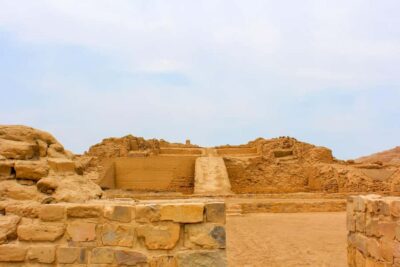
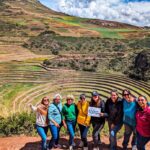
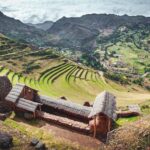
Pisac is the Sacred Valley stop that tends to hook people fast. The reason is simple: you can see Inca engineering doing real work. Stone walls hold terraces in place, agricultural levels step down the mountainside, and the irrigation system hints at how water management supported farming in steep terrain.
The site also carries a powerful social layer. Pisac is described as having the largest cemetery in the Inca Empire. Even if you do not memorize every detail, you can feel the scale of it. That cemetery context helps you shift from thinking of Pisac as only a pretty photo stop to understanding it as part of a living religious and administrative world.
What I like about this stop: the guide time makes the site readable. You are less likely to wander around and miss why certain walls, alignments, or terraces matter.
A practical consideration: Pisac involves walking on uneven ground, so wear shoes with grip. And if you’re sensitive to altitude or pace, let the guide know early. Small-group tours are better at adjusting than big buses.
The Pisac craft market stop: what to buy, what to skip
After Pisac, you get time at the nearby craft market. This is the moment when you can pick up Andean textiles, ceramics, alpaca products, jewelry, and even Andean instruments.
I think of this market stop as two things:
1) a chance to browse at leisure without needing to hunt around town, and
2) a real test of your shopping instincts.
If you love handicrafts, it is a convenient place to look at quality and variety in one pass. If you are mainly focused on photos and ruins, you can treat it as optional browsing time and keep your energy for the bigger sites.
Urubamba lunch time: eat local without losing the schedule
On the way toward Urubamba, you’ll have a lunch purchase stop in local restaurants. The idea here is that you can refuel with regional staples made with fresh products, rather than defaulting to whatever is easiest near the tourist core.
Because Sacred Valley lunch is not listed as included, plan for a meal cost. If you like to travel light, keep your spending flexible here; you’re not trapped with a set menu.
My tip: if you have a sensitive stomach, keep it simple. A short Sacred Valley day turns into a long day if you feel unwell after lunch.
You can also read our reviews of more tours and experiences in Cusco

Ollantaytambo: the Inca stonecraft city you can still feel
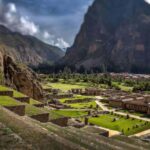
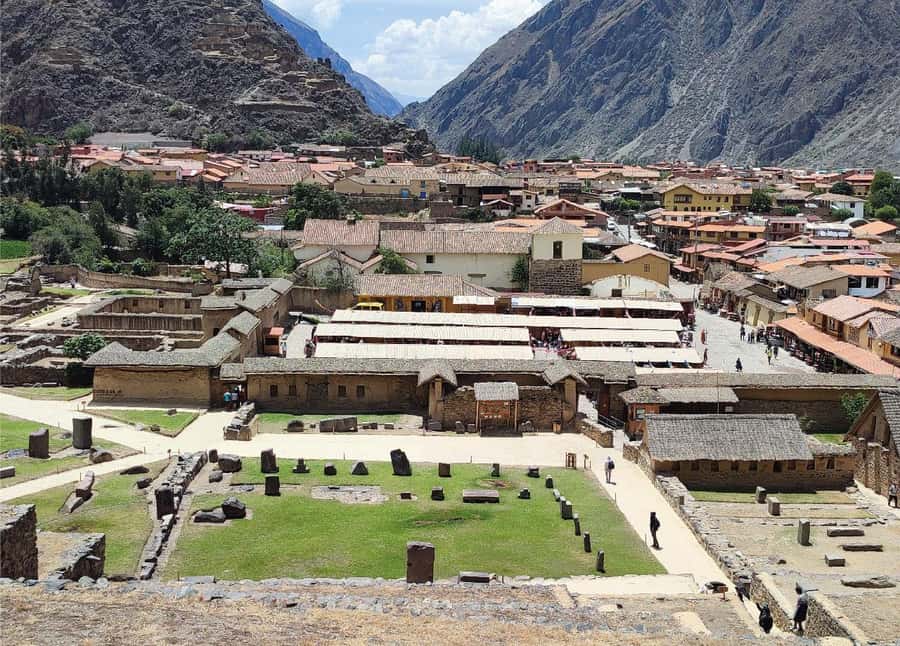
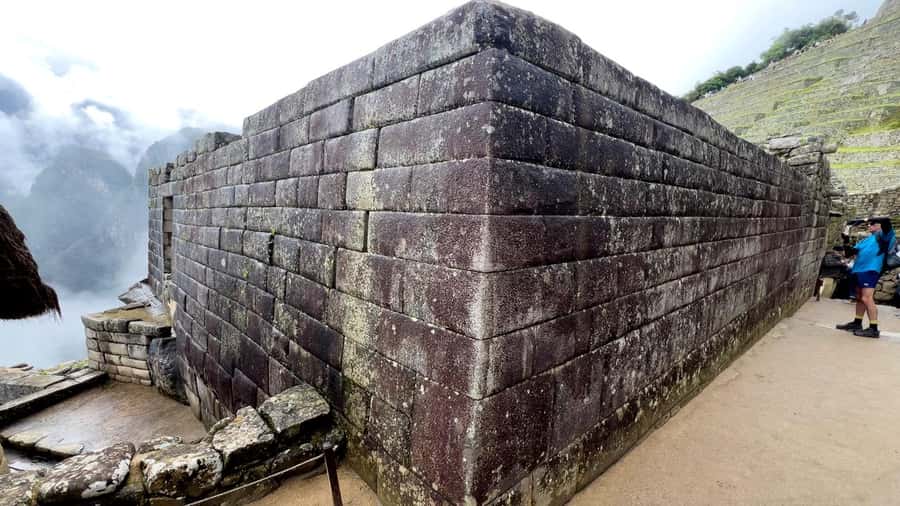
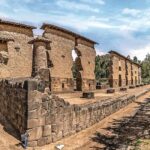
In the afternoon, you’ll visit Ollantaytambo, another major Inca complex in the Sacred Valley. This is where the tone shifts from farming terraces to Inca stonecraft and urban planning.
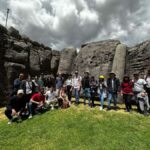
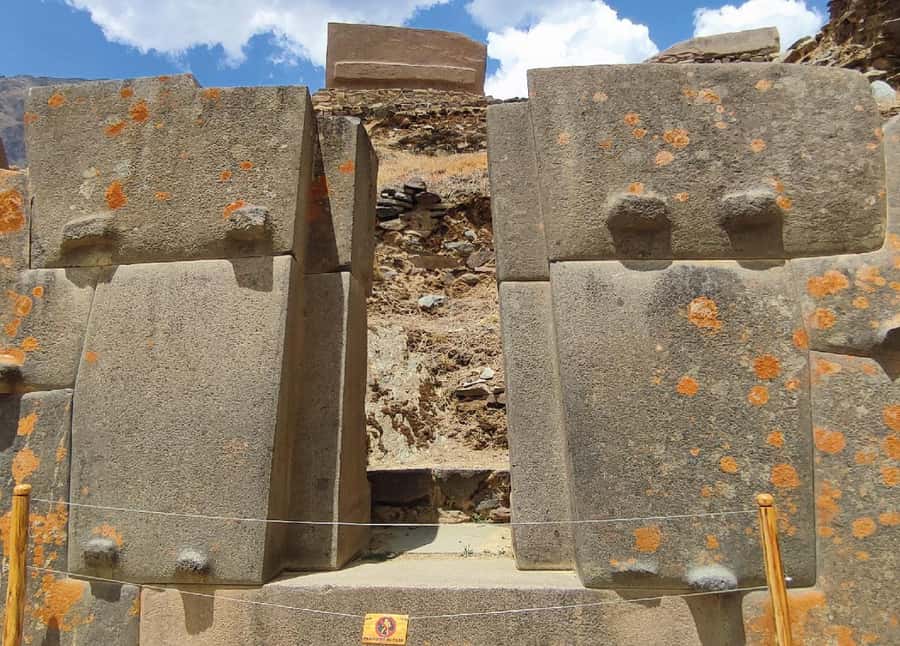
Ollantaytambo is known for temples, terraces, warehouses, and a notable Inca monolith. The really valuable part is the guide explanation of how Inca builders shaped stone with precision. You start seeing patterns in the blocks and the way the site is organized—like you are reading architecture, not just staring at ruins.
Why I think this stop is worth it: it prepares you for Machu Picchu. When you’ve seen how Inca construction works in the Sacred Valley, Machu Picchu feels less like a random masterpiece and more like the continuation of a whole engineering and ceremonial system.
Important heads-up: entrance tickets for Pisac and Ollantaytambo are not included (about $22 USD approximately). Budget for that so you are not surprised at the gate.
Train from Ollantaytambo to Aguas Calientes: choose your side for the river views
Next up is the train ride from Ollantaytambo to Aguas Calientes. You can choose between the Tourist Train and the Panoramic Train category.
Either way, the main reason to care is the views. This train passes through a dramatic canyon shaped by the Urubamba River. On a clear day, the river setting makes the trip feel like part of the show, not just a transfer.
One practical note from experience in past groups: the two sides of the train do not always deliver equal river views. If you’re picky about scenery, ask when you can about seating and which side tends to offer the better look toward the river. You might still get what you get, but it’s worth trying—especially on your outbound and return.
Overnight in Aguas Calientes: set yourself up for a calmer Machu Picchu morning
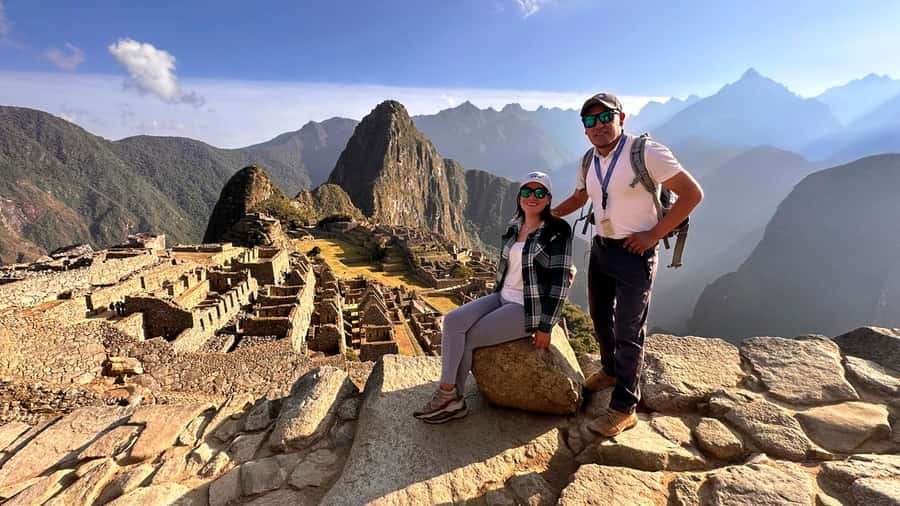
After arriving in Aguas Calientes, you’ll check into your accommodation if that option is selected (standard or superior category). Past participants have described the accommodation as nice, which matters because you want to recover before an early start.
Aguas Calientes is basically the base town for Machu Picchu. You’re not there to tour the city for days—you’re there to sleep well and be ready. Take the evening to reset: pack what you’ll need for the mountain, refill water, and get comfortable with the next morning’s plan.
Machu Picchu by early bus: the part where the mountain changes everything
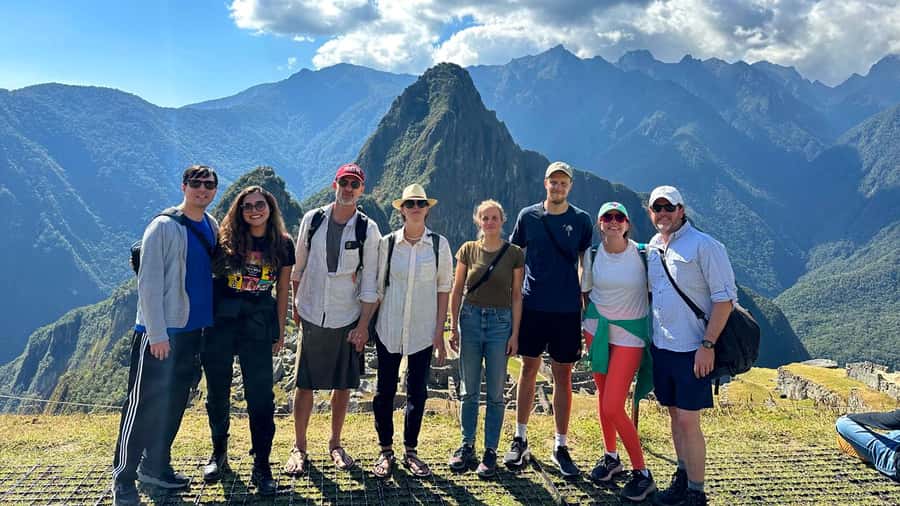
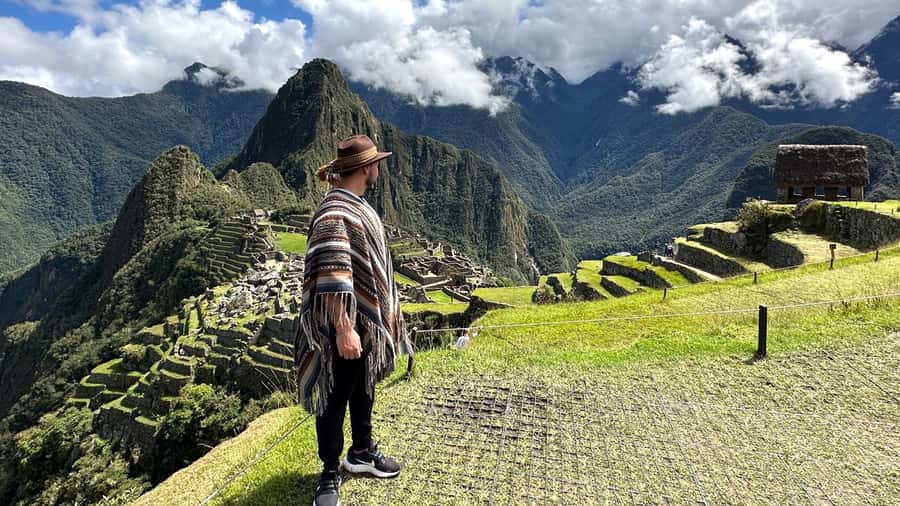
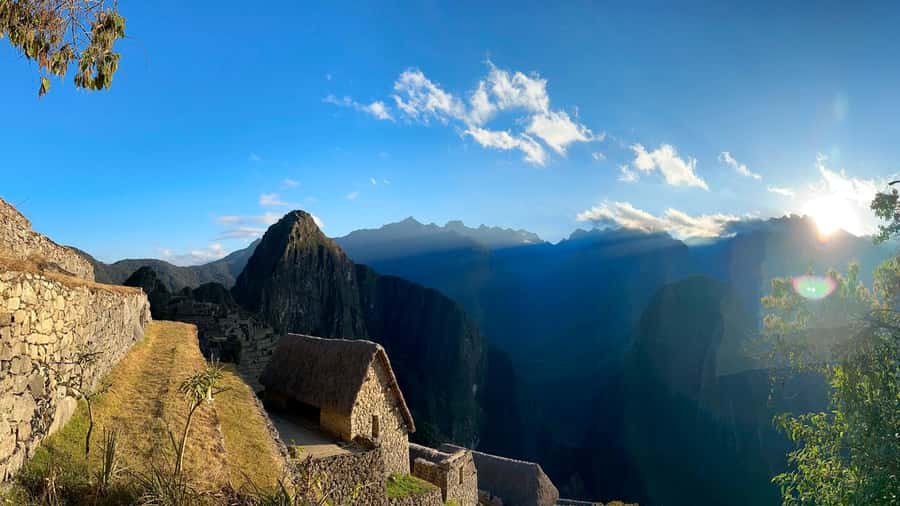
Early the next morning, you take the bus from Aguas Calientes up to Machu Picchu. The drive is short but intense with views of the Urubamba River and canyon area as you climb.
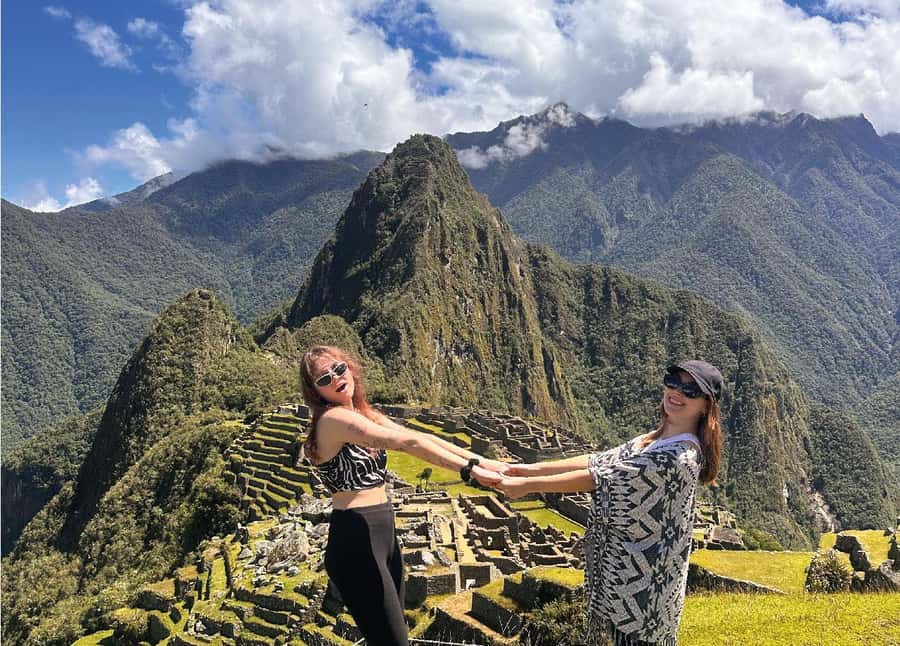
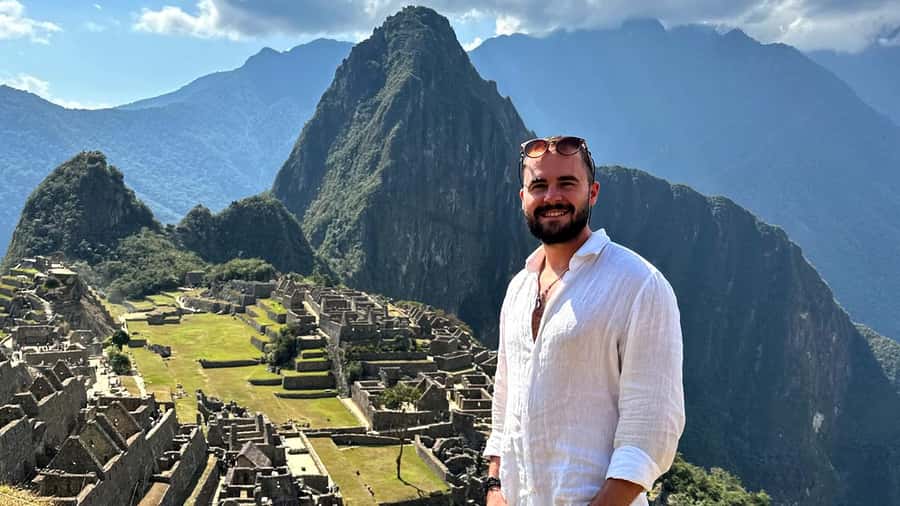
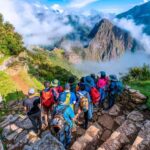
Then comes the heart of the trip: a guided visit to Machu Picchu with a certified guide. With the explanation from the guide, the terraces, stairways, and ceremonial structures land in your brain as part of a bigger system. You start recognizing the layout, the logic of movement, and the reasons certain areas feel central.
One big factor that you can’t control: weather. In at least one recent experience, an early ticket meant visibility wasn’t at its best, but the overall visit still felt memorable. So yes, plan for mist as a possibility. Still, go. Machu Picchu does not become less impressive just because the mountain is moody.
What I like about this setup: you get guidance at the right time. Standing in front of the structures is impressive. Having someone point out what to look for makes it unforgettable.
Lunch after the guided tour: refuel in Aguas Calientes
After your guided Machu Picchu visit, you’ll have time for lunch in Aguas Calientes. This lunch is included in the overall package.
You’ll be in a tourist town, so expect a restaurant scene designed for quick turnover. Still, this is a smart place to schedule the meal. You are not rushing back down immediately to find food somewhere else; you eat, you slow down, and then you handle the return.
Train back to Ollantaytambo and shuttle to Cusco: closing the loop
Once your day wraps at Machu Picchu and lunch is done, you return by train from Aguas Calientes to Ollantaytambo. A bus is then waiting to take you back to Cusco.
One of the underrated benefits of a tour like this is the handoffs. You’re not guessing which platform, which direction, or which transfer point. That support is especially helpful if you are arriving from an overnight in Aguas Calientes and you’re already tired.
Price and logistics: is $370 good value for this 2-day plan?
At $370 per person for a 2-day package, the value mostly comes from what you’re not doing yourself. This price covers hotel pickup and drop-off in Cusco, the guided Sacred Valley tour (Spanish/English), the Machu Picchu guided tour (Spanish/English), train tickets in your chosen category, the roundtrip bus tickets between Aguas Calientes and Machu Picchu, the Machu Picchu entrance ticket, and a certified guide. It also includes an overnight in Aguas Calientes if you select accommodation, plus lunch in Aguas Calientes and 24-hour assistance.
Now, what is not included:
- entrance to Pisac and Ollantaytambo (about $22 USD approximately),
- lunch in the Sacred Valley segment,
- drinks.
There’s also an important booking reality check: the trip is non-refundable, and the Machu Picchu entrance ticket portion can’t be refunded if you cancel. That makes planning your dates seriously important. If you think your schedule might change, you’ll want to weigh that risk before you buy.
Finally, there are practical rules that affect comfort:
- Bring a passport or ID card.
- Large bags or luggage are not allowed. Pack light.
For me, the best value angle is peace of mind. If you want to enjoy Cusco and the Sacred Valley without spending a ton of time coordinating transport and entrances, this format is a strong deal.
Who this tour fits best (and who should consider another plan)
This is a great fit if you:
- want Machu Picchu without doing a trek,
- prefer a guided pace that explains what you are seeing,
- like the convenience of having train and bus tickets handled,
- travel in English or Spanish and want real conversation, not just signage,
- want a small group experience capped at 15.
It might not be the best fit if you:
- want full freedom to linger as long as you like at each stop,
- hate scheduled days and transfers,
- need extra room for luggage (since large bags are not allowed),
- are extremely weather-dependent and require guaranteed visibility.
Should you book this 2-day Sacred Valley and Machu Picchu tour?
If your main goal is to see Sacred Valley highlights and reach Machu Picchu with the stress removed, I’d say yes—this is one of the more practical ways to do it in two days. The guided structure helps you understand the ruins instead of just collecting images, and the train/bus flow is exactly where a DIY plan can get annoying.
If you can handle the usual Machu Picchu uncertainty (mist, early starts, walking on uneven ground) and you are okay with extra entrance fees for Pisac and Ollantaytambo, you’ll likely feel it was money well spent. Book it when your dates are locked, pack light, and bring patience for weather—then focus on letting the sites click through the guide’s explanations.
FAQ
How long is the Sacred Valley and Machu Picchu trip?
It is a 2-day experience.
How much does it cost?
The price is $370 per person.
Is Machu Picchu entrance included?
Yes, the entrance ticket to Machu Picchu is included.
What about entrance fees for Pisac and Ollantaytambo?
Those entrances are not included (about $22 USD approximately).
Are meals included?
Lunch in Aguas Calientes is included. Lunch in the Sacred Valley segment is not included.
Is accommodation included in Aguas Calientes?
Accommodation is included only if you select that option, and it depends on standard or superior category.
What train and bus are included?
You get a roundtrip train ticket (tourist or panoramic category) and a roundtrip bus ticket between Aguas Calientes and Machupicchu.
What language will the guides use?
The tours are offered in Spanish and English.
What’s the group size?
The group is limited to 15 participants.
Do I need ID, and can I bring luggage?
You should bring a passport or ID card, and large bags or luggage are not allowed.